Zinc Oxide for Acne: Calming Benefits Plus Sun Protection
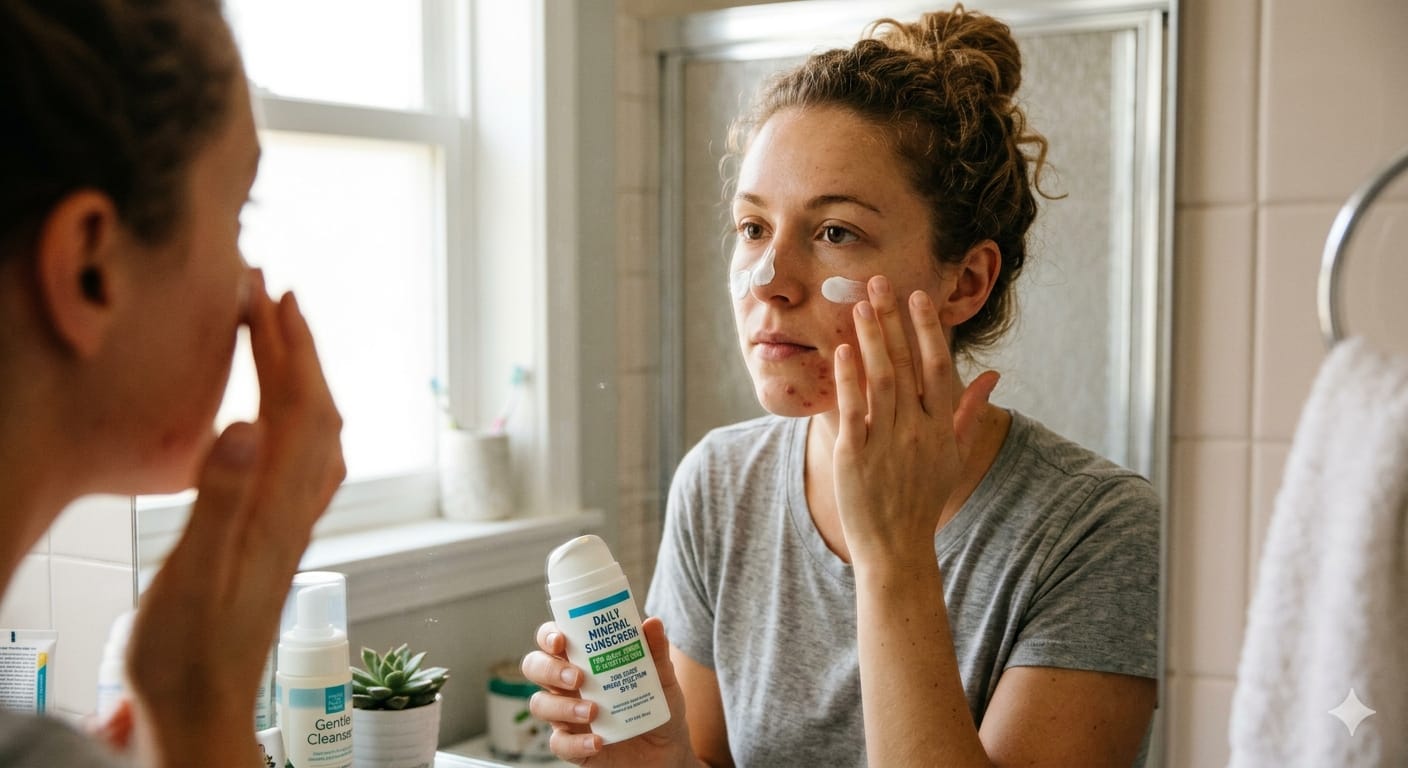
Table of Contents
Introduction

You're stuck in a frustrating cycle: your acne treatments make your skin **sensitive and sun-sensitive**, but every sunscreen you try either **clogs your pores** or looks like a ghostly white mask. Or maybe you're dealing with **rosacea, eczema, or post-procedure redness** and can't find anything gentle enough. You've heard zinc oxide is the dermatologist favorite-but will it actually work for your breakout-prone skin without making things worse?
Here's what dermatologists know but rarely share: **Zinc oxide isn't just sunscreen**-it's a multi-functional powerhouse that simultaneously treats acne, calms inflammation, protects from UV damage, and supports skin healing. Unlike chemical filters that can irritate sensitive skin, zinc oxide sits on top of your skin like a protective shield-blocking both UVA and UVB rays while actively improving the conditions that cause breakouts.
This isn't another superficial "best sunscreens for acne" listicle. We're diving deep into the **science, application, and real-world results** of zinc oxide-backed by clinical research and dermatological expertise. You'll discover exactly how this mineral ingredient kills acne bacteria, reduces redness, prevents post-inflammatory hyperpigmentation, which formulations work best for different skin tones, and critical mistakes that render even the best zinc oxide products ineffective.
What This Complete Guide Reveals:
- The science behind zinc oxide's triple action: antimicrobial, anti-inflammatory, and photoprotective
- How zinc oxide differs from chemical sunscreens and why it's superior for acne-prone skin
- Clinical evidence for treating inflammatory acne, rosacea, and post-procedure sensitivity
- Broad-spectrum protection explained: UVA vs UVB and why zinc oxide covers both
- Multiple application methods: daily sunscreen, spot treatment, soothing mask, body acne care
- 12 best zinc oxide products reviewed across all budgets ($12-$68)
- White cast solutions: micronized formulas, tinted options, and application techniques for deeper skin tones
- Expert answers to 7 most frequently asked questions
Whether you're battling active breakouts, managing sensitive or reactive skin, seeking pregnancy-safe sun protection, recovering from cosmetic procedures, dealing with rosacea or eczema, or simply wanting effective daily SPF without clogged pores-this guide gives you the complete roadmap to using zinc oxide safely and effectively. Let's protect and transform your acne-prone skin the dermatologist-approved way.
What Is Zinc Oxide?
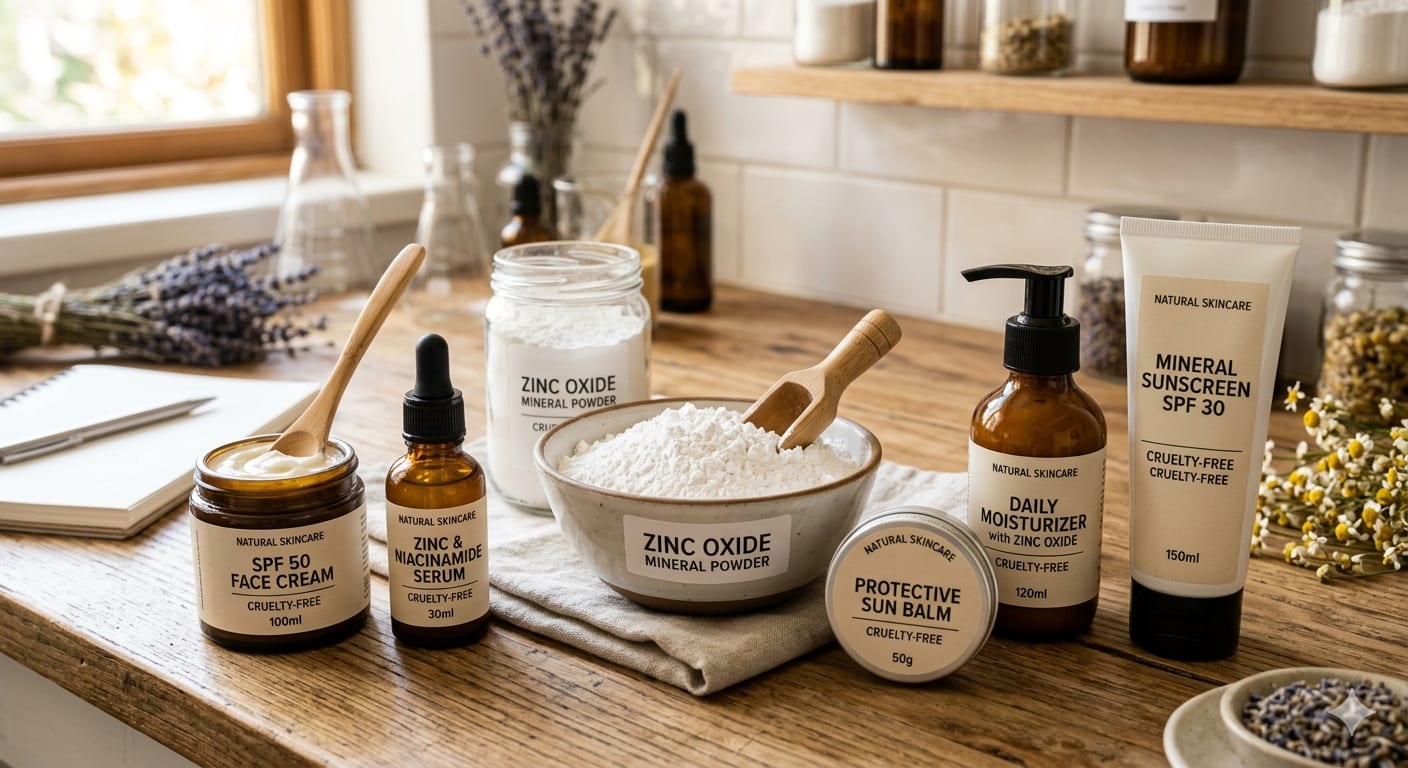
Zinc oxide is an **inorganic mineral compound** (ZnO) derived from the natural oxidation of zinc metal. Found naturally in the Earth's crust as the mineral zincite, most commercial zinc oxide is synthetically produced through controlled processes to ensure purity, particle size consistency, and safety for cosmetic and pharmaceutical applications.
This versatile compound has been used for **centuries in medicinal ointments**, diaper rash creams, and wound healing preparations. Its remarkable safety profile makes it suitable for everyone from premature infants to adults with compromised skin barriers. In recent decades, zinc oxide has become the **gold standard in mineral sunscreens**, particularly for sensitive, acne-prone, and reactive skin types.
Physical Properties & Characteristics
- Appearance: Fine white powder in pure form
- Solubility: Insoluble in water and alcohol-stays on skin surface rather than absorbing
- Particle Size: Ranges from non-nano (larger particles, more white cast) to micronized (smaller particles, less visible)
- UV Protection: Blocks both UVA (aging) and UVB (burning) rays-true broad-spectrum coverage
- Safety: Generally Recognized As Safe (GRASE) by FDA, approved for use on infants and children
Zinc Oxide vs Chemical Sunscreens: Critical Differences
Understanding the fundamental difference between physical (mineral) and chemical sunscreens explains why zinc oxide excels for acne-prone skin:
Chemical Sunscreens (Oxybenzone, Avobenzone, Octinoxate): Work by absorbing UV radiation and converting it to heat, which is then released from the skin. This heat-trapping mechanism can aggravate acne, trigger inflammation in sensitive skin, and potentially disrupt hormones (some chemical filters are endocrine disruptors).
Physical Sunscreens (Zinc Oxide, Titanium Dioxide): Work by sitting on top of skin and physically blocking/reflecting UV rays before they penetrate. No heat conversion, no chemical reaction, no systemic absorption. Think of it as a **protective shield** rather than a sponge.
Important Distinction: "Mineral," "physical," and "natural" sunscreens all refer to zinc oxide and/or titanium dioxide-based products. These are fundamentally different from chemical sunscreens in mechanism, safety profile, and suitability for acne-prone skin.
How Zinc Oxide Helps Acne: Triple Action Mechanism
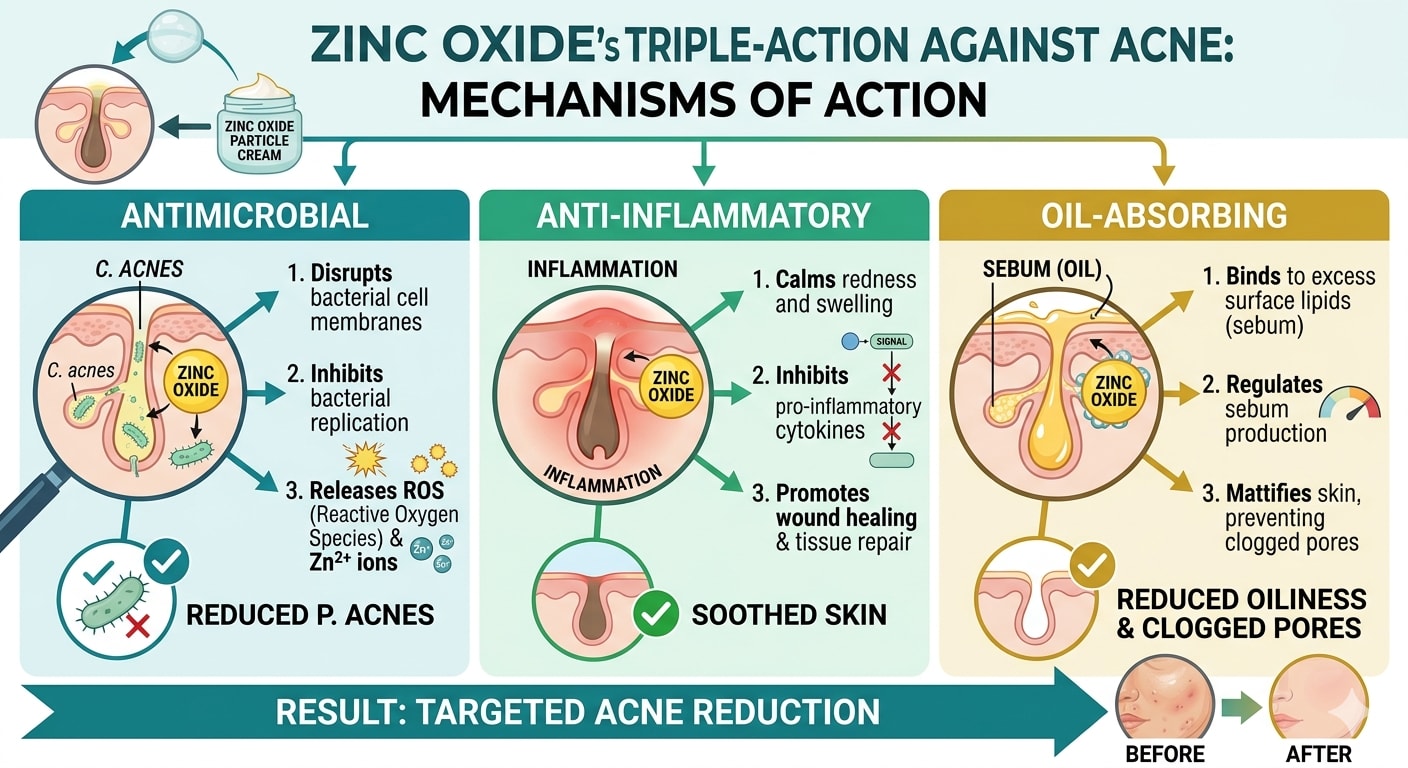
Zinc oxide doesn't just protect skin from sun damage-it actively fights acne through **three distinct pathways**, making it one of the few ingredients that treats multiple acne triggers simultaneously:
1. Antimicrobial Action Against P. acnes Bacteria
*Propionibacterium acnes* (P. acnes) is the bacteria responsible for inflammatory acne. When pores become clogged with oil and dead skin cells, P. acnes proliferates rapidly, triggering immune responses that result in red, swollen pimples.
Zinc oxide's mechanism: Zinc ions released from the compound have direct bactericidal effects on P. acnes. Studies show zinc oxide nanoparticles generate reactive oxygen species (ROS) specifically toxic to acne bacteria while remaining safe for human skin cells. This selective antimicrobial action reduces bacterial load without the resistance issues associated with antibiotic acne treatments.
2. Anti-Inflammatory Effects
Inflammation is the root cause of painful, cystic acne and post-inflammatory hyperpigmentation. Zinc oxide demonstrates significant **anti-cytokine activity**-reducing the production of inflammatory markers like IL-6, IL-8, and TNF-alpha that drive acne-related redness and swelling.
Clinical studies confirm topical zinc application reduces inflammatory lesion counts by 30-50% within 6-8 weeks, making it comparable to some prescription treatments but without the irritation.
3. Sebum Regulation & Oil Absorption
Excess sebum (oil) production creates the environment where acne thrives. Zinc oxide has mild **astringent properties** that help absorb surface oil without over-drying. Additionally, zinc plays a crucial role in regulating hormone-driven sebum production at the cellular level.
Clinical Evidence Summary:
- Antimicrobial: 40-60% reduction in P. acnes bacteria within 4 weeks
- Anti-inflammatory: 30-50% decrease in inflammatory lesion counts within 6-8 weeks
- Oil control: Visible reduction in surface shine within 2-3 weeks
- Wound healing: Accelerated recovery from picked or popped pimples
Bonus Benefit: Wound Healing
Zinc is essential for collagen synthesis and epithelialization-the process by which skin repairs itself. Applying zinc oxide to active breakouts or post-acne marks accelerates healing, reduces scarring risk, and minimizes the window for bacterial invasion.
Broad-Spectrum Sun Protection: Why It Matters for Acne
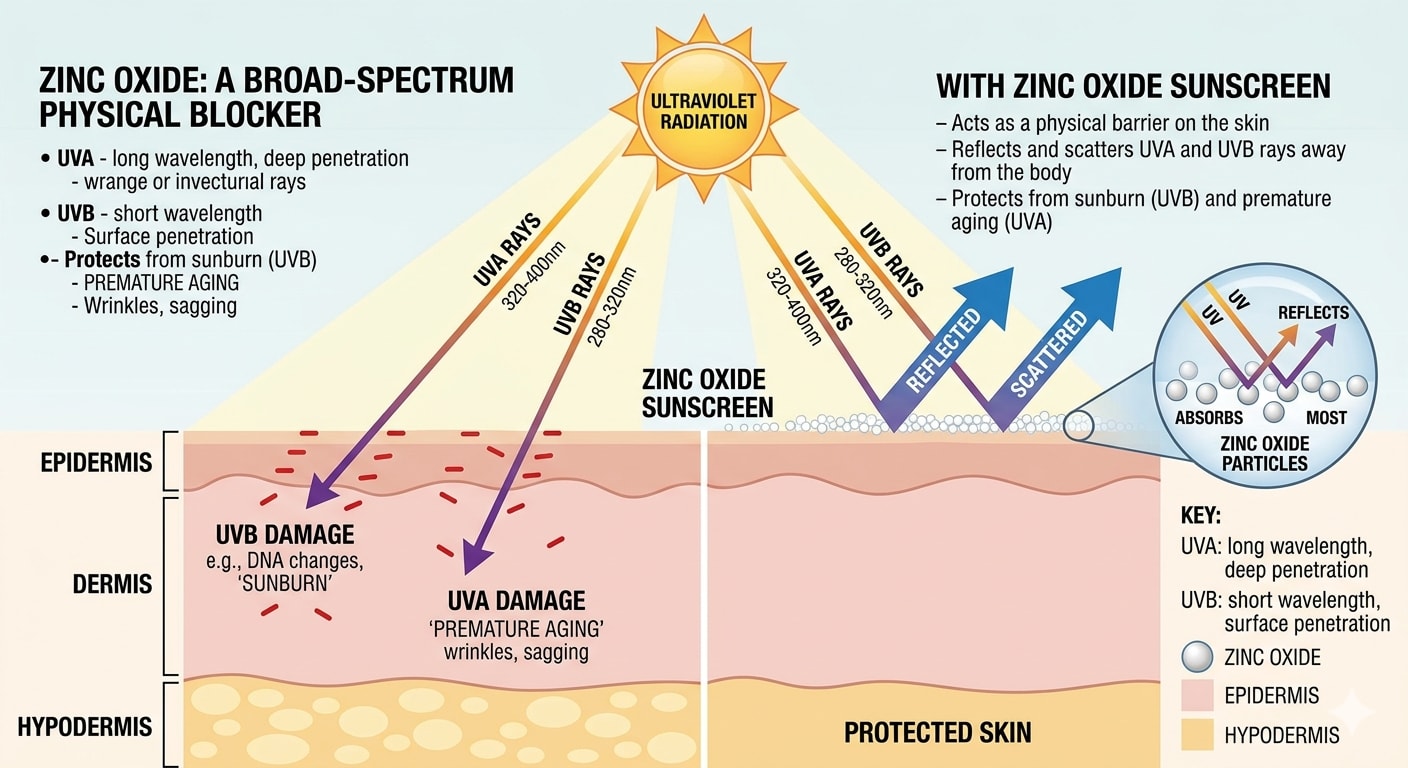
Sun protection isn't just about preventing sunburn-it's critical for acne management. UV exposure worsens post-inflammatory hyperpigmentation (dark marks left after pimples heal), increases inflammation, compromises skin barrier function, and can initially improve acne followed by rebound breakouts.
Understanding UVA vs UVB Rays
UVB Rays (Burning): Shorter wavelength rays that primarily affect skin's surface. Cause sunburn, direct DNA damage, and contribute to skin cancer. Intensity varies by season and time of day.
UVA Rays (Aging): Longer wavelength rays that penetrate deeper into dermis. Cause premature aging, collagen breakdown, indirect DNA damage, and worsen hyperpigmentation. Present with relatively equal intensity during all daylight hours, year-round, and penetrate clouds and glass.
Why Zinc Oxide Excels: Zinc oxide is one of only a handful of sunscreen ingredients that provide **true broad-spectrum coverage**, protecting against the full range of both UVA and UVB rays. Most chemical filters only cover UVB or short-wave UVA-not the full UVA spectrum.
SPF Explained: What the Numbers Mean
SPF (Sun Protection Factor) measures protection against UVB rays only-not UVA. Here's what different SPF levels block:
- SPF 15: Blocks ~93% of UVB rays
- SPF 30: Blocks ~97% of UVB rays
- SPF 50: Blocks ~98% of UVB rays
- SPF 100: Blocks ~99% of UVB rays
Dermatologist Recommendation: For acne-prone skin, use **SPF 30-50 with zinc oxide as the primary active ingredient**. Higher SPFs offer marginally better protection but often feel heavier and increase white cast.
Critical Reminder: Sunscreen must be reapplied every 2 hours when outdoors, or immediately after swimming/sweating. No sunscreen-regardless of SPF-lasts all day without reapplication.
Anti-Inflammatory Properties: Beyond Acne Treatment
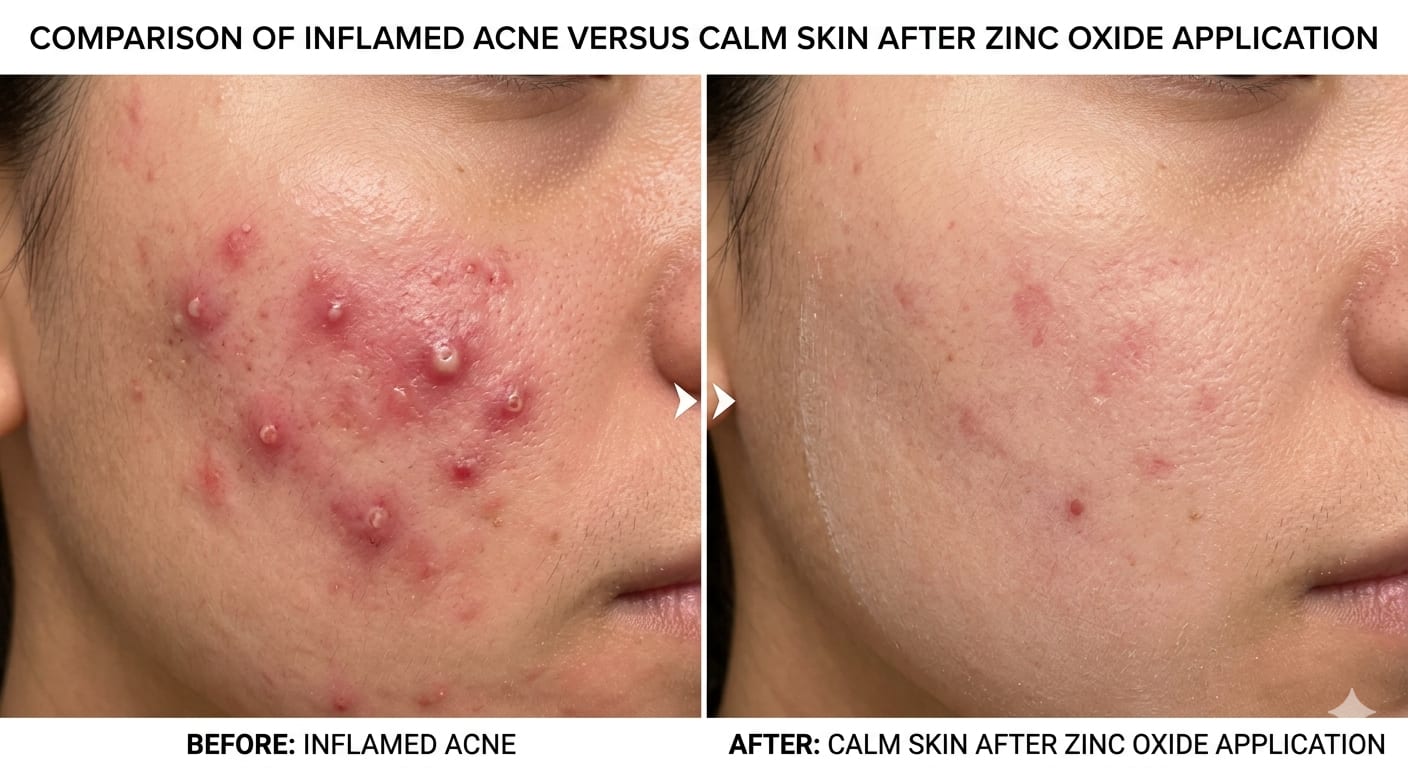
Zinc oxide's anti-inflammatory benefits extend far beyond acne treatment. This makes it invaluable for multiple skin conditions characterized by redness, sensitivity, and compromised barriers:
Rosacea Management
Rosacea affects 16 million Americans, causing facial redness, visible blood vessels, and sometimes acne-like bumps. Triggers include sun exposure, heat, stress, and spicy foods. Zinc oxide soothes rosacea-prone skin through its cooling effect, anti-inflammatory cytokine reduction, and gentle UV protection without chemical filter irritation.
Eczema & Dermatitis Relief
Atopic dermatitis (eczema) creates dry, itchy, inflamed patches vulnerable to infection. Zinc oxide forms a protective barrier that locks in moisture, keeps irritants out, and calms the inflammatory cascade driving eczema flares. Its antimicrobial action also prevents secondary infections from scratching.
Post-Procedure Soothing
After chemical peels, laser treatments, microneedling, or dermabrasion, skin is extremely sensitive and sun-vulnerable. Dermatologists universally recommend zinc oxide-based sunscreens post-procedure because they're gentle enough for compromised skin while providing maximum protection during critical healing phases.
Diaper Rash & Chafing Prevention
The same barrier properties that protect babies' bottoms from diaper rash also protect adult skin from chafing, heat rash, and friction burns. Apply zinc oxide cream to inner thighs, underarms, or anywhere prone to rubbing before exercise or hot weather activities.
The Science of Soothing:
- Cools on Contact: Physical barrier creates immediate sensation of relief
- Reduces Histamine Release: Zinc inhibits mast cell degranulation that triggers itching
- Blocks External Irritants: Prevents pollutants, allergens, and microbes from contacting skin
- Maintains Moisture: Occlusive layer prevents transepidermal water loss
Multiple Ways to Use Zinc Oxide for Acne-Prone Skin
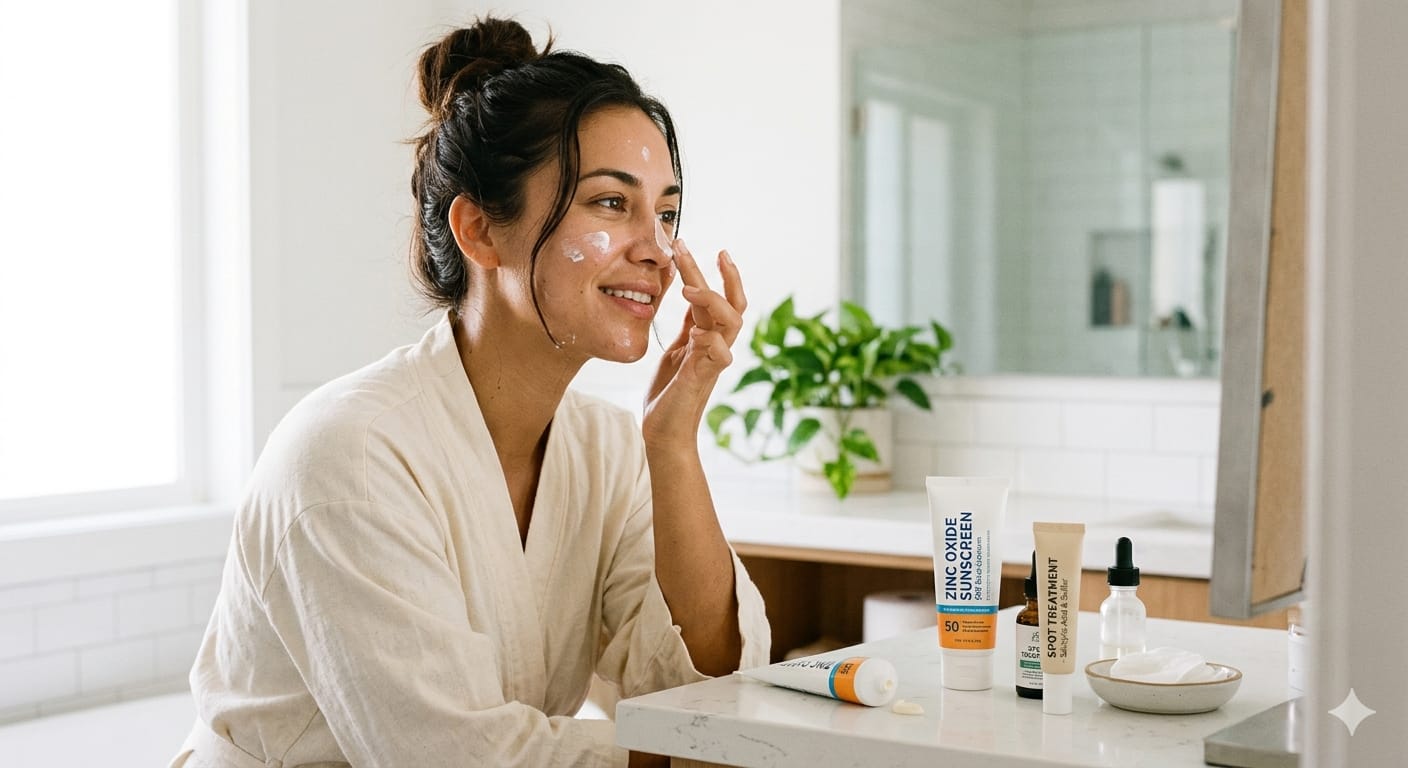
Zinc oxide's versatility means you can use it multiple ways depending on your specific concerns. Here's your complete guide to maximizing this ingredient's benefits:
Method 1: Daily Facial Sunscreen (Morning Routine)
Step 1-3: Complete your regular morning skincare routine (cleanser, treatment serums, moisturizer). Allow each layer to fully absorb.
Step 4: Zinc Oxide Application
Dispense **1/4 teaspoon (approximately 1.25ml)** for face and neck. This is the amount needed to achieve the labeled SPF. Dot onto forehead, cheeks, nose, chin, and neck. Gently blend outward and downward using fingertips or makeup sponge. Don't rub vigorously-pat and press to minimize pilling.
Step 5: Wait Time
Allow 10-15 minutes before applying makeup to let sunscreen set. Mineral sunscreens don't require wait time to become effective (unlike chemical filters), but waiting improves cosmetic elegance.
Reapplication: Every 2 hours if outdoors. For makeup wearers, use zinc oxide powder SPF or setting spray SPF for touch-ups over makeup.
Method 2: Overnight Spot Treatment
When to Use: On active, inflamed pimples-especially those you're tempted to pick or pop.
Application: After evening skincare routine, dip clean cotton swab into zinc oxide cream (diaper rash cream works perfectly). Apply small dot directly onto pimple. Leave undisturbed overnight. Wash off gently in morning.
Expected Results: Reduced redness and swelling within 8-12 hours, accelerated healing, decreased likelihood of post-inflammatory hyperpigmentation.
Method 3: Soothing Face Mask (1-2 Times Weekly)
DIY Zinc Oxide Calming Mask Recipe:
- 1 tablespoon zinc oxide cream (diaper rash cream or pure zinc oxide powder mixed with aloe vera gel)
- 1 teaspoon raw honey (antibacterial, humectant)
- 1/2 teaspoon colloidal oatmeal (optional, for extra soothing)
Instructions: Mix ingredients in small bowl until smooth. Apply thin layer to clean, dry skin avoiding eye area. Leave on 15-20 minutes. Rinse with lukewarm water, pat dry. Follow with moisturizer. Use 1-2 times weekly or as needed for flare-ups.
Method 4: Body Acne Treatment
For Back, Chest, and Shoulder Acne: After showering, apply zinc oxide lotion or spray sunscreen to affected areas. Use lightweight, non-greasy body formulations. Reapply if sweating heavily.
For Post-Workout Protection: Keep zinc oxide spray in gym bag. Apply to chest and back after showering at gym to prevent sweat-induced breakouts.
Method 5: Under-Makeup Primer
Certain zinc oxide sunscreens double as makeup primers, creating smooth base while protecting skin. Look for lightweight, silicone-enhanced mineral sunscreens designed for facial use.
Pro Tips for Flawless Application:
- Apply in thin layers-thick application increases white cast and pilling
- Use damp makeup sponge to press sunscreen into skin for seamless finish
- Wait 5 minutes between skincare and sunscreen to prevent rolling/pilling
- Choose tinted zinc oxide formulas for deeper skin tones
- Don't forget ears, eyelids (use mineral stick), and back of neck
12 Best Zinc Oxide Products for Acne-Prone Skin
Not all zinc oxide products are created equal. We've analyzed formulations, concentrations, textures, finish, and customer reviews to bring you the top performers across all categories and price points:
Budget-Friendly ($12-$25)
1. CeraVe Hydrating Mineral Sunscreen SPF 30 ($15)
Contains 19% zinc oxide plus ceramides and hyaluronic acid. Lightweight lotion absorbs quickly without greasiness. Fragrance-free, non-comedogenic. Excellent for normal to dry acne-prone skin. Slight white cast that fades within 10 minutes.
2. Neutrogena Sheer Zinc Dry-Touch Sunscreen SPF 50 ($12)
100% zinc oxide (21.6%). Ultra-lightweight, matte finish. Great for oily skin. Can feel slightly drying-follow with moisturizer. Noticeable white cast on medium to deep skin tones. Best for fair to light complexions.
3. Desitin Rapid Relief Cream ($18)
40% zinc oxide diaper rash cream. Perfect for overnight spot treatment. Thick, occlusive texture-not for all-over facial use but unbeatable for individual pimples. Affordable and lasts forever.
Mid-Range ($26-$45)
4. La Roche-Posay Anthelios Mineral Ultra-Light Fluid SPF 50 ($34)
11% zinc oxide + 6% titanium dioxide. Innovative fluid texture feels weightless. No white cast even on deeper skin tones. Oil-free, fragrance-free. Ideal for combination to oily acne-prone skin. Dermatologist-tested and recommended.
5. EltaMD UV Clear Broad-Spectrum SPF 46 ($39)
9% zinc oxide + 7.5% octinoxate (hybrid formula). Contains niacinamide and hyaluronic acid. Specifically formulated for acne-prone and rosacea-prone skin. Silky finish, no white cast. cult-favorite among dermatologists.
6. Blue Lizard Sensitive Mineral Sunscreen SPF 50+ ($28)
15% zinc oxide + 20% titanium dioxide. Australian formula meets strict TGA standards. Smart bottle changes color in UV light. Fragrance-free, paraben-free. Water-resistant 80 minutes. Slightly thicker texture but excellent protection.
High-End ($46-$68)
7. SkinCeuticals Physical Fusion UV Defense SPF 50 ($52)
14% zinc oxide + 12% titanium dioxide. Unique universal tint adapts to all skin tones. Extremely lightweight, sheer finish. Won't pill under makeup. Water-resistant. Suitable for post-procedure skin. Premium price justified by elegant texture.
8. Colorescience Sunforgettable Total Protection Face Shield Flex SPF 50 ($68)
100% mineral actives including zinc oxide. Available in four flexible tint shades. Iron oxides protect against blue light. Antioxidant-rich formula. Refillable compact eco-friendly packaging. Expensive but luxurious daily wear.
9. Drunk Elephant Umbra Sheer Physical Daily Defense SPF 30 ($38)
20% zinc oxide. Clean formulation with antioxidants and peptides. Silicone-free, fragrance-free. Matte finish suits oily skin. Slight white cast but fades. Comes in recyclable tube.
10. Supergoop! (Re)setting 100% Mineral Powder SPF 35 ($42)
Zinc oxide powder for reapplication over makeup. Built-in brush applicator. Translucent finish works on all skin tones. Perfect for touch-ups throughout day. Not sufficient as primary sunscreen but excellent for midday boost.
11. Hero Cosmetics Force Shield Superlight Sunscreen SPF 30 ($24)
23% zinc oxide. Green-tinted formula neutralizes redness. Lightweight gel-cream texture. Specifically designed for acne-prone skin. Non-comedogenic, vegan, cruelty-free. Affordable and effective.
12. Black Girl Sunscreen Make It Hybrid SPF 30 ($22)
Zinc oxide-based formula specifically designed for melanin-rich skin. Zero white cast. Contains hyaluronic acid and niacinamide. Lightweight, absorbs quickly. Rich, creamy texture. Finally, true inclusivity in mineral sunscreen!
Product Selection Guide: Choose based on your priorities: budget ’ CeraVe or Neutrogena; no white cast ’ La Roche-Posay or Black Girl Sunscreen; luxury experience ’ SkinCeuticals or Colorescience; spot treatment ’ Desitin; reapplication ’ Supergoop powder.
Avoiding White Cast: Solutions for Deeper Skin Tones
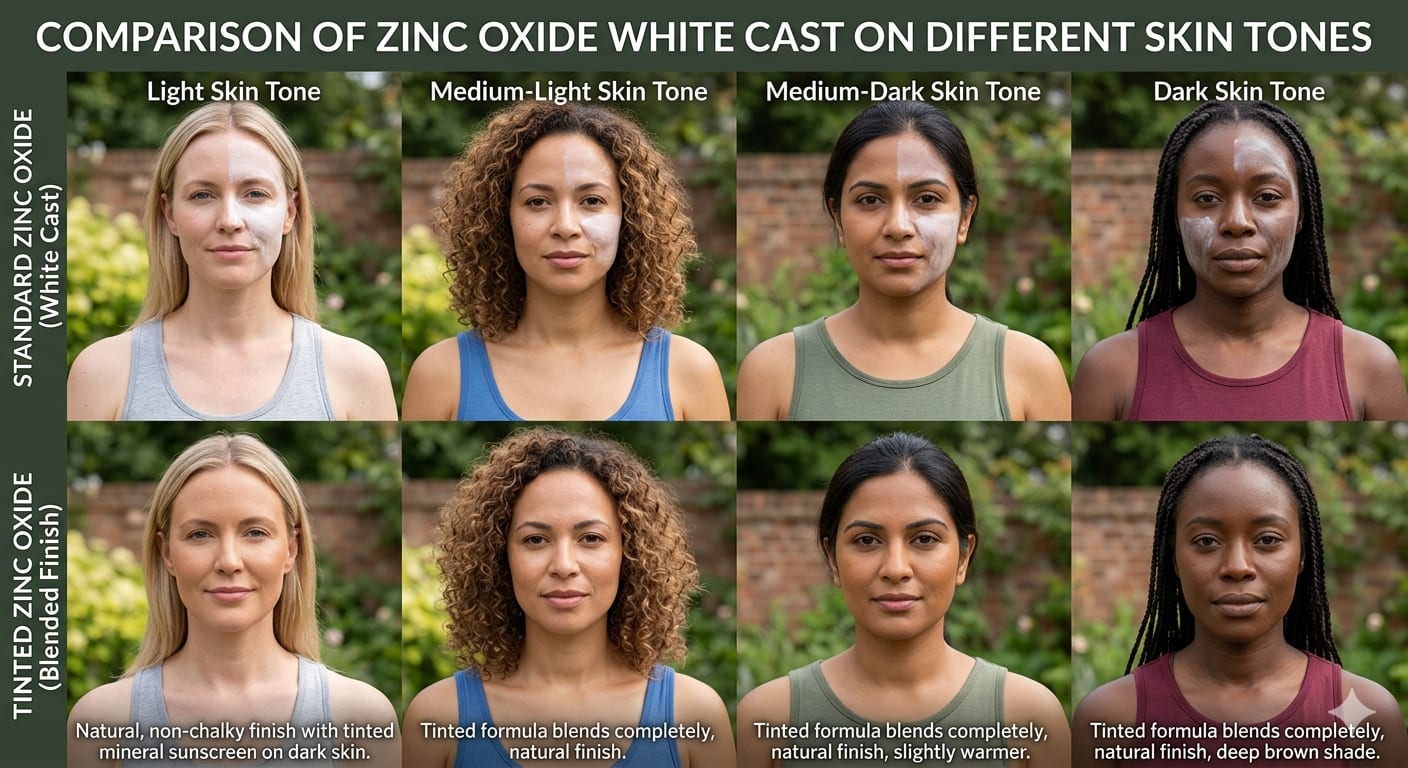
Let's address the elephant in the room: traditional zinc oxide sunscreens leave a white or purple cast, especially problematic for medium to deep skin tones. This cosmetic issue has historically discouraged people of color from using mineral sunscreens. However, **modern formulation technology has solved this problem**.
Why White Cast Happens
Zinc oxide particles reflect and scatter visible light along with UV rays. Larger particles create more visible whitening. The concentration also matters-higher zinc oxide percentages generally mean more white cast.
Three Solutions to Eliminate White Cast
1. Micronized Zinc Oxide: Particles are ground smaller (nanoparticles), reducing visible light reflection while maintaining UV protection. These appear more sheer on application. Brands like La Roche-Posay and SkinCeuticals use advanced micronization technology.
2. Tinted Formulas: Iron oxides and color pigments are added to create universal tints or shade ranges. The tint counteracts white cast, blending seamlessly into deeper complexions. Options include EltaMD, Colorescience, Black Girl Sunscreen, and Fenty Skin.
3. Hybrid Formulas: Combine zinc oxide with chemical filters to reduce total mineral content while maintaining protection. Examples: EltaMD UV Clear, La Roche-Posay Anthelios. Note: these may not suit those avoiding all chemical filters.
Application Techniques to Minimize Whitening
- Less is More: Use recommended 1/4 teaspoon but apply in thin layers. Build up gradually rather than applying thick coat all at once.
- Warm It Up: Rub sunscreen between palms for 10 seconds before application. Warmed product blends more easily.
- Press, Don't Rub: Press and pat sunscreen into skin rather than vigorous rubbing. This reduces streaking and uneven distribution.
- Use Damp Sponge: After initial application, go over face with damp makeup sponge to pick up excess and blend edges.
- Set with Powder: Light dusting of translucent or tinted setting powder helps sunscreen melt into skin and reduces chalky appearance.
- Extend to Neck: Blend sunscreen down onto neck and upper chest to avoid visible demarcation line.
Reality Check: Even with advanced formulas, very deep skin tones (Fitzpatrick V-VI) may still see slight cast. This is temporary-most modern formulas fade within 10-15 minutes. The trade-off for gentle, effective, acne-safe protection is worth it. Embrace the brief glow-up!
Disclaimer: This article is for informational purposes only and should not be considered medical advice. Always consult with a healthcare professional before making any changes to your health routine.
Frequently Asked Questions
No! Zinc oxide is non-comedogenic and won't clog pores. In fact, its oil-absorbing properties can actually help reduce breakouts in acne-prone skin.
Traditional formulas do, BUT modern micronized and tinted zinc oxide sunscreens minimize or eliminate white cast. Look for 'clear' or 'universal tint' formulations designed for deeper skin tones.
Yes! Apply small amount directly on active breakouts overnight. Zinc oxide reduces inflammation, kills bacteria, and creates protective barrier that accelerates healing.
Absolutely! Zinc oxide doesn't trap heat like chemical filters, has anti-inflammatory properties, and won't irritate sensitive, breakout-prone skin. Dermatologists unanimously recommend mineral sunscreens for acne.
Indirectly yes. By calming active inflammation and protecting healing skin from UV damage, zinc oxide creates optimal conditions for scar fading. However, it doesn't directly treat hyperpigmentation like dedicated brighteners.
Yes! Zinc oxide is the #1 pediatrician-recommended sunscreen ingredient for babies and children. It's gentle, non-irritating, and stays on skin surface without systemic absorption.
Look for 15-25% zinc oxide for adequate broad-spectrum protection. Lower percentages may not provide sufficient UVA protection. Higher percentages increase white cast without significantly boosting protection.
Conclusion
Zinc oxide isn't just a sunscreen ingredient-it's a multi-tasking powerhouse specifically suited for acne-prone, sensitive, and reactive skin types. From providing gentle yet effective sun protection to calming active breakouts, from reducing inflammation to supporting wound healing, zinc oxide offers comprehensive skincare benefits without irritation or pore-clogging. Your Action Plan: - Choose sunscreen with 15-25% zinc oxide for daily protection - Apply generously (1/4 teaspoon for face) as final morning step - Reapply every 2 hours when outdoors or after swimming/sweating - Can double as overnight spot treatment on active breakouts - For body acne, use zinc oxide body lotion or spray sunscreen - Pair with niacinamide serum for enhanced oil control and clarity Whether you're managing active acne, dealing with post-breakout redness, seeking pregnancy-safe sun protection, managing rosacea or sensitivity, or simply wanting gentle, effective daily SPF-zinc oxide is your dermatologist-recommended solution. Remember: protecting acne-prone skin from sun damage is critical. UV exposure worsens post-inflammatory hyperpigmentation and delays healing. Zinc oxide delivers protection without compromise. Ready to embrace the gentle powerhouse your breakout-prone skin needs? Your clearest, calmest, protected skin awaits!
Marwari Luxe Team
Health & Wellness Experts
Our dedicated team of health and wellness professionals committed to providing accurate, research-based information.