Retinol for Beginners: Safe Introduction Routine to Reduce Fine Lines and Acne
Table of Contents
- 1. Introduction
- 2. What Is Retinol and How Does It Work?
- 3. Benefits of Retinol for Skin
- 4. The Retinol Ladder: Gradual Introduction Method
- 5. Choosing the Right Retinol Strength
- 6. Step-by-Step Nighttime Routine with Retinol
- 7. Managing the Purge Period: What to Expect
- 8. 7 Common Mistakes to Avoid
- 9. 15 Best Retinol Products Reviewed
- 10. Ingredients to Combine vs Avoid
- 11. Special Considerations for Sensitive Skin
- 12. Frequently Asked Questions
- 13. Conclusion
Introduction
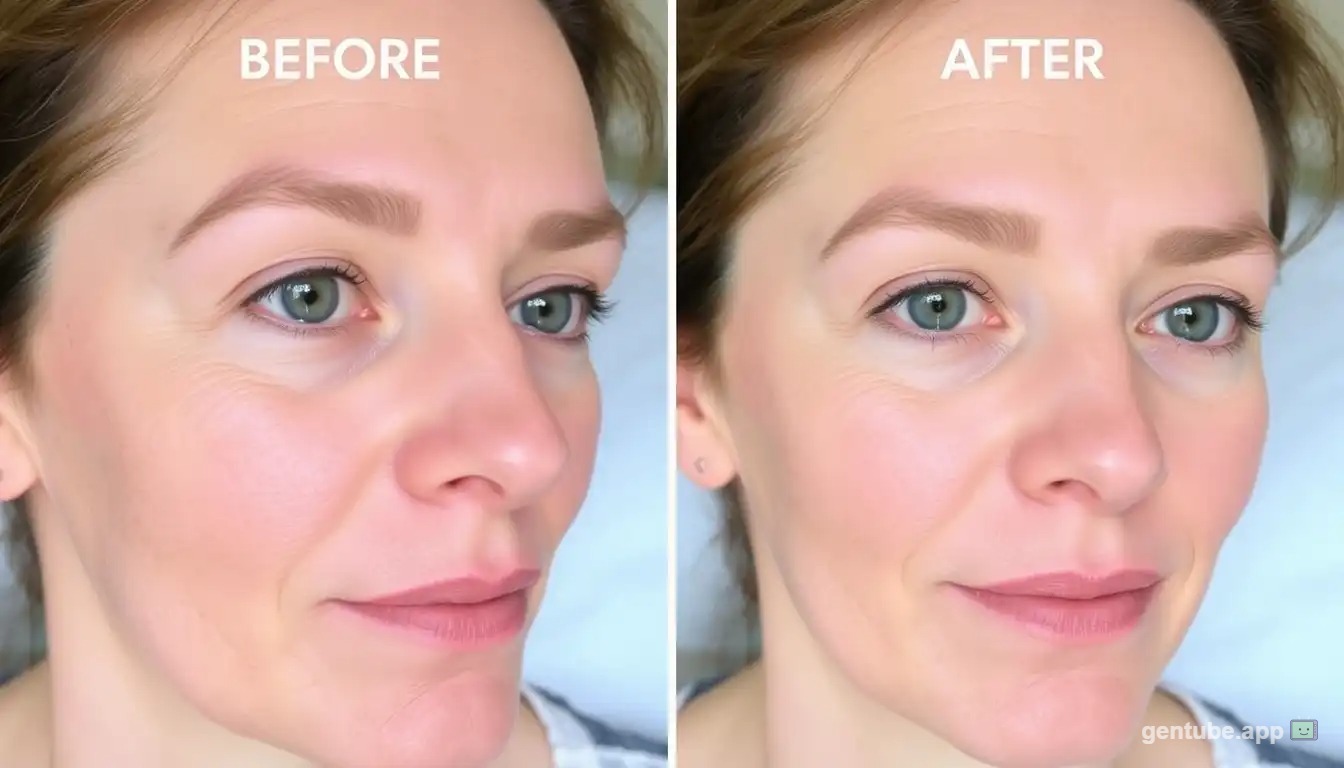
You stare at your reflection, tracing **that fine line** that wasn't there last year. Or maybe you're dealing with **persistent breakouts** that refuse to clear up, no matter how many products you try. You've heard about retinol"the **gold standard** ingredient dermatologists rave about for anti-aging and acne. But you're terrified. What if it makes your skin worse? What about the peeling, redness, and "purging" everyone warns you about?
Here's the truth: **Retinol can be intimidating**, but it doesn't have to be. With the right approach, you can harness its transformative power without destroying your skin barrier or spending months hiding under makeup.
This isn't another "start strong, regret later" retinol guide. We're teaching you the **gradual introduction method**"a science-backed approach used by dermatologists worldwide. This technique minimizes irritation while maximizing results, helping you build tolerance over 12 weeks for lifelong retinol success.
What This Complete Guide Reveals:
- The science behind retinol's dual action on fine lines and acne
- The retinol ladder method: exact week-by-week introduction schedule
- Understanding the purge period: timeline, management, and when to worry
- How to choose the perfect retinol strength for your skin type and concerns
- Step-by-step nighttime routine maximizing benefits, minimizing irritation
- 15 best retinol products reviewed across all budgets ($12-$120)
- Critical ingredient combinations that amplify or destroy effectiveness
- Special protocols for sensitive, dry, and acne-prone skin types
- 7 common mistakes that sabotage results (and how to avoid them)
Whether you're 25 and preventing first signs of aging, 40 and reversing sun damage, or battling adult acne at any age, this guide gives you the complete roadmap to introducing retinol safely and effectively. Let's begin your transformation to smoother, clearer, more youthful skin.
What Is Retinol and How Does It Work?
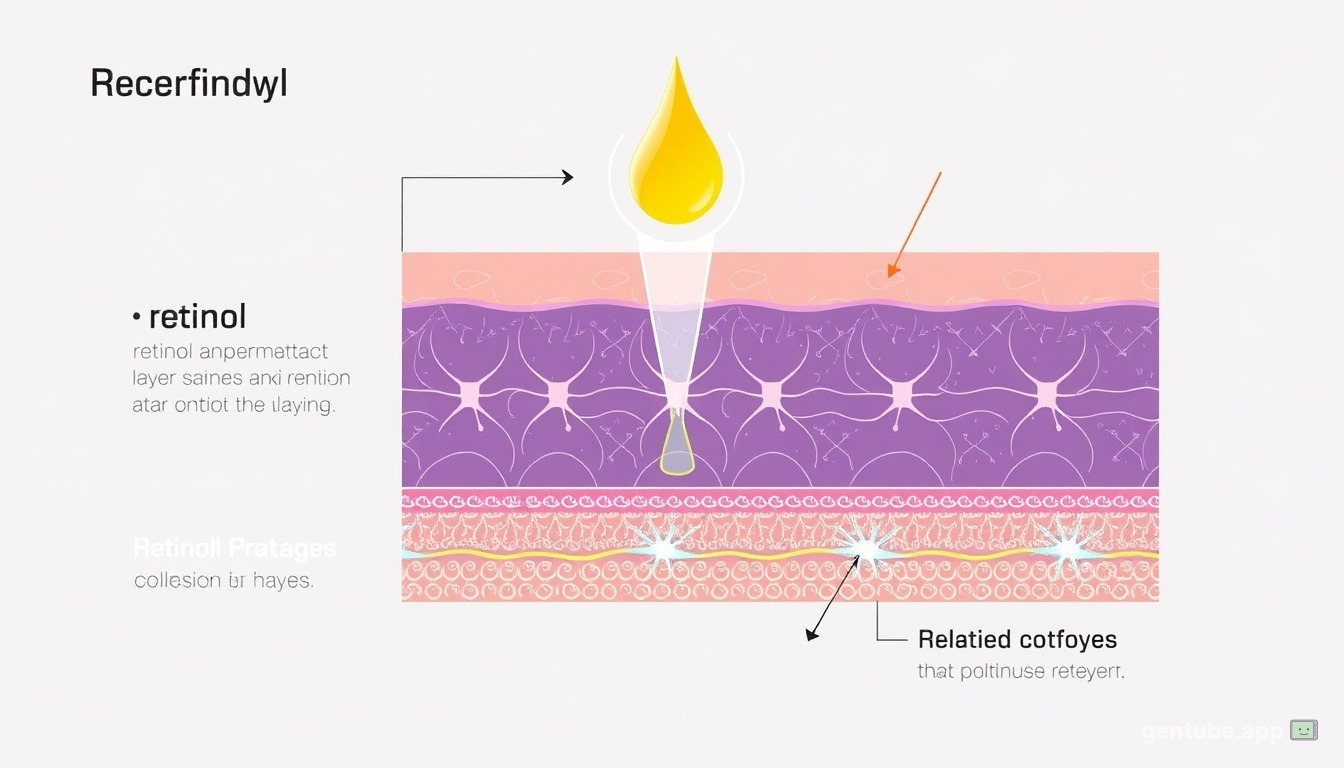
Retinol belongs to the **retinoid family**"a group of vitamin A derivatives that includes prescription-strength tretinoin, over-the-counter retinol, and gentler alternatives like retinaldehyde and retinyl esters. When applied to skin, retinol undergoes a **two-step conversion process**: first transforming into retinaldehyde, then into retinoic acid"the active form that communicates with your skin cells.
The Cellular Magic: Three Mechanisms of Action
1. Cell Turnover Acceleration: Retinol speeds up your skin's natural renewal cycle from 28-40 days (depending on age) to approximately 14-21 days. This means fresh, healthy cells reach the surface faster, revealing brighter, smoother skin while preventing dead cell buildup that leads to dullness and clogged pores.
2. Collagen Stimulation: Retinol activates fibroblasts"cells responsible for producing collagen and elastin. Studies show consistent retinol use increases collagen production by up to 80% over 12 weeks, visibly reducing fine lines, improving firmness, and preventing future wrinkle formation.
3. Pore Decongestion: By normalizing cell turnover and preventing keratin buildup, retinol keeps pores clear"making it highly effective for treating and preventing acne. It also reduces sebum oxidation, which contributes to blackhead formation.
� Important Distinction: Retinol vs. Retinoids
"Retinoid" is the umbrella term for all vitamin A derivatives. Retinol is available over-the-counter at concentrations from 0.01% to 1%. Prescription retinoids like tretinoin (Retin-A), adapalene (Differin), and tazarotene are stronger and work faster but carry higher irritation risk. For beginners, starting with OTC retinol builds tolerance safely before considering prescription options.
Benefits of Retinol for Skin
Retinol is one of the few skincare ingredients backed by **50+ years of clinical research**, proving its efficacy for multiple skin concerns:
Primary Benefits:
- Reduces Fine Lines & Wrinkles: Stimulates collagen production, smoothing crow's feet, forehead lines, and nasolabial folds
- Treats Active Acne: Unclogs pores, reduces inflammation, and prevents future breakouts
- Fades Hyperpigmentation: Accelerates cell turnover to lighten dark spots, sun damage, and post-acne marks
- Improves Skin Texture: Refines rough skin, minimizes pore appearance, and creates smoother surface
- Brightens Complexion: Removes dull, dead surface cells for radiant, even-toned skin
- Prevents Future Aging: Protects against collagen breakdown and environmental damage
- Enhances Product Absorption: Thins the stratum corneum, allowing better penetration of other skincare
Timeline for Results:
- Weeks 2-4: Improved brightness and smoothness
- Weeks 6-8: Reduced acne breakouts, fading dark spots
- Weeks 12-16: Visible reduction in fine lines
- Months 6-12: Significant collagen remodeling, firmer skin
The Retinol Ladder: Gradual Introduction Method
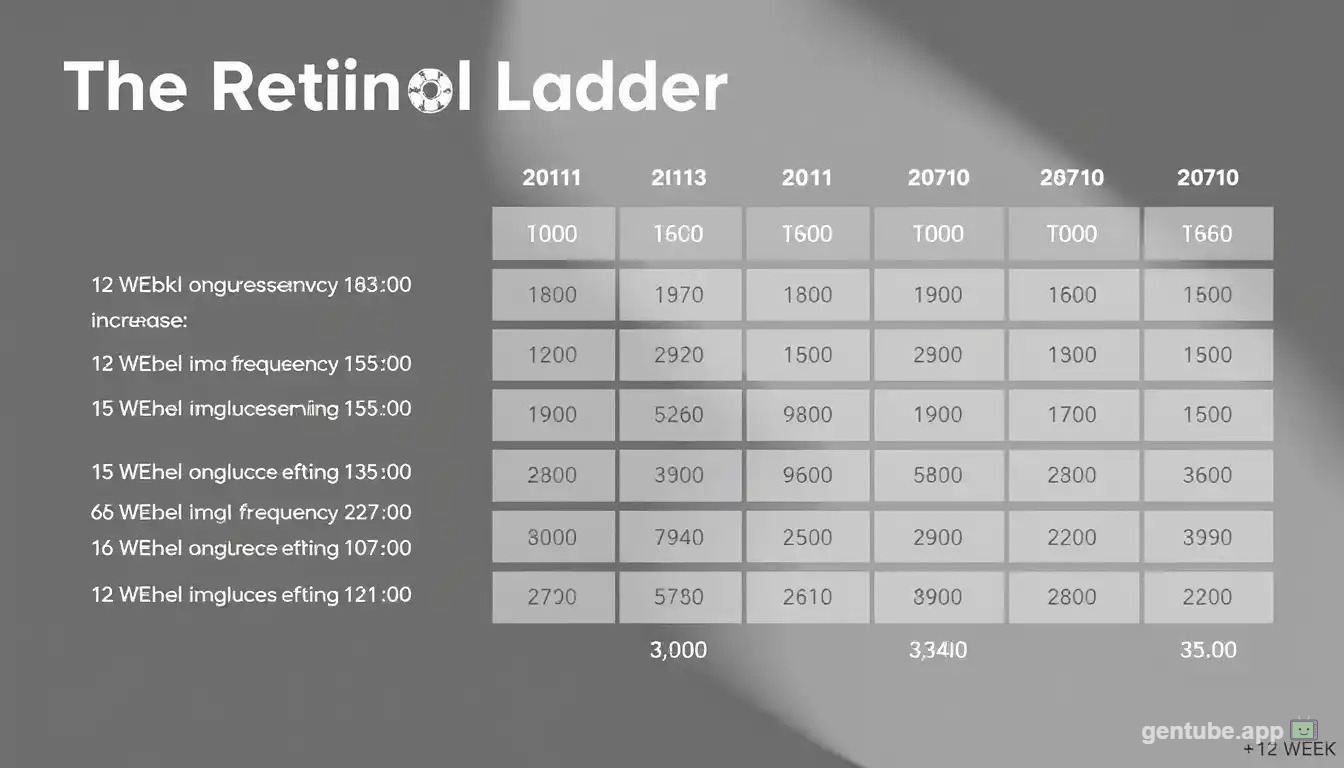
The **retinol ladder** is a dermatologist-recommended protocol for introducing retinol gradually over 12 weeks. This method allows your skin to build tolerance without severe irritation, peeling, or compromising your skin barrier.
Week-by-Week Schedule:
Phase 1: Initial Adaptation (Weeks 1-4)
- Weeks 1-2: Apply retinol 2 nights per week (e.g., Monday and Thursday)
- Weeks 3-4: Increase to 3 nights per week (every other day)
- Concentration: Start with 0.1% or lowest available strength
Phase 2: Building Tolerance (Weeks 5-8)
- Weeks 5-6: Apply 4 nights per week
- Weeks 7-8: Apply 5 nights per week
- Monitor: Watch for excessive dryness or sensitivity
Phase 3: Maintenance (Weeks 9-12+)
- Week 9+: Build to nightly use if tolerated
- Alternative: Continue 5-6 nights weekly for maintenance
- Consider: Increasing concentration to 0.3% or 0.5% after 12 weeks
� Critical Rule: If you experience severe irritation (intense redness, burning, peeling), drop back to the previous phase for 1-2 weeks before advancing. Never push through significant discomfort"this damages your skin barrier and sets you back further.
Choosing the Right Retinol Strength
Retinol concentrations range from 0.01% to 1%. Selecting the appropriate strength depends on your skin type, sensitivity, and specific concerns:
| Strength | Best For | Skin Type |
|---|---|---|
| 0.01-0.03% | Absolute beginners, sensitive skin | All types, especially sensitive |
| 0.1-0.2% | Beginners with mild concerns | Normal, combination, oily |
| 0.3-0.5% | Moderate wrinkles, persistent acne | Experienced users, resilient skin |
| 0.75-1% | Advanced users, severe photoaging | Very tolerant, non-sensitive skin |
Encapsulation Technology: Modern retinol products often use encapsulated retinol, which slowly releases the ingredient over time. This reduces irritation while maintaining efficacy, making it ideal for beginners.
Step-by-Step Nighttime Routine with Retinol
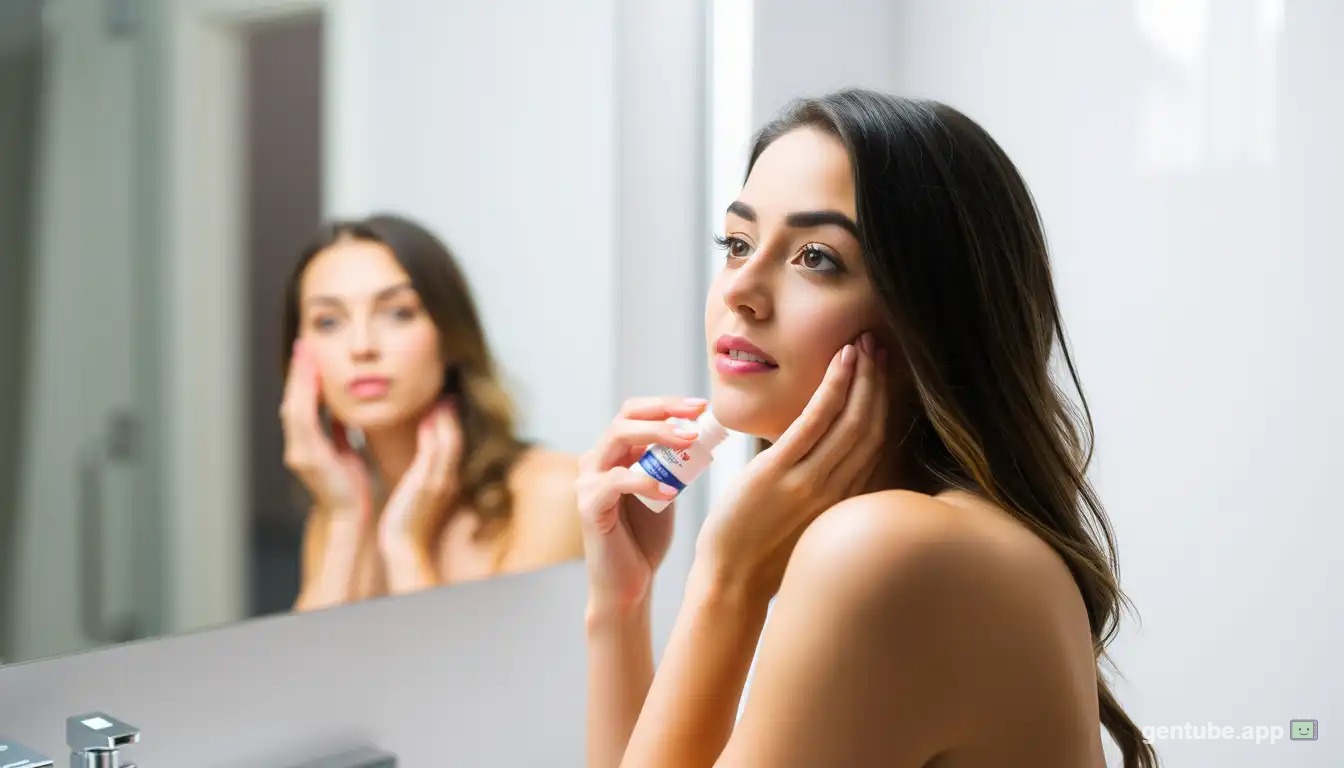
Proper application technique maximizes retinol benefits while minimizing irritation. Follow this dermatologist-approved routine:
PM Routine Steps:
Step 1: Double Cleanse (6:00-8:00 PM)
Remove sunscreen and makeup with oil-based cleanser, followed by gentle water-based cleanser. Pat skin completely dry"damp skin increases retinol penetration and irritation risk.
Step 2: Wait Time (Optional but Recommended)
Wait 10-20 minutes after cleansing to ensure skin is fully dry and pH-balanced.
Step 3: Apply Retinol (Pea-Sized Amount)
Dispense pea-sized amount onto fingertip. Dot onto forehead, cheeks, nose, and chin. Gently press (don't rub) into skin, avoiding eye area, corners of nose, and lips.
Step 4: Wait for Absorption
Allow retinol to absorb for 5-10 minutes before applying next product.
Step 5: Moisturize Generously
Apply rich, fragrance-free moisturizer containing ceramides, hyaluronic acid, or peptides. This seals in retinol and prevents transepidermal water loss.
Step 6: Occlusive (Optional for Dry Skin)
On extra-dry nights, apply thin layer of facial oil or occlusive balm over moisturizer.
� The Sandwich Method: For sensitive skin, apply moisturizer first, wait 10 minutes, apply retinol, then moisturize again. This buffers retinol penetration, reducing irritation while maintaining efficacy.
Managing the Purge Period: What to Expect
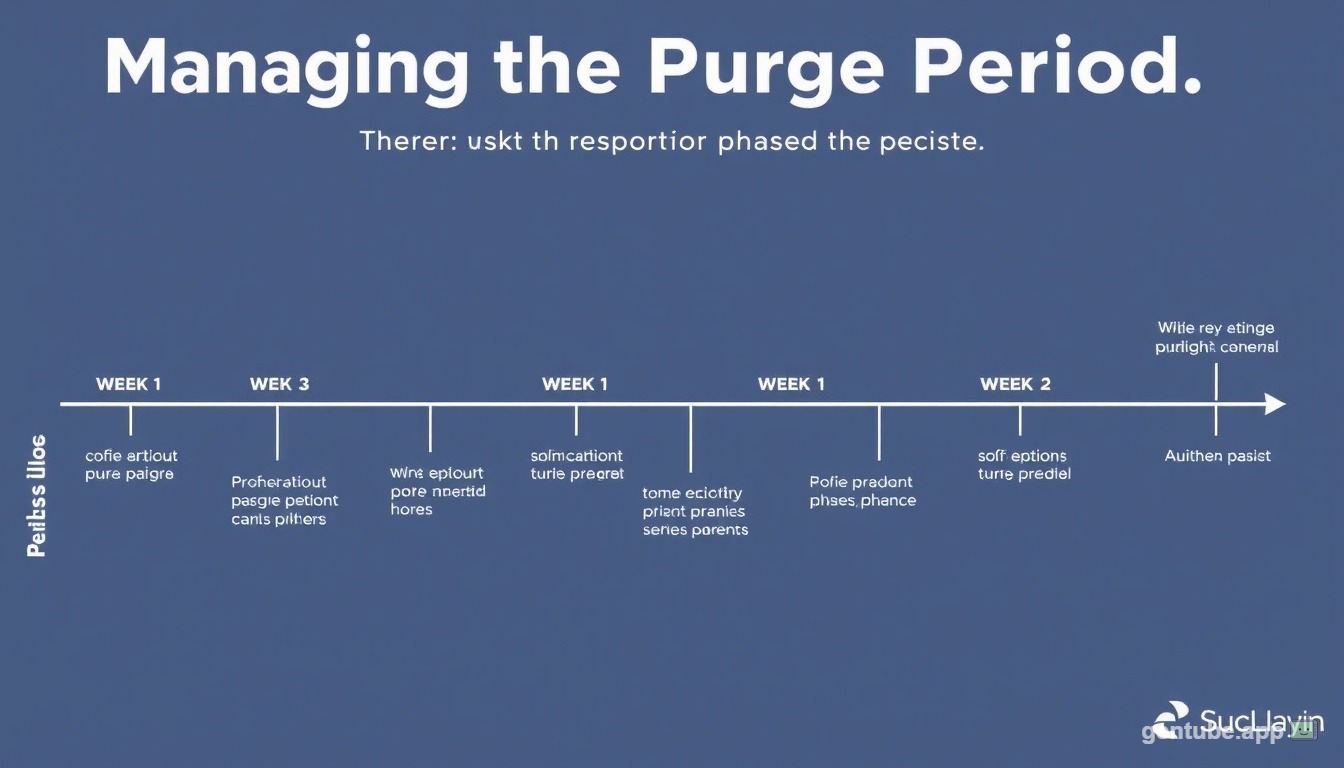
The **"retinol purge"** occurs when accelerated cell turnover brings underlying microcomedones (early acne) to the surface faster than usual. This temporary worsening is actually a sign that retinol is working.
Purge Period Timeline:
- Starts: Week 2-3 of retinol use
- Peak: Weeks 4-6
- Subsides: Weeks 6-8
- Clear Improvement: Weeks 8-12
Purging vs. Breaking Out:
- Purging: Occurs in areas where you typically get acne, resolves within 6-8 weeks, accompanied by overall skin improvement
- Breaking Out: Appears in new areas, persists beyond 8 weeks, accompanied by irritation, redness, or burning
Managing the Purge:
- Continue retinol at current frequency (don't increase yet)
- Avoid picking or popping pimples
- Use gentle, non-drying cleanser
- Apply lightweight, oil-free moisturizer
- Spot treat with salicylic acid or benzoyl peroxide (on non-retinol nights)
- Wear sunscreen daily (non-negotiable)
- Remember: This is temporary"clearer skin awaits!
7 Common Mistakes to Avoid
- Starting Too Strong: Using high concentration or daily application from day one destroys your skin barrier
- Skipping Sunscreen: Retinol increases sun sensitivity"SPF 30+ is mandatory every morning
- Applying to Damp Skin: Water increases penetration and irritation"always apply to completely dry skin
- Using Too Much Product: More isn't better"pea-sized amount covers entire face adequately
- Mixing with Incompatible Actives: Avoid vitamin C, AHAs/BHAs, and benzoyl peroxide in same routine
- Giving Up Too Soon: Results take 12+ weeks"purging is temporary, don't quit during the ugly phase
- Neglecting Moisturizer: Retinol causes dryness"hydrate aggressively to maintain skin barrier
15 Best Retinol Products Reviewed
From drugstore bargains to luxury formulations, here are the top retinol products across all budgets:
Budget-Friendly ($12-$25):
- The Ordinary Retinol 0.2% in Squalane ($12)
- CeraVe Resurfacing Retinol Serum ($18)
- Versed Press Restart Gentle Retinol Serum ($20)
- No7 Protect & Perfect Intense Advanced Serum ($25)
Mid-Range ($28-$55):
- Paula's Choice Clinical 0.3% Retinol + 2% Bakuchiol ($48)
- Neutrogena Rapid Wrinkle Repair Retinol Pro+ 0.5% ($32)
- Olay Regenerist Retinol 24 Night Moisturizer ($38)
- La Roche-Posay Redermic R Anti-Aging Retinol Serum ($50)
- Drunk Elephant A-Passioni Retinol Cream ($54)
High-End ($65-$120):
- Sunday Riley A+ High-Dose Retinoid Serum ($85)
- Shiseido RevitalGrance 15% Retinol Essence ($95)
- Skinceuticals Retinol 0.5 Refining Night Cream ($68)
- Murad Retinol Youth Renewal Serum ($89)
- RoC Retinol Correxion Max Daily Hydrating Cream ($22)
Ingredients to Combine vs Avoid
Safe to Combine:
- Hyaluronic Acid: Enhances hydration, reduces dryness
- Ceramides: Strengthens skin barrier, prevents moisture loss
- Peptides: Supports collagen production, enhances anti-aging
- Niacinamide: Calms inflammation, regulates oil production
- Squalane: Provides lightweight moisture without clogging pores
Avoid in Same Routine:
- Vitamin C (L-Ascorbic Acid): Can cause irritation, use vitamin C in AM, retinol in PM
- AHAs/BHAs (Glycolic, Salicylic Acid): Increases sensitivity, alternate nights
- Benzoyl Peroxide: Oxidizes retinol, rendering it ineffective
- Physical Scrubs: Compromises skin barrier, increases irritation
Special Considerations for Sensitive Skin
Sensitive skin types require extra caution when introducing retinol:
- Start with 0.01% concentration or retinol alternatives (bakuchiol, retinaldehyde)
- Use sandwich method exclusively for first 4 weeks
- Extend each ladder phase by 2 weeks
- Apply barrier repair serum before retinol
- Avoid all other actives during first 8 weeks
- Use cream-based, fragrance-free formulations
- Consider prescription adapalene (less irritating than some OTC retinols)
Frequently Asked Questions
Q: Can I use retinol if I'm pregnant or breastfeeding?
A: No. Topical retinol is not recommended during pregnancy or breastfeeding. While absorption is minimal, err on the side of caution. Use bakuchiol or azelaic acid as safe alternatives.
Q: How long before I see results from retinol?
A: Brightness and texture improve in 4-6 weeks. Acne reduction appears in 8-12 weeks. Fine lines and wrinkles require 12-24 weeks for visible improvement. Collagen remodeling continues for 6-12 months.
Q: Should I use retinol every night eventually?
A: Not necessarily. Many people maintain results with 4-5 applications weekly. Listen to your skin"if it tolerates nightly use without irritation, continue. Otherwise, 5-6 nights weekly provides excellent maintenance.
Q: Can I use retinol around my eyes?
A: Yes, but use extreme caution. Apply only to orbital bone (not eyelids), start with lowest concentration, and buffer with eye cream first. Consider dedicated retinol eye creams formulated for delicate area.
Q: What do I do if my skin becomes too irritated?
A: Stop retinol for 3-7 days. Focus on barrier repair with ceramides, cholesterol, and fatty acids. Resume at lower frequency or concentration. Consider prescription hydrocortisone for severe reactions (consult dermatologist).
Q: At what age should I start using retinol?
A: Mid-20s for prevention, late 20s-early 30s for early treatment. However, retinol benefits all ages"even 60+ skin shows improvement. Start based on concerns (acne, pigmentation, fine lines), not just age.
Conclusion: Your Journey to Transformed Skin Begins
Retinol isn't just another skincare trend"it's a **scientifically-proven powerhouse** that delivers on its promises. From reducing fine lines and wrinkles to clearing stubborn acne and fading hyperpigmentation, this vitamin A derivative has earned its reputation as the gold standard in dermatology.
The key to retinol success lies in **patience and consistency**. The gradual introduction method we've outlined protects your skin barrier while building tolerance over 12 weeks. Yes, the purge period might test your resolve. Yes, you'll need to commit to daily sunscreen. Yes, results take time. But the payoff"smoother, clearer, more youthful skin"is worth every careful step.
Your Retinol Success Checklist:
- Start with 0.1% concentration or lower
- Follow the 12-week retinol ladder religiously
- Apply pea-sized amount to completely dry skin
- Moisturize generously to prevent dryness
- Wear SPF 30+ every single morning
- Push through the 4-6 week purge period
- Avoid incompatible actives in same routine
- Give it 12+ weeks before judging results
Remember: Everyone's skin responds differently. Some see dramatic changes in 8 weeks; others require 6 months. Compare yourself only to your starting point, not to Instagram before-and-afters. Take progress photos monthly"they'll reveal subtle improvements you might miss day-to-day.
Whether you're 22 and preventing future damage, 35 and addressing early signs of aging, or 50+ and reversing decades of sun exposure, retinol works. The gradual introduction method ensures you get there comfortably, without sacrificing your skin barrier or confidence along the way.
Ready to transform your skin? Start tonight. Your future self"with smoother, brighter, more resilient skin"will thank you.
Disclaimer: This article is for informational purposes only and should not be considered medical advice. Always consult with a healthcare professional before making any changes to your health routine.
Frequently Asked Questions
No. Topical retinol is not recommended during pregnancy or breastfeeding. While absorption is minimal, err on the side of caution. Use bakuchiol or azelaic acid as safe alternatives.
Brightness and texture improve in 4-6 weeks. Acne reduction appears in 8-12 weeks. Fine lines and wrinkles require 12-24 weeks for visible improvement. Collagen remodeling continues for 6-12 months.
Not necessarily. Many people maintain results with 4-5 applications weekly. Listen to your skin”if it tolerates nightly use without irritation, continue. Otherwise, 5-6 nights weekly provides excellent maintenance.
Yes, but use extreme caution. Apply only to orbital bone (not eyelids), start with lowest concentration, and buffer with eye cream first. Consider dedicated retinol eye creams formulated for delicate area.
Stop retinol for 3-7 days. Focus on barrier repair with ceramides, cholesterol, and fatty acids. Resume at lower frequency or concentration. Consider prescription hydrocortisone for severe reactions (consult dermatologist).
Mid-20s for prevention, late 20s-early 30s for early treatment. However, retinol benefits all ages”even 60+ skin shows improvement. Start based on concerns (acne, pigmentation, fine lines), not just age.
Conclusion
Retinol is a scientifically-proven ingredient that reduces fine lines, treats acne, and improves skin texture. Success requires patience: start with 0.1% concentration, follow the 12-week gradual introduction method, use sunscreen daily, and persist through the 4-6 week purge period. Results appear in 8-12 weeks, with continued improvement over 6-12 months. Whether preventing aging or reversing damage, retinol transforms skin when used correctly and consistently.
Marwari Luxe Team
Health & Wellness Experts
Our dedicated team of health and wellness professionals committed to providing accurate, research-based information.