Salicylic Acid for Blackheads: Complete Pore-Clearing Guide

Table of Contents
Introduction
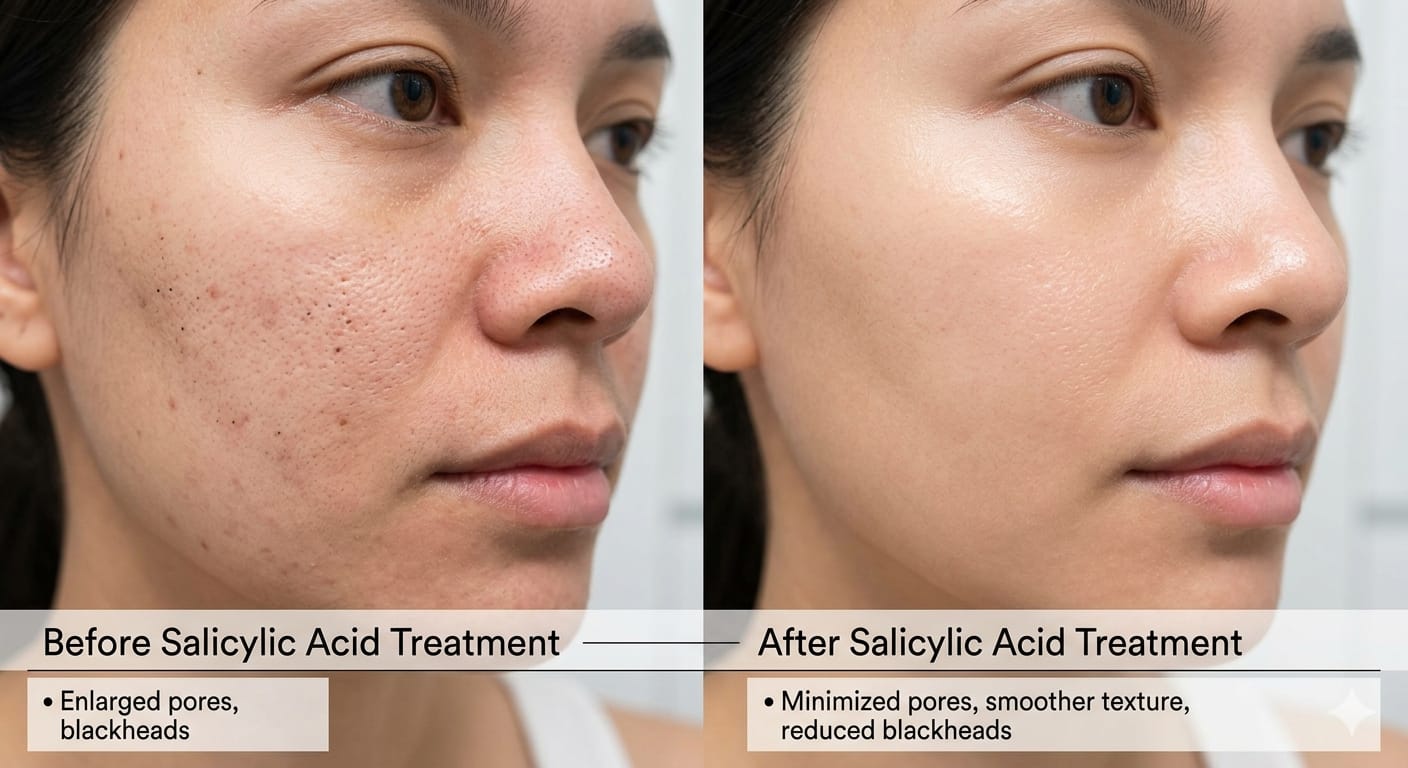
You're staring in the mirror, frustrated by those **tiny black dots** scattered across your nose, chin, and forehead. You've tried pore strips (ouch!), expensive facials, clay masks, charcoal cleansers, and even squeezing them yourself (don't!). But they keep coming back, like an unwelcome guest that refuses to leave. Sound familiar?
Here's what the skincare industry won't tell you: **blackheads aren't dirt**, and scrubbing harder won't help. In fact, aggressive cleansing and picking can make them worse by triggering more oil production and damaging your pores. The real solution isn't physical force-it's **chemistry**. Specifically, a beta hydroxy acid called salicylic acid that dermatologists have trusted for decades.
Unlike physical scrubs that only work on the surface, salicylic acid is **oil-soluble**, meaning it can penetrate deep into your pores where blackheads form. Once inside, it dissolves the mixture of sebum, dead skin cells, and debris that creates those stubborn plugs. But here's the best part: salicylic acid doesn't just remove existing blackheads-it **prevents new ones from forming** by keeping your pores continuously clear.
This isn't another "miracle cure" article filled with unrealistic promises. We're diving deep into the **science-backed reality** of how salicylic acid works, which concentrations actually matter, how to use it correctly (most people don't), common mistakes that sabotage results, and the best products across all price ranges. Whether you're dealing with occasional blackheads or chronic clogged pores, this guide gives you the complete roadmap to clearer, smoother skin.
What This Complete Guide Covers:
- The science: why salicylic acid penetrates deeper than other acids
- Blackhead formation explained: understanding the enemy
- How salicylic acid dissolves clogs and prevents recurrence
- Concentration guide: 0.5% vs 1% vs 2% vs prescription strength
- Product forms compared: cleansers, toners, serums, masks, spot treatments
- Step-by-step application techniques for maximum effectiveness
- 5 critical mistakes that cause irritation or worsen blackheads
- 14 best salicylic acid products reviewed ($9-$82)
- Expert answers to 7 most asked questions
Ready to finally understand blackheads and master the ingredient that can transform your skin? Let's get started.
What Is Salicylic Acid? The Science Behind the Skincare Superstar
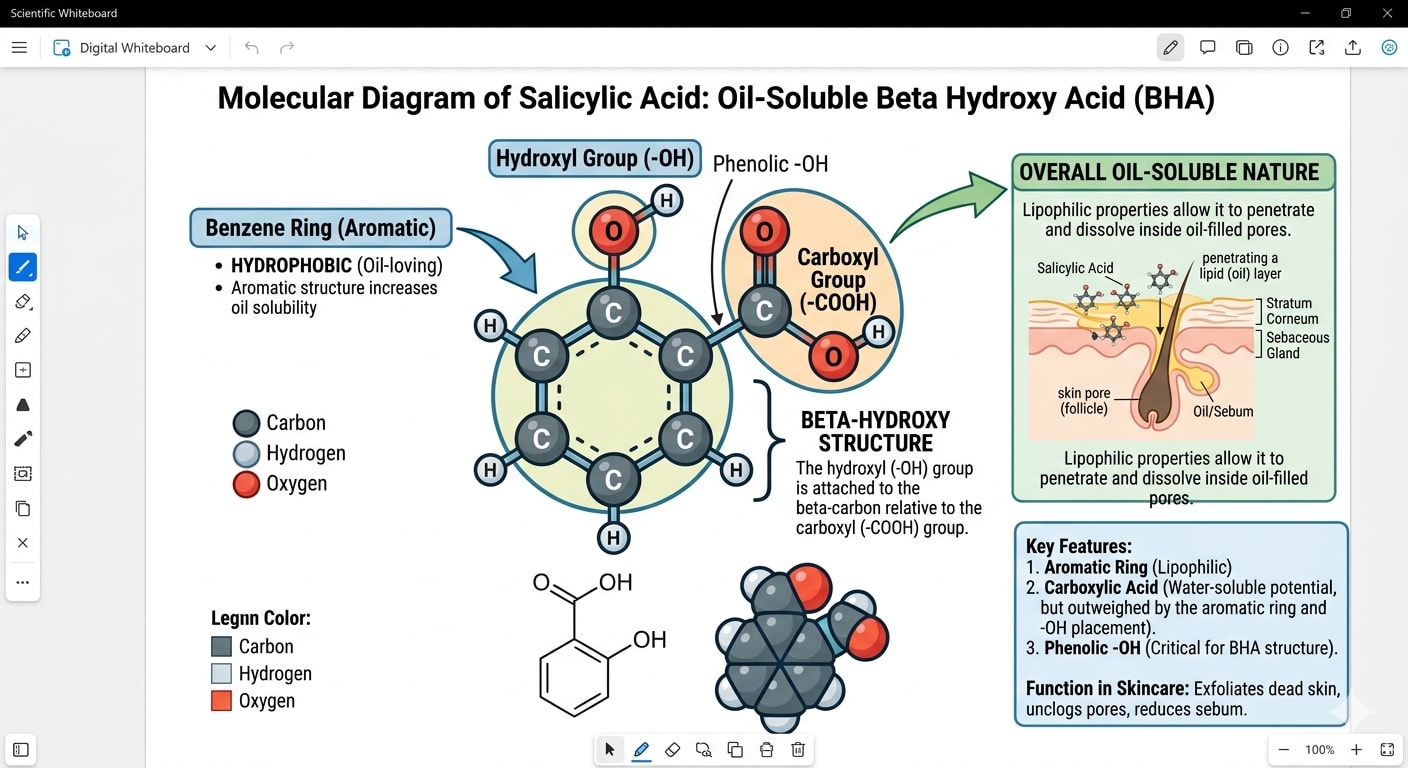
Salicylic acid belongs to the **beta hydroxy acid (BHA)** family and is derived from willow bark extract (salicin). Unlike alpha hydroxy acids (AHAs) like glycolic and lactic acid that are water-soluble, salicylic acid is **lipophilic** (oil-loving). This unique property allows it to penetrate through the oily barrier on your skin's surface and dive deep into pores where acne-causing debris accumulates.
Historical Background
The use of salicylic acid dates back to **ancient civilizations**. Hippocrates, the father of medicine, documented using willow bark tea to treat pain and inflammation around 400 BCE. Native Americans used willow bark infusions for fever reduction and pain relief. In the 1800s, German chemist Hermann Kolbe first synthesized salicylic acid in a laboratory, making it widely available for medicinal use.
Today, salicylic acid is classified as an **over-the-counter drug** by the FDA for acne treatment, recognizing its proven efficacy and safety profile when used correctly.
BHA vs AHA: Critical Differences
Alpha Hydroxy Acids (Glycolic, Lactic, Mandelic): Water-soluble, work primarily on skin's surface to exfoliate dead cells, improve texture, and enhance radiance. Best for dry, sun-damaged, or thickened skin. Cannot penetrate oily pores.
Beta Hydroxy Acid (Salicylic Acid): Oil-soluble, penetrates deep into pores, dissolves sebum and debris, reduces inflammation, and regulates oil production. Best for oily, acne-prone, combination skin with blackheads and whiteheads.
Important Note: Salicylic acid is related to aspirin (acetylsalicylic acid). If you have an aspirin allergy, consult a dermatologist before using salicylic acid products. Those with very sensitive skin should patch test and start with lower concentrations.
How Salicylic Acid Clears Blackheads: The Deep-Cleaning Mechanism
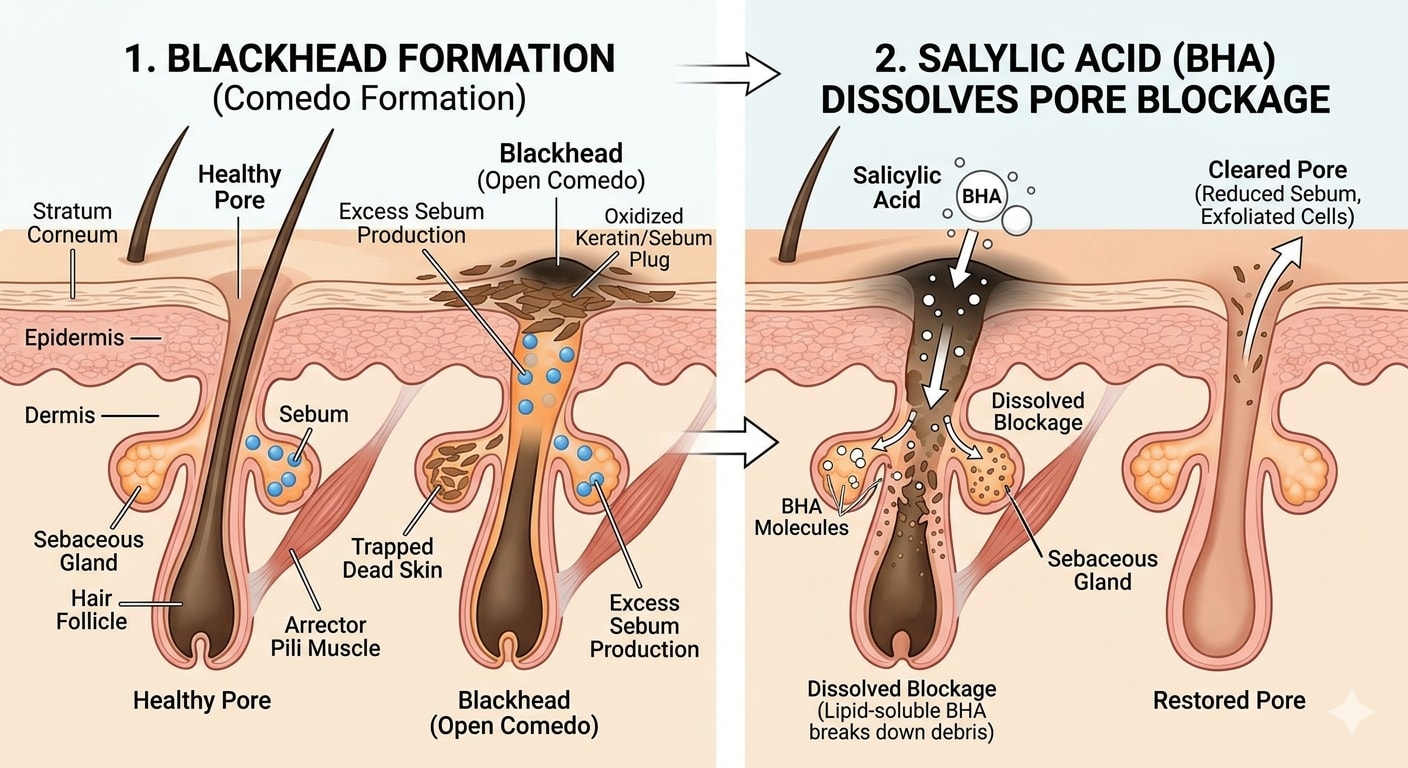
To understand why salicylic acid is so effective, you first need to know what blackheads actually are. Contrary to popular belief, **blackheads aren't caused by dirt**. They're formed when:
- Excess sebum (oil) is produced by sebaceous glands
- Dead skin cells accumulate and don't shed properly
- Mixture forms a plug that traps oil and cells inside the pore
- Pore remains open (unlike whiteheads where skin covers the pore)
- Plug oxidizes when exposed to air, turning dark brown or black
That black color? It's **oxidized melanin** (skin pigment), not dirt. This is why scrubbing doesn't work-the darkness is internal, not surface-level.
Salicylic Acid's Triple Action
Salicylic acid attacks blackheads through three distinct mechanisms:
1. Keratolytic Action (Dissolves Dead Skin)
Salicylic acid breaks down the "glue" (desmosomes) that holds dead skin cells together. By loosening these bonds, it prevents cells from accumulating and clogging pores. This process is called **corneocyte desquamation**-fancy term for "shedding dead cells properly."
2. Comedolytic Action (Breaks Down Plugs)
Thanks to its oil solubility, salicylic acid penetrates the pore lining and dissolves the keratin-sebum mixture forming the blackhead plug. Think of it like pouring drain cleaner into a clogged pipe-except this is gentle enough for daily facial use.
3. Anti-Inflammatory Action (Calms Redness)
Salicylic acid inhibits the production of inflammatory prostaglandins, reducing redness and swelling associated with active breakouts. This makes it effective not just for blackheads, but also inflamed acne lesions.
Timeline: How Long Until You See Results?
- Week 1: Skin may feel slightly drier, minor flaking possible
- Week 2: Blackheads begin softening, pores appear smaller
- Week 3-4: Visible reduction in blackhead density, smoother texture
- Week 6-8: Significant clearing, preventive benefits become apparent
- Ongoing: Continued prevention with regular use, maintenance required
Key Insight: Salicylic acid doesn't provide instant gratification like pore strips (which can damage skin). Instead, it works gradually to create lasting change. Consistency beats intensity every time.
Concentrations & Product Forms: Choosing Your Weapon
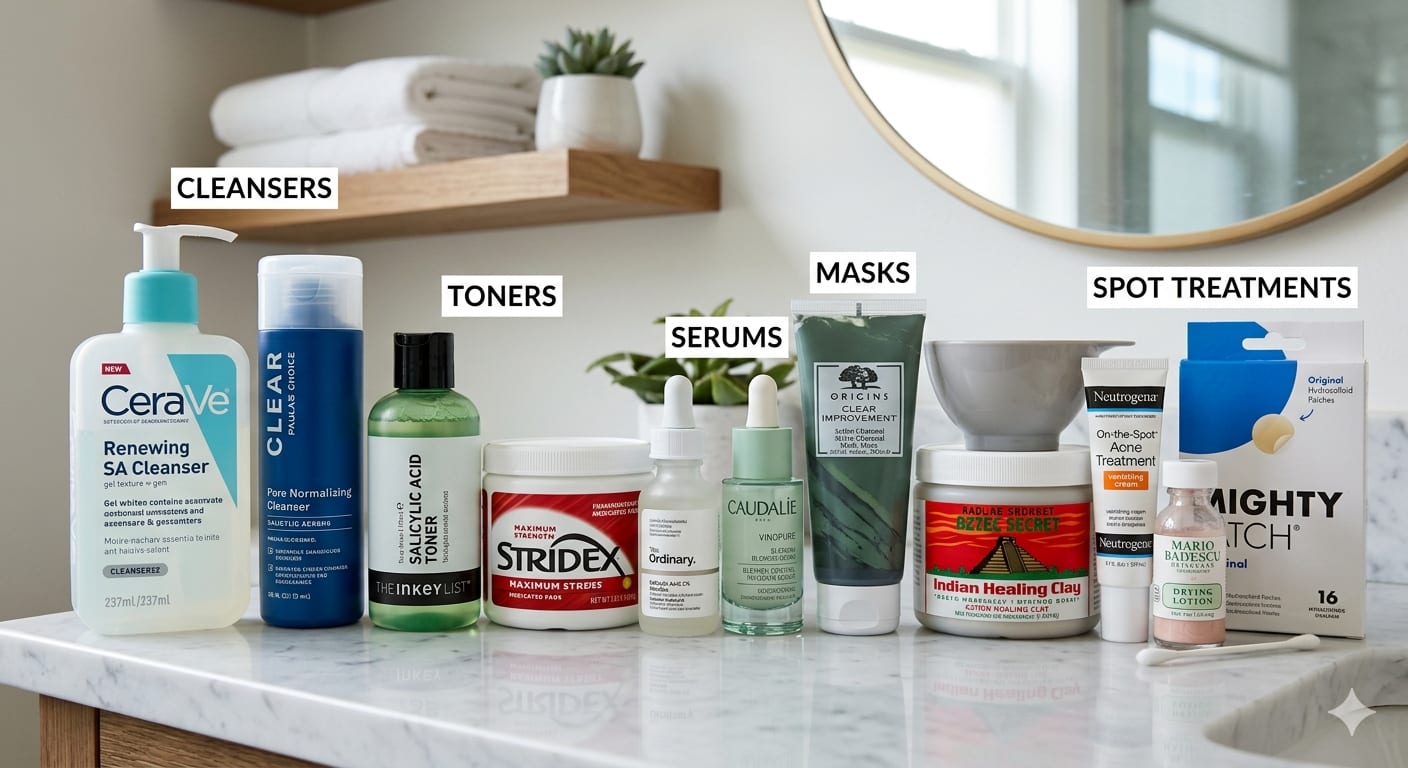
Salicylic acid comes in various strengths and formulations. Choosing the right one depends on your skin type, severity of blackheads, and personal preference.
Over-the-Counter Concentrations
0.5% Salicylic Acid: Gentle introduction for beginners, sensitive skin types, or maintenance use. Effective for mild blackheads and prevention. Lower risk of irritation, suitable for daily use. Best in leave-on products for sensitive skin.
1% Salicylic Acid: Middle-ground strength for moderate blackheads and combination skin. Strong enough to tackle stubborn clogs while remaining well-tolerated by most users. Ideal concentration for most people starting treatment.
2% Salicylic Acid: Maximum OTC strength for severe blackheads, oily skin, and resistant cases. Most clinical studies use 2% concentration. Higher irritation potential-start slowly (2-3 times weekly) and build tolerance. Not recommended for sensitive skin without patch testing.
Prescription Strength
Dermatologists can prescribe salicylic acid in concentrations up to **6%** for severe acne cases. These require medical supervision due to increased irritation risk and potential for systemic absorption with large-area use.
Product Form Comparison
Cleansers
Pros: Gentle introduction, suitable for daily use, combines cleansing with treatment, less drying than leave-on products.
Cons: Short contact time limits penetration, less effective for stubborn blackheads.
Best For: Sensitive skin, beginners, morning routines, maintenance phase.
Toners & Liquids
Pros: Easy application over large areas, lightweight texture, quick absorption, often combined with soothing ingredients.
Cons: Can be drying if overused, may sting on compromised skin.
Best For: Oily skin, T-zone treatment, post-cleansing step.
Serums & Treatments
Pros: Leave-on formula maximizes penetration, targeted treatment, often combined with complementary actives (niacinamide, zinc).
Cons: Higher irritation potential, requires acclimation period.
Best For: Stubborn blackheads, evening routines, experienced users.
Masks
Pros: Intensive weekly treatment, combines deep cleansing with chemical exfoliation, satisfying to use.
Cons: Time-consuming, can be overly drying if left on too long.
Best For: Weekly deep cleaning, special occasion prep, oily skin types.
Spot Treatments
Pros: Targeted application, minimal product waste, high concentration on problem areas only.
Cons: Doesn't prevent future blackheads in untreated areas.
Best For: Individual stubborn blackheads, spot treatment approach.
Peels
Pros: Professional-strength resurfacing, dramatic results, addresses multiple concerns (texture, tone, pores).
Cons: Requires downtime, higher cost, risk of burns if misused.
Best For: In-office procedures, advanced users under professional guidance.
Expert Recommendation: Start with a 0.5-1% cleanser or toner for 2-4 weeks. If well-tolerated and blackheads persist, upgrade to 2% serum or treatment. Use masks once weekly for intensive maintenance. Don't jump straight to 2%-let your skin build tolerance gradually.
Benefits Beyond Blackheads: Why Dermatologists Love Salicylic Acid

While salicylic acid is famous for blackhead removal, its benefits extend far beyond pore clearing. Here's what else this versatile ingredient can do:
1. Treats Active Acne Breakouts
Salicylic acid is FDA-approved for treating inflammatory acne (papules and pustules). By penetrating clogged pores and reducing the bacteria (*C. acnes*) that contribute to breakouts, it stops pimples before they fully form. Regular use reduces both frequency and severity of acne flare-ups.
2. Minimizes Pore Appearance
Enlarged pores are often filled with debris, stretching them outward. As salicylic acid clears out this material and prevents re-accumulation, pores return to their natural size-looking visibly smaller. While you can't permanently shrink pores, keeping them clear creates the appearance of refinement.
3. Controls Excess Oil Production
Salicylic acid has mild sebum-regulating properties. By keeping pores clear and reducing inflammation, it signals skin to normalize oil production. Those with chronically shiny T-zones notice reduced greasiness within 4-6 weeks of consistent use.
4. Smooths Rough Texture
The keratolytic action that dissolves blackhead plugs also exfoliates surface skin cells. This reveals smoother, more refined skin underneath. Users report softer texture, diminished rough patches, and overall improvement in skin quality.
5. Fades Post-Inflammatory Hyperpigmentation
By accelerating cell turnover, salicylic acid helps fade dark marks left behind after acne heals faster. While not as potent as dedicated brighteners (vitamin C, hydroquinone), it contributes to overall evening of skin tone with continued use.
6. Prevents Future Breakouts
Perhaps the most valuable benefit: **preventive care**. Unlike pore strips or extractions that provide temporary clearance, salicylic acid maintains clear pores over time. Think of it as dental floss for your face-daily maintenance prevents problems before they start.
7. Treats Body Acne
Salicylic acid body washes and sprays effectively treat bacne (back acne), chest breakouts, and butt acne. The same pore-clearing mechanism works anywhere on the body. Look for 2% body washes for shower use.
8. Manages Seborrheic Dermatitis & Dandruff
Salicylic acid shampoos treat flaky scalp conditions by breaking down scales and reducing yeast overgrowth. The anti-inflammatory properties calm itching and redness associated with seborrheic dermatitis.
9. Treats Warts & Calluses
Higher concentrations (up to 40%) in wart removers dissolve the thickened skin layers of warts and calluses. This is a different use case than facial skincare, but demonstrates salicylic acid's versatility in breaking down abnormal skin growths.
Clinical Evidence Summary:
- Blackhead reduction: 40-60% improvement in 8-12 weeks with 2% concentration
- Acne lesion count: 30-50% decrease in inflammatory lesions within 6 weeks
- Pore appearance: Visible refinement in 4-6 weeks with consistent use
- Oil control: Reduced sebum production measurable within 2-4 weeks
- Prevention: Significantly reduced recurrence rate with ongoing maintenance use
Step-by-Step Application: Maximize Effectiveness, Minimize Irritation
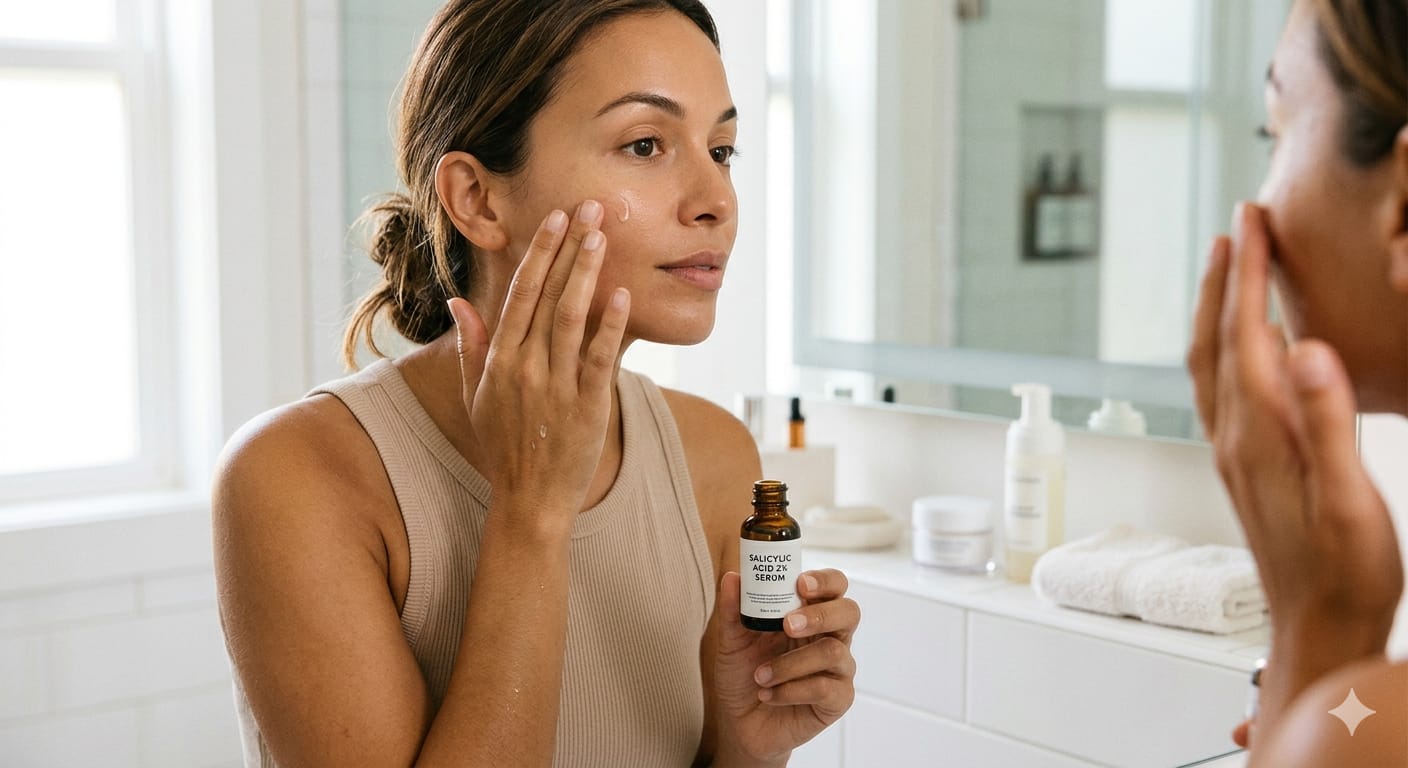
Proper application technique makes the difference between clear skin and irritated disaster. Follow these expert-recommended steps:
Morning Routine
Step 1: Gentle Cleanser
Wash face with lukewarm water and mild, non-foaming cleanser. Avoid harsh scrubs or hot water, which strip skin and trigger more oil production. Pat dry with clean towel.
Step 2: Salicylic Acid Product (Optional)
If using a salicylic acid cleanser, apply to damp skin, massage gently for 60 seconds, rinse thoroughly. If using a toner or serum, apply to completely dry skin using cotton pad or fingertips. Focus on T-zone and blackhead-prone areas.
Step 3: Wait Time
Allow 1-2 minutes for salicylic acid to fully absorb and pH to normalize before applying next product.
Step 4: Lightweight Moisturizer
Apply oil-free, non-comedogenic moisturizer to prevent dryness. Even oily skin needs hydration-dehydrated skin overproduces oil to compensate.
Step 5: Sunscreen (CRITICAL)
Salicylic acid increases sun sensitivity slightly. Apply broad-spectrum SPF 30+ every single morning, rain or shine. This prevents hyperpigmentation and protects newly-exfoliated skin.
Evening Routine
Step 1: Double Cleanse (If Wearing Makeup/Sunscreen)
First cleanse with micellar water or cleansing oil to remove makeup and sunscreen. Second cleanse with gentle foaming cleanser to remove residual impurities.
Step 2: Salicylic Acid Treatment
Evening is ideal for stronger salicylic acid products (serums, treatments) since skin undergoes repair overnight. Apply pea-sized amount to entire face or spot-treat problem areas. Avoid eye area and corners of nose/mouth.
Step 3: Wait 5-10 Minutes
Let salicylic acid work its magic undisturbed. Use this time to brush teeth, apply body lotion, etc.
Step 4: Treatment Serums (Optional)
Can layer niacinamide (oil control), hyaluronic acid (hydration), or peptides (anti-aging) after salicylic acid absorbs. Avoid using retinol/retinoids simultaneously initially-introduce gradually.
Step 5: Night Moisturizer
Apply slightly richer moisturizer at night to support skin barrier repair. Look for ceramides, cholesterol, and fatty acids to maintain healthy barrier function.
Weekly Intensive Treatment
Once Weekly: Clay Mask + Salicylic Acid
After cleansing, apply salicylic acid toner or serum. Wait 10 minutes. Apply kaolin or bentonite clay mask to T-zone or full face. Leave on 10-15 minutes (don't let crack). Rinse with lukewarm water. Follow with hydrating serum and moisturizer. This combination deeply purifies pores while controlling oil.
Body Acne Treatment
In Shower: Use 2% salicylic acid body wash on affected areas. Let sit 2-3 minutes before rinsing for maximum penetration.
Post-Shower: Spray salicylic acid body spray or apply lotion with salicylic acid to damp skin. Wear loose, breathable clothing to prevent friction and trapping sweat.
Pro Tips for Success:
- Start slow: 2-3 times weekly, gradually increasing to daily use
- Always apply to completely dry skin-wet skin increases penetration and irritation
- Use pea-sized amount for entire face-more isn't better
- Don't mix with other strong actives initially (retinol, vitamin C, AHAs)
- If using multiple actives, alternate mornings/evenings or different days
- Never skip moisturizer-dehydrated skin overproduces oil
- Sunscreen is non-negotiable-SPF 30+ every morning
- Expect mild flaking first 2 weeks-this is normal adjustment period
- Stop use if severe burning, swelling, or rash occurs-see dermatologist
5 Common Mistakes That Sabotage Your Results

Even with the best intentions, these common errors can derail your progress or worse-cause skin damage. Here's what NOT to do:
Mistake #1: Using Too Much, Too Soon
The Problem: Applying 2% salicylic acid daily from day one, hoping for faster results.
The Consequence: Compromised skin barrier, excessive dryness, redness, peeling, increased sensitivity, potential breakout flare-up from irritation.
The Fix: Start with 0.5% or 1% concentration, 2-3 times weekly. Gradually increase frequency over 4-6 weeks as tolerance builds. Slow and steady wins the race.
Mistake #2: Skipping Moisturizer
The Problem: Thinking "my skin is already oily, I don't need moisturizer."
The Consequence: Dehydrated skin triggers compensatory oil production, making blackheads and shine WORSE. Damaged moisture barrier leads to sensitivity.
The Fix: Always follow salicylic acid with lightweight, oil-free moisturizer. Hydrated skin = balanced oil production = fewer blackheads long-term.
Mistake #3: Combining With Too Many Actives
The Problem: Layering salicylic acid + retinol + vitamin C + AHA/BHA toner all in one routine.
The Consequence: Chemical burn territory. Extreme irritation, compromised barrier, post-inflammatory hyperpigmentation, worsened acne.
The Fix: Introduce ONE active at a time. Use salicylic acid in AM, retinol in PM. Or alternate days. Give skin time to adapt. More actives ≠better results.
Mistake #4: Expecting Overnight Results
The Problem: Giving up after one week because "it's not working."
The Consequence: Abandoning effective treatment prematurely, cycling through products endlessly without giving anything time to work.
The Fix: Commit to 8-12 weeks of consistent use before judging effectiveness. Skin cell turnover takes 28+ days. Real change requires patience. Track progress with weekly photos.
Mistake #5: Neglecting Sun Protection
The Problem: Using salicylic acid religiously but skipping sunscreen.
The Consequence: Increased UV damage, hyperpigmentation, premature aging, higher skin cancer risk. Newly-exfoliated skin is more vulnerable to sun damage.
The Fix: SPF 30+ broad-spectrum sunscreen EVERY. SINGLE. MORNING. Non-negotiable. Reapply every 2 hours if outdoors. This is skincare 101.
Bonus Wisdom: Don't pick, pop, or squeeze blackheads after applying salicylic acid. Yes, they may be softer and easier to extract, but you risk scarring, infection, and enlarged pores. Let the product do its job naturally over time.
14 Best Salicylic Acid Products for Every Budget
We've analyzed formulations, concentrations, additional ingredients, customer reviews, and dermatologist recommendations to bring you the top salicylic acid products across all categories:
Budget-Friendly ($9-$20)
1. CeraVe Renewing SA Cleanser ($15)
Contains 0.5% salicylic acid plus ceramides and hyaluronic acid. Gentle, non-foaming formula perfect for daily use. Fragrance-free, non-comedogenic. Excellent for sensitive or dry acne-prone skin. Doesn't strip skin barrier.
2. Neutrogena Oil-Free Acne Wash ($9)
Classic 2% salicylic acid cleanser. Foaming formula removes excess oil effectively. Can be drying if overused-best for oily skin types. Affordable and widely available. Great starter product.
3. The Ordinary Salicylic Acid 2% Masque ($17)
Weekly clay mask with 2% SA plus charcoal and clays. Intensive pore purification. Can be drying-follow with rich moisturizer. Excellent value for money. Use once weekly max.
4. Clean & Clear Persa-Gel 10 ($11)
10% benzoyl peroxide gel (not SA, but often paired). Spot treatment for active breakouts. Very drying-use sparingly. Don't combine with salicylic acid on same areas.
Mid-Range ($21-$45)
5. Paula's Choice Skin Perfecting 2% BHA Liquid ($35)
Cult-favorite leave-on exfoliant. 2% salicylic acid in lightweight liquid format. Also contains green leaf extract (soothing). No fragrance or alcohol. Suitable for daily use. Visible results in 2-4 weeks. Highly recommended by dermatologists.
6. La Roche-Posay Effaclar Medicated Gel Cleanser ($30)
2% salicylic acid cleanser specifically for acne-prone skin. Contains lipo-hydroxy acid (LHA) for enhanced exfoliation. Foaming but not stripping. Dermatologist-tested. Good for combination to oily skin.
7. Biossance Squalane + BHA Pore-Refining Toner ($42)
1% salicylic acid plus squalane for hydration. Willow bark extract (natural SA source). Alcohol-free, gentle formula. Refines pores while maintaining moisture balance. Pleasant scent, elegant packaging.
8. Murad Rapid Age Spot and Pigment Lightening Serum ($44)
2% salicylic acid plus glycolic acid and vitamin C. Multi-tasking treatment for blackheads AND hyperpigmentation. Can be irritating-start slowly. Expensive but comprehensive.
High-End ($46-$82)
9. Drunk Elephant T.L.C. Framboos Glycolic Night Serum ($90)
AHA/BHA blend including salicylic acid. Resurfaces skin overnight. Also contains glycolic, tartaric, citric, and lactic acids. Powerful but potentially irritating. Best for experienced users. Luxurious texture.
10. Sunday Riley SATIN Skin Serum ($85)
Salicylic acid plus azelaic acid and licorice root. Targets blackheads, redness, and discoloration simultaneously. Elegant formulation, fast absorption. Expensive but multi-functional.
11. SkinCeuticals Blemish + Age Defense Serum ($108)
2% salicylic acid plus glycolic acid, citric acid, and dioic acid. Treats acne AND signs of aging. Clinical-grade formulation. Oil-free, suitable for mature acne-prone skin. Dermatologist favorite.
12. Dermalogica Clear Start Breakout Clearing All Over Toner ($26)
2% salicylic acid in spray format. Convenient for body acne or quick application. Also contains lavender and niacinamide. Cooling sensation. Travel-friendly. Good for teens.
13. Origins Clear Improvement Active Charcoal Mask ($29)
Salicylic acid plus activated charcoal and kaolin clay. Deep pore detoxification. Use 1-2 times weekly. Satisfying to apply, noticeable refinement. Can be drying-follow with moisturizer.
14. First Aid Beauty FAB BFAI Clear Skin Rescue Toner ($32)
2% salicylic acid plus apple cider vinegar and niacinamide. Balances pH while treating breakouts. Alcohol-free despite containing ACV. Suitable for sensitive skin. Gentle yet effective.
Product Selection Guide: Beginners ’ CeraVe or Neutrogena cleansers; Oily skin ’ Paula's Choice 2% BHA; Sensitive skin ’ Biossance or FAB toner; Mature skin ’ SkinCeuticals; Body acne ’ Dermalogica spray; Budget-conscious ’ The Ordinary masque; Luxury seekers ’ Drunk Elephant or Sunday Riley. Remember: consistency matters more than price point.
Disclaimer: This article is for informational purposes only and should not be considered medical advice. Always consult with a healthcare professional before making any changes to your health routine.
Frequently Asked Questions
Start 2-3 times weekly. Build to daily use if tolerated. Consistency is more important than frequency”regular use prevents new blackheads from forming.
Yes! Salicylic acid dissolves the keratin and sebum plugs causing blackheads. Stubborn blackheads may take 2-4 weeks to fully clear with consistent use.
Yes, but introduce slowly. Both unclog pores via different mechanisms. Use salicylic acid in morning, retinol at night to minimize potential irritation.
Potentially, especially initially. Follow with oil-free moisturizer. If excessive dryness occurs, reduce frequency or try lower concentration (0.5% instead of 2%).
Topical salicylic acid in low concentrations (under 2%) is generally considered safe during pregnancy. However, consult your OB-GYN before use, especially for large-area applications.
Yes! Start with lowest concentration (0.5%), patch test first, use once weekly initially. Many with sensitive skin tolerate salicylic acid better than AHAs due to its anti-inflammatory properties.
Wait at least 20 minutes post-application. Better yet, let salicylic acid do the work naturally”extraction can cause scarring and enlarged pores if done improperly.
Conclusion
Salicylic acid isn't just another acne treatment"it's a dermatologist-recommended gold standard for blackhead removal and pore clearing that delivers measurable, lasting results. From dissolving existing clogs to preventing future buildup, from reducing inflammation to controlling excess oil, salicylic acid offers comprehensive pore care when used correctly. Your Action Plan: Choose 0.5-2% salicylic acid cleanser, toner, or serum based on skin type Apply to clean skin 2-3 times weekly, building to daily if needed Focus on T-zone and areas prone to blackheads (nose, chin, forehead) Follow with lightweight, oil-free moisturizer to prevent dryness Expect gradual clearing in 2-4 weeks, prevention ongoing with continued use Never skip morning SPF"salicylic acid increases sun sensitivity slightly Whether you're battling stubborn blackheads, dealing with enlarged pores, managing oily skin and shine, seeking preventive acne care, or simply wanting smoother, clearer skin"salicylic acid is your science-backed solution. Remember: clear skin isn't about aggressive extraction"it's about consistent, strategic treatment that keeps pores clear long-term. Salicylic acid does exactly that. Ready to say goodbye to blackheads for good? Your clearest, smoothest skin awaits!
Marwari Luxe Team
Health & Wellness Experts
Our dedicated team of health and wellness professionals committed to providing accurate, research-based information.