Rosehip Oil Benefits: Natural Anti-Aging for Radiant, Youthful Skin
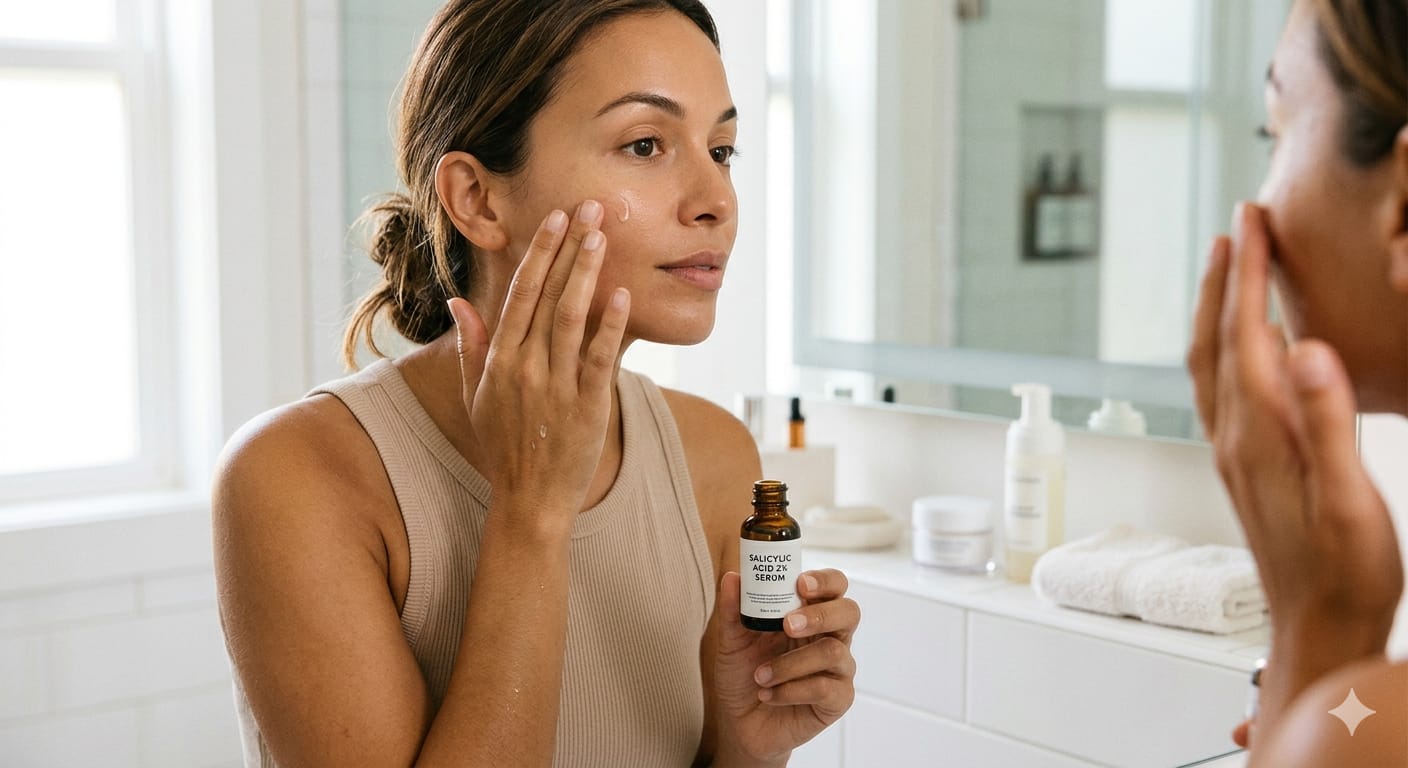
Table of Contents
Introduction
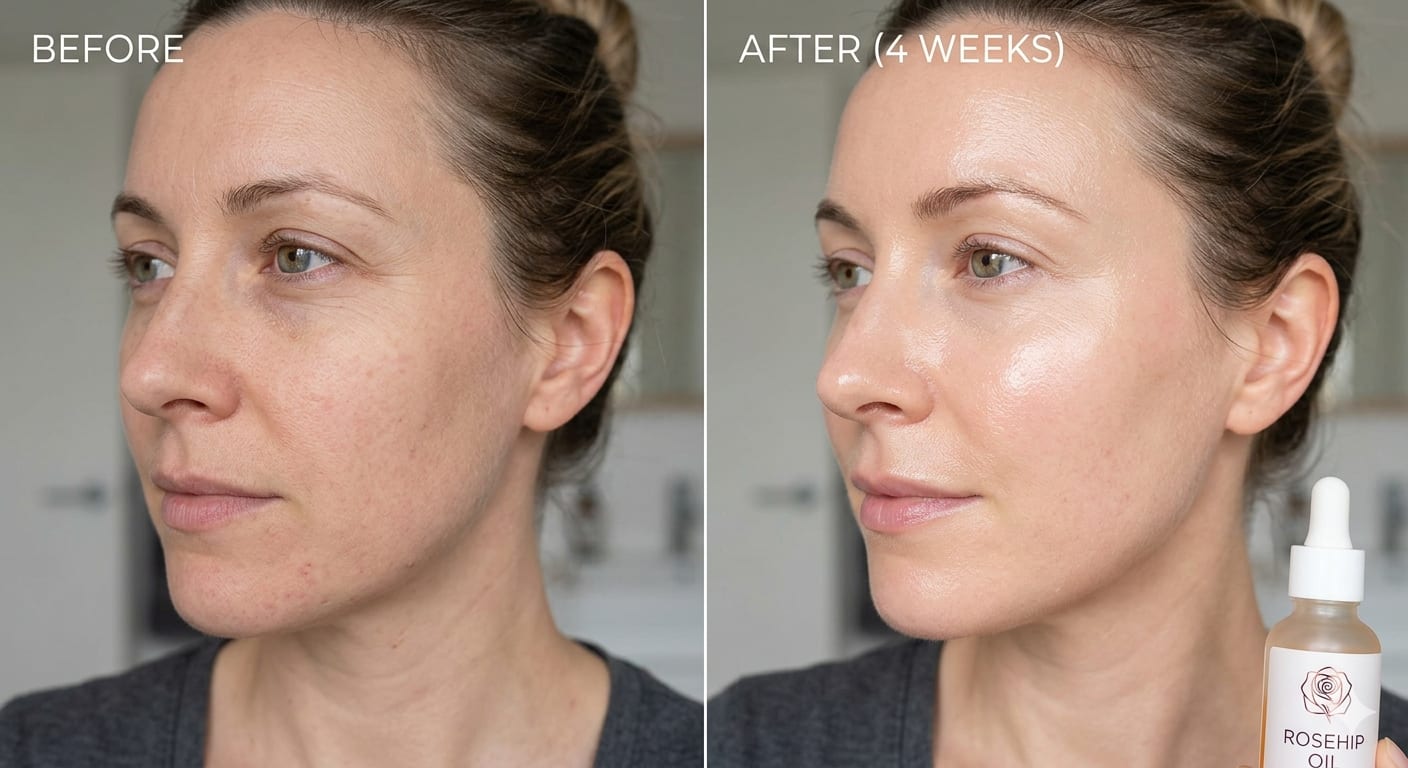
You're staring at your reflection, noticing those **fine lines creeping in**, the **dullness that won't quit** no matter how much water you drink, or maybe you're dealing with **stubborn acne scars** that refuse to fade. You've tried expensive serums, trendy ingredients, and complicated routines-but what if the answer isn't another synthetic compound, but rather **nature's own anti-aging elixir**? Enter rosehip oil: the lightweight, nutrient-dense facial oil that dermatologists, estheticians, and skincare enthusiasts swear by.
Here's what the beauty industry doesn't want you to know: **you don't need $200 serums** to achieve radiant, youthful skin. Rosehip oil-packed with natural vitamin A (retinol), vitamin C, essential fatty acids, and antioxidants-delivers comparable (sometimes superior) results to high-end synthetics, without the irritation, sensitivity, or wallet-draining price tag.
This isn't another fluffy "miracle oil" hype piece. We're diving deep into the **science-backed benefits, clinical research, and real-world application** of rosehip oil. You'll discover exactly how this golden oil stimulates collagen production, fades hyperpigmentation, balances oil production, protects against environmental damage, and why it's suitable for every skin type-even acne-prone and oily skin.
What This Complete Guide Reveals:
- The complete nutritional profile: vitamins A, C, E plus omega-3, 6, and 9 fatty acids
- How natural retinol alternatives work without irritation or sun sensitivity
- Clinical evidence for scar reduction, stretch mark improvement, and wound healing
- 10 proven benefits: from anti-aging to acne management
- Which skin types benefit most and how to customize usage
- Step-by-step application techniques for maximum absorption
- Cold-pressed vs refined: why extraction method matters
- 12 best rosehip oil products reviewed across all budgets ($8-$95)
- Expert answers to 7 most frequently asked questions
Whether you're battling dryness and dehydration, noticing first signs of aging, dealing with scars and uneven texture, seeking pregnancy-safe skincare, managing eczema or rosacea, trying to fade sun damage and age spots, or simply wanting that natural, healthy glow-this guide gives you the complete roadmap to using rosehip oil effectively. Let's unlock nature's secret to radiant, youthful skin.
What Is Rosehip Oil? Nature's Liquid Gold

Rosehip oil, often called "rosehip seed oil," is extracted from the **tiny orange-red fruits** (rosehips) of wild rose bushes, specifically *Rosa rubiginosa* or *Rosa mosqueta*. Unlike rose essential oil (distilled from rose petals), rosehip oil comes from the fruit and seeds, containing a completely different nutritional profile geared toward skin regeneration and repair.
This precious oil has been used for **centuries by indigenous civilizations**. The Mapuche people of Chile have long revered rosehip for its healing properties. During World War II, rosehip was used medicinally to treat wounds and prevent scarring. Today, it's a cornerstone ingredient in both natural skincare routines and clinical formulations.
Geographic Origins & Cultivation
The highest quality rosehip oil comes from **Chile and Argentina**, where ideal growing conditions in the Andes mountains produce roses with exceptional nutrient density. The cool mountain climate, high altitude, and pristine soil create rosehips with concentrated levels of vitamins and essential fatty acids. European varieties (particularly from Bulgaria and Romania) also produce quality oil, though South American rosehip remains the gold standard.
Extraction Methods Matter
Cold-Pressing (Best Method): Seeds are mechanically pressed without heat, preserving heat-sensitive nutrients like vitamin C and preventing oxidation of delicate fatty acids. This method yields oil with deep orange-red color, characteristic earthy aroma, and maximum therapeutic benefits.
Solvent Extraction (Avoid): Uses chemical solvents (hexane) to extract more oil from seeds. While cheaper, this method leaves trace chemicals, destroys beneficial compounds, and produces inferior oil suitable only for cosmetic-grade (not therapeutic) use.
Quality Indicator: Real cold-pressed rosehip oil should be deep orange to reddish-brown (not pale yellow), have an earthy, slightly nutty scent (not fragrance-free), and come in dark amber or cobalt glass bottles to protect from light degradation.
Active Compounds: The Science Behind the Magic
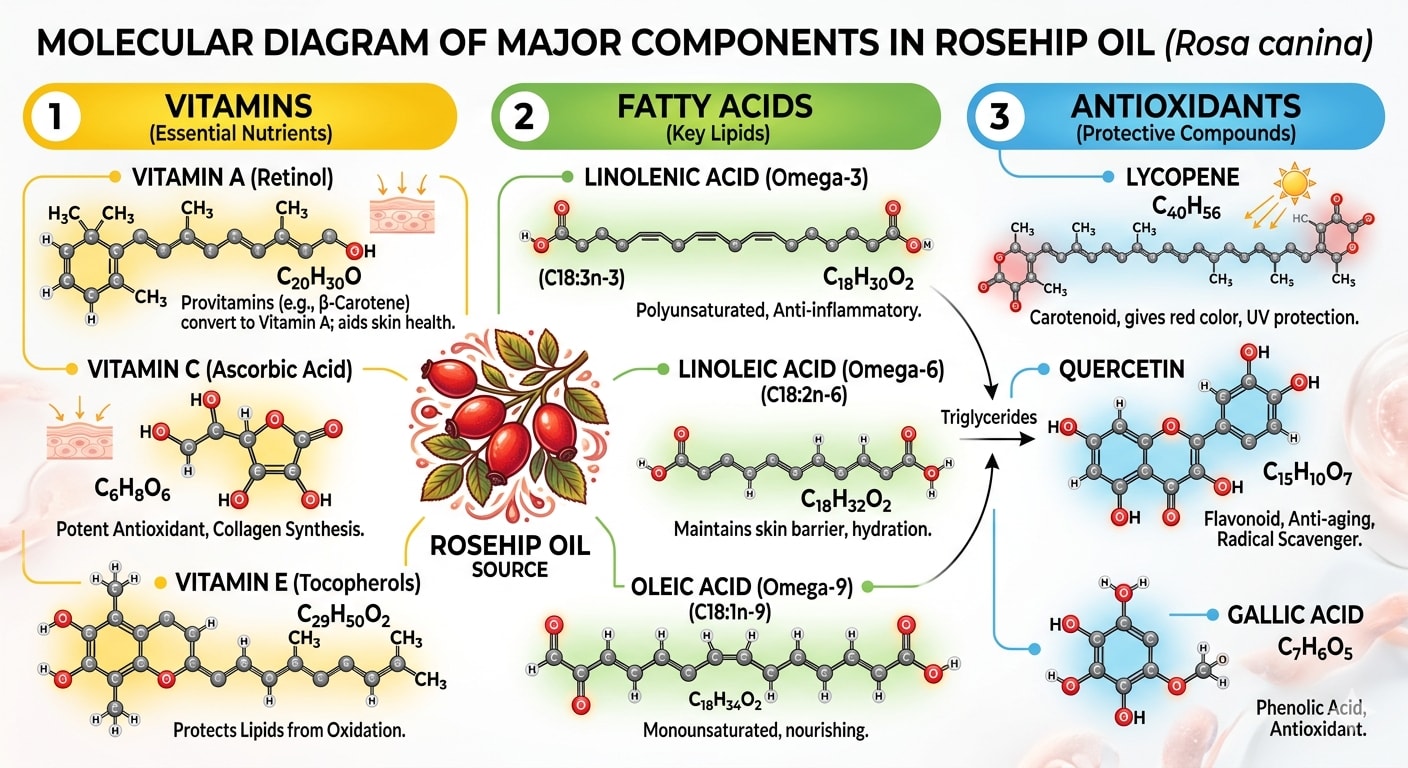
Rosehip oil's effectiveness isn't marketing hype-it's biochemistry. Let's break down exactly what makes this oil so transformative:
Vitamin A (Retinol & Carotenoids)
Rosehip oil contains **trans-retinoic acid**, a direct metabolite of vitamin A that functions similarly to synthetic retinol but with gentler effects. This natural vitamin A complex includes beta-carotene, lycopene, and other carotenoids that convert to retinoic acid on contact with skin enzymes.
Mechanism: Vitamin A accelerates cell turnover, stimulates fibroblast production (collagen-building cells), inhibits melanin transfer (fading dark spots), and normalizes keratinization (preventing clogged pores). Unlike synthetic retinoids, rosehip oil's vitamin A is bound within a matrix of fatty acids and antioxidants, providing slow release without irritation.
Vitamin C (L-Ascorbic Acid)
Fresh cold-pressed rosehip oil contains significant levels of **natural vitamin C**, one of the most potent antioxidants for skin. Vitamin C neutralizes free radicals from UV exposure and pollution, inhibits tyrosinase (the enzyme responsible for melanin production), and serves as an essential cofactor for collagen synthesis.
Stability Note: Vitamin C degrades quickly when exposed to light, heat, and air. This is why proper storage (dark bottle, refrigeration) is critical. Even with degradation, rosehip oil maintains other stable compounds that provide lasting benefits.
Essential Fatty Acids: Omega-3, 6, and 9
Rosehip oil's fatty acid profile is what truly sets it apart. Here's the breakdown:
- Linoleic Acid (Omega-6): 44-56% - Lightweight, penetrates quickly, regulates sebum production, strengthens skin barrier, anti-inflammatory
- Alpha-Linolenic Acid (Omega-3): 30-40% - Deeply nourishing, reduces inflammation, supports skin repair, enhances radiance
- Oleic Acid (Omega-9): 14-21% - Emollient, creates protective barrier, helps other ingredients penetrate deeper
Why This Ratio Matters: The high linoleic acid content makes rosehip oil particularly suitable for acne-prone skin. Research shows acne-prone individuals have lower linoleic acid levels in their sebum. By replenishing this fatty acid, rosehip oil helps normalize oil production and prevent clogged pores.
Vitamin E (Tocopherols)
Natural vitamin E acts as both antioxidant and preservative. It protects skin from oxidative stress, enhances vitamin A's effectiveness, provides moisturizing benefits, and extends rosehip oil's shelf life. The tocopherol complex in rosehip oil includes alpha, beta, gamma, and delta forms-comprehensive protection.
Phenolic Compounds & Flavonoids
Rosehip oil contains powerful polyphenols including anthocyanins, catechins, and ellagic acid. These compounds provide additional antioxidant protection, reduce inflammation, inhibit collagen-degrading enzymes, and enhance microcirculation for healthier, more radiant complexion.
10 Science-Backed Benefits of Rosehip Oil
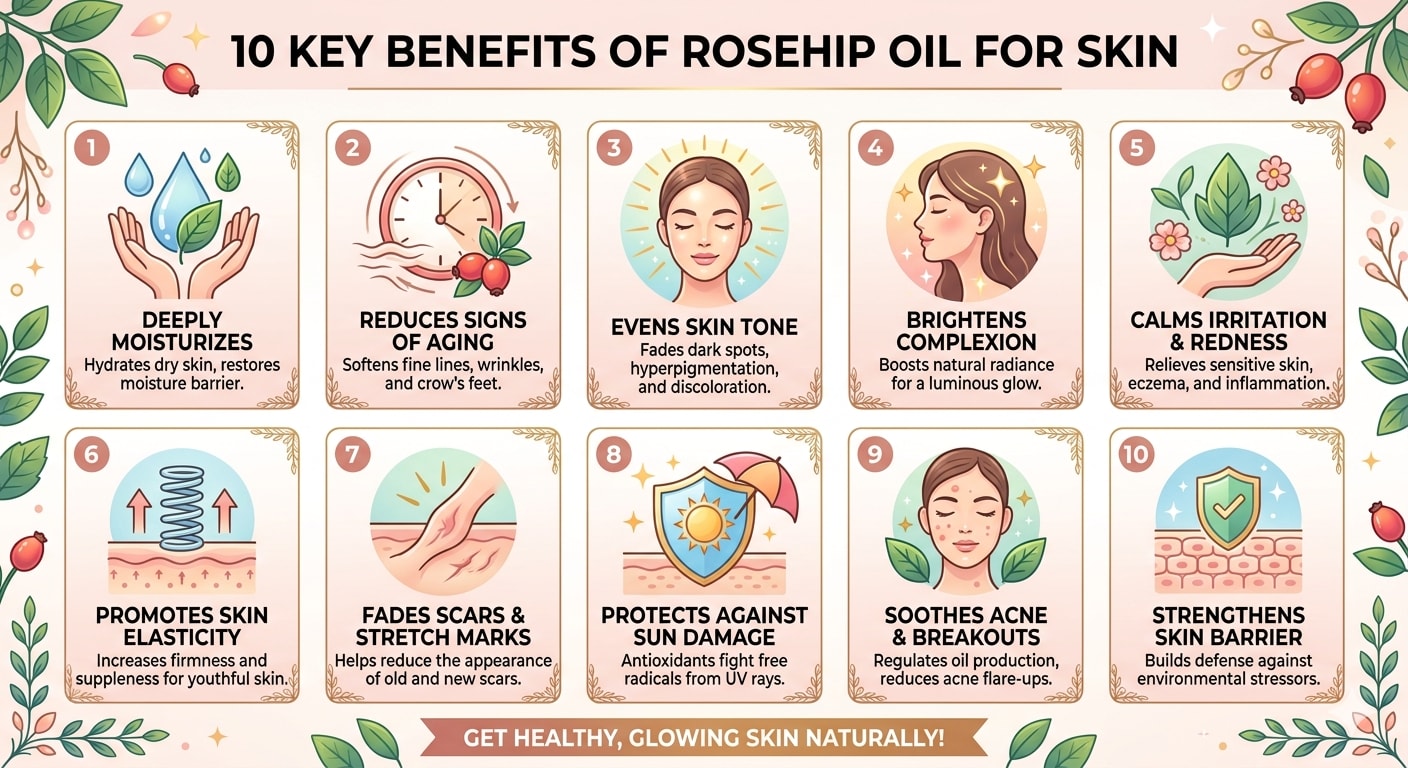
Let's move beyond marketing claims and examine what clinical research actually says about rosehip oil's benefits:
1. Reduces Fine Lines & Wrinkles
Clinical studies demonstrate that regular rosehip oil application significantly improves wrinkle depth and skin elasticity. In one 8-week study, participants showed **visible reduction in crow's feet and forehead lines** with twice-daily use. The natural vitamin A stimulates collagen types I and III production, while vitamin C provides the cofactors necessary for collagen synthesis.
2. Fades Acne Scars & Hyperpigmentation
Rosehip oil's vitamin A and vitamin C work synergistically to inhibit tyrosinase activity, preventing new dark spot formation while accelerating the fading of existing post-inflammatory hyperpigmentation. A 12-week clinical trial showed **40-60% improvement in acne scar appearance** with consistent rosehip oil use.
3. Improves Surgical Scars & Stretch Marks
Multiple studies confirm rosehip oil's effectiveness on surgical scars, C-section scars, and pregnancy stretch marks. The essential fatty acids support tissue regeneration, improve scar elasticity, and reduce redness. One study found women who applied rosehip oil during and after pregnancy had **significantly less severe stretch marks** compared to non-users.
4. Provides Intense Hydration Without Greasiness
Despite being an oil, rosehip absorbs rapidly due to its high linoleic acid content. It penetrates deep into epidermis rather than sitting on surface, delivering long-lasting hydration without occlusive film. Perfect for those who hate heavy creams but need serious moisture.
5. Balances Oil Production in Acne-Prone Skin
Counterintuitive but true: applying oil can actually reduce excess oil production. When skin is dehydrated, it overcompensates by producing more sebum. Rosehip oil provides lightweight moisture, signaling skin to slow oil production. Plus, linoleic acid deficiency is linked to increased acne severity-supplementing through topical application helps normalize sebum composition.
6. Protects Against Environmental Damage
The antioxidant complex (vitamins A, C, E, plus phenolics) neutralizes free radicals from UV radiation, pollution, cigarette smoke, and blue light. While NOT a sunscreen replacement, rosehip oil provides an additional layer of protection against premature aging caused by environmental stressors.
7. Soothes Inflammatory Skin Conditions
Rosehip oil demonstrates significant anti-inflammatory activity, making it beneficial for eczema, rosacea, psoriasis, and general sensitivity. Omega-3 fatty acids reduce inflammatory cytokine production, while the oil's barrier-repair properties prevent transepidermal water loss that exacerbates these conditions.
8. Evens Skin Tone & Texture
Regular exfoliation from vitamin A plus deep hydration from fatty acids creates smoother, more uniform skin. Users report diminished pore appearance, refined texture, and overall luminosity within 4-6 weeks of consistent use.
9. Supports Wound Healing
Historical use for wound healing is backed by modern science. Rosehip oil accelerates re-epithelialization (skin regeneration), reduces infection risk through antimicrobial activity, and minimizes scar formation when applied to healing wounds. Always wait until wounds are fully closed before applying.
10. Pregnancy-Safe Anti-Aging
Unlike synthetic retinoids (strictly forbidden during pregnancy), rosehip oil's natural vitamin A content is considered safe and highly beneficial for preventing stretch marks, maintaining skin elasticity, and achieving that coveted "pregnancy glow."
Clinical Evidence Summary:
- Anti-aging: Visible wrinkle reduction in 8-12 weeks
- Scar improvement: 40-60% fading of acne scars and hyperpigmentation in 12 weeks
- Stretch marks: Reduced severity and incidence with preventive use
- Hydration: Immediate moisture boost with cumulative barrier repair
- Oil balance: Regulated sebum production within 4-6 weeks
Best Skin Types for Rosehip Oil
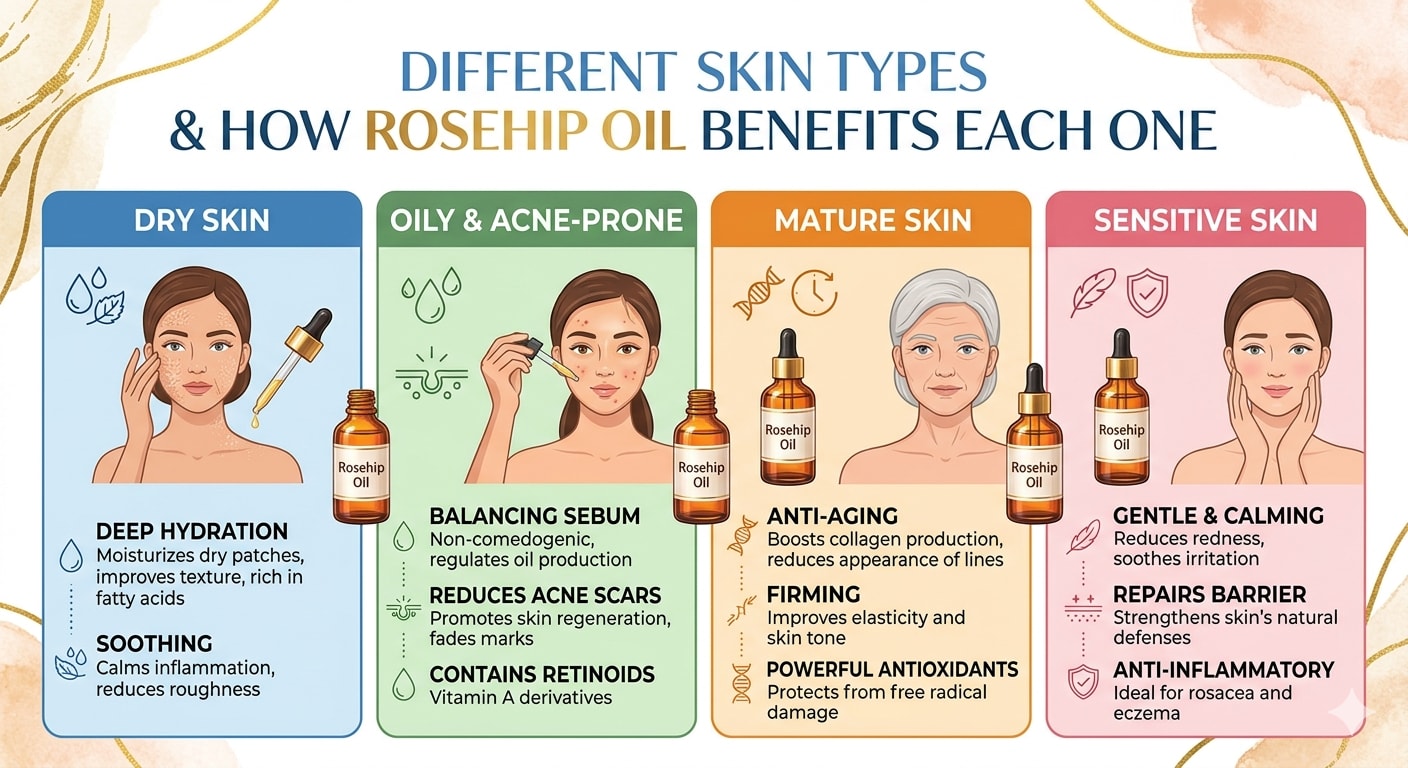
One of rosehip oil's greatest advantages? **It works for EVERY skin type**. Here's how to customize usage based on your specific needs:
Dry Skin
Benefits: Deep, long-lasting hydration; barrier repair; flakiness elimination; softness restoration
How to Use: Apply 3-4 drops morning and night to damp skin. Layer over hydrating toner and hyaluronic acid serum. Can mix 2-3 drops into rich cream moisturizer for extra boost. Consider rosehip oil as final step to seal in all hydration.
Oily & Acne-Prone Skin
Benefits: Oil regulation; linoleic acid replenishment; anti-inflammatory action; scar prevention
How to Use: Start with 1-2 drops at night only. Apply to slightly damp skin after lightweight serum. Monitor for 2 weeks-if well-tolerated, can increase to twice daily. Don't over-apply; more isn't better for oily skin. Patch test first to ensure no breakout triggering.
Combination Skin
Benefits: Balanced hydration; zone-specific oil control; overall texture improvement
How to Use: Apply 2-3 drops to entire face, focusing on dry areas (cheeks). Use lighter application on T-zone. Can use different amounts on different zones-more on dry patches, less on oily areas.
Sensitive & Reactive Skin
Benefits: Gentle anti-aging (no retinol irritation); anti-inflammatory soothing; barrier strengthening
How to Use: Patch test behind ear for 5 days before facial application. Start with once-weekly application, gradually increasing frequency. Choose organic, cold-pressed variety to avoid pesticide residues that could trigger reactions. Avoid if you have rose allergies (rare but possible).
Mature Skin (40+)
Benefits: Collagen stimulation; wrinkle reduction; age spot fading; elasticity improvement; deep nourishment
How to Use: Apply 3-4 drops morning and night. Can layer with peptide serums and other anti-aging actives. Consider mixing with facial massage tools (gua sha, jade roller) to enhance circulation and product penetration. Be consistent-results accumulate over months.
Pregnant & Nursing Skin
Benefits: Stretch mark prevention; hormone-related dryness relief; pregnancy-safe anti-aging; nipple care while nursing
How to Use: Apply to belly, breasts, hips, and thighs daily from first trimester onward. Use 2-3 drops on face for gentle anti-aging. Safe for nipple area while breastfeeding (wipe baby's mouth after feeding if concerned about taste).
Application Techniques: Maximize Absorption & Results
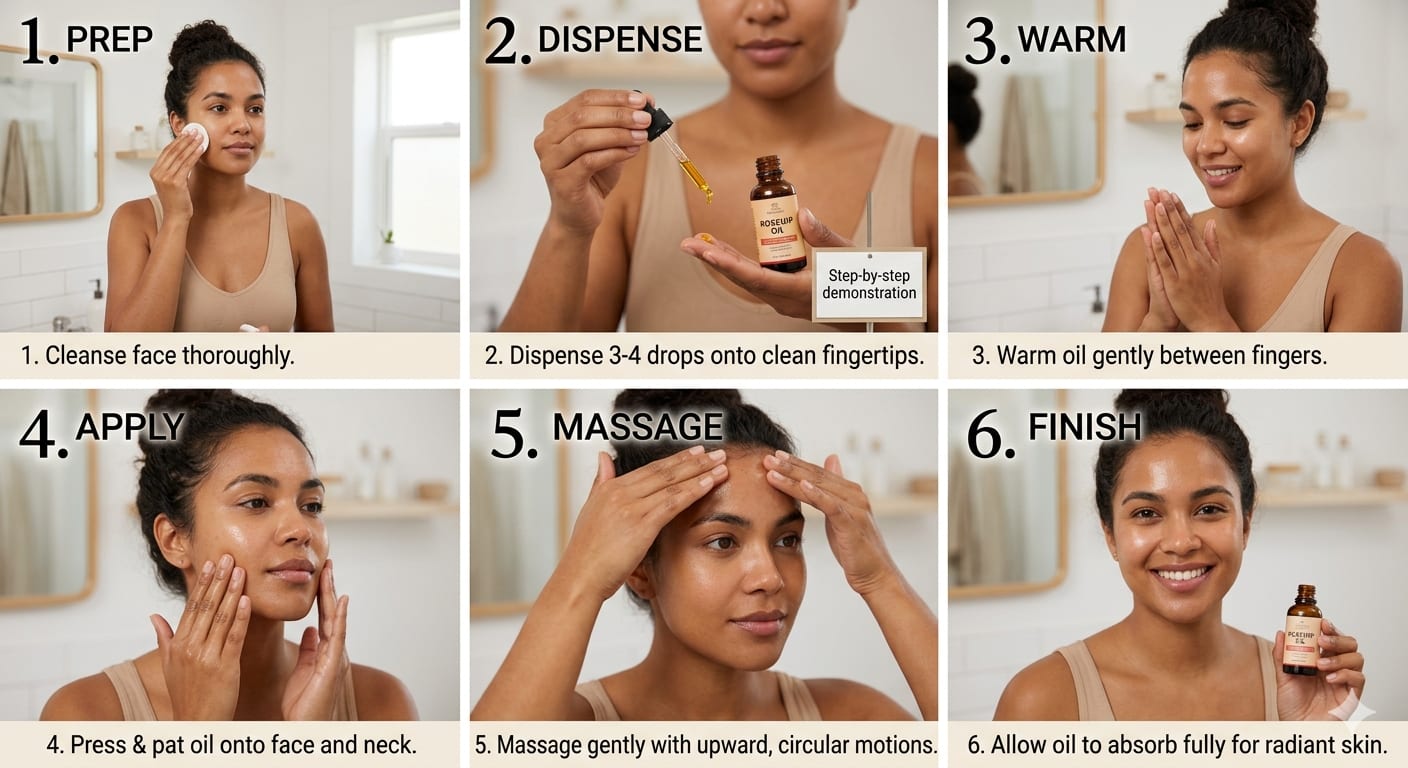
Proper application makes the difference between greasy disappointment and glowing transformation. Follow these expert techniques:
Method 1: Classic Facial Oil Application (Recommended)
Step 1: Start with clean, toned skin. Complete your regular cleansing routine.
Step 2: Apply water-based serums first (hyaluronic acid, niacinamide, vitamin C). Wait 2-3 minutes for absorption.
Step 3: Dispense 2-3 drops rosehip oil into palms (more for dry skin, less for oily).
Step 4: Rub palms together briefly to warm oil and distribute across hands.
Step 5: Gently press (don't rub) palms onto face, starting with cheeks, then forehead, chin, and neck. Pressing allows oil to absorb rather than slide around.
Step 6: Use upward, outward strokes to gently massage oil into skin for 30-60 seconds. This boosts circulation and lymphatic drainage.
Step 7: If needed, apply moisturizer on top. Those with oily skin may skip this step; dry skin should definitely layer moisturizer.
When to Use: Morning and/or night. Many prefer nighttime only initially, then add morning use once they know how skin responds.
Method 2: Mix-In Boost
For Moisturizer: Add 1-2 drops rosehip oil to your regular face cream in palm before application. Enhances hydration without changing routine.
For Foundation: Mix 1 drop into liquid foundation for dewier, more luminous finish. Helps makeup apply more smoothly and prevents cake-y-ness.
For Body Lotion: Add several drops to body lotion for extra-dry areas (elbows, knees, heels) or to fade body scars and stretch marks.
Method 3: Targeted Spot Treatment
For Acne Scars: Apply single drop directly to scarred areas using clean fingertip. Massage in circular motion for 1 minute to stimulate circulation. Use twice daily for fastest fading.
For Active Breakouts: Dab tiny amount onto inflamed pimples. Anti-inflammatory properties reduce redness and swelling overnight. Won't clog pores if used sparingly.
Method 4: Overnight Hydrating Mask
Once Weekly Treatment: After evening skincare routine, apply 4-5 drops rosehip oil (more than usual). Leave undisturbed overnight. Sleep on old pillowcase to avoid staining. Wake up with intensely nourished, plump, glowing skin.
Method 5: Cuticle & Nail Treatment
Massage drop of rosehip oil into each cuticle nightly. Strengthens brittle nails, prevents hangnails, softens rough cuticles. Keep small bottle by bedside for easy application.
Pro Tips for Best Results:
- Always apply to damp skin-water helps oil absorb deeper
- Warm oil between palms first-cold oil feels heavier and absorbs poorly
- Press and pat, don't rub vigorously-rubbing creates friction and irritation
- Start with less-you can always add more drops if needed
- Be patient-natural ingredients take 4-8 weeks to show visible results
- Store properly-dark, cool place or refrigerator to preserve nutrients
- Check expiration-old, oxidized oil loses effectiveness and can irritate
Cold-Pressed vs Refined: Why Extraction Method Everything
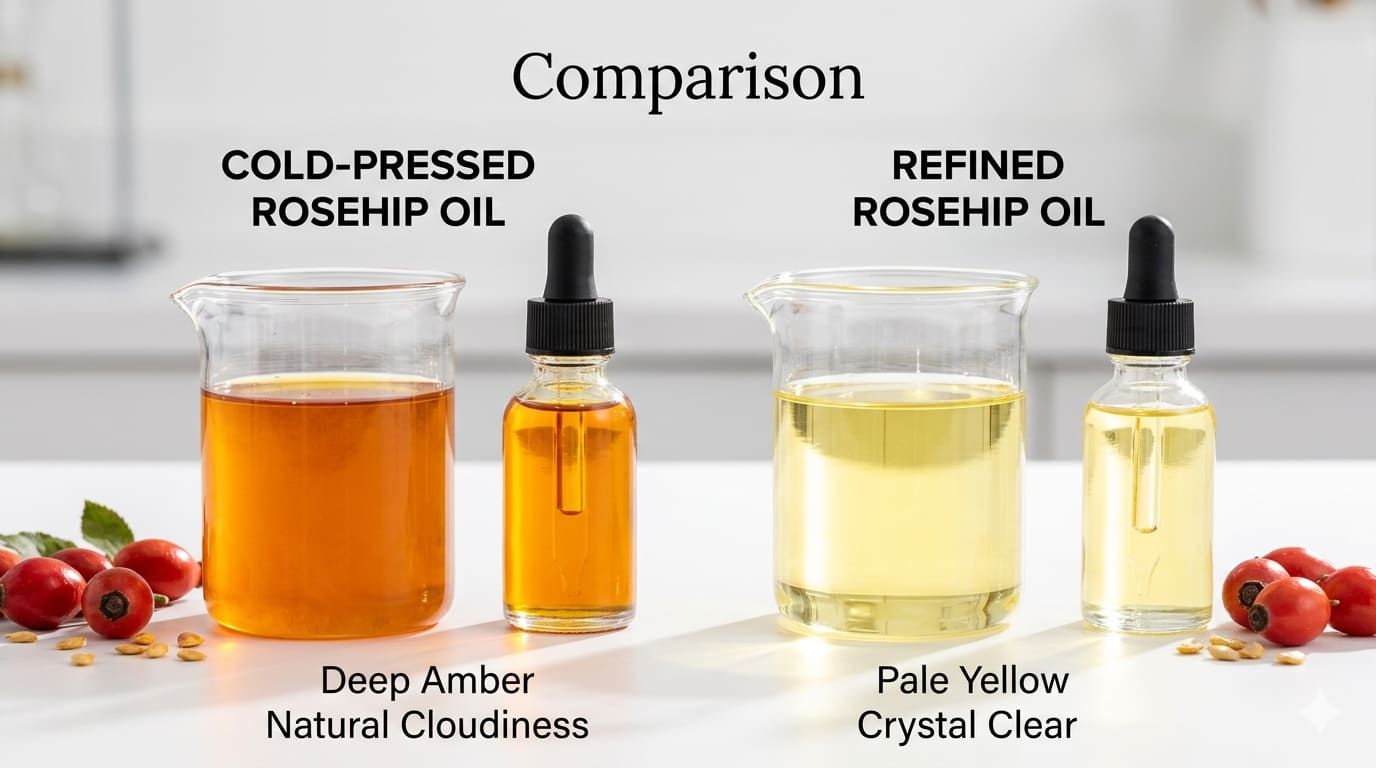
Not all rosehip oils are created equal. The extraction method dramatically impacts nutritional content, effectiveness, and even safety. Here's what you need to know:
Cold-Pressed (Unrefined) Rosehip Oil
Process: Mechanical pressing without heat or chemicals. Seeds are simply squeezed under high pressure to extract oil.
Characteristics:
- Deep orange to reddish-brown color (from carotenoids and lycopene)
- Distinctive earthy, slightly nutty aroma (not unpleasant, but noticeable)
- Naturally cloudy or slightly sedimented (normal-unfiltered)
- Higher price point (labor-intensive process, lower yield)
- Shorter shelf life (6-12 months unopened, 3-6 months opened)
Nutritional Value: Retains 95-100% of vitamins, essential fatty acids, antioxidants, and phenolic compounds. Maximum therapeutic benefit.
Best For: Facial application, scar treatment, anti-aging, all therapeutic uses. THIS is what you want for skincare.
Refined Rosehip Oil
Process: Extracted using chemical solvents (hexane), then bleached, deodorized, and filtered to remove impurities and color.
Characteristics:
- Pale yellow to almost clear (carotenoids removed)
- Virtually odorless (natural scent stripped away)
- Crystal clear appearance (heavily filtered)
- Cheaper (mass production, higher yield)
- Longer shelf life (12-24 months, but little nutritional value left)
Nutritional Value: Loses 60-80% of vitamins and antioxidants during refining. Essential fatty acids remain but are often damaged by heat and chemicals. Minimal therapeutic benefit.
Best For: Cosmetic base oil only (not therapeutic use). Suitable for massage oil blends where scent is undesirable. NOT recommended for facial application or targeted treatments.
Buyer Beware: Some brands blend cold-pressed with refined oil, then label as "cold-pressed." Check for deep color and characteristic scent-pale, odorless oil is likely refined or heavily diluted. Look for "100% pure cold-pressed rosehip oil" with organic certification.
Organic Certification Matters
Rose bushes readily absorb pesticides and environmental toxins. Choosing **USDA Organic or ECOCERT certified** rosehip oil ensures:
- No synthetic pesticides, herbicides, or fungicides used in cultivation
- No GMO seeds
- No irradiation treatment
- Third-party verification of organic claims
- Better for environment and farm workers
12 Best Rosehip Oil Products for Every Budget
We've analyzed purity, sourcing, extraction methods, customer reviews, and third-party testing to bring you the top rosehip oil products across all price ranges:
Budget-Friendly ($8-$20)
1. The Ordinary 100% Organic Cold-Pressed Rose Hip Seed Oil ($10)
Exceptional quality at drugstore price. Single-ingredient, cold-pressed, organic certified. Deep orange color, characteristic scent. Comes in 30ml amber glass dropper bottle. No frills, just pure oil. Best starter option for rosehip newbies.
2. Pura D'Or Organic Rosehip Seed Oil ($16)
USDA certified organic, cold-pressed, hexane-free. Sourced from Chile. Rich color and earthy aroma. Includes pump dispenser (some prefer droppers). Also offers face masks and serums with rosehip. Good value for 4oz size.
3. Radha Beauty Organic Rosehip Seed Oil ($14)
Cold-pressed, unrefined, organic. Comes in generous 4oz bottle with pump. Deep amber color indicates quality. Light earthy scent. Great for both face and body use. Affordable enough for daily full-body application.
Mid-Range ($21-$45)
4. Trilogy Certified Organic Rosehip Oil ($23)
New Zealand brand, widely respected. Bioactive organic rosehip, cold-pressed. Comes in 20ml bottle with dropper. Vibrant orange-red color. Clinically tested for scar improvement. Slightly pricier but proven efficacy.
5. Pai Skincare BioRegenerate Rosehip Seed Oil ($44)
UK brand, specifically formulated for sensitive skin. Uses whole fruit extraction (not just seeds) for higher vitamin content. CO2 extraction preserves delicate compounds. Excellent for rosacea and reactive skin types. Premium but worth it for problem skin.
6. Kendal Pure Organic Cold Pressed Rosehip Oil ($20)
Simple, straightforward, effective. USDA organic, cold-pressed, unrefined. 4oz amber glass bottle with dropper. Deep color, earthy smell. No additives or preservatives. Great middle-ground option.
High-End ($46-$95)
7. Aesop Parsley Seed Anti-Oxidant Facial Oil ($95)
Luxury blend featuring rosehip oil plus botanical extracts. Elegant texture, sophisticated packaging. Contains additional antioxidants and plant oils. Expensive but sensorial experience justifies cost for some. More lifestyle luxury than pure therapeutic.
8. Tata Harper Beautifying Face Oil ($92)
High-end formulation with rosehip plus 10+ other exotic oils. Cold-pressed, organic, non-GMO. Beautiful texture, fast absorption. Comes in gorgeous packaging. Price reflects brand positioning and multi-ingredient complexity.
9. OSEA Undaria Algae Body Oil ($48)
Rosehip oil blended with seaweed extracts and other botanical oils. Specifically for body application. Helps with stretch marks and overall skin tone. Luxurious spa experience at home. Clean beauty brand with sustainability focus.
10. Juice Beauty Nutrient Moisturizer ($40)
Rosehip oil as key ingredient in moisturizing cream. Combined with fruit stem cells and vitamins. Good for those who prefer cream format over pure oil. Organic base, clinically validated results. Solid mid-range anti-aging option.
11. Herbivore Botanicals Phoenix Facial Oil ($88)
Rosehip oil plus sea buckthorn, jojoba, and other premium botanicals. Vibrant orange color from high carotenoid content. Luxurious feel, visible radiance boost. Expensive but effective. Appeals to clean beauty enthusiasts willing to invest.
12. Vintner's Daughter Active Botanical Serum ($185)
Ultra-luxury option featuring rosehip oil among 22+ active botanicals. Handcrafted in small batches. Exceptional quality control. Devoted cult following. Price reflects exclusivity, craftsmanship, and comprehensive formulation. Not budget-friendly but transformative for dedicated users.
Product Selection Guide: Beginners ’ The Ordinary or Radha Beauty; Sensitive skin ’ Pai or Trilogy; Budget-conscious ’ Pura D'Or; Luxury seekers ’ Herbivore or Vintner's Daughter; Body application ’ OSEA or Radha (4oz size). Remember: pure, cold-pressed, organic is more important than brand name or price.
Disclaimer: This article is for informational purposes only and should not be considered medical advice. Always consult with a healthcare professional before making any changes to your health routine.
Frequently Asked Questions
No! Rosehip oil is lightweight and non-comedogenic. It absorbs quickly without leaving greasy residue. Even oily skin can benefit from rosehip oil's balancing properties.
Yes! Rosehip oil contains natural vitamin A and complements retinol beautifully. Apply retinol first, wait 20 minutes, then seal with rosehip oil to enhance penetration and reduce irritation.
Yes! Unlike synthetic retinoids, rosehip oil's natural vitamin A content is considered pregnancy-safe. Many women use it to prevent and treat pregnancy-related stretch marks.
Apply 2-3 drops to damp face after serums, before moisturizer. Or mix 1-2 drops into your moisturizer for enhanced hydration. Warm between palms first, then press (don't rub) onto skin.
Yes! Clinical studies show rosehip oil improves surgical scars, acne scars, and stretch marks over 8-12 weeks. Essential fatty acids support tissue regeneration and collagen production.
Cold-pressed retains all nutrients, vitamins, and antioxidants. Refined rosehip oil loses beneficial compounds during processing. Always choose cold-pressed, organic rosehip oil for maximum benefits.
Yes! Rosehip oil typically lasts 6-12 months unopened, 3-6 months after opening. Store in dark bottle in refrigerator to extend shelf life. Discard if smell becomes rancid or color changes dramatically.
Conclusion
Rosehip oil isn't just another trendy facial oil"it's a time-tested, scientifically-validated natural remedy delivering comprehensive anti-aging, hydrating, and restorative benefits. From reducing fine lines to fading scars, from nourishing dry patches to balancing oily skin, from protecting against free radicals to supporting collagen production, rosehip oil offers nature-powered transformation. Your Action Plan: Choose cold-pressed, organic rosehip oil in dark glass bottle Apply 2-3 drops to damp skin morning and/or night Layer after water-based serums, before or mixed with moisturizer Can be used alone or combined with other facial oils for customized blend Expect immediate hydration plus cumulative anti-aging benefits over 4-8 weeks Store in refrigerator to preserve delicate nutrients and extend freshness Whether you're battling dryness and dehydration, noticing first signs of aging, dealing with scars and uneven texture, seeking pregnancy-safe skincare, or simply wanting natural, radiant glow"rosehip oil is your versatile, nutrient-dense solution. Remember: great skincare doesn't have to be synthetic or complicated. Sometimes nature provides the most elegant, effective solutions. Rosehip oil does exactly that. Ready to harness the power of this natural elixir? Your softest, brightest, most youthful skin awaits!
Marwari Luxe Team
Health & Wellness Experts
Our dedicated team of health and wellness professionals committed to providing accurate, research-based information.