How to Reduce Stress and Anxiety Naturally Without Medication

Table of Contents
Introduction to Natural Stress Relief
In our fast-paced modern world, stress and anxiety have become almost inevitable companions. However, managing these challenges naturally without medication is not only possible but often more sustainable and beneficial for long-term mental wellness. Natural stress relief techniques offer powerful, evidence-based approaches that address the root causes of stress while promoting overall health and well-being.
The beauty of natural stress management lies in its accessibility and holistic approach. Unlike pharmaceutical interventions, these methods work with your body's natural systems, creating lasting changes in how you respond to stressors. Whether you're dealing with daily work pressure, relationship challenges, or generalized anxiety, the techniques outlined in this guide can provide meaningful relief and build genuine resilience.
Natural stress relief encompasses a comprehensive approach that includes breathing techniques, mindfulness practices, lifestyle modifications, and evidence-based supplements. These methods work synergistically to reduce cortisol levels, improve emotional regulation, and enhance your body's natural stress response mechanisms. The key to success lies in consistent practice and finding the combination of techniques that work best for your individual needs and lifestyle.
Quick Start Tip: Begin with just 5 minutes of deep breathing exercises daily. This simple practice can immediately activate your body's relaxation response and provide instant stress relief.
Understanding Stress and Anxiety: The Science Behind Natural Relief
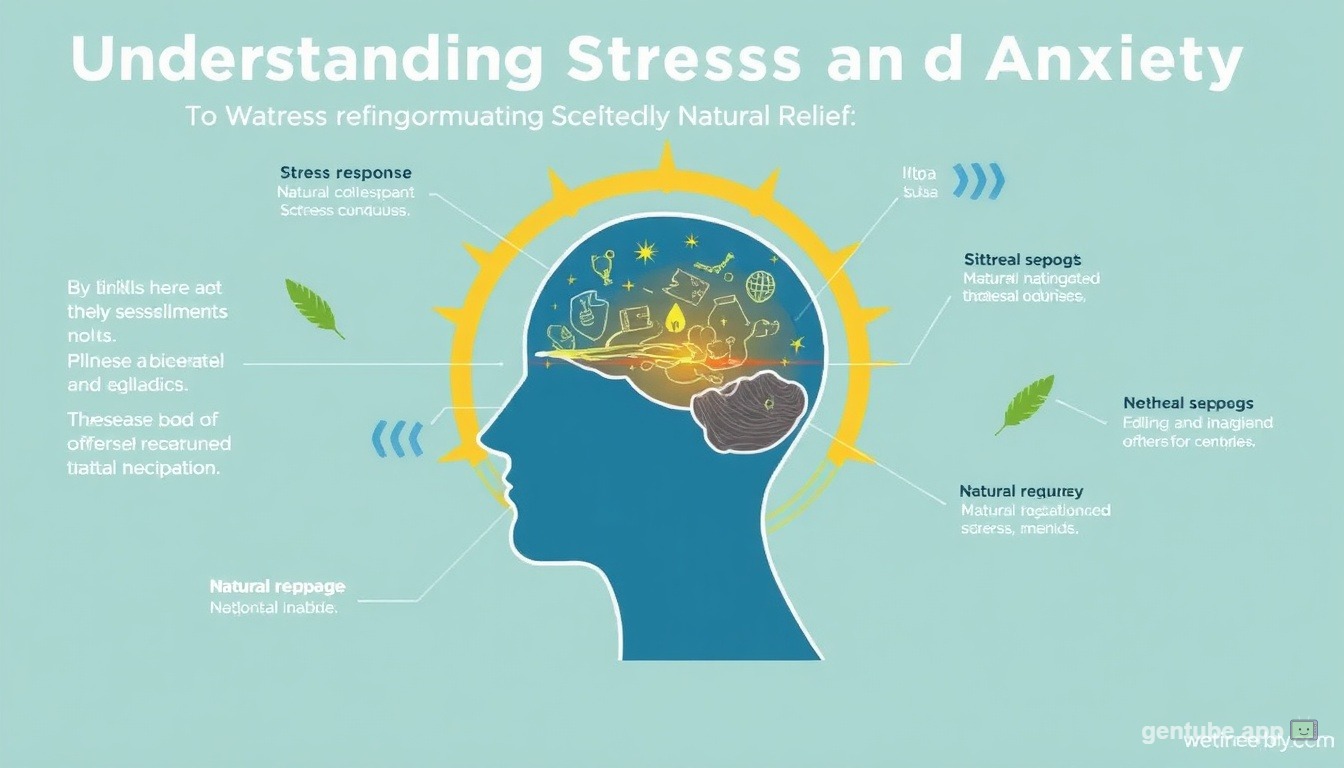
Stress and anxiety are natural human responses designed to protect us from perceived threats. The stress response, often called "fight-or-flight," triggers the release of hormones like cortisol and adrenaline, preparing your body for immediate action. While this mechanism served our ancestors well in dangerous situations, modern stressors like work deadlines, financial concerns, and social pressures activate the same physiological responses without the physical outlet they were designed for.
The Modern Stress Epidemic
Chronic stress has become a defining feature of contemporary life. Research indicates that over 75% of adults experience moderate to high stress levels regularly, with significant impacts on both mental and physical health. The World Health Organization has identified stress as one of the leading health challenges of the 21st century, contributing to cardiovascular disease, digestive problems, sleep disorders, and mental health conditions.
The physiological stress response involves complex interactions between your brain, nervous system, and endocrine system. When you perceive a threat, your amygdala sends distress signals to your hypothalamus, which activates the sympathetic nervous system. This triggers the adrenal glands to release stress hormones, increasing heart rate, blood pressure, and glucose levels while redirecting energy away from non-essential functions like digestion and immune response.
Key Insight: Understanding that stress is a natural survival mechanism helps reframe how we approach stress management. Rather than trying to eliminate stress entirely, we can learn to regulate our stress response more effectively.
Anxiety: When Stress Becomes Chronic
While stress is typically a response to specific external triggers, anxiety often involves persistent worry about future events or general feelings of unease without clear causes. Generalized anxiety disorder affects approximately 3% of adults annually, while many more experience subclinical anxiety that significantly impacts quality of life. The key difference lies in duration and intensity - stress usually subsides when the trigger is removed, while anxiety can persist long after the initial stressor has passed.
Chronic stress and anxiety create a cascade of negative health effects. Elevated cortisol levels over extended periods can damage neurons in the hippocampus, impair memory formation, and increase inflammation throughout the body. This creates a vicious cycle where stress weakens your body's ability to cope with future stressors, making you more vulnerable to anxiety and stress-related health problems.
The Natural Healing Response
Your body possesses remarkable natural mechanisms for stress recovery through the parasympathetic nervous system, often called the "rest-and-digest" response. This system counterbalances the sympathetic nervous system by lowering heart rate, reducing blood pressure, and promoting relaxation and healing. Natural stress relief techniques work by intentionally activating this parasympathetic response, essentially training your nervous system to recover more quickly from stress.
Research consistently demonstrates that regular practice of natural stress management techniques can literally rewire your brain's stress response pathways. Neuroplasticity allows your nervous system to form new neural connections, making relaxation responses more automatic and stress reactions less intense over time. This is why consistency in practice is crucial for long-term success in natural stress management.
Powerful Breathing Techniques for Instant Stress Relief
Breathing is the most fundamental and accessible natural stress relief technique available. Your breath is unique because it's both automatic and consciously controllable, making it a powerful bridge between your conscious and unconscious nervous systems. These evidence-based breathing techniques can provide immediate relief from acute stress and anxiety while building long-term resilience when practiced regularly.
1. The 4-7-8 Technique for Anxiety
Developed by Dr. Andrew Weil, the 4-7-8 technique is particularly effective for anxiety and sleep issues. Inhale through your nose for 4 counts, hold your breath for 7 counts, then exhale completely through your mouth for 8 counts. This pattern activates the vagus nerve, which directly stimulates the parasympathetic nervous system. Practice this technique 3-4 times whenever you feel overwhelmed.
How to Practice: Place the tip of your tongue against the ridge behind your upper front teeth throughout the exercise. Exhale completely through your mouth with a whoosh sound, then close your mouth and inhale quietly through your nose for 4 counts.
2. Box Breathing for Workplace Stress
Also known as square breathing, this technique involves inhaling for 4 counts, holding for 4 counts, exhaling for 4 counts, and holding empty for 4 counts. Navy SEALs use this method for stress management in high-pressure situations. This technique is perfect for workplace stress management as it can be done discreetly at your desk and provides immediate mental clarity.
3. Diaphragmatic Breathing for Chronic Stress
Chronic stress often leads to shallow chest breathing, which actually perpetuates the stress response. Diaphragmatic breathing involves breathing deeply into your belly rather than your chest. Place one hand on your chest and one on your stomach - when you breathe correctly, only the hand on your stomach should move. This technique activates the vagus nerve and promotes full oxygen exchange.
4. Progressive Breathing for Panic Attacks
During panic attacks, rapid breathing can worsen symptoms. Progressive breathing involves gradually slowing your breath rate from whatever speed you're currently breathing to a normal, relaxed pace. Start by simply becoming aware of your current breathing pattern, then very gradually slow each inhale and exhale by about 10% every few breaths until you reach a calm, steady rhythm.
Scientific Backing: Studies show that controlled breathing techniques can reduce cortisol levels by up to 50% within 10-15 minutes of practice. Regular practitioners demonstrate measurably lower baseline stress hormone levels and improved heart rate variability.
5. Breathing for Better Sleep
Poor sleep and stress create a vicious cycle that's difficult to break. The 4-7-8 technique works exceptionally well for sleep preparation. Practice this breathing exercise for 4-5 cycles before bed, focusing on making your exhale longer than your inhale. This naturally activates your parasympathetic nervous system and prepares your body for restful sleep.
Mindfulness and Meditation Methods for Lasting Anxiety Relief
Mindfulness and meditation practices represent some of the most well-researched natural approaches to stress and anxiety management. These techniques work by training your attention and awareness, helping you develop a different relationship with stressful thoughts and emotions. Rather than trying to eliminate stress entirely, mindfulness teaches you to observe your experiences without judgment, reducing the emotional impact of stressors.
1. Body Scan Meditation for Physical Tension
This practice involves systematically focusing attention on different parts of your body, from toes to head. Start by lying down comfortably and bring awareness to your feet, noticing any sensations without trying to change them. Gradually move your attention up through each body part. This technique helps release physical tension while training mindful awareness. Research shows it's particularly effective for reducing anxiety and improving sleep quality.
2. Loving-Kindness Meditation for Emotional Healing
Also called Metta meditation, this practice involves generating feelings of compassion and love toward yourself and others. Start by silently repeating phrases like "May I be safe, may I be healthy, may I live with ease" while visualizing warmth and kindness. Gradually extend these wishes to loved ones, acquaintances, and eventually all beings. This technique is particularly powerful for addressing the self-criticism and isolation that often accompany chronic stress and anxiety.
3. Mindful Walking for Daily Stress Management
You don't need to sit still to practice mindfulness. Mindful walking transforms ordinary movement into a meditation practice. Focus on the physical sensations of each step - the feeling of your feet touching the ground, the shift of weight from one foot to the other, the rhythm of your movement. This practice is excellent for stress management during busy days and can be done anywhere, even during short work breaks.
4. Mindful Eating for Stress-Related Eating Patterns
Many people use food to cope with stress, creating unhealthy patterns that worsen both physical and mental health. Mindful eating involves paying full attention to the experience of eating - noticing colors, textures, flavors, and the sensation of satisfaction. Eat slowly, chew thoroughly, and pause between bites. This practice helps break automatic stress-eating patterns while improving digestion and food satisfaction.
Beginner's Approach: Start with just 5 minutes of mindfulness meditation daily. Use guided meditation apps initially, then gradually transition to silent practice. Consistency matters more than duration for building mindfulness skills.
5. Breathing Space Meditation for Acute Stress
This three-step practice provides immediate relief during stressful moments. Step 1: Acknowledge your current experience without judgment ("This is stress"). Step 2: Focus entirely on your breath for one minute, feeling each inhale and exhale. Step 3: Expand awareness to include your whole body and surroundings. This technique takes just 3-5 minutes but can reset your stress response and restore mental clarity.
Scientific Benefits of Regular Practice
Neuroimaging studies reveal that regular meditation practice literally changes brain structure. The amygdala (fear center) actually decreases in size while the prefrontal cortex (executive function) increases in density. These structural changes correspond to measurable improvements in stress resilience, emotional regulation, and overall mental wellness. Most people begin experiencing benefits within 2-3 weeks of consistent daily practice.
Key Lifestyle Stress Reducers: Building Your Foundation for Mental Wellness

While breathing techniques and meditation provide powerful stress management tools, sustainable stress relief requires addressing fundamental lifestyle factors. These natural stress management approaches work at the foundational level to improve your body's overall resilience and reduce baseline stress levels. The most effective stress reduction strategies combine immediate coping techniques with long-term lifestyle modifications.
1. Physical Activity: Nature's Stress Antidote
Regular physical exercise represents one of the most powerful natural interventions for stress and anxiety management. Movement stimulates the production of endorphins, your body's natural mood elevators, while reducing cortisol and adrenaline levels. The key is finding activities you genuinely enjoy - whether that's walking, dancing, swimming, or yoga. Even 20-30 minutes of moderate exercise 3-4 times per week can produce significant stress-reducing benefits.
Exercise also improves sleep quality, boosts self-confidence, and provides a healthy outlet for processing difficult emotions. For stress management, focus on rhythmic, repetitive movements that can become meditative - activities like walking, running, cycling, or rowing work particularly well because they allow you to find a natural rhythm while clearing your mind.
2. Sleep Optimization: Your Stress Recovery Foundation
Quality sleep acts as your body's primary stress recovery system. During deep sleep, your nervous system resets, stress hormones normalize, and your brain processes emotional experiences from the day. Chronic sleep deprivation creates a cascade of stress-related problems - it increases cortisol levels, impairs emotional regulation, and makes you more reactive to future stressors.
Create a sleep-supportive environment by keeping your bedroom cool, dark, and quiet. Establish consistent sleep and wake times, even on weekends. Avoid screens for 1-2 hours before bed, as blue light suppresses melatonin production. Consider a bedtime routine that includes gentle stretching, reading, or the 4-7-8 breathing technique to signal to your nervous system that it's time to rest.
Sleep Recovery Strategy: If you're lying awake for more than 20 minutes, get out of bed and do a quiet, non-stimulating activity until you feel sleepy. This prevents your brain from associating your bed with wakefulness and stress.
3. Nutrition for Stress Resilience
Your food choices directly impact your body's ability to manage stress. Blood sugar fluctuations create mood swings and irritability, while certain nutrients are essential for healthy nervous system function. Focus on complex carbohydrates, lean proteins, and healthy fats that provide steady energy without dramatic blood sugar spikes.
Magnesium plays a crucial role in stress management by regulating the HPA (hypothalamic-pituitary-adrenal) axis and supporting muscle relaxation. Foods rich in magnesium include leafy greens, nuts, seeds, and whole grains. Omega-3 fatty acids, found in fatty fish, walnuts, and flaxseeds, reduce inflammation and support brain health. Limit caffeine and alcohol, especially later in the day, as they can disrupt sleep and exacerbate anxiety.
4. Social Connection: The Stress Buffer
Human beings are inherently social creatures, and meaningful connections provide powerful protection against stress. Social support helps regulate stress hormones, provides perspective during difficult times, and creates a sense of belonging and security. Make time for regular contact with friends and family, whether in person, by phone, or video chat.
Quality matters more than quantity - one or two close, supportive relationships often provide more stress relief than numerous superficial connections. Consider joining groups or activities aligned with your interests, as shared activities naturally foster deeper connections. Even brief positive social interactions can reduce cortisol levels and improve mood.
5. Time Management and Boundary Setting
Feeling overwhelmed by demands on your time is a major source of chronic stress. Effective time management isn't about packing more into your day - it's about creating space for what truly matters while learning to say no to non-essential commitments. Use techniques like time blocking, prioritization matrices, and the "two-minute rule" to create more manageable daily schedules.
Equally important is setting healthy boundaries with work, family, and social obligations. Learn to communicate your limits clearly and respectfully. Remember that taking care of yourself isn't selfish - it's essential for maintaining your capacity to care for others and meet your responsibilities effectively.
6. Nature Exposure: The Biophilia Effect
Spending time in natural environments provides measurable stress-reducing benefits through what researchers call the "biophilia effect." Even brief exposure to trees, water, or green spaces can lower cortisol levels, reduce blood pressure, and improve mood. This connection to nature appears to be deeply rooted in human evolution and provides a natural reset for our stress response systems.
You don't need extended wilderness experiences to benefit - simply taking a 10-minute walk in a park, tending to houseplants, or even viewing nature scenes through a window can provide stress relief. For urban dwellers, community gardens, green roofs, and tree-lined streets offer accessible opportunities for nature connection.
Evidence-Based Natural Supplements for Stress and Anxiety Support

While lifestyle factors form the foundation of natural stress management, certain evidence-based supplements can provide additional support for your stress response system. These natural compounds work synergistically with other stress management techniques to enhance resilience and promote recovery. It's important to remember that supplements should complement, not replace, comprehensive stress management approaches.
� Important Disclaimer: Always consult with a healthcare professional before starting any supplement regimen, especially if you're taking medications or have underlying health conditions. Natural doesn't always mean safe, and some supplements can interact with medications or cause side effects.
1. Ashwagandha: The Master Adaptogen
Ashwagandha (Withania somnifera) is one of the most well-researched adaptogenic herbs for stress management. Clinical studies demonstrate that standardized ashwagandha extracts can significantly reduce cortisol levels, improve stress resilience, and enhance overall quality of life. Research shows participants taking ashwagandha experienced 27-37% greater reductions in stress and anxiety scores compared to placebo groups.
The typical effective dose ranges from 300-600mg daily of standardized extract containing 1.5-12% withanolides. Look for products that specify the withanolide content, as this represents the active compounds responsible for stress-reducing effects. Ashwagandha is generally well-tolerated but may cause mild digestive upset in some people.
2. Magnesium: The Relaxation Mineral
Magnesium deficiency is incredibly common in modern diets, and low magnesium levels are strongly associated with increased stress sensitivity and anxiety. This essential mineral plays crucial roles in nervous system function, muscle relaxation, and stress hormone regulation. During stress, your body uses magnesium more rapidly, often creating a deficiency cycle that worsens stress response.
The recommended daily dose for stress management typically ranges from 200-400mg, depending on individual needs and tolerability. Magnesium glycinate and magnesium taurate are among the most bioavailable and gentle forms. Start with a lower dose and gradually increase to avoid digestive side effects. Many people notice improvements in sleep quality and stress resilience within 1-2 weeks of supplementation.
3. L-Theanine: Calm Focus Enhancement
L-Theanine is an amino acid naturally found in tea leaves, particularly green tea. This unique compound promotes relaxation without sedation by increasing alpha brain wave activity, which corresponds to a calm, focused mental state. Research shows L-Theanine can reduce stress responses to challenging tasks while improving attention and cognitive performance.
Effective doses typically range from 100-200mg, taken 1-2 times daily. Many people find it particularly helpful for work-related stress or social anxiety, as it promotes calmness while maintaining alertness. L-Theanine works synergistically with caffeine, which is why green tea provides a smoother energy boost compared to coffee alone.
4. Rhodiola Rosea: Mental Fatigue Fighter
Rhodiola is an Arctic adaptogenic herb particularly effective for stress related to mental fatigue and burnout. Clinical research shows it can improve mental performance, reduce fatigue, and enhance mood during periods of high stress. This makes it especially valuable for managing work-related stress and academic pressure.
Standardized extracts containing 3% rosavins and 1% salidroside are most effective, with typical doses ranging from 200-400mg daily. Take in the morning or early afternoon to avoid potential sleep interference. Most benefits appear after 4-6 weeks of consistent use.
5. Omega-3 Fatty Acids: Brain and Mood Support
While technically a supplement, omega-3 fatty acids function more as nutritional foundation than intervention. These essential fats support brain health, reduce inflammation, and influence neurotransmitter function in ways that directly impact stress and mood regulation. EPA and DHA, the most important omega-3 fatty acids for mental health, help maintain healthy stress hormone sensitivity and support emotional processing.
The most effective ratio for stress management is 2:1 EPA to DHA. Effective therapeutic doses for mood support are typically 1000-2000mg daily of combined EPA and DHA. Choose high-quality fish oil or algae-based supplements that specify exact EPA and DHA amounts rather than just total omega-3 content.
Quality Matters: Look for third-party tested supplements with certifications from organizations like USP, NSF, or ConsumerLab. These ensure purity, potency, and freedom from contaminants like heavy metals and PCBs.
Timing and Integration Strategies
The timing of supplement intake can significantly impact effectiveness. Take fat-soluble supplements (vitamins A, D, E, K, and omega-3s) with meals containing healthy fats to enhance absorption. Water-soluble supplements like B vitamins and magnesium can be taken with or without food, though taking them with meals often reduces potential digestive upset.
Start with one supplement at a time and allow 2-4 weeks to assess effects before adding others. This approach helps identify which supplements provide the most benefit for your specific stress patterns while minimizing potential interactions. Keep a simple journal tracking stress levels, sleep quality, and mood to monitor progress and make informed adjustments.
Key Takeaways for Natural Stress Management:
- Natural stress management techniques can be as effective as medication for many people when practiced consistently
- Breathing exercises and mindfulness practices provide immediate relief and build long-term resilience
- Lifestyle factors like sleep, exercise, and nutrition form the foundation for sustainable stress management
- Evidence-based supplements can enhance natural stress relief when combined with lifestyle approaches
- Progressive implementation of multiple techniques creates the most robust stress management system
Disclaimer: This article provides educational information about natural stress management techniques and should not replace professional medical advice. Individual results may vary, and some techniques may not be suitable for everyone. Always consult with a qualified healthcare provider before making significant changes to your health routine, especially if you have existing medical conditions or take medications. The information provided is based on current research but should not substitute for personalized medical guidance.
Frequently Asked Questions
Many techniques like deep breathing provide immediate relief. Noticeable improvements in overall stress levels typically occur within 2-4 weeks of consistent practice.
If stress or anxiety significantly impacts daily functioning, sleep, or relationships, it's important to consult with healthcare professionals while continuing beneficial natural practices.
Yes, breathing techniques like the 4-7-8 method and progressive breathing are particularly effective during panic attacks. Focus on slowing your breath rate gradually and grounding yourself in the present moment. These techniques can help interrupt the panic cycle and restore calm.
Natural stress management techniques generally have minimal side effects when practiced properly. Some people may experience initial discomfort with breathing exercises or feel temporarily emotional during mindfulness practices. Start slowly and stop any technique that causes significant distress. Most side effects are mild and temporary as your body adjusts.
Individual responses vary significantly. Keep a stress management journal tracking which techniques reduce your specific symptoms most effectively. Consider trying different approaches for 1-2 weeks each to identify your personal preferences and most effective methods. Pay attention to your body's responses and energy levels.
Absolutely. Age-appropriate breathing exercises, mindfulness activities, and lifestyle changes can be very beneficial for young people. Start with shorter practice sessions (2-5 minutes) and make techniques fun and engaging. Many schools now incorporate mindfulness programs with excellent results for student stress and academic performance.
Even 5-10 minutes of daily practice can be beneficial. Micro-practices like taking three conscious breaths when stressed, brief body scans, or mindful walking can be integrated into busy schedules. Consistency matters more than duration for building stress resilience. Start with whatever time you can realistically commit to daily.
Conclusion
Natural stress and anxiety management is about building a comprehensive toolkit of evidence-based techniques that work for your unique needs. By combining breathing exercises, mindfulness, lifestyle changes, and proper self-care, you can develop lasting resilience and emotional well-being without medication. The journey toward better stress management is deeply personal and requires patience, consistency, and self-compassion. Start with one or two techniques that resonate with you, practice them regularly, and gradually expand your toolkit as you discover what works best for your lifestyle and stress patterns. Remember that progress is not always linear - there will be challenging days, but each small step forward builds your capacity for resilience. The investment you make in learning these natural stress management skills pays dividends not just in reduced anxiety, but in improved relationships, better physical health, enhanced creativity, and greater overall life satisfaction. Consider this not as a destination but as an ongoing practice of self-care that evolves with your changing needs. The most sustainable approach combines multiple complementary techniques tailored to your specific stress triggers and personal preferences. Your mental wellness is worth this investment, and the skills you develop will serve you throughout your life.
Marwari Luxe Team
Health & Wellness Experts
Our dedicated team of health and wellness professionals committed to providing accurate, research-based information.