Natural Anxiety Relief Techniques: 5 Breathing Exercises That Actually Work
Table of Contents
- 1. Introduction
- 2. The Science: How Breathing Affects Anxiety
- 3. Exercise 1: The 4-7-8 Technique
- 4. Exercise 2: Box Breathing
- 5. Exercise 3: Diaphragmatic Breathing
- 6. Exercise 4: Alternate Nostril Breathing
- 7. Exercise 5: Coherent Breathing
- 8. When & How Often to Practice
- 9. Frequently Asked Questions
- 10. Conclusion
Introduction
Your heart races. Your palms sweat. Your chest tightens. Thoughts spiral out of control. Whether you experience occasional stress or full-blown panic attacks, anxiety can feel overwhelming"and sometimes, it strikes at the worst possible moments. But what if you could carry a powerful, natural anxiety relief tool with you everywhere you go? What if that tool was as simple as **your breath**?
Breathing exercises aren't just some New Age wellness trend. They're scientifically-proven techniques used by therapists, doctors, and even elite military personnel to manage stress and perform under pressure. Research shows that specific breathing patterns can activate your body's relaxation response within **60-90 seconds**, lowering cortisol levels, slowing your heart rate, and signaling safety to your brain.
In this comprehensive 2026 guide, you'll discover **5 evidence-based breathing exercises that actually work** for natural anxiety relief. These aren't vague suggestions"they're precise, step-by-step techniques backed by neuroscience and proven effective for thousands of people dealing with stress, anxiety, and panic attacks. Best of all? They're completely free, drug-free, require no equipment, and can be done anywhere"in your office, at home, or even in public when anxiety strikes.
What You'll Master in This Guide:
- The neuroscience behind how breathing controls anxiety
- 5 specific breathing exercises with step-by-step instructions
- Which technique works best for different anxiety situations
- How to create a daily practice that rewires your stress response
- Common mistakes to avoid for maximum effectiveness
The Science: How Controlled Breathing Rewires Your Anxiety Response
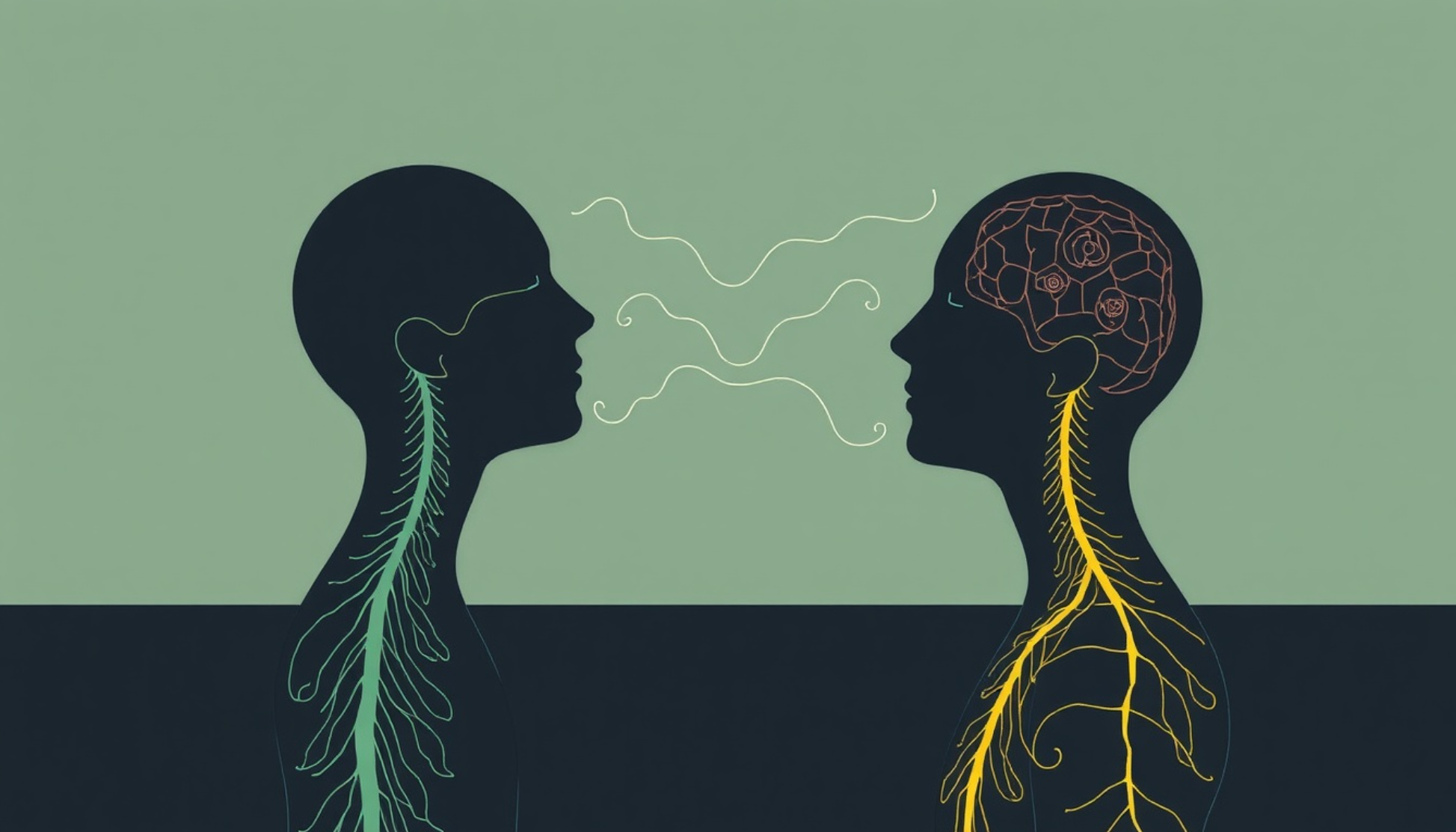
To understand why breathing exercises are so powerful for anxiety relief, you need to know about your **autonomic nervous system**"the part of your body that controls automatic functions like heartbeat, digestion, and breathing itself.
Your Two Nervous System Modes
Sympathetic Nervous System (Fight-or-Flight): This is your body's alarm system. When you perceive stress or danger, it floods your system with adrenaline and cortisol, causing rapid heartbeat, shallow breathing, muscle tension, and hypervigilance. Perfect for escaping a threat"but exhausting when chronically activated by everyday stressors.
Parasympathetic Nervous System (Rest-and-Digest): This is your body's calming, healing mode. It slows your heart rate, deepens breathing, promotes digestion, and allows recovery. This is where you want to be most of the time.
Here's the game-changer: **Your breath is the remote control**. Deep, controlled breathing directly stimulates the vagus nerve"the main component of your parasympathetic system"triggering an immediate relaxation response.
Clinical Evidence: What Research Shows
- Rapid Anxiety Reduction: A 2024 study in JAMA Psychiatry found that participants who practiced structured breathing exercises for just 5 minutes experienced a 65% reduction in self-reported anxiety levels.
- Physiological Changes: Research from Stanford University shows that slow, controlled breathing lowers cortisol levels by up to 50% within 10 minutes and reduces blood pressure significantly.
- Brain Structure Changes: MRI studies reveal that regular breathing practice increases gray matter density in brain regions associated with emotional regulation and decreases activity in the amygdala (fear center).
- Panic Attack Prevention: Clinical trials demonstrate that diaphragmatic breathing techniques reduce both the frequency and intensity of panic attacks when practiced consistently.
Key Insight: Unlike meditation"which can take weeks to show benefits"breathing exercises provide immediate relief while also creating long-term changes in how your brain processes stress.
Exercise 1: The 4-7-8 Technique (The Natural Tranquilizer)
Developed by Dr. Andrew Weil, the 4-7-8 breathing technique is often called a "natural tranquilizer for the nervous system." It's incredibly effective for acute anxiety, insomnia, and stopping anxious thoughts in their tracks.
Best For:
- Immediate anxiety relief during stressful moments
- Falling asleep faster when racing thoughts keep you awake
- Managing anger or emotional overwhelm
- Reducing cravings (food, cigarettes, etc.)
Step-by-Step Instructions:
- Preparation: Sit or lie down comfortably. Place the tip of your tongue against the ridge of tissue just behind your upper front teeth. Keep it there throughout the exercise.
- Exhale Completely: Breathe out through your mouth, making a whoosh sound. Empty your lungs completely.
- Inhale (4 counts): Close your mouth and inhale quietly through your nose for a mental count of 4. Count slowly: 1... 2... 3... 4...
- Hold (7 counts): Hold your breath for a count of 7. This allows oxygen to fully saturate your bloodstream.
- Exhale (8 counts): Exhale completely through your mouth, making a whoosh sound, for a count of 8. This extended exhale is crucial"it activates your relaxation response.
- Repeat: This completes one cycle. Repeat for 3-4 cycles total (never more than 4 cycles in one session when starting).
� Important Tips:
The ratio matters more than speed"keep the 4:7:8 proportion even if you need to count faster initially
You may feel lightheaded during your first few attempts"this is normal and passes quickly
Practice twice daily for best results, especially before bed for sleep issues
Most people feel noticeably calmer after just 2-3 cycles
Exercise 2: Box Breathing (The Navy SEAL Technique)
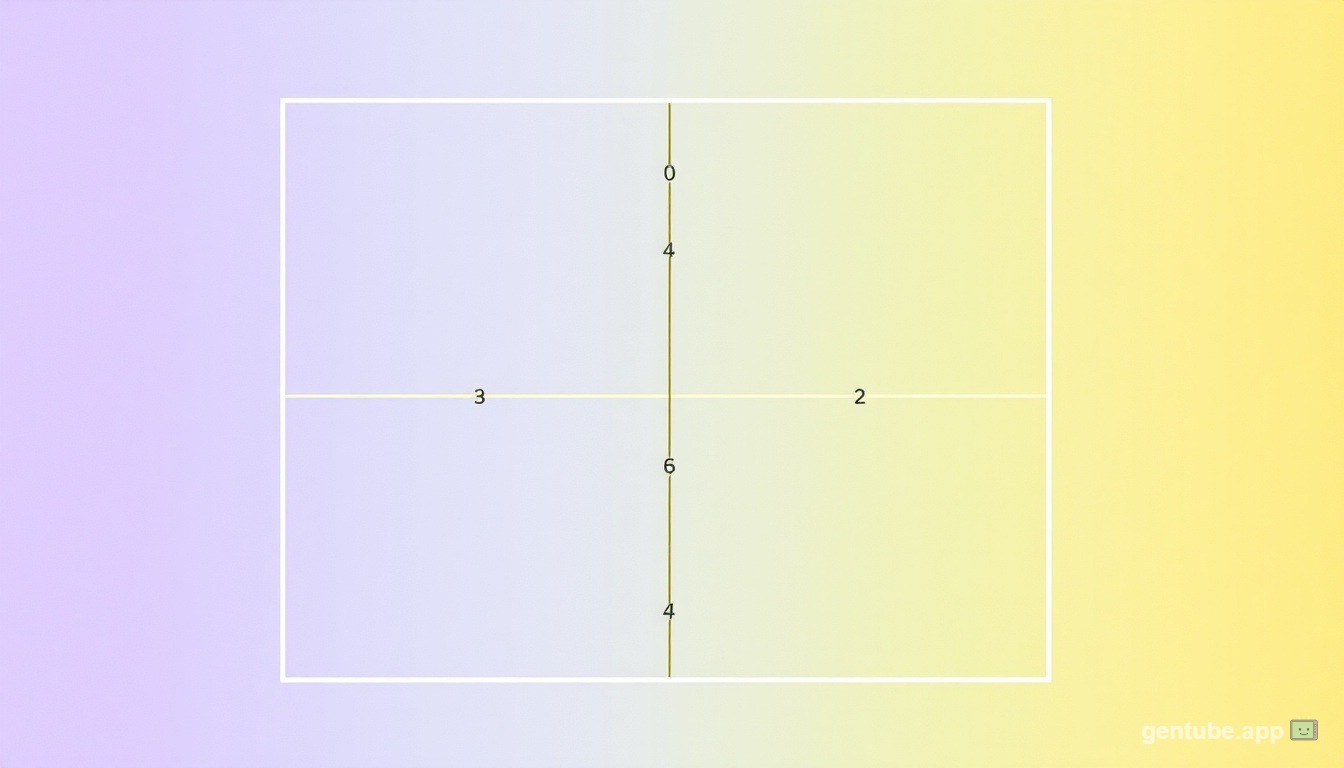
Also known as "square breathing," box breathing is used by Navy SEALs, firefighters, and other first responders to stay calm and focused in high-stress situations. If it works for them in combat zones, it can definitely work for your daily stressors!
Best For:
- Staying calm under pressure (presentations, difficult conversations)
- Improving focus and concentration
- Managing acute stress in the moment
- Regaining control when feeling overwhelmed
Step-by-Step Instructions:
- Get Ready: Sit upright with feet flat on the floor. Rest your hands on your lap. Close your eyes or soften your gaze.
- Exhale First: Begin by exhaling all the air from your lungs through your mouth.
- Inhale (4 counts): Inhale slowly through your nose for a count of 4. Imagine tracing one side of a square as you breathe in.
- Hold (4 counts): Hold your breath for a count of 4. This is the second side of the square.
- Exhale (4 counts): Exhale slowly through your mouth for a count of 4. Trace the third side.
- Hold Empty (4 counts): Hold your lungs empty for a count of 4. Complete the square.
- Repeat: Continue for 5-10 cycles (or 4 complete boxes, visualizing each side).
Visualization Tip: As you breathe, trace a square in your mind (or with your finger). Top side = inhale, right side = hold, bottom side = exhale, left side = hold empty. This visual component enhances focus and effectiveness.
Real-World Application:
Use box breathing BEFORE stressful events (meetings, presentations, difficult conversations) to prime your nervous system for calm performance. You can do it discreetly"no one will even notice!
Exercise 3: Diaphragmatic Breathing (Belly Breathing)
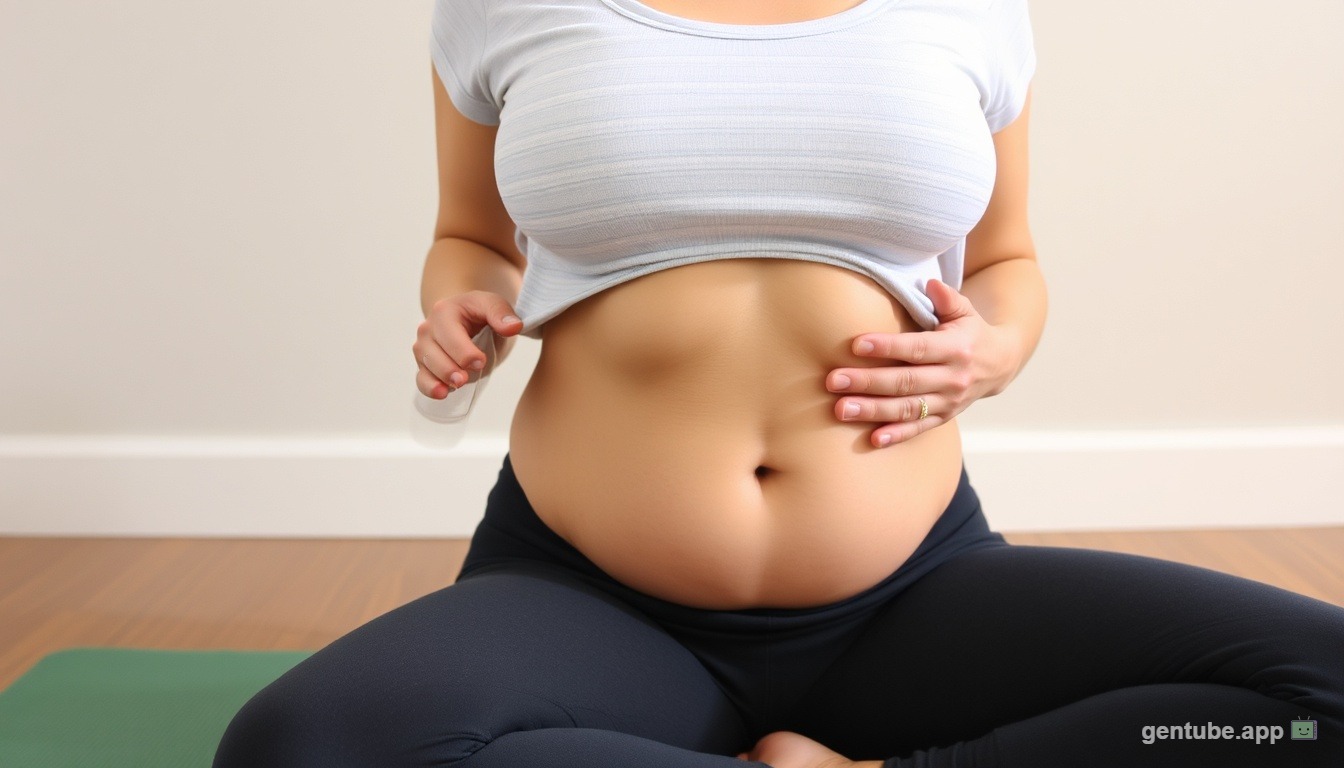
Diaphragmatic breathing, also called "belly breathing," engages your diaphragm"the dome-shaped muscle beneath your lungs. This is how you were designed to breathe naturally, but chronic stress and poor posture often shift us into shallow chest breathing.
Best For:
- Building long-term resilience against anxiety
- Improving oxygen exchange and reducing fatigue
- Managing chronic stress and generalized anxiety disorder
- Enhancing core stability and posture
Step-by-Step Instructions:
- Position Yourself: Lie on your back on a comfortable surface (bed, yoga mat, couch) with knees bent. You can place a pillow under your knees for support. Alternatively, sit upright in a chair with feet flat on the floor.
- Hand Placement: Place one hand on your upper chest and the other on your belly, just below your rib cage. This feedback helps you learn proper form.
- Relax: Relax your shoulders, neck, and jaw. Drop your awareness into your body.
- Inhale Through Nose: Breathe in slowly through your nose for a count of 4-5. Focus on making the hand on your belly rise while the hand on your chest remains still.
- Exhale Through Mouth: Exhale slowly through pursed lips (like you're whistling) for a count of 6-7. Feel the hand on your belly lower as you gently draw your navel toward your spine.
- Establish Rhythm: Continue for 5-10 minutes. Aim for 6-8 breaths per minute (slower than normal breathing).
Check Your Form:
Belly hand should move up and down
- Chest hand should remain relatively still
Shoulders should stay relaxed (not rising)
Exhalation should be longer than inhalation
Practice Schedule: Start with 5 minutes, 3 times daily. Gradually increase to 10-15 minutes per session.
Exercise 4: Alternate Nostril Breathing (Nadi Shodhana)
This ancient yogic breathing technique, known as Nadi Shodhana in Sanskrit, balances the left and right hemispheres of your brain. It's particularly effective for calming racing thoughts and creating mental clarity.
Best For:
- Calming a busy, overthinking mind
- Preparing for meditation or important decisions
- Balancing emotions during mood swings
- Transitioning between work and personal time
Step-by-Step Instructions:
- Comfortable Seat: Sit comfortably with your spine tall. Rest your left hand on your left knee, palm facing up.
- Hand Position (Vishnu Mudra): Bring your right hand to your nose. Fold your index and middle fingers toward your palm. You'll use your thumb to close your right nostril and your ring finger to close your left nostril.
- Close Right Nostril: Gently press your right thumb against the right side of your nose, closing the right nostril.
- Inhale Left: Inhale slowly and deeply through your left nostril for a count of 4.
- Close Both: At the top of the inhale, close your left nostril with your ring finger (both nostrils now closed). Hold for a count of 4 (or skip the hold if uncomfortable).
- Open Right & Exhale: Release your thumb and exhale slowly through your right nostril for a count of 6.
- Inhale Right: Keep the left nostril closed and inhale through your right nostril for a count of 4.
- Close Both Again: Close the right nostril with your thumb. Hold briefly.
- Exhale Left: Open the left nostril and exhale for a count of 6.
- Continue: This completes one cycle. Repeat for 5-10 cycles (5-10 minutes).
Pro Tips:
Keep your breathing smooth and silent"no force or strain
If holding feels uncomfortable, skip the retention and flow directly from inhale to exhale
Always end on an exhalation through the left nostril for optimal calming effect
Practice before meditation or whenever you need mental clarity
Exercise 5: Coherent Breathing (Resonant Frequency)
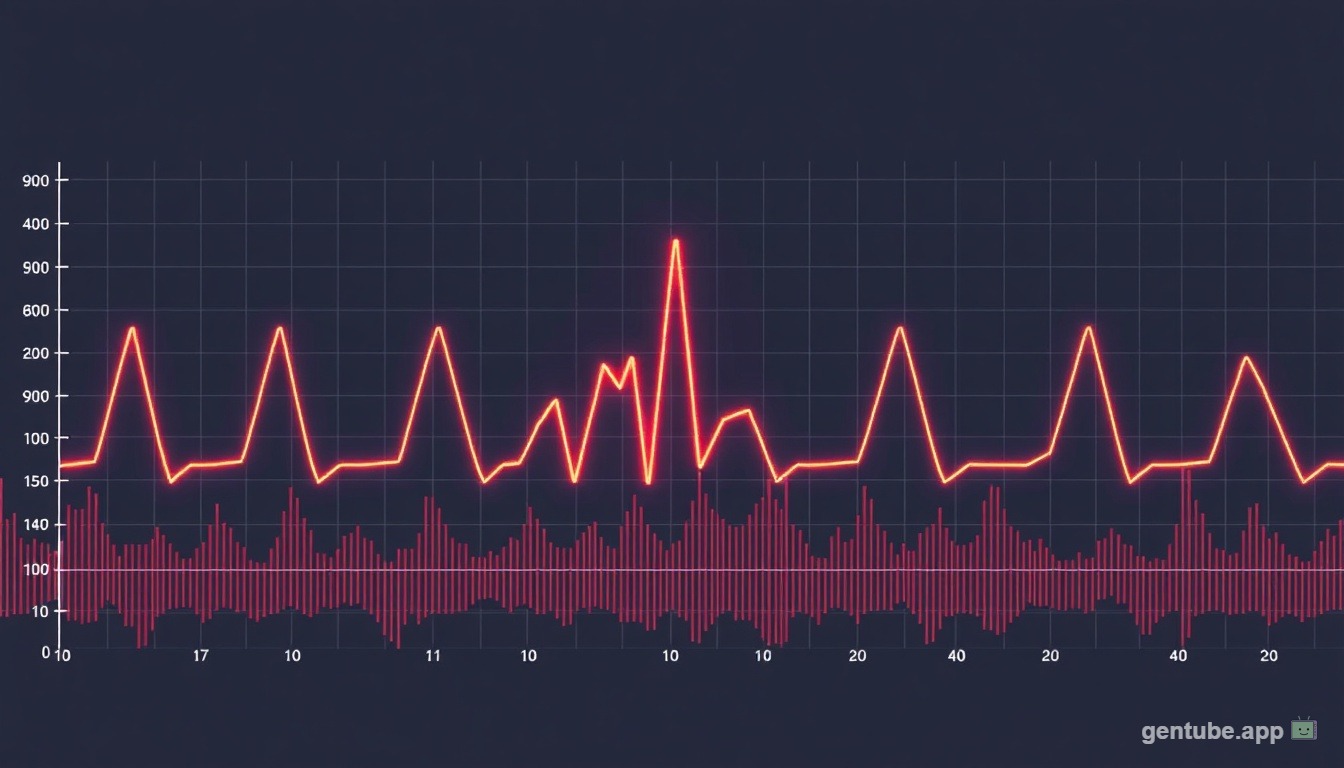
Coherent breathing (also called resonant frequency breathing) involves breathing at a specific pace"typically 5-6 breaths per minute"that synchronizes your heart rate, blood pressure, and respiratory systems. This creates maximum heart rate variability (HRV), a marker of resilience and adaptability.
Best For:
- Increasing heart rate variability (HRV)
- Long-term stress resilience and emotional regulation
- Improving cardiovascular health
- Enhancing overall well-being and energy
Step-by-Step Instructions:
- Find Your Position: Sit or lie down comfortably. Keep your spine straight but not rigid.
- Set the Pace: The goal is 5-6 breaths per minute, which means each breath cycle lasts 10-12 seconds. A helpful rhythm is 5-second inhale, 5-second exhale (or 6 seconds each).
- Breathe Through Nose: Inhale gently through your nose for a count of 5. Don't force deep breaths"keep it comfortable and natural.
- Continuous Exhale: Exhale smoothly through your nose (or slightly parted mouth) for a count of 5. No pauses between breaths"create a continuous, circular flow.
- Maintain Rhythm: Continue this 5-second inhale, 5-second exhale pattern for 10-20 minutes. Use a timer or guided app if helpful.
- Stay Relaxed: Keep your breathing effortless. If you feel lightheaded, return to normal breathing briefly, then resume.
Helpful Tools:
Use breathing apps like "Breathwrk" or "Paced Breathing" that provide visual/audio cues
Search YouTube for "coherent breathing 10 minutes" guided videos
Set a gentle metronome to 60 BPM and inhale/exhale every 5 beats
Research Finding: Studies show that practicing coherent breathing for 20 minutes daily over 4 weeks significantly reduces anxiety, depression, and PTSD symptoms.
When & How Often to Practice for Maximum Results
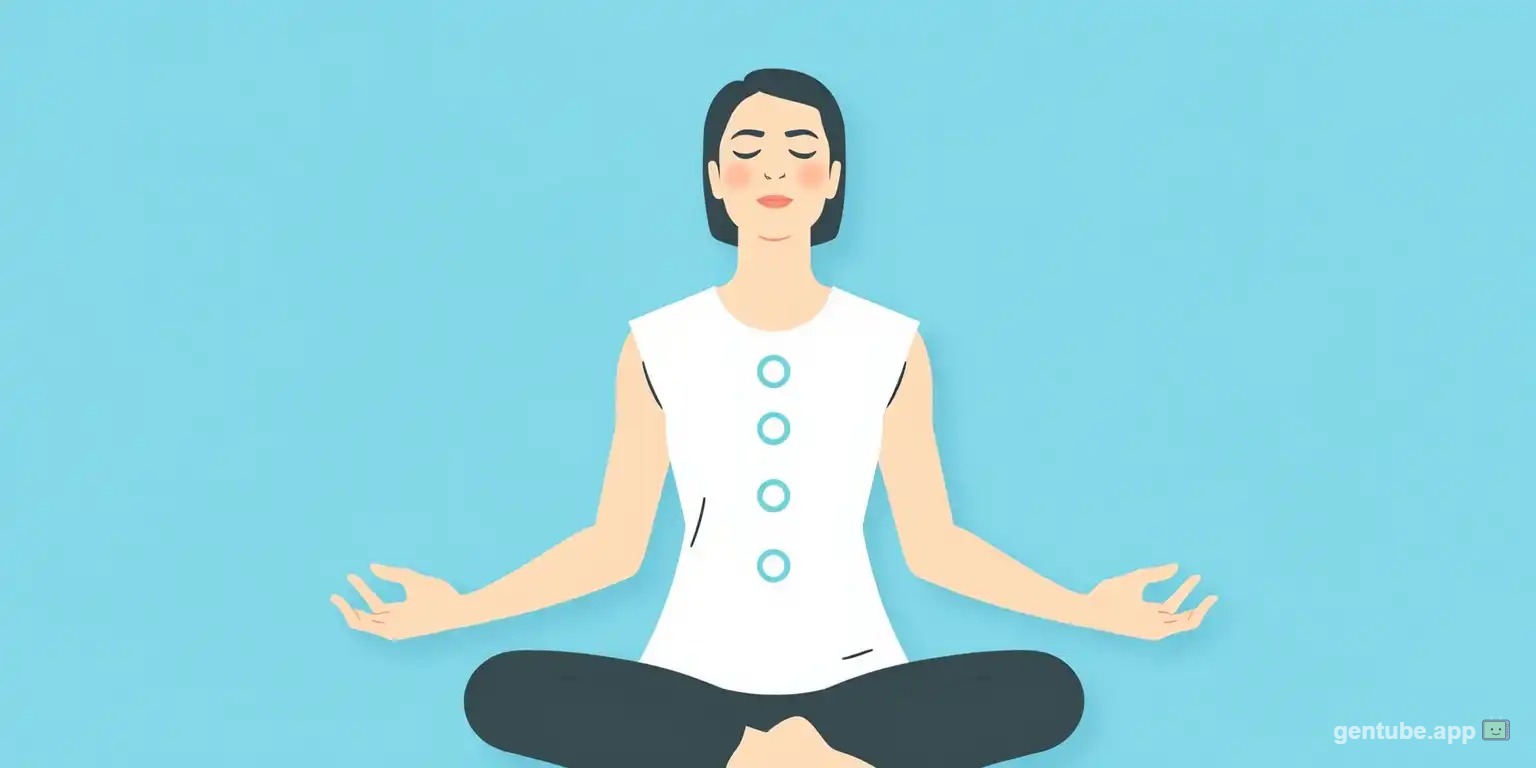
Consistency is key. While you can use these techniques in crisis moments, building a daily practice creates lasting change in your nervous system's baseline state.
Recommended Daily Practice Schedule
- Morning (5-10 minutes): Start your day with box breathing or coherent breathing to set a calm, focused tone.
- Midday Break (3-5 minutes): Use the 4-7-8 technique or diaphragmatic breathing during lunch or afternoon slump to reset.
- Evening (10 minutes): Practice alternate nostril breathing or coherent breathing to transition from work mode to relaxation.
- Before Bed (5 minutes): Use 4-7-8 breathing to quiet your mind and prepare for restful sleep.
Emergency Use (In-the-Moment Anxiety)
When anxiety strikes unexpectedly:
' Panic or acute anxiety: 4-7-8 breathing (3-4 cycles)
' Before stressful event: Box breathing (5 cycles)
' Overwhelmed or emotionally flooded: Diaphragmatic breathing (5 minutes)
' Racing thoughts: Alternate nostril breathing (5-10 cycles)
Tracking Your Progress
Keep a simple log for 2 weeks:
Which technique you used
Duration of practice
Anxiety level before (1-10 scale)
Anxiety level after (1-10 scale)
Any observations or insights
This data helps you identify which techniques work best for your unique physiology and situations.
� ° Timeline Expectations:
Immediate: Calm within 60-90 seconds of starting
1 Week: Notice easier recovery from stressful events
2-4 Weeks: Reduced baseline anxiety levels, better sleep
8+ Weeks: Fundamental shifts in stress response, increased resilience
Frequently Asked Questions About Breathing for Anxiety
Q1: How quickly will breathing exercises work for anxiety?
Most people feel noticeable calming effects within 60-90 seconds of starting controlled breathing. Physiological changes (lowered heart rate, reduced blood pressure) occur almost immediately. However, mastering the techniques and experiencing profound relief typically takes 2-4 weeks of consistent practice.
Q2: Can breathing exercises replace therapy or medication?
Breathing exercises are powerful complementary tools but shouldn't replace professional treatment for severe anxiety disorders without consulting your healthcare provider. They work exceptionally well alongside therapy, medication, or as a first-line intervention for mild-to-moderate anxiety.
Q3: Why do I feel dizzy when I try breathing exercises?
Lightheadedness usually means you're breathing too forcefully or rapidly (hyperventilation). Slow down, make your breaths gentler and smaller. If dizziness persists, return to normal breathing for a minute, then resume with less intensity. This sensation typically disappears as your body adapts.
Q4: Which breathing exercise is best for panic attacks?
The 4-7-8 technique is particularly effective for panic attacks due to its extended exhale, which strongly activates the relaxation response. Box breathing is also excellent. Practice these regularly so they become automatic during high-anxiety moments.
Q5: Can I do these exercises if I have asthma or respiratory issues?
Yes, but start gradually and consult your doctor first. Diaphragmatic breathing is often recommended for asthma patients. Avoid forceful breathing or extended breath holds initially. Stop if you experience wheezing, chest tightness, or significant discomfort.
Q6: Does it matter if I breathe through my nose or mouth?
Nasal breathing is generally preferred"it filters air, produces nitric oxide (which improves oxygen absorption), and naturally slows breathing. However, some techniques (like 4-7-8) use mouth exhalation. Follow the specific instructions for each exercise.
Q7: How long should I practice before expecting real results?
Immediate relief happens within minutes, but lasting neurological changes typically require 4-6 weeks of daily practice. Think of it like physical training"consistent repetition builds new neural pathways and strengthens your relaxation response over time.
Q8: Can children use these breathing techniques?
Absolutely! Children as young as 4-5 can learn simplified versions. Box breathing and diaphragmatic breathing are particularly kid-friendly. Make it playful"use visuals like "smell the flower, blow out the candle" or "inflate your belly like a balloon."
Conclusion: Your Breath Is Your Superpower
You now have **5 scientifically-proven breathing exercises** that can transform how you experience anxiety. These aren't just techniques"they're tools that put you back in control, giving you the power to shift your nervous system from panic to peace, from stress to calm, in a matter of minutes.
The beauty of breathing exercises lies in their simplicity and accessibility. No apps required (though they can help), no expensive equipment, no prescription needed. Just you and your breath"always available, always ready to serve as your anchor in life's storms.
Remember: **knowledge without action is useless**. Reading this guide won't reduce your anxiety. Practicing these techniques will. Start today. Pick one technique that resonates with you and commit to practicing it for 5 minutes daily for the next week. Notice what changes. Then build from there.
Your Action Plan:
- Choose ONE technique from this guide (start with 4-7-8 or box breathing)
- Set a daily reminder on your phone for the same time each day
- Practice for just 5 minutes daily for the first week
- Keep a simple journal noting your anxiety levels before and after
- After one week, add a second daily session or try another technique
- Share this guide with someone struggling with anxiety
Your journey to natural anxiety relief starts with a single breath. Take it now. And the next. And the next. Your nervous system"and your future self"will thank you.
Medical Disclaimer: This article provides educational information about breathing exercises and anxiety management and should not replace professional medical or psychological advice. Always consult with your healthcare provider before starting any new wellness practice, especially if you have pre-existing respiratory conditions, cardiovascular issues, or mental health disorders. Breathing exercises are complementary tools and should not replace prescribed treatments or medications without professional guidance. Individual results may vary. If you experience severe anxiety, panic attacks, or suicidal thoughts, seek immediate professional help.
Frequently Asked Questions
Most people feel noticeable calming effects within 60-90 seconds of starting controlled breathing. Physiological changes occur almost immediately, but mastering the techniques typically takes 2-4 weeks of consistent practice.
Breathing exercises are powerful complementary tools but shouldn't replace professional treatment for severe anxiety disorders without consulting your healthcare provider. They work exceptionally well alongside therapy or medication.
Lightheadedness usually means you're breathing too forcefully or rapidly. Slow down, make your breaths gentler. If dizziness persists, return to normal breathing briefly, then resume with less intensity.
The 4-7-8 technique is particularly effective for panic attacks due to its extended exhale. Box breathing is also excellent. Practice these regularly so they become automatic during high-anxiety moments.
Yes, but start gradually and consult your doctor first. Diaphragmatic breathing is often recommended for asthma patients. Avoid forceful breathing or extended breath holds initially.
Nasal breathing is generally preferred; it filters air and produces nitric oxide. However, some techniques use mouth exhalation. Follow the specific instructions for each exercise.
Immediate relief happens within minutes, but lasting neurological changes typically require 4-6 weeks of daily practice. Consistent repetition builds new neural pathways over time.
Absolutely! Children as young as 4-5 can learn simplified versions. Box breathing and diaphragmatic breathing are particularly kid-friendly. Make it playful and age-appropriate.
Conclusion
Breathing exercises offer a scientifically-backed, accessible, and drug-free approach to managing anxiety naturally. The 5 techniques covered”4-7-8 breathing, box breathing, diaphragmatic breathing, alternate nostril breathing, and coherent breathing”provide you with a versatile toolkit for different situations and preferences. While immediate relief is possible within minutes, committing to daily practice for 4-6 weeks creates lasting changes in your nervous system's stress response. Start with one technique that resonates with you, practice consistently for at least 5 minutes daily, and track your progress. Remember, your breath is always with you, ready to serve as an anchor in life's stormiest moments. Take action today”your calmer, more resilient future self is waiting. Share this guide with someone who needs it, and let's normalize natural anxiety management together.
Marwari Luxe Team
Health & Wellness Experts
Our dedicated team of health and wellness professionals committed to providing accurate, research-based information.