Daily Habits That Improve Gut Health Naturally in 2026

Table of Contents
Introduction

In 2026, the connection between gut health and overall wellness has become one of the most researched topics in preventive medicine. Our digestive system, home to trillions of microorganisms collectively known as the gut microbiome, plays a crucial role in immune function, mental health, hormone regulation, and even weight management. As we navigate modern life with its processed foods, chronic stress, and environmental toxins, prioritizing gut health has evolved from a wellness trend to a fundamental health necessity.
The good news is that improving your gut health doesn't require dramatic lifestyle overhauls or expensive supplement regimens. Research consistently shows that simple, consistent daily habits can profoundly impact your digestive wellness and overall health. This comprehensive guide will walk you through seven essential habits that support optimal gut function, backed by the latest scientific research and practical implementation strategies for 2026.
In this article, you will learn:
- How modern lifestyle factors affect your gut microbiome
- Seven evidence-based habits to improve gut health naturally
- Practical strategies for implementing these habits sustainably
- The connection between gut health and other body systems
Understanding Modern Gut Health Challenges
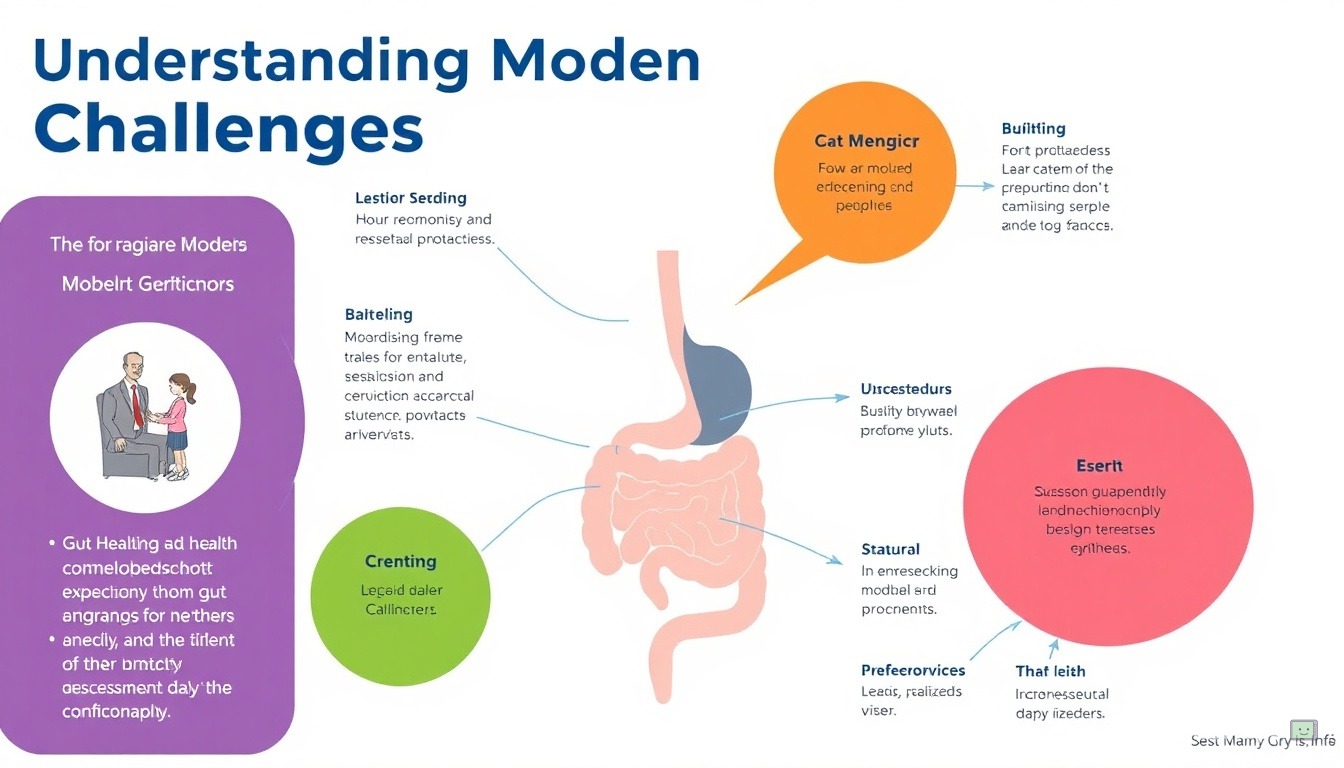
The human gut microbiome has co-evolved with us over millions of years, developing intricate relationships with our immune system, brain, and metabolic processes. However, the rapid changes in our modern environment have created unprecedented challenges for this delicate ecosystem. Processed foods, antibiotics, chronic stress, sedentary lifestyles, and environmental pollutants all contribute to what researchers call "microbiome dysbiosis" " an imbalance that can trigger inflammation and various health issues.
The Impact of Modern Diets
Contemporary Western diets, characterized by high sugar content, artificial additives, and low fiber intake, starve beneficial bacteria while feeding harmful ones. This creates a cascade effect that impacts not just digestion but also mood, energy levels, and immune function. The average modern diet contains far fewer diverse plant compounds than our ancestors consumed, limiting the variety of nutrients available to support different bacterial species.
Stress and Digestive Health
Chronic psychological stress activates the sympathetic nervous system, redirecting resources away from digestive processes and altering the gut environment. This stress response affects everything from stomach acid production to intestinal motility, creating conditions that favor harmful bacteria and disrupt the gut-brain axis communication.
Understanding these modern challenges is crucial because it highlights why simple, consistent habits are more effective than occasional intensive interventions. Your gut microbiome responds to daily inputs, making everyday choices the foundation of digestive wellness.
Hydration Habits for Optimal Digestion

Water is the unsung hero of digestive health, serving as the medium for countless biochemical reactions that occur in your gut. Proper hydration supports mucous production, which protects the intestinal lining, aids in nutrient transport, and facilitates smooth bowel movements. Dehydration can slow digestion, concentrate stomach acid, and create an environment where harmful bacteria thrive.
Strategic Hydration Timing
While the general recommendation is 8 glasses of water daily, strategic timing can enhance digestive benefits. Drinking a glass of water 30 minutes before meals helps prepare your digestive system, while consuming water between meals (rather than with meals) prevents dilution of digestive enzymes. Adding a squeeze of lemon or apple cider vinegar can stimulate stomach acid production, particularly beneficial for those with low acid levels.
| Time of Day | Hydration Strategy | Digestive Benefit |
|---|---|---|
| Upon Waking | Warm water with lemon | Stimulates digestion, supports detoxification |
| 30 min before meals | Plain water | Prepares digestive system |
| Between meals | Herbal teas or infused water | Maintains hydration without interfering with digestion |
Beyond Plain Water
Herbal teas like ginger, fennel, and chamomile provide hydration while offering specific digestive benefits. Bone broth, rich in amino acids that support gut lining integrity, serves as both hydration and nourishment. Fermented beverages like kombucha, when consumed in moderation, provide beneficial bacteria along with fluids.
Smart Fiber Integration Strategies
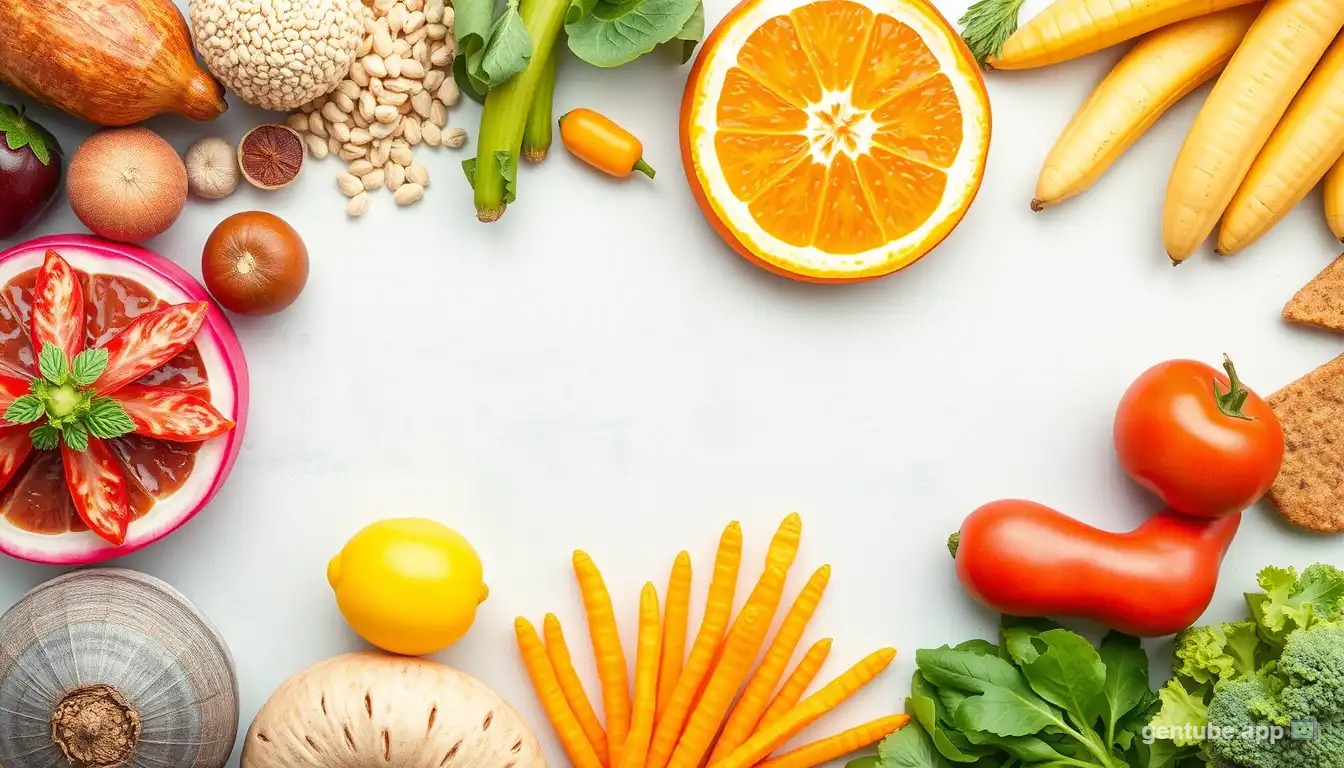
Dietary fiber acts as food for beneficial gut bacteria, promoting their growth and activity. These bacteria ferment fiber to produce short-chain fatty acids (SCFAs) like butyrate, which nourish the colon lining and reduce inflammation. However, fiber integration requires a thoughtful approach, as too much too quickly can cause discomfort, while too little fails to provide adequate nourishment for your microbial community.
Types of Beneficial Fiber
Soluble fiber dissolves in water and forms a gel-like substance that feeds beneficial bacteria and helps regulate blood sugar. Insoluble fiber adds bulk to stool and supports regular elimination. Prebiotic fibers like inulin and resistant starch selectively feed beneficial bacteria. A diverse intake of both types ensures comprehensive support for your gut ecosystem.
- Soluble sources: Oats, beans, lentils, apples, and citrus fruits
- Insoluble sources: Whole grains, nuts, seeds, and vegetable skins
- Prebiotic sources: Jerusalem artichokes, garlic, onions, and chicory root
- Resistant starch: Cooked and cooled potatoes, rice, and green bananas
- Microbiome diversity: Aim for 30+ different plant foods weekly
Gradual Integration Approach
Increase fiber intake gradually by 2-3 grams per week, allowing your gut bacteria time to adapt. Pair increased fiber with adequate hydration to prevent constipation. Focus on whole food sources rather than supplements, as they provide additional nutrients and phytochemicals that support digestive health.
Stress Management for Gut Wellness

The gut-brain axis represents a bidirectional communication network between your central nervous system and enteric nervous system (the gut's "second brain"). This connection explains why stress directly impacts digestion and why digestive issues can affect mood and cognitive function. Chronic stress increases inflammation, alters gut permeability, and disrupts the balance of beneficial bacteria.
Digestive Benefits of Stress Reduction
When stress is managed effectively, the parasympathetic nervous system dominates, promoting optimal digestion, nutrient absorption, and gut healing. Reduced cortisol levels decrease inflammation and support beneficial bacterial growth. Regular stress management practices can improve symptoms of irritable bowel syndrome (IBS), inflammatory bowel disease (IBD), and other digestive conditions.
Practical Stress Management Techniques
Mindful eating practices, such as chewing thoroughly and eating without distractions, activate the parasympathetic nervous system and improve digestion. Regular meditation, deep breathing exercises, and yoga support overall stress reduction. Physical activity releases endorphins that combat stress hormones and promote healthy digestion. Adequate sleep allows the gut to repair and regenerate.
Sleep Optimization for Digestive Health

Sleep and gut health share a complex, interdependent relationship. During sleep, your gut undergoes repair and regeneration processes, while your microbiome influences sleep quality through neurotransmitter production and circadian rhythm regulation. Poor sleep disrupts gut bacteria composition, increases inflammation, and impairs digestive function, creating a vicious cycle that affects overall health.
Nighttime Digestive Processes
During sleep, the gut's housekeeping waves (migrating motor complexes) clear undigested material and maintain bacterial balance. The gut-brain axis continues communication, with beneficial bacteria producing compounds that influence sleep quality. Melatonin, produced both in the brain and gut, supports intestinal healing and antioxidant activity.
Sleep Hygiene for Digestive Health
Establish a consistent sleep schedule to support circadian rhythms that govern both sleep and digestive processes. Avoid large meals 2-3 hours before bedtime to prevent digestive disruption. Create a dark, cool sleeping environment that supports melatonin production. Consider probiotics, which research suggests may improve sleep quality by supporting gut-brain communication.
Key Takeaways:
- Gut health affects virtually every aspect of your wellbeing
- Daily habits have more impact than occasional intensive interventions
- Hydration and fiber are foundational elements of digestive wellness
- Stress management directly impacts gut bacteria composition
- Sleep quality and digestive health are interconnected
Disclaimer: This article is for informational purposes only and should not be considered medical advice. Always consult with a healthcare professional before making any changes to your health routine.
Frequently Asked Questions
Most people notice changes in digestion and energy within 2-4 weeks of consistent healthy habits. Significant improvements in gut microbiome diversity typically take 2-3 months.
Absolutely. Many people achieve excellent gut health through diet, lifestyle, and stress management alone. Supplements can be helpful but aren't necessary for most people.
Focus on diverse plant foods (aim for 30+ different types weekly), fermented foods like yogurt and kimchi, high-fiber vegetables and fruits, bone broth, and foods rich in polyphenols like berries and green tea. These provide prebiotics, probiotics, and compounds that support beneficial bacteria growth.
Stress releases cortisol and other hormones that alter gut pH, reduce blood flow to digestive organs, and change bacterial composition. Chronic stress can lead to increased intestinal permeability (leaky gut) and promote the growth of harmful bacteria. Managing stress is crucial for gut health.
Yes, initial changes like increased gas or changes in bowel movements are normal as your microbiome adjusts. These typically resolve within 1-2 weeks. If symptoms persist or worsen, consult a healthcare provider to rule out underlying conditions.
Sleep is crucial for gut health as it allows your digestive system to repair and regenerate. During sleep, the gut's housekeeping waves clear undigested material and maintain bacterial balance. Poor sleep disrupts gut bacteria composition and increases inflammation.
The gut-brain axis represents a bidirectional communication network between your central nervous system and enteric nervous system. Your gut bacteria produce neurotransmitters like serotonin that affect mood and cognitive function. A healthy gut contributes to better mental health and stress resilience.
Conclusion
Improving gut health naturally in 2026 is about consistent, gentle changes to your daily routine rather than dramatic restrictions or expensive supplements. By focusing on hydration, fiber, stress management, and quality sleep, you'll build a foundation for lifelong digestive wellness. The key is understanding that your gut microbiome responds to daily inputs, making everyday choices the cornerstone of digestive health. The seven habits outlined in this guide work synergistically to create an environment where beneficial bacteria thrive. Remember that gut health improvement is a gradual process, and consistency matters more than perfection. Small, sustainable changes compound over time to create significant improvements in your digestive wellness and overall health. Additionally, monitoring your body's response to different foods and lifestyle changes helps personalize your approach to gut health. Pay attention to how different foods affect your digestion, energy levels, and overall well-being. Keeping a simple food and symptom diary can reveal valuable insights about your unique digestive needs. The journey to optimal gut health is personal and varies from person to person, so be patient and compassionate with yourself as you develop new habits that support your digestive wellness.
Marwari Luxe Team
Health & Wellness Experts
Our dedicated team of health and wellness professionals committed to providing accurate, research-based information.