Best Natural Ingredients for Glowing Skin

Table of Contents
Introduction to Natural Skincare for Glowing Skin
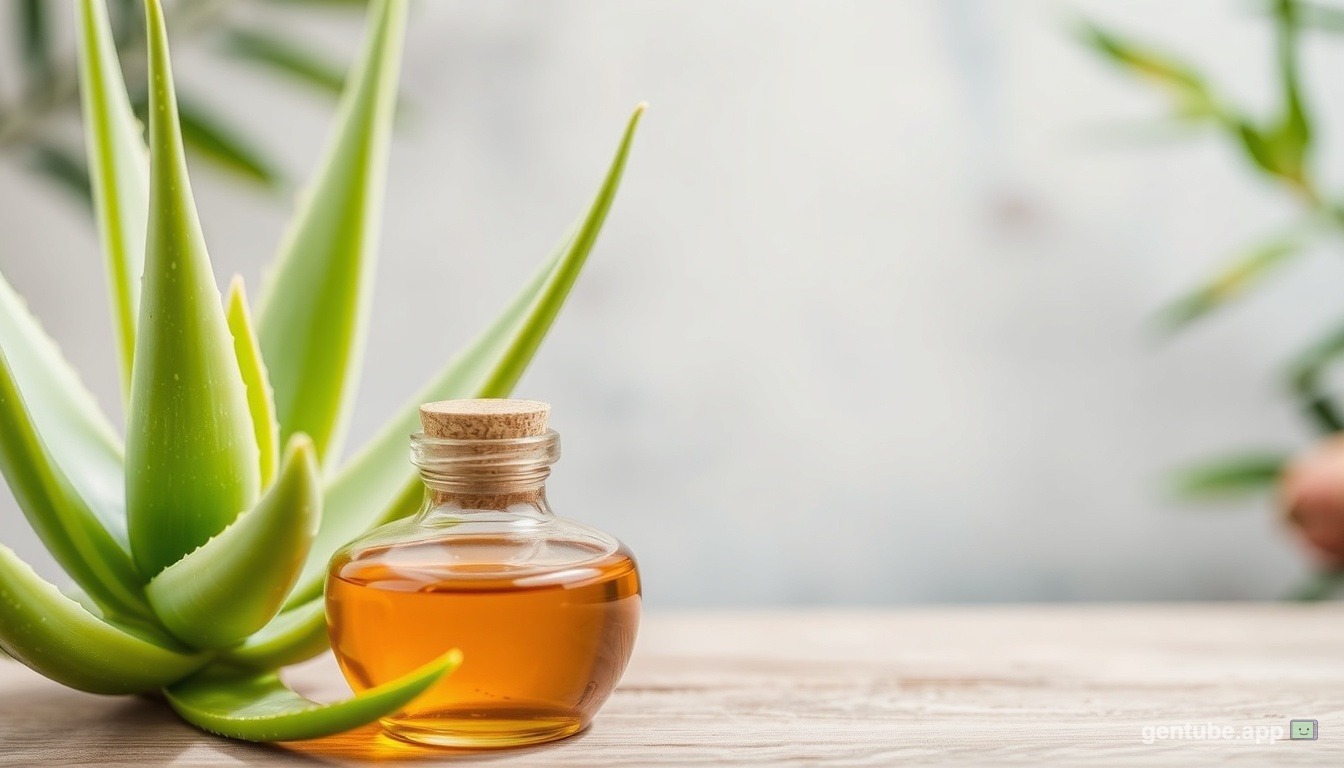
The clean beauty movement has sparked renewed interest in natural skincare ingredients, and for good reason. Many plant-based ingredients offer genuine benefits for achieving healthy, glowing skin while avoiding potentially irritating synthetic chemicals. However, effective natural skincare requires the same scientific understanding and careful approach as conventional products.
The key to successful natural skincare lies in focusing on well-researched ingredients with proven benefits rather than following every trending "natural" product. Many botanical extracts, oils, and traditional remedies have legitimate scientific backing for their skin benefits. The most effective approach combines the best of natural ingredients with evidence-based skincare principles.
Natural skincare isn't about completely avoiding synthetic ingredients - it's about making informed choices that align with your values while still achieving your skin goals. Some natural ingredients work exceptionally well for specific concerns, while certain synthetic compounds offer benefits that natural alternatives cannot match. The art lies in finding the right balance for your individual skin needs and preferences.
Quick Start Tip: Begin with one well-researched natural ingredient like honey or aloe vera. Patch test on a small area first, then gradually incorporate into your routine if no adverse reactions occur.
Top Natural Ingredients for Glowing Skin

Not all natural ingredients are created equal when it comes to skincare effectiveness. The following ingredients have substantial scientific research supporting their benefits for achieving healthy, glowing skin. These time-tested natural remedies work through various mechanisms to address different skin concerns while maintaining the gentle approach that makes natural skincare appealing.
1. Honey: Nature's Humectant and Healer
Raw honey stands out as one of the most versatile and effective natural skincare ingredients. Its natural humectant properties draw moisture to the skin while its antibacterial compounds help maintain clear skin. Honey contains enzymes, antioxidants, and vitamins that work together to soothe irritation, promote healing, and create a natural glow. Medical-grade honey like Manuka has been used in wound healing for centuries due to its powerful antimicrobial properties.
Use raw, unprocessed honey for maximum benefits. Apply as a gentle cleanser by massaging onto damp skin, or use as a hydrating mask by leaving on for 10-15 minutes. Honey works well for most skin types, though those with very sensitive skin should patch test first. Its natural acidity helps maintain healthy skin pH while providing gentle exfoliation through natural enzymes.
How to Use: Apply raw honey directly to clean skin as a mask for 10-15 minutes, then rinse with warm water. For cleansing, massage onto damp skin in circular motions, then rinse thoroughly. Use 2-3 times per week for best results.
2. Aloe Vera: Soothing and Hydrating
Aloe vera gel has been used for skin healing for thousands of years, and modern research confirms its effectiveness for multiple skin concerns. The gel contains over 75 active compounds including vitamins, minerals, amino acids, and antioxidants that work together to soothe irritation, reduce inflammation, and promote skin healing. Aloe vera is particularly effective for sunburn relief, minor cuts, and irritated skin.
Use fresh aloe vera gel directly from the plant for maximum potency, or choose high-quality, pure aloe vera products without added fragrances or preservatives. Apply to affected areas as needed for soothing relief. Aloe vera works well as both a treatment and preventive measure for various skin conditions.
3. Green Tea: Powerful Antioxidant Protection
Green tea extract contains potent antioxidants called catechins that protect skin from environmental damage while reducing inflammation. Studies show that topical green tea application can help reduce redness, protect against UV damage, and improve skin texture. The polyphenols in green tea help neutralize free radicals that contribute to premature aging.
Use cooled green tea as a toner by applying with a cotton pad, or look for skincare products containing green tea extract. You can also brew fresh green tea, let it cool completely, and apply directly to skin. Green tea works particularly well for oily or acne-prone skin types.
4. Oatmeal: Gentle Exfoliation and Soothing
Colloidal oatmeal (finely ground oats) provides gentle exfoliation while soothing irritated skin and strengthening the skin barrier. The beta-glucans in oats help retain moisture, while saponins provide natural cleansing properties. Oatmeal is particularly beneficial for sensitive, dry, or eczema-prone skin.
Create a gentle scrub by mixing ground oats with water or honey, or use colloidal oatmeal in a bath for full-body soothing. Oatmeal can also be used as a gentle daily cleanser for sensitive skin types.
5. Jojoba Oil: Balancing and Nourishing
Technically a liquid wax rather than an oil, jojoba oil closely mimics the skin's natural sebum, making it excellent for balancing oil production. Rich in vitamin E and fatty acids, it provides deep hydration without clogging pores. Jojoba oil works well for all skin types and helps maintain the skin's natural barrier function.
Apply a few drops to damp skin as a moisturizer, or use as a gentle makeup remover. Jojoba oil can also be used to dilute essential oils for safer topical application.
Quality Matters: Choose organic, cold-pressed, or raw versions of natural ingredients when possible. Processing methods can significantly impact the potency and effectiveness of natural skincare ingredients.
What About Popular Trends?
While ingredients like snail mucin, bee venom, and rare plant extracts generate buzz, many lack substantial scientific evidence for their claimed benefits. Focus on well-researched natural ingredients that have stood the test of time and scientific scrutiny rather than chasing the latest trends.
Simple DIY Natural Skincare Recipes
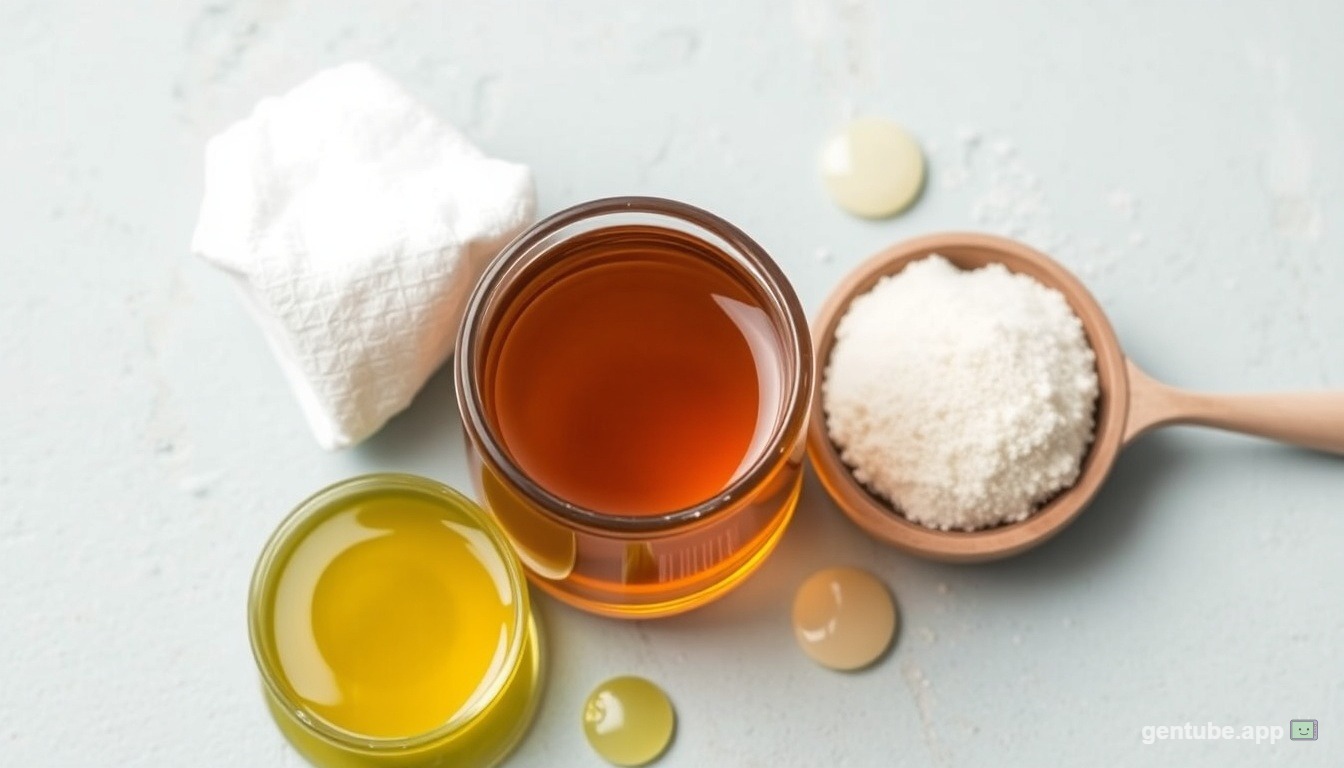
Creating your own natural skincare products can be both cost-effective and rewarding, but it requires proper knowledge and safety precautions. These simple recipes use common kitchen ingredients and proven natural skincare components to address various skin concerns. Always patch test new recipes and use fresh, high-quality ingredients for best results.
1. Honey and Oatmeal Gentle Cleanser
Ingredients: 2 tablespoons raw honey, 1 tablespoon finely ground oatmeal
Instructions: Mix ingredients to form a paste. Gently massage onto damp skin in circular motions for 1-2 minutes, then rinse with warm water. This gentle cleanser removes impurities while soothing and hydrating the skin.
2. Green Tea Antioxidant Toner
Ingredients: 1 cup brewed green tea (cooled), 1 tablespoon apple cider vinegar
Instructions: Brew green tea and let cool completely. Add apple cider vinegar and store in a clean bottle in the refrigerator. Apply with a cotton pad after cleansing. This toner helps balance skin pH while providing antioxidant protection.
3. Aloe Vera and Jojoba Hydrating Mask
Ingredients: 2 tablespoons fresh aloe vera gel, 1 teaspoon jojoba oil, 1 teaspoon honey
Instructions: Mix all ingredients until well combined. Apply to clean skin and leave on for 15-20 minutes, then rinse with warm water. This nourishing mask provides deep hydration while soothing and protecting the skin.
Storage Tips: Store DIY products in clean, airtight containers in the refrigerator. Most homemade skincare products should be used within 1-2 weeks to prevent bacterial growth. Always use clean hands or tools when applying.
4. Oatmeal and Honey Soothing Bath
Ingredients: 1 cup finely ground oatmeal, 1/4 cup raw honey, warm bath water
Instructions: Grind oatmeal into fine powder and mix with honey. Add to warm (not hot) bath water and soak for 15-20 minutes. This soothing bath helps relieve irritated or dry skin while providing gentle exfoliation.
Important Safety Considerations
Never use ingredients you're allergic to, and always patch test new recipes on a small area of skin before full application. Avoid using citrus juices or essential oils undiluted, as they can cause photosensitivity or irritation. Keep homemade products refrigerated and discard if you notice any changes in smell, color, or texture.
Safety and Quality Guidelines for Natural Skincare
While natural ingredients offer many benefits, they require the same safety considerations as conventional skincare products. Proper sourcing, storage, and usage are essential for achieving positive results without adverse reactions. The "natural" label doesn't automatically mean "safe" - informed usage and quality control are crucial for effective natural skincare.
Patch Testing Protocol
Always patch test new natural ingredients before full facial application. Apply a small amount to the inside of your wrist or behind your ear and wait 24-48 hours to check for any adverse reactions. This simple step can prevent allergic reactions and skin irritation that might otherwise occur with full application.
Even ingredients considered generally safe can cause reactions in sensitive individuals. Factors like individual allergies, skin conditions, and ingredient quality can all influence how your skin responds to natural products.
Key Insight: Natural ingredients can still cause allergic reactions, irritation, and photosensitivity. The concentration and quality of natural extracts often determine their safety and effectiveness more than their natural origin.
Quality and Sourcing
The effectiveness and safety of natural ingredients depend heavily on their quality and processing. Choose organic ingredients when possible to avoid pesticide residues. For oils, look for cold-pressed or expeller-pressed varieties that retain more beneficial compounds. Fresh ingredients like aloe vera should be used immediately for maximum potency.
When purchasing natural skincare products, research the brand's sourcing practices and ingredient quality. Reputable companies will provide information about ingredient origins, processing methods, and testing procedures. Avoid products with vague ingredient lists or unpronounceable "natural" preservatives.
Storage and Shelf Life
Natural ingredients and homemade products have shorter shelf lives than commercial products with synthetic preservatives. Store natural skincare products in cool, dark places away from direct sunlight and heat. Refrigeration can extend the life of products containing fresh ingredients like aloe vera or honey.
Discard any natural products that develop off smells, change color, or show signs of mold or bacterial growth. When in doubt, it's better to make fresh batches rather than risk using spoiled products that could cause skin irritation or infection.
Concentration and Usage
More isn't always better with natural ingredients. Highly concentrated botanical extracts can cause irritation even though they're natural. Start with lower concentrations and shorter application times, gradually building up as your skin tolerates them.
Some natural ingredients increase photosensitivity, particularly citrus oils and certain plant extracts. Always research ingredient properties and use appropriate sun protection when incorporating photosensitizing ingredients into your routine.
Red Flag Ingredients: Avoid using lemon juice, lime juice, or other citrus directly on skin before sun exposure. These can cause severe photosensitivity and chemical burns. Also avoid essential oils in undiluted form, as they can cause significant irritation.
Professional Consultation
If you have sensitive skin, existing skin conditions, or are pregnant, consult with a dermatologist before incorporating new natural ingredients into your routine. Some natural ingredients can interact with medications or worsen certain skin conditions. Professional guidance ensures safe and effective natural skincare practices.
How to Incorporate Natural Ingredients Into Your Routine
Successfully incorporating natural ingredients into your skincare routine requires a gradual, thoughtful approach. Start with one ingredient at a time and allow your skin to adjust before adding others. This method helps you identify which natural ingredients work best for your specific skin type and concerns while minimizing the risk of adverse reactions.
Starting Your Natural Skincare Journey
Begin with the gentlest, most well-tolerated natural ingredients like honey or aloe vera. These versatile ingredients work for most skin types and provide immediate benefits without high risk of irritation. Use them 2-3 times per week initially, observing how your skin responds before increasing frequency or adding new ingredients.
Keep a simple skincare journal to track which ingredients improve your skin and which cause any reactions. Note changes in texture, hydration, clarity, and any irritation. This record helps you build an effective personalized natural skincare routine over time.
Integration Strategies
Morning Routine: Focus on gentle cleansing and protection. A honey-based cleanser can provide gentle exfoliation while maintaining the skin barrier. Follow with a natural moisturizer like jojoba oil or aloe vera gel, then apply sunscreen as the final step.
Evening Routine: This is when you can incorporate more intensive natural treatments. Use natural exfoliants like oatmeal 1-2 times per week, and apply nourishing masks with ingredients like honey and aloe vera. Save stronger treatments for nighttime when sun exposure isn't a concern.
Beginner's Approach: Start with just one natural ingredient for 2-4 weeks before adding another. This allows you to assess effectiveness and identify any reactions. Focus on consistency rather than complexity - a simple routine with quality natural ingredients often works better than a complicated one.
Combining Natural and Conventional Products
Natural ingredients work well alongside proven conventional skincare products. Use natural ingredients for their specific benefits while maintaining effective products like sunscreen, proven actives, and quality moisturizers. This hybrid approach often provides the best results for long-term skin health.
Apply natural ingredients and conventional products at different times of day when possible. For example, use natural cleansers in the morning and proven actives like vitamin C at night. This prevents potential interactions while maximizing the benefits of both approaches.
Seasonal Adjustments
Your natural skincare routine should adapt to seasonal changes and your skin's evolving needs. Winter may require more intensive hydration with ingredients like honey and jojoba oil, while summer might benefit from lighter, soothing ingredients like aloe vera and green tea.
Pay attention to how environmental factors affect your skin's response to natural ingredients. Humidity, temperature, and pollution levels can all influence which natural products work best at different times of year.
Natural vs. Synthetic: Making Informed Choices
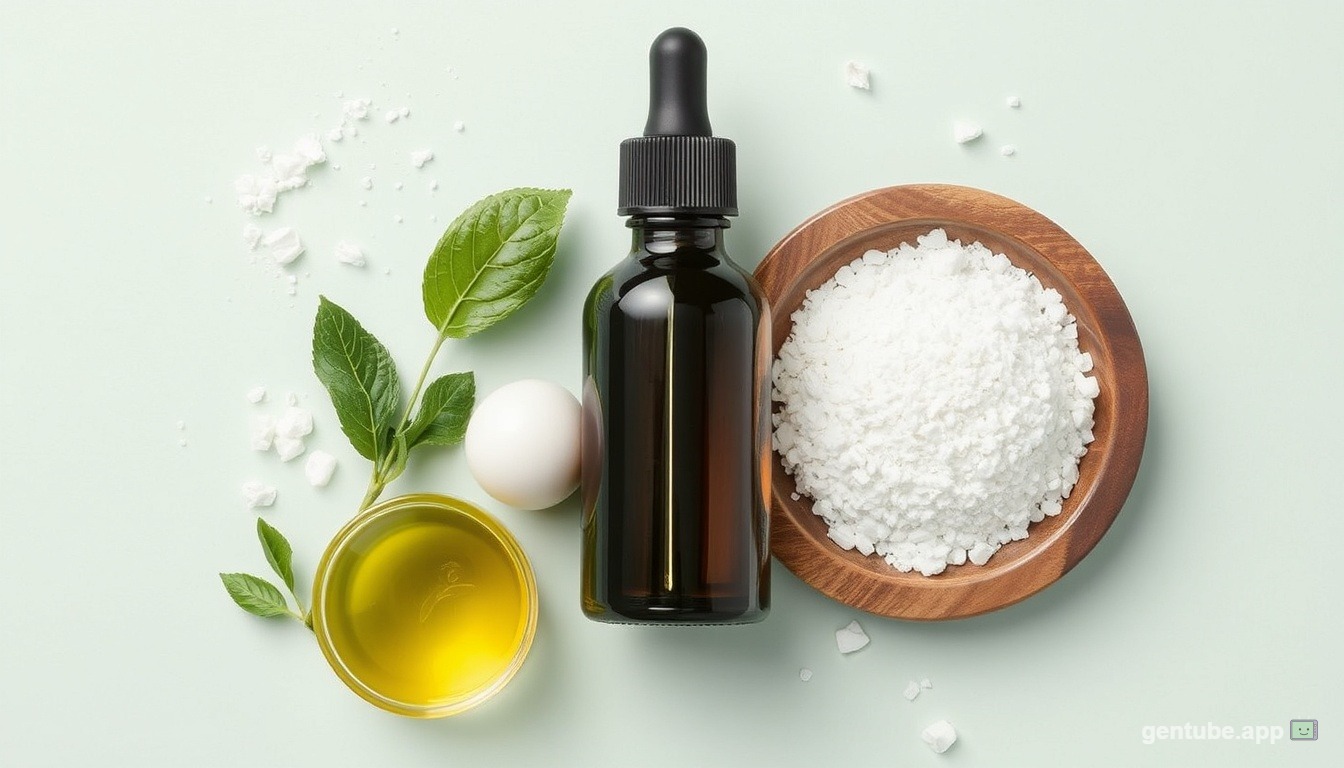
The natural versus synthetic skincare debate often becomes oversimplified, but the reality is more nuanced. Both natural and synthetic ingredients have their place in effective skincare routines. The key is understanding when each approach works best for your specific needs and goals rather than adhering to rigid ideologies about what's "better."
Advantages of Natural Ingredients
Natural ingredients often provide multiple benefits in single ingredients, are generally well-tolerated by most skin types, and align with environmental and ethical values. Many natural ingredients contain complex compounds that work synergistically, something that's difficult to replicate with isolated synthetic compounds. The holistic approach of natural skincare can be particularly appealing for those seeking gentler, more sustainable options.
Natural ingredients also offer the satisfaction of using recognizable, food-grade components that you can often source directly. This transparency can build confidence in your skincare routine and provide a connection to traditional wellness practices.
Advantages of Synthetic Ingredients
Synthetic ingredients offer consistency, potency, and targeted benefits that natural alternatives often cannot match. Ingredients like retinoids, vitamin C derivatives, and sunscreen filters have extensive research backing their effectiveness and safety profiles. Synthetic ingredients can be engineered for specific molecular weights, concentrations, and delivery systems that maximize their benefits while minimizing potential side effects.
Many synthetic ingredients are more stable, have longer shelf lives, and can be formulated to work effectively in various product types. They're also subject to rigorous testing and regulation that ensures consistent quality and safety standards.
Balanced Approach: The most effective skincare routines often combine the best of both worlds. Use natural ingredients for their gentle, holistic benefits while incorporating proven synthetic actives for specific concerns. This approach maximizes benefits while minimizing potential drawbacks of either approach used exclusively.
Making Informed Decisions
Focus on ingredient effectiveness and safety rather than marketing labels. Research the specific benefits and potential drawbacks of individual ingredients regardless of their natural or synthetic origin. Consider your personal values, skin type, specific concerns, and lifestyle when making choices about your skincare routine.
Remember that "natural" doesn't automatically mean safer or more effective, just as "synthetic" doesn't mean harmful or inferior. The quality of research, ingredient sourcing, formulation expertise, and individual skin compatibility matter more than categorical labels.
Environmental and Ethical Considerations
Consider the environmental impact and ethical sourcing of both natural and synthetic ingredients. Some natural ingredients require significant resources or may involve unsustainable harvesting practices. Conversely, some synthetic ingredients offer more environmentally friendly production methods and consistent quality control.
Look for brands that prioritize sustainable practices, ethical sourcing, and transparent ingredient disclosure regardless of whether they focus on natural or synthetic approaches. Your skincare choices can align with broader environmental and social values while still achieving your beauty and health goals.
Key Takeaways for Natural Skincare Success:
- Natural ingredients like honey, aloe vera, and green tea provide real skincare benefits when used properly
- Patch testing is essential when trying new natural ingredients to avoid reactions
- Simple, consistent natural routines often work better than complex combinations
- Quality and sourcing of natural ingredients matter for effectiveness and safety
- Natural doesn't always mean better - some synthetic ingredients are more effective and safer
Disclaimer: This article provides educational information about natural skincare ingredients and should not replace professional dermatological advice. Individual results may vary based on skin type, allergies, and individual sensitivities. Always patch test new ingredients and consult with a qualified dermatologist before starting new skincare routines, especially if you have sensitive skin or existing skin conditions. The information provided is based on current research but should not substitute for personalized medical guidance.
Frequently Asked Questions
Not always. Natural ingredients can still cause allergies and reactions. Always patch test and research proper usage before applying to your face.
A balanced approach works best. Some proven synthetic ingredients offer benefits that natural alternatives can't match. Focus on incorporating natural ingredients alongside effective conventional products.
Natural ingredients typically require 4-8 weeks of consistent use before visible improvements appear. Unlike some synthetic actives that work quickly, natural ingredients build benefits gradually. Patience and consistency are essential for optimal results with natural skincare approaches.
Yes, but introduce them gradually to avoid overwhelming your skin. Start with simple combinations like honey and aloe vera, then slowly add other ingredients. Always patch test new combinations and discontinue use if you experience irritation or adverse reactions.
Organic ingredients can reduce exposure to pesticides and chemicals, but the most important factors are freshness, quality, and proper processing. Some non-organic natural ingredients may actually be more effective if they're processed to preserve active compounds. Focus on sourcing from reputable suppliers regardless of organic certification.
Store natural ingredients in cool, dark places away from direct sunlight and heat. Refrigerate products containing fresh ingredients like aloe vera or honey. Use clean, airtight containers and discard products that develop off smells, colors, or textures. Most homemade natural products should be used within 1-2 weeks for safety.
Yes, some natural ingredients can clog pores or cause breakouts, especially oils and heavier botanical extracts. Ingredients like coconut oil, shea butter, and certain essential oils may cause issues for acne-prone skin. Always research comedogenic ratings and patch test before full application.
Begin with one gentle ingredient like honey or aloe vera, patch test for 24-48 hours, then use 2-3 times per week. Keep a simple skincare journal to track results and reactions. Gradually add one new ingredient every 2-4 weeks as your skin adjusts and you identify what works best for your specific skin type.
Conclusion
Natural skincare ingredients offer excellent options for achieving healthy, glowing skin when used thoughtfully and safely. The key is focusing on well-researched natural ingredients, maintaining proper hygiene and storage, and remembering that natural should complement rather than replace effective evidence-based skincare approaches. The journey toward natural skincare success requires patience, realistic expectations, and commitment to gradual implementation. Start with one gentle, well-tolerated ingredient and allow 4-8 weeks to assess its benefits before adding others. Keep detailed records of your skin's responses to build an effective personalized routine. Remember that quality matters more than quantity - a simple routine with high-quality natural ingredients often produces better results than complex combinations. The most sustainable approach combines the gentle benefits of natural ingredients with proven conventional products where needed. Your skincare choices should reflect both your personal values and your skin's actual needs, creating a balanced routine that supports long-term skin health and natural radiance. Consider this journey as an investment in understanding your skin better and developing a routine that truly works for you, rather than following trends or pursuing perfection.
Marwari Luxe Team
Health & Wellness Experts
Our dedicated team of health and wellness professionals committed to providing accurate, research-based information.