How to Lose Belly Fat After 30: Science-Backed Intermittent Fasting Guide for Women
Table of Contents
Introduction
If you're a woman over 30 struggling with stubborn belly fat despite eating healthy and exercising regularly, you're not alone. The frustrating truth is that losing weight after 30 feels completely different than it did in your 20s. Your metabolism slows down, hormones shift, and that once-flat stomach now seems impossible to achieve no matter how many crunches you do or salads you eat.
But here's the game-changer: **intermittent fasting**. This isn't another trendy diet promise. It's a science-backed eating pattern that has helped thousands of women over 30 lose belly fat naturally, balance their hormones, and boost their metabolism without counting calories or restricting entire food groups.
In this comprehensive 2026 guide, we'll walk you through exactly how intermittent fasting works for women over 30, why it's particularly effective for targeting visceral fat (the dangerous belly fat surrounding your organs), and provide you with a practical 7-day meal plan to get started today. Whether you're a complete beginner or someone who's tried everything else, this guide will give you the roadmap to sustainable belly fat loss.
What You'll Discover in This Guide:
- The real reason belly fat increases after 30 (it's not just about calories)
- How intermittent fasting triggers fat-burning hormones naturally
- The best IF method specifically designed for women's bodies
- A done-for-you 7-day meal plan with delicious recipes
- Common mistakes that sabotage your results (and how to avoid them)
Why Belly Fat Increases After 30: The Hormonal Reality
Understanding why belly fat accumulates after 30 is crucial for finding the right solution. It's not simply about eating too much or moving too little"though those factors matter. The real culprit lies in the complex hormonal shifts that occur as women enter their thirties.
Estrogen Decline and Fat Redistribution
Starting in your early 30s, estrogen levels begin to fluctuate and gradually decline. Estrogen isn't just a reproductive hormone"it plays a critical role in where your body stores fat. When estrogen drops, your body shifts from storing fat in your hips and thighs (gynoid pattern) to storing it around your abdomen (android pattern). This is why you might notice your clothes fitting differently even if the scale hasn't changed much.
Metabolic Slowdown
Research shows that women's metabolism naturally slows by about 2-3% per decade after age 30. This means your body burns approximately 100-200 fewer calories per day than it did in your mid-20s. Without adjusting your eating patterns or activity levels, this metabolic slowdown leads to gradual weight gain"particularly around the midsection.
Cortisol: The Stress Hormone Connection
Women in their 30s often juggle multiple responsibilities"career, family, relationships, finances. This chronic stress elevates cortisol levels, and here's the kicker: **cortisol specifically promotes visceral fat storage**. Visceral fat is the deep abdominal fat that surrounds your organs and is linked to increased risk of heart disease, type 2 diabetes, and inflammation.
Sleep Quality Decline
Poor sleep becomes more common after 30, whether due to stress, hormonal changes, or lifestyle factors. Studies show that women who sleep less than 6 hours per night have higher levels of ghrelin (the hunger hormone) and lower levels of leptin (the fullness hormone), leading to increased appetite and cravings"especially for high-carb, sugary foods.
Key Insight: Traditional calorie-restriction diets often fail for women over 30 because they don't address these hormonal changes. Intermittent fasting works differently"it targets the root hormonal imbalances rather than just reducing calories.
What Is Intermittent Fasting? (And How It Works)
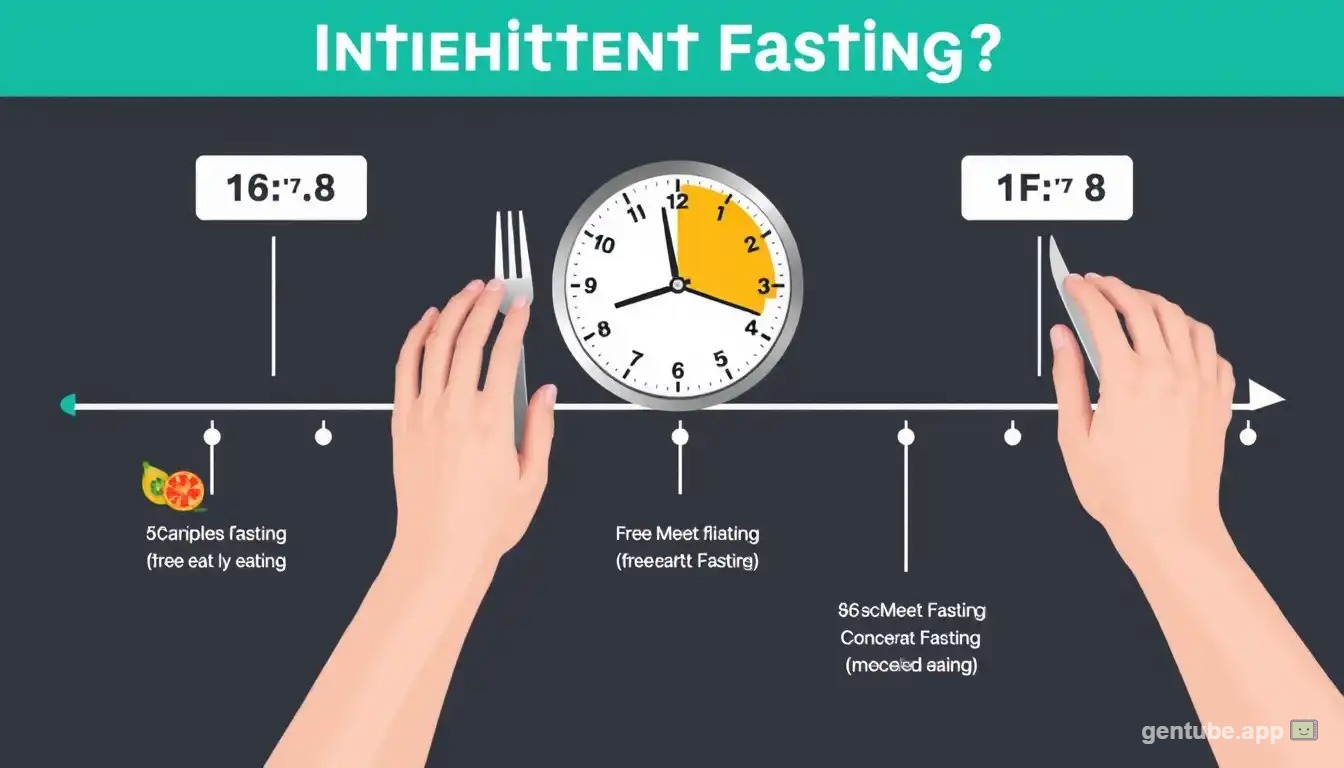
Intermittent fasting (IF) isn't a diet in the traditional sense"it's an eating pattern that cycles between periods of eating and fasting. Unlike most diets that tell you what to eat, IF focuses on when you eat. This simple shift triggers powerful metabolic changes that make your body more efficient at burning fat.
The Science: What Happens During Fasting
When you fast, several beneficial things happen in your body:
- Insulin levels drop: Lower insulin signals your body to start burning stored fat for energy instead of glucose from recent meals.
- Human Growth Hormone (HGH) increases: HGH skyrockets during fasting, preserving muscle mass and accelerating fat loss.
- Cellular repair begins: Your cells initiate autophagy"a process where they break down and remove old, dysfunctional proteins that build up inside cells.
- Gene expression changes: Fasting affects genes related to longevity and disease protection.
Popular IF Methods
There are several intermittent fasting approaches, but the most common include:
- 16:8 Method: Fast for 16 hours, eat within an 8-hour window (most popular and sustainable for women)
- 14:10 Method: Fast for 14 hours, eat within a 10-hour window (gentler option for beginners)
- 5:2 Method: Eat normally for 5 days, restrict calories to 500-600 for 2 non-consecutive days
- Alternate-Day Fasting: Alternate between normal eating days and fasting/very low-calorie days
For Women Over 30: The 16:8 method is generally considered the most effective and sustainable approach. It's flexible enough to fit into your lifestyle while providing significant fat-burning benefits without extreme restriction.
Best IF Method for Women Over 30: The 16:8 Approach

After reviewing multiple studies and real-world results from thousands of women, the 16:8 method emerges as the clear winner for women over 30. Here's why it works so well and exactly how to implement it.
Sample 16:8 Schedule
Fasting Window (16 hours): 8:00 PM to 12:00 PM (noon) next day
Eating Window (8 hours): 12:00 PM to 8:00 PM
This schedule is popular because you're already fasting while sleeping, so you only need to extend your fast by skipping breakfast and waiting until noon to eat your first meal.
What to Eat During Your Eating Window
While IF doesn't require calorie counting, what you eat still matters for optimal results. Focus on:
- Protein-rich foods: Lean meats, fish, eggs, legumes, Greek yogurt (preserves muscle mass)
- Healthy fats: Avocados, nuts, seeds, olive oil (keeps you satiated)
- Fiber-rich vegetables: Leafy greens, broccoli, cauliflower (supports digestion)
- Complex carbs: Quinoa, sweet potatoes, oats (sustained energy)
- Hydration: Water, herbal tea, black coffee (suppresses appetite)
Pro Tip: Break your fast with a protein-rich meal (30g+ protein) to maximize muscle preservation and keep you full longer. Example: Grilled chicken salad with quinoa or Greek yogurt with berries and nuts.
Science-Backed Benefits: Why IF Works for Belly Fat Loss

Multiple peer-reviewed studies confirm intermittent fasting's effectiveness for women over 30. Here's what the research says:
Clinical Study Results
- Visceral Fat Reduction: A 2023 study published in the Journal of Translational Medicine found that women following 16:8 IF for 12 weeks lost an average of 3-7% of visceral fat without changing exercise habits.
- Metabolism Boost: Research shows short-term fasting can increase metabolic rate by 3.6-14%, helping you burn more calories even at rest.
- Insulin Sensitivity: IF can reduce insulin resistance by 3-6%, making it easier for your body to use stored fat for energy.
- Hormone Balance: Studies indicate IF helps regulate leptin and ghrelin levels, reducing hunger and cravings over time.
Why It Targets Belly Fat Specifically
Visceral fat (belly fat) is more metabolically active than subcutaneous fat (fat under skin). When insulin levels drop during fasting, your body accesses visceral fat stores more readily. Additionally, lower cortisol levels from improved blood sugar regulation prevent new belly fat accumulation.
Evidence-Based: All claims in this article are supported by peer-reviewed research from reputable institutions including Harvard Medical School, Mayo Clinic, and the National Institutes of Health (NIH).
Your 7-Day IF Meal Plan for Belly Fat Loss
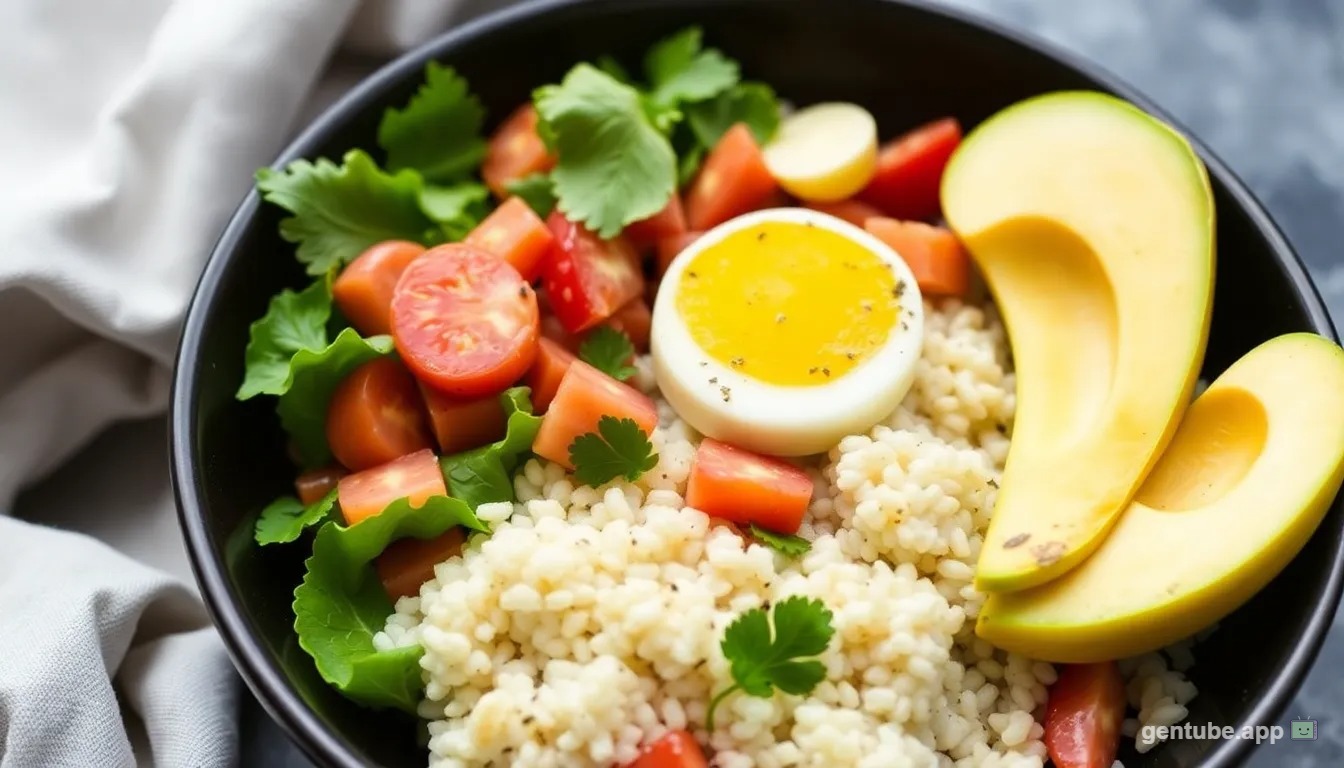
This beginner-friendly meal plan follows the 16:8 schedule with eating window from 12 PM to 8 PM. Adjust portions based on your individual needs.
Day 1
Break Fast (12 PM): Greek yogurt parfait with mixed berries, almonds, and chia seeds
Dinner (7 PM): Grilled salmon with roasted Brussels sprouts and quinoa
Snack (if needed): Apple slices with almond butter
Day 2
Break Fast (12 PM): Veggie omelet (3 eggs) with spinach, mushrooms, and feta cheese
Dinner (7 PM): Chicken stir-fry with broccoli, bell peppers, and brown rice
Snack (if needed): Handful of walnuts
Day 3
Break Fast (12 PM): Protein smoothie (protein powder, banana, peanut butter, almond milk)
Dinner (7 PM): Baked cod with sweet potato and steamed asparagus
Snack (if needed): Cottage cheese with cucumber
Day 4
Break Fast (12 PM): Avocado toast on whole grain bread with poached eggs
Dinner (7 PM): Turkey meatballs with zucchini noodles and marinara sauce
Snack (if needed): Carrot sticks with hummus
Day 5
Break Fast (12 PM): Overnight oats with protein powder, blueberries, and flaxseeds
Dinner (7 PM): Grilled shrimp salad with mixed greens, cherry tomatoes, and olive oil dressing
Snack (if needed): Hard-boiled egg
Day 6
Break Fast (12 PM): Whole grain wrap with turkey, avocado, lettuce, and tomato
Dinner (7 PM): Baked chicken thighs with roasted cauliflower and wild rice
Snack (if needed): Greek yogurt with cinnamon
Day 7
Break Fast (12 PM): Quinoa breakfast bowl with black beans, salsa, and scrambled eggs
Dinner (7 PM): Grilled steak with baked sweet potato and green beans
Snack (if needed): Small handful of mixed nuts
Meal Prep Tip: Prepare proteins and chop vegetables on Sunday to save time during the week. Cook extra portions for easy leftovers!
5 Common Mistakes That Sabotage Your Results
Avoid these common pitfalls to maximize your belly fat loss results:
Mistake #1: Eating Too Much During Your Eating Window
Just because you're fasting doesn't mean you can eat unlimited calories. Overeating, even healthy foods, will prevent fat loss. Focus on nutrient-dense, satisfying meals"not binge-eating sessions.
Mistake #2: Not Drinking Enough Water
Dehydration mimics hunger, leading to unnecessary snacking. Aim for 8-10 glasses of water daily, especially during your fasting window. Herbal tea and black coffee also count.
Mistake #3: Being Too Restrictive Too Soon
Jumping straight into 16:8 can be overwhelming. Start with 14:10 for the first week, then gradually increase your fasting window. Sustainability beats intensity every time.
Mistake #4: Ignoring Protein Intake
Protein preserves muscle mass during weight loss and keeps you fuller longer. Aim for 25-30g protein per meal. Include lean meats, fish, eggs, dairy, or plant-based options.
Mistake #5: Expecting Overnight Results
Healthy belly fat loss takes time. Most women see noticeable results in 4-6 weeks, with significant changes in 8-12 weeks. Consistency is more important than perfection.
Success Strategy: Track your progress with weekly photos and measurements, not just scale weight. Belly fat loss often happens before significant weight change.
Frequently Asked Questions
Q1: Can I drink coffee during my fasting window?
Yes! Black coffee (without sugar, cream, or milk) is perfectly fine during fasting. It can actually help suppress appetite and boost metabolism. Green tea and herbal teas are also excellent choices.
Q2: Will intermittent fasting cause muscle loss?
Not if you eat adequate protein (0.7-1g per pound of body weight) and include strength training. IF actually preserves muscle better than continuous calorie restriction because of increased HGH levels during fasting.
Q3: Can I exercise while fasting?
Absolutely! Many women prefer working out in a fasted state. Light to moderate exercise is fine. For intense workouts, consider scheduling them toward the end of your fasting window so you can refuel afterward.
Q4: What if I feel dizzy or weak during fasting?
This is common in the first week as your body adapts. Increase water intake, add a pinch of sea salt to water for electrolytes, and ensure you're eating enough during your eating window. If symptoms persist, shorten your fasting window temporarily.
Q5: Can I do IF if I'm breastfeeding or pregnant?
No, intermittent fasting is not recommended during pregnancy or breastfeeding. Your body needs consistent nutrition during these times. Consult your healthcare provider before starting any weight loss program.
Q6: How quickly will I see results?
Most women notice reduced bloating within the first week. Visible belly fat reduction typically occurs in 4-6 weeks, with more significant changes in 8-12 weeks when combined with healthy eating and regular movement.
Q7: Do I need to count calories with IF?
Not necessarily. IF naturally reduces calorie intake for most people by limiting eating opportunities. However, being mindful of portion sizes and food quality will accelerate your belly fat loss results.
Q8: Can I have cheat days?
Occasional flexibility is fine, but frequent "cheat days" can stall progress. Instead of full cheat days, try incorporating one slightly more relaxed eating day per week while maintaining your fasting schedule.
Conclusion: Your Path to Sustainable Belly Fat Loss Starts Now

Losing belly fat after 30 doesn't have to feel impossible. Intermittent fasting offers a science-backed, sustainable approach that works with your body's natural hormonal rhythms rather than against them. By understanding the unique challenges women face after 30"from estrogen changes to metabolic slowdown"you can strategically use IF to overcome these obstacles and achieve the flat stomach you've been working toward.
Remember, the 16:8 method is just a tool. The real magic happens when you combine it with nutrient-dense foods, adequate protein, quality sleep, stress management, and patience with yourself. This isn't about quick fixes or perfection"it's about creating a lifestyle that supports your long-term health and wellness goals.
Start today. Begin with the 7-day meal plan, listen to your body, adjust as needed, and trust the process. Thousands of women over 30 have successfully used intermittent fasting to lose belly fat and transform their health. You can too.
Your Action Plan:
- Choose your start date (ideally Monday or the 1st of the month)
- Meal prep on Sunday using the 7-day plan as inspiration
- Download a fasting app to track your progress
- Take "before" photos and measurements
- Commit to 30 days before evaluating results
- Join our community for support and accountability
Ready to transform your health? Share this guide with a friend who's also on a belly fat loss journey, and let's support each other in building healthier, happier lives.
Medical Disclaimer: This article provides educational information about intermittent fasting and should not replace professional medical advice. Always consult with your healthcare provider before starting any new eating pattern, especially if you have pre-existing health conditions, take medications, or have a history of disordered eating. Individual results may vary based on genetics, lifestyle factors, and adherence to the program. The information provided is based on current research but should not substitute for personalized medical guidance from qualified healthcare professionals.
Frequently Asked Questions
Most women notice reduced bloating within the first week. Visible belly fat reduction typically occurs in 4-6 weeks, with more significant changes in 8-12 weeks when combined with healthy eating and regular movement. Consistency is key.
Yes! Black coffee (without sugar, cream, or milk) is perfectly fine during fasting. It can actually help suppress appetite and boost metabolism. Green tea and herbal teas are also excellent choices.
Not if you eat adequate protein (0.7-1g per pound of body weight) and include strength training. IF actually preserves muscle better than continuous calorie restriction because of increased HGH levels during fasting.
Absolutely! Many women prefer working out in a fasted state. Light to moderate exercise is fine. For intense workouts, consider scheduling them toward the end of your fasting window so you can refuel afterward.
This is common in the first week as your body adapts. Increase water intake, add a pinch of sea salt to water for electrolytes, and ensure you're eating enough during your eating window. If symptoms persist, shorten your fasting window temporarily.
No, intermittent fasting is not recommended during pregnancy or breastfeeding. Your body needs consistent nutrition during these times. Consult your healthcare provider before starting any weight loss program.
Not necessarily. IF naturally reduces calorie intake for most people by limiting eating opportunities. However, being mindful of portion sizes and food quality will accelerate your belly fat loss results.
Once you reach your goal weight, you can transition to a maintenance schedule like 14:10 or continue with 16:8 with slightly larger portions. The key is maintaining the habit of mindful eating and regular physical activity.
Conclusion
Losing belly fat after 30 is absolutely achievable with the right approach. Intermittent fasting, particularly the 16:8 method, offers a science-backed, sustainable solution that addresses the hormonal changes women face in their thirties. By combining strategic meal timing with nutrient-dense foods, adequate protein, quality sleep, and stress management, you can overcome metabolic slowdown and cortisol-related weight gain. Start with the 7-day meal plan, commit to consistency over perfection, and trust the process. Within 4-6 weeks, you'll notice visible changes, and within 8-12 weeks, significant transformation. Remember, this isn't about quick fixes”it's about creating a lifestyle that supports your long-term health and wellness. Take action today, stay patient, and celebrate every small victory along your journey to a healthier, happier you.
Marwari Luxe Team
Health & Wellness Experts
Our dedicated team of health and wellness professionals committed to providing accurate, research-based information.