Anti-Inflammatory Diet Plan for Beginners
Table of Contents
Introduction
In today's fast-paced world, chronic inflammation has become a silent epidemic affecting millions across the USA, UK, Canada, and Australia. Unlike acute inflammation that helps heal injuries, chronic inflammation silently damages tissues and contributes to serious health conditions including heart disease, diabetes, arthritis, and cognitive decline. The good news? Your plate holds powerful medicine. An anti-inflammatory diet plan for beginners offers a practical, evidence-based approach to combat chronic inflammation and reclaim your health.
Whether you're experiencing persistent joint pain, fatigue, or simply want to optimize your long-term health, starting an anti-inflammatory diet doesn't require dramatic changes overnight. This comprehensive guide provides step-by-step strategies for beginners to embrace anti-inflammatory eating, focusing on delicious, whole foods that are readily available in grocery stores across North America and the UK. From understanding which foods fight inflammation to practical meal planning tips, you'll discover how to create sustainable dietary habits that support vibrant health.
In this article, you will learn:
- How chronic inflammation affects your health differently across age groups
- The top anti-inflammatory foods available in major supermarkets
- Practical meal planning strategies for busy lifestyles
- Shopping tips to maximize nutritional value while staying within budget
Understanding Chronic Inflammation

Inflammation is your body's natural defense mechanism, designed to protect and heal damaged tissues. When you cut your finger or catch a cold, acute inflammation brings immune cells to the injury site, initiating the healing process. However, chronic inflammation occurs when this protective response persists over months or years, often without an obvious external threat. This low-grade, systemic inflammation quietly damages blood vessels, joints, and organs, contributing to the development of numerous chronic diseases.
Signs of Chronic Inflammation
Unlike acute inflammation, which presents obvious symptoms like redness and swelling, chronic inflammation often manifests subtly. Common signs include persistent fatigue, joint stiffness (especially in the morning), frequent headaches, digestive issues, skin problems, and recurring infections. Many people dismiss these symptoms as normal aging or stress, not realizing they may indicate underlying inflammation. In populations across the USA, UK, Canada, and Australia, studies show that over 60% of adults have elevated inflammatory markers, making anti-inflammatory nutrition a critical component of preventive healthcare.
Global Impact of Inflammatory Diseases
Cardiovascular disease, largely driven by chronic inflammation, remains the leading cause of death in developed countries like the USA, UK, Canada, and Australia. Rheumatoid arthritis affects approximately 1% of the population globally, with higher rates in Western nations. Alzheimer's disease, increasingly recognized as an inflammatory condition, affects over 55 million people worldwide, with prevalence rising in aging populations. Understanding these statistics emphasizes the importance of anti-inflammatory nutrition as a preventive strategy.
Top Anti-Inflammatory Foods
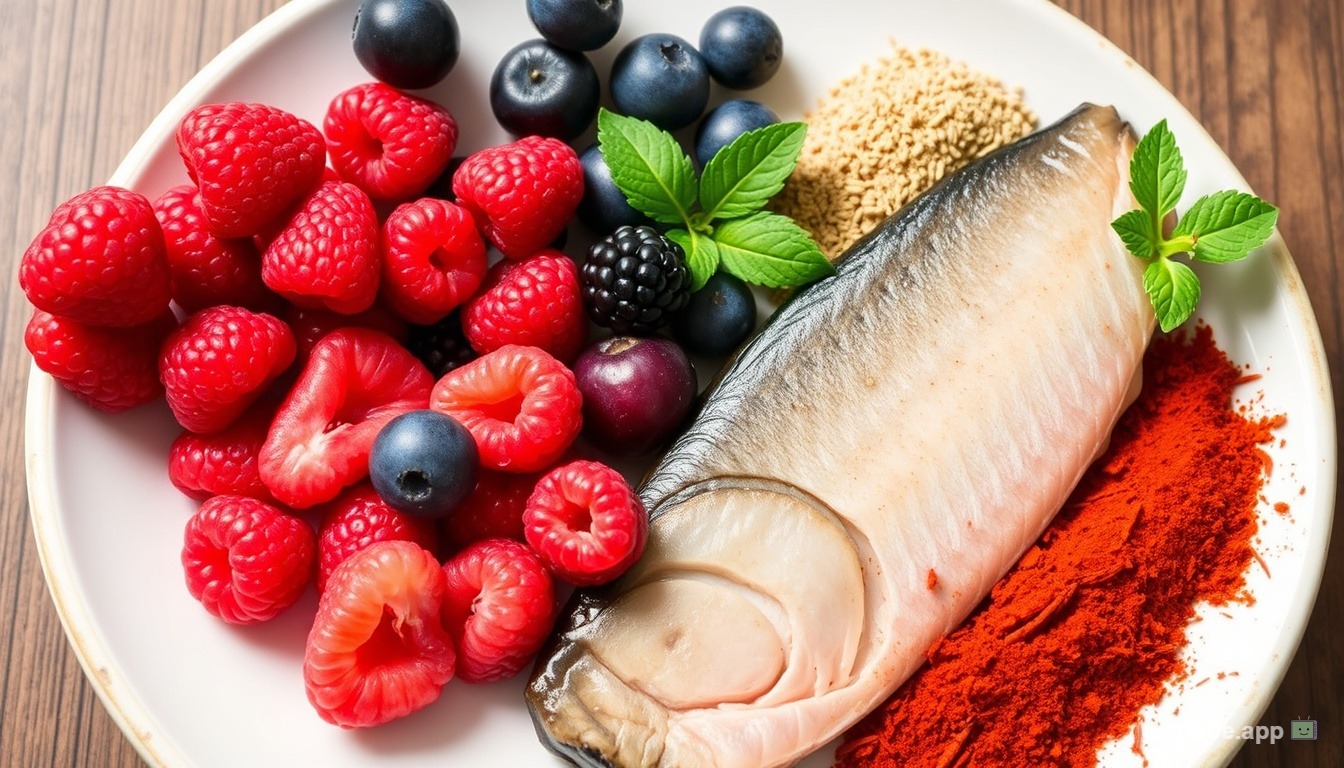
Nature's pharmacy is abundant with anti-inflammatory compounds, and incorporating these foods into your daily diet can significantly impact your inflammatory markers. The Mediterranean diet, consistently ranked as one of the healthiest dietary patterns in the USA, UK, Canada, and Australia, emphasizes many of these powerful anti-inflammatory foods. Research demonstrates that following an anti-inflammatory diet plan can reduce C-reactive protein levels by 20-30% within 6-8 weeks.
Omega-3 Rich Foods
Fatty fish like salmon, mackerel, sardines, and anchovies are exceptional sources of EPA and DHA, omega-3 fatty acids with potent anti-inflammatory properties. Studies from Harvard Medical School and Oxford University show that consuming fish twice weekly can significantly reduce inflammatory markers. For vegetarians and vegans, walnuts, chia seeds, and flaxseeds provide alpha-linolenic acid (ALA), which the body converts to EPA and DHA, though at lower rates.
| Food | Omega-3 Content (per 100g) | Health Benefits |
|---|---|---|
| Wild Salmon | 2,260mg | Heart health, brain function |
| Sardines | 2,205mg | Bone health, cardiovascular support |
| Walnuts | 9,079mg | Brain health, cholesterol support |
Antioxidant-Rich Plant Foods
Colorful fruits and vegetables brim with antioxidants that neutralize free radicals and reduce oxidative stress, a key driver of inflammation. Blueberries, blackberries, spinach, kale, and artichokes rank among the highest in antioxidant capacity. The NHS in the UK recommends at least five portions of fruits and vegetables daily, with many experts suggesting 7-9 portions for optimal anti-inflammatory effects.
Foods That Promote Inflammation

Just as certain foods fight inflammation, others actively promote it. The Western diet, prevalent in the USA, UK, Canada, and Australia, is characterized by high consumption of processed foods, refined sugars, and trans fats"all potent inflammatory triggers. Understanding which foods to limit or avoid is crucial for anyone following an anti-inflammatory diet plan for beginners.
Processed and Ultra-Processed Foods
Packaged snacks, fast food, sugary cereals, and ready-made meals often contain preservatives, artificial colors, and high levels of sodium that promote inflammation. A landmark study published in Cell Metabolism found that ultra-processed foods contribute to overeating and weight gain, both of which exacerbate inflammatory processes. In Canada, ultra-processed foods now comprise over 60% of household purchases, highlighting the challenge many face when transitioning to anti-inflammatory eating.
Refined Sugars and Artificial Sweeteners
High-fructose corn syrup, commonly found in sodas and processed foods in the USA, triggers inflammatory pathways and contributes to insulin resistance. Even natural sweeteners like agave nectar, when consumed in excess, can promote inflammation. Artificial sweeteners like aspartame and sucralose, while calorie-free, may alter gut bacteria composition and indirectly promote inflammatory responses, according to research from Australian universities.
The key to success with an anti-inflammatory diet plan is gradual substitution rather than complete elimination. Replace soda with herbal teas or water infused with fruits. Swap packaged snacks for nuts, seeds, or fresh fruit. These changes, while seemingly small, create significant anti-inflammatory benefits over time.
Beginner Meal Planning Strategies
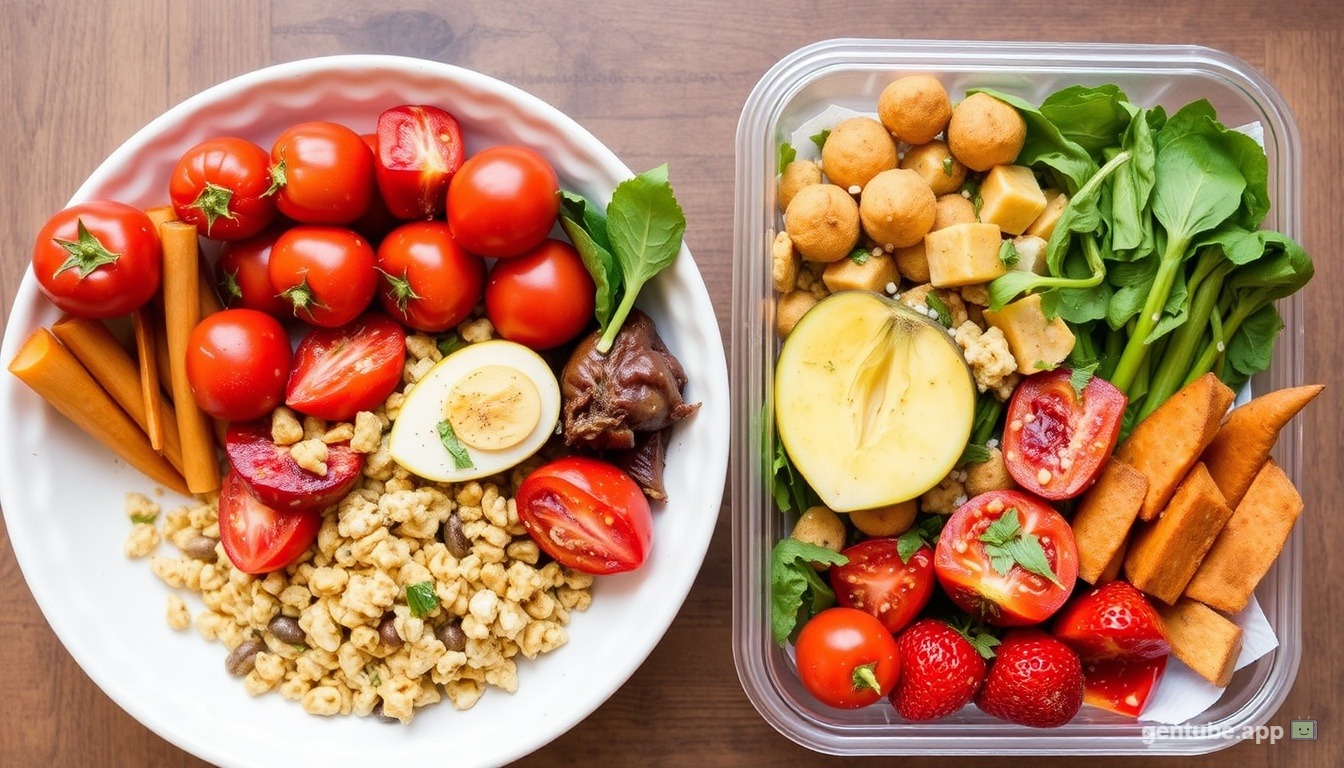
Effective meal planning is the cornerstone of a sustainable anti-inflammatory diet plan for beginners. When you're hungry and pressed for time, you're more likely to reach for convenient but inflammatory options. Strategic planning helps ensure you have nutritious, anti-inflammatory meals ready when you need them most. This is particularly important for busy professionals in cities like London, Toronto, Sydney, and major US metropolitan areas.
Batch Cooking and Prep Techniques
Dedicate 2-3 hours on weekends to preparing large batches of anti-inflammatory staples. Cook quinoa, brown rice, or other whole grains in bulk. Roast a variety of vegetables with olive oil and herbs. Prepare bean salads or lentil dishes that provide protein and fiber. These components can be mixed and matched throughout the week to create satisfying, anti-inflammatory meals. Many Australians and Canadians find weekend meal prep particularly helpful during busy work weeks.
- Plan 3-4 core recipes: Focus on versatile dishes that can be modified with different vegetables or proteins
- Shop with a list: Organize your shopping list by store sections to avoid impulse purchases
- Prep ingredients: Wash and chop vegetables, cook proteins in advance
- Store properly: Use airtight containers and maintain proper refrigerator temperatures
- Track success: Note which meals you enjoyed most and replicate those patterns
Quick Anti-Inflammatory Meals
On particularly busy days, having quick anti-inflammatory options is essential. A simple bowl with cooked quinoa, steamed broccoli, grilled salmon, and avocado provides omega-3s, antioxidants, and fiber in under 10 minutes. Smoothies made with berries, spinach, ground flaxseed, and almond milk offer another fast option. These meals support your anti-inflammatory goals without requiring extensive cooking time, perfect for busy lifestyles in urban centers across North America and Europe.
Anti-Inflammatory Shopping Guide
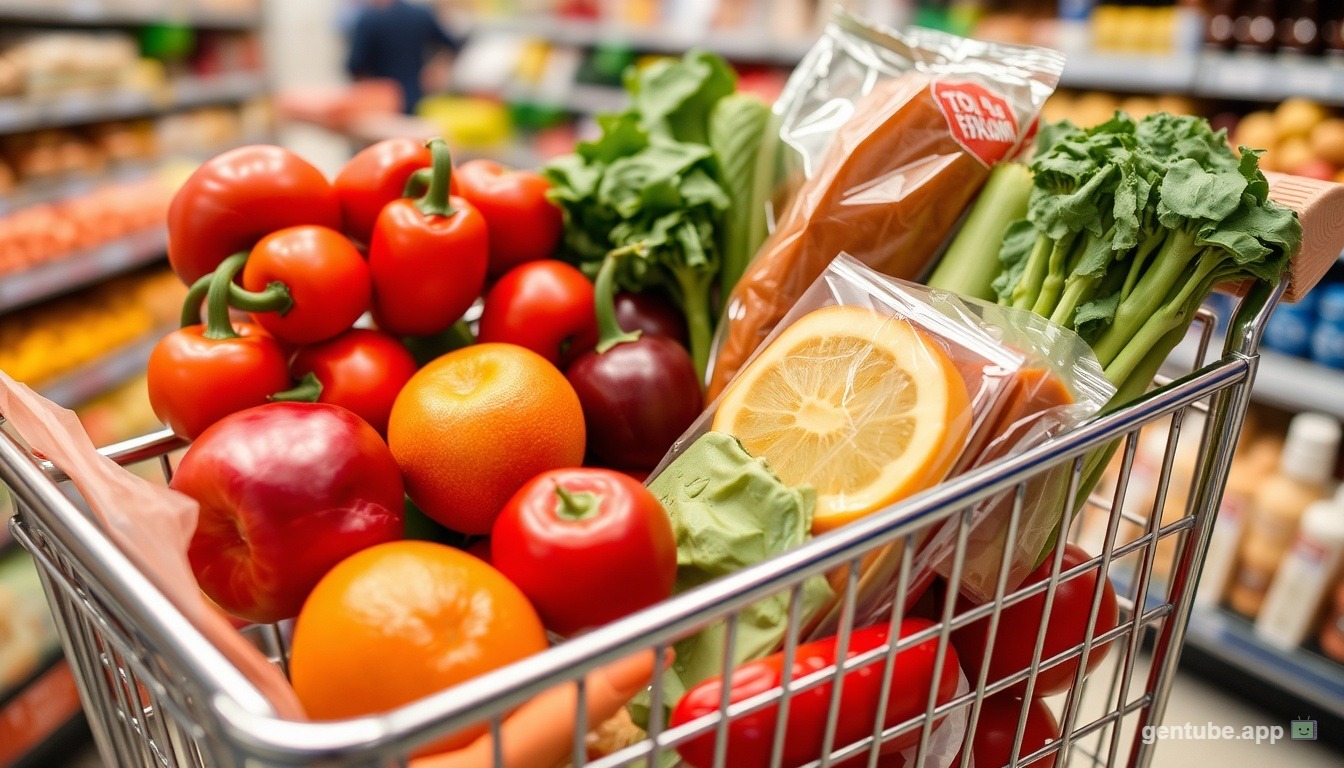
Grocery shopping can make or break your anti-inflammatory diet plan for beginners. Understanding how to navigate the supermarket aisles while selecting the most beneficial anti-inflammatory options will set you up for success. This guide addresses common challenges faced by shoppers in the USA, UK, Canada, and Australia, where marketing claims can be misleading.
Reading Food Labels Effectively
In the UK, EU, and Australia, food labeling regulations require clear identification of allergens and nutritional information, making it easier to identify inflammatory ingredients. Look for hidden sources of sugar (appearing as corn syrup, dextrose, maltodextrin, etc.), trans fats (often listed as hydrogenated oils), and artificial preservatives. In the USA, the FDA requires disclosure of added sugars, helping consumers make more informed choices. Focus on products with shorter ingredient lists and recognizable, whole food ingredients.
Cost-Effective Anti-Inflammatory Options
Following an anti-inflammatory diet plan doesn't require a premium budget. Frozen vegetables often cost less than fresh but retain similar nutritional value. Bulk purchasing of grains, legumes, and nuts can significantly reduce costs. Seasonal produce is typically more affordable and flavorful. Many Canadian and Australian shoppers find that joining bulk buying clubs or shopping at warehouse stores helps reduce costs while maintaining quality. Store-brand versions of olive oil, nuts, and other staples often provide similar benefits at lower prices.
Key Takeaways:
- Chronic inflammation underlies many common health conditions in developed nations
- Omega-3 rich foods and colorful plant foods are powerful anti-inflammatory agents
- Gradual substitution of inflammatory foods is more sustainable than elimination
- Meal planning and smart shopping support long-term anti-inflammatory eating success
- Consistency with anti-inflammatory eating patterns yields significant health improvements
Disclaimer: This article is for informational purposes only and should not be considered medical advice. Always consult with a healthcare professional before making any changes to your health routine.
Frequently Asked Questions
Many people notice reduced joint pain and increased energy within 2-3 weeks. Significant improvements in inflammatory markers typically take 1-2 months of consistent dietary changes.
A gradual approach is more sustainable. Start by adding anti-inflammatory foods to your diet before removing problematic ones. Focus on progress, not perfection.
Yes! Look for grilled, baked, or steamed options. Choose salads with olive oil dressing, grilled fish or chicken, and vegetable-based dishes. Don't hesitate to ask for modifications like no added salt or sauces on the side.
No, healthy fats are actually anti-inflammatory. Focus on omega-3 fatty acids from fish, walnuts, and flaxseeds, along with monounsaturated fats from olive oil and avocados. Avoid trans fats and limit saturated fats from processed foods.
Track improvements in joint pain, energy levels, digestion, and skin clarity. Consider getting blood tests for inflammatory markers like CRP after 2-3 months. Keep a food diary to identify which foods make you feel better or worse.
Yes, but adapt portions to their age and activity level. Focus on colorful fruits and vegetables, whole grains, and lean proteins. Consult with a pediatrician or registered dietitian for personalized guidance, especially for younger children.
The anti-inflammatory diet can be adapted to accommodate allergies. Work with a healthcare provider to identify trigger foods and find suitable alternatives. Many anti-inflammatory foods are naturally gluten-free, dairy-free, and nut-friendly.
Conclusion
An anti-inflammatory diet is one of the most powerful tools for improving long-term health and preventing chronic disease. By focusing on whole, nutrient-dense foods and making gradual lifestyle changes, you can effectively reduce inflammation and boost your overall well-being. The beauty of this approach lies in its simplicity and sustainability - you don't need expensive supplements or extreme restrictions. Start with small changes like adding one extra serving of vegetables to your meals, swapping refined grains for whole grains, or choosing water over sugary drinks. Remember that consistency matters more than perfection. Even implementing 70-80% of these recommendations can yield significant health benefits. Consider pairing this dietary approach with other anti-inflammatory lifestyle factors like regular exercise, adequate sleep, stress management, and maintaining a healthy weight. The cumulative effect of these positive changes can transform your health and quality of life for years to come. Your body has an incredible capacity to heal and regenerate when given the right fuel - let this anti-inflammatory diet be the foundation for your journey toward optimal health.
Marwari Luxe Team
Health & Wellness Experts
Our dedicated team of health and wellness professionals committed to providing accurate, research-based information.