Anti-Aging Skincare Tips Dermatologists Recommend

Table of Contents
Introduction to Anti-Aging Skincare
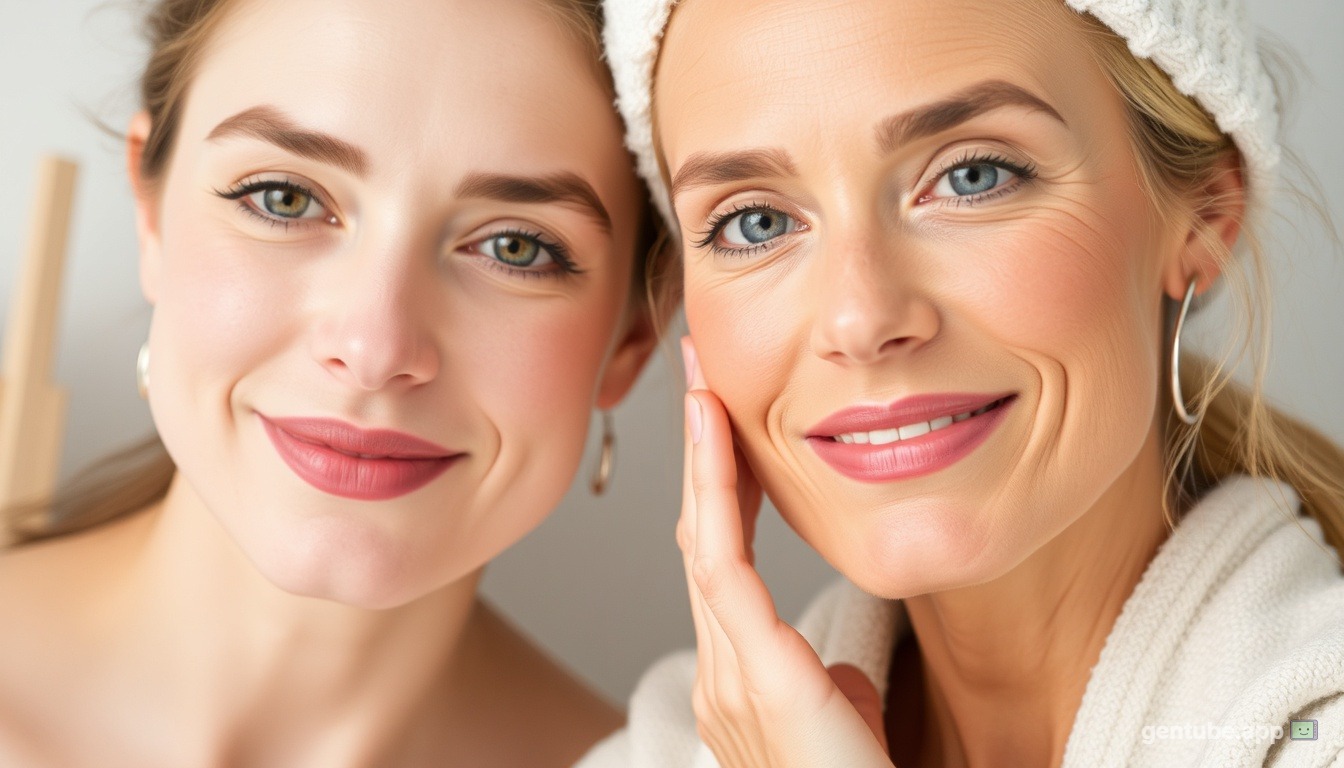
Anti-aging skincare represents one of the most evidence-based areas of dermatology, with decades of research supporting specific ingredients and approaches that genuinely work. Unlike the endless stream of trendy products that promise miraculous results, dermatologist-recommended anti-aging strategies focus on proven interventions that support your skin's natural healing and renewal processes.
The foundation of effective anti-aging skincare rests on understanding that prevention is far more powerful than correction. While you can't completely stop the aging process, you can significantly slow visible signs of aging and maintain healthier, more youthful-looking skin throughout your life. The key lies in consistency with scientifically validated ingredients and protective measures rather than chasing the latest cosmetic innovations.
Modern dermatology has identified several key factors that contribute to visible aging: UV damage, oxidative stress, glycation, and natural collagen breakdown. The most effective anti-aging approach addresses these underlying causes through a comprehensive routine that includes sun protection, proven active ingredients, proper hydration, and professional treatments when appropriate. This guide will walk you through evidence-based strategies that dermatologists actually recommend to their patients.
Quick Start Tip: Begin with daily broad-spectrum SPF 30+ sunscreen as your foundation. This single step prevents approximately 80% of visible aging and is the most cost-effective anti-aging investment you can make.
Sun Protection Fundamentals: Your Primary Anti-Aging Defense
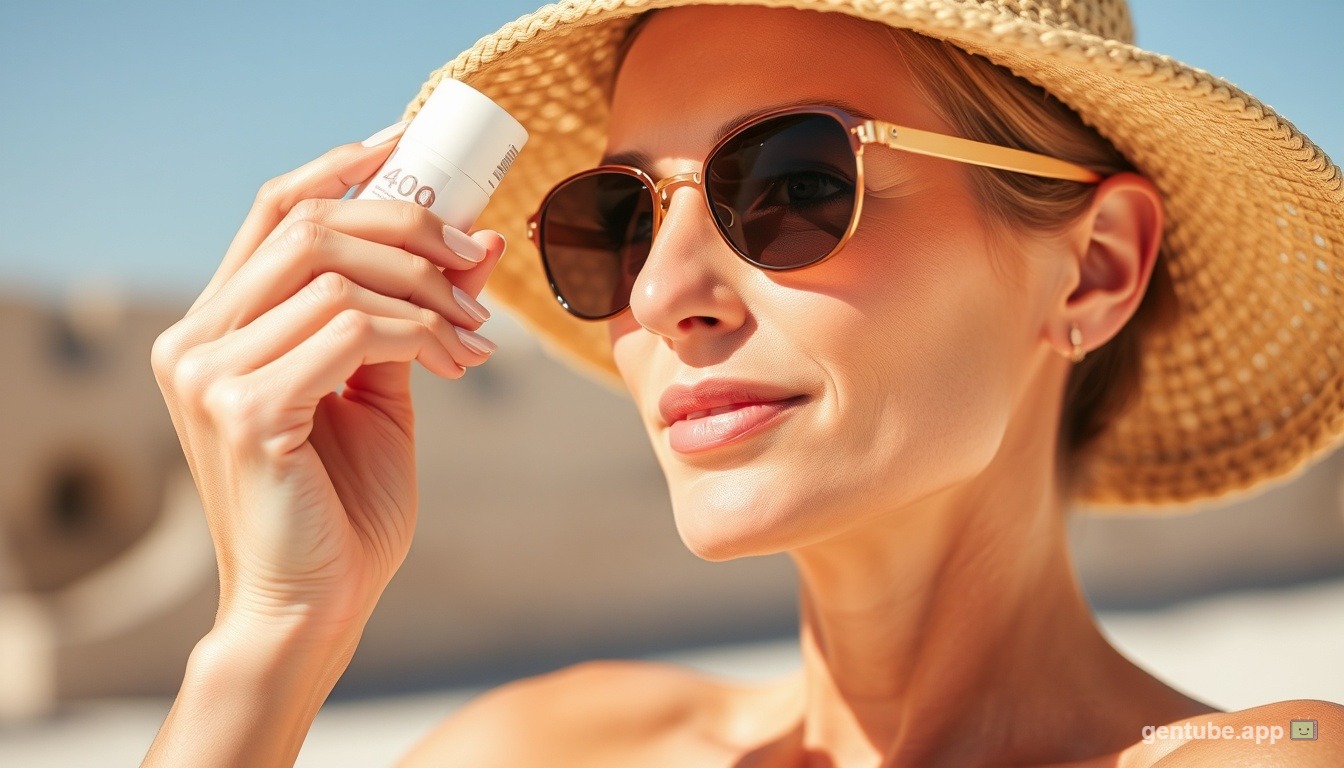
Dermatologists consistently identify sun protection as the single most important anti-aging step anyone can take. UV radiation from the sun causes approximately 80% of visible skin aging, including wrinkles, age spots, texture changes, and loss of elasticity. This damage accumulates over time, making early and consistent protection crucial for long-term skin health.
Understanding UV Damage
UV radiation consists of two primary types that damage skin: UVA rays penetrate deeply into the dermis, breaking down collagen and elastin fibers that keep skin firm and smooth. UVB rays cause surface damage and sunburn, while also contributing to DNA damage that can lead to skin cancer. Both types contribute to photoaging - the premature aging caused by sun exposure.
The damage from UV exposure is cumulative and often not immediately visible. Just 15-20 minutes of daily sun exposure without protection can cause significant long-term damage. This is why dermatologists emphasize that sun protection is not just for beach days - it's a daily necessity regardless of weather, season, or skin tone.
Key Insight: Up to 80% of lifetime sun exposure occurs incidentally during daily activities like driving, walking, and working near windows. This makes consistent daily protection essential rather than occasional application.
Choosing the Right Sunscreen
Effective anti-aging sun protection requires broad-spectrum sunscreen with SPF 30 or higher. Look for products labeled "broad-spectrum" which protect against both UVA and UVB rays. Mineral sunscreens containing zinc oxide or titanium dioxide provide immediate protection and are generally well-tolerated by sensitive skin. Chemical sunscreens with ingredients like avobenzone and oxybenzone need 15-30 minutes to become effective after application.
Apply approximately one ounce (a shot glass full) to cover your entire body, and don't forget commonly missed areas like ears, hands, feet, and lips. Reapply every 2 hours during sun exposure and immediately after swimming or sweating. Consider wearing protective clothing, wide-brimmed hats, and sunglasses for additional protection, especially during peak UV hours between 10 AM and 4 PM.
Beyond Sunscreen: Comprehensive Photoprotection
While sunscreen forms the foundation, complete photoprotection requires a multi-layered approach. Seek shade during peak sun hours, wear UPF-rated clothing when possible, and be mindful of reflective surfaces like water, sand, and snow that can increase UV exposure. Even indoor lighting from certain fluorescent bulbs and electronic screens can emit small amounts of UV radiation, though this is typically minimal compared to natural sunlight.
The anti-aging benefits of consistent sun protection extend far beyond preventing wrinkles and spots. Regular sunscreen use also reduces skin cancer risk, maintains even skin tone, preserves natural collagen production, and supports overall skin health. Many dermatologists observe that patients who practice diligent sun protection maintain a more youthful appearance well into their later years.
Proven Anti-Aging Ingredients Backed by Science

Decades of dermatological research have identified several key ingredients that genuinely reduce visible signs of aging. These proven actives work through different mechanisms to address various aspects of skin aging, from collagen production to cellular renewal. The most effective approach combines multiple complementary ingredients tailored to your specific skin concerns and type.
1. Retinoids: The Gold Standard
Retinoids, derivatives of vitamin A, represent the most researched and effective anti-aging ingredients available. They work by increasing cell turnover, stimulating collagen production, and reducing the appearance of fine lines and wrinkles. Prescription tretinoin (Retin-A) remains the benchmark for efficacy, but over-the-counter adapalene (Differin) offers significant benefits with better tolerability.
Start with lower concentrations applied 2-3 times per week, gradually increasing frequency as your skin builds tolerance. Always use sunscreen when incorporating retinoids, as they increase photosensitivity. Most people see noticeable improvements in skin texture and fine lines within 8-12 weeks of consistent use.
How to Use: Apply a pea-sized amount to clean, dry skin at night. Start with 2-3 times weekly and gradually increase to nightly use over 4-6 weeks. Always follow with moisturizer to minimize irritation.
2. Vitamin C: Potent Antioxidant Protection
Vitamin C (ascorbic acid) serves as a powerful antioxidant that neutralizes free radicals from UV exposure and environmental pollution while stimulating collagen synthesis. Stable vitamin C formulations can brighten skin tone, reduce dark spots, and provide additional photoprotection when used with sunscreen. Look for products containing 10-20% L-ascorbic acid at pH levels below 3.5 for optimal effectiveness.
3. Peptides: Cellular Communication
Peptides are short chains of amino acids that signal skin cells to behave like younger, healthier cells. They can stimulate collagen production, improve skin barrier function, and reduce the appearance of fine lines. Unlike retinoids, peptides generally cause minimal irritation and can be used twice daily. Popular peptide complexes include matrixyl and argireline, which target different aspects of aging.
4. Niacinamide: Multi-Target Benefits
Also known as vitamin B3, niacinamide provides broad anti-aging benefits including reducing inflammation, strengthening the skin barrier, minimizing pore appearance, and improving skin elasticity. Concentrations of 2-5% provide noticeable improvements in skin texture and tone. This ingredient works well in combination with other actives and rarely causes irritation.
5. Hyaluronic Acid: Intensive Hydration
While not an active anti-aging ingredient itself, hyaluronic acid provides essential hydration that plumps the skin and reduces the appearance of fine lines. This naturally occurring substance can hold up to 1000 times its weight in water, making it ideal for all skin types including sensitive skin. Look for products with varying molecular weights to address different skin layers.
Layering Strategy: Apply actives in order of thinnest to thickest consistency: serums first, then treatments, followed by moisturizers. This allows maximum penetration and effectiveness.
What About the Trendy Ingredients?
Many popular "miracle" ingredients like stem cells, bee venom, and rare plant extracts lack sufficient scientific evidence for meaningful anti-aging effects. Focus on proven actives rather than marketing hype. The ingredients that dermatologists recommend consistently show results in peer-reviewed research - even if they aren't as flashy or expensive.
Building Your Anti-Aging Routine: A Step-by-Step Guide
Creating an effective anti-aging routine doesn't require expensive or complex products. The key lies in consistency with proven ingredients and proper application techniques. Start with a simple foundation and gradually add products as needed, allowing your skin time to adjust between new additions.
Morning Routine
Cleanse: Use a gentle, pH-balanced cleanser to remove overnight buildup without stripping natural oils. Avoid harsh soaps or over-cleansing, which can compromise the skin barrier.
Active Treatment: Apply vitamin C serum while skin is still slightly damp to enhance absorption. This provides antioxidant protection for the day ahead.
Moisturize: Use a lightweight moisturizer appropriate for your skin type to maintain hydration and support the skin barrier.
Sun Protection: Apply broad-spectrum SPF 30+ as the final step. Reapply every 2 hours if spending time outdoors.
Evening Routine
Cleanse: Remove makeup and daily buildup with your gentle cleanser. Double cleansing (oil-based cleanser followed by water-based) may benefit those who wear heavy makeup.
Treatment: Apply retinoid products 2-3 times per week initially, building to nightly use as tolerated. Follow with peptides or other treatment serums.
Moisturize: Use a richer moisturizer at night to support overnight repair processes. Ingredients like ceramides and hyaluronic acid enhance barrier function.
Beginner's Approach: Start with just sunscreen and one active ingredient (like vitamin C or a gentle retinoid). Add one new product every 2-4 weeks to allow your skin to adjust and identify what works best for you.
Weekly Additions
Exfoliation: Use gentle chemical exfoliants 1-2 times per week to remove dead skin cells and enhance product penetration. AHAs like glycolic acid work well for most skin types, while BHAs like salicylic acid benefit oily or acne-prone skin.
Masks: Hydrating or brightening masks can provide additional benefits 1-2 times weekly. Look for ingredients like hyaluronic acid, niacinamide, or gentle antioxidants.
Important Timing Considerations
Allow 30-60 seconds between applying each product to ensure proper absorption. Apply thinner, water-based products before thicker, oil-based ones. Always patch test new products on a small area before full application, and introduce one new ingredient at a time to monitor for reactions.
Professional Treatments That Actually Work
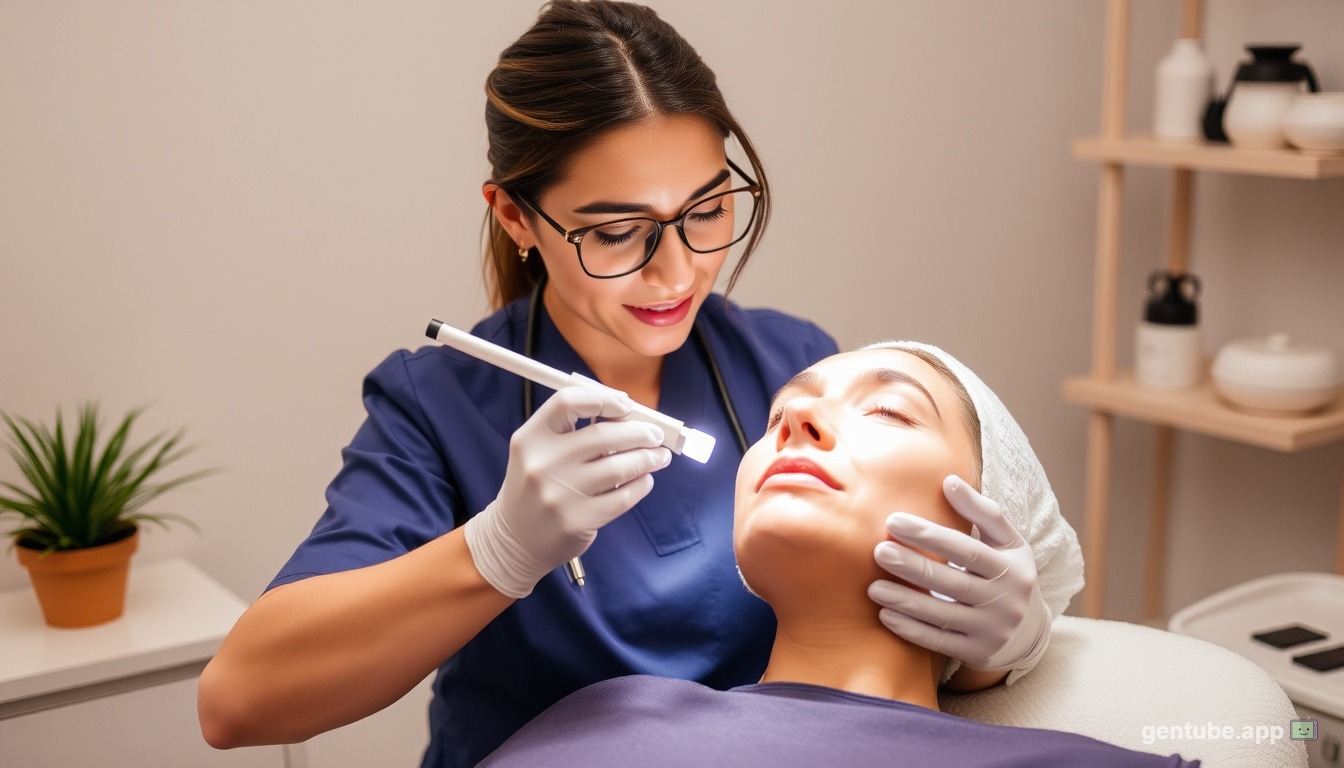
While consistent home care forms the foundation of anti-aging success, certain professional treatments can accelerate results and address concerns that topical products alone cannot effectively treat. These procedures work best when combined with proper at-home skincare rather than used as replacements for daily care.
Chemical Peels
Professional chemical peels use higher concentrations of acids than over-the-counter products to remove damaged skin layers and stimulate new cell growth. They can effectively reduce fine lines, improve skin texture, even out pigmentation, and enhance overall radiance. The strength and type of peel should be tailored to your skin type and concerns, with lighter peels requiring more frequent treatments and deeper peels providing longer-lasting results.
Laser Treatments
Laser therapies target specific skin concerns with precision. Fractional lasers create microscopic treatment zones that stimulate collagen production while leaving surrounding tissue intact for faster healing. IPL (intense pulsed light) treatments address pigmentation issues and redness. These treatments typically require multiple sessions for optimal results and work best when combined with consistent home care.
Microneedling
This procedure uses tiny needles to create controlled micro-injuries that trigger the skin's natural healing response and collagen production. When combined with topical treatments (like vitamin C or growth factors), microneedling can enhance product absorption and improve treatment effectiveness for fine lines, texture, and mild scarring.
Important Considerations: Professional treatments should complement, not replace, daily skincare. Results depend heavily on maintaining proper home care before and after procedures. Always choose qualified, experienced practitioners and follow post-treatment care instructions carefully.
Injectables
While not strictly anti-aging treatments, Botox and dermal fillers can address specific concerns like dynamic wrinkles and volume loss. These work best when combined with preventive skincare rather than used as standalone solutions. Many dermatologists recommend starting with comprehensive skincare before considering injectables.
Timeline and Expectations
Most professional treatments require multiple sessions spaced several weeks apart for optimal results. Initial improvements may be visible within 1-2 weeks, but full benefits typically develop over 2-3 months. Maintenance treatments are usually needed to sustain results, with frequency depending on the specific treatment and individual factors.
Common Anti-Aging Mistakes That Sabotage Results
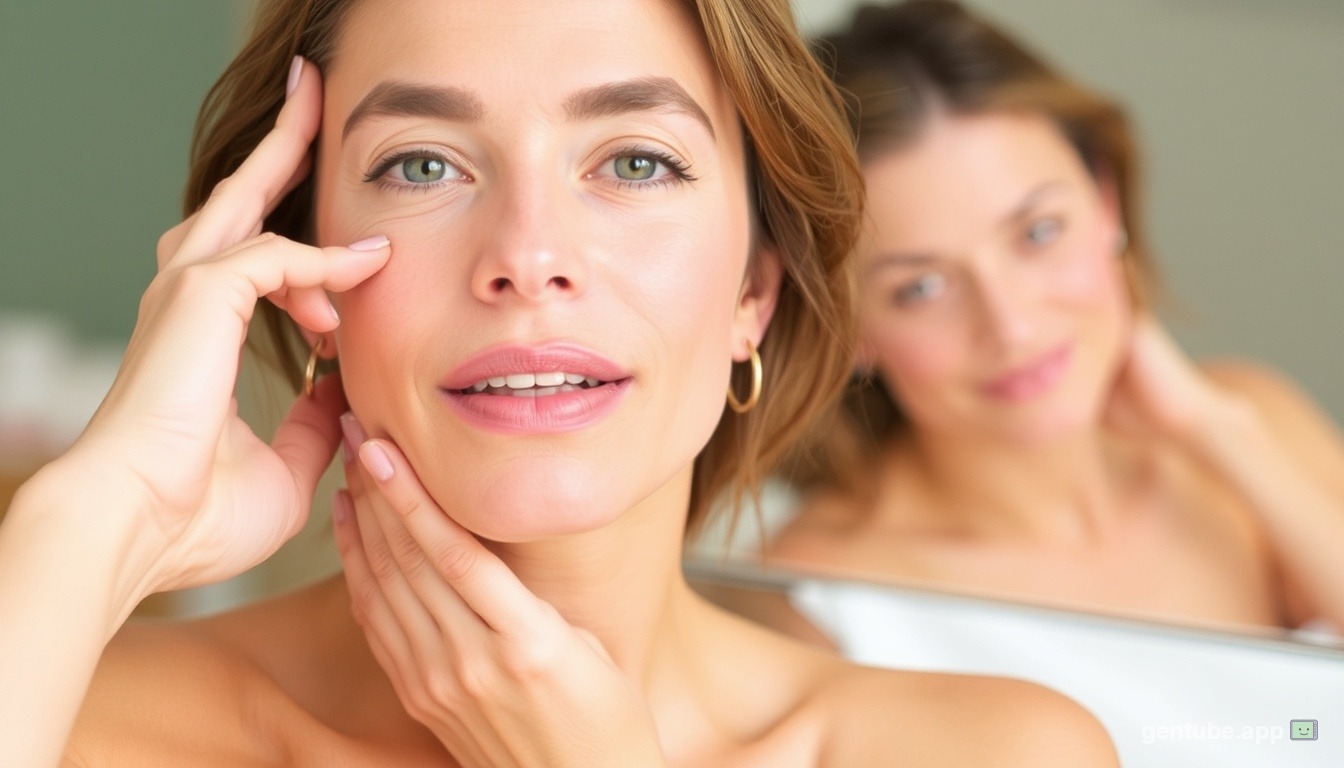
Even with the best intentions, many people unknowingly sabotage their anti-aging efforts through common mistakes that prevent products from working effectively. Understanding these pitfalls can help you avoid frustration and achieve better results from your skincare investment.
1. Inconsistent Sun Protection
Skipping sunscreen on cloudy days, in winter, or indoors undermines all other anti-aging efforts. UV damage occurs year-round and through windows, making daily protection non-negotiable. Even the most effective anti-aging products cannot counteract ongoing sun damage.
2. Expecting Immediate Results
Realistic expectations are crucial for anti-aging success. Most proven ingredients require 6-12 weeks of consistent use before visible improvements appear. Switching products too frequently prevents any single ingredient from working effectively and can irritate the skin.
3. Overcomplicating the Routine
Using too many active ingredients simultaneously can overwhelm the skin and cause irritation without improving results. Focus on 2-3 proven actives rather than trying every trendy product. Quality and consistency beat quantity every time.
4. Ignoring Skin Barrier Health
Over-exfoliating, using harsh products, or over-cleansing can damage the skin barrier, leading to increased sensitivity, dehydration, and reduced effectiveness of anti-aging products. A healthy skin barrier is essential for proper ingredient absorption and protection.
5. Chasing Marketing Hype
Expensive doesn't equal effective. Many luxury products rely heavily on packaging and marketing rather than proven ingredients. Focus on products with published research supporting their claims rather than celebrity endorsements or fancy packaging.
Red Flag Ingredients: Avoid products containing alcohol, synthetic fragrances, or harsh sulfates that can irritate skin and compromise the barrier. These ingredients often appear in products that prioritize immediate sensory appeal over long-term skin health.
6. Neglecting Professional Guidance
While many anti-aging strategies can be implemented at home, consulting with a dermatologist provides personalized guidance for your specific skin type, concerns, and goals. Professional assessment can identify underlying issues and recommend the most effective approach for your individual needs.
Key Takeaways for Effective Anti-Aging Skincare:
- Sun protection prevents approximately 80% of visible aging and should be your daily foundation
- Retinoids, vitamin C, and peptides are scientifically proven anti-aging ingredients
- Consistency with proven products beats constantly switching to new trends
- Proper skin hydration and barrier function support natural anti-aging processes
- Professional treatments can enhance but not replace consistent daily skincare
Disclaimer: This article provides educational information about anti-aging skincare and should not replace professional dermatological advice. Individual results may vary based on skin type, genetics, and lifestyle factors. Always patch test new products and consult with a qualified dermatologist before starting new skincare routines, especially if you have sensitive skin or existing skin conditions. The information provided is based on current dermatological research but should not substitute for personalized medical guidance.
Frequently Asked Questions
Prevention should start in your 20s with sun protection and gentle skincare. Active anti-aging ingredients can be introduced gradually in your late 20s to early 30s.
While you can't completely reverse aging, consistent proper skincare can significantly improve skin texture, reduce fine lines, and create a more youthful appearance over time.
Most proven anti-aging ingredients require 6-12 weeks of consistent use before visible improvements appear. Retinoids typically show results in 8-12 weeks, while vitamin C may brighten skin tone within 4-6 weeks. Patience and consistency are essential for optimal results.
Yes, but introduce them gradually to avoid irritation. Start with one active ingredient for 2-4 weeks before adding another. Vitamin C works well in the morning, while retinoids are best used at night. Always patch test new combinations and use sunscreen daily.
Not necessarily. Many affordable products contain the same proven ingredients as luxury brands. Focus on products with published research supporting their claims rather than price tags. Ingredients like retinol, vitamin C, and niacinamide are available in effective formulations across all price ranges.
Absolutely, but choose gentler formulations. Start with lower concentrations of actives, use them less frequently (2-3 times per week), and always follow with a soothing moisturizer. Look for products labeled 'sensitive skin' and avoid alcohol, fragrance, and harsh sulfates. Patch testing is especially important for sensitive skin.
Your skincare needs will evolve with age. In your 20s-30s, focus on prevention with sunscreen and gentle actives. Your 40s may require more intensive hydration and collagen-supporting ingredients. Your 50s+ might benefit from additional barrier support and professional treatments. Adjust based on your skin's changing needs rather than chronological age alone.
Absolutely. Sleep quality, stress levels, diet, and exercise significantly impact skin health. Poor sleep accelerates aging, chronic stress breaks down collagen, and inadequate nutrition limits skin's repair capabilities. For optimal anti-aging results, combine consistent skincare with healthy lifestyle habits including 7-9 hours of sleep, stress management, and a diet rich in antioxidants.
Conclusion
Effective anti-aging skincare is about consistency with proven ingredients rather than chasing the latest trends. By focusing on sun protection, evidence-based ingredients, and gentle consistent care, you can maintain healthy, youthful-looking skin throughout your life. The journey toward better skin health requires patience, realistic expectations, and commitment to daily habits that support your skin's natural renewal processes. Start with foundational elements like daily sunscreen and gentle cleansing, then gradually incorporate proven actives as your skin builds tolerance. Remember that skin health is a long-term investment - results develop slowly but create lasting benefits that extend far beyond cosmetic improvements. The most successful anti-aging approach combines consistent daily care with periodic professional treatments and healthy lifestyle habits. Your skin reflects not just the products you use, but your overall approach to self-care and wellness. Consider this journey as an act of self-respect and investment in your future self, where each daily routine contributes to years of healthier, more confident skin. The key is finding a sustainable routine that fits your lifestyle and skin needs, rather than pursuing perfection or following every new trend.
Marwari Luxe Team
Health & Wellness Experts
Our dedicated team of health and wellness professionals committed to providing accurate, research-based information.