Health
4.2K reads
By Salman Marwari2025-03-3012 min read
Mental Health Apps That Are Changing Lives in USA & UK.
Mental HealthAI TherapyWellness AppsDigital Therapy2025USAUK
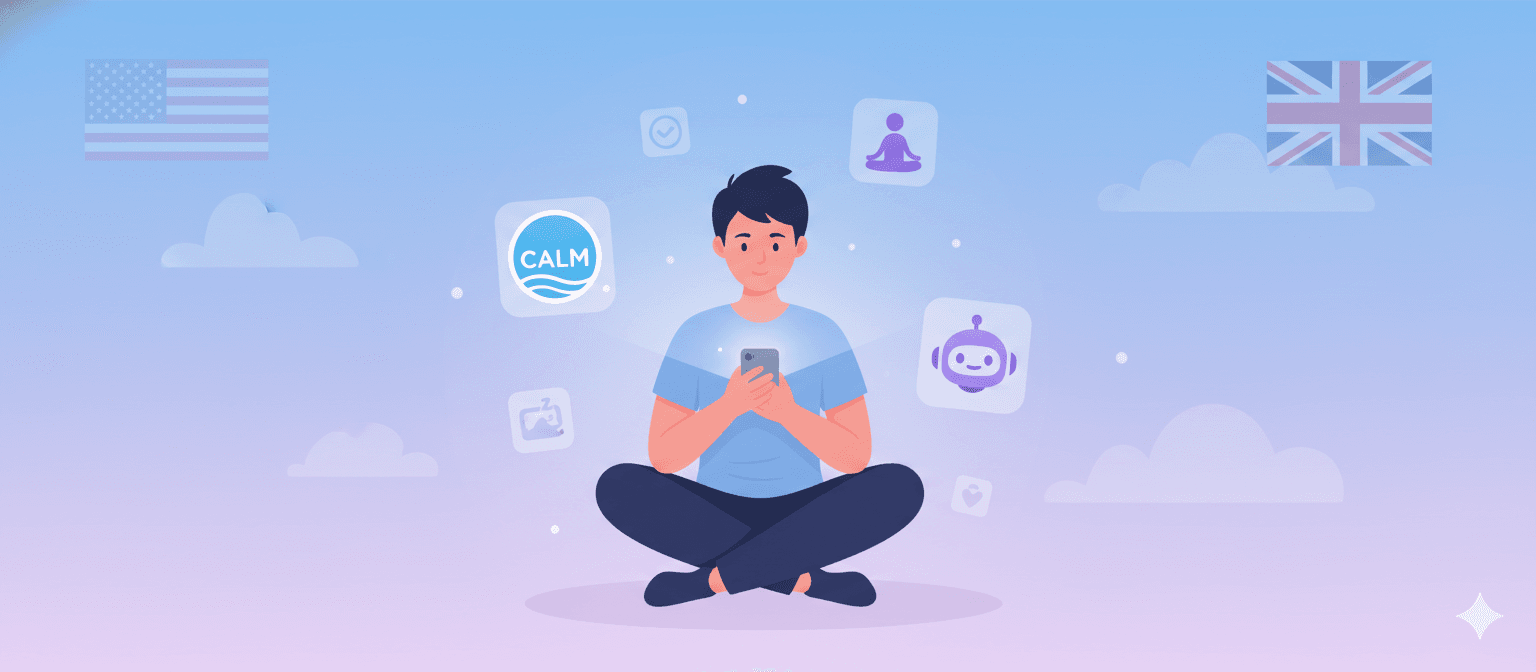
In 2025, mental health is no longer a topic people whisper about — it’s front and center in everyday life. Across the USA and UK, millions are turning to mental health apps not just as a convenience, but as an essential part of their emotional and psychological care. What started as basic meditation or journaling tools a few years ago has evolved into a new kind of therapy — digital, data-driven, and deeply personal.
Here’s the thing: people are more stressed, distracted, and emotionally burnt out than ever. Between constant notifications, global uncertainty, and social isolation, mental well-being has become one of the biggest challenges of modern life. And that’s exactly where AI-powered therapy apps have stepped in. They’ve bridged the gap between traditional counseling and modern convenience, offering support that fits right in your pocket.
Apps like Wysa, BetterHelp, Calm, Headspace, and MindDoc have become digital companions for millions. Whether it’s guided meditation, AI chat therapy, or mood tracking, these tools provide real-time mental and emotional support — anytime, anywhere. For people who can’t afford in-person therapy or prefer privacy, these apps have opened new doors to self-healing and awareness.
In the United States, workplace burnout, anxiety, and depression have become top health issues, especially among young adults. Companies now even include mental health app subscriptions in their employee wellness programs. In the UK, the National Health Service (NHS) has started recommending certain therapy apps as part of official mental health treatment options. That’s how mainstream this movement has become.
But what really makes these apps powerful isn’t just their accessibility — it’s how technology and psychology work together. AI can now detect emotional changes from your tone, message patterns, and even sleep or heart rate data (if synced with wearables). The result? Apps that understand your mood better than you do. They can suggest breathing exercises, calming sounds, or quick reflection prompts the moment you start spiraling.
This new wave of “digital empathy” means emotional care doesn’t have to wait for a therapist’s appointment. You can check in with yourself anytime — during a lunch break, before bed, or even mid-anxiety attack. And unlike older self-help tools, 2025’s apps are designed with deep personalization in mind. The AI adapts to your habits, tracks your emotional progress, and helps build mental resilience over time.
Still, while mental health apps are a huge step forward, they’re not replacements for human connection. The goal isn’t to make technology your therapist — it’s to make it your emotional ally. Used right, these apps can help you reflect, manage your stress, and understand your feelings before they grow into bigger problems.
So, whether you’re struggling with anxiety, burnout, or just trying to stay emotionally balanced in a chaotic world, this guide is for you. We’ll explore the most effective mental health apps of 2025, the science behind them, and how they’re reshaping therapy in the USA and UK.
Mental wellness is no longer something you have to fight alone. The tools to heal, grow, and stay balanced are literally at your fingertips — and they’re smarter than ever.
The year 2025 has marked a turning point in how people across the USA and UK view mental health. What once relied solely on therapy sessions and counseling offices has expanded into the digital world — accessible, affordable, and available 24/7. The rise of digital mental health care isn’t just a passing trend; it’s the result of years of innovation, data research, and the growing demand for emotional support that fits modern life.
Here’s what’s happening: therapy is no longer confined to four walls. People are now finding comfort, motivation, and healing through apps, AI companions, and online therapy platforms. The stigma around mental health has weakened as millions realize that reaching for help on your phone is no different than checking your heart rate or tracking your steps.
Across the United States, surveys show that over 60% of adults have tried at least one mental health app in the past year. The reasons are simple — affordability, privacy, and instant access. Traditional therapy can cost hundreds of dollars per session, while apps like BetterHelp or Talkspace offer text-based counseling at a fraction of the price. Meanwhile, AI chatbots like Wysa or Woebot provide daily support through cognitive behavioral therapy (CBT) principles, helping users manage stress, anxiety, and negative thought loops.
In the UK, the mental health revolution has gone one step further. The NHS (National Health Service) now officially endorses and integrates several digital therapy platforms into its system. People can receive remote mental health assessments, guided meditation plans, and digital cognitive therapy programs — all backed by certified professionals. For rural areas or those hesitant to seek in-person help, this accessibility is life-changing.
The COVID-19 pandemic was the spark, but the years that followed proved that digital care works. As people adapted to remote work and virtual communication, they also grew comfortable with digital therapy. And now, with AI-driven insights, these platforms are smarter than ever — learning user behavior, recognizing emotional shifts, and offering personalized solutions.
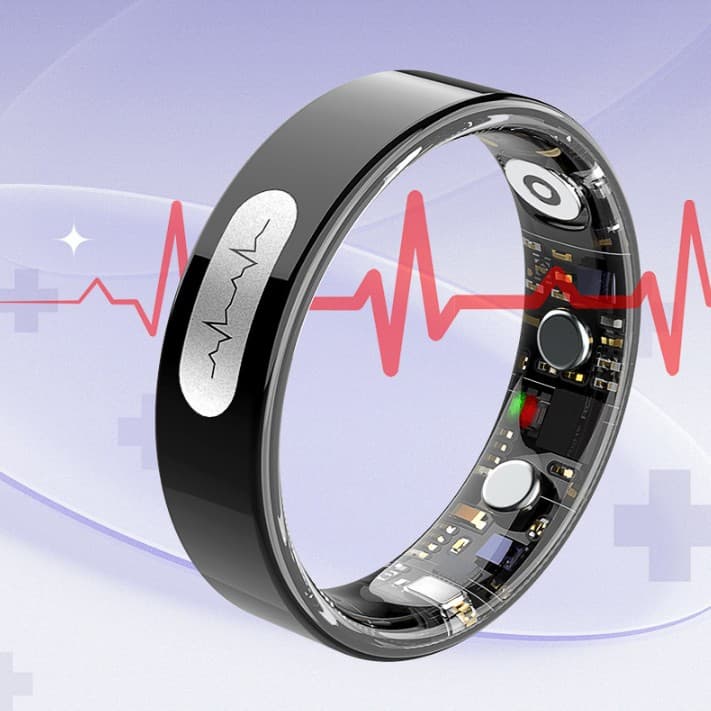
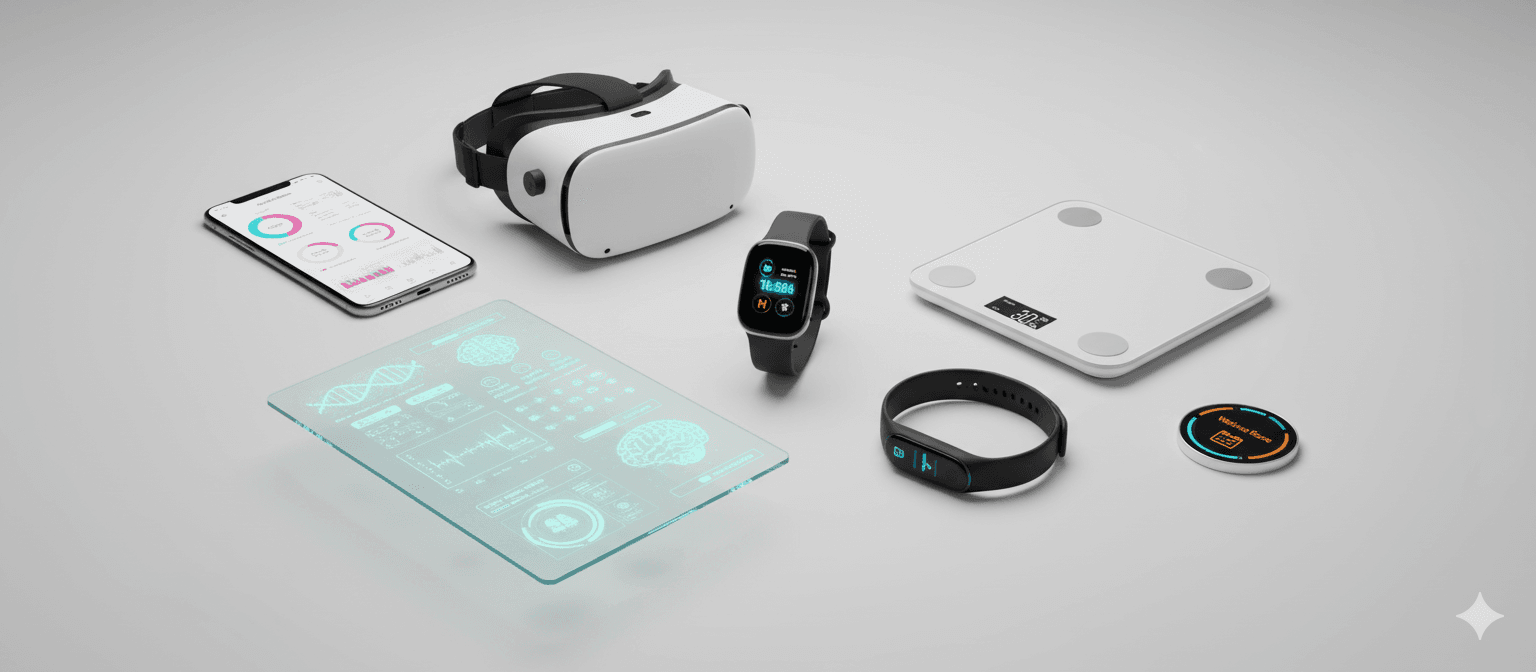
Another major factor is data integration. Many of these apps connect with wearables like smartwatches or fitness trackers, analyzing sleep patterns, heart rate, and stress levels to detect early signs of anxiety or burnout. It’s like having a mini mental health lab on your wrist — quietly monitoring your emotional well-being while you go about your day.
But this growth isn’t just about convenience. It’s part of a deeper social change — a recognition that mental health is as important as physical health. Schools, workplaces, and even insurance companies are now encouraging digital mental health care as a preventive approach, not just a treatment.
In short, 2025 has made mental health support mainstream, measurable, and mobile. The rise of digital therapy means no one has to wait for help — it’s right there, ready to listen and guide you when you need it most.
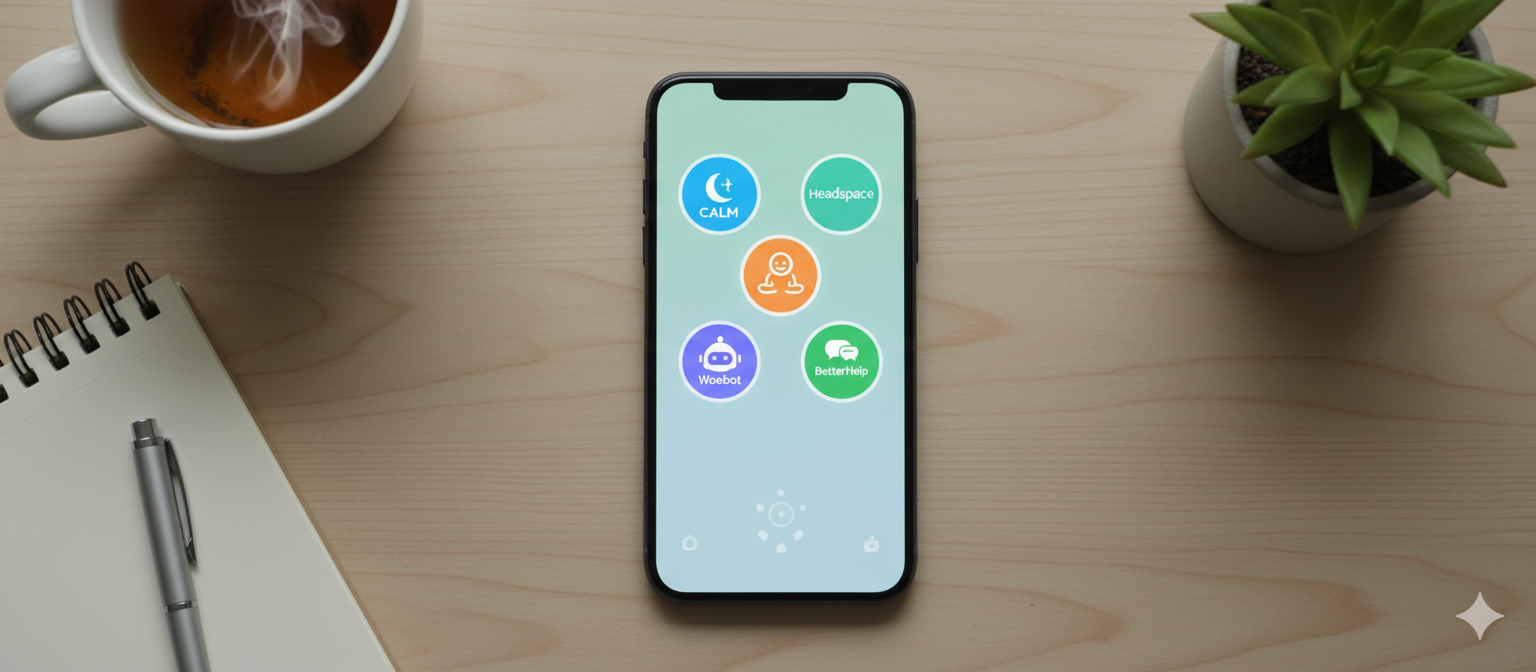
Let’s be honest — mental health support has come a long way. In 2025, we’re seeing a wave of digital innovation that’s making therapy, meditation, and emotional care accessible to anyone with a smartphone. These apps are not just tools; they’re lifelines for millions who need daily support without the barriers of cost, distance, or stigma.
Here are some of the best mental health apps making a real difference in people’s lives across the USA and UK:
Focus: Meditation & Mindfulness
Headspace remains one of the most trusted apps for stress management and better sleep. With guided meditations, calming music, and even short “mental reset” sessions, it helps users build a daily mindfulness routine.
Focus: Anxiety Relief & Sleep
Calm has become a go-to for anyone dealing with anxiety or sleeplessness. Its soothing soundscapes, bedtime stories, and breathing exercises are designed to calm the nervous system and promote emotional balance.
Focus: Online Therapy
BetterHelp connects users to licensed therapists through text, audio, or video sessions. It’s ideal for people who prefer privacy and flexibility without compromising professional support.
Focus: AI-Powered Emotional Support
Woebot uses AI to chat with users, helping them process emotions and manage negative thoughts using principles from CBT (Cognitive Behavioral Therapy). It’s like having a mental health companion that’s available 24/7.
Focus: Mood Tracking & Mental Fitness
Moodfit helps users track emotions, sleep, and exercise to identify what affects their mood. Its analytics-driven approach empowers users to understand their mental health patterns better.
Focus: Therapy & Counseling
Talkspace offers online therapy with licensed professionals for anxiety, depression, and relationship issues. It’s widely used in both the USA and UK for its secure, flexible, and affordable approach.
These platforms prove that technology, when designed with empathy, can genuinely change how we care for our minds.
Here’s the thing — Artificial Intelligence isn’t just about robots or automation anymore. In 2025, AI has stepped into one of the most human areas possible: mental health care. And it’s doing something extraordinary — helping people manage emotions, stress, and anxiety in ways that feel personal and accessible.
AI-driven mental health tools are changing how support works. Instead of waiting for a therapist’s appointment or feeling isolated during tough moments, users now have 24/7 access to empathetic, data-driven guidance through apps and chatbots.
Let’s break down how AI is shaping this space:
Apps like Woebot and Wysa use natural language processing (NLP) to chat with users like real humans. They detect emotional cues in your text, offer comforting responses, and guide you through evidence-based coping techniques like CBT (Cognitive Behavioral Therapy).
AI tools analyze your behavior — sleep patterns, mood logs, heart rate, even voice tone — to give insights into your emotional well-being. This data helps users understand their triggers and build healthier habits tailored to their lifestyle.
AI systems can flag potential signs of depression, anxiety, or burnout before they escalate. For instance, apps like Mindstrong and Youper track behavioral changes and notify users to seek professional help if needed.
Millions struggle to find therapists due to cost, stigma, or availability. AI tools fill that gap by offering conversational support, daily check-ins, and progress tracking — making mental health care more inclusive and affordable.
AI doesn’t replace therapists — it enhances them. By handling routine monitoring and data collection, AI allows professionals to focus on what matters most: human connection and deeper therapeutic care.
In short, AI isn’t here to replace compassion — it’s here to scale it. The combination of technology and psychology is making emotional care more personal, consistent, and available than ever before.
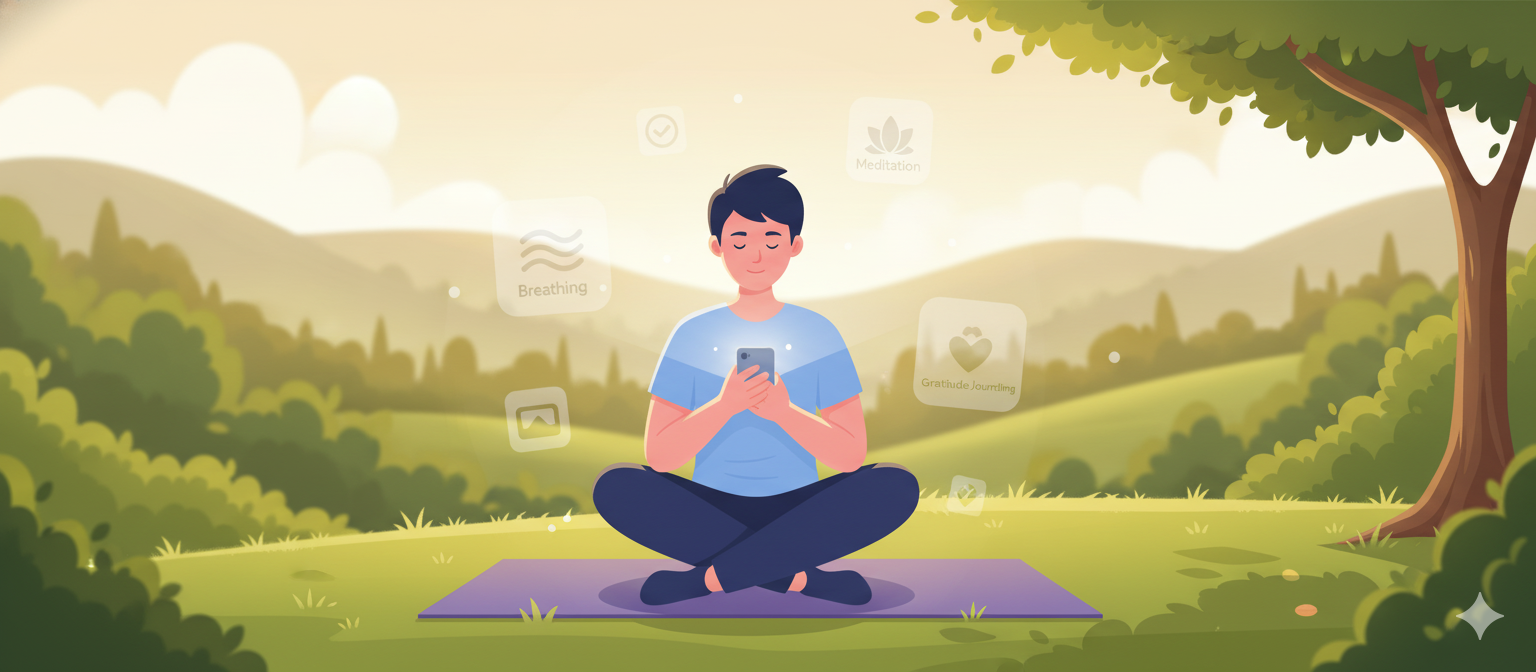
Using mental health apps isn’t just a trend anymore — it’s a lifestyle upgrade. The more consistently you use them, the more they help your mind stay balanced, focused, and calm. These apps don’t just provide quick relief; they build long-term mental fitness, the same way regular exercise strengthens your body.
Let’s break down what consistent use actually does for you:
When you log your thoughts, moods, and habits regularly, apps start spotting patterns you might miss. Maybe you feel anxious every Monday or sleep poorly after scrolling at night — the app tracks that. Over time, this awareness helps you respond early instead of reacting late.
Apps like Headspace or Calm make mindfulness a daily ritual. Regular guided sessions train your brain to slow down racing thoughts and focus better. Just 10 minutes a day can rewire stress responses and improve overall emotional balance.
You don’t always have access to a friend or therapist when anxiety hits — but your app is right there. AI-based companions such as Wysa or Youper give quick, structured coping exercises whenever you need them. That kind of accessibility builds emotional resilience over time.
Many apps visualize your growth — how your stress levels, sleep, or mood have improved over weeks. Seeing that progress feels rewarding and keeps you motivated to continue the routine.
Consistent meditation, relaxation sounds, and breathing tools enhance sleep quality and concentration. These apps help quiet your mind before bed and sharpen focus during the day — key elements of mental clarity and productivity.
If you’re already seeing a therapist, using a mental health app between sessions can help you stay accountable. The notes, progress logs, and daily reflections give your therapist a clearer picture of your real-life patterns.
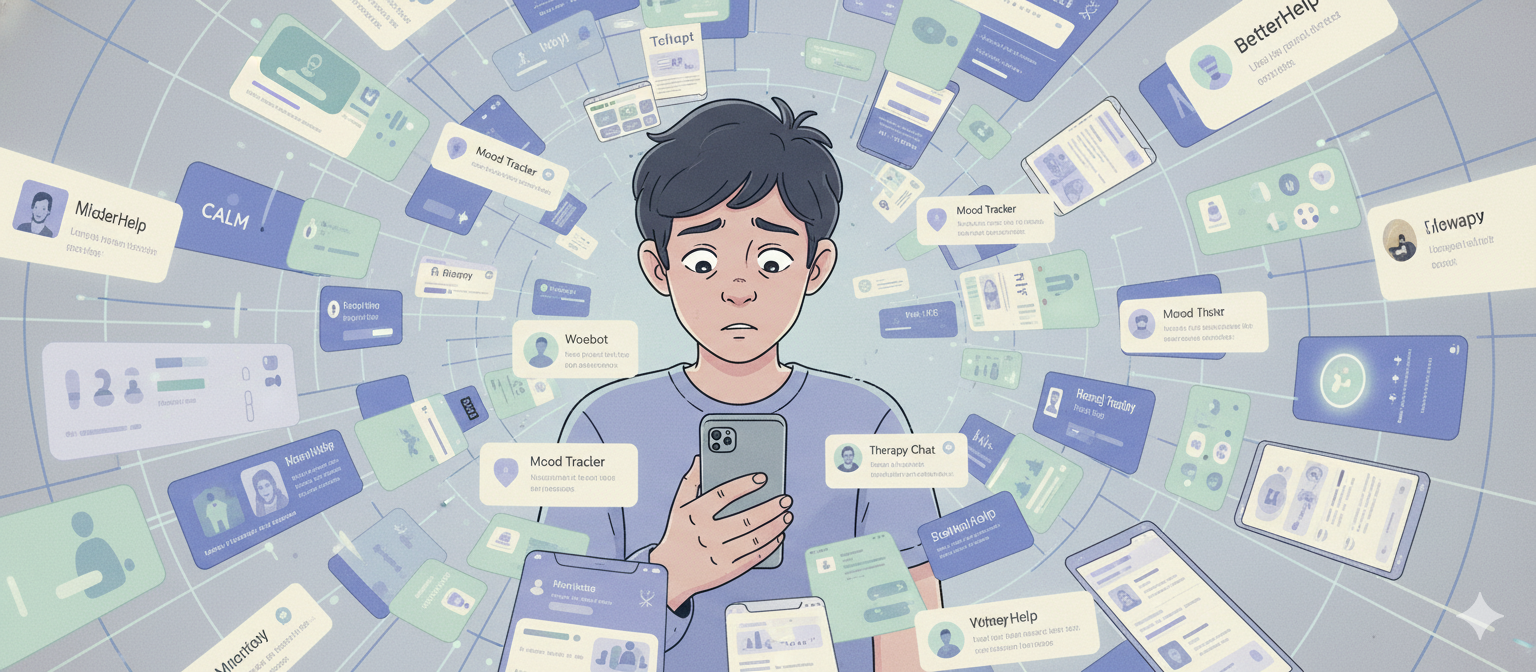
Mental health apps can be life-changing — but only if you use them the right way. Many people download these apps with good intentions, start strong for a few days, and then lose momentum. Others expect instant results or misunderstand how these tools are meant to work.
Here’s what often goes wrong (and how you can fix it):
Mental health doesn’t shift overnight. Many users expect to feel better after a few sessions and quit when they don’t. These apps work gradually — the goal is small, consistent emotional improvements, not a miracle fix. Think of them as mental fitness trainers, not magic pills.
It’s tempting to download five different mental health apps — one for sleep, one for mood, one for meditation — but this creates confusion. Each app has its own system and data tracking. Stick with one or two trusted apps and master their features instead of juggling too many.
Most modern apps (like Youper, Headspace, or Moodpath) allow you to personalize your goals, notification frequency, and focus areas. Many people skip this setup, leading to irrelevant advice or reminders that don’t fit their routine. Spend 5 minutes adjusting preferences — it makes the experience far more effective.
A mental health app is only as accurate as the data you feed it. If you skip mood logs, reflection prompts, or sleep tracking, the app can’t help you identify triggers or patterns. Daily check-ins (even 2 minutes long) make a massive difference in insights.
Some people open the app only when they’re feeling anxious or low. The real benefit comes from using it before stress hits — building resilience in advance. Treat it like brushing your teeth: a small habit that prevents bigger problems later.
Apps collect sensitive emotional data. Yet most users never read the privacy policy or adjust permissions. Always check what’s being tracked, where it’s stored, and whether the data is encrypted — especially if you’re syncing across devices.
These tools are excellent companions, but they’re not a replacement for therapy or medical care. If you’re struggling with severe anxiety, depression, or trauma, the app should support — not substitute — professional treatment.
The bottom line? Mental health apps work best when used consistently, thoughtfully, and alongside real self-care. Use them as tools for awareness, not shortcuts to emotional healing.
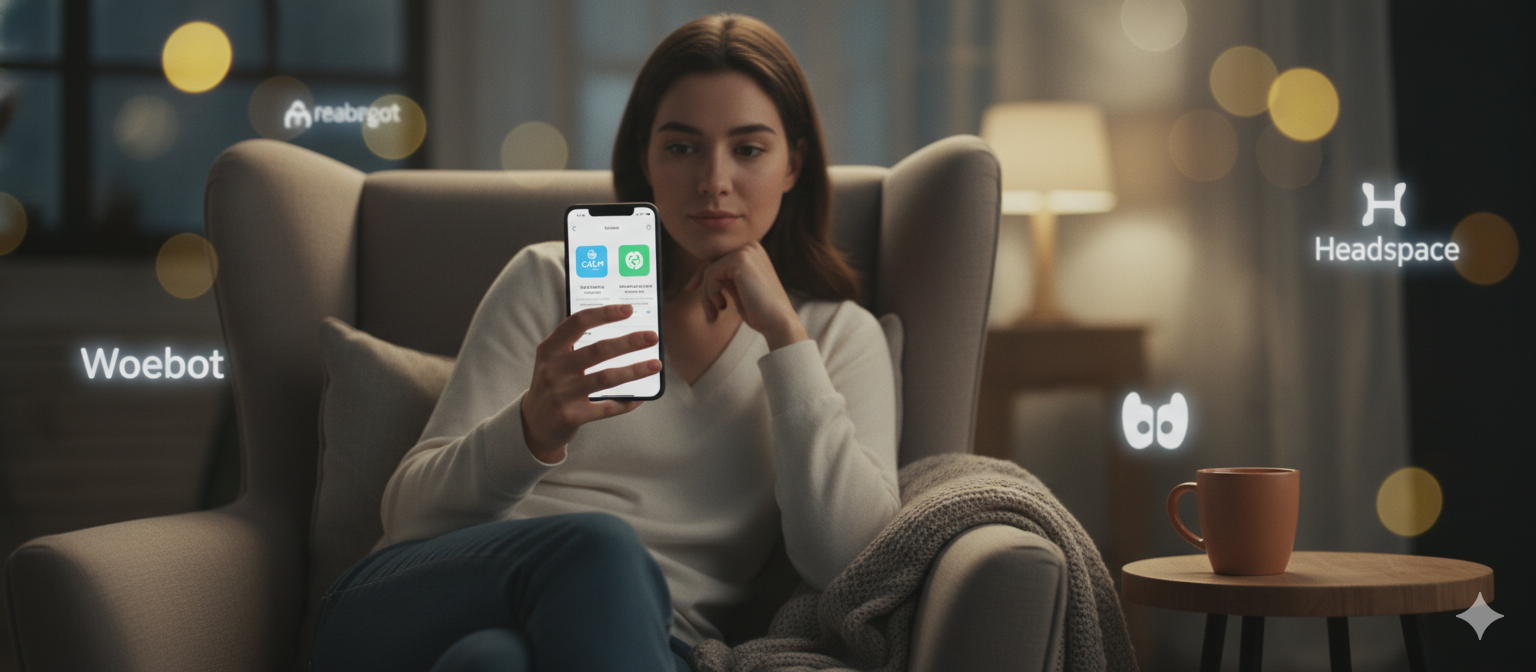
Not every mental health app fits every person — and that’s exactly where most people go wrong. The right app should feel like a personal coach that understands your emotional goals, daily habits, and lifestyle, not just another notification on your phone.
Here’s how to pick one that actually helps you grow mentally and emotionally:
Before searching the App Store, ask yourself why you want the app.
Do you need help managing anxiety, improving sleep, tracking moods, or staying consistent with mindfulness?
Apps like Calm and Headspace are perfect for stress and focus, while Wysa or Youper excel in conversational emotional support.
Knowing your goal saves you from wasting time testing dozens of random apps.
A good mental health app should be based on proven psychological principles such as Cognitive Behavioral Therapy (CBT), mindfulness, or acceptance-based therapy.
Apps like MoodMission and Sanvello have psychologists and researchers on board — always check if the app’s website lists clinical advisors or published studies.
The best 2025 apps use AI-driven emotional tracking. These tools adapt to your progress, daily stress levels, and journal entries.
For example, Youper’s chatbot adjusts its tone and recommendations based on your responses. This kind of personalization keeps you engaged and makes emotional insights more relevant.
If the interface feels cluttered, confusing, or overwhelming, you won’t stick with it.
The most effective mental health apps are simple, calming, and intuitive.
You should be able to start a meditation, check your daily mood log, or access breathing exercises within a few taps.
App ratings can be misleading. Look for real user experiences — Reddit communities, mental health forums, or app store reviews that mention long-term use.
If people say, “This app helped me stay consistent for months,” that’s a green flag. If they mention “too many ads” or “forced subscriptions,” avoid it.
You’re sharing sensitive mental and emotional information, so privacy matters.
Make sure the app uses end-to-end encryption and clearly explains how your data is stored or shared.
Avoid any app that asks for unnecessary permissions (like access to contacts or location) without a clear purpose.
Most premium mental health apps offer free trials — use them.
Test how the app fits into your daily routine for at least a week. If you don’t feel comfortable opening it daily, it’s probably not the right fit.
The right app doesn’t just soothe you temporarily — it helps you understand yourself.
Look for apps that visualize your emotional growth through progress graphs, journaling insights, or AI summaries.
If it helps you track triggers, notice patterns, and build coping strategies — you’ve found a keeper.
The best mental health app feels like a supportive friend — grounded in science, respectful of your privacy, and designed to help you improve one step at a time. Don’t just download what’s trending — choose what truly understands you.
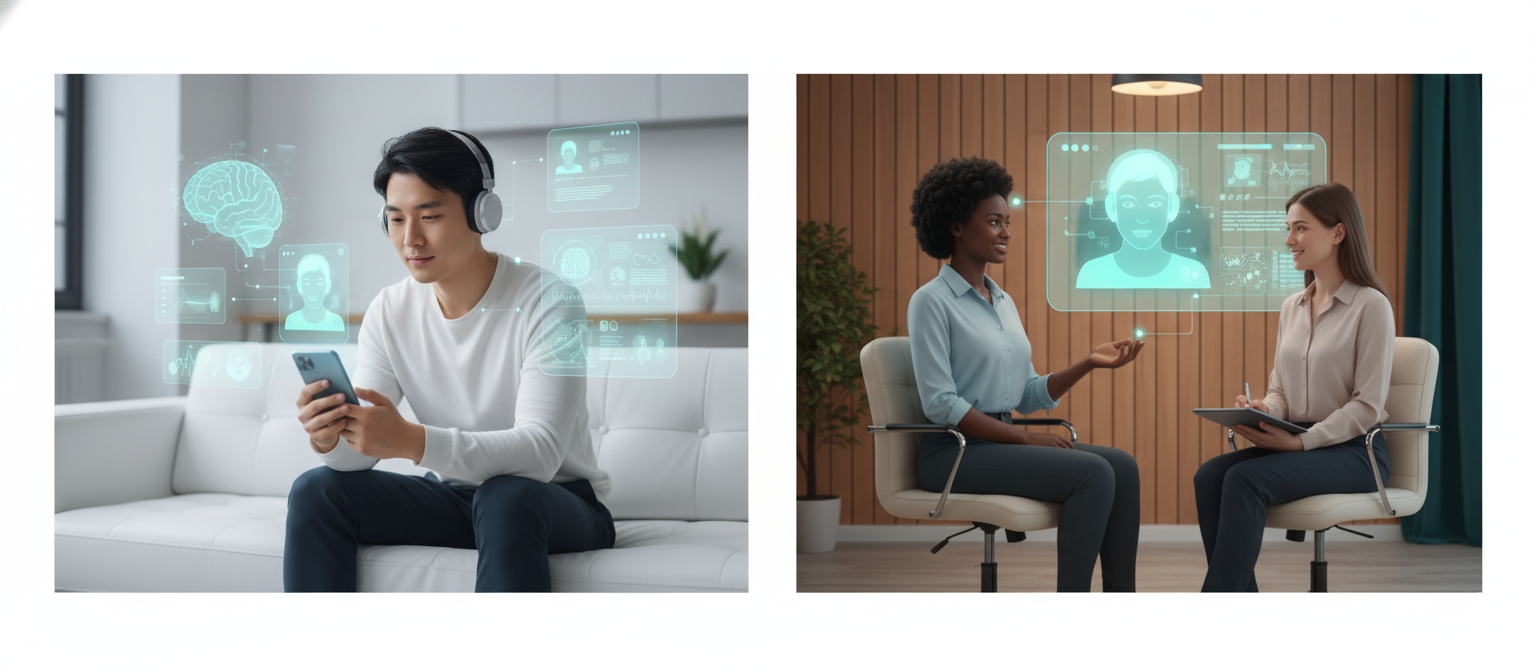
In 2025, a growing body of research is showing that digital therapy (online modules, app-based CBT, teletherapy, AI chatbots) is no longer just a convenience—it often performs on par with traditional in-person counseling for many common mental health conditions.
Studies published this year found that for mild to moderate depression and anxiety, digital therapy yields results similar to face-to-face therapy. One such study in Mathews Journal of Nursing & Care reviewed multiple platforms offering online CBT and teletherapy. It concluded that these digital interventions produced clinical outcomes comparable to traditional therapy for symptoms of anxiety and depression.
(Mathews Open Access)
A large randomized trial published in BMC Psychiatry compared virtual and in-person CBT sessions. It found that virtual CBT was nearly as effective in reducing depressive symptoms and anxiety, especially when guided by trained therapists, and with good patient engagement. Users reported satisfaction levels that closely matched those of traditional therapy.
(BioMed Central)
There’s also evidence that AI or chatbot-based emotional support tools are becoming more credible. A systematic review on the therapeutic efficacy of AI-based counseling for anxiety & depression found that combining such tools with human oversight (or integrating them as adjuncts to therapy) significantly helps reduce symptoms.
()
Another study asked therapists to evaluate transcripts of human‐AI vs human-human therapy; many could not reliably tell them apart, suggesting that at least for exploration or early-stage support, AI can mimic key elements of traditional counseling.
(Taylor & Francis Online)
Digital therapy shines in areas where traditional therapy struggles:
People in rural areas, busy schedules, or those who can’t afford frequent in-person sessions are benefitting from online options. As studies show, digital therapy reduces barriers like travel and waiting times.
9SAGE Journals)
Apps and teletherapy allow users to access support whenever they need it, often asynchronously or at times that suit their routine.
This isn’t to say digital therapy is better in all cases. Research reveals limits:
Severe mental illnesses (e.g. bipolar disorder, complex PTSD) often require in-person interaction.
Developing a deep therapeutic alliance (trust, reading non-verbal cues) is sometimes harder online.
Drop-off in user engagement (people abandoning apps) remains a challenge.
(Mathews Open Access)
For many people, digital therapy in 2025 is a strong alternative to traditional counseling—especially for mild to moderate anxiety, depression, or stress. It offers comparable outcomes, greater access, and flexibility. Traditional therapy still holds value for more complex or severe conditions, or where personal connection matters most.
When choosing, consider your condition’s severity, how important face-to-face interaction is to you, and whether you can maintain consistent use of a digital platform.
Let’s tackle some of the most asked questions about mental health apps and digital therapy tools in 2025 — based on user data, expert opinions, and scientific insights.
Yes — most reputable mental health apps in 2025 follow HIPAA and GDPR compliance for data security. Apps like BetterHelp, Wysa, Headspace, and Calm use end-to-end encryption to protect conversations and personal health data. Always check for certifications and clinical partnerships before signing up.
Not entirely. Apps are great for managing stress, anxiety, and mood tracking, but they’re not replacements for licensed professionals in serious mental health cases (like severe depression or PTSD). Think of them as supportive tools, not full substitutes.
AI chatbots like Wysa, Woebot, and Replika use cognitive behavioral therapy (CBT) frameworks to guide users. Studies in 2025 show that these bots can reduce mild anxiety and loneliness when used regularly. However, they work best when combined with human counseling or professional supervision.
Transparent privacy policy
Licensed therapists or evidence-based tools
Positive clinical trial results
Customization for your symptoms (sleep, anxiety, focus, etc.)
Offline accessibility and progress tracking features
Yes, but with moderation. Many apps like MindShift CBT or Calm Kids are designed for teens, while SilverCloud and Moodfit work well for adults and seniors. Parents should review app content for younger users.
Most apps offer free basic features and premium subscriptions ranging from $5 to $50/month, depending on live therapy sessions, advanced AI, or guided courses.
Yes — combining a mindfulness app (like Calm) with a mood tracker (like Daylio) or therapy platform (like BetterHelp) can give you a complete mental health ecosystem. Just don’t overwhelm yourself — choose 2–3 apps that genuinely fit your needs.
Top-rated options include:
Most modern apps integrate AI-based progress tracking, offering insights into your mood, activity, sleep, and journaling patterns. You’ll receive weekly summaries and emotional trend reports — helping you visualize improvement.
AI-driven personalization and biofeedback integration are the next steps. Expect real-time stress detection, EEG-based mood monitoring, and AR-based therapy environments to become more common by 2026.

Here’s the truth — mental health in 2025 isn’t just about therapy rooms and appointments anymore. It’s about access, awareness, and personalization. Technology has stepped in not to replace human empathy, but to extend it.
When you use a mental health app mindfully, you’re not escaping reality — you’re learning how to navigate it better. These tools give you structure when your thoughts feel scattered, reminders when you forget to care for yourself, and a sense of connection when you feel alone. That’s powerful.
The beauty of digital therapy lies in its 24/7 availability. Whether you’re in the US, UK, or anywhere else, help is now just a few taps away. AI-based mood tracking, mindfulness exercises, and guided CBT sessions are bridging the gap between traditional care and modern life. It’s not about replacing therapists — it’s about making emotional healing more inclusive and consistent.
The future of mental wellness will continue blending science, compassion, and data. With smart algorithms analyzing our behavior patterns and therapists guiding emotional recovery, we’re heading toward a world where mental health becomes proactive, not reactive.
So if you’ve been hesitating to try a mental health app, now’s the time. Choose one that aligns with your goals, use it with intention, and pair it with real human interaction. Because when technology meets empathy, healing becomes more than possible — it becomes personal.
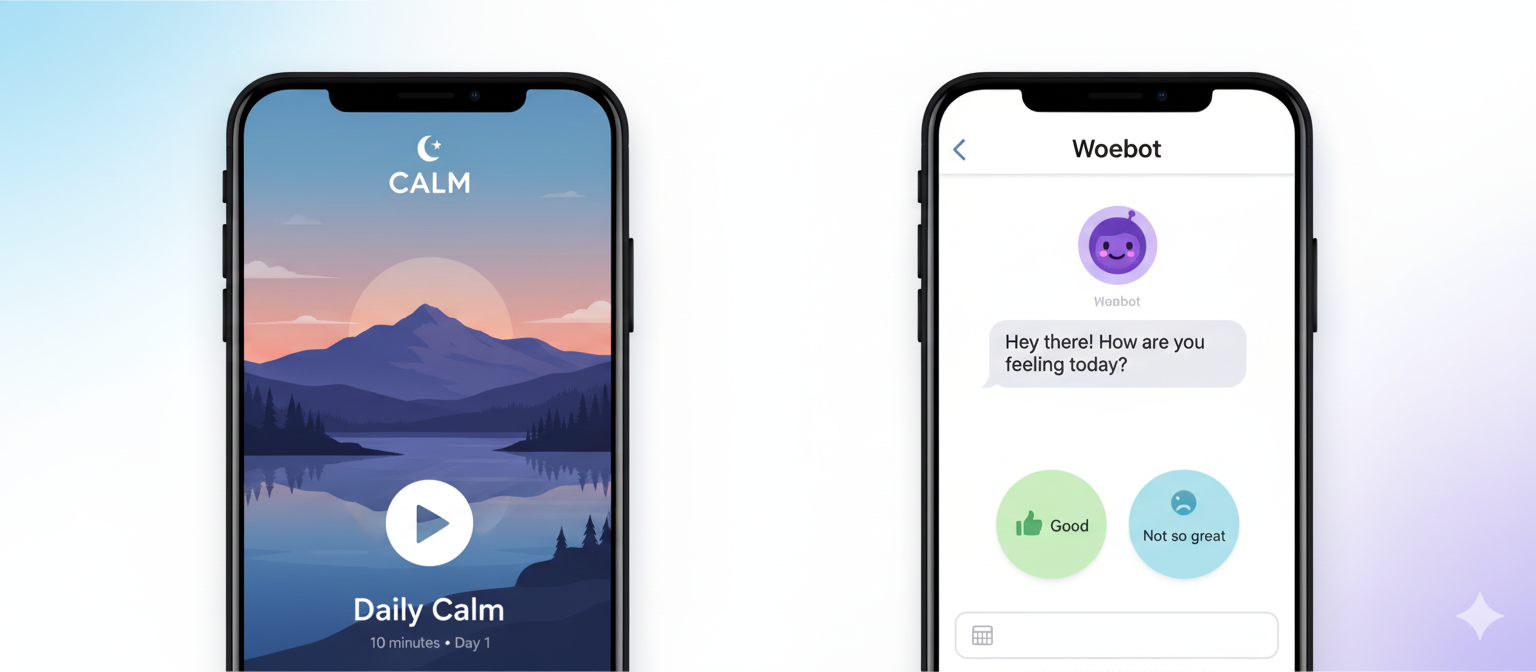
If you’re ready to start improving your mental well-being, we’ve selected two trusted apps that blend science, AI, and psychology beautifully. These tools are designed to help you manage stress, anxiety, and emotional balance effectively.
Calm has become one of the most downloaded wellness apps in the US and UK for a reason. It’s perfect for anyone struggling with stress, overthinking, or sleep issues. The app offers guided meditations, soothing soundscapes, and daily breathing sessions that train your brain to slow down and reset.
Woebot is like having a friendly therapist in your pocket. Built on principles of Cognitive Behavioral Therapy (CBT), it helps you track emotions, recognize thought patterns, and manage negative self-talk.
You can also use this Mental Health Progress Tracker
to monitor your daily moods and see patterns over time.
mental health apps 2025, best therapy apps USA, UK wellness apps, AI therapy tools, depression and anxiety apps, mindfulness technology, mental health trackers, self-care apps, therapy AI assistants, emotional health support
Here’s the thing: people are more stressed, distracted, and emotionally burnt out than ever. Between constant notifications, global uncertainty, and social isolation, mental well-being has become one of the biggest challenges of modern life. And that’s exactly where AI-powered therapy apps have stepped in. They’ve bridged the gap between traditional counseling and modern convenience, offering support that fits right in your pocket.
Apps like Wysa, BetterHelp, Calm, Headspace, and MindDoc have become digital companions for millions. Whether it’s guided meditation, AI chat therapy, or mood tracking, these tools provide real-time mental and emotional support — anytime, anywhere. For people who can’t afford in-person therapy or prefer privacy, these apps have opened new doors to self-healing and awareness.
In the United States, workplace burnout, anxiety, and depression have become top health issues, especially among young adults. Companies now even include mental health app subscriptions in their employee wellness programs. In the UK, the National Health Service (NHS) has started recommending certain therapy apps as part of official mental health treatment options. That’s how mainstream this movement has become.
But what really makes these apps powerful isn’t just their accessibility — it’s how technology and psychology work together. AI can now detect emotional changes from your tone, message patterns, and even sleep or heart rate data (if synced with wearables). The result? Apps that understand your mood better than you do. They can suggest breathing exercises, calming sounds, or quick reflection prompts the moment you start spiraling.
This new wave of “digital empathy” means emotional care doesn’t have to wait for a therapist’s appointment. You can check in with yourself anytime — during a lunch break, before bed, or even mid-anxiety attack. And unlike older self-help tools, 2025’s apps are designed with deep personalization in mind. The AI adapts to your habits, tracks your emotional progress, and helps build mental resilience over time.
Still, while mental health apps are a huge step forward, they’re not replacements for human connection. The goal isn’t to make technology your therapist — it’s to make it your emotional ally. Used right, these apps can help you reflect, manage your stress, and understand your feelings before they grow into bigger problems.
So, whether you’re struggling with anxiety, burnout, or just trying to stay emotionally balanced in a chaotic world, this guide is for you. We’ll explore the most effective mental health apps of 2025, the science behind them, and how they’re reshaping therapy in the USA and UK.
Mental wellness is no longer something you have to fight alone. The tools to heal, grow, and stay balanced are literally at your fingertips — and they’re smarter than ever.
The Rise of Digital Mental Health Care in 2025
The year 2025 has marked a turning point in how people across the USA and UK view mental health. What once relied solely on therapy sessions and counseling offices has expanded into the digital world — accessible, affordable, and available 24/7. The rise of digital mental health care isn’t just a passing trend; it’s the result of years of innovation, data research, and the growing demand for emotional support that fits modern life.
Here’s what’s happening: therapy is no longer confined to four walls. People are now finding comfort, motivation, and healing through apps, AI companions, and online therapy platforms. The stigma around mental health has weakened as millions realize that reaching for help on your phone is no different than checking your heart rate or tracking your steps.
Across the United States, surveys show that over 60% of adults have tried at least one mental health app in the past year. The reasons are simple — affordability, privacy, and instant access. Traditional therapy can cost hundreds of dollars per session, while apps like BetterHelp or Talkspace offer text-based counseling at a fraction of the price. Meanwhile, AI chatbots like Wysa or Woebot provide daily support through cognitive behavioral therapy (CBT) principles, helping users manage stress, anxiety, and negative thought loops.
In the UK, the mental health revolution has gone one step further. The NHS (National Health Service) now officially endorses and integrates several digital therapy platforms into its system. People can receive remote mental health assessments, guided meditation plans, and digital cognitive therapy programs — all backed by certified professionals. For rural areas or those hesitant to seek in-person help, this accessibility is life-changing.
The COVID-19 pandemic was the spark, but the years that followed proved that digital care works. As people adapted to remote work and virtual communication, they also grew comfortable with digital therapy. And now, with AI-driven insights, these platforms are smarter than ever — learning user behavior, recognizing emotional shifts, and offering personalized solutions.
Another major factor is data integration. Many of these apps connect with wearables like smartwatches or fitness trackers, analyzing sleep patterns, heart rate, and stress levels to detect early signs of anxiety or burnout. It’s like having a mini mental health lab on your wrist — quietly monitoring your emotional well-being while you go about your day.
But this growth isn’t just about convenience. It’s part of a deeper social change — a recognition that mental health is as important as physical health. Schools, workplaces, and even insurance companies are now encouraging digital mental health care as a preventive approach, not just a treatment.
In short, 2025 has made mental health support mainstream, measurable, and mobile. The rise of digital therapy means no one has to wait for help — it’s right there, ready to listen and guide you when you need it most.
Top Mental Health Apps Transforming Lives in 2025
Let’s be honest — mental health support has come a long way. In 2025, we’re seeing a wave of digital innovation that’s making therapy, meditation, and emotional care accessible to anyone with a smartphone. These apps are not just tools; they’re lifelines for millions who need daily support without the barriers of cost, distance, or stigma.
Here are some of the best mental health apps making a real difference in people’s lives across the USA and UK:
1. Headspace
Focus: Meditation & Mindfulness
Headspace remains one of the most trusted apps for stress management and better sleep. With guided meditations, calming music, and even short “mental reset” sessions, it helps users build a daily mindfulness routine.
2. Calm
Focus: Anxiety Relief & Sleep
Calm has become a go-to for anyone dealing with anxiety or sleeplessness. Its soothing soundscapes, bedtime stories, and breathing exercises are designed to calm the nervous system and promote emotional balance.
3. BetterHelp
Focus: Online Therapy
BetterHelp connects users to licensed therapists through text, audio, or video sessions. It’s ideal for people who prefer privacy and flexibility without compromising professional support.
4. Woebot
Focus: AI-Powered Emotional Support
Woebot uses AI to chat with users, helping them process emotions and manage negative thoughts using principles from CBT (Cognitive Behavioral Therapy). It’s like having a mental health companion that’s available 24/7.
5. Moodfit
Focus: Mood Tracking & Mental Fitness
Moodfit helps users track emotions, sleep, and exercise to identify what affects their mood. Its analytics-driven approach empowers users to understand their mental health patterns better.
6. Talkspace
Focus: Therapy & Counseling
Talkspace offers online therapy with licensed professionals for anxiety, depression, and relationship issues. It’s widely used in both the USA and UK for its secure, flexible, and affordable approach.
These platforms prove that technology, when designed with empathy, can genuinely change how we care for our minds.
The Role of AI in Mental Health Support
Here’s the thing — Artificial Intelligence isn’t just about robots or automation anymore. In 2025, AI has stepped into one of the most human areas possible: mental health care. And it’s doing something extraordinary — helping people manage emotions, stress, and anxiety in ways that feel personal and accessible.
AI-driven mental health tools are changing how support works. Instead of waiting for a therapist’s appointment or feeling isolated during tough moments, users now have 24/7 access to empathetic, data-driven guidance through apps and chatbots.
Let’s break down how AI is shaping this space:
1. Real-Time Emotional Support
Apps like Woebot and Wysa use natural language processing (NLP) to chat with users like real humans. They detect emotional cues in your text, offer comforting responses, and guide you through evidence-based coping techniques like CBT (Cognitive Behavioral Therapy).
2. Personalized Mental Health Insights
AI tools analyze your behavior — sleep patterns, mood logs, heart rate, even voice tone — to give insights into your emotional well-being. This data helps users understand their triggers and build healthier habits tailored to their lifestyle.
3. Early Detection of Mental Health Issues
AI systems can flag potential signs of depression, anxiety, or burnout before they escalate. For instance, apps like Mindstrong and Youper track behavioral changes and notify users to seek professional help if needed.
4. Bridging the Gap in Therapy Access
Millions struggle to find therapists due to cost, stigma, or availability. AI tools fill that gap by offering conversational support, daily check-ins, and progress tracking — making mental health care more inclusive and affordable.
5. Enhancing Human Therapists’ Work
AI doesn’t replace therapists — it enhances them. By handling routine monitoring and data collection, AI allows professionals to focus on what matters most: human connection and deeper therapeutic care.
In short, AI isn’t here to replace compassion — it’s here to scale it. The combination of technology and psychology is making emotional care more personal, consistent, and available than ever before.
Benefits of Using Mental Health Apps Regularly
Using mental health apps isn’t just a trend anymore — it’s a lifestyle upgrade. The more consistently you use them, the more they help your mind stay balanced, focused, and calm. These apps don’t just provide quick relief; they build long-term mental fitness, the same way regular exercise strengthens your body.
Let’s break down what consistent use actually does for you:
1. Builds Daily Emotional Awareness
When you log your thoughts, moods, and habits regularly, apps start spotting patterns you might miss. Maybe you feel anxious every Monday or sleep poorly after scrolling at night — the app tracks that. Over time, this awareness helps you respond early instead of reacting late.
2. Encourages Positive Habits Through Routine
Apps like Headspace or Calm make mindfulness a daily ritual. Regular guided sessions train your brain to slow down racing thoughts and focus better. Just 10 minutes a day can rewire stress responses and improve overall emotional balance.
3. Offers Immediate Support During Stressful Moments
You don’t always have access to a friend or therapist when anxiety hits — but your app is right there. AI-based companions such as Wysa or Youper give quick, structured coping exercises whenever you need them. That kind of accessibility builds emotional resilience over time.
4. Tracks Progress and Motivation
Many apps visualize your growth — how your stress levels, sleep, or mood have improved over weeks. Seeing that progress feels rewarding and keeps you motivated to continue the routine.
5. Improves Sleep and Focus
Consistent meditation, relaxation sounds, and breathing tools enhance sleep quality and concentration. These apps help quiet your mind before bed and sharpen focus during the day — key elements of mental clarity and productivity.
6. Makes Therapy More Effective
If you’re already seeing a therapist, using a mental health app between sessions can help you stay accountable. The notes, progress logs, and daily reflections give your therapist a clearer picture of your real-life patterns.
The key takeaway?
Consistency beats intensity. You don’t need to spend hours on these apps — just small, regular check-ins can create measurable shifts in mood, clarity, and emotional balance.Common Mistakes People Make When Using Mental Health Apps
Mental health apps can be life-changing — but only if you use them the right way. Many people download these apps with good intentions, start strong for a few days, and then lose momentum. Others expect instant results or misunderstand how these tools are meant to work.
Here’s what often goes wrong (and how you can fix it):
1. Expecting Instant Results
Mental health doesn’t shift overnight. Many users expect to feel better after a few sessions and quit when they don’t. These apps work gradually — the goal is small, consistent emotional improvements, not a miracle fix. Think of them as mental fitness trainers, not magic pills.
2. Using Too Many Apps at Once
It’s tempting to download five different mental health apps — one for sleep, one for mood, one for meditation — but this creates confusion. Each app has its own system and data tracking. Stick with one or two trusted apps and master their features instead of juggling too many.
3. Ignoring Personalization Options
Most modern apps (like Youper, Headspace, or Moodpath) allow you to personalize your goals, notification frequency, and focus areas. Many people skip this setup, leading to irrelevant advice or reminders that don’t fit their routine. Spend 5 minutes adjusting preferences — it makes the experience far more effective.
4. Skipping Daily Check-Ins
A mental health app is only as accurate as the data you feed it. If you skip mood logs, reflection prompts, or sleep tracking, the app can’t help you identify triggers or patterns. Daily check-ins (even 2 minutes long) make a massive difference in insights.
5. Using the App Only in Crisis
Some people open the app only when they’re feeling anxious or low. The real benefit comes from using it before stress hits — building resilience in advance. Treat it like brushing your teeth: a small habit that prevents bigger problems later.
6. Ignoring Privacy Settings
Apps collect sensitive emotional data. Yet most users never read the privacy policy or adjust permissions. Always check what’s being tracked, where it’s stored, and whether the data is encrypted — especially if you’re syncing across devices.
7. Relying on Apps Instead of Real Human Help
These tools are excellent companions, but they’re not a replacement for therapy or medical care. If you’re struggling with severe anxiety, depression, or trauma, the app should support — not substitute — professional treatment.
The bottom line? Mental health apps work best when used consistently, thoughtfully, and alongside real self-care. Use them as tools for awareness, not shortcuts to emotional healing.
How to Choose the Right Mental Health App for You
Not every mental health app fits every person — and that’s exactly where most people go wrong. The right app should feel like a personal coach that understands your emotional goals, daily habits, and lifestyle, not just another notification on your phone.
Here’s how to pick one that actually helps you grow mentally and emotionally:
1. Identify Your Goal First
Before searching the App Store, ask yourself why you want the app.
Do you need help managing anxiety, improving sleep, tracking moods, or staying consistent with mindfulness?
Apps like Calm and Headspace are perfect for stress and focus, while Wysa or Youper excel in conversational emotional support.
Knowing your goal saves you from wasting time testing dozens of random apps.
2. Check for Scientific Credibility
A good mental health app should be based on proven psychological principles such as Cognitive Behavioral Therapy (CBT), mindfulness, or acceptance-based therapy.
Apps like MoodMission and Sanvello have psychologists and researchers on board — always check if the app’s website lists clinical advisors or published studies.
3. Look for Personalization and AI Adaptability
The best 2025 apps use AI-driven emotional tracking. These tools adapt to your progress, daily stress levels, and journal entries.
For example, Youper’s chatbot adjusts its tone and recommendations based on your responses. This kind of personalization keeps you engaged and makes emotional insights more relevant.
4. Prioritize Ease of Use and Design
If the interface feels cluttered, confusing, or overwhelming, you won’t stick with it.
The most effective mental health apps are simple, calming, and intuitive.
You should be able to start a meditation, check your daily mood log, or access breathing exercises within a few taps.
5. Read Authentic Reviews and Community Feedback
App ratings can be misleading. Look for real user experiences — Reddit communities, mental health forums, or app store reviews that mention long-term use.
If people say, “This app helped me stay consistent for months,” that’s a green flag. If they mention “too many ads” or “forced subscriptions,” avoid it.
6. Evaluate Privacy and Data Protection
You’re sharing sensitive mental and emotional information, so privacy matters.
Make sure the app uses end-to-end encryption and clearly explains how your data is stored or shared.
Avoid any app that asks for unnecessary permissions (like access to contacts or location) without a clear purpose.
7. Test Before You Commit
Most premium mental health apps offer free trials — use them.
Test how the app fits into your daily routine for at least a week. If you don’t feel comfortable opening it daily, it’s probably not the right fit.
8. Choose an App That Encourages Real Progress
The right app doesn’t just soothe you temporarily — it helps you understand yourself.
Look for apps that visualize your emotional growth through progress graphs, journaling insights, or AI summaries.
If it helps you track triggers, notice patterns, and build coping strategies — you’ve found a keeper.
In short:
The best mental health app feels like a supportive friend — grounded in science, respectful of your privacy, and designed to help you improve one step at a time. Don’t just download what’s trending — choose what truly understands you.
2025 Research Insights: How Digital Therapy Is Competing with Traditional Counseling
In 2025, a growing body of research is showing that digital therapy (online modules, app-based CBT, teletherapy, AI chatbots) is no longer just a convenience—it often performs on par with traditional in-person counseling for many common mental health conditions.
Comparable Outcomes for Mild to Moderate Cases
Studies published this year found that for mild to moderate depression and anxiety, digital therapy yields results similar to face-to-face therapy. One such study in Mathews Journal of Nursing & Care reviewed multiple platforms offering online CBT and teletherapy. It concluded that these digital interventions produced clinical outcomes comparable to traditional therapy for symptoms of anxiety and depression.
(Mathews Open Access)
Effectiveness in Cognitive Behavioural Therapy (CBT) Online
A large randomized trial published in BMC Psychiatry compared virtual and in-person CBT sessions. It found that virtual CBT was nearly as effective in reducing depressive symptoms and anxiety, especially when guided by trained therapists, and with good patient engagement. Users reported satisfaction levels that closely matched those of traditional therapy.
(BioMed Central)
AI Counseling vs. Human-Human Therapy
There’s also evidence that AI or chatbot-based emotional support tools are becoming more credible. A systematic review on the therapeutic efficacy of AI-based counseling for anxiety & depression found that combining such tools with human oversight (or integrating them as adjuncts to therapy) significantly helps reduce symptoms.
(
Another study asked therapists to evaluate transcripts of human‐AI vs human-human therapy; many could not reliably tell them apart, suggesting that at least for exploration or early-stage support, AI can mimic key elements of traditional counseling.
(Taylor & Francis Online)
Advantages Beyond Effectiveness
Digital therapy shines in areas where traditional therapy struggles:
Accessibility
People in rural areas, busy schedules, or those who can’t afford frequent in-person sessions are benefitting from online options. As studies show, digital therapy reduces barriers like travel and waiting times.
9SAGE Journals)
Flexibility and Convenience
Apps and teletherapy allow users to access support whenever they need it, often asynchronously or at times that suit their routine.
Cost-effectiveness:
Many users and health systems find digital platforms cheaper per user for basic therapy modules, especially for mild cases.Limits & What Traditional Therapy Still Does Better
This isn’t to say digital therapy is better in all cases. Research reveals limits:
Severe mental illnesses (e.g. bipolar disorder, complex PTSD) often require in-person interaction.
Developing a deep therapeutic alliance (trust, reading non-verbal cues) is sometimes harder online.
Drop-off in user engagement (people abandoning apps) remains a challenge.
(Mathews Open Access)
Bottom Line
For many people, digital therapy in 2025 is a strong alternative to traditional counseling—especially for mild to moderate anxiety, depression, or stress. It offers comparable outcomes, greater access, and flexibility. Traditional therapy still holds value for more complex or severe conditions, or where personal connection matters most.
When choosing, consider your condition’s severity, how important face-to-face interaction is to you, and whether you can maintain consistent use of a digital platform.
FAQs About Mental Health Apps (2025 Edition)
Let’s tackle some of the most asked questions about mental health apps and digital therapy tools in 2025 — based on user data, expert opinions, and scientific insights.
Q1. Are mental health apps safe to use for real therapy?
Yes — most reputable mental health apps in 2025 follow HIPAA and GDPR compliance for data security. Apps like BetterHelp, Wysa, Headspace, and Calm use end-to-end encryption to protect conversations and personal health data. Always check for certifications and clinical partnerships before signing up.
Q2. Can mental health apps replace a real therapist?
Not entirely. Apps are great for managing stress, anxiety, and mood tracking, but they’re not replacements for licensed professionals in serious mental health cases (like severe depression or PTSD). Think of them as supportive tools, not full substitutes.
Q3. How effective are AI-based therapy chatbots?
AI chatbots like Wysa, Woebot, and Replika use cognitive behavioral therapy (CBT) frameworks to guide users. Studies in 2025 show that these bots can reduce mild anxiety and loneliness when used regularly. However, they work best when combined with human counseling or professional supervision.
Q4. What should I look for before downloading a mental health app?
Transparent privacy policy
Licensed therapists or evidence-based tools
Positive clinical trial results
Customization for your symptoms (sleep, anxiety, focus, etc.)
Offline accessibility and progress tracking features
Q5. Are mental health apps suitable for teenagers or older adults?
Yes, but with moderation. Many apps like MindShift CBT or Calm Kids are designed for teens, while SilverCloud and Moodfit work well for adults and seniors. Parents should review app content for younger users.
Q6. How much do mental health apps cost?
Most apps offer free basic features and premium subscriptions ranging from $5 to $50/month, depending on live therapy sessions, advanced AI, or guided courses.
Q7. Can I use multiple apps together?
Yes — combining a mindfulness app (like Calm) with a mood tracker (like Daylio) or therapy platform (like BetterHelp) can give you a complete mental health ecosystem. Just don’t overwhelm yourself — choose 2–3 apps that genuinely fit your needs.
Q8. Are there any apps specifically recommended for 2025?
Top-rated options include:
BetterHelp –
Online counseling with licensed therapists.Wysa –
AI-powered emotional support with CBT guidance.Headspace –
Mindfulness, meditation, and stress management.Youper –
AI-based mental health companion for emotional balance.Talkspace –
Professional therapy and chat sessions.Q9. How do I measure my progress through these apps?
Most modern apps integrate AI-based progress tracking, offering insights into your mood, activity, sleep, and journaling patterns. You’ll receive weekly summaries and emotional trend reports — helping you visualize improvement.
Q10. What’s the future of mental health apps beyond 2025?
AI-driven personalization and biofeedback integration are the next steps. Expect real-time stress detection, EEG-based mood monitoring, and AR-based therapy environments to become more common by 2026.
Final Thoughts: Technology Meets Emotional Healing
Here’s the truth — mental health in 2025 isn’t just about therapy rooms and appointments anymore. It’s about access, awareness, and personalization. Technology has stepped in not to replace human empathy, but to extend it.
When you use a mental health app mindfully, you’re not escaping reality — you’re learning how to navigate it better. These tools give you structure when your thoughts feel scattered, reminders when you forget to care for yourself, and a sense of connection when you feel alone. That’s powerful.
The beauty of digital therapy lies in its 24/7 availability. Whether you’re in the US, UK, or anywhere else, help is now just a few taps away. AI-based mood tracking, mindfulness exercises, and guided CBT sessions are bridging the gap between traditional care and modern life. It’s not about replacing therapists — it’s about making emotional healing more inclusive and consistent.
The future of mental wellness will continue blending science, compassion, and data. With smart algorithms analyzing our behavior patterns and therapists guiding emotional recovery, we’re heading toward a world where mental health becomes proactive, not reactive.
So if you’ve been hesitating to try a mental health app, now’s the time. Choose one that aligns with your goals, use it with intention, and pair it with real human interaction. Because when technology meets empathy, healing becomes more than possible — it becomes personal.
Our Recommended Mental Health Apps (2025 Edition)
If you’re ready to start improving your mental well-being, we’ve selected two trusted apps that blend science, AI, and psychology beautifully. These tools are designed to help you manage stress, anxiety, and emotional balance effectively.
1. Calm – Mindfulness & Sleep Companion
Calm has become one of the most downloaded wellness apps in the US and UK for a reason. It’s perfect for anyone struggling with stress, overthinking, or sleep issues. The app offers guided meditations, soothing soundscapes, and daily breathing sessions that train your brain to slow down and reset.
Best For:
Anxiety relief, better sleep, and mindfulnessUnique Feature:
AI-powered mood insights that personalize your daily meditation journeyWhy We Recommend It:
Calm helps create a nightly self-care ritual that supports both emotional and physical relaxation2. Woebot – AI-Powered Emotional Chatbot
Woebot is like having a friendly therapist in your pocket. Built on principles of Cognitive Behavioral Therapy (CBT), it helps you track emotions, recognize thought patterns, and manage negative self-talk.
Best For:
Daily mental check-ins and thought reframingUnique Feature:
24/7 AI conversations that adapt to your emotional toneWhy We Recommend It:
Woebot provides practical, evidence-based tools that make therapy feel conversational and approachable🧠 Pro Tip:
You can also use this Mental Health Progress Tracker
to monitor your daily moods and see patterns over time.
mental health apps 2025, best therapy apps USA, UK wellness apps, AI therapy tools, depression and anxiety apps, mindfulness technology, mental health trackers, self-care apps, therapy AI assistants, emotional health support
About the Author
SM
Salman Marwari
Leading expert in health with over 15 years of experience in research and practice.