Health
3.2K reads
By Salman Marwari2025-01-0115 min read
Fibremaxxing Diet: Why Fiber is the Hottest Health Trend in 2025
FiberDietHealth TrendsGut HealthWeight LossNutritionWellnessDigestion
When people think about modern health trends, most expect to hear about protein shakes, fancy supplements, or some new superfood. But here’s the twist: the biggest diet trend of 2025 is something surprisingly simple — fiber. The Fibremaxxing Diet is exploding across TikTok, Reddit, and wellness blogs, and for good reason. Because unlike fads that come and go, this one is rooted in solid science. Fiber is finally getting the spotlight it has always deserved.
So, what exactly does “fibremaxxing” mean? In simple words, it’s the practice of maximizing your daily fiber intake by eating more fruits, vegetables, whole grains, legumes, and other high-fiber foods. The idea is not just to meet the minimum recommended intake but to push closer to the higher end of what your body can handle — safely. For decades, doctors and nutritionists have told us to “eat more fiber,” but most people never really took it seriously. Now, in 2025, fibremaxxing has become a cultural movement.
Why now? Because we’re living in a time when gut health, weight management, and long-term disease prevention are bigger concerns than ever before. Social media has amplified personal stories of people losing weight, clearing their skin, improving digestion, and feeling more energetic simply by upping their fiber game. Instead of chasing complicated diets that cut out entire food groups, people are realizing that adding something as basic as fiber can create powerful results.
Another reason for the popularity of the fibremaxxing diet is its accessibility. Fiber isn’t some rare or expensive supplement. You don’t need to order it from overseas or pay a fortune. It’s in everyday foods like apples, oats, beans, carrots, and brown rice. Unlike trendy powders or pills, fiber is cheap, natural, and available everywhere. This makes fibremaxxing not just a diet, but a sustainable lifestyle shift that anyone can follow — whether you’re a student, a busy professional, or a parent trying to feed your family healthier meals.
From a health perspective, the benefits are undeniable. Studies have shown that people who consistently eat high-fiber diets have lower risks of heart disease, diabetes, obesity, and certain types of cancer. Fiber works like a broom for your digestive system, sweeping out toxins, improving bowel movements, and feeding the good bacteria in your gut. That last part is crucial because gut health is directly linked to immunity, mental clarity, and even mood. In 2025, with more research proving the gut-brain connection, it makes sense that fibremaxxing has become a mainstream obsession.
Weight loss is another big reason why people are adopting the fibremaxxing lifestyle. Fiber keeps you feeling fuller for longer, which means fewer cravings and less mindless snacking. It slows down digestion, stabilizes blood sugar, and prevents the energy crashes that lead to binge eating. Unlike extreme diets that demand cutting out carbs or fasting for long hours, fibremaxxing works with your body’s natural rhythm. You can still enjoy carbs, proteins, and fats — but by making fiber the star of your meals, you naturally eat less junk and more nutrient-dense foods.
Beyond weight and digestion, fibremaxxing also plays a key role in balancing cholesterol levels and improving heart health. Soluble fiber, found in foods like oats and beans, binds with cholesterol in the gut and helps remove it from the body. This simple mechanism can prevent long-term heart problems without the need for medication. Add to that the fact that high-fiber foods are usually packed with vitamins, minerals, and antioxidants, and you can see why this isn’t just a passing diet trend — it’s a complete lifestyle upgrade.
But let’s be real: the name “fibremaxxing” might sound new and trendy, yet the principle is ancient. Traditional diets across the world — from Mediterranean meals rich in legumes and greens to Asian meals with plenty of vegetables and whole grains — have always been fiber-heavy. What’s happening now in 2025 is simply a rebranding and rediscovery of something humans have known for centuries. The difference is that modern science is finally catching up to prove why our grandparents’ way of eating was so effective.
In short, the Fibremaxxing Diet is the health revolution of 2025 because it’s simple, effective, science-backed, and accessible. Unlike quick-fix solutions, it doesn’t require you to buy expensive supplements or follow strict rules. It’s about eating real food, prioritizing plants, and giving your body the nutrients it has been missing in processed diets. Whether your goal is weight loss, better gut health, more energy, or long-term disease prevention, fibremaxxing offers a natural path to get there.
As the year progresses, expect to see more recipes, meal plans, and personal success stories popping up online under the #Fibremaxxing hashtag. And here’s the thing: this isn’t just another hype cycle. It’s a return to basics, a reminder that sometimes the simplest solution is the most powerful one.
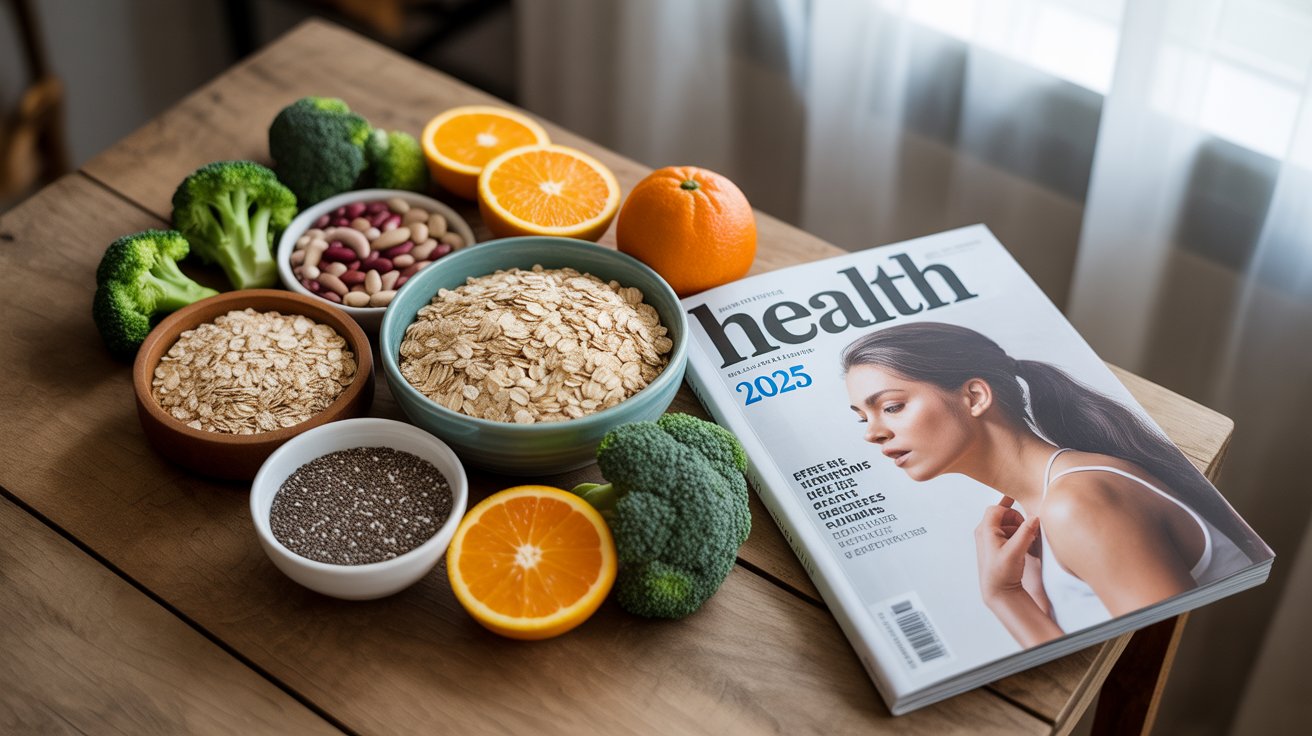
The word “fibremaxxing” might sound like another flashy internet trend, but at its core, it’s a very straightforward idea: eating as much fiber as your body can comfortably handle. Unlike typical diets that restrict food groups or demand strict calorie counting, the fibremaxxing diet is about abundance. The focus is on maximizing daily fiber intake through natural, plant-based foods such as vegetables, fruits, legumes, whole grains, nuts, and seeds.
On average, most adults only consume around 15–18 grams of fiber per day, far below the recommended 25–38 grams. Fibremaxxing takes this guideline further by encouraging people to go beyond the minimum and eat closer to 40–50 grams of fiber daily, depending on their body’s tolerance. This doesn’t mean stuffing yourself with raw vegetables at every meal; instead, it’s about gradually increasing fiber intake and diversifying sources so your digestive system adapts smoothly.
Here’s why the fibremaxxing lifestyle is unique: it isn’t just about hitting numbers, it’s about transforming the way you build meals. Instead of making meat, dairy, or processed carbs the centerpiece of a plate, fibremaxxing flips the script. High-fiber foods become the main star, while proteins and fats play supporting roles. For example, a traditional dinner might be steak with a side of vegetables, but a fibremaxxing dinner would be a large bowl of lentil and vegetable stew with whole grain bread, and maybe a smaller portion of meat or fish.
The philosophy behind this diet is simple: more fiber equals better health outcomes. Fiber feeds the beneficial bacteria in your gut, improves digestion, and stabilizes blood sugar. It also helps with satiety, meaning you feel full longer and avoid overeating. For people chasing weight loss, better energy, or improved gut health in 2025, fibremaxxing is proving to be one of the easiest and most effective strategies.
In short, the fibremaxxing diet isn’t a fad that cuts you off from foods you enjoy. It’s a science-backed, lifestyle-based approach to eating that adds more variety, more nutrients, and more balance to your meals. By rethinking your food choices through the lens of fiber, you can create lasting changes that improve both short-term energy and long-term wellness.
Every year, the health and wellness industry pushes new buzzwords and diets into the spotlight. From keto to intermittent fasting, most trends follow a cycle of hype, rapid adoption, and eventual burnout. But in 2025, one movement has broken the pattern — the fibremaxxing diet. Instead of being another restrictive plan, fibremaxxing has captured attention because it solves real problems people face today: poor digestion, weight gain, low energy, and an over-reliance on processed food.
One big reason why fibremaxxing is dominating 2025 is science-backed credibility. Unlike fad diets that rely on theories or celebrity endorsements, fibremaxxing is rooted in decades of nutritional research. Health experts have always emphasized the role of fiber in preventing heart disease, diabetes, obesity, and even certain cancers. What changed is that social media platforms like TikTok and Instagram gave this message a fresh identity. Influencers and dietitians started using the term “fibremaxxing,” making the concept easier to remember and more appealing for younger audiences.
Another factor is accessibility. In a time when supplements, protein powders, and trendy superfoods can be expensive, fiber is available in everyday foods. You don’t need a subscription box or imported ingredients to follow the fibremaxxing lifestyle. An apple, a bowl of oatmeal, a serving of beans, or a plate of vegetables can easily contribute to your fiber goals. This affordability makes the diet inclusive, allowing students, families, and even those on tight budgets to benefit.
The global conversation around gut health has also fueled the trend. Research in 2025 continues to highlight the connection between the gut microbiome and everything from mental health to immunity. Since fiber acts as food for good gut bacteria, fibremaxxing has become the easiest way to improve microbiome diversity naturally. People are realizing that a healthy gut isn’t just about digestion — it’s about better skin, sharper focus, stronger immunity, and stable moods.
Finally, fibremaxxing aligns perfectly with the shift toward sustainable living. Plant-based diets are becoming more popular not just for health, but also for environmental reasons. High-fiber foods like legumes, vegetables, and whole grains generally have a lower carbon footprint compared to meat-heavy diets. This overlap between personal health and planetary health has made fibremaxxing more than just a trend — it feels like a movement.
In essence, fibremaxxing is dominating 2025 because it checks every box: affordable, accessible, science-backed, social-media friendly, and beneficial for both body and environment. Unlike diets that ask you to give something up, fibremaxxing focuses on adding more of what’s good for you. And that positive, sustainable message is exactly what people were waiting for.

When people hear about the fibremaxxing diet, the first question is always the same: does eating more fiber really make that big of a difference? The short answer is yes. A high-fiber lifestyle has been studied for decades, and the evidence is stronger than ever in 2025. Adding fiber-rich foods to your daily meals isn’t just about digestion — it impacts nearly every system in your body, from your gut to your heart to your immune system.
One of the most widely recognized benefits is improved digestion and gut health. Fiber works like a natural regulator for the digestive system. Insoluble fiber adds bulk to stool and keeps bowel movements regular, preventing constipation. Soluble fiber, on the other hand, acts as a prebiotic, feeding the healthy bacteria in your gut. This balance helps reduce bloating, improve nutrient absorption, and even strengthen immunity since a large part of the immune system is connected to gut health.
Another major benefit of fibremaxxing is its effect on weight management. High-fiber foods are naturally filling because they slow down digestion and help control hunger hormones. This means you feel satisfied for longer periods, making it easier to avoid mindless snacking and overeating. Unlike restrictive diets that cut carbs or fats, fiber lets you eat a wide variety of foods while still naturally reducing calorie intake. This makes it one of the most sustainable weight-loss strategies available.
Fiber also plays a powerful role in heart health. Soluble fiber found in oats, beans, and apples binds to cholesterol in the digestive system and helps remove it from the body. Over time, this lowers LDL (bad cholesterol) and reduces the risk of heart disease. Research also shows that high-fiber diets help regulate blood pressure, further supporting cardiovascular wellness.
Blood sugar control is another key benefit. For people dealing with prediabetes or type 2 diabetes, eating more fiber slows down glucose absorption, leading to more stable energy levels and fewer blood sugar spikes. This makes fibremaxxing an effective strategy not just for weight loss but also for long-term metabolic health.
Finally, the antioxidants, vitamins, and minerals that naturally come with fiber-rich foods add an extra layer of protection against chronic diseases like cancer and inflammation-related conditions. When you look at the full picture, it’s clear why health experts call fiber one of the most underrated super-nutrients of all time.
In short, a high-fiber lifestyle improves digestion, supports weight loss, protects the heart, stabilizes blood sugar, and strengthens immunity — all while being simple and affordable. No wonder the fibremaxxing movement has become the hottest trend of 2025.
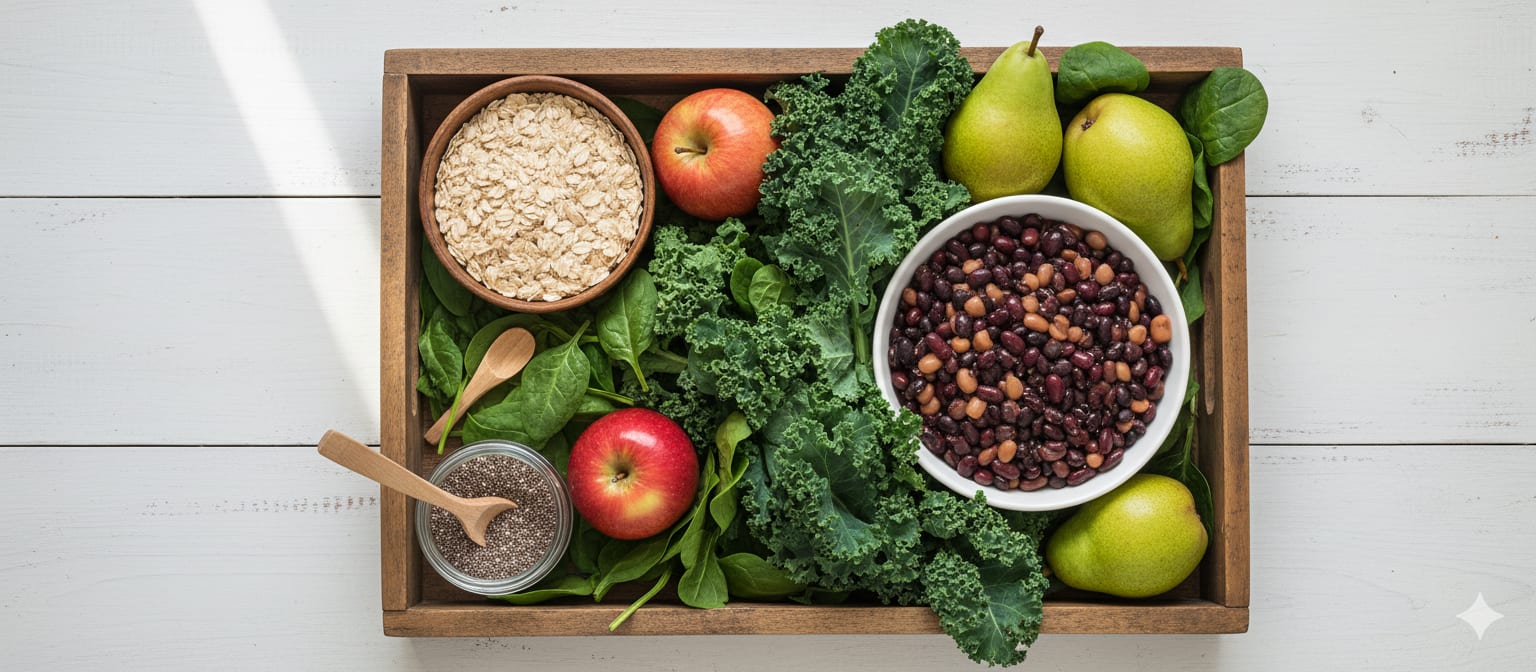
If you’re serious about trying the fibremaxxing diet, the first step is simple: fill your plate with foods that are naturally high in fiber. The good news is that you don’t need exotic ingredients or expensive supplements. Most of the best fiber sources are everyday items you can easily find in local markets and grocery stores. Here are the top categories of fibre-rich foods to help you reach your daily goals.
Fresh fruits are one of the easiest and tastiest ways to increase fiber intake. Apples, pears, and berries (like raspberries, blackberries, and strawberries) are packed with soluble fiber, which helps lower cholesterol and keep you full. Bananas and oranges also provide a good mix of fiber along with essential vitamins. Eating fruits with the skin on, such as apples or pears, adds extra insoluble fiber that improves digestion.
Vegetables are the backbone of any fibremaxxing meal plan. Broccoli, carrots, spinach, kale, and Brussels sprouts are especially high in fiber and come with an added bonus of antioxidants and minerals. Root vegetables like sweet potatoes and beets are also excellent choices because they provide both soluble and insoluble fiber. The more variety of colors on your plate, the better the nutrient and fiber balance.
Beans, lentils, and chickpeas are fiber powerhouses. Just one cup of cooked lentils contains about 15–16 grams of fiber — nearly half of your daily recommended intake. Adding beans to soups, curries, or salads is one of the simplest ways to boost your fiber levels while also getting plant-based protein.
Switching from refined carbs to whole grains makes a massive difference. Oats, brown rice, quinoa, bulgur, and barley are all rich in fiber. A morning bowl of oatmeal or a side of quinoa with dinner can quickly move you closer to your fibremaxxing goals.
Chia seeds, flaxseeds, almonds, and walnuts are small but mighty when it comes to fiber. Chia seeds, in particular, can absorb water and form a gel-like texture, helping with digestion and satiety. Adding a tablespoon to smoothies, yogurt, or oatmeal is an easy fiber upgrade.
The beauty of these foods is that they not only increase fiber but also deliver essential nutrients like protein, healthy fats, vitamins, and minerals. By combining them across meals, you create a diet that is balanced, filling, and perfectly aligned with the fibremaxxing lifestyle.

One of the main reasons people are adopting the fibremaxxing diet in 2025 is because of its double impact: it helps with weight loss while also improving gut health. Unlike extreme diets that cut out carbs or demand fasting, fibremaxxing is a balanced approach that supports your body’s natural systems without making you feel deprived.
When it comes to weight loss, the biggest challenge most people face is controlling appetite and cravings. High-fiber foods solve this problem naturally. Fiber slows down digestion, which keeps you feeling full for longer periods. For example, a bowl of oatmeal with chia seeds will keep you satisfied much longer than a sugary cereal. This means fewer snacks, reduced overeating, and more stable energy throughout the day.
Soluble fiber also stabilizes blood sugar by slowing down the absorption of glucose. When blood sugar is steady, your body avoids energy crashes and sudden hunger spikes that usually lead to unhealthy snacking. Over time, this balance makes it easier to maintain a calorie deficit without feeling starved. That’s why fibremaxxing is considered one of the most sustainable weight-loss strategies — you lose fat gradually while still enjoying a variety of foods.
Gut health has become a hot topic in recent years, and for good reason. A healthy gut supports digestion, immunity, mental clarity, and even mood. The fibremaxxing diet directly fuels this system because fiber acts as a prebiotic, feeding the beneficial bacteria in your gut microbiome. These good bacteria produce short-chain fatty acids, which improve digestion, reduce inflammation, and strengthen the intestinal lining.
Insoluble fiber also plays its part by adding bulk to stool and keeping bowel movements regular. This reduces issues like constipation, bloating, and indigestion. When your digestive system runs smoothly, your body absorbs nutrients more efficiently — which means more energy, better skin, and stronger immunity.
By combining these two benefits — weight management and gut health — fibremaxxing offers a holistic approach to wellness. Instead of quick fixes or restrictive rules, it provides long-term results that improve both how you look and how you feel.

Switching to a fibremaxxing lifestyle can be life-changing, but it’s not as simple as piling on beans and broccoli overnight. Like any diet shift, there are pitfalls that can slow your progress or even cause discomfort if you’re not careful. Let’s break down the common mistakes people make and the side effects you should be aware of.
One of the biggest mistakes is suddenly doubling or tripling your fibre intake. If your body isn’t used to it, you’ll likely experience bloating, gas, or stomach cramps. The trick is to increase fibre gradually, giving your gut time to adjust.
Fibre works like a sponge—it needs water to move smoothly through your digestive system. Without enough hydration, you risk constipation instead of relief. Pair every increase in fibre with a bump in your daily water intake.
Yes, fibre powders and pills exist, but they shouldn’t replace whole foods. Whole fruits, vegetables, grains, and legumes bring additional nutrients, antioxidants, and benefits that supplements can’t replicate.
Both types of fibre matter.
Soluble fibre (like oats and apples) helps with blood sugar control and satiety.
Insoluble fibre (like whole grains and leafy greens) keeps things moving in your gut.
Focusing on just one type means you’ll miss out on the full spectrum of health benefits.
Some people tolerate beans like a champ; others feel like a balloon after one serving. Pay attention to how your body responds and adjust accordingly.
Potential Side Effects
Gas and bloating (especially in the first few weeks)
Temporary constipation (if water intake is low)
Nutrient absorption issues if you go overboard and ignore variety
Most of these side effects are temporary and manageable. Once your gut adapts, the benefits far outweigh the bumps in the road.

At the end of the day, fibremaxxing isn’t just another diet trend—it’s a practical shift toward better long-term health. The core idea is simple: eat more fibre-rich foods, stay consistent, and let your gut, metabolism, and energy levels thank you. Unlike fad diets that restrict or deprive, this approach focuses on abundance. You’re adding nourishing foods, not cutting everything out.
What makes fibremaxxing powerful is how it addresses multiple health concerns at once. From improving digestion and lowering cholesterol to supporting weight loss and stabilizing blood sugar, the benefits reach far beyond the gut. That’s why nutritionists and health experts are calling it one of the most sustainable health movements of 2025.
Of course, the key is balance. Jumping in too fast or relying only on supplements can backfire. Slow, mindful changes combined with proper hydration are what make the transition smooth.
If you’re serious about taking charge of your health, start small: add an extra serving of vegetables at lunch, swap refined carbs for whole grains, or snack on fruit instead of processed foods. Over time, these changes compound. Fibremaxxing isn’t a quick fix—it’s a lifestyle upgrade with lasting results.

Fibremaxxing simply means maximizing your daily fibre intake through whole, natural foods. Instead of focusing only on calories, protein, or fat, this approach emphasizes fibre as the foundation of a healthy diet. The goal is to include more vegetables, fruits, whole grains, nuts, legumes, and seeds in daily meals. By doing this, you support digestion, balance blood sugar, improve satiety, and fuel your gut microbiome. It’s not a strict diet but a flexible eating style that prioritizes high-fibre nutrition.
Most health guidelines recommend around 25–35 grams of fibre per day for adults. However, fibremaxxing encourages going slightly higher—40 grams or more—depending on your body’s needs and tolerance. The important part is consistency and variety. Instead of hitting the target with supplements or one type of food, the diet promotes getting fibre from multiple sources like beans, leafy greens, oats, apples, and chia seeds. Always increase fibre gradually and drink plenty of water to avoid bloating or discomfort.
Yes, fibremaxxing is often linked to weight management because fibre-rich foods are naturally filling while being lower in calories. When you eat more fibre, you feel full for longer, which reduces snacking and overeating. High-fibre meals also slow down digestion, preventing sudden spikes in blood sugar that can trigger cravings. Many people find that by simply prioritizing fibre, they naturally reduce processed foods and refined carbs, making weight loss easier without extreme restrictions. It’s a sustainable approach that fits long-term goals.
Fibre is beneficial, but increasing intake too quickly can cause bloating, gas, or stomach discomfort. That’s why fibremaxxing should be done gradually. Some people also experience temporary constipation if they don’t drink enough water while upping fibre. In rare cases, certain medical conditions like irritable bowel syndrome (IBS) may require personalized adjustments to fibre intake. Overall, side effects are mild and manageable, especially if you spread fibre throughout meals and stay hydrated. Listening to your body is the best approach.
Great starter foods for fibremaxxing include oats, lentils, brown rice, chia seeds, flaxseeds, apples, pears, leafy greens, and chickpeas. These foods are easy to add to meals and provide a mix of soluble and insoluble fibre. For snacks, nuts and dried fruit work well. If you’re new to fibremaxxing, aim to build your plate around whole grains and vegetables, then add beans or seeds as toppings. Small swaps—like replacing white bread with whole grain bread—can make a big difference over time.
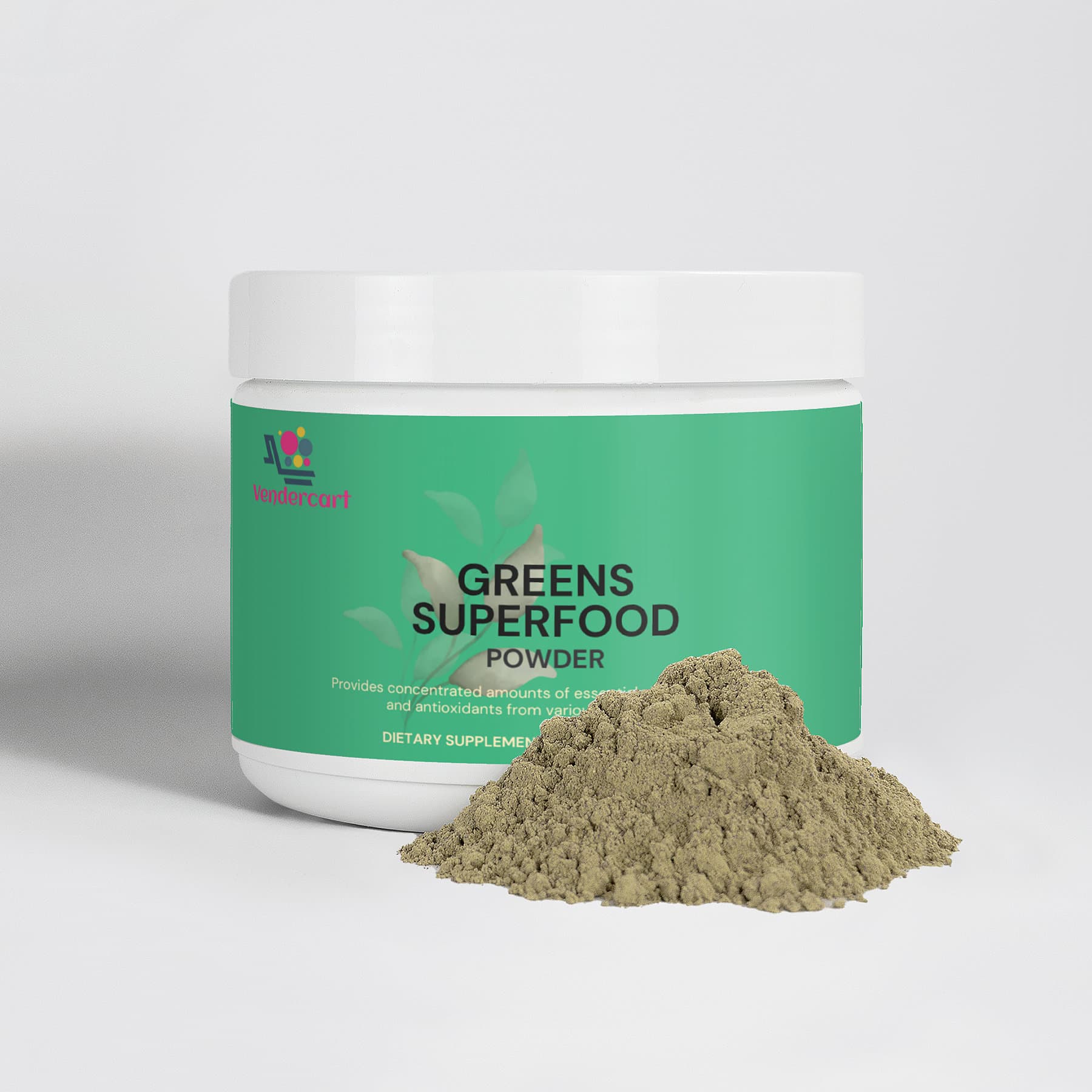
If you're ready to start your fibremaxxing journey, we highly recommend adding a high-quality fibre supplement or fibre-rich product to your daily routine. The product listed below is carefully chosen to support digestion, improve gut health, and keep you full for longer hours. It's an easy way to reach your daily fibre goals without overcomplicating your meals. Whether your goal is weight loss, better energy, or improved gut balance, this product can give you the extra boost you need.
So, what exactly does “fibremaxxing” mean? In simple words, it’s the practice of maximizing your daily fiber intake by eating more fruits, vegetables, whole grains, legumes, and other high-fiber foods. The idea is not just to meet the minimum recommended intake but to push closer to the higher end of what your body can handle — safely. For decades, doctors and nutritionists have told us to “eat more fiber,” but most people never really took it seriously. Now, in 2025, fibremaxxing has become a cultural movement.
Why now? Because we’re living in a time when gut health, weight management, and long-term disease prevention are bigger concerns than ever before. Social media has amplified personal stories of people losing weight, clearing their skin, improving digestion, and feeling more energetic simply by upping their fiber game. Instead of chasing complicated diets that cut out entire food groups, people are realizing that adding something as basic as fiber can create powerful results.
Another reason for the popularity of the fibremaxxing diet is its accessibility. Fiber isn’t some rare or expensive supplement. You don’t need to order it from overseas or pay a fortune. It’s in everyday foods like apples, oats, beans, carrots, and brown rice. Unlike trendy powders or pills, fiber is cheap, natural, and available everywhere. This makes fibremaxxing not just a diet, but a sustainable lifestyle shift that anyone can follow — whether you’re a student, a busy professional, or a parent trying to feed your family healthier meals.
From a health perspective, the benefits are undeniable. Studies have shown that people who consistently eat high-fiber diets have lower risks of heart disease, diabetes, obesity, and certain types of cancer. Fiber works like a broom for your digestive system, sweeping out toxins, improving bowel movements, and feeding the good bacteria in your gut. That last part is crucial because gut health is directly linked to immunity, mental clarity, and even mood. In 2025, with more research proving the gut-brain connection, it makes sense that fibremaxxing has become a mainstream obsession.
Weight loss is another big reason why people are adopting the fibremaxxing lifestyle. Fiber keeps you feeling fuller for longer, which means fewer cravings and less mindless snacking. It slows down digestion, stabilizes blood sugar, and prevents the energy crashes that lead to binge eating. Unlike extreme diets that demand cutting out carbs or fasting for long hours, fibremaxxing works with your body’s natural rhythm. You can still enjoy carbs, proteins, and fats — but by making fiber the star of your meals, you naturally eat less junk and more nutrient-dense foods.
Beyond weight and digestion, fibremaxxing also plays a key role in balancing cholesterol levels and improving heart health. Soluble fiber, found in foods like oats and beans, binds with cholesterol in the gut and helps remove it from the body. This simple mechanism can prevent long-term heart problems without the need for medication. Add to that the fact that high-fiber foods are usually packed with vitamins, minerals, and antioxidants, and you can see why this isn’t just a passing diet trend — it’s a complete lifestyle upgrade.
But let’s be real: the name “fibremaxxing” might sound new and trendy, yet the principle is ancient. Traditional diets across the world — from Mediterranean meals rich in legumes and greens to Asian meals with plenty of vegetables and whole grains — have always been fiber-heavy. What’s happening now in 2025 is simply a rebranding and rediscovery of something humans have known for centuries. The difference is that modern science is finally catching up to prove why our grandparents’ way of eating was so effective.
In short, the Fibremaxxing Diet is the health revolution of 2025 because it’s simple, effective, science-backed, and accessible. Unlike quick-fix solutions, it doesn’t require you to buy expensive supplements or follow strict rules. It’s about eating real food, prioritizing plants, and giving your body the nutrients it has been missing in processed diets. Whether your goal is weight loss, better gut health, more energy, or long-term disease prevention, fibremaxxing offers a natural path to get there.
As the year progresses, expect to see more recipes, meal plans, and personal success stories popping up online under the #Fibremaxxing hashtag. And here’s the thing: this isn’t just another hype cycle. It’s a return to basics, a reminder that sometimes the simplest solution is the most powerful one.
What Exactly is the Fibremaxxing Diet?
The word “fibremaxxing” might sound like another flashy internet trend, but at its core, it’s a very straightforward idea: eating as much fiber as your body can comfortably handle. Unlike typical diets that restrict food groups or demand strict calorie counting, the fibremaxxing diet is about abundance. The focus is on maximizing daily fiber intake through natural, plant-based foods such as vegetables, fruits, legumes, whole grains, nuts, and seeds.
On average, most adults only consume around 15–18 grams of fiber per day, far below the recommended 25–38 grams. Fibremaxxing takes this guideline further by encouraging people to go beyond the minimum and eat closer to 40–50 grams of fiber daily, depending on their body’s tolerance. This doesn’t mean stuffing yourself with raw vegetables at every meal; instead, it’s about gradually increasing fiber intake and diversifying sources so your digestive system adapts smoothly.
Here’s why the fibremaxxing lifestyle is unique: it isn’t just about hitting numbers, it’s about transforming the way you build meals. Instead of making meat, dairy, or processed carbs the centerpiece of a plate, fibremaxxing flips the script. High-fiber foods become the main star, while proteins and fats play supporting roles. For example, a traditional dinner might be steak with a side of vegetables, but a fibremaxxing dinner would be a large bowl of lentil and vegetable stew with whole grain bread, and maybe a smaller portion of meat or fish.
The philosophy behind this diet is simple: more fiber equals better health outcomes. Fiber feeds the beneficial bacteria in your gut, improves digestion, and stabilizes blood sugar. It also helps with satiety, meaning you feel full longer and avoid overeating. For people chasing weight loss, better energy, or improved gut health in 2025, fibremaxxing is proving to be one of the easiest and most effective strategies.
In short, the fibremaxxing diet isn’t a fad that cuts you off from foods you enjoy. It’s a science-backed, lifestyle-based approach to eating that adds more variety, more nutrients, and more balance to your meals. By rethinking your food choices through the lens of fiber, you can create lasting changes that improve both short-term energy and long-term wellness.
Why Fibremaxxing is Dominating Health Trends in 2025
Every year, the health and wellness industry pushes new buzzwords and diets into the spotlight. From keto to intermittent fasting, most trends follow a cycle of hype, rapid adoption, and eventual burnout. But in 2025, one movement has broken the pattern — the fibremaxxing diet. Instead of being another restrictive plan, fibremaxxing has captured attention because it solves real problems people face today: poor digestion, weight gain, low energy, and an over-reliance on processed food.
One big reason why fibremaxxing is dominating 2025 is science-backed credibility. Unlike fad diets that rely on theories or celebrity endorsements, fibremaxxing is rooted in decades of nutritional research. Health experts have always emphasized the role of fiber in preventing heart disease, diabetes, obesity, and even certain cancers. What changed is that social media platforms like TikTok and Instagram gave this message a fresh identity. Influencers and dietitians started using the term “fibremaxxing,” making the concept easier to remember and more appealing for younger audiences.
Another factor is accessibility. In a time when supplements, protein powders, and trendy superfoods can be expensive, fiber is available in everyday foods. You don’t need a subscription box or imported ingredients to follow the fibremaxxing lifestyle. An apple, a bowl of oatmeal, a serving of beans, or a plate of vegetables can easily contribute to your fiber goals. This affordability makes the diet inclusive, allowing students, families, and even those on tight budgets to benefit.
The global conversation around gut health has also fueled the trend. Research in 2025 continues to highlight the connection between the gut microbiome and everything from mental health to immunity. Since fiber acts as food for good gut bacteria, fibremaxxing has become the easiest way to improve microbiome diversity naturally. People are realizing that a healthy gut isn’t just about digestion — it’s about better skin, sharper focus, stronger immunity, and stable moods.
Finally, fibremaxxing aligns perfectly with the shift toward sustainable living. Plant-based diets are becoming more popular not just for health, but also for environmental reasons. High-fiber foods like legumes, vegetables, and whole grains generally have a lower carbon footprint compared to meat-heavy diets. This overlap between personal health and planetary health has made fibremaxxing more than just a trend — it feels like a movement.
In essence, fibremaxxing is dominating 2025 because it checks every box: affordable, accessible, science-backed, social-media friendly, and beneficial for both body and environment. Unlike diets that ask you to give something up, fibremaxxing focuses on adding more of what’s good for you. And that positive, sustainable message is exactly what people were waiting for.
Proven Health Benefits of a High-Fiber Lifestyle
When people hear about the fibremaxxing diet, the first question is always the same: does eating more fiber really make that big of a difference? The short answer is yes. A high-fiber lifestyle has been studied for decades, and the evidence is stronger than ever in 2025. Adding fiber-rich foods to your daily meals isn’t just about digestion — it impacts nearly every system in your body, from your gut to your heart to your immune system.
One of the most widely recognized benefits is improved digestion and gut health. Fiber works like a natural regulator for the digestive system. Insoluble fiber adds bulk to stool and keeps bowel movements regular, preventing constipation. Soluble fiber, on the other hand, acts as a prebiotic, feeding the healthy bacteria in your gut. This balance helps reduce bloating, improve nutrient absorption, and even strengthen immunity since a large part of the immune system is connected to gut health.
Another major benefit of fibremaxxing is its effect on weight management. High-fiber foods are naturally filling because they slow down digestion and help control hunger hormones. This means you feel satisfied for longer periods, making it easier to avoid mindless snacking and overeating. Unlike restrictive diets that cut carbs or fats, fiber lets you eat a wide variety of foods while still naturally reducing calorie intake. This makes it one of the most sustainable weight-loss strategies available.
Fiber also plays a powerful role in heart health. Soluble fiber found in oats, beans, and apples binds to cholesterol in the digestive system and helps remove it from the body. Over time, this lowers LDL (bad cholesterol) and reduces the risk of heart disease. Research also shows that high-fiber diets help regulate blood pressure, further supporting cardiovascular wellness.
Blood sugar control is another key benefit. For people dealing with prediabetes or type 2 diabetes, eating more fiber slows down glucose absorption, leading to more stable energy levels and fewer blood sugar spikes. This makes fibremaxxing an effective strategy not just for weight loss but also for long-term metabolic health.
Finally, the antioxidants, vitamins, and minerals that naturally come with fiber-rich foods add an extra layer of protection against chronic diseases like cancer and inflammation-related conditions. When you look at the full picture, it’s clear why health experts call fiber one of the most underrated super-nutrients of all time.
In short, a high-fiber lifestyle improves digestion, supports weight loss, protects the heart, stabilizes blood sugar, and strengthens immunity — all while being simple and affordable. No wonder the fibremaxxing movement has become the hottest trend of 2025.
Best Fibre-Rich Foods to Add to Your Diet
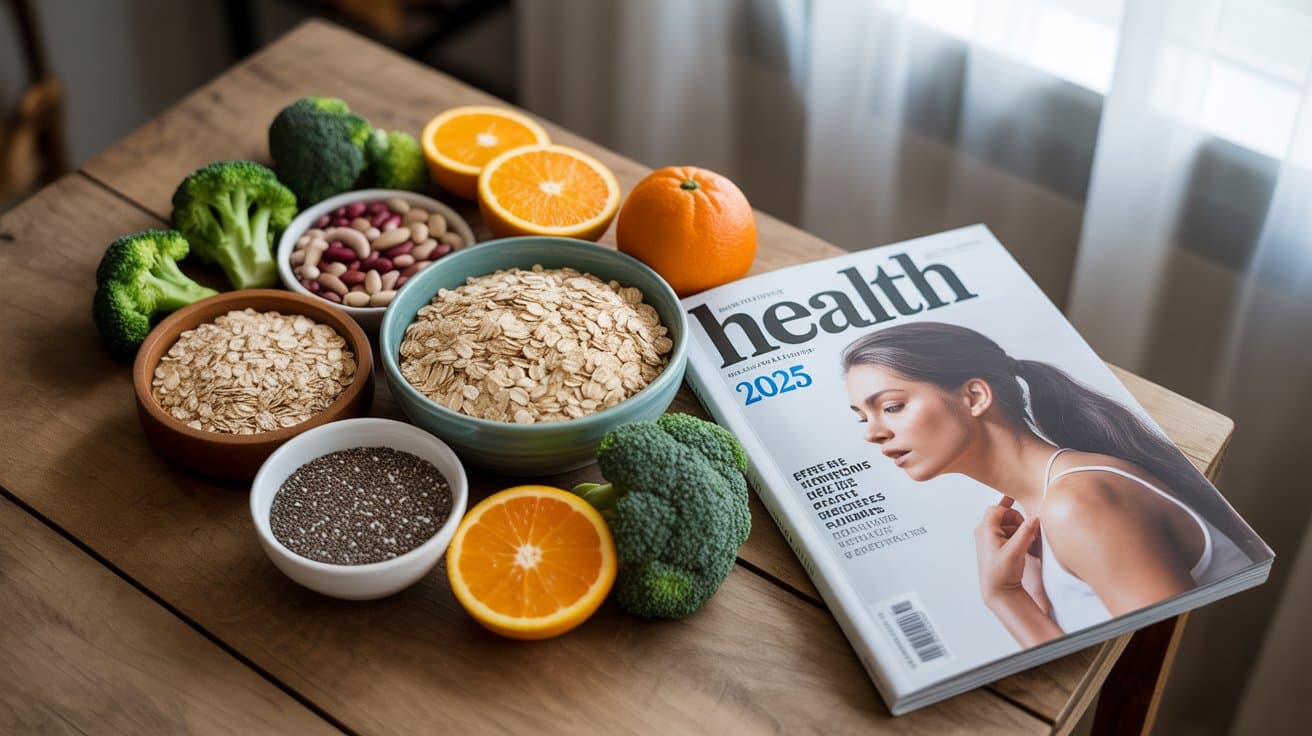
If you’re serious about trying the fibremaxxing diet, the first step is simple: fill your plate with foods that are naturally high in fiber. The good news is that you don’t need exotic ingredients or expensive supplements. Most of the best fiber sources are everyday items you can easily find in local markets and grocery stores. Here are the top categories of fibre-rich foods to help you reach your daily goals.
1. Fruits
Fresh fruits are one of the easiest and tastiest ways to increase fiber intake. Apples, pears, and berries (like raspberries, blackberries, and strawberries) are packed with soluble fiber, which helps lower cholesterol and keep you full. Bananas and oranges also provide a good mix of fiber along with essential vitamins. Eating fruits with the skin on, such as apples or pears, adds extra insoluble fiber that improves digestion.
2. Vegetables
Vegetables are the backbone of any fibremaxxing meal plan. Broccoli, carrots, spinach, kale, and Brussels sprouts are especially high in fiber and come with an added bonus of antioxidants and minerals. Root vegetables like sweet potatoes and beets are also excellent choices because they provide both soluble and insoluble fiber. The more variety of colors on your plate, the better the nutrient and fiber balance.
3. Legumes
Beans, lentils, and chickpeas are fiber powerhouses. Just one cup of cooked lentils contains about 15–16 grams of fiber — nearly half of your daily recommended intake. Adding beans to soups, curries, or salads is one of the simplest ways to boost your fiber levels while also getting plant-based protein.
4. Whole Grains
Switching from refined carbs to whole grains makes a massive difference. Oats, brown rice, quinoa, bulgur, and barley are all rich in fiber. A morning bowl of oatmeal or a side of quinoa with dinner can quickly move you closer to your fibremaxxing goals.
5. Nuts and Seeds
Chia seeds, flaxseeds, almonds, and walnuts are small but mighty when it comes to fiber. Chia seeds, in particular, can absorb water and form a gel-like texture, helping with digestion and satiety. Adding a tablespoon to smoothies, yogurt, or oatmeal is an easy fiber upgrade.
The beauty of these foods is that they not only increase fiber but also deliver essential nutrients like protein, healthy fats, vitamins, and minerals. By combining them across meals, you create a diet that is balanced, filling, and perfectly aligned with the fibremaxxing lifestyle.
Fibremaxxing for Weight Loss and Gut Health
One of the main reasons people are adopting the fibremaxxing diet in 2025 is because of its double impact: it helps with weight loss while also improving gut health. Unlike extreme diets that cut out carbs or demand fasting, fibremaxxing is a balanced approach that supports your body’s natural systems without making you feel deprived.
Fibremaxxing for Weight Loss
When it comes to weight loss, the biggest challenge most people face is controlling appetite and cravings. High-fiber foods solve this problem naturally. Fiber slows down digestion, which keeps you feeling full for longer periods. For example, a bowl of oatmeal with chia seeds will keep you satisfied much longer than a sugary cereal. This means fewer snacks, reduced overeating, and more stable energy throughout the day.
Soluble fiber also stabilizes blood sugar by slowing down the absorption of glucose. When blood sugar is steady, your body avoids energy crashes and sudden hunger spikes that usually lead to unhealthy snacking. Over time, this balance makes it easier to maintain a calorie deficit without feeling starved. That’s why fibremaxxing is considered one of the most sustainable weight-loss strategies — you lose fat gradually while still enjoying a variety of foods.
Fibremaxxing for Gut Health
Gut health has become a hot topic in recent years, and for good reason. A healthy gut supports digestion, immunity, mental clarity, and even mood. The fibremaxxing diet directly fuels this system because fiber acts as a prebiotic, feeding the beneficial bacteria in your gut microbiome. These good bacteria produce short-chain fatty acids, which improve digestion, reduce inflammation, and strengthen the intestinal lining.
Insoluble fiber also plays its part by adding bulk to stool and keeping bowel movements regular. This reduces issues like constipation, bloating, and indigestion. When your digestive system runs smoothly, your body absorbs nutrients more efficiently — which means more energy, better skin, and stronger immunity.
By combining these two benefits — weight management and gut health — fibremaxxing offers a holistic approach to wellness. Instead of quick fixes or restrictive rules, it provides long-term results that improve both how you look and how you feel.
Common Mistakes and Side Effects to Watch Out For
Switching to a fibremaxxing lifestyle can be life-changing, but it’s not as simple as piling on beans and broccoli overnight. Like any diet shift, there are pitfalls that can slow your progress or even cause discomfort if you’re not careful. Let’s break down the common mistakes people make and the side effects you should be aware of.
1. Going From Zero to Extreme Overnight
One of the biggest mistakes is suddenly doubling or tripling your fibre intake. If your body isn’t used to it, you’ll likely experience bloating, gas, or stomach cramps. The trick is to increase fibre gradually, giving your gut time to adjust.
2. Ignoring Water Intake
Fibre works like a sponge—it needs water to move smoothly through your digestive system. Without enough hydration, you risk constipation instead of relief. Pair every increase in fibre with a bump in your daily water intake.
3. Relying Only on Supplements
Yes, fibre powders and pills exist, but they shouldn’t replace whole foods. Whole fruits, vegetables, grains, and legumes bring additional nutrients, antioxidants, and benefits that supplements can’t replicate.
4. Not Balancing Soluble and Insoluble Fibre
Both types of fibre matter.
Soluble fibre (like oats and apples) helps with blood sugar control and satiety.
Insoluble fibre (like whole grains and leafy greens) keeps things moving in your gut.
Focusing on just one type means you’ll miss out on the full spectrum of health benefits.
5. Forgetting About Individual Tolerances
Some people tolerate beans like a champ; others feel like a balloon after one serving. Pay attention to how your body responds and adjust accordingly.
Potential Side Effects
Gas and bloating (especially in the first few weeks)
Temporary constipation (if water intake is low)
Nutrient absorption issues if you go overboard and ignore variety
Most of these side effects are temporary and manageable. Once your gut adapts, the benefits far outweigh the bumps in the road.
Final Thoughts
At the end of the day, fibremaxxing isn’t just another diet trend—it’s a practical shift toward better long-term health. The core idea is simple: eat more fibre-rich foods, stay consistent, and let your gut, metabolism, and energy levels thank you. Unlike fad diets that restrict or deprive, this approach focuses on abundance. You’re adding nourishing foods, not cutting everything out.
What makes fibremaxxing powerful is how it addresses multiple health concerns at once. From improving digestion and lowering cholesterol to supporting weight loss and stabilizing blood sugar, the benefits reach far beyond the gut. That’s why nutritionists and health experts are calling it one of the most sustainable health movements of 2025.
Of course, the key is balance. Jumping in too fast or relying only on supplements can backfire. Slow, mindful changes combined with proper hydration are what make the transition smooth.
If you’re serious about taking charge of your health, start small: add an extra serving of vegetables at lunch, swap refined carbs for whole grains, or snack on fruit instead of processed foods. Over time, these changes compound. Fibremaxxing isn’t a quick fix—it’s a lifestyle upgrade with lasting results.
FAQs About the Fibremaxxing Diet
1. What exactly does “fibremaxxing” mean?
Fibremaxxing simply means maximizing your daily fibre intake through whole, natural foods. Instead of focusing only on calories, protein, or fat, this approach emphasizes fibre as the foundation of a healthy diet. The goal is to include more vegetables, fruits, whole grains, nuts, legumes, and seeds in daily meals. By doing this, you support digestion, balance blood sugar, improve satiety, and fuel your gut microbiome. It’s not a strict diet but a flexible eating style that prioritizes high-fibre nutrition.
2. How much fibre should I eat daily for fibremaxxing?
Most health guidelines recommend around 25–35 grams of fibre per day for adults. However, fibremaxxing encourages going slightly higher—40 grams or more—depending on your body’s needs and tolerance. The important part is consistency and variety. Instead of hitting the target with supplements or one type of food, the diet promotes getting fibre from multiple sources like beans, leafy greens, oats, apples, and chia seeds. Always increase fibre gradually and drink plenty of water to avoid bloating or discomfort.
3. Can fibremaxxing help with weight loss?
Yes, fibremaxxing is often linked to weight management because fibre-rich foods are naturally filling while being lower in calories. When you eat more fibre, you feel full for longer, which reduces snacking and overeating. High-fibre meals also slow down digestion, preventing sudden spikes in blood sugar that can trigger cravings. Many people find that by simply prioritizing fibre, they naturally reduce processed foods and refined carbs, making weight loss easier without extreme restrictions. It’s a sustainable approach that fits long-term goals.
4. Are there any side effects of a high-fibre diet?
Fibre is beneficial, but increasing intake too quickly can cause bloating, gas, or stomach discomfort. That’s why fibremaxxing should be done gradually. Some people also experience temporary constipation if they don’t drink enough water while upping fibre. In rare cases, certain medical conditions like irritable bowel syndrome (IBS) may require personalized adjustments to fibre intake. Overall, side effects are mild and manageable, especially if you spread fibre throughout meals and stay hydrated. Listening to your body is the best approach.
5. What are the best foods to start fibremaxxing with?
Great starter foods for fibremaxxing include oats, lentils, brown rice, chia seeds, flaxseeds, apples, pears, leafy greens, and chickpeas. These foods are easy to add to meals and provide a mix of soluble and insoluble fibre. For snacks, nuts and dried fruit work well. If you’re new to fibremaxxing, aim to build your plate around whole grains and vegetables, then add beans or seeds as toppings. Small swaps—like replacing white bread with whole grain bread—can make a big difference over time.
If you're ready to start your fibremaxxing journey, we highly recommend adding a high-quality fibre supplement or fibre-rich product to your daily routine. The product listed below is carefully chosen to support digestion, improve gut health, and keep you full for longer hours. It's an easy way to reach your daily fibre goals without overcomplicating your meals. Whether your goal is weight loss, better energy, or improved gut balance, this product can give you the extra boost you need.
About the Author
SM
Salman Marwari
Leading expert in health with over 15 years of experience in research and practice.