Health
1.2K reads
By Salman Marwari2025-01-1012 min read
Top 7 AI-Powered Health Tools That Make Fitness Smarter 2025.
AIHealthFitnessWearablesTechnologyWellnessSmart Devices2025
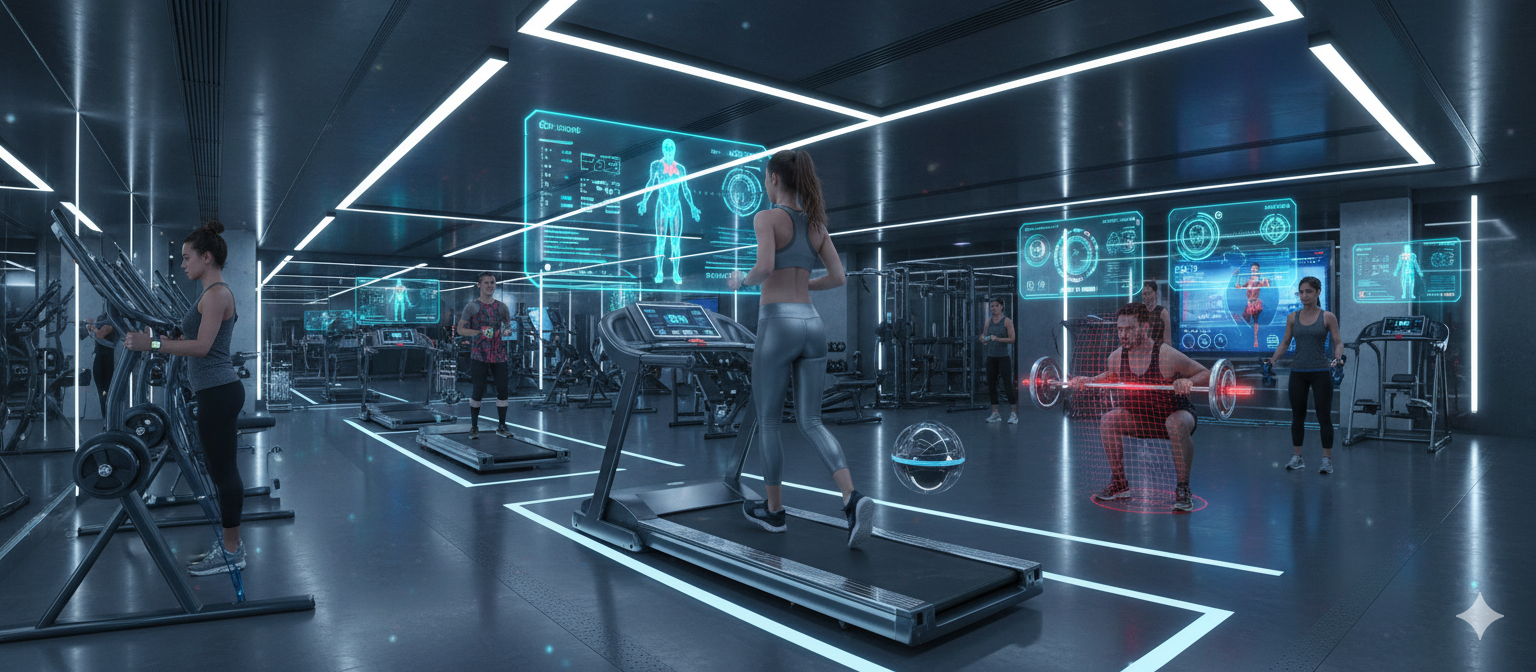
Health and fitness have always been about discipline, consistency, and effort—but in 2025, things are evolving faster than ever. Artificial Intelligence is no longer just powering self-driving cars or voice assistants; it’s now shaping the way we eat, exercise, and recover. From smartwatches that track every heartbeat to apps that generate personalized diet plans in seconds, AI-powered health tools are changing the fitness game completely.
What makes these tools different from traditional gadgets is their ability to learn from you. Instead of giving one-size-fits-all advice, AI tools collect data from your body, habits, and lifestyle to create customized solutions. Whether it’s predicting fatigue before you even feel it, adjusting your workout intensity in real-time, or recommending the right foods for recovery, AI is helping people train smarter—not harder.
The rise of these tools has also made fitness more accessible. Someone who cannot afford a personal trainer can now use an AI-powered app that acts like one, providing step-by-step guidance and motivation. For people managing specific health goals—like weight loss, muscle gain, or improved stamina—AI-based platforms are proving to be more precise than generic programs.
In this blog, we’ll explore the Top 7 AI-powered health tools that are redefining modern fitness. From wearable devices to smart nutrition planners, each of these innovations shows how technology and wellness are merging. And if you’re serious about staying ahead in your health journey, these tools can give you an edge you never thought possible. .
//
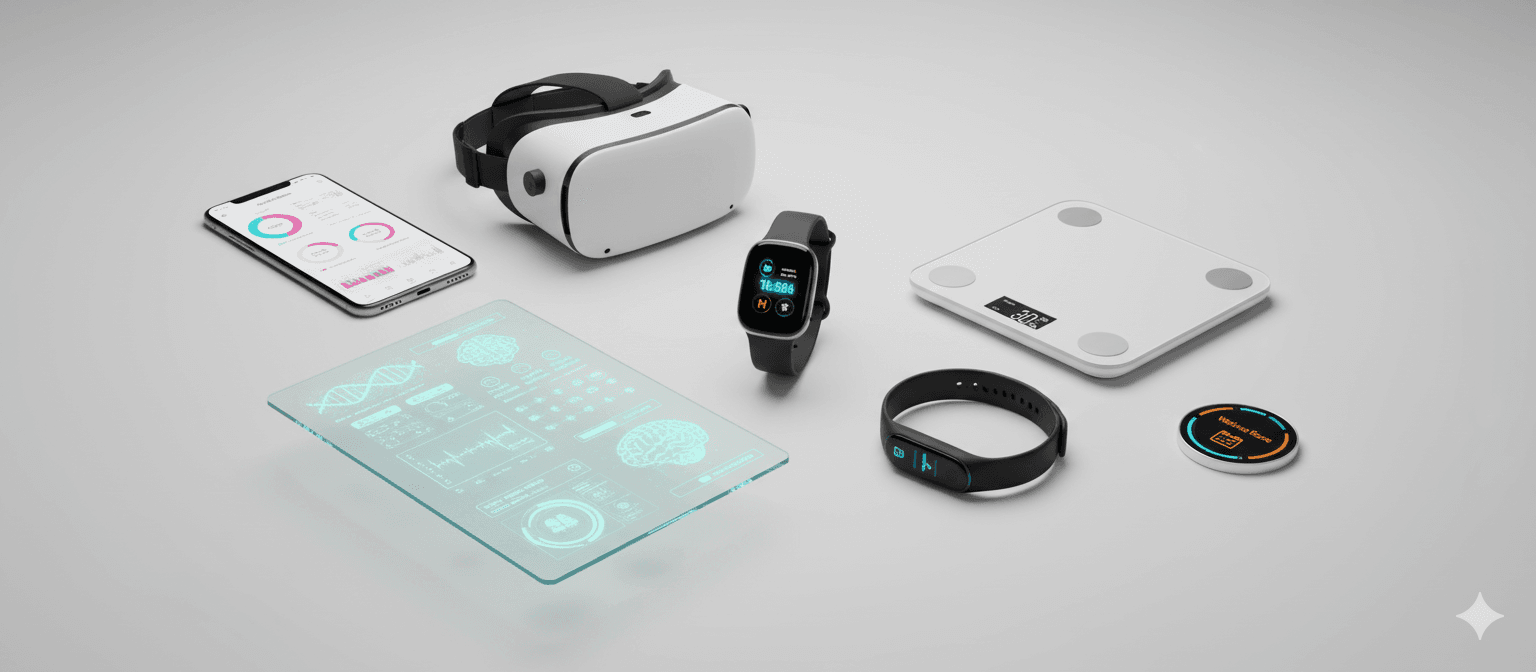
AI-powered health tools are smart applications and devices that use artificial intelligence to improve how we track, monitor, and manage our health. Unlike traditional fitness tools that only record basic numbers like steps or calories, AI-based tools analyze your behavior, learn your patterns, and give personalized recommendations.
For example, a normal pedometer might just tell you how many steps you walked. But an AI-powered fitness tracker will not only track steps—it can suggest how many more you should walk to reach your goal, tell you the best time for your workout, and even warn you if your body needs rest.
These tools combine data from multiple sources: heart rate, sleep quality, oxygen levels, stress monitoring, and nutrition habits. With machine learning, they adapt to your lifestyle and create a customized health plan.
From AI-driven mobile apps to smartwatches, and even advanced platforms that predict potential health risks, these tools are shaping the future of personal health management. The best part is, they make fitness more engaging by giving real-time insights and keeping you motivated.
In short, AI-powered health tools are not just about collecting data—they’re about turning data into actionable advice that helps you stay healthier and fitter in smarter ways.
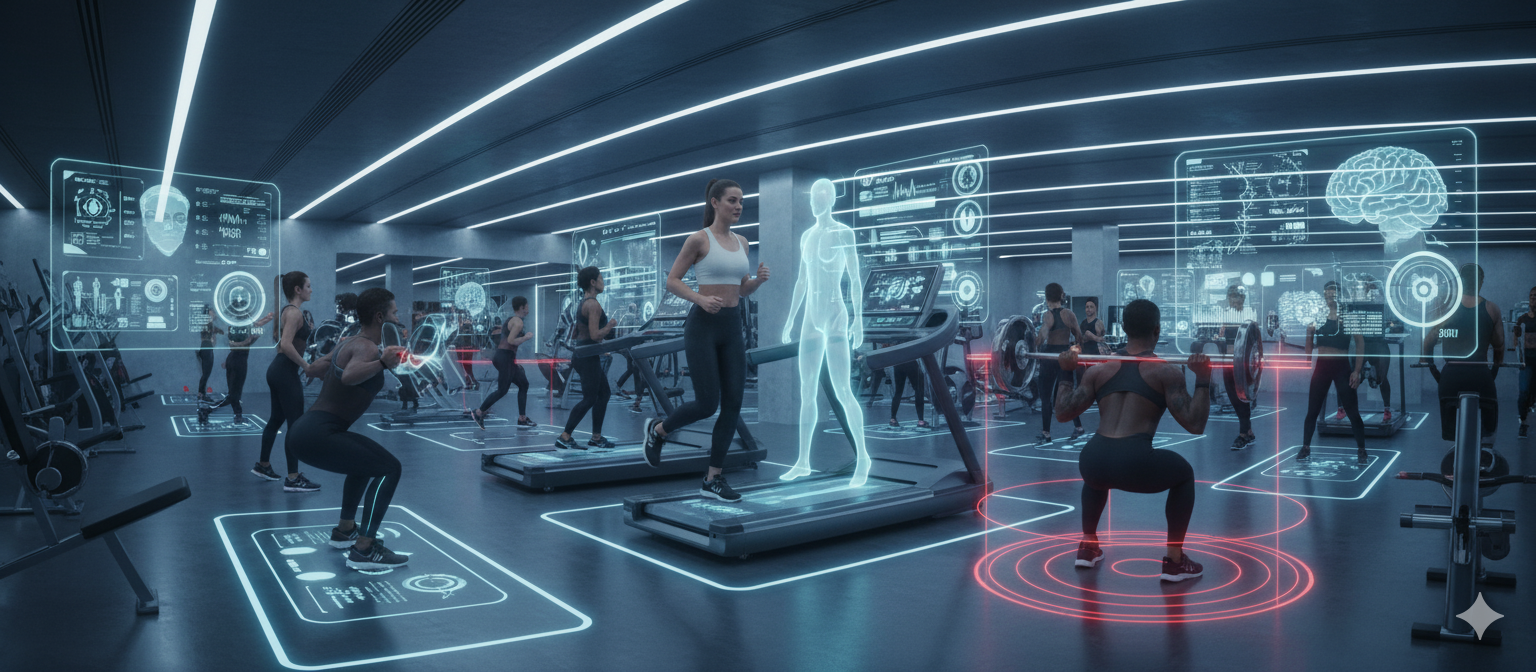
AI is now at the heart of modern health and fitness. Let's break down the 7 smartest AI-powered health tools that are making fitness easier, more personalized, and more effective.
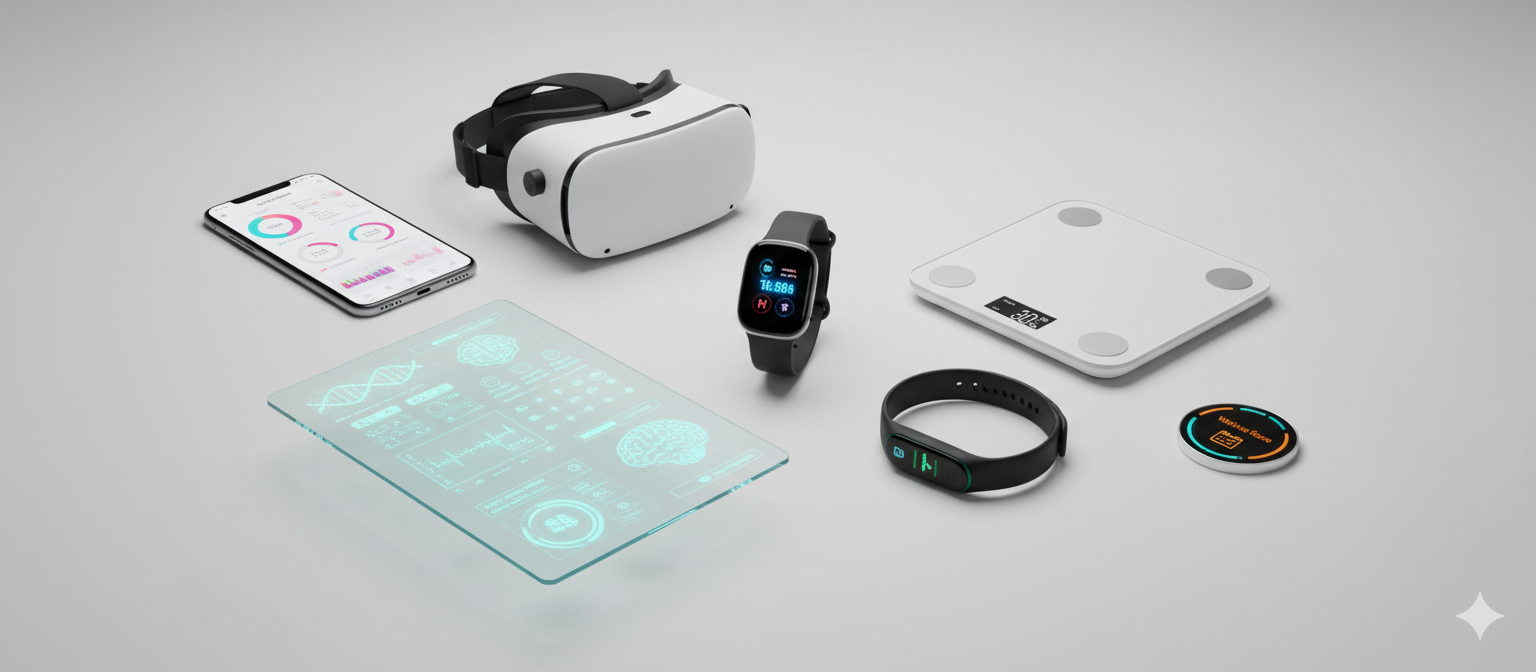
Fitbit Sense 2 goes beyond step tracking. It monitors stress levels, heart rate, oxygen saturation, and sleep cycles using AI algorithms. The watch gives personalized daily readiness scores so you know whether to push harder in your workout or take rest.
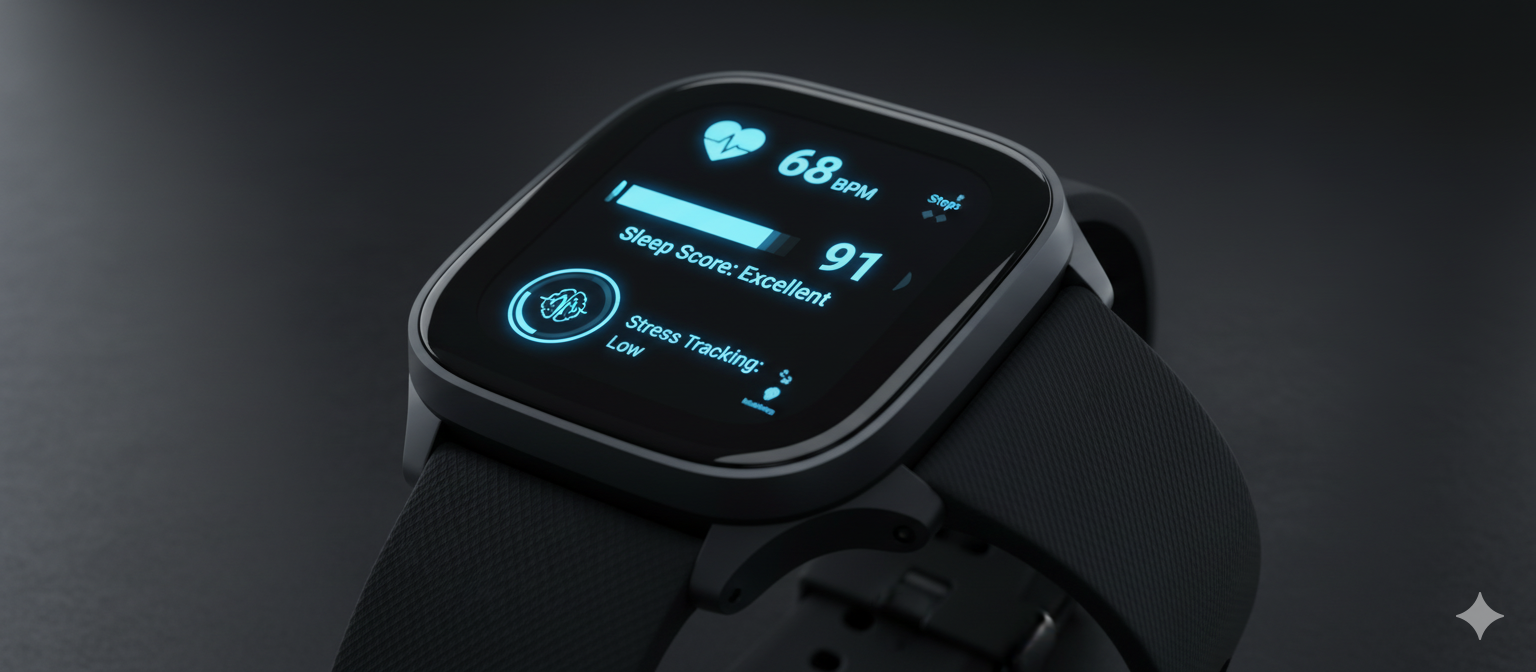
WHOOP 4.0 is designed for athletes and fitness enthusiasts. It uses AI to track strain, recovery, and sleep with precision. The AI coach gives actionable suggestions, like adjusting your training intensity or improving sleep quality.
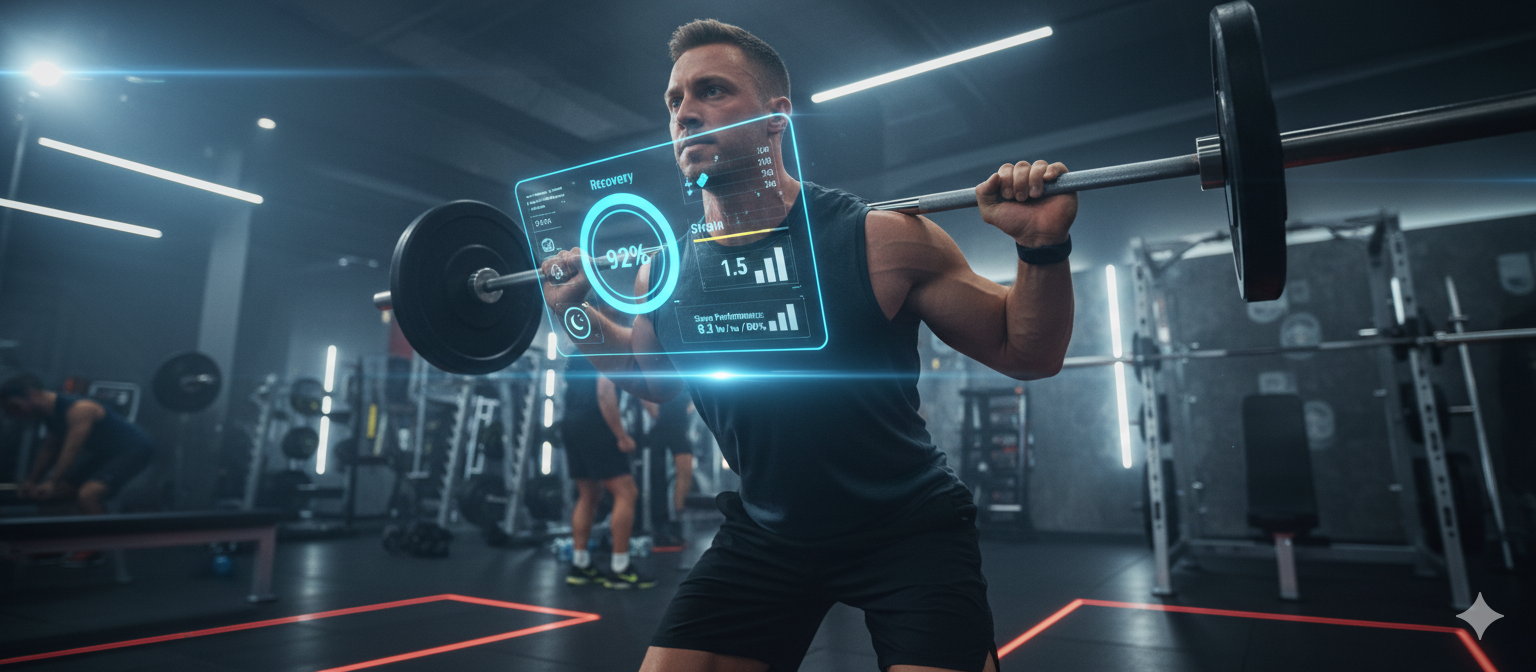
This app doesn't just count calories. Its AI recommends meal plans, portion sizes, and nutrient breakdowns based on your body type and goals. It even learns your eating habits to make smarter suggestions over time.
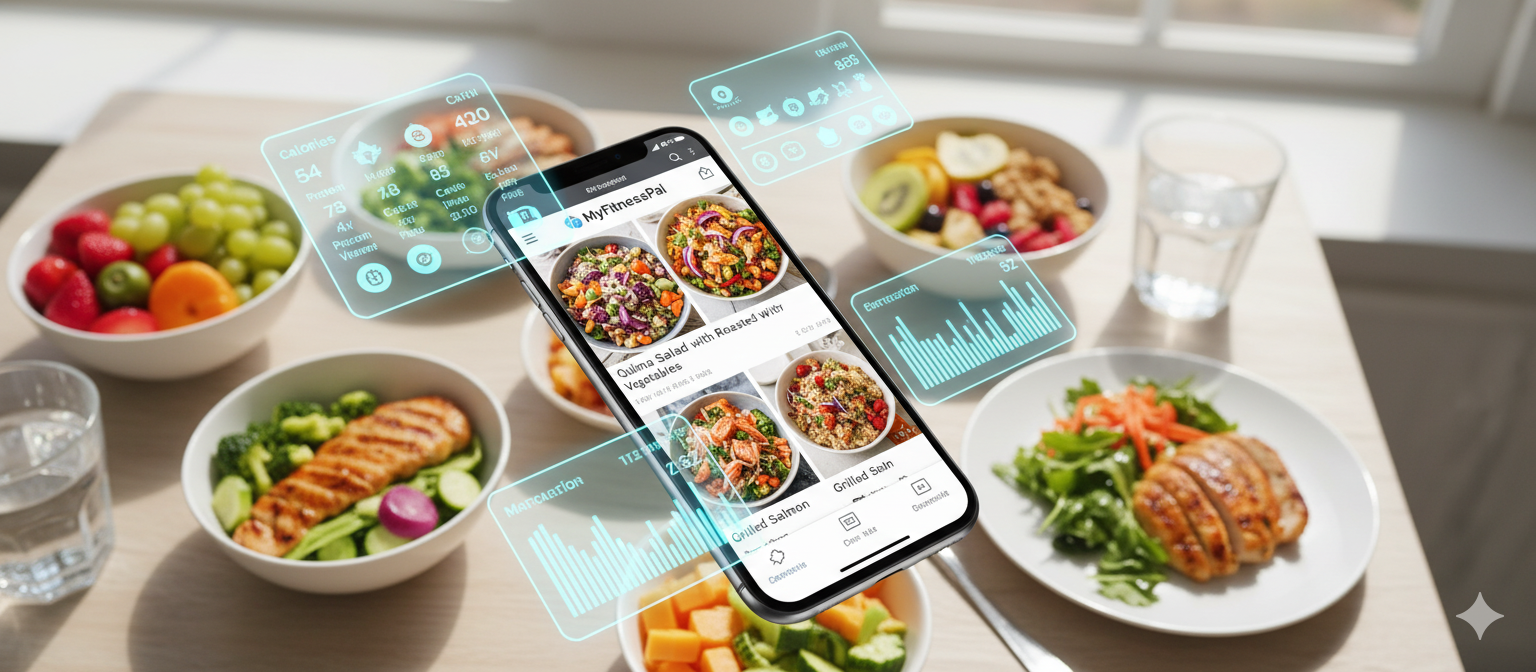
Peloton's AI helps create custom fitness classes and adapts based on your workout history. It also provides real-time feedback on your form during exercises, making home workouts smarter and safer.
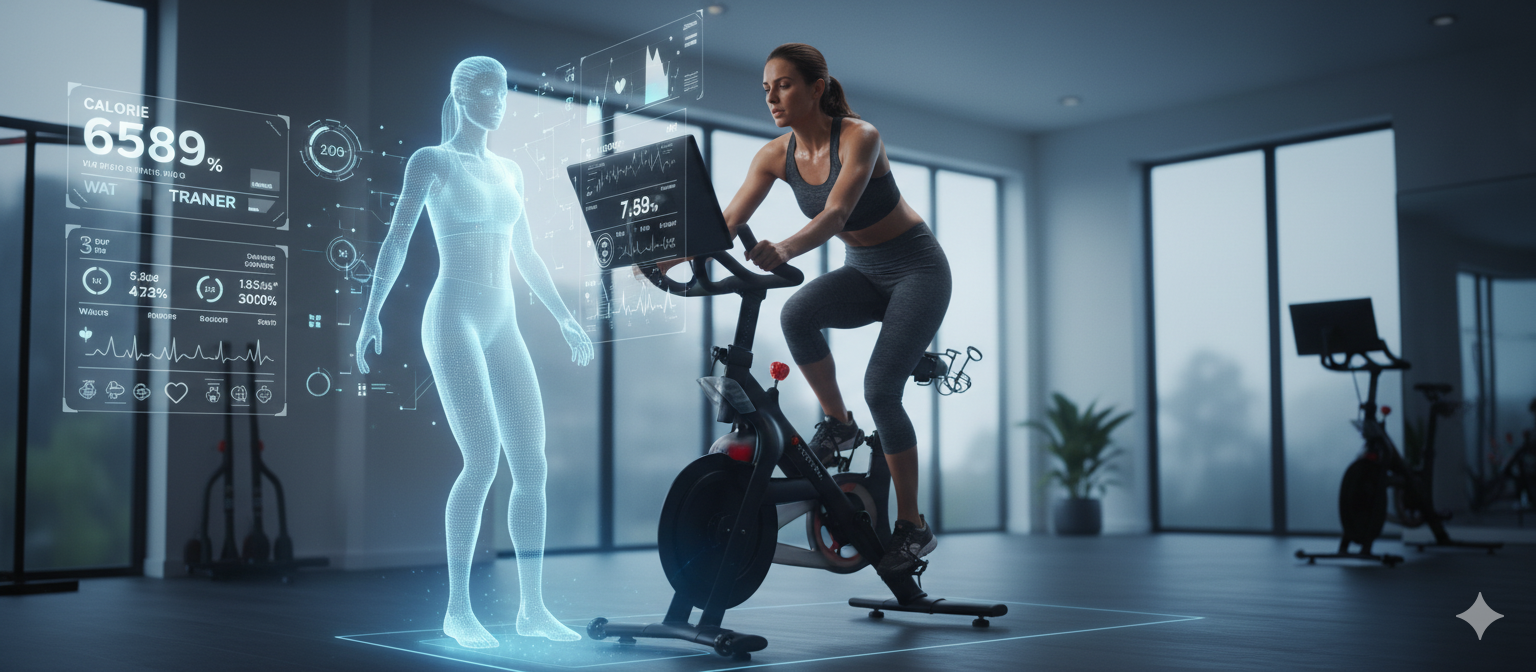
The Apple Watch Ultra is more than a gadget. It uses AI for ECG monitoring, fall detection, sleep tracking, and advanced workout analytics. Its health alerts can even notify you of irregular heart rhythms.
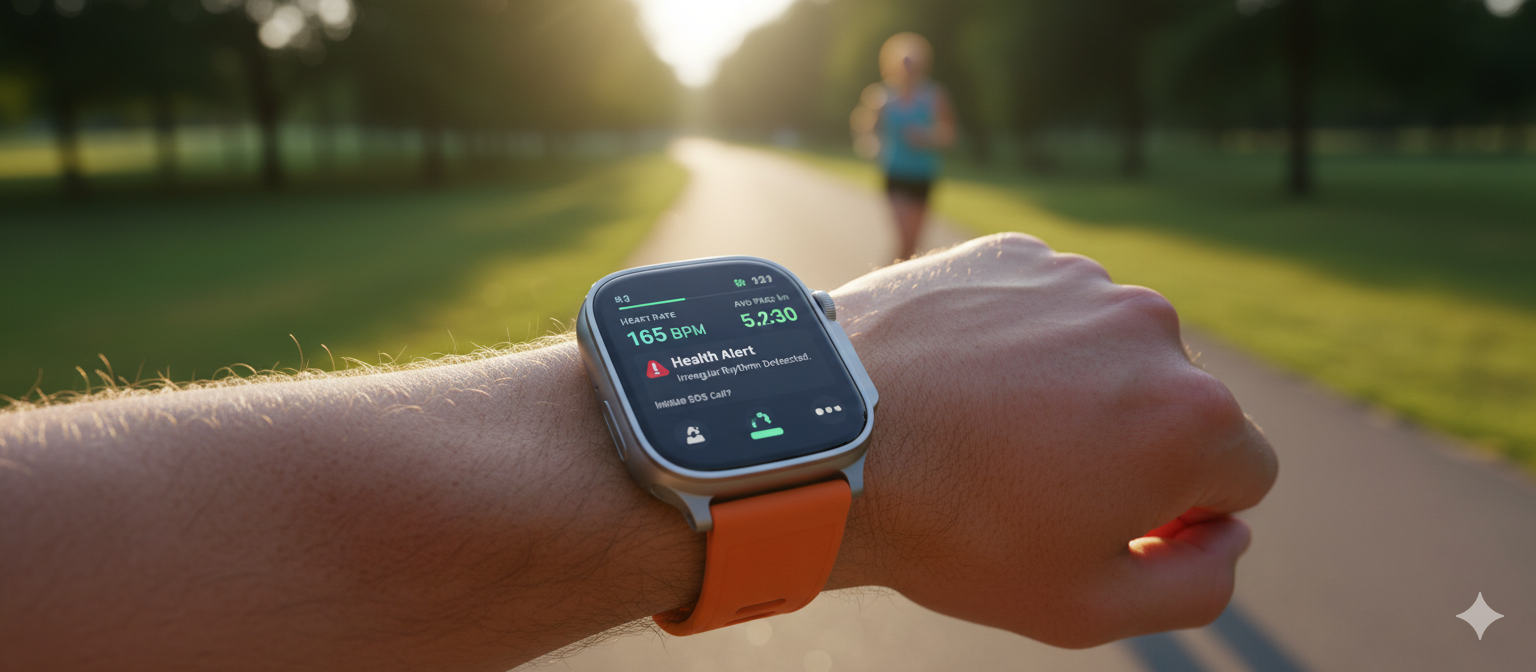
Mental health is fitness too. Calm now uses AI to track stress triggers, breathing patterns, and sleep behavior, then gives personalized meditation sessions. This helps balance both mind and body.

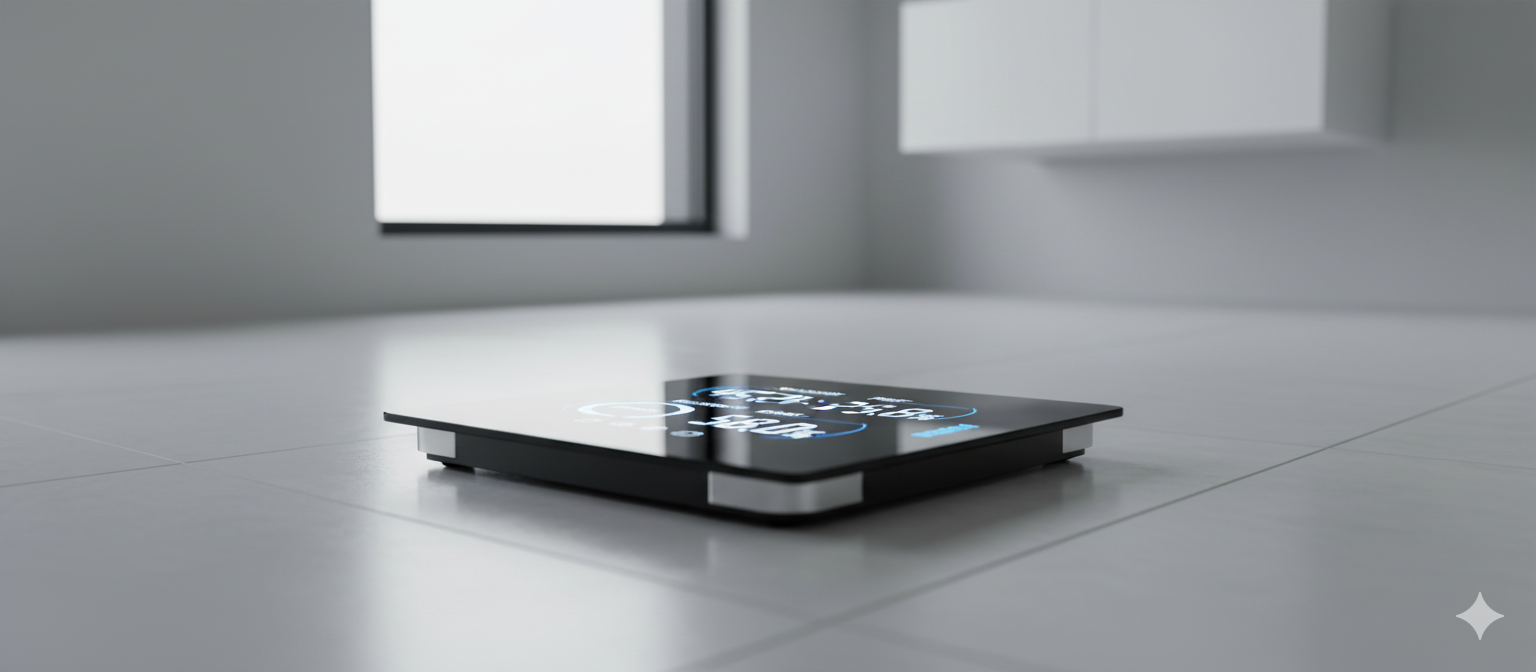
Unlike regular scales, AI smart scales analyze muscle mass, body fat percentage, water levels, and metabolic age. They track trends over time and give customized health insights.
AI-powered health tools are more than just fancy gadgets. They’re reshaping the way we approach fitness and overall well-being. Here are the top benefits:
AI tools don’t give the same advice to everyone. Instead, they study your body type, activity level, and health history to create custom workout and diet plans. This makes your journey more effective compared to generic programs.
With continuous monitoring, AI devices can spot irregularities in heart rate, oxygen levels, or sleep patterns. Some tools even alert users about potential risks like irregular heartbeats or stress overload—helping prevent bigger health problems.
One of the biggest mistakes in fitness is ignoring recovery. AI trackers analyze how your body responds to exercise and tell you when to push harder and when to slow down. This ensures better results without injuries.
AI-powered apps track not only calories but also nutrient quality. They recommend meal plans rich in protein, fiber, or healthy fats depending on your goals, whether it’s weight loss, muscle gain, or balanced wellness.
AI makes fitness fun. From gamified challenges to daily readiness scores, these tools keep you accountable and motivated. Instead of guessing, you always know where you stand in your health journey.
AI health apps now focus on stress, sleep, and mental health. Guided meditations, personalized breathing exercises, and mood tracking help maintain emotional balance—something traditional tools often ignore.
👉 In short, AI doesn’t just track—it guides, motivates, and protects. Whether your goal is to lose weight, build strength, or simply feel healthier, AI-based tools ensure your efforts are smarter, not harder.
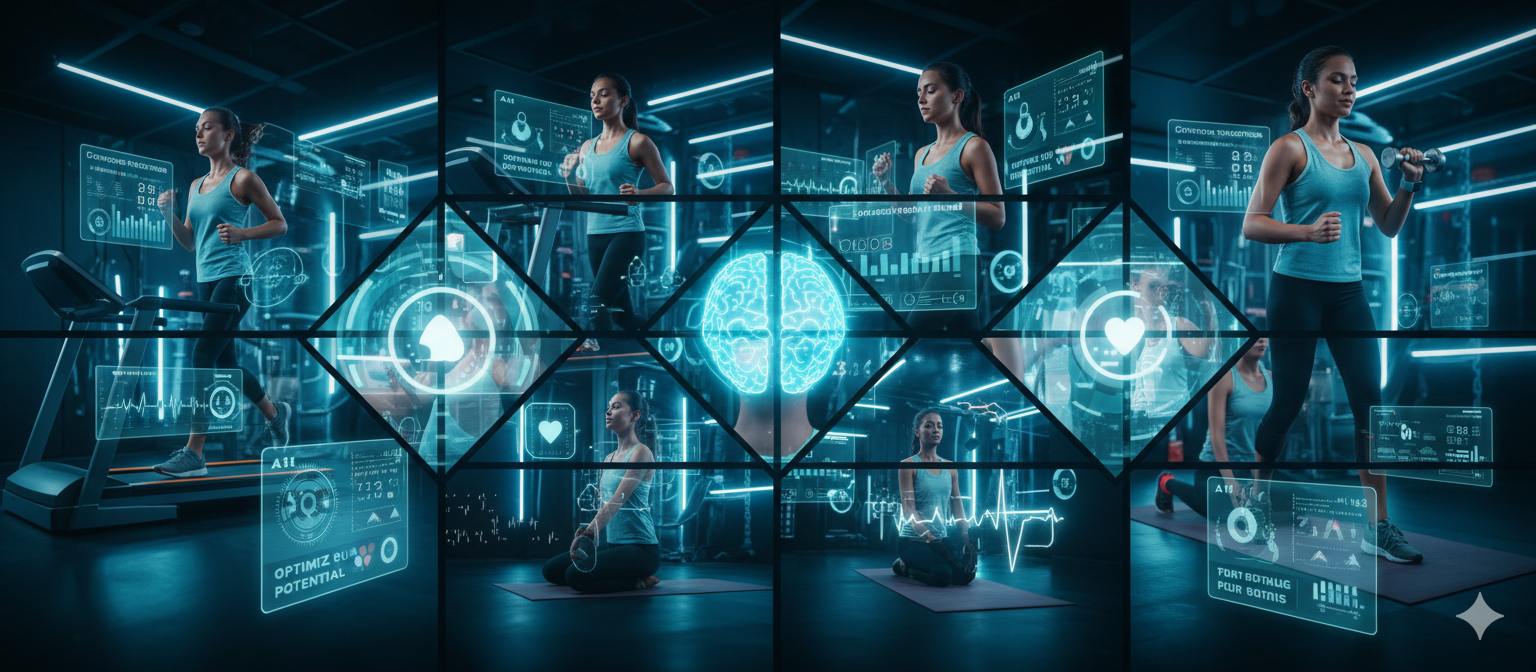
While AI-powered health tools are impressive, they aren’t perfect. Like every technology, they come with challenges that users need to be aware of.
AI tools collect sensitive health data, including heart rate, sleep patterns, and stress levels. If this data is not properly protected, it could be misused by third parties. Always choose tools with strong privacy and security policies.
Advanced AI wearables and apps often come with a higher price tag. Not everyone can afford premium watches or smart equipment, which makes accessibility a challenge for many fitness enthusiasts.
While AI can guide you, it shouldn’t replace your judgment. Relying only on devices may make people forget the basics of healthy living—like eating real food, sleeping well, and moving regularly.
No AI tool is 100% accurate. Sometimes wearables misread sleep cycles or activity levels. That’s why users should treat AI insights as guidance, not absolute truth.
Most AI health tools need constant internet connection or app syncing. Without these, tracking and personalized recommendations may not work properly.
👉 The bottom line: AI health tools are powerful, but they work best when combined with self-awareness and healthy lifestyle choices. Think of them as assistants, not replacements for your fitness journey.
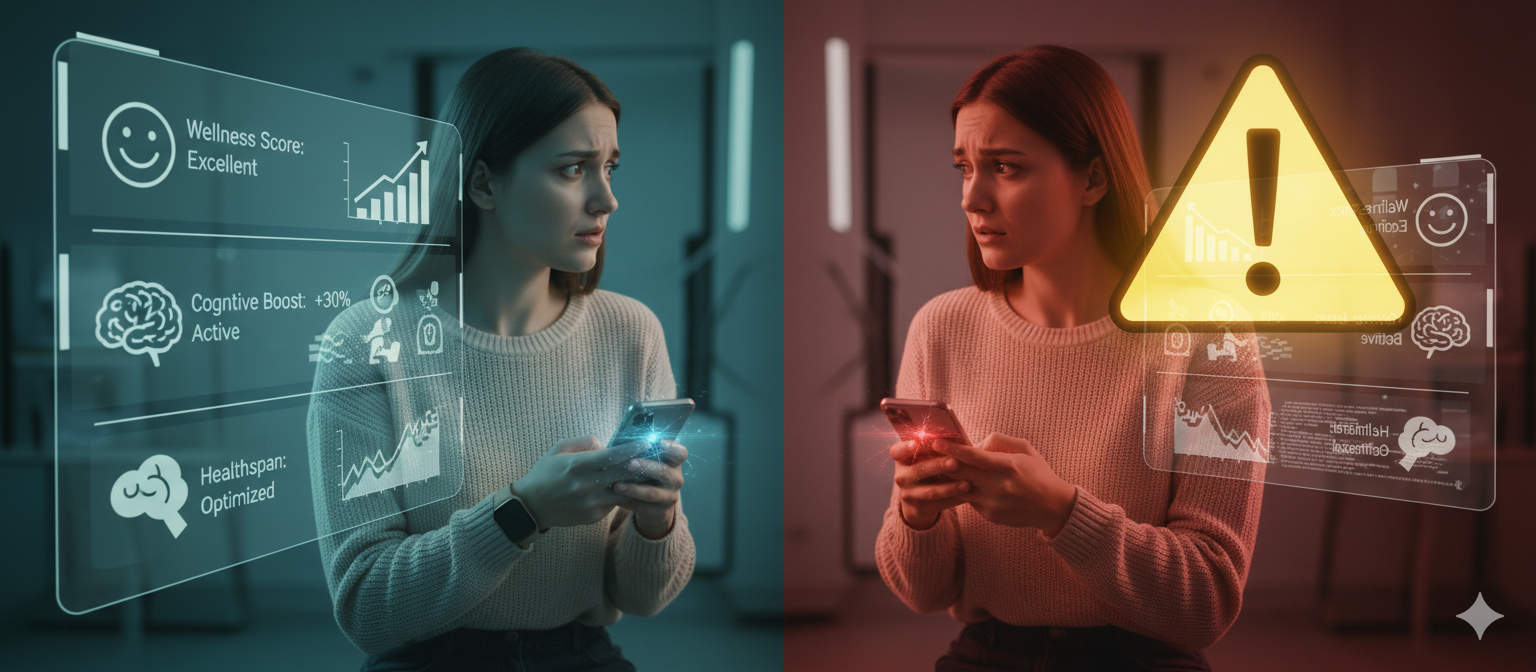
With so many AI-powered health tools available, it can be confusing to pick the right one. The key is to focus on your fitness goals, budget, and lifestyle instead of chasing every new gadget on the market.
Ask yourself: what do you need the tool for?
If your goal is weight loss, look for AI calorie trackers or smart meal planners.
If you want to improve strength, choose AI workout apps that customize training plans.
For overall health, wearables that track sleep, stress, and heart rate may be the best option.
Before buying, make sure the tool works with your phone, smartwatch, or fitness apps. For example, some AI tools only sync with iOS, while others are Android-friendly. Compatibility saves you time and frustration.
Look for tools with strong user reviews and proven accuracy. Many fitness trackers get updates that improve performance, so pick brands that provide regular software support.
Some AI health apps are free with limited features, while premium plans offer personalized coaching. Decide whether you’re okay with monthly subscriptions or prefer a one-time purchase.
Since health data is personal, always check how the company handles privacy. Choose tools that are transparent about data sharing and encryption.
The best tool is one you’ll actually use daily. If it feels complicated, you’ll abandon it. Go for a simple, intuitive interface.
👉 Final Tip: Don’t get overwhelmed by choices. Start small with one AI tool, test it for a few weeks, and see if it genuinely helps you stay consistent. Fitness is about progress, not perfection.

Yes, they do. AI-powered tools like apps and smart wearables help you track workouts, monitor progress, and give personalized insights. They eliminate guesswork and help you stay consistent with your fitness routine. For example, a Smart Bracelet with Bluetooth Heart Rate Monitor ensures you always know how your body is responding to exercise.
Absolutely. A wearable like the Smart Bracelet not only tracks your steps and calories but also monitors your sleep and heart rate. These insights are valuable for making smarter choices in diet, training, and rest, which directly impact your health.
Unlike a regular bracelet, the 4-in-1 Magnetic Bio Energy Bracelet uses titanium and magnets to help improve blood circulation and energy balance. Many people find it helpful in reducing fatigue, easing joint stiffness, and supporting overall wellness.
Yes, and they actually complement each other. The Smart Bracelet gives you data and insights, while the Bio Energy Bracelet supports recovery and energy balance. Together, they create a holistic approach to smarter health and fitness.
It varies from person to person. With the Smart Bracelet, you’ll start noticing results immediately in terms of activity tracking and daily insights. With the Bio Energy Bracelet, benefits like reduced fatigue or improved comfort may take consistent use over a few weeks.
You can easily purchase them online. The Smart Bracelet with Bluetooth Heart Rate Monitor and the Magnetic Bio Energy Bracelet are both available through trusted platforms MARWARI LUXE.
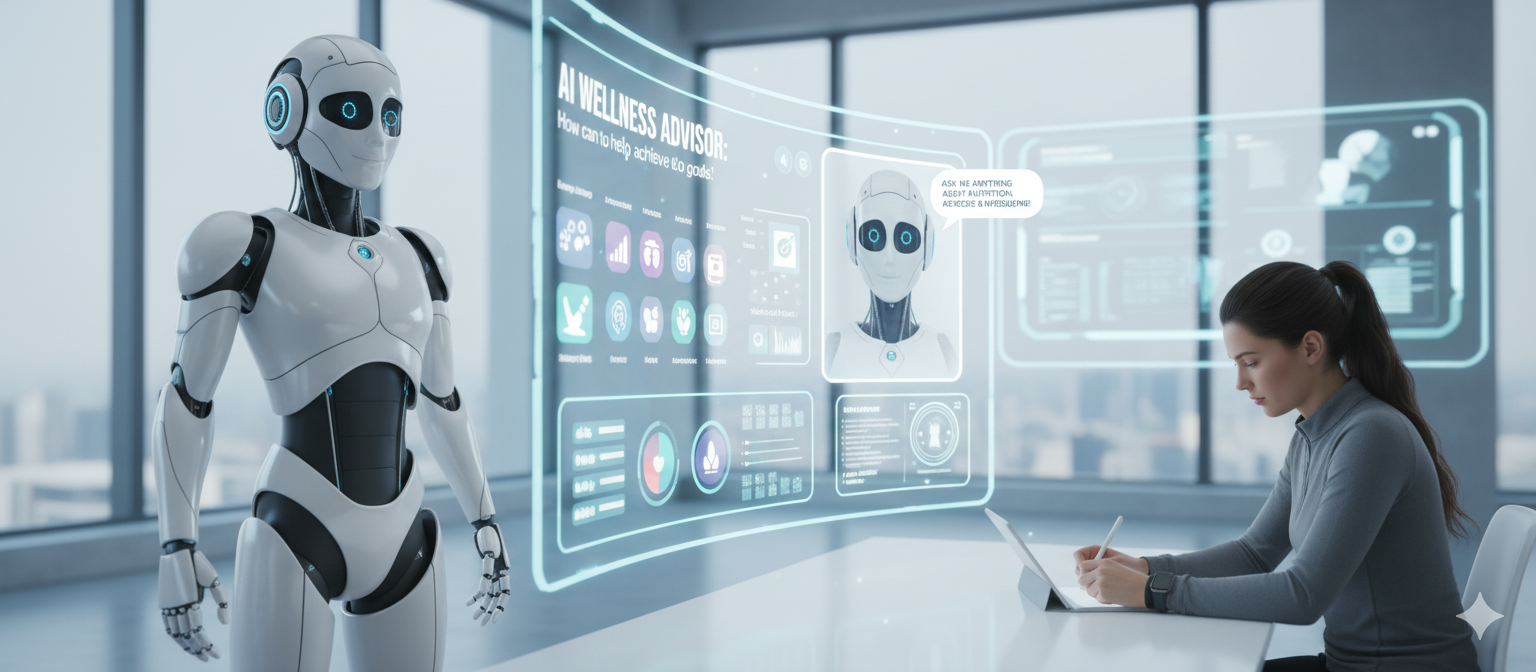
When you look at the direction fitness is heading, one thing becomes clear: technology is no longer just a support system, it’s becoming the driving force behind healthier lifestyles. From AI-powered apps that analyze your workouts, to smart devices that track your every heartbeat, health has entered a smarter era. And the best part is, you don’t have to be a professional athlete to take advantage of it. Anyone—whether you’re just starting your fitness journey or already committed to a daily routine—can use these tools to improve performance, energy, and overall wellness.
Here’s the thing: reading about new technology is one step, but actually putting it into practice is what makes the difference. If you only know what’s available but never integrate it into your daily routine, progress will always feel slow. But when you start using tools that give you real-time feedback and support your body’s natural balance, you create an environment where fitness goals don’t just stay dreams—they start turning into reality.
One of the biggest challenges people face is consistency. You may plan workouts, eat healthy, or promise yourself more sleep, but without the right tools it’s easy to slip. That’s where wearable technology steps in. A simple bracelet on your wrist can remind you to move, track your heart rate, monitor calories burned, and even keep you motivated with daily progress updates. Unlike traditional methods, these devices don’t just guess—they give you accurate data that helps you stay accountable.
Let’s break it down with two powerful products that align perfectly with the smarter health journey we’ve been exploring in this blog.
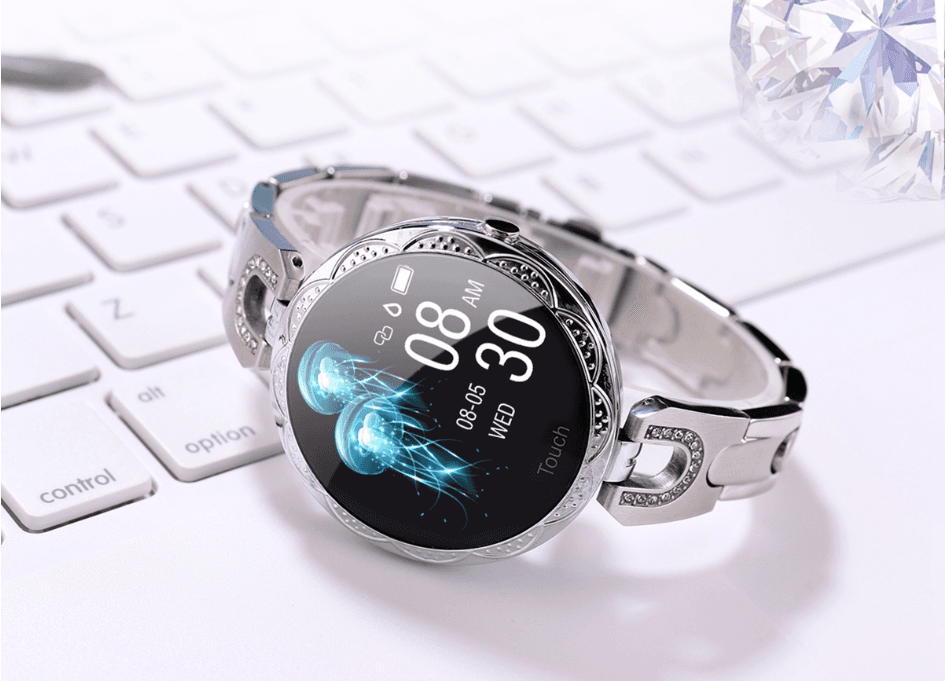
Think of this as your pocket-sized fitness coach. It doesn’t just tell the time, it tells your body’s story. With features like real-time heart rate monitoring, step tracking, sleep analysis, and calorie burn calculations, this bracelet helps you understand exactly what’s going on inside you while you exercise—or even while you rest.
The beauty of a smart bracelet is that it connects directly to your smartphone, giving you a seamless record of your daily activity. Whether you’re running, cycling, or simply walking to work, it ensures you’re never in the dark about your progress. For anyone who wants to stay motivated and see measurable results, this is one of the easiest and most affordable health tools you can invest in.
While smart devices track your progress, there’s another side of health that often gets ignored—energy balance and recovery. This is where the Magnetic Titanium Bio Energy Bracelet comes in. Unlike traditional accessories, this bracelet is designed with embedded magnets and bio-energy technology that may help improve blood circulation, reduce fatigue, and support overall vitality.
It’s particularly useful for men dealing with arthritis, joint stiffness, or low energy. By wearing it daily, you’re not just accessorizing—you’re giving your body subtle but constant support. Many users describe feeling more balanced and energized after consistent use, which makes it a perfect complement to physical workouts and busy lifestyles.
Why These Two Products Fit Your Smarter Fitness Journey
The smart bracelet and the bio energy bracelet aren’t competing with each other—they complement each other. One focuses on tracking and accountability, while the other helps with energy, balance, and recovery. Together, they give you both the digital intelligence of modern technology and the natural support of bio-energy science.
This dual approach—data plus energy—is what makes your health routine sustainable. Imagine tracking your steps, sleep, and heart rate with precision, while also wearing something that supports your body’s resistance and recovery throughout the day. That’s not marketing, that’s simply smarter living.
So, if you’ve read this far, you already know that AI and smart health tools can change the way you approach fitness. The next step is deciding whether you’ll just keep reading about these tools—or actually start using them to transform your routine.
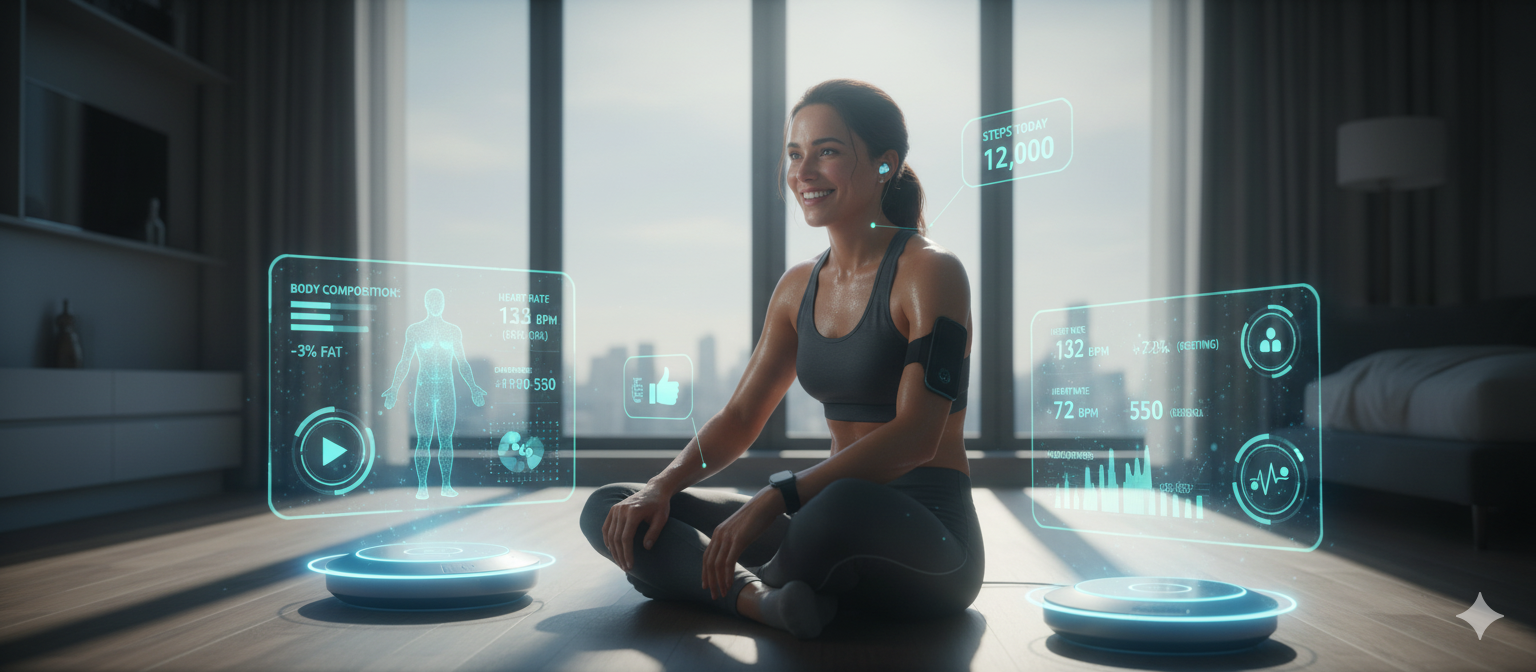
Staying healthy in 2025 isn’t just about exercising more—it’s about exercising smarter. AI-powered health tools are reshaping the way we train, recover, and measure progress. From personalized workout recommendations to accurate sleep tracking, these innovations make it easier to stay consistent and achieve results that last.
But here’s the truth: information without action won’t change your health. What makes the difference are tools you can actually use daily to support your body and track your progress. That’s where wearable health technology comes in.
One of the best starting points is the Smart Bracelet with Bluetooth Heart Rate Monitor, often called one of the best fitness trackers of 2025. It tracks your heart rate, steps, calories, and even sleep cycles—giving you real-time insights about how your body responds to activity. Instead of guessing, you’ll know exactly when to push harder and when to rest.
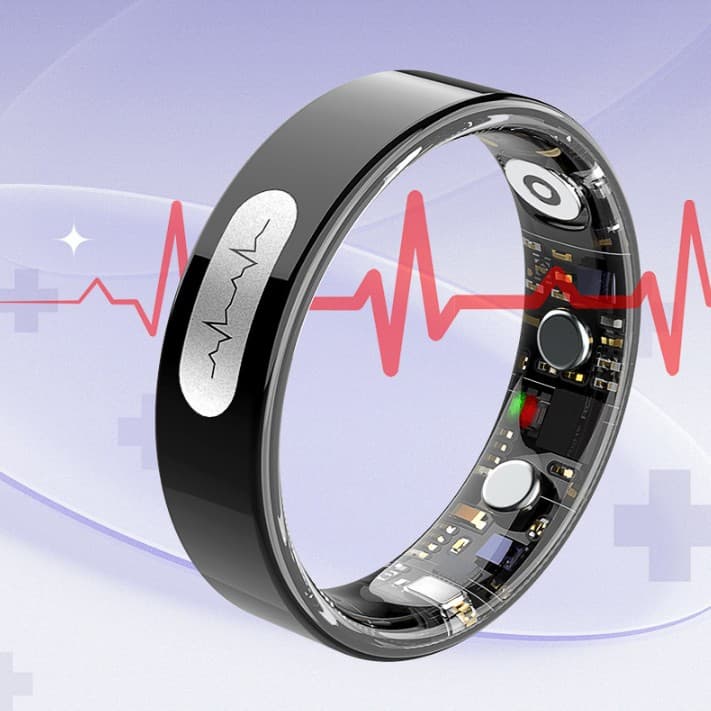
For those looking for an additional edge, the Magnetic Bio Energy Bracelet offers wellness benefits that go beyond tracking. With its titanium design and 4-in-1 magnetic energy technology, this bracelet supports blood circulation, reduces fatigue, and promotes joint comfort. Many athletes and fitness enthusiasts use it to maintain energy balance throughout the day. It’s not just a stylish accessory—it’s a recovery tool backed by wellness science.
When combined, these two products cover both sides of the fitness equation:
Smart data tracking with the fitness bracelet
Energy and recovery support with the magnetic bracelet
This makes them one of the most powerful pairs for anyone serious about health in 2025.
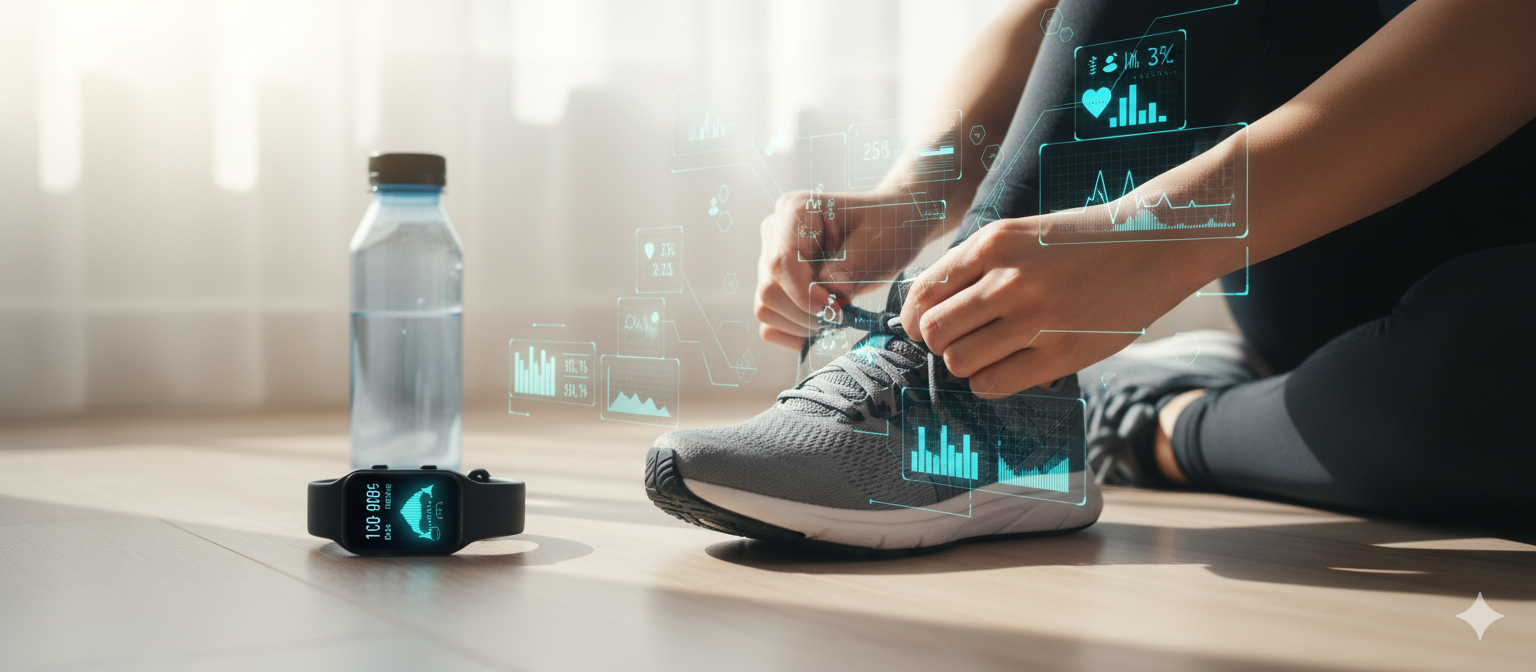
Discover the top 7 AI-powered health and fitness tools transforming the way we track workouts, nutrition, and wellness in 2025. From smart wearables to AI diet planners, learn how technology is making fitness smarter, more personalized, and easier to maintain than ever before.
What makes these tools different from traditional gadgets is their ability to learn from you. Instead of giving one-size-fits-all advice, AI tools collect data from your body, habits, and lifestyle to create customized solutions. Whether it’s predicting fatigue before you even feel it, adjusting your workout intensity in real-time, or recommending the right foods for recovery, AI is helping people train smarter—not harder.
The rise of these tools has also made fitness more accessible. Someone who cannot afford a personal trainer can now use an AI-powered app that acts like one, providing step-by-step guidance and motivation. For people managing specific health goals—like weight loss, muscle gain, or improved stamina—AI-based platforms are proving to be more precise than generic programs.
In this blog, we’ll explore the Top 7 AI-powered health tools that are redefining modern fitness. From wearable devices to smart nutrition planners, each of these innovations shows how technology and wellness are merging. And if you’re serious about staying ahead in your health journey, these tools can give you an edge you never thought possible. .
//
What Are AI-Powered Health Tools?
AI-powered health tools are smart applications and devices that use artificial intelligence to improve how we track, monitor, and manage our health. Unlike traditional fitness tools that only record basic numbers like steps or calories, AI-based tools analyze your behavior, learn your patterns, and give personalized recommendations.
For example, a normal pedometer might just tell you how many steps you walked. But an AI-powered fitness tracker will not only track steps—it can suggest how many more you should walk to reach your goal, tell you the best time for your workout, and even warn you if your body needs rest.
These tools combine data from multiple sources: heart rate, sleep quality, oxygen levels, stress monitoring, and nutrition habits. With machine learning, they adapt to your lifestyle and create a customized health plan.
From AI-driven mobile apps to smartwatches, and even advanced platforms that predict potential health risks, these tools are shaping the future of personal health management. The best part is, they make fitness more engaging by giving real-time insights and keeping you motivated.
In short, AI-powered health tools are not just about collecting data—they’re about turning data into actionable advice that helps you stay healthier and fitter in smarter ways.
Top 7 AI-Powered Health Tools in 2025.
AI is now at the heart of modern health and fitness. Let's break down the 7 smartest AI-powered health tools that are making fitness easier, more personalized, and more effective.
1. Fitbit Sense 2 – The Smart Health Watch
Fitbit Sense 2 goes beyond step tracking. It monitors stress levels, heart rate, oxygen saturation, and sleep cycles using AI algorithms. The watch gives personalized daily readiness scores so you know whether to push harder in your workout or take rest.
2. WHOOP 4.0 – AI Recovery Coach
WHOOP 4.0 is designed for athletes and fitness enthusiasts. It uses AI to track strain, recovery, and sleep with precision. The AI coach gives actionable suggestions, like adjusting your training intensity or improving sleep quality.
3. MyFitnessPal with AI Meal Suggestions
This app doesn't just count calories. Its AI recommends meal plans, portion sizes, and nutrient breakdowns based on your body type and goals. It even learns your eating habits to make smarter suggestions over time.
4. Peloton AI – Smart Workout Assistant
Peloton's AI helps create custom fitness classes and adapts based on your workout history. It also provides real-time feedback on your form during exercises, making home workouts smarter and safer.
5. Apple Watch Ultra – AI Fitness & Safety Tracker
The Apple Watch Ultra is more than a gadget. It uses AI for ECG monitoring, fall detection, sleep tracking, and advanced workout analytics. Its health alerts can even notify you of irregular heart rhythms.
6. Calm App with AI Stress Management
Mental health is fitness too. Calm now uses AI to track stress triggers, breathing patterns, and sleep behavior, then gives personalized meditation sessions. This helps balance both mind and body.
7. Smart Scales with AI Body Composition Tracking
Unlike regular scales, AI smart scales analyze muscle mass, body fat percentage, water levels, and metabolic age. They track trends over time and give customized health insights.
Benefits of Using AI in Fitness & Health.
AI-powered health tools are more than just fancy gadgets. They’re reshaping the way we approach fitness and overall well-being. Here are the top benefits:
1. Personalized Fitness Plans
AI tools don’t give the same advice to everyone. Instead, they study your body type, activity level, and health history to create custom workout and diet plans. This makes your journey more effective compared to generic programs.
2. Early Health Detection
With continuous monitoring, AI devices can spot irregularities in heart rate, oxygen levels, or sleep patterns. Some tools even alert users about potential risks like irregular heartbeats or stress overload—helping prevent bigger health problems.
3. Smarter Recovery & Rest
One of the biggest mistakes in fitness is ignoring recovery. AI trackers analyze how your body responds to exercise and tell you when to push harder and when to slow down. This ensures better results without injuries.
4. Better Nutrition Tracking
AI-powered apps track not only calories but also nutrient quality. They recommend meal plans rich in protein, fiber, or healthy fats depending on your goals, whether it’s weight loss, muscle gain, or balanced wellness.
5. Improved Motivation & Engagement
AI makes fitness fun. From gamified challenges to daily readiness scores, these tools keep you accountable and motivated. Instead of guessing, you always know where you stand in your health journey.
6. Mental Wellness Support
AI health apps now focus on stress, sleep, and mental health. Guided meditations, personalized breathing exercises, and mood tracking help maintain emotional balance—something traditional tools often ignore.
👉 In short, AI doesn’t just track—it guides, motivates, and protects. Whether your goal is to lose weight, build strength, or simply feel healthier, AI-based tools ensure your efforts are smarter, not harder.
Challenges & Limitations of AI Health Tools.
While AI-powered health tools are impressive, they aren’t perfect. Like every technology, they come with challenges that users need to be aware of.
1. Data Privacy Concerns
AI tools collect sensitive health data, including heart rate, sleep patterns, and stress levels. If this data is not properly protected, it could be misused by third parties. Always choose tools with strong privacy and security policies.
2. High Cost of Devices
Advanced AI wearables and apps often come with a higher price tag. Not everyone can afford premium watches or smart equipment, which makes accessibility a challenge for many fitness enthusiasts.
3. Overdependence on Technology
While AI can guide you, it shouldn’t replace your judgment. Relying only on devices may make people forget the basics of healthy living—like eating real food, sleeping well, and moving regularly.
4. Accuracy Issues
No AI tool is 100% accurate. Sometimes wearables misread sleep cycles or activity levels. That’s why users should treat AI insights as guidance, not absolute truth.
5. Internet & App Dependency
Most AI health tools need constant internet connection or app syncing. Without these, tracking and personalized recommendations may not work properly.
👉 The bottom line: AI health tools are powerful, but they work best when combined with self-awareness and healthy lifestyle choices. Think of them as assistants, not replacements for your fitness journey.
How to Choose the Right AI Health Tool for You.
With so many AI-powered health tools available, it can be confusing to pick the right one. The key is to focus on your fitness goals, budget, and lifestyle instead of chasing every new gadget on the market.
1. Define Your Fitness Goal
Ask yourself: what do you need the tool for?
If your goal is weight loss, look for AI calorie trackers or smart meal planners.
If you want to improve strength, choose AI workout apps that customize training plans.
For overall health, wearables that track sleep, stress, and heart rate may be the best option.
2. Check Compatibility
Before buying, make sure the tool works with your phone, smartwatch, or fitness apps. For example, some AI tools only sync with iOS, while others are Android-friendly. Compatibility saves you time and frustration.
3. Focus on Accuracy & Reviews
Look for tools with strong user reviews and proven accuracy. Many fitness trackers get updates that improve performance, so pick brands that provide regular software support.
4. Consider Budget & Subscription Costs
Some AI health apps are free with limited features, while premium plans offer personalized coaching. Decide whether you’re okay with monthly subscriptions or prefer a one-time purchase.
5. Privacy & Data Security
Since health data is personal, always check how the company handles privacy. Choose tools that are transparent about data sharing and encryption.
6. Ease of Use
The best tool is one you’ll actually use daily. If it feels complicated, you’ll abandon it. Go for a simple, intuitive interface.
👉 Final Tip: Don’t get overwhelmed by choices. Start small with one AI tool, test it for a few weeks, and see if it genuinely helps you stay consistent. Fitness is about progress, not perfection.
Frequently Asked Questions (FAQ)
Q1: Do AI-powered health tools really make a difference in fitness?
Yes, they do. AI-powered tools like apps and smart wearables help you track workouts, monitor progress, and give personalized insights. They eliminate guesswork and help you stay consistent with your fitness routine. For example, a Smart Bracelet with Bluetooth Heart Rate Monitor ensures you always know how your body is responding to exercise.
Q2: Are wearable fitness devices worth the investment?
Absolutely. A wearable like the Smart Bracelet not only tracks your steps and calories but also monitors your sleep and heart rate. These insights are valuable for making smarter choices in diet, training, and rest, which directly impact your health.
Q3: What makes the Magnetic Bio Energy Bracelet different from regular accessories?
Unlike a regular bracelet, the 4-in-1 Magnetic Bio Energy Bracelet uses titanium and magnets to help improve blood circulation and energy balance. Many people find it helpful in reducing fatigue, easing joint stiffness, and supporting overall wellness.
Q4: Can I use both the Smart Bracelet and the Bio Energy Bracelet together?
Yes, and they actually complement each other. The Smart Bracelet gives you data and insights, while the Bio Energy Bracelet supports recovery and energy balance. Together, they create a holistic approach to smarter health and fitness.
Q5: How long before I notice results with these tools?
It varies from person to person. With the Smart Bracelet, you’ll start noticing results immediately in terms of activity tracking and daily insights. With the Bio Energy Bracelet, benefits like reduced fatigue or improved comfort may take consistent use over a few weeks.
Q6: Where can I buy these products?
You can easily purchase them online. The Smart Bracelet with Bluetooth Heart Rate Monitor and the Magnetic Bio Energy Bracelet are both available through trusted platforms MARWARI LUXE.
Conclusion: Smarter Health, Smarter Choices.
When you look at the direction fitness is heading, one thing becomes clear: technology is no longer just a support system, it’s becoming the driving force behind healthier lifestyles. From AI-powered apps that analyze your workouts, to smart devices that track your every heartbeat, health has entered a smarter era. And the best part is, you don’t have to be a professional athlete to take advantage of it. Anyone—whether you’re just starting your fitness journey or already committed to a daily routine—can use these tools to improve performance, energy, and overall wellness.
Here’s the thing: reading about new technology is one step, but actually putting it into practice is what makes the difference. If you only know what’s available but never integrate it into your daily routine, progress will always feel slow. But when you start using tools that give you real-time feedback and support your body’s natural balance, you create an environment where fitness goals don’t just stay dreams—they start turning into reality.
One of the biggest challenges people face is consistency. You may plan workouts, eat healthy, or promise yourself more sleep, but without the right tools it’s easy to slip. That’s where wearable technology steps in. A simple bracelet on your wrist can remind you to move, track your heart rate, monitor calories burned, and even keep you motivated with daily progress updates. Unlike traditional methods, these devices don’t just guess—they give you accurate data that helps you stay accountable.
Let’s break it down with two powerful products that align perfectly with the smarter health journey we’ve been exploring in this blog.
1. Smart Bracelet with Bluetooth Heart Rate Monitor
Think of this as your pocket-sized fitness coach. It doesn’t just tell the time, it tells your body’s story. With features like real-time heart rate monitoring, step tracking, sleep analysis, and calorie burn calculations, this bracelet helps you understand exactly what’s going on inside you while you exercise—or even while you rest.
The beauty of a smart bracelet is that it connects directly to your smartphone, giving you a seamless record of your daily activity. Whether you’re running, cycling, or simply walking to work, it ensures you’re never in the dark about your progress. For anyone who wants to stay motivated and see measurable results, this is one of the easiest and most affordable health tools you can invest in.
2. Health Energy 4-in-1 Magnetic Bio Energy Bracelet
While smart devices track your progress, there’s another side of health that often gets ignored—energy balance and recovery. This is where the Magnetic Titanium Bio Energy Bracelet comes in. Unlike traditional accessories, this bracelet is designed with embedded magnets and bio-energy technology that may help improve blood circulation, reduce fatigue, and support overall vitality.
It’s particularly useful for men dealing with arthritis, joint stiffness, or low energy. By wearing it daily, you’re not just accessorizing—you’re giving your body subtle but constant support. Many users describe feeling more balanced and energized after consistent use, which makes it a perfect complement to physical workouts and busy lifestyles.
Why These Two Products Fit Your Smarter Fitness Journey
The smart bracelet and the bio energy bracelet aren’t competing with each other—they complement each other. One focuses on tracking and accountability, while the other helps with energy, balance, and recovery. Together, they give you both the digital intelligence of modern technology and the natural support of bio-energy science.
This dual approach—data plus energy—is what makes your health routine sustainable. Imagine tracking your steps, sleep, and heart rate with precision, while also wearing something that supports your body’s resistance and recovery throughout the day. That’s not marketing, that’s simply smarter living.
So, if you’ve read this far, you already know that AI and smart health tools can change the way you approach fitness. The next step is deciding whether you’ll just keep reading about these tools—or actually start using them to transform your routine.
Final Thoughts: Smarter Fitness Starts with Smarter Tools.
Staying healthy in 2025 isn’t just about exercising more—it’s about exercising smarter. AI-powered health tools are reshaping the way we train, recover, and measure progress. From personalized workout recommendations to accurate sleep tracking, these innovations make it easier to stay consistent and achieve results that last.
But here’s the truth: information without action won’t change your health. What makes the difference are tools you can actually use daily to support your body and track your progress. That’s where wearable health technology comes in.
One of the best starting points is the Smart Bracelet with Bluetooth Heart Rate Monitor, often called one of the best fitness trackers of 2025. It tracks your heart rate, steps, calories, and even sleep cycles—giving you real-time insights about how your body responds to activity. Instead of guessing, you’ll know exactly when to push harder and when to rest.
For those looking for an additional edge, the Magnetic Bio Energy Bracelet offers wellness benefits that go beyond tracking. With its titanium design and 4-in-1 magnetic energy technology, this bracelet supports blood circulation, reduces fatigue, and promotes joint comfort. Many athletes and fitness enthusiasts use it to maintain energy balance throughout the day. It’s not just a stylish accessory—it’s a recovery tool backed by wellness science.
When combined, these two products cover both sides of the fitness equation:
Smart data tracking with the fitness bracelet
Energy and recovery support with the magnetic bracelet
This makes them one of the most powerful pairs for anyone serious about health in 2025.
Discover the top 7 AI-powered health and fitness tools transforming the way we track workouts, nutrition, and wellness in 2025. From smart wearables to AI diet planners, learn how technology is making fitness smarter, more personalized, and easier to maintain than ever before.
About the Author
SM
Salman Marwari
Leading expert in health with over 15 years of experience in research and practice.