Health
3.8K reads
By Salman Marwari2025-03-2015 min read
Hydration Hacks: Smart Water Intake Tools You Must Try.
HydrationWater IntakeSmart ToolsHealth TechAI HealthWellness2025
Most people think drinking more water is enough to stay hydrated. But here’s the truth — it’s not just how much water you drink, it’s how smartly you drink it. From timing your sips to using tech-based hydration tools, small changes can completely transform how your body absorbs and uses water.
Most people think drinking water is simple — you feel thirsty, you grab a glass, and that’s it. But here’s the truth: the way we hydrate has become just as important as the water itself. In 2025, hydration isn’t about carrying a bottle everywhere; it’s about understanding your body’s unique needs and using smart tools that help you meet them effortlessly.
Think about it — you track your steps, your sleep, even your calories. But how often do you track your hydration? Dehydration is one of those silent problems that sneaks up without warning. A mild lack of water can make you tired, foggy-headed, moody, and less productive. Your body loses water every minute through breathing, sweating, and digestion, yet most people still underestimate how much they actually need.
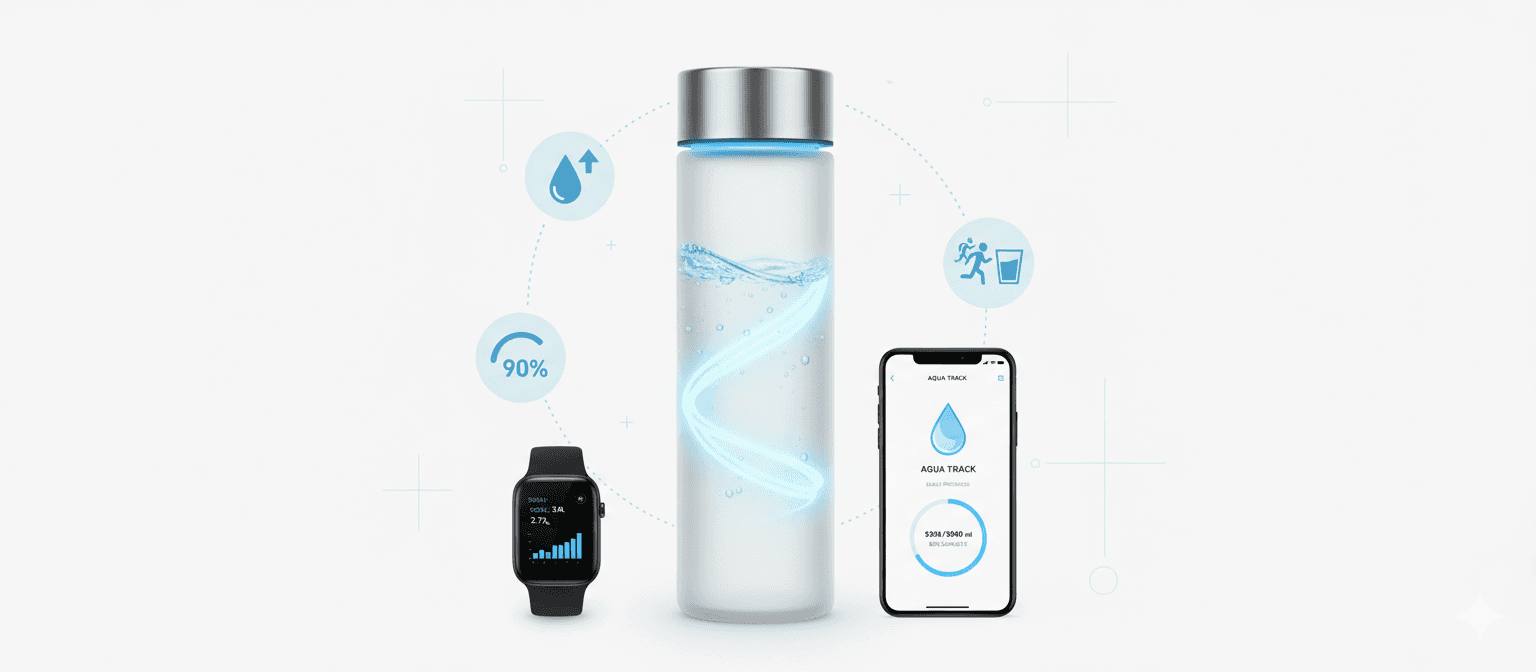
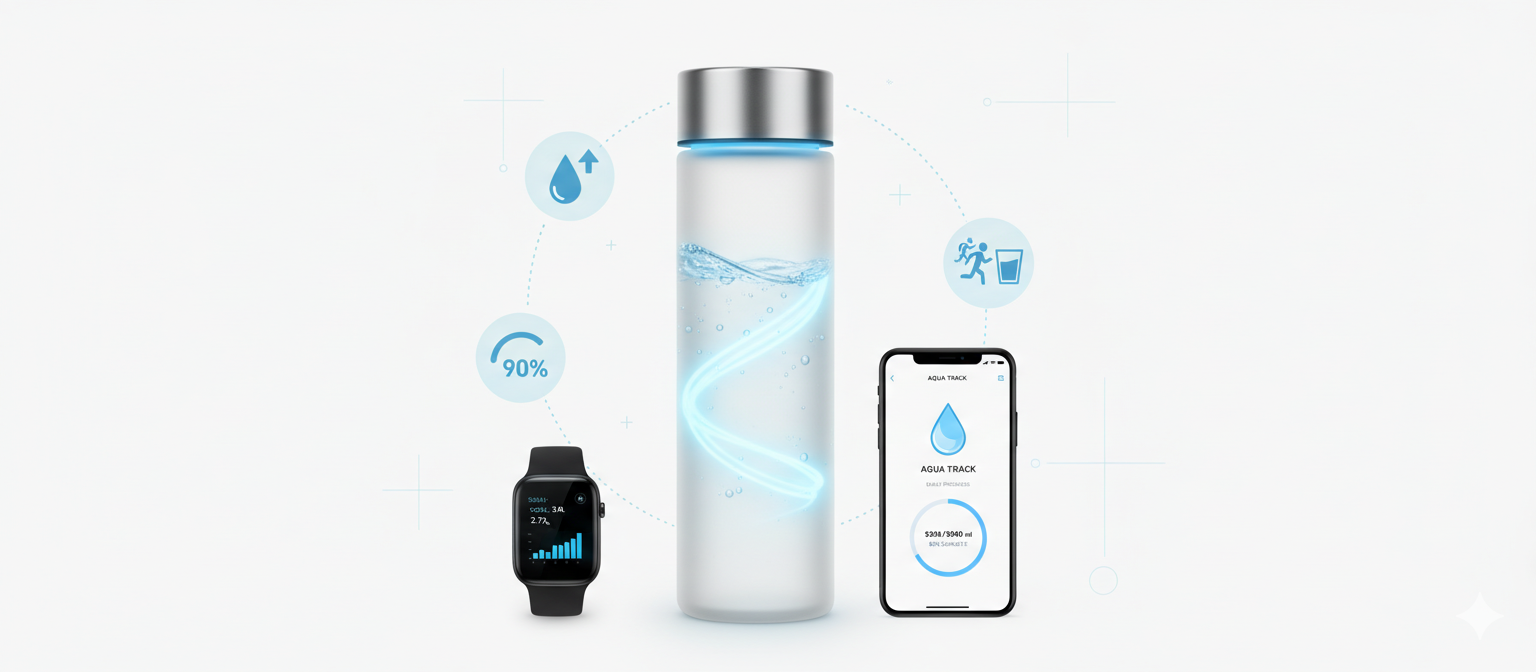
Here’s where smart hydration tools come in. These aren’t your average bottles. They’re designed with built-in sensors, Bluetooth connectivity, and apps that sync with your smartwatch or phone. They remind you to drink when your body actually needs it — not just when you remember. They can even adjust your hydration goals based on the weather, your workout intensity, or your sleep quality.
The idea of “smart hydration” may sound high-tech, but it’s actually very human. It’s about getting closer to what your body naturally craves. When you drink at the right time and in the right amount, you don’t just quench thirst — you support digestion, circulation, skin glow, and brain performance. Science now shows that even a small drop in hydration levels (as little as 2%) can affect concentration, energy, and mood.
Modern life makes it tricky to stay hydrated. We’re constantly on screens, sipping coffee, or working in air-conditioned rooms — all of which dry us out faster than we realize. And while most people aim for “8 glasses a day,” that rule doesn’t work for everyone. Your hydration needs depend on your body weight, daily activity, and even the climate you live in. That’s why 2025’s new generation of smart bottles and apps focus on personalization instead of guesswork.
Take, for example, AI-powered hydration apps that analyze your heart rate, temperature, and movement through your smartwatch. They tell you when to drink, not just how much. Some bottles even glow softly as a reminder or send a gentle notification to your phone. Others can purify water on the go with UV-C light or measure your water’s temperature to help you maintain balance during workouts.
Hydration tracking is becoming a health trend for a good reason. The brain is nearly 75% water, and when it runs low, you instantly feel it — sluggish thoughts, slower memory, dull focus. On the other hand, proper hydration helps your cells perform at their peak. Your metabolism runs smoother, your skin clears up, and your mood stabilizes. It’s one of the simplest bio-hacks that can upgrade how you feel every day.
The beauty of these new smart tools is that they make hydration automatic. No more guessing, no more forgetting. Whether you’re an athlete pushing limits or someone who just wants better energy through the day, hydration tech gives you data-driven control over a habit you already do — just smarter.
This guide will walk you through the most effective hydration hacks, the best smart water tools of 2025, and how to build daily habits that keep your body and brain performing at their best. You’ll learn what to look for in a hydration device, how AI is changing hydration science, and which mistakes to avoid (like drinking too much too fast or ignoring electrolytes).
By the end, you’ll realize that staying hydrated isn’t just about drinking water — it’s about understanding your body’s signals and using smart tools to support them. The goal isn’t more water; it’s better hydration. And once you master that, you’ll feel the difference in your energy, focus, and overall health.
So before you take another sip, let’s explore how smart hydration tools are reshaping one of the most basic — and most powerful — habits for a healthier, sharper, and more vibrant you.
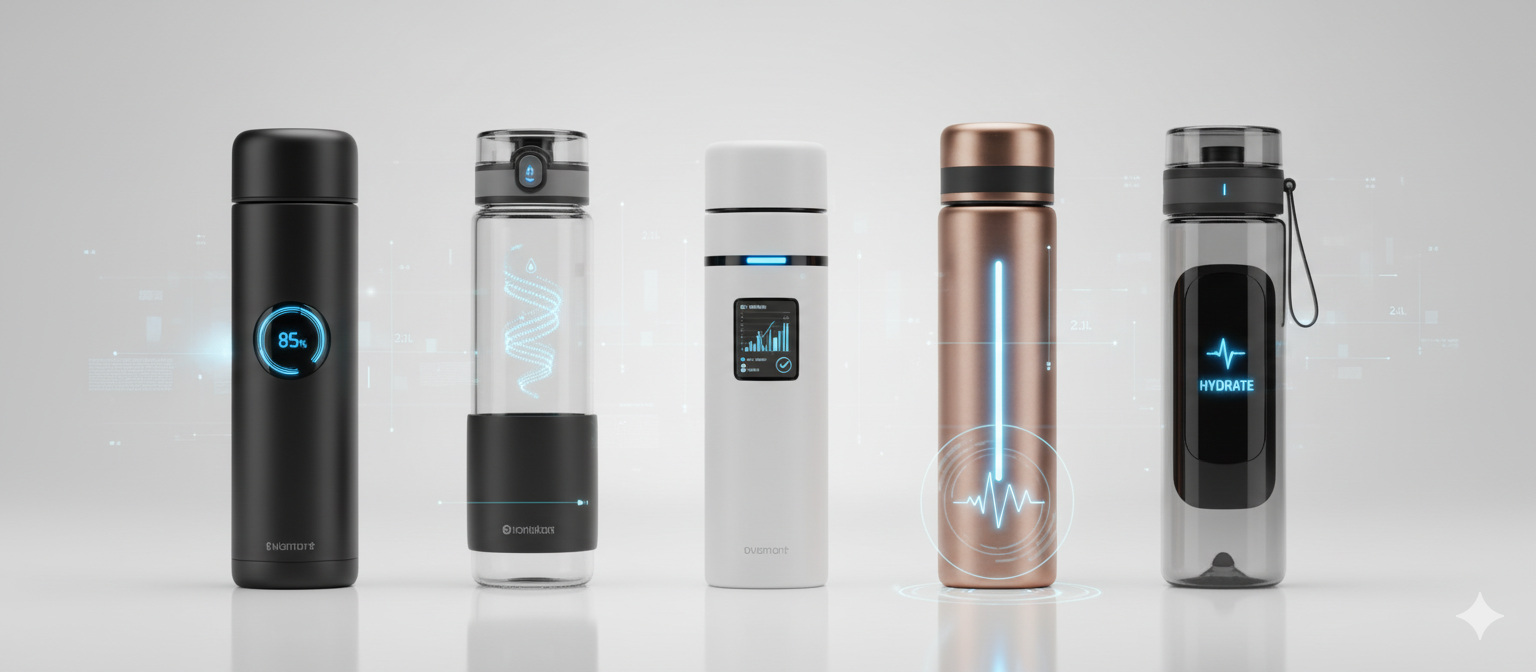
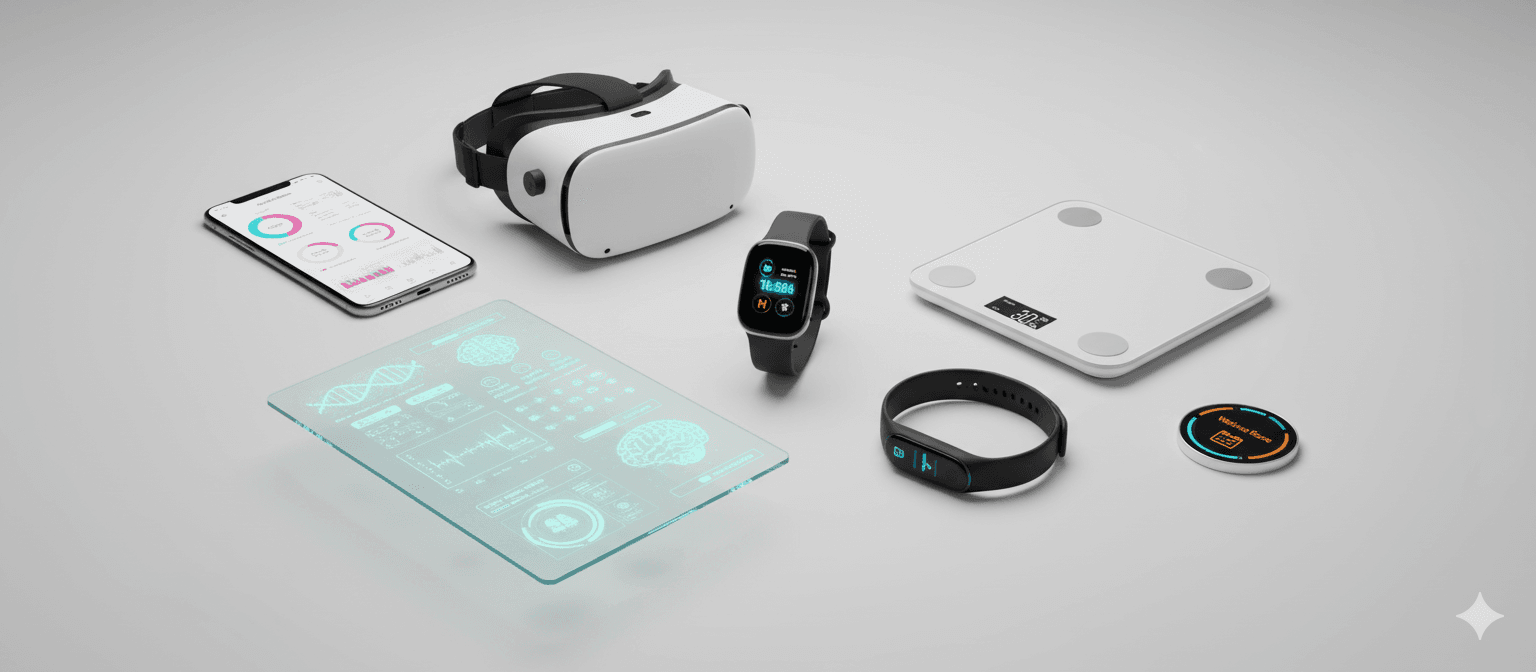
The year 2025 has brought a new wave of hydration tech that goes beyond just keeping your water cold. These smart hydration tools use sensors, AI data, and health syncing to help you drink the right amount at the right time. Whether you’re a gym regular, a remote worker, or just someone trying to stay healthy, here are the top smart water tools that actually make hydration easier — and smarter.
One of the most popular hydration devices of 2025, the HidrateSpark PRO uses Bluetooth to sync with your phone or smartwatch. It tracks how much water you drink throughout the day and glows gently as a reminder when you start falling behind. The app customizes your daily hydration goal based on your weight, activity, and even local weather conditions. It’s sleek, rechargeable, and perfect for everyday use.
The upgraded LARQ is more than just a water bottle — it’s a self-cleaning system. Using UV-C LED technology, it kills up to 99.9% of bacteria and viruses inside your water and on the bottle’s inner surface. It’s ideal for travelers or anyone who wants to avoid refilling from questionable sources. The new 2.0 version now pairs with mobile apps for hydration tracking too.
If you already have a favorite bottle, Ulla’s smart clip is the simplest upgrade you can get. It attaches to any bottle and blinks softly when you haven’t sipped in a while. It doesn’t need an app or Bluetooth — just motion detection that senses when you’ve had a drink. It’s budget-friendly and works perfectly for office or home use.
This bottle combines hydration tracking with on-demand nutrition. It uses flavor pods that infuse vitamins, electrolytes, or caffeine into your water. Controlled by an app, it lets you choose what your body needs that day — whether it’s energy, recovery, or hydration balance. Great for fitness lovers who want smarter control over their daily nutrients.
Apple’s 2025 iOS update now integrates hydration tracking directly into Apple Health. When connected to compatible bottles like HidrateSpark, it automatically logs your intake and sends alerts through Apple Watch. It’s seamless, accurate, and brings hydration tracking right into your daily health routine.
What these tools share is one simple goal — making hydration smarter, not harder. With real-time tracking, data integration, and AI guidance, drinking water has officially entered the future.
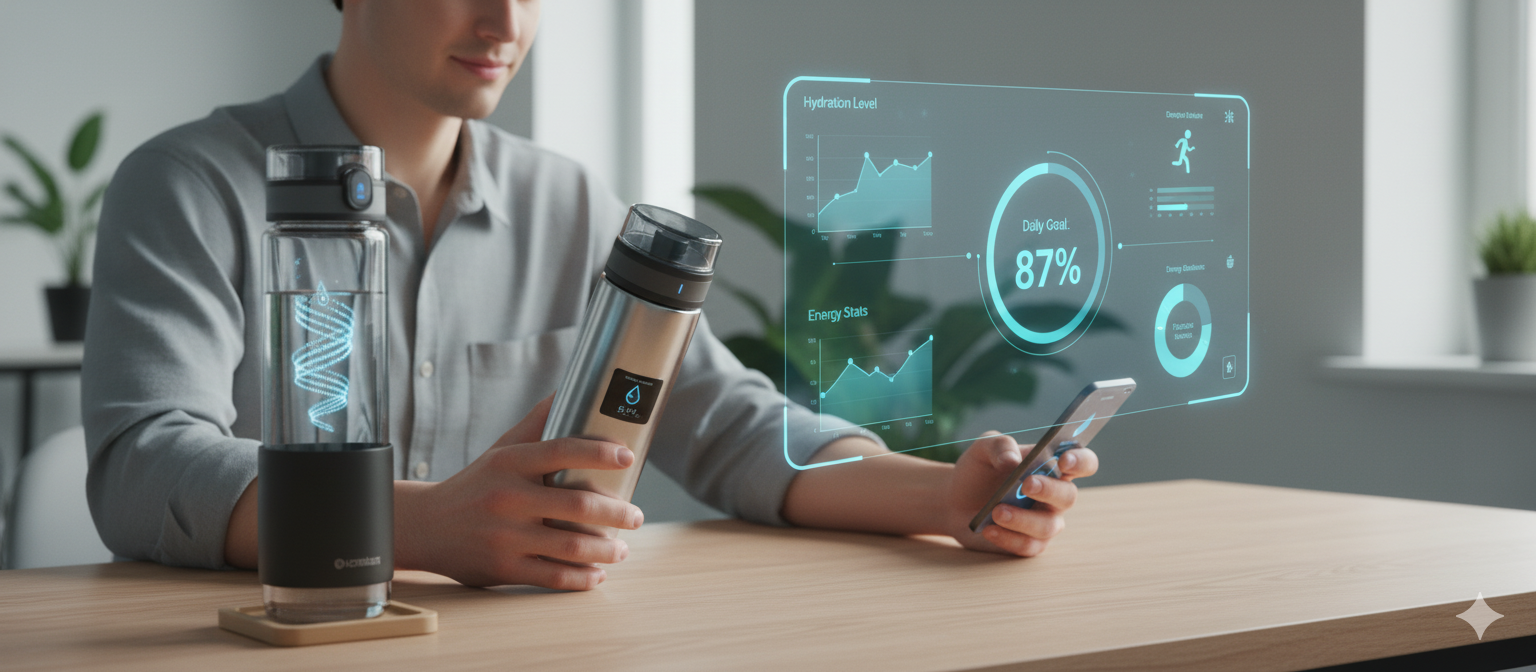
Smart hydration tools aren’t just cool gadgets — they’re reshaping how we care for our bodies every single day. In 2025, hydration tracking has become a part of personal health management, much like step counters and sleep monitors. The difference? These devices turn something as basic as water intake into a measurable, impactful wellness habit.
Most people don’t realize that mild dehydration can cause fatigue, brain fog, and even mood swings. Smart hydration tools solve that problem by keeping you on track before you ever feel thirsty. When your body stays consistently hydrated, your brain performs better — you think faster, stay more alert, and feel more stable emotionally. This is especially true for people working long hours on screens or in hot environments.
Hydration affects everything from digestion to muscle recovery. Tools like HidrateSpark PRO and LARQ bottles personalize your daily water goals based on your activity and weather. That means your body always has the right amount of water for nutrient transport, temperature regulation, and toxin removal. For athletes or gym-goers, this translates into better workout performance and quicker post-exercise recovery.
Smart bottles do more than remind you to drink — they prevent dehydration-related problems like headaches, low blood pressure, or dry skin. Many 2025 hydration apps now analyze sweat loss and electrolyte levels, alerting you when you need more minerals instead of plain water. This small shift helps maintain the perfect fluid balance in your cells, protecting organs and improving overall health.
Before smart tools, people relied on guesswork. Now, hydration reminders, real-time data, and progress charts make drinking water a consistent, mindful activity. You’re not drinking because you “should” — you’re doing it because your health data shows why it matters. Over time, this awareness builds strong habits that naturally improve your energy levels and mood.
The best part? These tools integrate with Apple Health, Google Fit, and even smartwatches. That means your hydration data works alongside sleep, nutrition, and exercise metrics — giving you a complete picture of your body’s energy cycles.
What this really means is that hydration is no longer just about water; it’s about optimizing energy, focus, and daily performance through data-driven awareness.
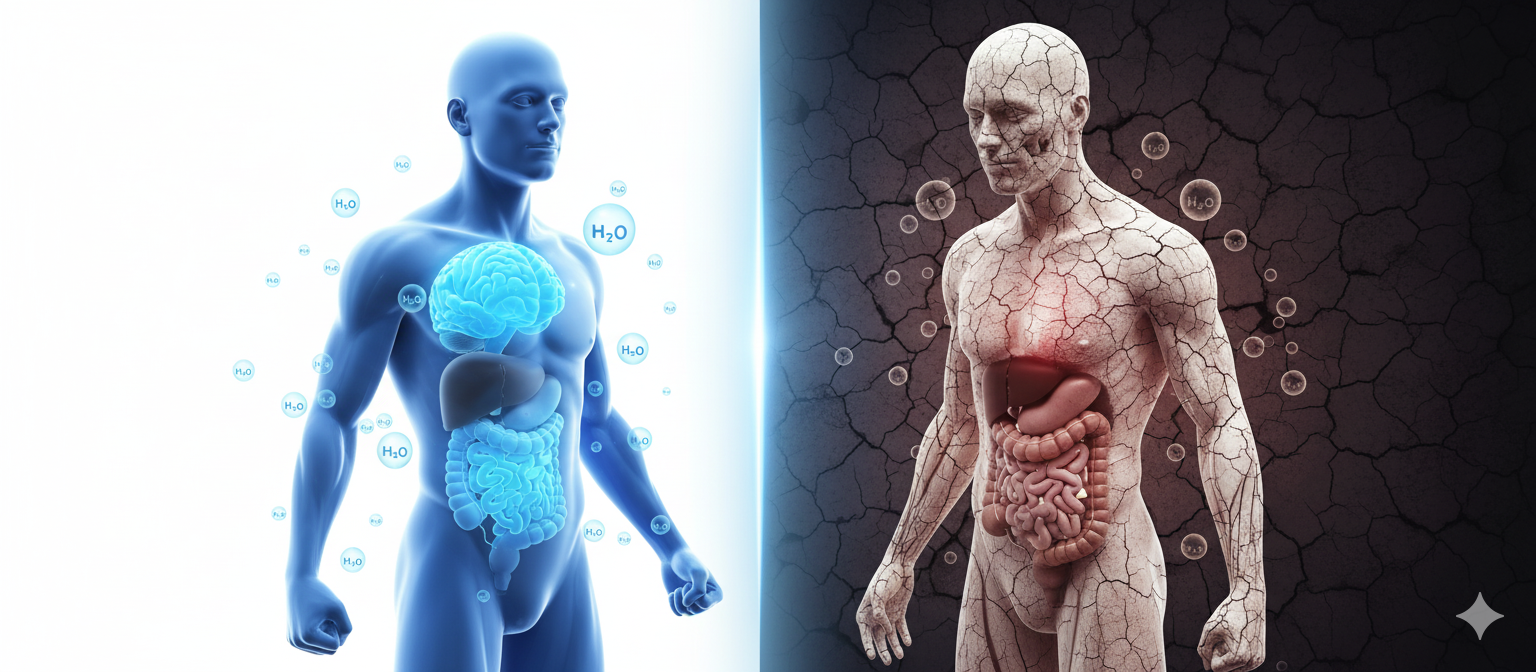
Dehydration isn’t just about feeling thirsty — it’s a full-body stress signal that affects everything from your brain chemistry to your metabolism. When your body loses more fluids than it takes in, even by a small percentage, your cells begin to operate under pressure. In 2025, new research in human physiology and neuroscience continues to reveal how deeply hydration is tied to both physical and mental performance.
Your brain is nearly 75% water. That means every thought, decision, and emotional reaction depends on proper hydration. When you’re dehydrated, blood flow to the brain decreases, slowing oxygen delivery and making it harder to concentrate. Neurotransmitter function — especially serotonin and dopamine — also drops, which explains why you may feel irritable, anxious, or foggy after skipping water for hours. Studies now show that even a 1–2% loss in body water can impair memory, attention, and mood stability.
Water powers every metabolic reaction in your body, including how you burn calories. When hydration levels dip, your metabolism slows down, and muscles receive less oxygen. This leads to early fatigue, muscle cramps, and decreased endurance. For athletes or active professionals, dehydration can reduce performance by up to 20%, according to sports science data. On a cellular level, low hydration increases oxidative stress — meaning your body literally “ages” faster at a microscopic scale.
Your heart works harder when you’re dehydrated because blood becomes thicker and moves less efficiently. That extra strain increases heart rate and can trigger dizziness or fainting, especially during physical activity. Meanwhile, your digestive system also suffers: dehydration slows nutrient absorption and causes constipation, bloating, and acid reflux. Simply put, your gut and heart need water to maintain rhythm and flow.
The brain and body communicate constantly through the nervous system — and hydration is their shared language. When water is lacking, the stress hormone cortisol spikes, leading to anxiety and poor sleep quality. Over time, chronic dehydration can mimic symptoms of depression or burnout. That’s why hydration tracking is now a key focus in mental health research and wellness technology.
In short, dehydration quietly steals energy, focus, and stability. Understanding its science is the first step toward mastering daily hydration and unlocking better brain-body balance.
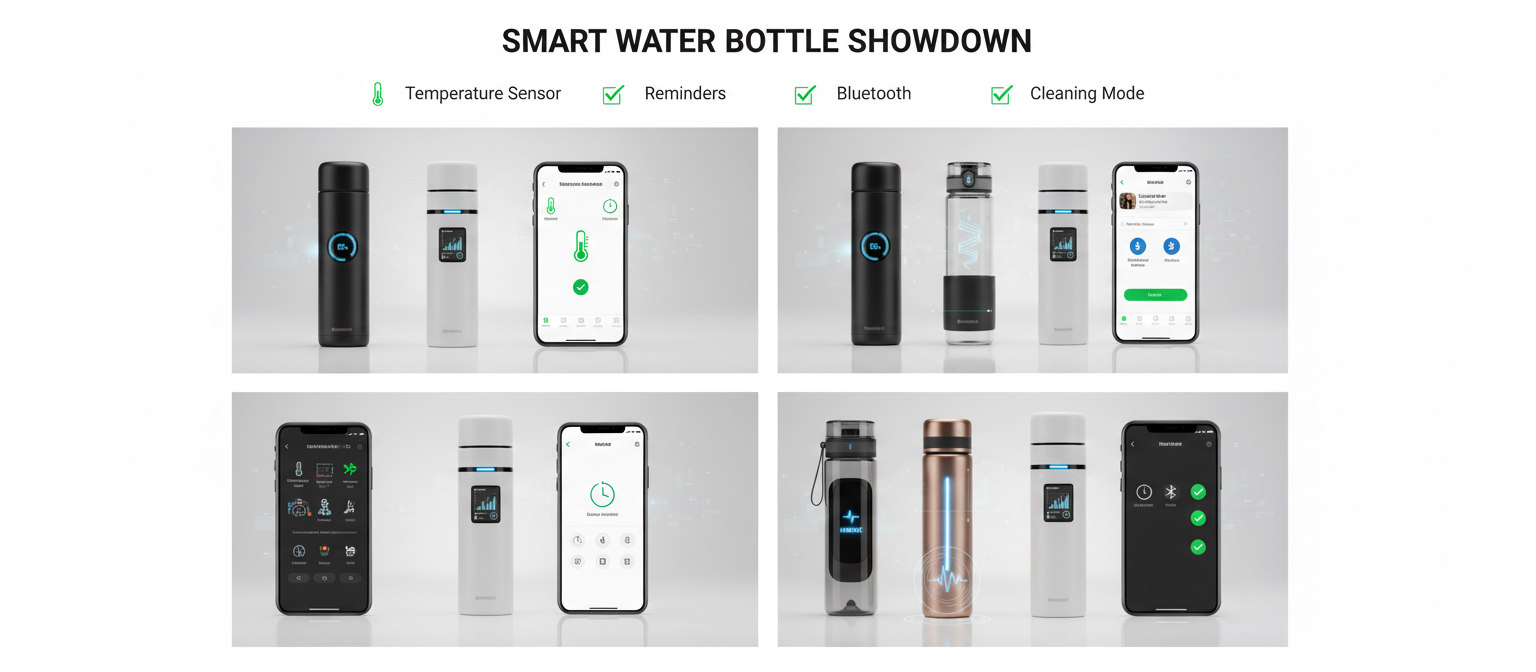
Picking the right smart hydration tool can be tricky, especially in 2025 when the market is flooded with bottles, wearables, and AI-driven water tracking apps. But the best choice comes down to one thing: how well it fits your daily lifestyle. Whether you’re a fitness enthusiast, a busy professional, or someone trying to improve general wellness, there’s a perfect hydration companion for you — if you know what to look for.
Before buying anything, decide what you actually need. Do you struggle to drink enough water daily? Are you monitoring fitness recovery or skin hydration? For example, if your goal is weight management or athletic performance, look for devices that sync with fitness apps and calculate hydration needs based on sweat and activity. If you simply forget to drink water, a bottle with smart reminders and LED notifications may be enough.
Smart bottles like HidrateSpark PRO or LARQ Bottle Movement come with built-in sensors that automatically log water intake. In contrast, many cheaper models rely on manual logging — which can defeat the purpose. Look for Bluetooth-enabled bottles that connect to your phone or smartwatch for real-time tracking. For high accuracy, check if the app adjusts water goals based on temperature, heart rate, or physical exertion.
The best smart hydration tools seamlessly connect with major wellness platforms such as Apple Health, Fitbit, or Google Fit. This integration gives you a complete view of your health metrics, helping you understand how hydration impacts energy, sleep, and workouts. Some apps even use AI analytics to predict dehydration risk and send proactive reminders.
Functionality is useless if you hate carrying the bottle. Choose one that’s lightweight, easy to clean, and has a long-lasting battery (ideally two weeks or more). Bonus points for self-cleaning models using UV-C light — a big hygiene win for travelers or office workers.
Lastly, compare pricing models. Some advanced hydration apps require monthly subscriptions for data analytics or coaching features. If you prefer simplicity, choose a one-time-purchase bottle without recurring fees.
In the end, the right smart hydration tool is the one that fits effortlessly into your routine. The goal isn’t just to track water — it’s to turn hydration into an effortless, enjoyable daily habit.
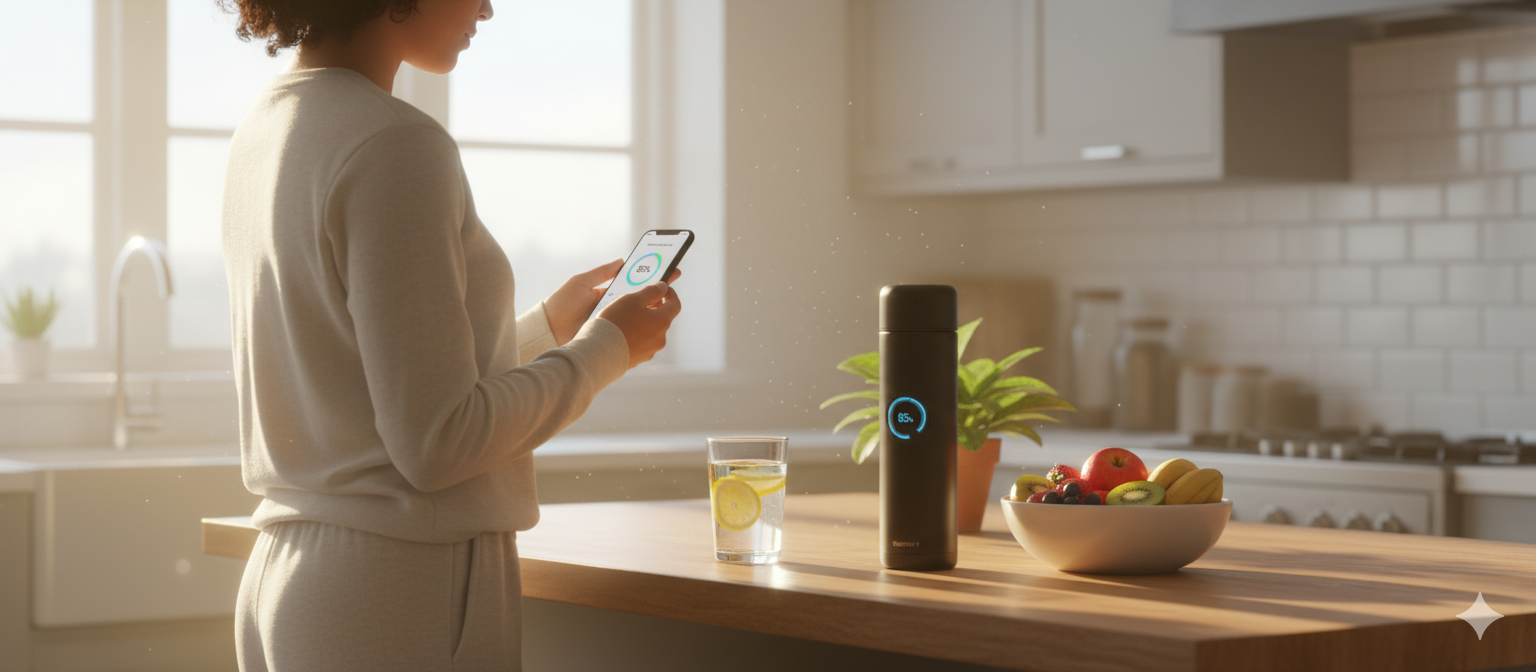
You don’t always need a smart bottle or app to stay hydrated. Sometimes, it’s about building small, consistent hydration habits that fit easily into your lifestyle. Let’s look at practical, science-backed ways to naturally increase your water intake without overthinking it.
Make hydration your first and last ritual of the day. Drink a glass of water right after waking up — it jumpstarts your metabolism and rehydrates your cells after 6–8 hours of sleep. Similarly, ending the day with a few sips before bed helps maintain circulation and brain hydration overnight. It’s a simple, free habit that signals your body to stay balanced.
If plain water feels boring, infuse it with natural flavors. Add slices of lemon, cucumber, mint, berries, or orange to make it more enjoyable. These not only enhance taste but also add antioxidants and vitamins. Try changing your flavor every few days to keep it interesting. Hydration should feel refreshing, not like a chore.
About 20–30% of your daily hydration comes from food. Include high-water-content foods like watermelon, oranges, cucumbers, tomatoes, and lettuce in your meals. Soups and smoothies are also great ways to combine nutrition with hydration. This method supports both your gut and skin health while reducing the chances of dehydration during hot weather.
Keep a bottle near your desk, bed, or car. Visual reminders are powerful triggers. Studies show that simply having water in sight increases intake by up to 25%. You can also use phone alarms or sticky notes labeled “Drink Water” — simple but effective cues that build long-term discipline.
If logging data isn’t your style, use easy mental tracking systems. For instance, aim for one glass every two hours or half your body weight in ounces daily. Keep things flexible — hydration isn’t about perfection; it’s about consistency.
Whenever you crave soda or energy drinks, swap them for sparkling water, coconut water, or herbal teas. These satisfy thirst while adding electrolytes and antioxidants without unnecessary sugar spikes.
The truth is, hydration is less about technology and more about awareness. Build small, repeatable actions that make water your body’s favorite routine — not a forced task.
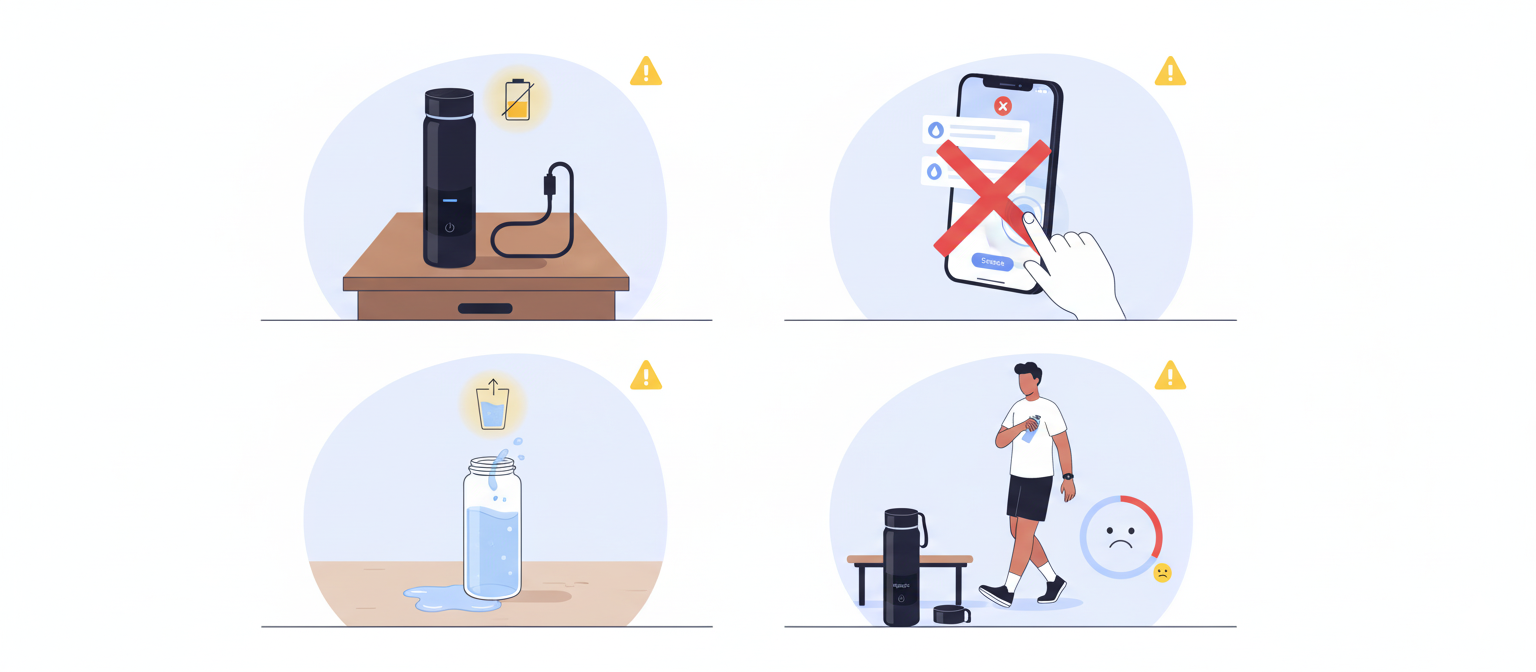
Smart hydration tools are great for reminding you to drink water — but like any tech, they’re only as effective as how you use them. Many people invest in smart bottles and hydration apps, yet still feel dehydrated or bloated. Let’s break down the most common mistakes users make and how to fix them.
A smart bottle can track your intake, but it can’t build habits for you. Many users assume the gadget will automatically solve dehydration, forgetting that hydration is behavioral, not digital. If you only drink water when your app tells you, your body stops recognizing natural thirst cues. Use tech as a reminder, not a replacement for self-awareness.
Not everyone needs the same amount of water. Your hydration requirements depend on age, weight, climate, activity level, and diet. Some apps give generic goals like “2 liters per day,” which may not suit everyone. Overhydration can cause electrolyte imbalance and fatigue, while underhydration leads to headaches and dry skin. Listen to your body first, then let the app guide your precision.
Drinking only plain water all day can dilute sodium and potassium levels, especially for athletes or those in hot climates. Smart bottles rarely account for this. Balance your intake with electrolyte-rich drinks, coconut water, or mineral supplements to maintain energy and hydration balance. Remember: hydration is about nutrient balance, not just water volume.
Many users overlook the hygiene side. Sensors, caps, and straws can accumulate bacteria if not washed regularly. Ironically, your “hydration tool” can become a source of germs. Clean your bottle daily with mild soap and dry it thoroughly to prevent contamination — especially if it tracks temperature or includes LED reminders.
Smart gadgets can’t adjust for caffeine intake, alcohol, or salty foods that dehydrate the body. Even the best hydration tools won’t help if you’re constantly consuming dehydrating substances. Adjust your diet and timing alongside using your hydration tech.
Like any wellness habit, consistency matters. Many people stop using hydration trackers after a week. To make real progress, treat these tools as long-term wellness partners, not temporary fads.
When used mindfully, hydration tools can help you stay balanced — but real hydration starts with awareness, balance, and discipline, not just technology.
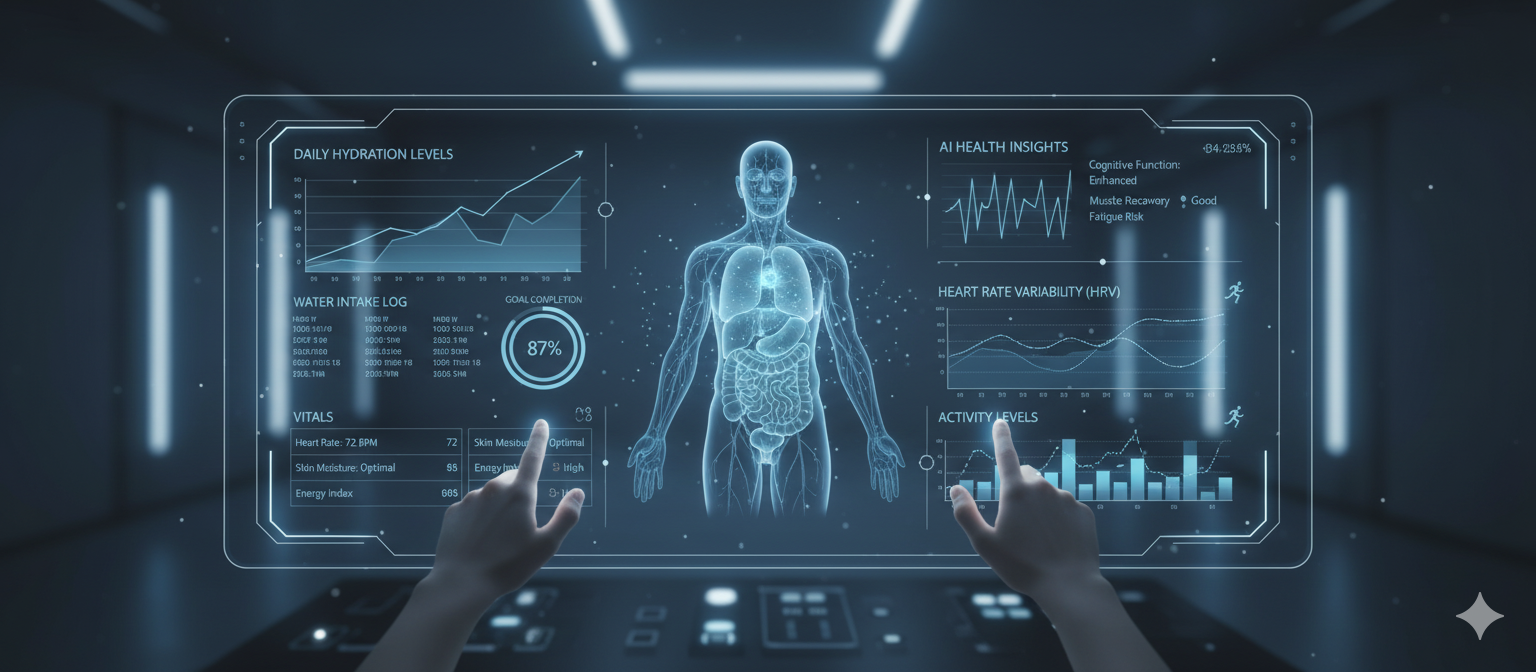
In 2025, artificial intelligence is transforming the way we think about hydration. It’s no longer just about drinking eight glasses of water a day — AI tools are now analyzing your personal needs in real time. These systems factor in your age, weight, activity level, weather, and even your stress or sleep patterns to recommend how much water you actually need each day.
Here’s how it works. Smart bottles and wearables now sync with AI-powered apps that track your body data — heart rate, sweat loss, temperature, and hydration levels — using built-in sensors. The app then adjusts your hydration plan automatically. For instance, if you had a poor night’s sleep or spent extra time at the gym, it’ll increase your water intake target for the day.
Even more impressive, these AI tools are starting to integrate with health platforms like Apple Health, Fitbit, and Samsung Health. They combine your nutrition and fitness data to create complete “hydration profiles” — helping you see how your water intake influences energy, focus, and metabolism.
Some apps go a step further by sending predictive reminders. Instead of random notifications, they learn your habits. If you usually forget to drink after lunch or while working late, the app will remind you at the right moment. This adaptive timing makes hydration feel effortless and natural.
In short, AI is turning hydration into a personalized science. It’s helping people avoid both dehydration and overhydration by finding the perfect balance for their bodies. As the tech continues to evolve, we’ll likely see even more precise tools that adjust in real time — like smart wearables that monitor hydration through skin sensors or sweat composition.
AI-driven hydration tools are redefining how we care for our bodies. By combining health data, environmental conditions, and personal habits, they’re making water intake smarter, more accurate, and tailored to you.
Let’s clear up some of the most common questions people have about smart hydration tools and how they actually work.
Yes — if you struggle to stay consistent with drinking water, smart bottles make a big difference. They track your intake, remind you when to drink, and sync data to your phone. Over time, this helps you build better hydration habits without having to think about it.
They can estimate it very accurately. AI apps use data such as your age, body weight, activity level, and even local temperature to calculate your ideal daily water intake. Some advanced ones also adjust recommendations based on sleep quality or physical exertion.
Not always. Most smart bottles work via Bluetooth to connect to your phone. The app does need internet access to sync your data to the cloud or analyze it with AI features, but the bottle itself often works offline for basic tracking.
At least once a day if you use it regularly. Many smart bottles now come with UV-C sterilization technology that disinfects water and the inner surface automatically — reducing the need for manual cleaning.
Mostly, yes. They’re designed for pure water measurement, but some newer models can detect other beverages like juice or electrolyte drinks by analyzing conductivity or density changes.
Hydration apps rely on manual logging and timed reminders, while smart bottles automatically detect how much you drink and sync the data to your phone. Using both together gives the best results — accuracy from the bottle and analytics from the app.
Absolutely. Athletes benefit the most since hydration directly affects endurance, muscle recovery, and energy. Smart bottles and AI tools help track fluid loss during workouts and adjust water goals based on sweat levels and activity intensity.
Yes, as long as they’re used correctly. In fact, kids and seniors often forget to drink water throughout the day, so reminder-based tools can help maintain consistent hydration and prevent fatigue or dizziness.
Prices vary. Basic Bluetooth bottles start around $30–$50, while AI-integrated bottles with sensors and UV sterilizers can go up to $100–$200. Free and premium hydration apps complement them perfectly.
Yes — because it’s adaptive. The AI learns your patterns and nudges you at just the right moments. Over time, you’ll notice fewer energy crashes, clearer skin, better digestion, and more consistent focus.
Smart hydration tools aren’t just trendy gadgets — they’re health investments. Whether you’re trying to stay productive, improve fitness, or simply feel more energized, these tools make hydration effortless and personalized.
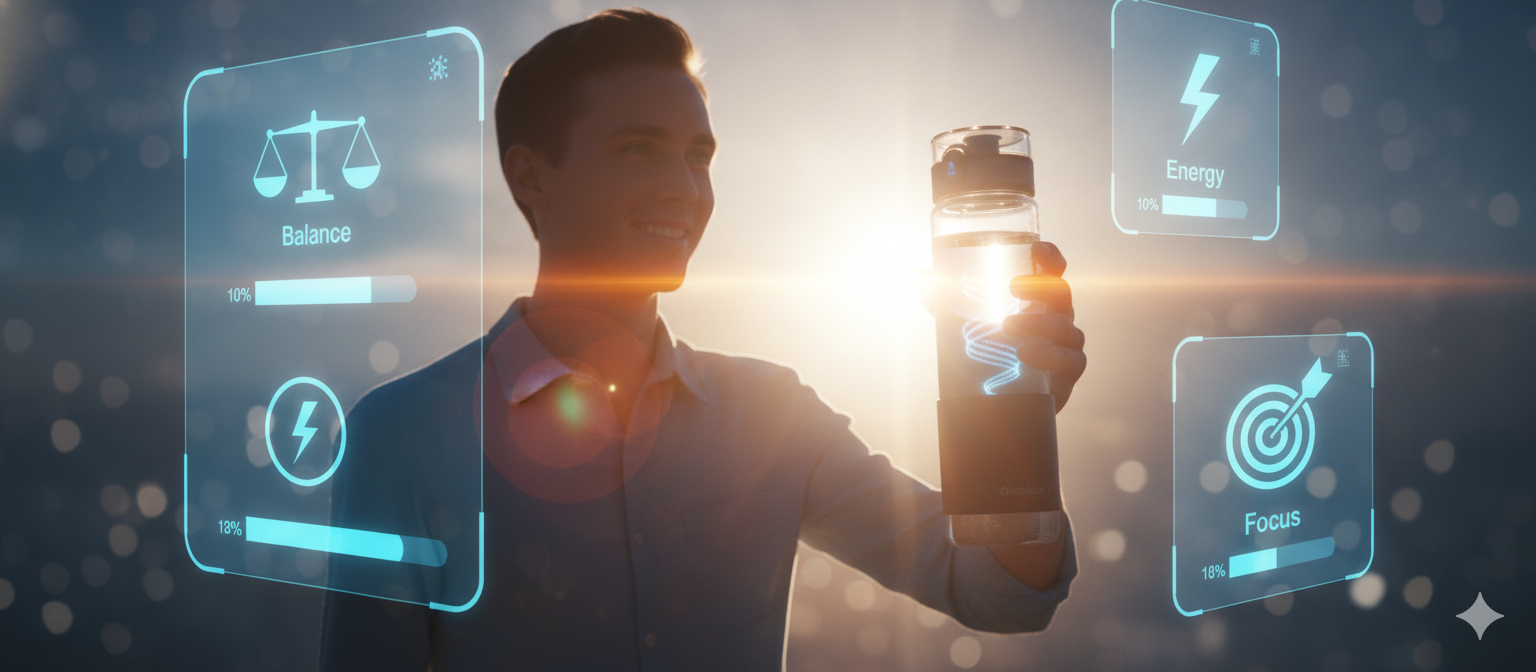
Here’s the thing — hydration isn’t just about drinking eight glasses of water a day anymore. It’s about knowing what your body needs, when it needs it, and how to meet those needs effortlessly. That’s where smart hydration tools and AI-powered systems are changing the game.
When you start tracking your water intake consistently, you begin to notice small but powerful changes — fewer headaches, sharper focus, better skin, and improved digestion. Your energy stabilizes throughout the day, and even your sleep quality gets better because your body’s fluid balance stays consistent.
The smartest approach to hydration in 2025 isn’t about overcomplicating things. It’s about using technology to make something simple actually happen every day. Whether it’s a smart bottle that reminds you to sip or an app that adjusts your hydration goals based on the weather, these tools take the guesswork out of staying healthy.
Think of smart hydration as your daily performance upgrade. It’s like giving your body the operating system it needs to function at its best. And the best part? Once you build this habit, it runs automatically. You drink more consistently, your body feels better, and your brain performs sharper — all without constant effort.
So if you’re ready to take your health goals seriously, start small. Pick one tool — a smart bottle, a hydration tracker, or an AI-based app — and use it for a week. You’ll realize how much your body has been asking for this simple, science-backed fix.
Smarter hydration isn’t about trends. It’s about transformation — one sip at a time.
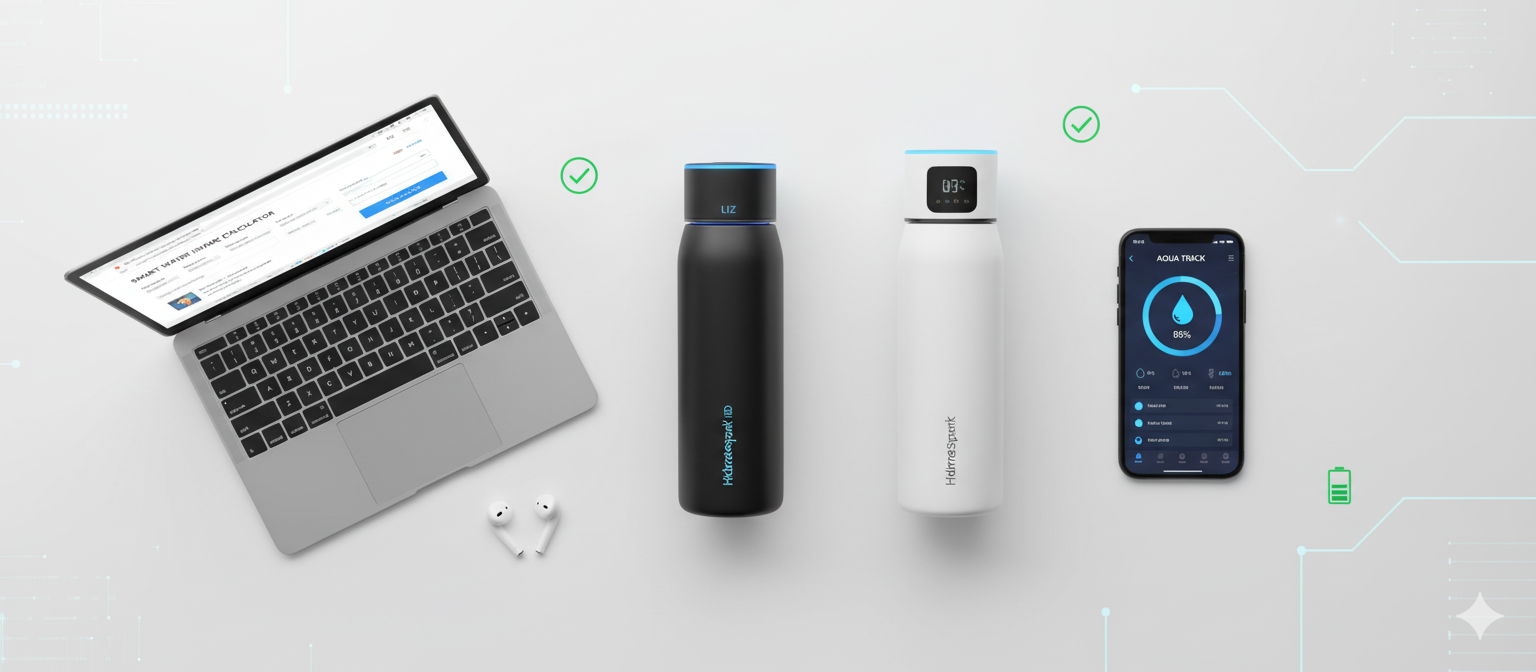
If you’re ready to take your hydration habits to the next level, here are some of the most effective tools to get started. These smart bottles and apps are designed to help you stay on track effortlessly — by tracking intake, sending reminders, and syncing with your fitness goals.
HidrateSpark PRO: Tracks every sip through Bluetooth and syncs with Apple Health or Fitbit.
LIZ Smart Bottle: Self-cleaning with UV-C light and real-time temperature display.
ThermoSmart Flask: Ideal for hot climates — adjusts hydration goals based on your activity and temperature data.
Waterllama: Gamified hydration tracking that makes staying hydrated fun.
Aqualert: Smart notifications that adapt to your daily water loss through exercise or weather.
Hydro Coach: Tracks progress, provides daily insights, and calculates your ideal water goal.
Want to know exactly how much water your body needs every day? Use our Smart Water Intake Calculator
— it’s based on your age, weight, activity level, and environment.
It’s simple: enter your details, and the calculator instantly gives you a personalized hydration plan you can start using today.
Smart hydration tools, best water intake apps 2025, AI water tracker, hydration hacks, smart water bottles, drink reminder gadgets, hydration for skin and health, water tracking devices
Most people think drinking water is simple — you feel thirsty, you grab a glass, and that’s it. But here’s the truth: the way we hydrate has become just as important as the water itself. In 2025, hydration isn’t about carrying a bottle everywhere; it’s about understanding your body’s unique needs and using smart tools that help you meet them effortlessly.
Think about it — you track your steps, your sleep, even your calories. But how often do you track your hydration? Dehydration is one of those silent problems that sneaks up without warning. A mild lack of water can make you tired, foggy-headed, moody, and less productive. Your body loses water every minute through breathing, sweating, and digestion, yet most people still underestimate how much they actually need.
Here’s where smart hydration tools come in. These aren’t your average bottles. They’re designed with built-in sensors, Bluetooth connectivity, and apps that sync with your smartwatch or phone. They remind you to drink when your body actually needs it — not just when you remember. They can even adjust your hydration goals based on the weather, your workout intensity, or your sleep quality.
The idea of “smart hydration” may sound high-tech, but it’s actually very human. It’s about getting closer to what your body naturally craves. When you drink at the right time and in the right amount, you don’t just quench thirst — you support digestion, circulation, skin glow, and brain performance. Science now shows that even a small drop in hydration levels (as little as 2%) can affect concentration, energy, and mood.
Modern life makes it tricky to stay hydrated. We’re constantly on screens, sipping coffee, or working in air-conditioned rooms — all of which dry us out faster than we realize. And while most people aim for “8 glasses a day,” that rule doesn’t work for everyone. Your hydration needs depend on your body weight, daily activity, and even the climate you live in. That’s why 2025’s new generation of smart bottles and apps focus on personalization instead of guesswork.
Take, for example, AI-powered hydration apps that analyze your heart rate, temperature, and movement through your smartwatch. They tell you when to drink, not just how much. Some bottles even glow softly as a reminder or send a gentle notification to your phone. Others can purify water on the go with UV-C light or measure your water’s temperature to help you maintain balance during workouts.
Hydration tracking is becoming a health trend for a good reason. The brain is nearly 75% water, and when it runs low, you instantly feel it — sluggish thoughts, slower memory, dull focus. On the other hand, proper hydration helps your cells perform at their peak. Your metabolism runs smoother, your skin clears up, and your mood stabilizes. It’s one of the simplest bio-hacks that can upgrade how you feel every day.
The beauty of these new smart tools is that they make hydration automatic. No more guessing, no more forgetting. Whether you’re an athlete pushing limits or someone who just wants better energy through the day, hydration tech gives you data-driven control over a habit you already do — just smarter.
This guide will walk you through the most effective hydration hacks, the best smart water tools of 2025, and how to build daily habits that keep your body and brain performing at their best. You’ll learn what to look for in a hydration device, how AI is changing hydration science, and which mistakes to avoid (like drinking too much too fast or ignoring electrolytes).
By the end, you’ll realize that staying hydrated isn’t just about drinking water — it’s about understanding your body’s signals and using smart tools to support them. The goal isn’t more water; it’s better hydration. And once you master that, you’ll feel the difference in your energy, focus, and overall health.
So before you take another sip, let’s explore how smart hydration tools are reshaping one of the most basic — and most powerful — habits for a healthier, sharper, and more vibrant you.
Top Smart Hydration Tools That Work in 2025
The year 2025 has brought a new wave of hydration tech that goes beyond just keeping your water cold. These smart hydration tools use sensors, AI data, and health syncing to help you drink the right amount at the right time. Whether you’re a gym regular, a remote worker, or just someone trying to stay healthy, here are the top smart water tools that actually make hydration easier — and smarter.
1. HidrateSpark PRO Smart Bottle
One of the most popular hydration devices of 2025, the HidrateSpark PRO uses Bluetooth to sync with your phone or smartwatch. It tracks how much water you drink throughout the day and glows gently as a reminder when you start falling behind. The app customizes your daily hydration goal based on your weight, activity, and even local weather conditions. It’s sleek, rechargeable, and perfect for everyday use.
2. LARQ Bottle PureVis 2.0
The upgraded LARQ is more than just a water bottle — it’s a self-cleaning system. Using UV-C LED technology, it kills up to 99.9% of bacteria and viruses inside your water and on the bottle’s inner surface. It’s ideal for travelers or anyone who wants to avoid refilling from questionable sources. The new 2.0 version now pairs with mobile apps for hydration tracking too.
3. Ulla Smart Hydration Reminder
If you already have a favorite bottle, Ulla’s smart clip is the simplest upgrade you can get. It attaches to any bottle and blinks softly when you haven’t sipped in a while. It doesn’t need an app or Bluetooth — just motion detection that senses when you’ve had a drink. It’s budget-friendly and works perfectly for office or home use.
4. LifeFuels Smart Bottle 2.0
This bottle combines hydration tracking with on-demand nutrition. It uses flavor pods that infuse vitamins, electrolytes, or caffeine into your water. Controlled by an app, it lets you choose what your body needs that day — whether it’s energy, recovery, or hydration balance. Great for fitness lovers who want smarter control over their daily nutrients.
5. Apple Health + Smart Hydration Sync
Apple’s 2025 iOS update now integrates hydration tracking directly into Apple Health. When connected to compatible bottles like HidrateSpark, it automatically logs your intake and sends alerts through Apple Watch. It’s seamless, accurate, and brings hydration tracking right into your daily health routine.
What these tools share is one simple goal — making hydration smarter, not harder. With real-time tracking, data integration, and AI guidance, drinking water has officially entered the future.
How Smart Hydration Tools Improve Daily Health and Energy
Smart hydration tools aren’t just cool gadgets — they’re reshaping how we care for our bodies every single day. In 2025, hydration tracking has become a part of personal health management, much like step counters and sleep monitors. The difference? These devices turn something as basic as water intake into a measurable, impactful wellness habit.
1. Better Energy and Focus Throughout the Day
Most people don’t realize that mild dehydration can cause fatigue, brain fog, and even mood swings. Smart hydration tools solve that problem by keeping you on track before you ever feel thirsty. When your body stays consistently hydrated, your brain performs better — you think faster, stay more alert, and feel more stable emotionally. This is especially true for people working long hours on screens or in hot environments.
2. Balanced Body Functions and Faster Recovery
Hydration affects everything from digestion to muscle recovery. Tools like HidrateSpark PRO and LARQ bottles personalize your daily water goals based on your activity and weather. That means your body always has the right amount of water for nutrient transport, temperature regulation, and toxin removal. For athletes or gym-goers, this translates into better workout performance and quicker post-exercise recovery.
3. Preventing Common Health Issues
Smart bottles do more than remind you to drink — they prevent dehydration-related problems like headaches, low blood pressure, or dry skin. Many 2025 hydration apps now analyze sweat loss and electrolyte levels, alerting you when you need more minerals instead of plain water. This small shift helps maintain the perfect fluid balance in your cells, protecting organs and improving overall health.
4. Mindful Drinking and Consistency
Before smart tools, people relied on guesswork. Now, hydration reminders, real-time data, and progress charts make drinking water a consistent, mindful activity. You’re not drinking because you “should” — you’re doing it because your health data shows why it matters. Over time, this awareness builds strong habits that naturally improve your energy levels and mood.
5. Seamless Integration with Lifestyle Apps
The best part? These tools integrate with Apple Health, Google Fit, and even smartwatches. That means your hydration data works alongside sleep, nutrition, and exercise metrics — giving you a complete picture of your body’s energy cycles.
What this really means is that hydration is no longer just about water; it’s about optimizing energy, focus, and daily performance through data-driven awareness.
The Science: How Dehydration Affects Brain and Body
Dehydration isn’t just about feeling thirsty — it’s a full-body stress signal that affects everything from your brain chemistry to your metabolism. When your body loses more fluids than it takes in, even by a small percentage, your cells begin to operate under pressure. In 2025, new research in human physiology and neuroscience continues to reveal how deeply hydration is tied to both physical and mental performance.
1. Brain Performance and Mood Regulation
Your brain is nearly 75% water. That means every thought, decision, and emotional reaction depends on proper hydration. When you’re dehydrated, blood flow to the brain decreases, slowing oxygen delivery and making it harder to concentrate. Neurotransmitter function — especially serotonin and dopamine — also drops, which explains why you may feel irritable, anxious, or foggy after skipping water for hours. Studies now show that even a 1–2% loss in body water can impair memory, attention, and mood stability.
2. Physical Energy and Metabolic Efficiency
Water powers every metabolic reaction in your body, including how you burn calories. When hydration levels dip, your metabolism slows down, and muscles receive less oxygen. This leads to early fatigue, muscle cramps, and decreased endurance. For athletes or active professionals, dehydration can reduce performance by up to 20%, according to sports science data. On a cellular level, low hydration increases oxidative stress — meaning your body literally “ages” faster at a microscopic scale.
3. Cardiovascular and Digestive Health
Your heart works harder when you’re dehydrated because blood becomes thicker and moves less efficiently. That extra strain increases heart rate and can trigger dizziness or fainting, especially during physical activity. Meanwhile, your digestive system also suffers: dehydration slows nutrient absorption and causes constipation, bloating, and acid reflux. Simply put, your gut and heart need water to maintain rhythm and flow.
4. Cognitive and Emotional Balance
The brain and body communicate constantly through the nervous system — and hydration is their shared language. When water is lacking, the stress hormone cortisol spikes, leading to anxiety and poor sleep quality. Over time, chronic dehydration can mimic symptoms of depression or burnout. That’s why hydration tracking is now a key focus in mental health research and wellness technology.
In short, dehydration quietly steals energy, focus, and stability. Understanding its science is the first step toward mastering daily hydration and unlocking better brain-body balance.
Choosing the Right Smart Bottle or App for You
Picking the right smart hydration tool can be tricky, especially in 2025 when the market is flooded with bottles, wearables, and AI-driven water tracking apps. But the best choice comes down to one thing: how well it fits your daily lifestyle. Whether you’re a fitness enthusiast, a busy professional, or someone trying to improve general wellness, there’s a perfect hydration companion for you — if you know what to look for.
1. Understand Your Hydration Goals
Before buying anything, decide what you actually need. Do you struggle to drink enough water daily? Are you monitoring fitness recovery or skin hydration? For example, if your goal is weight management or athletic performance, look for devices that sync with fitness apps and calculate hydration needs based on sweat and activity. If you simply forget to drink water, a bottle with smart reminders and LED notifications may be enough.
2. Prioritize Sensors and Accuracy
Smart bottles like HidrateSpark PRO or LARQ Bottle Movement come with built-in sensors that automatically log water intake. In contrast, many cheaper models rely on manual logging — which can defeat the purpose. Look for Bluetooth-enabled bottles that connect to your phone or smartwatch for real-time tracking. For high accuracy, check if the app adjusts water goals based on temperature, heart rate, or physical exertion.
3. Check App Integration and Compatibility
The best smart hydration tools seamlessly connect with major wellness platforms such as Apple Health, Fitbit, or Google Fit. This integration gives you a complete view of your health metrics, helping you understand how hydration impacts energy, sleep, and workouts. Some apps even use AI analytics to predict dehydration risk and send proactive reminders.
4. Focus on Design and Battery Life
Functionality is useless if you hate carrying the bottle. Choose one that’s lightweight, easy to clean, and has a long-lasting battery (ideally two weeks or more). Bonus points for self-cleaning models using UV-C light — a big hygiene win for travelers or office workers.
5. Budget and Subscription Costs
Lastly, compare pricing models. Some advanced hydration apps require monthly subscriptions for data analytics or coaching features. If you prefer simplicity, choose a one-time-purchase bottle without recurring fees.
In the end, the right smart hydration tool is the one that fits effortlessly into your routine. The goal isn’t just to track water — it’s to turn hydration into an effortless, enjoyable daily habit.
Real-Life Habits That Boost Water Intake Naturally
You don’t always need a smart bottle or app to stay hydrated. Sometimes, it’s about building small, consistent hydration habits that fit easily into your lifestyle. Let’s look at practical, science-backed ways to naturally increase your water intake without overthinking it.
1. Start and End Your Day with Water
Make hydration your first and last ritual of the day. Drink a glass of water right after waking up — it jumpstarts your metabolism and rehydrates your cells after 6–8 hours of sleep. Similarly, ending the day with a few sips before bed helps maintain circulation and brain hydration overnight. It’s a simple, free habit that signals your body to stay balanced.
2. Flavor Your Water — Naturally
If plain water feels boring, infuse it with natural flavors. Add slices of lemon, cucumber, mint, berries, or orange to make it more enjoyable. These not only enhance taste but also add antioxidants and vitamins. Try changing your flavor every few days to keep it interesting. Hydration should feel refreshing, not like a chore.
3. Eat Your Water
About 20–30% of your daily hydration comes from food. Include high-water-content foods like watermelon, oranges, cucumbers, tomatoes, and lettuce in your meals. Soups and smoothies are also great ways to combine nutrition with hydration. This method supports both your gut and skin health while reducing the chances of dehydration during hot weather.
4. Create Environmental Reminders
Keep a bottle near your desk, bed, or car. Visual reminders are powerful triggers. Studies show that simply having water in sight increases intake by up to 25%. You can also use phone alarms or sticky notes labeled “Drink Water” — simple but effective cues that build long-term discipline.
5. Track It Without Stress
If logging data isn’t your style, use easy mental tracking systems. For instance, aim for one glass every two hours or half your body weight in ounces daily. Keep things flexible — hydration isn’t about perfection; it’s about consistency.
6. Replace Sugary Drinks with Smart Choices
Whenever you crave soda or energy drinks, swap them for sparkling water, coconut water, or herbal teas. These satisfy thirst while adding electrolytes and antioxidants without unnecessary sugar spikes.
The truth is, hydration is less about technology and more about awareness. Build small, repeatable actions that make water your body’s favorite routine — not a forced task.
Common Mistakes People Make When Using Hydration Tools
Smart hydration tools are great for reminding you to drink water — but like any tech, they’re only as effective as how you use them. Many people invest in smart bottles and hydration apps, yet still feel dehydrated or bloated. Let’s break down the most common mistakes users make and how to fix them.
1. Relying Too Much on Technology
A smart bottle can track your intake, but it can’t build habits for you. Many users assume the gadget will automatically solve dehydration, forgetting that hydration is behavioral, not digital. If you only drink water when your app tells you, your body stops recognizing natural thirst cues. Use tech as a reminder, not a replacement for self-awareness.
2. Ignoring Individual Hydration Needs
Not everyone needs the same amount of water. Your hydration requirements depend on age, weight, climate, activity level, and diet. Some apps give generic goals like “2 liters per day,” which may not suit everyone. Overhydration can cause electrolyte imbalance and fatigue, while underhydration leads to headaches and dry skin. Listen to your body first, then let the app guide your precision.
3. Forgetting Electrolytes
Drinking only plain water all day can dilute sodium and potassium levels, especially for athletes or those in hot climates. Smart bottles rarely account for this. Balance your intake with electrolyte-rich drinks, coconut water, or mineral supplements to maintain energy and hydration balance. Remember: hydration is about nutrient balance, not just water volume.
4. Not Cleaning Smart Bottles Properly
Many users overlook the hygiene side. Sensors, caps, and straws can accumulate bacteria if not washed regularly. Ironically, your “hydration tool” can become a source of germs. Clean your bottle daily with mild soap and dry it thoroughly to prevent contamination — especially if it tracks temperature or includes LED reminders.
5. Ignoring Lifestyle Factors
Smart gadgets can’t adjust for caffeine intake, alcohol, or salty foods that dehydrate the body. Even the best hydration tools won’t help if you’re constantly consuming dehydrating substances. Adjust your diet and timing alongside using your hydration tech.
6. Quitting Too Soon
Like any wellness habit, consistency matters. Many people stop using hydration trackers after a week. To make real progress, treat these tools as long-term wellness partners, not temporary fads.
When used mindfully, hydration tools can help you stay balanced — but real hydration starts with awareness, balance, and discipline, not just technology.
2025 Insights: How AI Is Personalizing Hydration Plans
In 2025, artificial intelligence is transforming the way we think about hydration. It’s no longer just about drinking eight glasses of water a day — AI tools are now analyzing your personal needs in real time. These systems factor in your age, weight, activity level, weather, and even your stress or sleep patterns to recommend how much water you actually need each day.
Here’s how it works. Smart bottles and wearables now sync with AI-powered apps that track your body data — heart rate, sweat loss, temperature, and hydration levels — using built-in sensors. The app then adjusts your hydration plan automatically. For instance, if you had a poor night’s sleep or spent extra time at the gym, it’ll increase your water intake target for the day.
Even more impressive, these AI tools are starting to integrate with health platforms like Apple Health, Fitbit, and Samsung Health. They combine your nutrition and fitness data to create complete “hydration profiles” — helping you see how your water intake influences energy, focus, and metabolism.
Some apps go a step further by sending predictive reminders. Instead of random notifications, they learn your habits. If you usually forget to drink after lunch or while working late, the app will remind you at the right moment. This adaptive timing makes hydration feel effortless and natural.
In short, AI is turning hydration into a personalized science. It’s helping people avoid both dehydration and overhydration by finding the perfect balance for their bodies. As the tech continues to evolve, we’ll likely see even more precise tools that adjust in real time — like smart wearables that monitor hydration through skin sensors or sweat composition.
Key takeaway:
AI-driven hydration tools are redefining how we care for our bodies. By combining health data, environmental conditions, and personal habits, they’re making water intake smarter, more accurate, and tailored to you.
FAQs About Smart Hydration & Tools
Let’s clear up some of the most common questions people have about smart hydration tools and how they actually work.
Q1: Are smart water bottles really worth it?
Yes — if you struggle to stay consistent with drinking water, smart bottles make a big difference. They track your intake, remind you when to drink, and sync data to your phone. Over time, this helps you build better hydration habits without having to think about it.
Q2: Can AI hydration apps tell how much water I personally need?
They can estimate it very accurately. AI apps use data such as your age, body weight, activity level, and even local temperature to calculate your ideal daily water intake. Some advanced ones also adjust recommendations based on sleep quality or physical exertion.
Q3: Do these bottles need an internet connection?
Not always. Most smart bottles work via Bluetooth to connect to your phone. The app does need internet access to sync your data to the cloud or analyze it with AI features, but the bottle itself often works offline for basic tracking.
Q4: How often should I clean a smart water bottle?
At least once a day if you use it regularly. Many smart bottles now come with UV-C sterilization technology that disinfects water and the inner surface automatically — reducing the need for manual cleaning.
Q5: Do smart bottles only track water?
Mostly, yes. They’re designed for pure water measurement, but some newer models can detect other beverages like juice or electrolyte drinks by analyzing conductivity or density changes.
Q6: What’s the difference between a hydration reminder app and a smart bottle?
Hydration apps rely on manual logging and timed reminders, while smart bottles automatically detect how much you drink and sync the data to your phone. Using both together gives the best results — accuracy from the bottle and analytics from the app.
Q7: Can smart hydration help athletes or gym users?
Absolutely. Athletes benefit the most since hydration directly affects endurance, muscle recovery, and energy. Smart bottles and AI tools help track fluid loss during workouts and adjust water goals based on sweat levels and activity intensity.
Q8: Are smart hydration tools safe for kids or older adults?
Yes, as long as they’re used correctly. In fact, kids and seniors often forget to drink water throughout the day, so reminder-based tools can help maintain consistent hydration and prevent fatigue or dizziness.
Q9: How much do smart hydration tools cost in 2025?
Prices vary. Basic Bluetooth bottles start around $30–$50, while AI-integrated bottles with sensors and UV sterilizers can go up to $100–$200. Free and premium hydration apps complement them perfectly.
Q10: Can AI really help improve my hydration long-term?
Yes — because it’s adaptive. The AI learns your patterns and nudges you at just the right moments. Over time, you’ll notice fewer energy crashes, clearer skin, better digestion, and more consistent focus.
Key takeaway:
Smart hydration tools aren’t just trendy gadgets — they’re health investments. Whether you’re trying to stay productive, improve fitness, or simply feel more energized, these tools make hydration effortless and personalized.
Final Thoughts: Smarter Hydration for a Smarter You
Here’s the thing — hydration isn’t just about drinking eight glasses of water a day anymore. It’s about knowing what your body needs, when it needs it, and how to meet those needs effortlessly. That’s where smart hydration tools and AI-powered systems are changing the game.
When you start tracking your water intake consistently, you begin to notice small but powerful changes — fewer headaches, sharper focus, better skin, and improved digestion. Your energy stabilizes throughout the day, and even your sleep quality gets better because your body’s fluid balance stays consistent.
The smartest approach to hydration in 2025 isn’t about overcomplicating things. It’s about using technology to make something simple actually happen every day. Whether it’s a smart bottle that reminds you to sip or an app that adjusts your hydration goals based on the weather, these tools take the guesswork out of staying healthy.
Think of smart hydration as your daily performance upgrade. It’s like giving your body the operating system it needs to function at its best. And the best part? Once you build this habit, it runs automatically. You drink more consistently, your body feels better, and your brain performs sharper — all without constant effort.
So if you’re ready to take your health goals seriously, start small. Pick one tool — a smart bottle, a hydration tracker, or an AI-based app — and use it for a week. You’ll realize how much your body has been asking for this simple, science-backed fix.
Smarter hydration isn’t about trends. It’s about transformation — one sip at a time.
Our Recommended Smart Water Bottles and Apps
If you’re ready to take your hydration habits to the next level, here are some of the most effective tools to get started. These smart bottles and apps are designed to help you stay on track effortlessly — by tracking intake, sending reminders, and syncing with your fitness goals.
Smart Hydration Bottles (2025 Edition)
HidrateSpark PRO: Tracks every sip through Bluetooth and syncs with Apple Health or Fitbit.
LIZ Smart Bottle: Self-cleaning with UV-C light and real-time temperature display.
ThermoSmart Flask: Ideal for hot climates — adjusts hydration goals based on your activity and temperature data.
Top Hydration Apps You Should Try
Waterllama: Gamified hydration tracking that makes staying hydrated fun.
Aqualert: Smart notifications that adapt to your daily water loss through exercise or weather.
Hydro Coach: Tracks progress, provides daily insights, and calculates your ideal water goal.
💧 Try Our Free Smart Water Intake Calculator
Want to know exactly how much water your body needs every day? Use our Smart Water Intake Calculator
— it’s based on your age, weight, activity level, and environment.
It’s simple: enter your details, and the calculator instantly gives you a personalized hydration plan you can start using today.
Smart hydration tools, best water intake apps 2025, AI water tracker, hydration hacks, smart water bottles, drink reminder gadgets, hydration for skin and health, water tracking devices
About the Author
SM
Salman Marwari
Leading expert in health with over 15 years of experience in research and practice.