Health
5.1K reads
By Salman Marwari2025-03-1015 min read
Why Gut Health is the Key to Brain Health?
Gut HealthBrain HealthMicrobiomeMental HealthProbioticsDigestionWellness2025
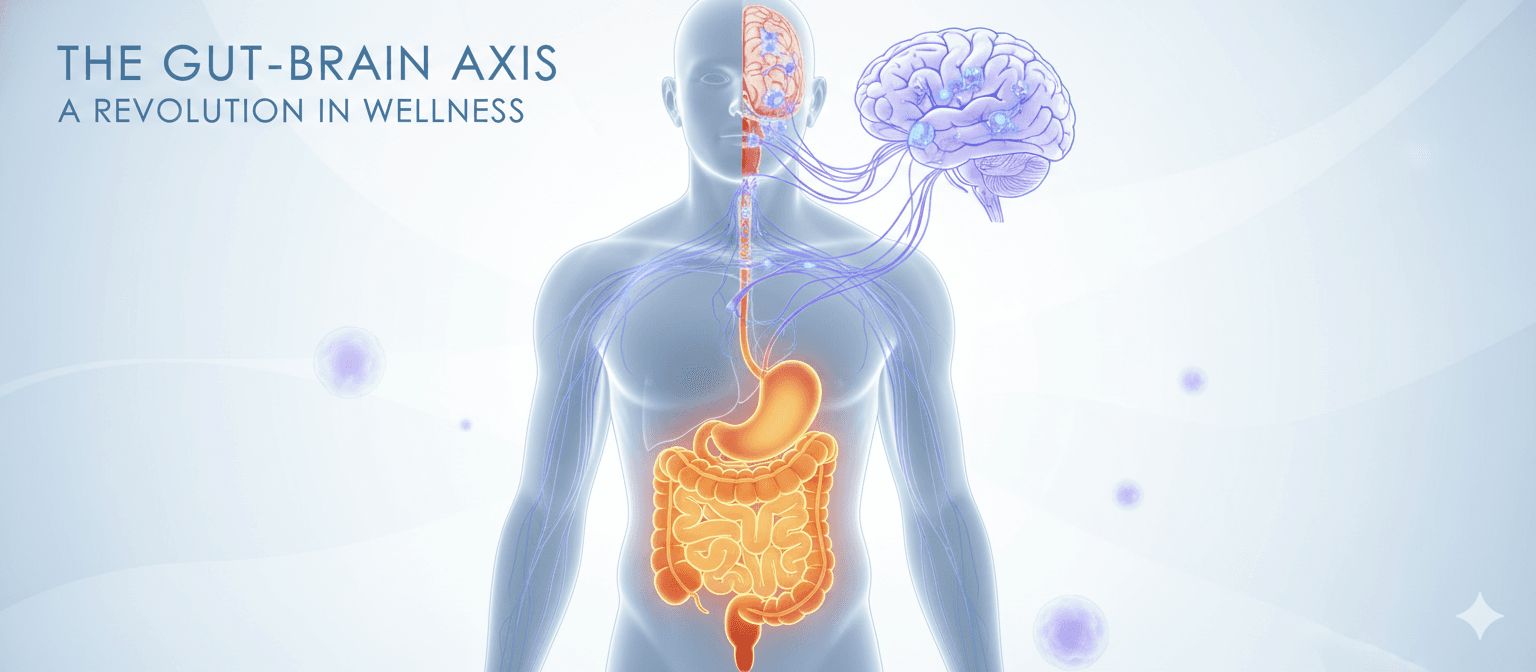
For decades, people thought of the gut as just a digestive organ — something that breaks down food, absorbs nutrients, and keeps bowel movements regular. But here’s the thing: science in 2025 paints a very different picture. Your gut isn’t just about digestion. It’s a complex communication center that constantly talks to your brain, shaping how you think, feel, and function. This connection is known as the gut-brain axis, and it might be one of the most powerful systems inside the human body.
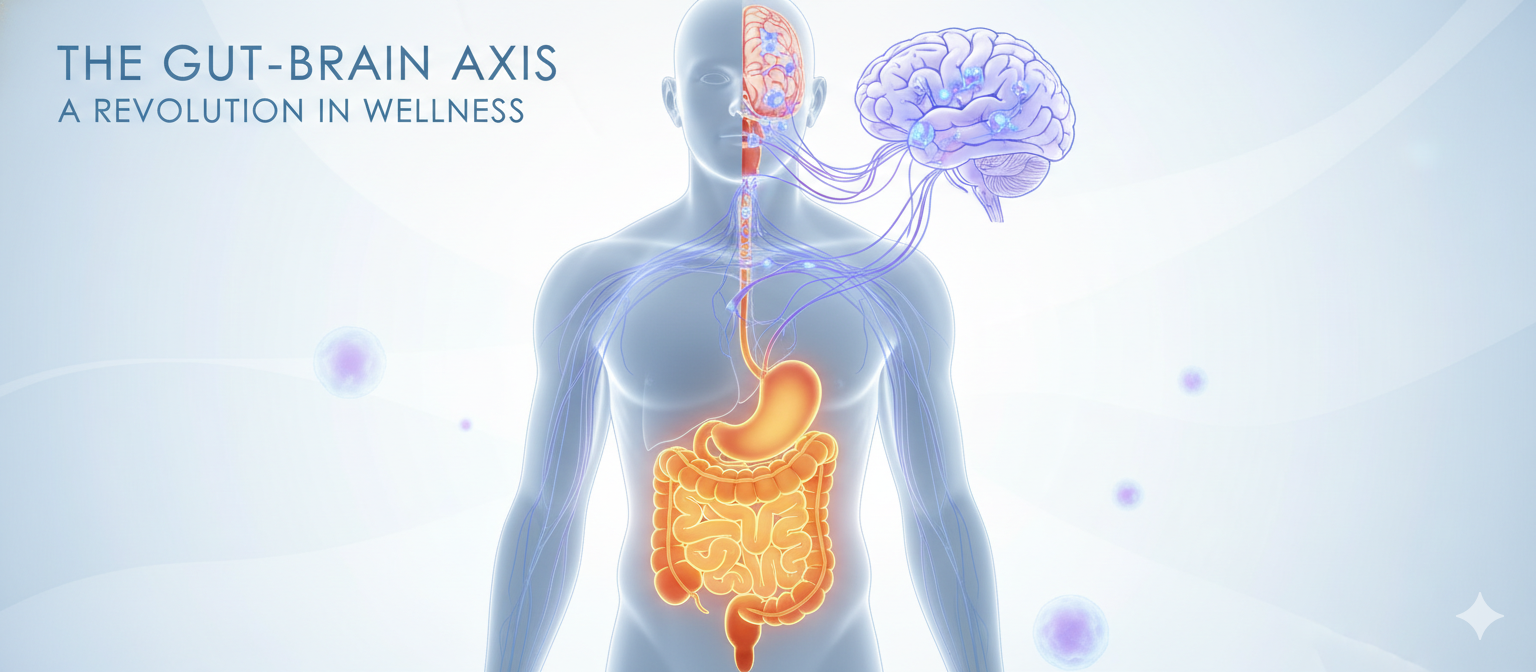
If you’ve ever had “butterflies” in your stomach before a big decision or lost your appetite when stressed, you’ve already felt this gut-brain link in action. But modern research goes much deeper. Scientists now know that nearly 90% of your serotonin — the happiness chemical — is made in your gut, not your brain. That means the bacteria living inside your digestive system can influence your mood, motivation, memory, and even your ability to handle stress.
So when your gut is healthy, your brain functions better. You feel sharper, calmer, and more balanced. But when your gut is inflamed or filled with the wrong kind of bacteria, everything from anxiety to brain fog can show up. Many experts now believe that improving mental health starts not with medication alone but with rebuilding gut health.
Your gut is home to over 100 trillion microorganisms — bacteria, fungi, and viruses collectively known as the microbiome. Think of it as a living ecosystem that works with your body every second. A diverse, balanced microbiome produces vitamins, regulates immunity, manages inflammation, and sends direct signals to your brain through the vagus nerve.
In simple terms: your gut literally “talks” to your brain.
When your microbiome is diverse and thriving, it sends positive signals that promote focus, energy, and emotional stability. When it’s disturbed — due to poor diet, antibiotics, or chronic stress — it can send distress signals that lead to anxiety, depression, fatigue, and poor cognitive performance.
In the past few years, the gut-brain connection has gone from an interesting theory to one of the most active fields of neuroscience and nutrition research. Studies in 2025 show that gut bacteria can influence how your brain reacts to stress, how well you sleep, and even how efficiently you make decisions. Researchers from Harvard and Stanford have confirmed that people with healthier gut microbiomes show better focus, memory retention, and emotional balance than those with disrupted gut flora.
One fascinating discovery is how gut bacteria affect inflammation levels. Chronic inflammation — often triggered by processed foods or stress — can damage both your digestive tract and brain cells. When inflammation decreases, the brain’s ability to regenerate and protect itself improves dramatically. That’s why eating for your gut can feel like flipping a switch on your overall mental energy and clarity.
The foods you eat directly shape your microbiome. Every meal either feeds the good bacteria or encourages the bad ones to grow. Fermented foods like yogurt, kefir, kimchi, and sauerkraut introduce beneficial bacteria called probiotics. Fiber-rich foods like oats, bananas, apples, and leafy greens act as prebiotics — fuel for the good bacteria to thrive. When your gut bacteria are fed the right way, they produce powerful compounds that calm inflammation and improve neurotransmitter balance in your brain.
It’s not just about cutting out junk food — it’s about rebuilding an inner ecosystem that supports your mind. For example, a healthy gut can lower cortisol (the stress hormone), increase serotonin, and help your brain manage emotional responses better.
Over the last few years, mental health awareness has exploded, but the real conversation in 2025 is about biological balance. People are realizing that mental strength isn’t just mental — it’s biological, chemical, and deeply connected to your gut’s condition. AI-powered health apps and microbiome testing kits now allow individuals to track their gut bacteria diversity, food sensitivities, and inflammation markers. This means people can actually personalize their diets to optimize not just physical health but mental clarity too.
If you’re struggling with low focus, fatigue, anxiety, or unexplainable mood swings, your gut might be the missing piece. Healing your gut doesn’t require extreme diets or expensive pills — it starts with awareness, consistency, and better choices. A few weeks of mindful eating, good sleep, and hydration can reshape your microbiome and, in turn, your mental well-being.
Your gut and brain are a team. The more you care for one, the stronger the other becomes. Whether you’re trying to boost productivity, balance your emotions, or simply feel more “yourself,” focusing on gut health could be the smartest decision you make this year.
Here’s where things get really interesting. Your gut and brain are not separate systems working in isolation — they’re in constant two-way communication through a network called the gut-brain axis. This axis connects your digestive system to your central nervous system through millions of neurons, hormones, and biochemical messengers.
Think of it like this: your gut is your “second brain.” It’s filled with over 500 million neurons — more than the spinal cord — and it sends more signals to your brain than your brain sends back. This communication happens through the vagus nerve, a long superhighway of nerves that runs from your brainstem to your intestines.
When your gut digests food, it releases signals that affect your mood, stress levels, and even cognitive function. The bacteria inside your gut produce neurotransmitters — the same brain chemicals that control how you feel. For example:
When your gut flora is healthy and balanced, it supports positive emotional states. But when it’s disrupted — due to stress, poor diet, antibiotics, or lack of sleep — it sends distress signals to your brain, triggering anxiety, depression, or mental fog.
Modern neuroscience has confirmed what ancient medicine always suspected: the stomach and mind are linked. Research from 2025 shows that people with balanced gut microbiomes have lower levels of cortisol, better sleep patterns, and faster stress recovery. Scientists have even discovered that transplanting healthy gut bacteria into patients with chronic anxiety led to measurable improvements in mood and focus.
That’s why the gut is no longer seen as a digestive organ alone — it’s part of your emotional and cognitive system. The food you eat doesn’t just fill your stomach; it influences how your brain performs.
Your gut microbiome acts like a chemical factory. When it’s balanced, it produces short-chain fatty acids (SCFAs) that nourish brain cells and reduce inflammation. When it’s unbalanced, harmful bacteria release toxins that can cross the blood-brain barrier, leading to confusion, irritability, and chronic stress.
Simply put, if your gut is calm, your brain is calm.
If your gut is inflamed, your thoughts become cloudy.
Understanding this connection is the first step toward improving mental health naturally. When you take care of your gut through diet, rest, and mindful habits, you’re essentially fine-tuning your brain’s chemistry — and that’s the foundation of true wellness.
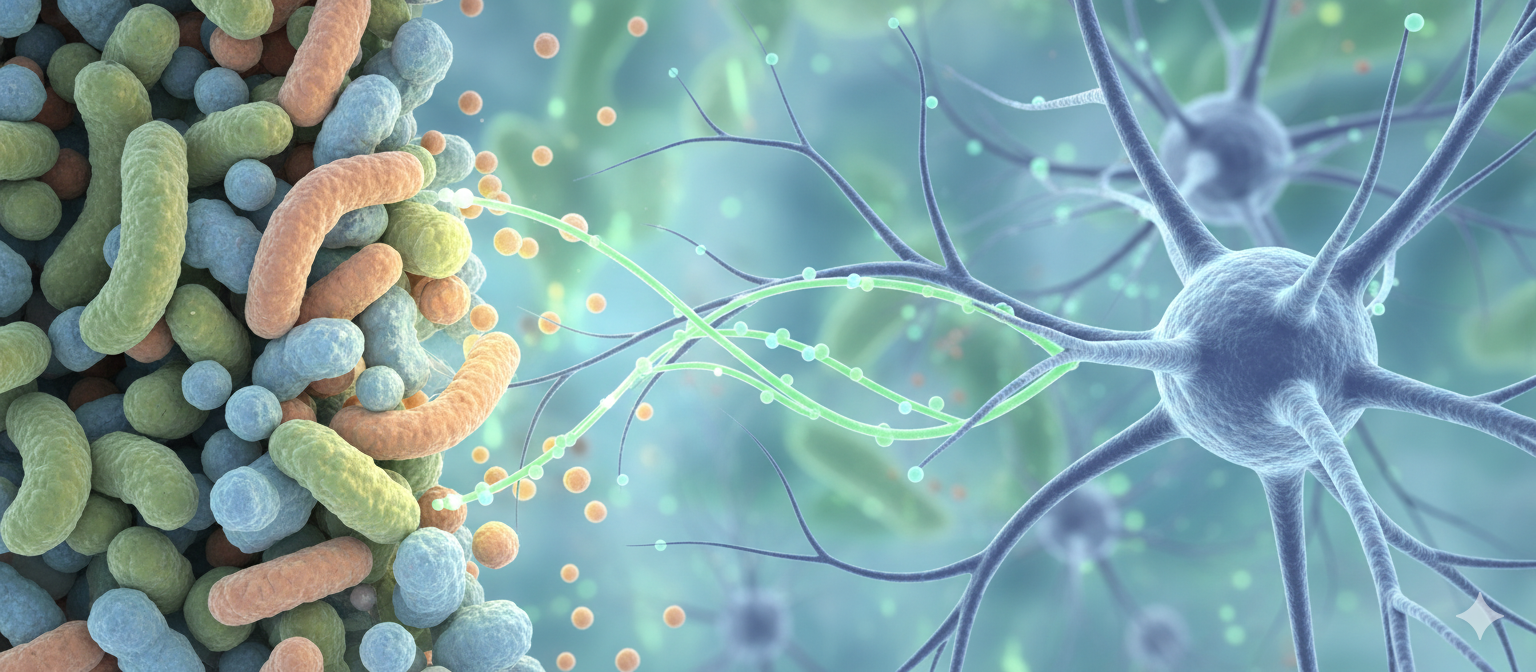
Your gut isn’t just digesting food — it’s hosting trillions of microorganisms that directly shape how you feel, think, and function. This community of bacteria, fungi, and microbes is known as the gut microbiota, and it’s one of the most powerful yet underrated systems influencing mental health.
The gut microbiota communicates with the brain through a process called the microbiota-gut-brain axis. These microbes produce a range of chemicals that regulate mood and behavior. For example:
Certain gut bacteria help produce serotonin, the “happiness hormone” that stabilizes mood.
Others release GABA, which calms the nervous system and reduces anxiety.
Some strains even influence dopamine levels, enhancing motivation and focus.
When your gut bacteria are balanced, your brain operates smoothly — mood remains stable, focus sharpens, and stress feels manageable. But when harmful bacteria outnumber the good ones (a condition called dysbiosis), the brain receives mixed signals. That imbalance can lead to mood swings, brain fog, low energy, and even symptoms of depression or anxiety.
Recent studies (2024–2025) show that people with depression, anxiety, or chronic stress often have lower microbial diversity in their gut. They lack key bacteria that produce anti-inflammatory compounds and neurotransmitters.
Researchers have even found that probiotic treatments — such as Lactobacillus and Bifidobacterium — can significantly reduce symptoms of depression and improve sleep quality.
In short, when your gut microbiome is healthy, it acts like a built-in pharmacy that naturally creates the chemicals your brain needs to stay balanced.
An unhealthy gut can leak toxins into the bloodstream — a condition known as leaky gut syndrome. These toxins cause inflammation that reaches the brain, disrupting neuron communication. Over time, chronic inflammation can dull emotional resilience, slow cognitive performance, and even raise the risk of neurodegenerative diseases.
By keeping your gut microbiota healthy through fiber-rich foods, fermented products, prebiotics, and probiotics, you create a biological shield that protects your brain from stress and fatigue.
Mental health isn’t just a brain issue — it’s a gut issue too. The more diverse and balanced your gut microbes are, the better your brain functions. So if you want more clarity, calm, and focus, start by nourishing your gut.

Your body gives you plenty of warning signs when your gut isn’t happy — and many of them show up in your mood, focus, and mental energy long before you feel physically sick. The gut and brain are deeply connected, so when one is out of balance, the other struggles too. Let’s look at the clearest signs that your gut health might be disrupting your mental well-being.
If you often feel mentally cloudy, forgetful, or unable to concentrate, your gut might be the culprit. When the balance of gut bacteria breaks down, it can trigger inflammation that interferes with brain signaling. This inflammation blocks the normal flow of neurotransmitters like serotonin and dopamine — chemicals that support sharp thinking and motivation. Over time, this leads to sluggish cognition and “mental fatigue,” even if you’re getting enough sleep.
Gut imbalances directly affect mood-regulating chemicals. Low levels of beneficial bacteria can reduce serotonin production, leading to irritability, anxiety, and mild depression. If your emotions feel unpredictable or if small stresses hit you harder than usual, it’s a strong indicator your gut microbiome is struggling.
The gut produces almost 90% of the body’s serotonin, which is later converted into melatonin, the hormone that controls sleep cycles. When your gut is off balance, melatonin production can drop, making it harder to fall asleep or stay asleep. If you wake up tired no matter how long you rest, it could be your gut signaling distress.
An unhealthy gut often sends mixed hunger signals to the brain. Harmful bacteria can cause sugar cravings, which temporarily boost dopamine but crash soon after — creating a rollercoaster of emotional highs and lows. Over time, this pattern reinforces stress eating and fatigue, keeping your mood unstable.
It might sound simple, but chronic bloating, constipation, or discomfort can directly affect your emotional state. The gut’s discomfort activates the vagus nerve (which connects the gut and brain), leading to restlessness and irritability. Many people with IBS (Irritable Bowel Syndrome) also experience anxiety and depression — a clear sign of the gut-brain loop at work.
If you’re experiencing brain fog, anxiety, or fatigue alongside digestive problems, don’t ignore it. Your brain may just be reflecting what’s happening inside your gut. Restoring gut balance with probiotics, fiber, hydration, and mindful eating can dramatically improve how you think and feel.
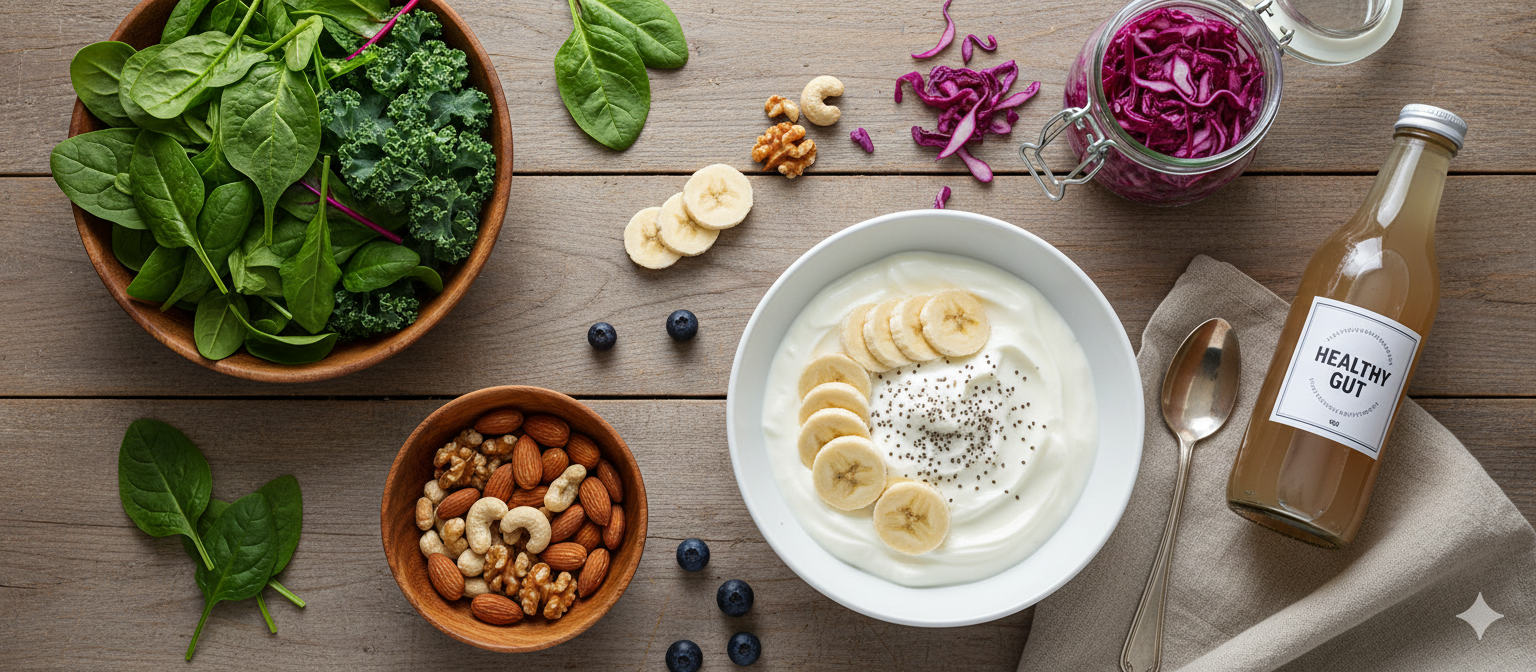
What you eat shapes how both your gut and brain perform. Certain foods naturally nourish your gut microbiome, reduce inflammation, and support neurotransmitter production — all of which help your brain stay sharp and your mood stable. Let’s break down some of the best options:
Foods like yogurt, kefir, sauerkraut, kimchi, and kombucha are packed with probiotics — the “good” bacteria your gut thrives on. These friendly microbes help balance your gut flora, which directly influences serotonin and dopamine production in the brain.
Your probiotics need fuel to survive, and that’s where prebiotics come in. Bananas, onions, garlic, leeks, and oats are excellent sources. They feed the good bacteria in your gut, helping them grow stronger and more resilient.
Found in salmon, sardines, chia seeds, flaxseeds, and walnuts, omega-3s are powerful anti-inflammatories that protect your brain cells and enhance communication between neurons. They also help regulate mood and cognitive function.
Whole grains, beans, lentils, apples, and leafy greens keep your digestion running smoothly and prevent the buildup of toxins that can affect mental clarity. Fiber also promotes the growth of healthy gut bacteria.
Dark chocolate, berries, green tea, and olive oil are loaded with antioxidants known as polyphenols. These compounds reduce oxidative stress in both the gut and brain, improving focus and protecting against cognitive decline.
Rich in amino acids like glycine and glutamine, bone broth helps repair the gut lining — which in turn reduces inflammation signals sent to the brain. It’s a great choice for anyone dealing with leaky gut or chronic fatigue.

You can eat all the right foods, but if your lifestyle is out of balance, your gut and brain will still struggle. The gut-brain connection depends on more than just nutrition — it’s also shaped by how you sleep, move, and manage stress. Here are the key habits that make a real difference:
Your gut bacteria follow a natural rhythm, just like your brain. Poor or inconsistent sleep throws that rhythm off, leading to mood swings, fatigue, and digestion issues. Aim for 7–8 hours of consistent, deep sleep every night. A dark, cool room and a fixed bedtime routine can help reset your body clock.
Chronic stress is one of the biggest disruptors of gut health. It changes your gut bacteria, slows digestion, and increases inflammation. Simple daily practices like deep breathing, meditation, journaling, or prayer help calm your nervous system and restore balance between your gut and brain.
Movement improves blood flow to both your digestive system and your brain. Moderate exercises — walking, yoga, cycling, or even light stretching — can boost good gut bacteria and enhance mental clarity. The goal isn’t intensity; it’s consistency.
Water helps your body break down food, absorb nutrients, and flush out toxins. Dehydration, on the other hand, can slow digestion and cause brain fog. Keep a water bottle nearby and drink throughout the day — especially after meals and workouts.
Excess sugar feeds harmful bacteria in the gut and triggers inflammation that can affect mood and memory. Try swapping sugary snacks for fruit or nuts, and replace processed foods with whole, natural options whenever possible.
Exposure to sunlight supports vitamin D production, which plays a role in both brain function and gut immunity. Plus, fresh air and time in nature naturally lower stress hormones.
If you notice bloating, fatigue, or brain fog after certain foods or habits, pay attention. Your gut is constantly sending signals — tuning into them helps you adjust your diet and lifestyle before problems escalate.

Even if you’re trying to live healthy, a few everyday habits can quietly damage both your gut and brain over time. The gut-brain connection is sensitive — and small mistakes in your diet or routine can trigger stress, inflammation, and poor focus without you realizing it. Let’s break down the most common ones to avoid.
Processed foods are full of refined sugars, unhealthy fats, and artificial additives that starve your good gut bacteria. Over time, this leads to inflammation that affects your mood, memory, and energy levels. If most of your meals come from boxes, it’s time to bring back real, whole foods.
Your gut loves routine. When you skip meals or eat at random hours, your digestive system and brain chemistry fall out of sync. This can lead to brain fog, poor concentration, and even anxiety. Try to eat at consistent times each day to keep your gut-brain rhythm stable.
While sometimes necessary, frequent use of antibiotics and painkillers can wipe out beneficial gut bacteria. That imbalance can affect not just digestion but also serotonin production — the “feel-good” hormone made mostly in your gut. Always use these medicines responsibly and only when prescribed.
Lack of quality sleep is a double hit — it increases gut inflammation and reduces your brain’s ability to regulate mood and focus. When you cut sleep short, you also reduce your body’s ability to repair gut lining and restore balance overnight.
Chronic stress doesn’t just affect your mood — it changes the bacteria in your gut and weakens your digestive barrier. Over time, this can lead to bloating, IBS symptoms, and emotional instability. Without stress management, even the best diet won’t fix your gut.
Both caffeine and alcohol can irritate your digestive lining and dehydrate the body. While moderate use can be fine, overconsumption disrupts your sleep, hormones, and mental clarity. Listen to your body’s response — if you feel jittery, anxious, or bloated, it’s a red flag.
Fiber feeds your good bacteria and helps keep your gut clean. Low-fiber diets slow digestion, increase toxins, and reduce the production of short-chain fatty acids that support brain function. Include fruits, vegetables, and whole grains daily — your brain depends on it.
A still body leads to a sluggish gut. Lack of movement slows metabolism and digestion, which can lead to brain fog and low mood. Even short walks after meals can make a big difference.

In 2025, a growing number of studies are confirming what many suspected: the state of your gut has a direct impact on memory, focus, and overall cognitive performance. Let’s break down some of the strongest recent findings linking gut microbiota to mental sharpness and brain health.
A Tulane University study published in Gut Microbes Reports found that rats fed a Mediterranean-style diet (rich in olive oil, fish, fiber, and vegetables) showed improvements in memory and learning compared to rats on a Western diet.
(Neuroscience News)
Key bacteria increased, harmful ones decreased, and these shifts in gut microbiota correlated with better performance in maze tests. This study reinforces that diet isn’t just fuel — it’s a tool to reshape gut flora in ways that benefit brain function.
(EurekAlert!)
Recent work in Neurology International (“Impact of Gut-Brain Axis and Probiotics on Alzheimer’s Disease”) points to potential cognitive protection from certain probiotic strains.
(MDPI)
The research indicates these probiotics may reduce amyloid plaques or slow cognitive decline, although human trials are still limited. The link suggests that modifying the gut microbiome could be one piece in preventing or delaying neurodegenerative diseases.
(MDPI)
A cross-sectional study in Pakistan and Islamabad (2024) involving 140 adults found moderate associations between gut health scores and cognitive performance, especially in memory and processing speed. Those with healthier gut microbiomes did better on tests for both memory recall and how quickly they could process information.
(PubMed)
(Cureus)
This suggests real-world relevance: not just in lab animals or isolated tissues, but in actual people, gut composition seems to matter for day-to-day mental clarity.
(PubMed)
Another line of research is exploring how gut bacteria affect brain functions. One promising area involves short-chain fatty acids (SCFAs) produced by gut microbes. These SCFAs are shown to modulate signaling through the vagus nerve and other pathways, which influence inflammation, neurotransmitter balance, and thus memory and focus.
(arXiv)
Also, the review “Exploring gut microbiota’s influence on cognitive health and neurodegenerative disorders” examines mechanistic pathways — immune signaling, metabolic by-products of gut flora, and neurochemical changes — giving a clearer idea of how gut health translates into mind performance.
(SpringerLink)
Across many studies, a recurring theme is diversity of gut bacteria. More diverse gut microbiomes are repeatedly associated with better cognitive flexibility, sharper focus, and resilience under stress. Loss of diversity often correlates with mood instability, cognitive decline, and lower processing speeds.
Food Research Journal
(MDPI)
(PubMed)
What this research really means is that gut health isn’t just a side topic in mental health—it’s central. Improving memory, focus, and mental clarity may depend heavily on nourishing the right gut bacteria, supporting microbiome diversity, and choosing diets that promote beneficial microbial metabolites. In 2025, gut-brain science isn’t future talk—it’s now.
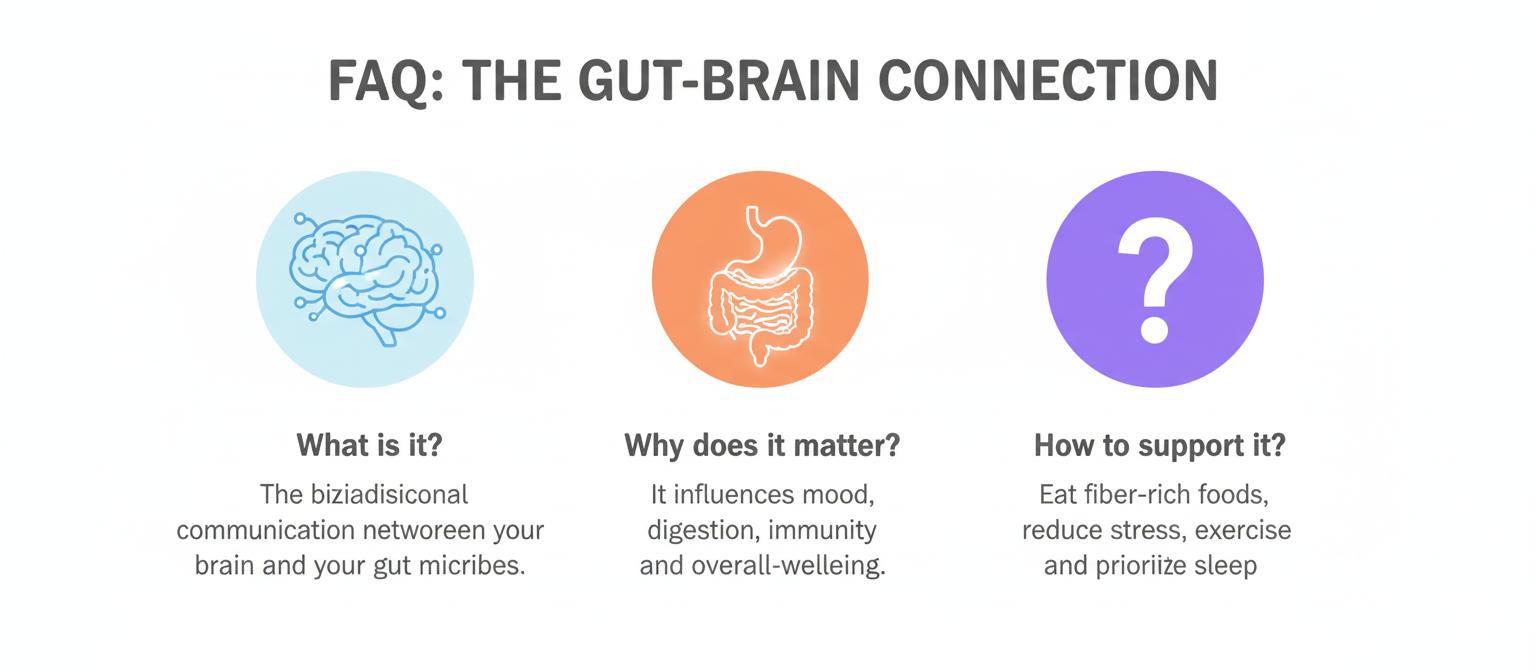
Here are the most asked questions people have about the link between gut health and brain performance — and the science-backed answers that clear up the confusion.
Yes. Studies show that gut imbalances can lower serotonin and dopamine levels — the very chemicals that regulate your mood. When harmful bacteria dominate the gut, inflammation increases and signals are sent through the vagus nerve that can trigger anxiety or depressive symptoms. Probiotic-rich foods like yogurt, kefir, and kimchi can help restore balance naturally.
It depends on your diet and consistency. Most people start noticing improved digestion, mood, and focus within 3–6 weeks of consistently eating prebiotic- and probiotic-rich foods. However, full microbiome diversity can take up to 3 months to rebalance. The key is daily consistency — not one-time fixes.
Not always. While quality probiotic supplements can help, fermented foods often provide a wider range of live bacteria along with enzymes, fibers, and nutrients that support long-term microbiome diversity. If you use a supplement, look for strains like Lactobacillus plantarum, Bifidobacterium longum, and Lactobacillus rhamnosus, verified by third-party testing.
Yes. Antibiotics wipe out both good and bad bacteria. This loss of gut flora diversity can disrupt the gut-brain axis, leading to fatigue, poor focus, or mood swings. After antibiotic use, it’s essential to rebuild the microbiome with probiotic foods, fiber, and hydration.
Absolutely. Gut bacteria produce short-chain fatty acids (SCFAs) and neurotransmitter precursors that enhance brain cell communication and reduce inflammation. Multiple studies in 2025 confirm that individuals with diverse gut microbiota perform better on memory and concentration tests than those with poor gut health.
Cut back on:
Processed sugars (they feed bad bacteria)
Artificial sweeteners (they disrupt microbial balance)
Refined carbs
Alcohol and excessive caffeine
Fried or low-fiber foods
These all contribute to inflammation and poor microbiome diversity.
Poor sleep and chronic stress directly weaken gut lining and alter bacterial balance. Elevated cortisol levels harm beneficial microbes. Deep sleep, meditation, and relaxation routines can rebalance both systems over time.
Yes — look for bloating, brain fog, unexplained fatigue, sugar cravings, frequent mood changes, and irregular bowel movements. These are early indicators that your gut microbiome is off balance and starting to affect brain performance.
If symptoms persist for more than a few weeks, yes. A functional medicine doctor or nutritionist can order gut microbiome or stool tests, recommend specific probiotics, and design a personalized diet to repair your gut-brain axis.

Here’s the truth — your gut isn’t just about digestion; it’s your second brain. The trillions of microbes living inside you are constantly talking to your mind, shaping how you think, feel, and even how motivated you are each day. When your gut is inflamed or imbalanced, it silently clouds your focus, weakens your mood, and drains your energy. But when it thrives, everything else starts working better — your brain feels sharper, your emotions stabilize, and your body naturally finds balance.
The connection between gut and brain health is no longer a theory — it’s science-backed reality. What you eat, how you sleep, how you manage stress, and even the kind of bacteria growing inside you all influence how your brain performs. Healing your gut isn’t a quick fix; it’s a lifestyle shift. It means fueling your body with real, fiber-rich foods, staying hydrated, cutting processed junk, and giving yourself the rest your body needs to rebuild from within.
In 2025, mental clarity and emotional wellness aren’t just about therapy or motivation — they begin in your gut. The smartest investment you can make for your mind is to take care of your microbiome. Start small: add one fermented food a day, get enough sleep, move your body, and watch your focus, memory, and mood slowly come alive again.
A healthy gut doesn’t just heal your stomach — it rewires your brain for better living.
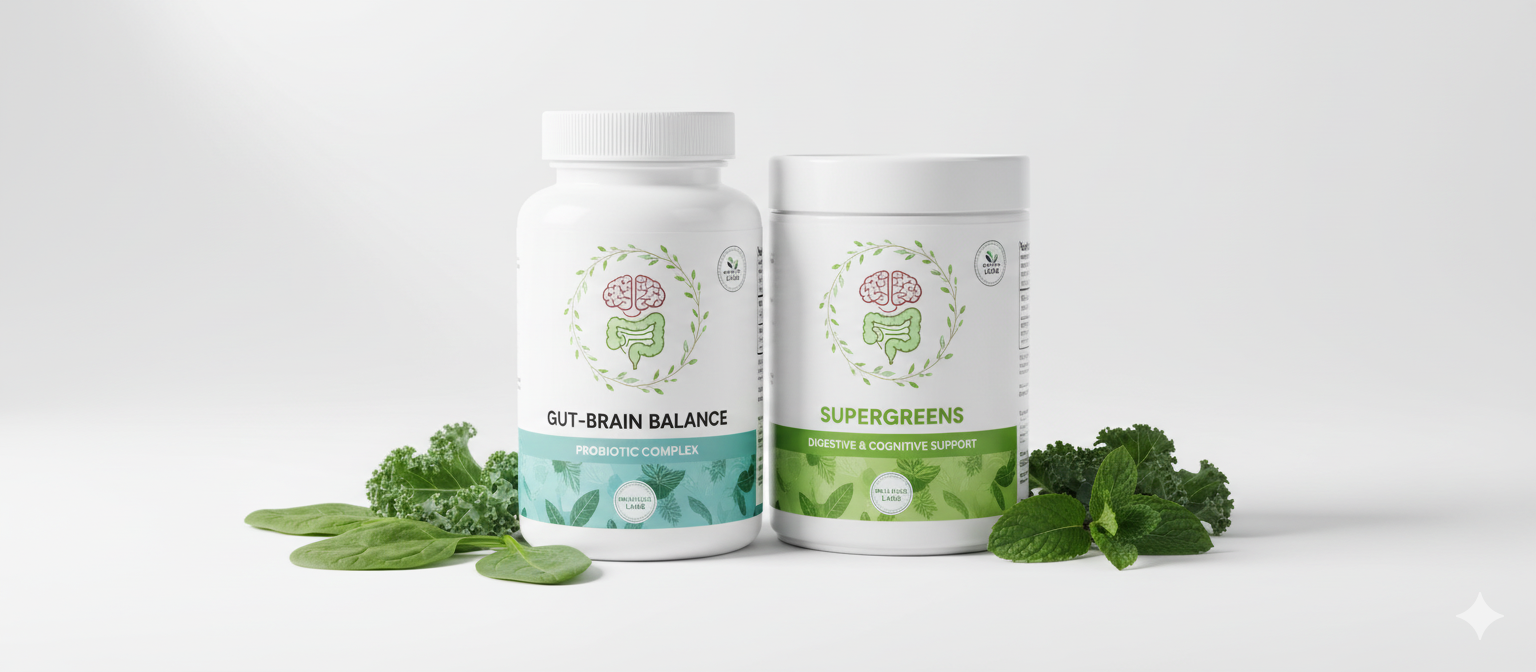
If you’re ready to take your gut and brain health seriously, the right tools can make all the difference. After researching the best options for 2025, we’ve selected two highly effective products that support your gut microbiome while improving mental clarity and focus. These aren’t just supplements — they’re science-backed solutions designed to help your body heal from the inside out.
This daily supplement blends multiple probiotic strains with prebiotic fibers to nourish your gut flora. It’s formulated to reduce bloating, improve digestion, and boost the production of neurotransmitters like serotonin — the “happy hormone” — directly linking your gut to better mood and focus. Perfect for anyone dealing with stress, fatigue, or brain fog.
A powerful blend of fermented greens, adaptogens, and digestive enzymes, this powder supports detoxification and gut repair. It enhances nutrient absorption and promotes natural energy without caffeine crashes. Ideal for busy professionals or students who need clean, long-lasting mental performance.
Both options complement each other beautifully — ProBioMind+ restores healthy bacteria, while NeuroDigest Greens fuels your gut with the right nutrients. Together, they help regulate mood, improve memory, and enhance your overall well-being.
We recommend taking these products consistently for 30 days to feel the real difference — better digestion, calmer mind, and sharper focus.
Discover how your gut directly affects your mood, memory, and focus. Learn why a healthy gut is essential for optimal brain performance and mental health.
If you’ve ever had “butterflies” in your stomach before a big decision or lost your appetite when stressed, you’ve already felt this gut-brain link in action. But modern research goes much deeper. Scientists now know that nearly 90% of your serotonin — the happiness chemical — is made in your gut, not your brain. That means the bacteria living inside your digestive system can influence your mood, motivation, memory, and even your ability to handle stress.
So when your gut is healthy, your brain functions better. You feel sharper, calmer, and more balanced. But when your gut is inflamed or filled with the wrong kind of bacteria, everything from anxiety to brain fog can show up. Many experts now believe that improving mental health starts not with medication alone but with rebuilding gut health.
The Hidden Intelligence Inside Your Gut
Your gut is home to over 100 trillion microorganisms — bacteria, fungi, and viruses collectively known as the microbiome. Think of it as a living ecosystem that works with your body every second. A diverse, balanced microbiome produces vitamins, regulates immunity, manages inflammation, and sends direct signals to your brain through the vagus nerve.
In simple terms: your gut literally “talks” to your brain.
When your microbiome is diverse and thriving, it sends positive signals that promote focus, energy, and emotional stability. When it’s disturbed — due to poor diet, antibiotics, or chronic stress — it can send distress signals that lead to anxiety, depression, fatigue, and poor cognitive performance.
The Science of the Gut-Brain Axis in 2025
In the past few years, the gut-brain connection has gone from an interesting theory to one of the most active fields of neuroscience and nutrition research. Studies in 2025 show that gut bacteria can influence how your brain reacts to stress, how well you sleep, and even how efficiently you make decisions. Researchers from Harvard and Stanford have confirmed that people with healthier gut microbiomes show better focus, memory retention, and emotional balance than those with disrupted gut flora.
One fascinating discovery is how gut bacteria affect inflammation levels. Chronic inflammation — often triggered by processed foods or stress — can damage both your digestive tract and brain cells. When inflammation decreases, the brain’s ability to regenerate and protect itself improves dramatically. That’s why eating for your gut can feel like flipping a switch on your overall mental energy and clarity.
From Food to Mood: The Power of What You Eat
The foods you eat directly shape your microbiome. Every meal either feeds the good bacteria or encourages the bad ones to grow. Fermented foods like yogurt, kefir, kimchi, and sauerkraut introduce beneficial bacteria called probiotics. Fiber-rich foods like oats, bananas, apples, and leafy greens act as prebiotics — fuel for the good bacteria to thrive. When your gut bacteria are fed the right way, they produce powerful compounds that calm inflammation and improve neurotransmitter balance in your brain.
It’s not just about cutting out junk food — it’s about rebuilding an inner ecosystem that supports your mind. For example, a healthy gut can lower cortisol (the stress hormone), increase serotonin, and help your brain manage emotional responses better.
Why 2025 Is the Year of Gut-Brain Awareness
Over the last few years, mental health awareness has exploded, but the real conversation in 2025 is about biological balance. People are realizing that mental strength isn’t just mental — it’s biological, chemical, and deeply connected to your gut’s condition. AI-powered health apps and microbiome testing kits now allow individuals to track their gut bacteria diversity, food sensitivities, and inflammation markers. This means people can actually personalize their diets to optimize not just physical health but mental clarity too.
What This Really Means for You
If you’re struggling with low focus, fatigue, anxiety, or unexplainable mood swings, your gut might be the missing piece. Healing your gut doesn’t require extreme diets or expensive pills — it starts with awareness, consistency, and better choices. A few weeks of mindful eating, good sleep, and hydration can reshape your microbiome and, in turn, your mental well-being.
Your gut and brain are a team. The more you care for one, the stronger the other becomes. Whether you’re trying to boost productivity, balance your emotions, or simply feel more “yourself,” focusing on gut health could be the smartest decision you make this year.
Understanding the Gut-Brain Connection?
Here’s where things get really interesting. Your gut and brain are not separate systems working in isolation — they’re in constant two-way communication through a network called the gut-brain axis. This axis connects your digestive system to your central nervous system through millions of neurons, hormones, and biochemical messengers.
Think of it like this: your gut is your “second brain.” It’s filled with over 500 million neurons — more than the spinal cord — and it sends more signals to your brain than your brain sends back. This communication happens through the vagus nerve, a long superhighway of nerves that runs from your brainstem to your intestines.
The Gut as a Communication Hub
When your gut digests food, it releases signals that affect your mood, stress levels, and even cognitive function. The bacteria inside your gut produce neurotransmitters — the same brain chemicals that control how you feel. For example:
Serotonin
(happiness and mood) is mostly produced in the gut.GABA
(relaxation) is influenced by gut bacteria.Dopamine
(motivation and focus) also has gut origins.When your gut flora is healthy and balanced, it supports positive emotional states. But when it’s disrupted — due to stress, poor diet, antibiotics, or lack of sleep — it sends distress signals to your brain, triggering anxiety, depression, or mental fog.
Scientific Proof of the Gut-Brain Axis
Modern neuroscience has confirmed what ancient medicine always suspected: the stomach and mind are linked. Research from 2025 shows that people with balanced gut microbiomes have lower levels of cortisol, better sleep patterns, and faster stress recovery. Scientists have even discovered that transplanting healthy gut bacteria into patients with chronic anxiety led to measurable improvements in mood and focus.
That’s why the gut is no longer seen as a digestive organ alone — it’s part of your emotional and cognitive system. The food you eat doesn’t just fill your stomach; it influences how your brain performs.
The Hidden Impact on Mental Clarity and Stress
Your gut microbiome acts like a chemical factory. When it’s balanced, it produces short-chain fatty acids (SCFAs) that nourish brain cells and reduce inflammation. When it’s unbalanced, harmful bacteria release toxins that can cross the blood-brain barrier, leading to confusion, irritability, and chronic stress.
Simply put, if your gut is calm, your brain is calm.
If your gut is inflamed, your thoughts become cloudy.
Understanding this connection is the first step toward improving mental health naturally. When you take care of your gut through diet, rest, and mindful habits, you’re essentially fine-tuning your brain’s chemistry — and that’s the foundation of true wellness.
The Role of Gut Microbiota in Mental Health?
Your gut isn’t just digesting food — it’s hosting trillions of microorganisms that directly shape how you feel, think, and function. This community of bacteria, fungi, and microbes is known as the gut microbiota, and it’s one of the most powerful yet underrated systems influencing mental health.
How Gut Microbes Affect the Brain
The gut microbiota communicates with the brain through a process called the microbiota-gut-brain axis. These microbes produce a range of chemicals that regulate mood and behavior. For example:
Certain gut bacteria help produce serotonin, the “happiness hormone” that stabilizes mood.
Others release GABA, which calms the nervous system and reduces anxiety.
Some strains even influence dopamine levels, enhancing motivation and focus.
When your gut bacteria are balanced, your brain operates smoothly — mood remains stable, focus sharpens, and stress feels manageable. But when harmful bacteria outnumber the good ones (a condition called dysbiosis), the brain receives mixed signals. That imbalance can lead to mood swings, brain fog, low energy, and even symptoms of depression or anxiety.
Gut Imbalance and Mental Disorders
Recent studies (2024–2025) show that people with depression, anxiety, or chronic stress often have lower microbial diversity in their gut. They lack key bacteria that produce anti-inflammatory compounds and neurotransmitters.
Researchers have even found that probiotic treatments — such as Lactobacillus and Bifidobacterium — can significantly reduce symptoms of depression and improve sleep quality.
In short, when your gut microbiome is healthy, it acts like a built-in pharmacy that naturally creates the chemicals your brain needs to stay balanced.
Inflammation: The Silent Disruptor
An unhealthy gut can leak toxins into the bloodstream — a condition known as leaky gut syndrome. These toxins cause inflammation that reaches the brain, disrupting neuron communication. Over time, chronic inflammation can dull emotional resilience, slow cognitive performance, and even raise the risk of neurodegenerative diseases.
By keeping your gut microbiota healthy through fiber-rich foods, fermented products, prebiotics, and probiotics, you create a biological shield that protects your brain from stress and fatigue.
The Takeaway
Mental health isn’t just a brain issue — it’s a gut issue too. The more diverse and balanced your gut microbes are, the better your brain functions. So if you want more clarity, calm, and focus, start by nourishing your gut.
Signs of Poor Gut Health Affecting the Brain?
Your body gives you plenty of warning signs when your gut isn’t happy — and many of them show up in your mood, focus, and mental energy long before you feel physically sick. The gut and brain are deeply connected, so when one is out of balance, the other struggles too. Let’s look at the clearest signs that your gut health might be disrupting your mental well-being.
1. Constant Brain Fog and Trouble Focusing
If you often feel mentally cloudy, forgetful, or unable to concentrate, your gut might be the culprit. When the balance of gut bacteria breaks down, it can trigger inflammation that interferes with brain signaling. This inflammation blocks the normal flow of neurotransmitters like serotonin and dopamine — chemicals that support sharp thinking and motivation. Over time, this leads to sluggish cognition and “mental fatigue,” even if you’re getting enough sleep.
2. Frequent Mood Swings or Anxiety
Gut imbalances directly affect mood-regulating chemicals. Low levels of beneficial bacteria can reduce serotonin production, leading to irritability, anxiety, and mild depression. If your emotions feel unpredictable or if small stresses hit you harder than usual, it’s a strong indicator your gut microbiome is struggling.
3. Poor Sleep and Restlessness
The gut produces almost 90% of the body’s serotonin, which is later converted into melatonin, the hormone that controls sleep cycles. When your gut is off balance, melatonin production can drop, making it harder to fall asleep or stay asleep. If you wake up tired no matter how long you rest, it could be your gut signaling distress.
4. Cravings and Emotional Eating
An unhealthy gut often sends mixed hunger signals to the brain. Harmful bacteria can cause sugar cravings, which temporarily boost dopamine but crash soon after — creating a rollercoaster of emotional highs and lows. Over time, this pattern reinforces stress eating and fatigue, keeping your mood unstable.
5. Digestive Issues and Mental Distress
It might sound simple, but chronic bloating, constipation, or discomfort can directly affect your emotional state. The gut’s discomfort activates the vagus nerve (which connects the gut and brain), leading to restlessness and irritability. Many people with IBS (Irritable Bowel Syndrome) also experience anxiety and depression — a clear sign of the gut-brain loop at work.
The Bottom Line
If you’re experiencing brain fog, anxiety, or fatigue alongside digestive problems, don’t ignore it. Your brain may just be reflecting what’s happening inside your gut. Restoring gut balance with probiotics, fiber, hydration, and mindful eating can dramatically improve how you think and feel.
Foods That Strengthen the Gut-Brain Axis?
What you eat shapes how both your gut and brain perform. Certain foods naturally nourish your gut microbiome, reduce inflammation, and support neurotransmitter production — all of which help your brain stay sharp and your mood stable. Let’s break down some of the best options:
1. Fermented Foods
Foods like yogurt, kefir, sauerkraut, kimchi, and kombucha are packed with probiotics — the “good” bacteria your gut thrives on. These friendly microbes help balance your gut flora, which directly influences serotonin and dopamine production in the brain.
2. Prebiotic-Rich Foods
Your probiotics need fuel to survive, and that’s where prebiotics come in. Bananas, onions, garlic, leeks, and oats are excellent sources. They feed the good bacteria in your gut, helping them grow stronger and more resilient.
3. Omega-3 Fatty Acids
Found in salmon, sardines, chia seeds, flaxseeds, and walnuts, omega-3s are powerful anti-inflammatories that protect your brain cells and enhance communication between neurons. They also help regulate mood and cognitive function.
4. Fiber-Rich Whole Foods
Whole grains, beans, lentils, apples, and leafy greens keep your digestion running smoothly and prevent the buildup of toxins that can affect mental clarity. Fiber also promotes the growth of healthy gut bacteria.
5. Polyphenol Foods
Dark chocolate, berries, green tea, and olive oil are loaded with antioxidants known as polyphenols. These compounds reduce oxidative stress in both the gut and brain, improving focus and protecting against cognitive decline.
6. Bone Broth & Collagen
Rich in amino acids like glycine and glutamine, bone broth helps repair the gut lining — which in turn reduces inflammation signals sent to the brain. It’s a great choice for anyone dealing with leaky gut or chronic fatigue.
Pro tip:
Try combining these foods daily — for example, oatmeal topped with bananas and walnuts for breakfast, salmon with greens for lunch, and a cup of green tea or yogurt in the evening. Small, consistent choices like these build a healthier gut-brain axis over time.Lifestyle Habits That Improve Gut and Brain Health?
You can eat all the right foods, but if your lifestyle is out of balance, your gut and brain will still struggle. The gut-brain connection depends on more than just nutrition — it’s also shaped by how you sleep, move, and manage stress. Here are the key habits that make a real difference:
1. Prioritize Quality Sleep
Your gut bacteria follow a natural rhythm, just like your brain. Poor or inconsistent sleep throws that rhythm off, leading to mood swings, fatigue, and digestion issues. Aim for 7–8 hours of consistent, deep sleep every night. A dark, cool room and a fixed bedtime routine can help reset your body clock.
2. Manage Stress Effectively
Chronic stress is one of the biggest disruptors of gut health. It changes your gut bacteria, slows digestion, and increases inflammation. Simple daily practices like deep breathing, meditation, journaling, or prayer help calm your nervous system and restore balance between your gut and brain.
3. Exercise Regularly
Movement improves blood flow to both your digestive system and your brain. Moderate exercises — walking, yoga, cycling, or even light stretching — can boost good gut bacteria and enhance mental clarity. The goal isn’t intensity; it’s consistency.
4. Stay Hydrated
Water helps your body break down food, absorb nutrients, and flush out toxins. Dehydration, on the other hand, can slow digestion and cause brain fog. Keep a water bottle nearby and drink throughout the day — especially after meals and workouts.
5. Limit Sugar and Processed Foods
Excess sugar feeds harmful bacteria in the gut and triggers inflammation that can affect mood and memory. Try swapping sugary snacks for fruit or nuts, and replace processed foods with whole, natural options whenever possible.
6. Spend Time Outdoors
Exposure to sunlight supports vitamin D production, which plays a role in both brain function and gut immunity. Plus, fresh air and time in nature naturally lower stress hormones.
7. Listen to Your Body
If you notice bloating, fatigue, or brain fog after certain foods or habits, pay attention. Your gut is constantly sending signals — tuning into them helps you adjust your diet and lifestyle before problems escalate.
Bottom line:
Healthy habits create harmony between your gut and brain. It’s not about perfection — it’s about small, daily choices that add up to better digestion, clearer thinking, and a calmer mind.Common Mistakes That Harm Gut and Brain Health?
Even if you’re trying to live healthy, a few everyday habits can quietly damage both your gut and brain over time. The gut-brain connection is sensitive — and small mistakes in your diet or routine can trigger stress, inflammation, and poor focus without you realizing it. Let’s break down the most common ones to avoid.
1. Eating Too Much Processed Food
Processed foods are full of refined sugars, unhealthy fats, and artificial additives that starve your good gut bacteria. Over time, this leads to inflammation that affects your mood, memory, and energy levels. If most of your meals come from boxes, it’s time to bring back real, whole foods.
2. Skipping Meals or Eating at Irregular Times
Your gut loves routine. When you skip meals or eat at random hours, your digestive system and brain chemistry fall out of sync. This can lead to brain fog, poor concentration, and even anxiety. Try to eat at consistent times each day to keep your gut-brain rhythm stable.
3. Overusing Antibiotics or Painkillers
While sometimes necessary, frequent use of antibiotics and painkillers can wipe out beneficial gut bacteria. That imbalance can affect not just digestion but also serotonin production — the “feel-good” hormone made mostly in your gut. Always use these medicines responsibly and only when prescribed.
4. Neglecting Sleep
Lack of quality sleep is a double hit — it increases gut inflammation and reduces your brain’s ability to regulate mood and focus. When you cut sleep short, you also reduce your body’s ability to repair gut lining and restore balance overnight.
5. Living in Constant Stress
Chronic stress doesn’t just affect your mood — it changes the bacteria in your gut and weakens your digestive barrier. Over time, this can lead to bloating, IBS symptoms, and emotional instability. Without stress management, even the best diet won’t fix your gut.
6. Too Much Caffeine or Alcohol
Both caffeine and alcohol can irritate your digestive lining and dehydrate the body. While moderate use can be fine, overconsumption disrupts your sleep, hormones, and mental clarity. Listen to your body’s response — if you feel jittery, anxious, or bloated, it’s a red flag.
7. Ignoring Fiber
Fiber feeds your good bacteria and helps keep your gut clean. Low-fiber diets slow digestion, increase toxins, and reduce the production of short-chain fatty acids that support brain function. Include fruits, vegetables, and whole grains daily — your brain depends on it.
8. Being Too Sedentary
A still body leads to a sluggish gut. Lack of movement slows metabolism and digestion, which can lead to brain fog and low mood. Even short walks after meals can make a big difference.
In short:
your gut and brain thrive on consistency, balance, and care. Avoiding these mistakes helps you think clearer, feel calmer, and stay more energized every day.2025 Research Insights: How Scientists Link Gut Health to Memory and Focus?
In 2025, a growing number of studies are confirming what many suspected: the state of your gut has a direct impact on memory, focus, and overall cognitive performance. Let’s break down some of the strongest recent findings linking gut microbiota to mental sharpness and brain health.
1. Mediterranean Diet Reshapes Microbiome, Boosts Cognition
A Tulane University study published in Gut Microbes Reports found that rats fed a Mediterranean-style diet (rich in olive oil, fish, fiber, and vegetables) showed improvements in memory and learning compared to rats on a Western diet.
(Neuroscience News)
Key bacteria increased, harmful ones decreased, and these shifts in gut microbiota correlated with better performance in maze tests. This study reinforces that diet isn’t just fuel — it’s a tool to reshape gut flora in ways that benefit brain function.
(EurekAlert!)
2. Probiotics and Alzheimer’s Disease
Recent work in Neurology International (“Impact of Gut-Brain Axis and Probiotics on Alzheimer’s Disease”) points to potential cognitive protection from certain probiotic strains.
(MDPI)
The research indicates these probiotics may reduce amyloid plaques or slow cognitive decline, although human trials are still limited. The link suggests that modifying the gut microbiome could be one piece in preventing or delaying neurodegenerative diseases.
(MDPI)
3. Correlation Between Gut Health and Memory / Processing Speed in Adults
A cross-sectional study in Pakistan and Islamabad (2024) involving 140 adults found moderate associations between gut health scores and cognitive performance, especially in memory and processing speed. Those with healthier gut microbiomes did better on tests for both memory recall and how quickly they could process information.
(PubMed)
(Cureus)
This suggests real-world relevance: not just in lab animals or isolated tissues, but in actual people, gut composition seems to matter for day-to-day mental clarity.
(PubMed)
4. Mechanistic Insights: Microbial Metabolites and Vagus Nerve Signaling
Another line of research is exploring how gut bacteria affect brain functions. One promising area involves short-chain fatty acids (SCFAs) produced by gut microbes. These SCFAs are shown to modulate signaling through the vagus nerve and other pathways, which influence inflammation, neurotransmitter balance, and thus memory and focus.
(arXiv)
Also, the review “Exploring gut microbiota’s influence on cognitive health and neurodegenerative disorders” examines mechanistic pathways — immune signaling, metabolic by-products of gut flora, and neurochemical changes — giving a clearer idea of how gut health translates into mind performance.
(SpringerLink)
5. Gut Flora Diversity: A Key Factor
Across many studies, a recurring theme is diversity of gut bacteria. More diverse gut microbiomes are repeatedly associated with better cognitive flexibility, sharper focus, and resilience under stress. Loss of diversity often correlates with mood instability, cognitive decline, and lower processing speeds.
Food Research Journal
(MDPI)
(PubMed)
Takeaway
What this research really means is that gut health isn’t just a side topic in mental health—it’s central. Improving memory, focus, and mental clarity may depend heavily on nourishing the right gut bacteria, supporting microbiome diversity, and choosing diets that promote beneficial microbial metabolites. In 2025, gut-brain science isn’t future talk—it’s now.
FAQs About Gut and Brain Health (2025 Edition)
Here are the most asked questions people have about the link between gut health and brain performance — and the science-backed answers that clear up the confusion.
1. Can poor gut health really cause anxiety or depression?
Yes. Studies show that gut imbalances can lower serotonin and dopamine levels — the very chemicals that regulate your mood. When harmful bacteria dominate the gut, inflammation increases and signals are sent through the vagus nerve that can trigger anxiety or depressive symptoms. Probiotic-rich foods like yogurt, kefir, and kimchi can help restore balance naturally.
2. How long does it take to improve gut health and feel mental changes?
It depends on your diet and consistency. Most people start noticing improved digestion, mood, and focus within 3–6 weeks of consistently eating prebiotic- and probiotic-rich foods. However, full microbiome diversity can take up to 3 months to rebalance. The key is daily consistency — not one-time fixes.
3. Are probiotic supplements as effective as fermented foods?
Not always. While quality probiotic supplements can help, fermented foods often provide a wider range of live bacteria along with enzymes, fibers, and nutrients that support long-term microbiome diversity. If you use a supplement, look for strains like Lactobacillus plantarum, Bifidobacterium longum, and Lactobacillus rhamnosus, verified by third-party testing.
4. Can antibiotics damage brain health through the gut?
Yes. Antibiotics wipe out both good and bad bacteria. This loss of gut flora diversity can disrupt the gut-brain axis, leading to fatigue, poor focus, or mood swings. After antibiotic use, it’s essential to rebuild the microbiome with probiotic foods, fiber, and hydration.
5. Does gut health affect memory and learning?
Absolutely. Gut bacteria produce short-chain fatty acids (SCFAs) and neurotransmitter precursors that enhance brain cell communication and reduce inflammation. Multiple studies in 2025 confirm that individuals with diverse gut microbiota perform better on memory and concentration tests than those with poor gut health.
6. What foods should I avoid for better gut and brain health?
Cut back on:
Processed sugars (they feed bad bacteria)
Artificial sweeteners (they disrupt microbial balance)
Refined carbs
Alcohol and excessive caffeine
Fried or low-fiber foods
These all contribute to inflammation and poor microbiome diversity.
7. How do sleep and stress affect the gut-brain connection?
Poor sleep and chronic stress directly weaken gut lining and alter bacterial balance. Elevated cortisol levels harm beneficial microbes. Deep sleep, meditation, and relaxation routines can rebalance both systems over time.
8. Are there any warning signs of a damaged gut-brain connection?
Yes — look for bloating, brain fog, unexplained fatigue, sugar cravings, frequent mood changes, and irregular bowel movements. These are early indicators that your gut microbiome is off balance and starting to affect brain performance.
9. Should I see a doctor or nutritionist for gut-brain issues?
If symptoms persist for more than a few weeks, yes. A functional medicine doctor or nutritionist can order gut microbiome or stool tests, recommend specific probiotics, and design a personalized diet to repair your gut-brain axis.
Final Thoughts: Heal the Gut, Empower the Mind
Here’s the truth — your gut isn’t just about digestion; it’s your second brain. The trillions of microbes living inside you are constantly talking to your mind, shaping how you think, feel, and even how motivated you are each day. When your gut is inflamed or imbalanced, it silently clouds your focus, weakens your mood, and drains your energy. But when it thrives, everything else starts working better — your brain feels sharper, your emotions stabilize, and your body naturally finds balance.
The connection between gut and brain health is no longer a theory — it’s science-backed reality. What you eat, how you sleep, how you manage stress, and even the kind of bacteria growing inside you all influence how your brain performs. Healing your gut isn’t a quick fix; it’s a lifestyle shift. It means fueling your body with real, fiber-rich foods, staying hydrated, cutting processed junk, and giving yourself the rest your body needs to rebuild from within.
In 2025, mental clarity and emotional wellness aren’t just about therapy or motivation — they begin in your gut. The smartest investment you can make for your mind is to take care of your microbiome. Start small: add one fermented food a day, get enough sleep, move your body, and watch your focus, memory, and mood slowly come alive again.
A healthy gut doesn’t just heal your stomach — it rewires your brain for better living.
Heal the gut. Empower the mind. Live stronger — from the inside out.
Our Recommended Products for Gut-Brain Balance
If you’re ready to take your gut and brain health seriously, the right tools can make all the difference. After researching the best options for 2025, we’ve selected two highly effective products that support your gut microbiome while improving mental clarity and focus. These aren’t just supplements — they’re science-backed solutions designed to help your body heal from the inside out.
ProBioMind+ (Advanced Pre & Probiotic Formula)
This daily supplement blends multiple probiotic strains with prebiotic fibers to nourish your gut flora. It’s formulated to reduce bloating, improve digestion, and boost the production of neurotransmitters like serotonin — the “happy hormone” — directly linking your gut to better mood and focus. Perfect for anyone dealing with stress, fatigue, or brain fog.
NeuroDigest Greens (Gut-Brain Superfood Powder)
A powerful blend of fermented greens, adaptogens, and digestive enzymes, this powder supports detoxification and gut repair. It enhances nutrient absorption and promotes natural energy without caffeine crashes. Ideal for busy professionals or students who need clean, long-lasting mental performance.
Why We Recommend These Products:
Both options complement each other beautifully — ProBioMind+ restores healthy bacteria, while NeuroDigest Greens fuels your gut with the right nutrients. Together, they help regulate mood, improve memory, and enhance your overall well-being.
We recommend taking these products consistently for 30 days to feel the real difference — better digestion, calmer mind, and sharper focus.
Discover how your gut directly affects your mood, memory, and focus. Learn why a healthy gut is essential for optimal brain performance and mental health.
About the Author
SM
Salman Marwari
Leading expert in health with over 15 years of experience in research and practice.