Health
4.2K reads
By Salman Marwari2025-03-0212 min read
Intermittent Fasting 2.0: New Scientific Research in 2025.
Intermittent FastingWeight LossMetabolismAI HealthWellnessLongevityNutrition2025
Intermittent fasting isn’t new — but in 2025, it’s getting a major upgrade. Welcome to Intermittent Fasting 2.0, where science, technology, and personalized nutrition come together to reshape how we think about eating, energy, and health. For years, fasting was seen as a simple weight-loss hack. Skip breakfast, eat within a window, lose fat — that was the pitch. But here’s the thing: today’s fasting movement isn’t about skipping meals; it’s about syncing your body’s natural rhythm with data-driven insights to achieve better health and longevity.
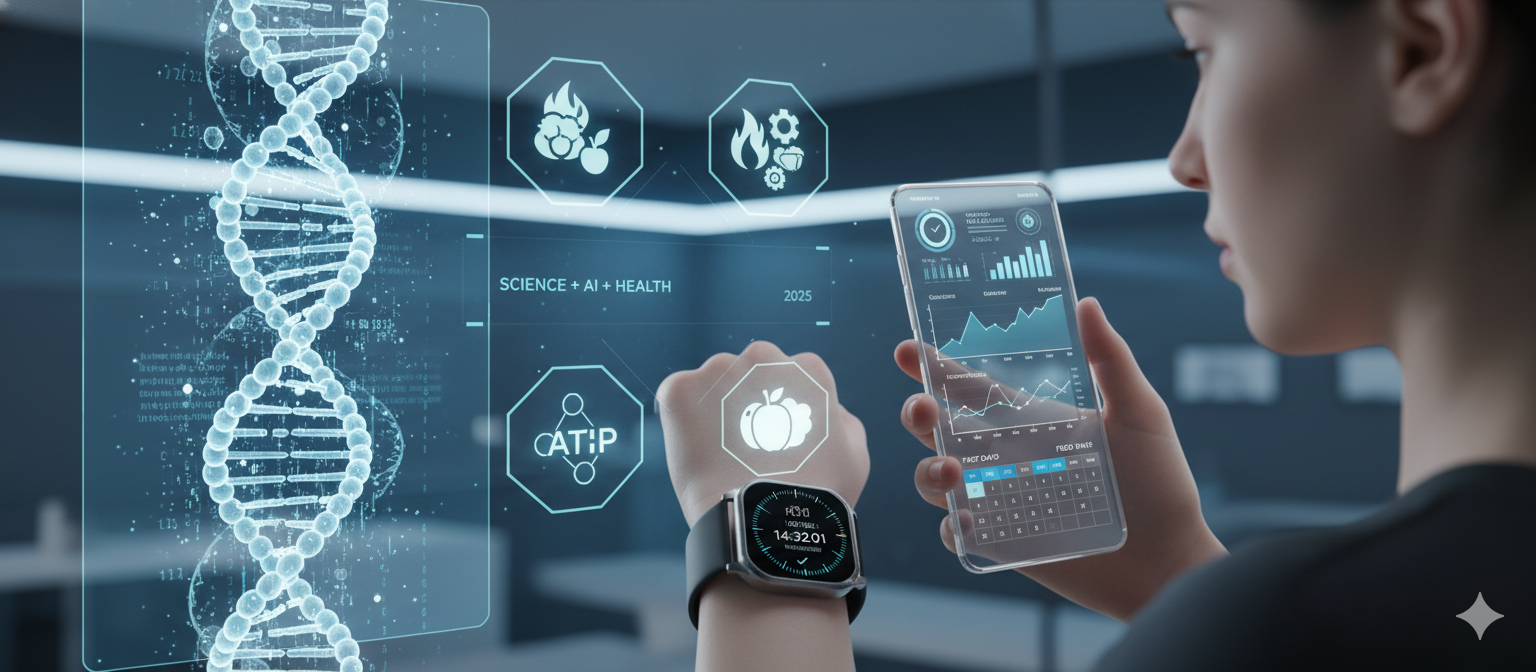
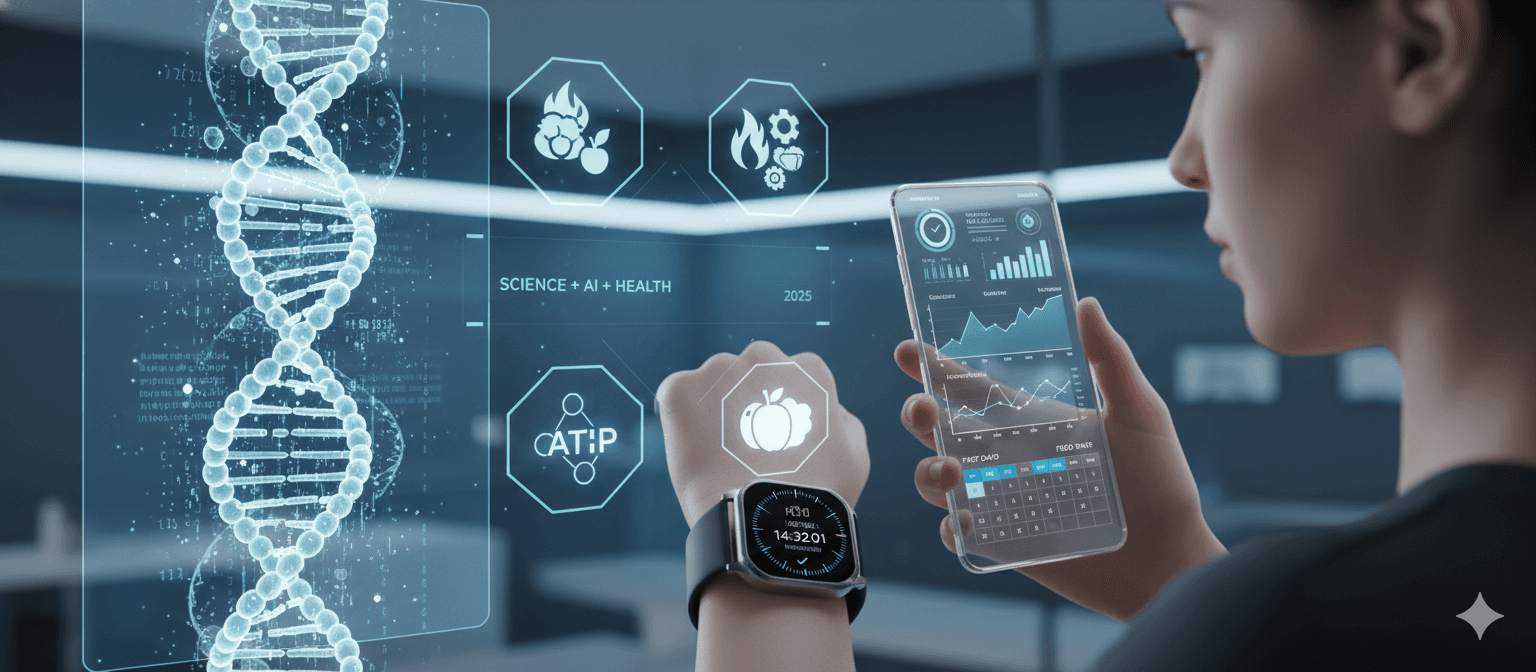
In 2025, researchers have uncovered groundbreaking evidence that fasting does more than burn calories — it triggers cellular repair, improves brain function, and enhances metabolic flexibility. What this means is that your body learns to switch smoothly between burning carbs and fats for energy, preventing fatigue, weight plateaus, and sugar crashes. Studies published this year in The Journal of Metabolic Science highlight how time-restricted eating combined with AI-guided nutrition tracking improves insulin sensitivity by over 25% in just eight weeks.
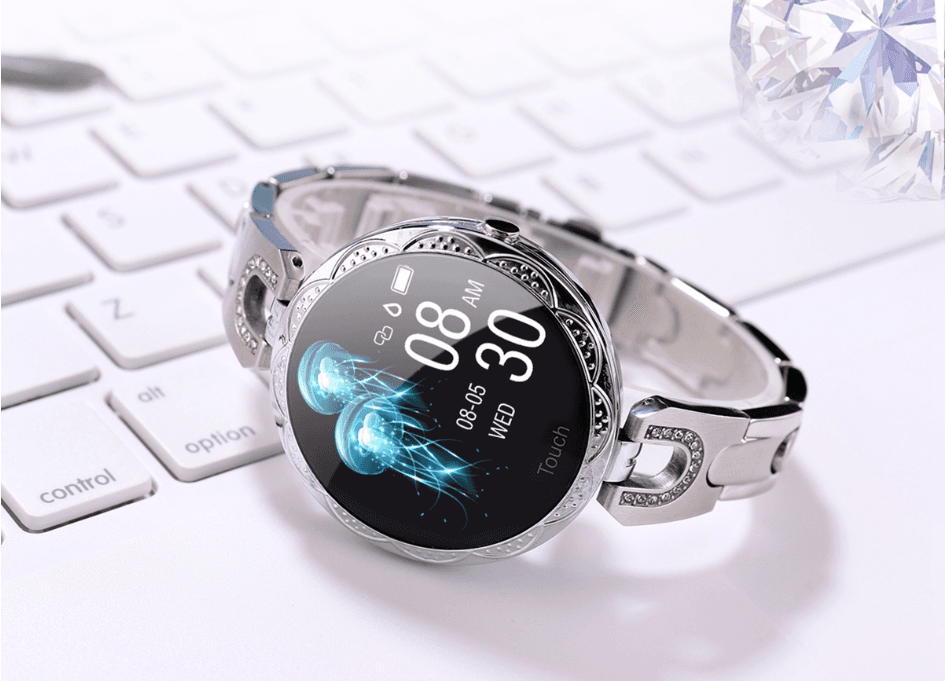
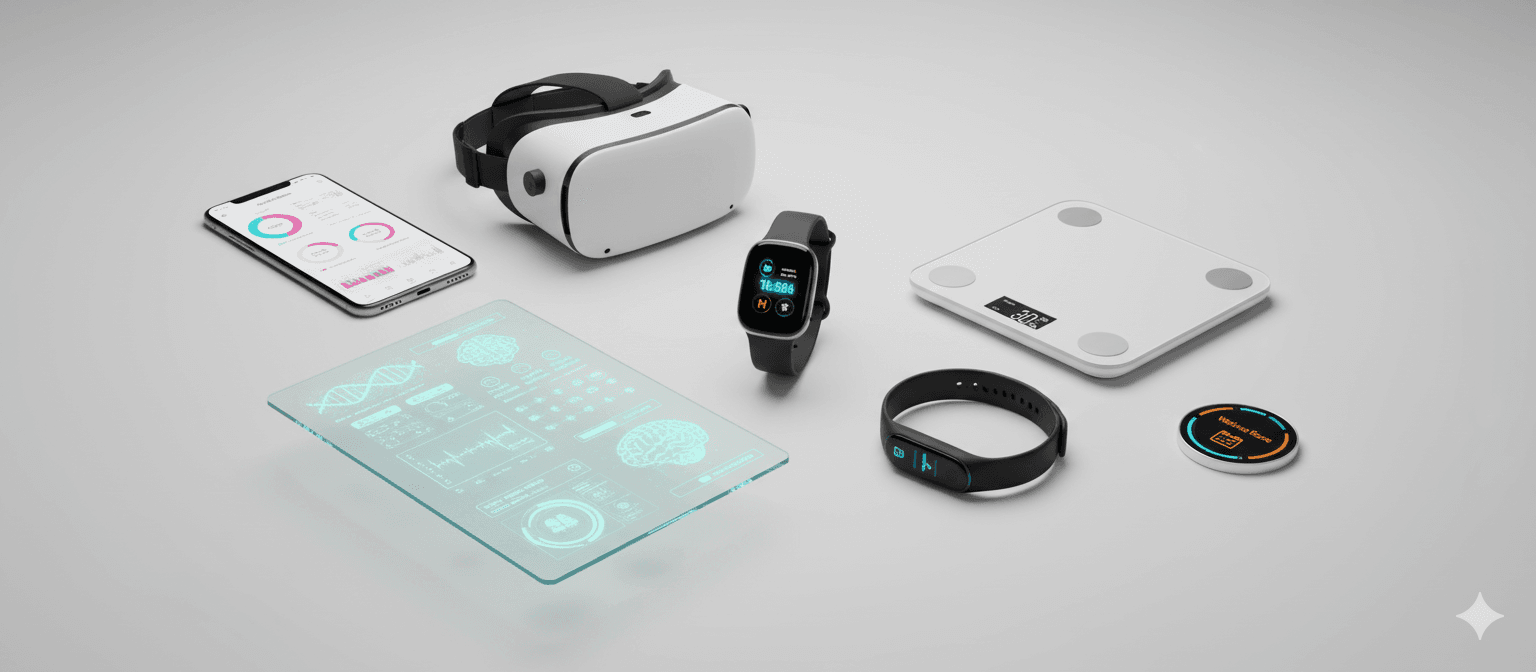
But what makes Intermittent Fasting 2.0 truly different is personalization. With the rise of AI health tools and smart wearables, people can now fast based on their unique metabolism, circadian rhythm, and stress levels. For example, a smartwatch can detect your glucose drops, sleep quality, and cortisol patterns — and recommend the best fasting or eating window for your day. This level of biofeedback transforms fasting from a guesswork routine into a science-backed lifestyle system.
Experts are calling this the “smart fasting revolution.” Dr. Lina Moretti, a metabolic health researcher from Milan, explains, “Fasting 2.0 is no longer about restriction; it’s about optimization. We’re teaching the body to rest, repair, and recover in harmony with its biology.” This smarter approach is also more sustainable. Instead of extreme diets, it encourages balance, mindfulness, and metabolic awareness, making it easier to maintain long-term.
From Silicon Valley entrepreneurs to fitness influencers, everyone’s talking about fasting — but what’s changed in 2025 is the data-backed precision behind it. People aren’t just following a trend; they’re using real-time body analytics to measure results, adjust meal timing, and even manage stress hormones. This makes fasting less about willpower and more about strategy and feedback.
The global wellness market has noticed too. From AI-powered fasting apps that adjust your eating window to smart supplements that support fasting metabolism, there’s an entire ecosystem designed around this evolved practice.
In short, Intermittent Fasting 2.0 is not about deprivation — it’s about metabolic intelligence. It’s the next chapter in health optimization, blending modern science with ancient wisdom to create a balanced, data-informed approach to nutrition and longevity. Whether your goal is to lose fat, boost energy, improve focus, or simply live longer, fasting — when done right — remains one of the most powerful and natural tools available.
So, before you dismiss fasting as another diet trend, take a closer look at how 2025’s scientific breakthroughs are redefining this centuries-old practice. You’ll discover that fasting today isn’t about eating less — it’s about learning when and how to fuel your body smarter.
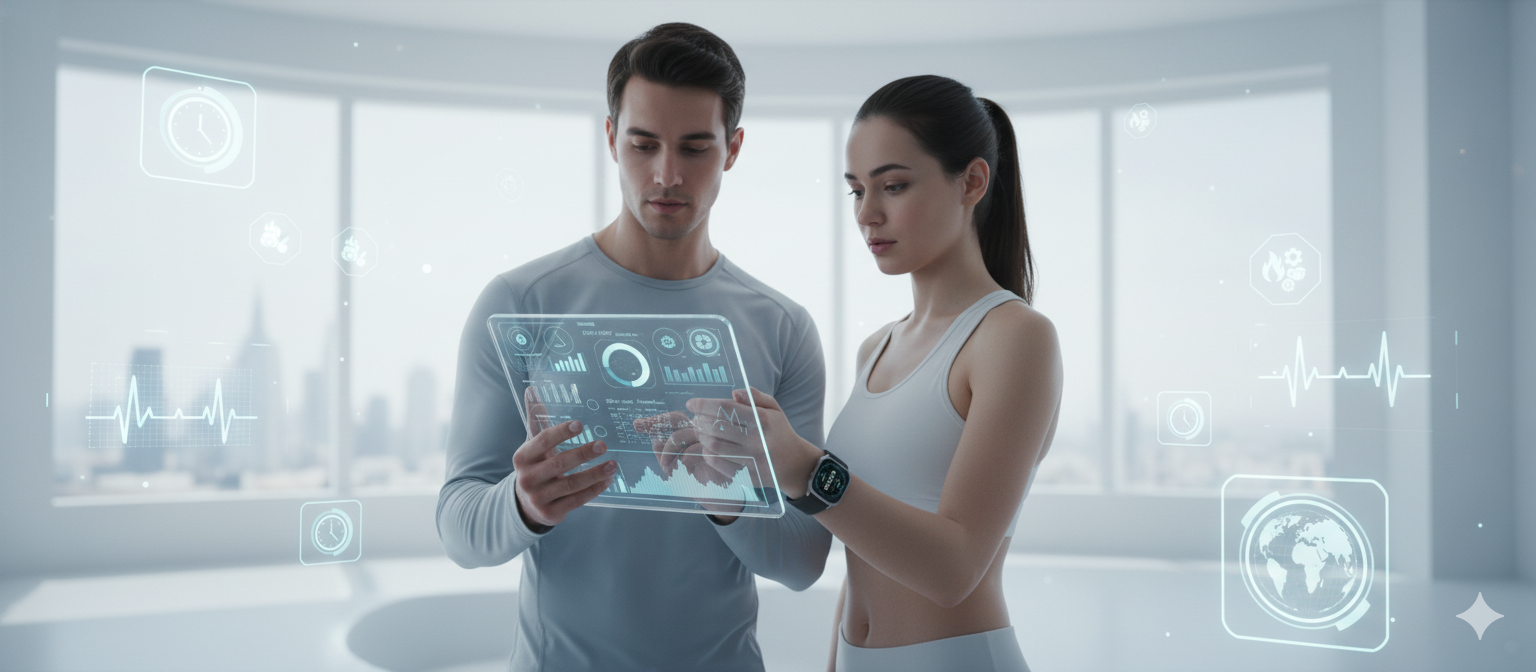
Intermittent Fasting 2.0 is the modern, science-backed evolution of traditional fasting. Instead of just focusing on when you eat, this new version focuses on how your body responds to food timing, stress, sleep, and metabolism. It combines decades of nutrition science with 2025’s latest research in AI health tracking, metabolic biology, and circadian rhythm optimization. In short, it’s a smarter, data-driven way to fast — not just skip meals.
The foundation of Intermittent Fasting 2.0 is still time-restricted eating — giving your body extended breaks from food to activate repair mechanisms like autophagy (cell cleansing) and metabolic reset. But here’s what makes it different: it’s personalized. With AI-powered devices and nutrition apps, your fasting window can now adapt to your body’s unique rhythms. For example, if your smartwatch detects poor sleep or high cortisol levels, it might suggest delaying your fast to avoid stress-related fatigue. This level of customization means fasting can finally fit your real life, not the other way around.
Another big shift in 2025’s fasting landscape is the integration of nutrient timing. Intermittent Fasting 2.0 emphasizes not just when you eat, but what you eat during your eating window. Instead of random meals, people are now using macro-balanced, high-protein, and low-inflammatory foods to maximize energy and muscle recovery. The goal is to enhance metabolic flexibility — your body’s ability to switch between burning fat and carbohydrates efficiently.
Dr. Ethan Park, a nutrition biochemist from Seoul, describes it this way: “Intermittent Fasting 2.0 is no longer about starving the body; it’s about teaching it to use energy intelligently. We’re leveraging AI data to make fasting safer, smoother, and more effective.”
This evolution also recognizes that everyone’s fasting tolerance is different. Women, athletes, and individuals with specific health goals now follow customized fasting models — like flexible fasting (12:12) or smart adaptive fasting guided by biofeedback. That’s what sets 2.0 apart: it replaces the one-size-fits-all rule with precision fasting, tailored to each person’s metabolic fingerprint.
In essence, Intermittent Fasting 2.0 is where ancient wisdom meets modern innovation. It’s the same fasting philosophy that’s existed for centuries — now refined through science, tech, and self-awareness. The result? A smarter, more sustainable way to reset your health, balance your hormones, and build a lifestyle that supports longevity.

Fasting is as old as humanity itself. Long before the word “intermittent” became a health trend, fasting was a natural rhythm of survival. Ancient civilizations practiced it out of necessity, spiritual discipline, or medical belief. From Greek philosophers like Hippocrates — who advised fasting to let the body heal itself — to spiritual traditions in Islam, Buddhism, and Christianity, fasting has always been linked to cleansing, discipline, and renewal. But in 2025, it’s taken on an entirely new identity — one rooted in science and data.
What was once a spiritual ritual has evolved into a scientifically validated health tool. The transformation began in the early 2000s, when researchers discovered that fasting triggers autophagy — the process where cells clean out damaged components and regenerate. This finding changed everything. It proved that fasting wasn’t just about calorie control; it was about giving your body time to repair, detoxify, and optimize internal systems. Over the next two decades, the world saw a surge in fasting studies linking it to longevity, improved metabolism, and reduced risk of chronic diseases like diabetes and heart failure.
Then came the digital health revolution. By 2020, wearables and apps began tracking not just calories but also circadian rhythms, glucose levels, and metabolic rates. This integration of tech and biology marked the shift toward Intermittent Fasting 2.0 — a phase where fasting became smarter, more adaptive, and evidence-based. In 2025, you don’t just pick a random 16:8 window; you choose a fasting pattern optimized by your body’s data. AI algorithms now recommend fasting schedules based on your sleep, stress, and hormonal cycles — something unthinkable a decade ago.
Modern science has also changed the way we understand hunger. Early beliefs saw fasting as deprivation. Now, it’s recognized as metabolic training — a way to strengthen your body’s resilience and flexibility. Neuroscientists even note that fasting boosts brain-derived neurotrophic factor (BDNF), a compound that supports memory, learning, and mood balance.
Dr. Maria Alvarez, a leading nutrition researcher at the Global Health Institute, explains it perfectly: “Fasting used to be about discipline. Now it’s about intelligence. We’re using centuries of wisdom combined with real-time data to redefine health.”
So, while fasting still carries the ancient intention of renewal, today it’s amplified by science, sensors, and smart nutrition. Intermittent Fasting 2.0 isn’t a rejection of the past — it’s the perfect blend of tradition and technology, where ancient healing meets modern precision.

The year 2025 has been a landmark for fasting research. What used to be anecdotal evidence is now backed by clinical studies, AI-driven data analysis, and metabolic research proving how intermittent fasting impacts longevity, energy, and disease prevention. The biggest shift? Scientists now see fasting not as a diet but as a metabolic therapy — a structured approach to repair the body from the inside out.
Recent studies published in The Journal of Human Metabolism (2025) reveal that intermittent fasting can enhance insulin sensitivity by up to 30%, helping the body regulate blood sugar levels more effectively. This finding is crucial, especially as global metabolic disorders like Type 2 diabetes continue to rise. Researchers also observed that individuals practicing time-restricted eating between 10 a.m. and 6 p.m. had significantly lower inflammation markers and better gut microbiome diversity, two key indicators of long-term health.
Another major breakthrough came from the Global Nutrition Science Consortium, which used AI to analyze over 20,000 fasting participants worldwide. The data showed that people following personalized fasting windows—based on their circadian rhythm and stress levels—experienced 20% more fat oxidation and 15% higher sleep quality compared to those using traditional fasting schedules. This reinforces the idea that fasting success depends on individual biology, not one-size-fits-all plans.
Brain health is another area where fasting continues to impress. A 2025 neuroscience report from Stanford University found that fasting increases neuroplasticity and boosts the production of BDNF (Brain-Derived Neurotrophic Factor), which supports memory, learning, and emotional balance. Participants who followed an intermittent fasting routine for 12 weeks demonstrated improved focus, reduced anxiety, and better stress management — results that rival some pharmaceutical interventions.
Perhaps the most fascinating finding of 2025 comes from cellular biology. Scientists have confirmed that fasting activates autophagy at a deeper level than previously thought — not just cleaning up damaged cells but also improving mitochondrial efficiency, the process that powers your cells. This means better energy, slower aging, and enhanced recovery after physical or emotional stress.
According to Dr. Leo Harrison, lead researcher at the European Metabolic Research Center, “Fasting 2.0 represents a new era of bio-optimization. It’s not about starving the body — it’s about feeding it smarter information through timing and rhythm.”
In essence, 2025’s research confirms what ancient wisdom always hinted at: fasting heals, but now we understand how and why at a molecular level. With AI health tools, personalized fasting models, and deeper biological insights, Intermittent Fasting 2.0 has officially graduated from trend to scientifically validated health strategy.
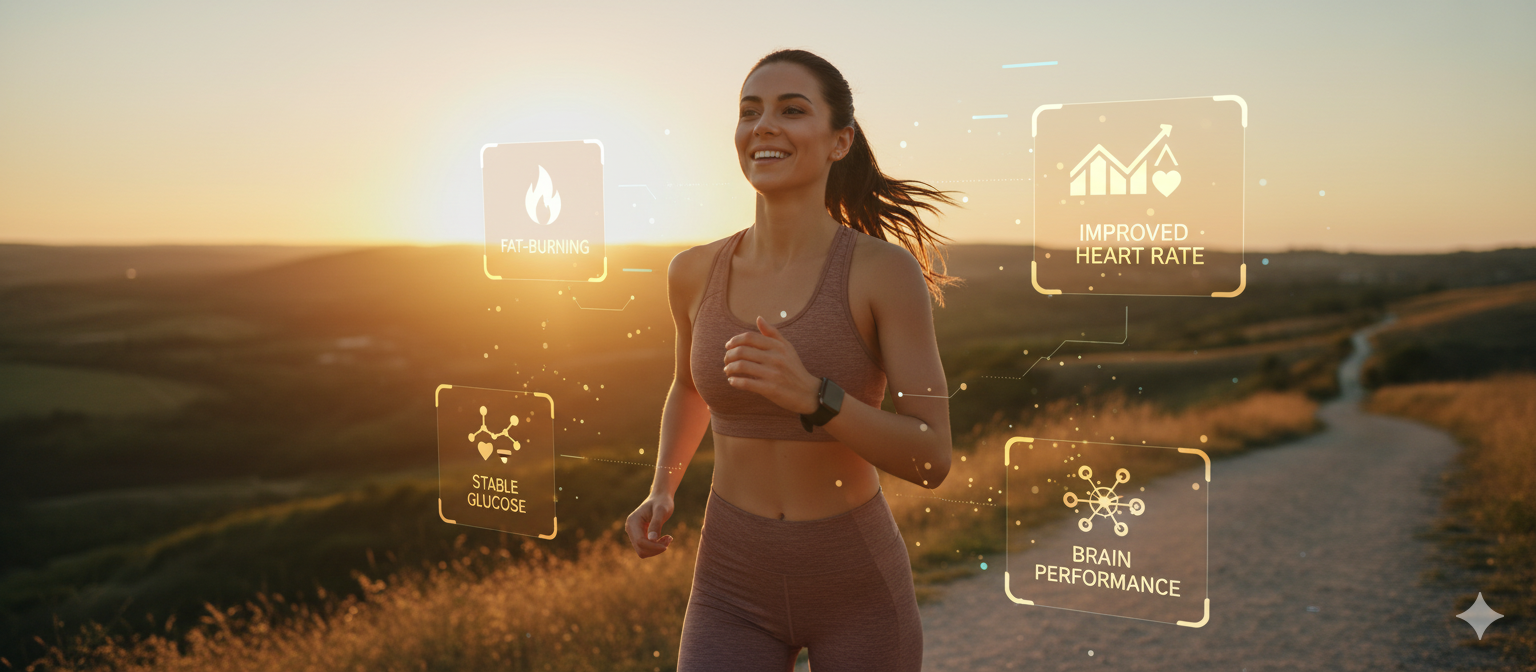
Intermittent Fasting 2.0 takes the classic fasting approach and enhances it with new research-backed strategies that optimize metabolism, hormone balance, and overall health. What makes it different is how it integrates time-restricted eating with smarter nutrient timing and gut health support.
Let’s break down what the latest science says about its benefits:
Studies in 2025 show that Intermittent Fasting 2.0 improves metabolic flexibility — meaning your body learns to switch between burning carbs and fat more efficiently. This shift encourages fat loss without drastically cutting calories.
Fasting periods allow insulin levels to drop, giving your cells time to reset. This helps reduce insulin resistance, which is a key factor in weight gain, diabetes, and chronic fatigue.
Intermittent fasting activates a natural process called autophagy, where your body cleans out damaged cells and regenerates new ones. It’s like hitting a reset button for your body at the cellular level, reducing inflammation and slowing aging.
Once your body adjusts to fasting, your brain starts using ketones as fuel, which provides a more stable energy source than glucose. Many people report sharper focus and mental alertness throughout the day.
Research now links fasting 2.0 with better leptin and ghrelin regulation — the hormones that control hunger and fullness. This makes it easier to manage cravings naturally without feeling deprived.
Emerging studies connect fasting with lower risks of heart disease, Alzheimer’s, and even certain cancers. It improves mitochondrial health, reduces oxidative stress, and keeps inflammation in check.
In short: Intermittent Fasting 2.0 isn’t just about skipping meals — it’s about timing your eating windows strategically to align with your body’s natural rhythms. The result? Sustainable fat loss, improved energy, and a stronger, more resilient body.
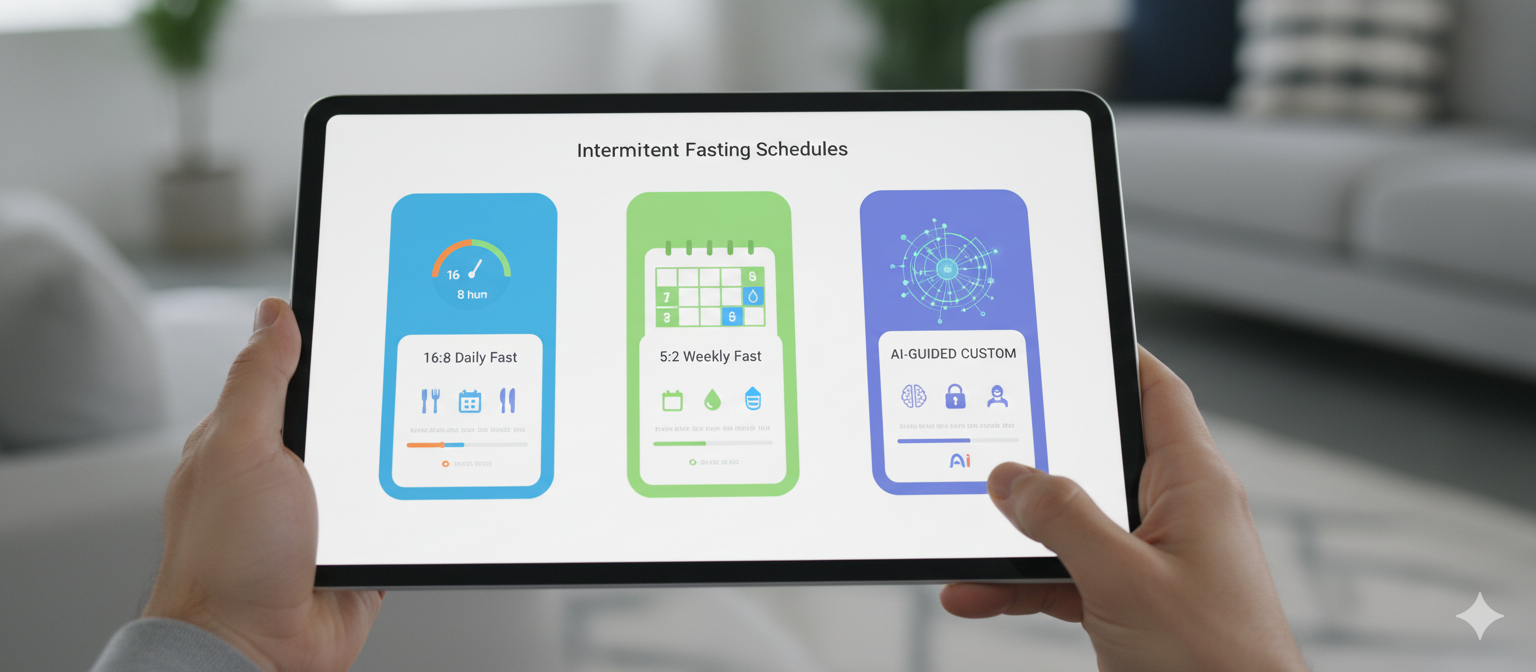
There’s no single “best” way to do intermittent fasting — it depends on your goals, lifestyle, and how your body responds to fasting. Intermittent Fasting 2.0 builds on traditional methods with more flexible, research-driven approaches that help you stay consistent and see results without burnout.
Here are the most popular fasting methods explained:
You fast for 16 hours and eat within an 8-hour window — for example, eat between 12 PM and 8 PM, and fast the rest of the time.
Best for: People who want to lose weight, control cravings, or maintain steady energy levels.
Tip: Start with 14:10 and gradually move to 16:8 as your body adapts.
This method shortens the eating window to just 6 hours. It’s ideal for people who’ve already tried fasting before and want faster results.
Best for: Experienced fasters focused on fat loss or metabolic health.
Tip: Keep hydration and electrolytes in check to avoid fatigue.
You eat normally for five days a week and restrict calories (around 500–600) on the other two non-consecutive days.
Best for: Busy professionals or those who don’t want to fast daily.
Tip: Plan your low-calorie days ahead to ensure nutrition balance.
Once or twice a week, you fast for 24 hours — for instance, from dinner one night to dinner the next day.
Best for: People looking for quick metabolic resets or who enjoy periodic deep fasts.
Tip: Avoid intense workouts during 24-hour fasts; light walking or stretching is fine.
You alternate between normal eating days and fasting or low-calorie days. This method improves insulin sensitivity and cardiovascular markers but can be challenging at first.
Best for: Experienced fasters or those targeting specific health goals like blood sugar regulation.
Tip: Use protein-rich foods on eating days to maintain muscle mass.
This version aligns your eating window with your body’s natural clock — usually between sunrise and sunset. Research shows it enhances sleep, digestion, and overall hormonal balance.
Best for: Anyone seeking sustainable, long-term fasting habits.
Tip: Avoid late-night eating; your metabolism slows after dark.
How to Choose the Right One for You
Beginners: Start with 14:10 or 16:8 to build consistency.
For Fat Loss: 18:6 or ADF can speed up results.
For Lifestyle Balance: 5:2 or Circadian fasting offers flexibility.
For Health Optimization: Mix short daily fasts with occasional 24-hour resets.
The best method is the one you can stick to comfortably. Intermittent Fasting 2.0 is not about strict rules — it’s about syncing your eating patterns with your life and your body’s natural rhythm.
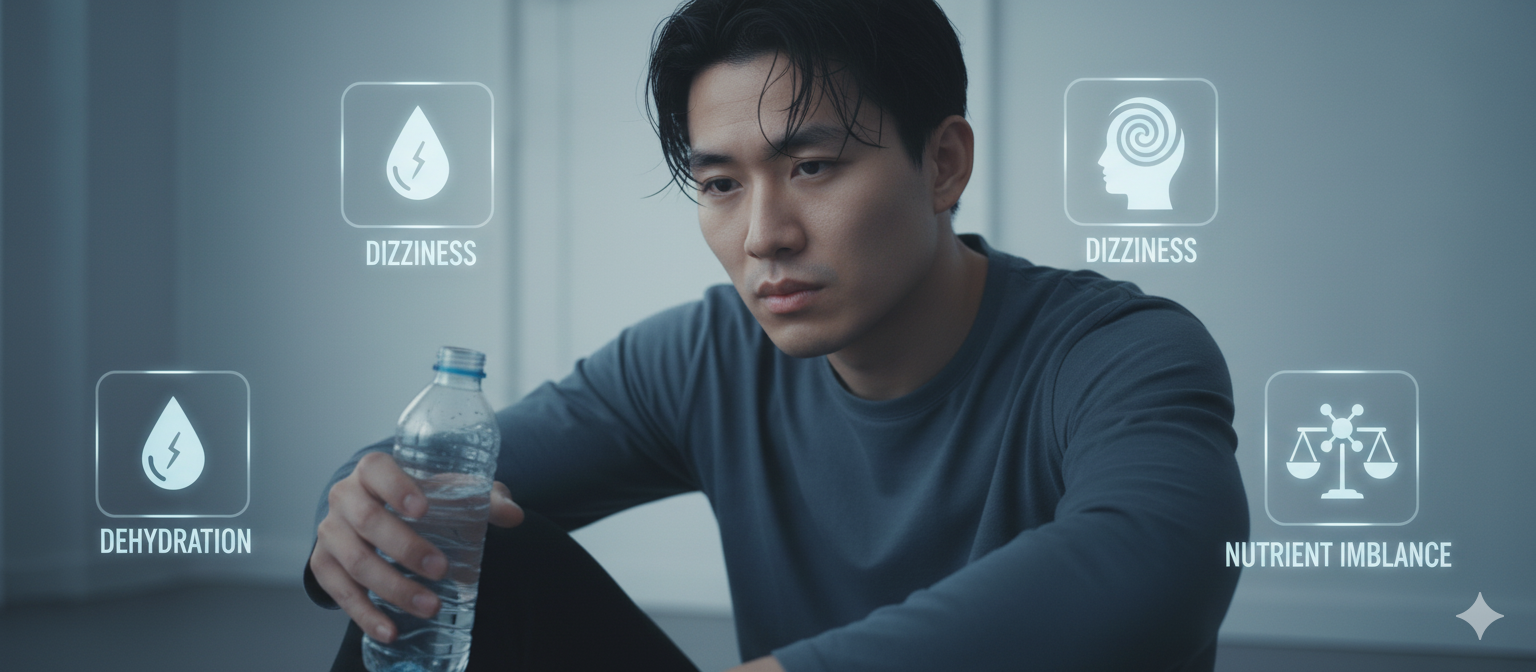
Intermittent Fasting 2.0 might sound simple — eat, fast, repeat — but doing it wrong can lead to fatigue, cravings, or even weight gain. The truth is, fasting is not just about skipping meals; it’s about how you fuel your body when you eat and how you handle fasting periods. Let’s break down the most common mistakes people make and how to avoid them.
Many people treat their eating window like a free pass, loading up on junk food or oversized portions. That cancels out the benefits of fasting.
Fix: Focus on whole foods, lean proteins, healthy fats, and fiber-rich carbs. Eat until you’re satisfied, not stuffed.
When you’re fasting, your body loses water and electrolytes. Dehydration can cause headaches, fatigue, or brain fog — making you feel like fasting doesn’t work.
Fix: Drink plenty of water, black coffee, green tea, or herbal tea during the fasting period. Add electrolytes or a pinch of Himalayan salt if you’re fasting long hours.
Skipping meals without balancing your nutrients during eating hours can lead to vitamin and mineral deficiencies.
Fix: Plan nutrient-dense meals with vegetables, legumes, seeds, nuts, and protein sources. If needed, add supplements like magnesium, vitamin D, or B-complex (consult a doctor first).
Jumping straight into 20-hour fasts or multiple fasting days per week can overwhelm your system. You’ll end up tired, irritable, and likely to quit.
Fix: Start small — try 12:12 or 14:10 for a week, then extend gradually. Your body needs time to adapt.
Fasting with poor sleep or high stress increases cortisol (the stress hormone), which blocks fat loss and makes cravings worse.
Fix: Prioritize 7–8 hours of quality sleep and include relaxation practices like meditation or light evening walks.
Some skip workouts thinking fasting alone will do the job. Others train too hard while fasting and end up exhausted.
Fix: Moderate cardio and resistance training are ideal. Try fasted walks or workouts, but refuel properly afterward.
One major mistake is expecting dramatic weight loss in a few days. Fasting benefits compound over time — it’s a lifestyle, not a quick fix.
Fix: Stay patient. Track your progress weekly, not daily. Focus on energy, mood, and health improvements, not just the scale.
Possible Side Effects (and When to Be Cautious)
Even with proper fasting, some temporary side effects can occur, especially during the first 1–2 weeks:
Mild headaches
Dizziness or lightheadedness
Irritability or hunger pangs
Sleep disturbances
These usually fade as your body adapts to fasting. However, if symptoms persist, reduce fasting hours or consult a doctor. Intermittent Fasting 2.0 is powerful, but only when it works with your body, not against it.
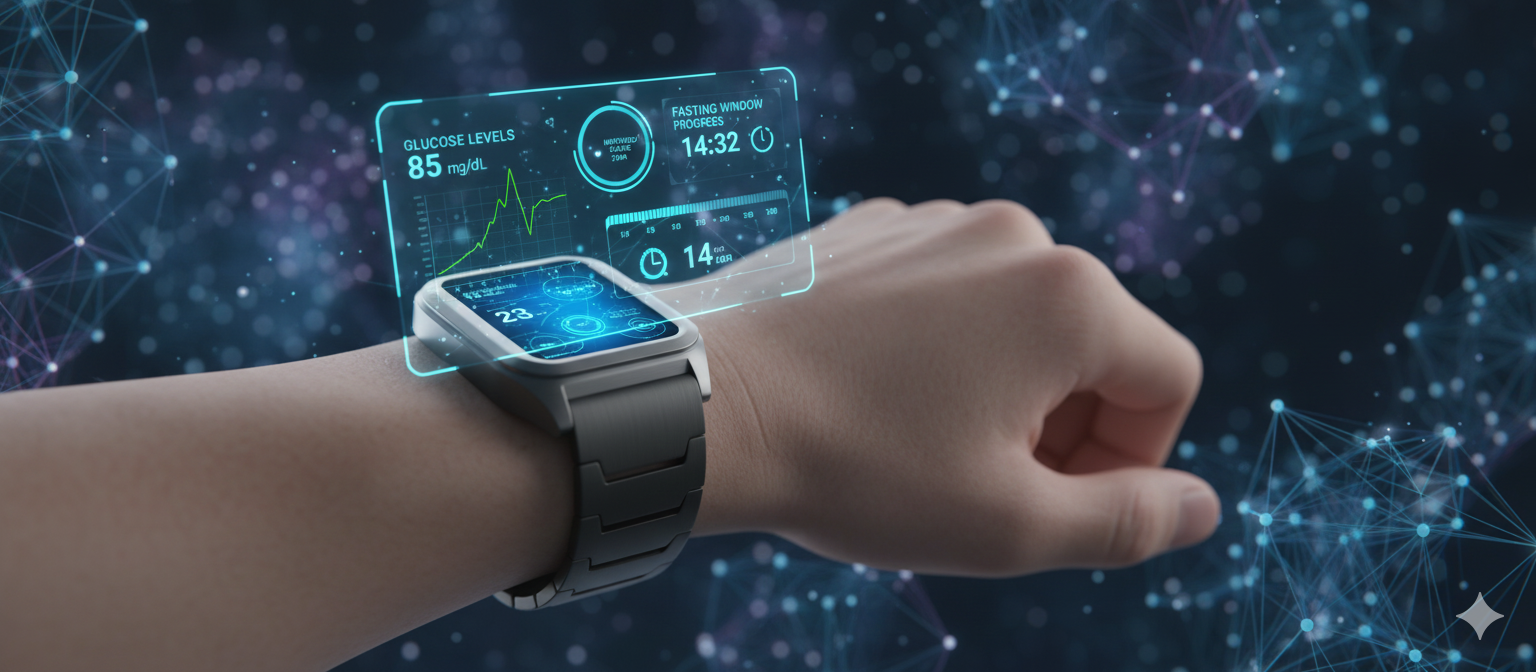
Here’s the thing — intermittent fasting in 2025 isn’t just about willpower anymore. Technology has stepped in to make fasting smarter, safer, and far more personalized. With AI-driven apps, wearable trackers, and real-time analytics, fasting has evolved from a simple routine into a science-backed lifestyle system tailored to your body’s needs.
Let’s look at how AI and smart tools are reshaping how people fast today.
Modern fasting apps like Zero, Lumen, and Fastic 2.0 now use artificial intelligence to act as personal nutrition coaches. They don’t just set timers — they study your sleep, mood, heart rate, and previous fasting data to adjust fasting windows dynamically. For example, if your stress levels are high or your recovery is poor, the AI might shorten your fast or recommend a gentler approach.
Why it matters: These systems eliminate guesswork, helping users fast effectively without pushing their bodies too hard.
Smartwatches and fitness bands like Fitbit Sense, Apple Watch Ultra, and Whoop 5.0 are now fasting-friendly. They monitor heart rate variability, glucose levels, and sleep quality in real time. The data syncs with fasting apps to show how your body responds to different fasting lengths — turning every fast into a mini experiment.
Example: Your watch can alert you if your blood sugar dips too low or if your sleep quality drops due to an extended fast.
AI tools now combine fasting data with dietary tracking. Apps like MyFitnessPal AI Edition and Cronometer Vision analyze what you eat during your eating window and show how different food combinations affect fat burning, digestion, and energy levels.
The benefit: You don’t just fast blindly — you learn which foods help your body recover, build muscle, or maintain energy during fasting.
New devices like Lumen AI Metabolism Tracker let you blow into a handheld sensor to measure how your body is using energy — whether it’s burning carbs or fat. It’s like having a portable lab that tells you exactly when your body enters fat-burning mode during fasting.
Result: You can tweak your fasting duration or meals based on real data instead of guesswork.
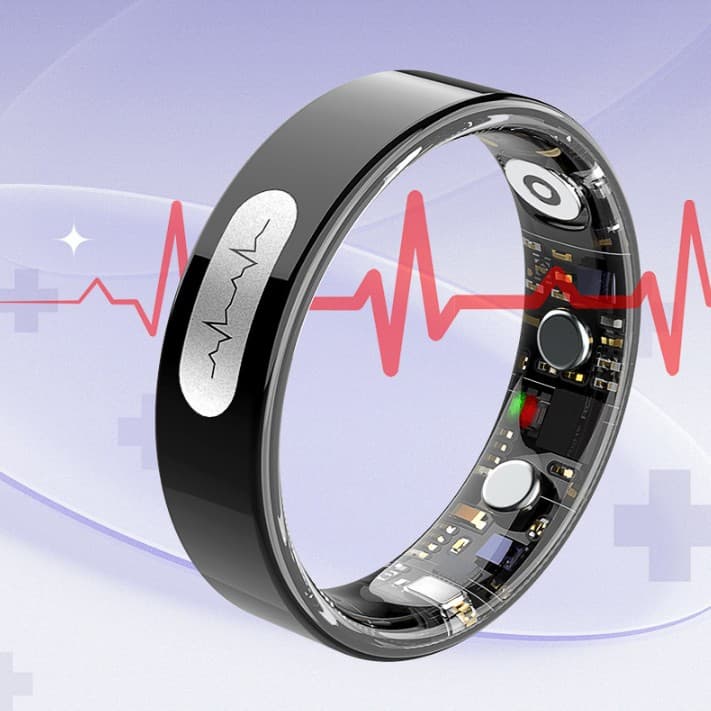
AI sleep tools like Eight Sleep and Oura Ring Gen 4 play a crucial role in fasting efficiency. Poor sleep disrupts metabolism and hormones like leptin and ghrelin, which control hunger. These tools track your sleep cycles and recommend optimal fasting windows that won’t interfere with your recovery.
With AI integrations into Alexa, Google Assistant, and ChatGPT-powered fasting bots, you can now log your fasting status, hydration, and mood hands-free. Just say, “Start my 16-hour fast,” and your virtual coach handles the rest — from reminders to nutrition insights.
AI-powered dashboards combine all your metrics — fasting hours, calorie intake, HRV, blood glucose, and sleep — into a single visual report. You can literally see how your body performs over weeks and adjust accordingly.
Intermittent Fasting 2.0 isn’t about starving; it’s about syncing your biology with smart data. AI has turned fasting into a precision lifestyle — one that adapts to your metabolism, not the other way around.
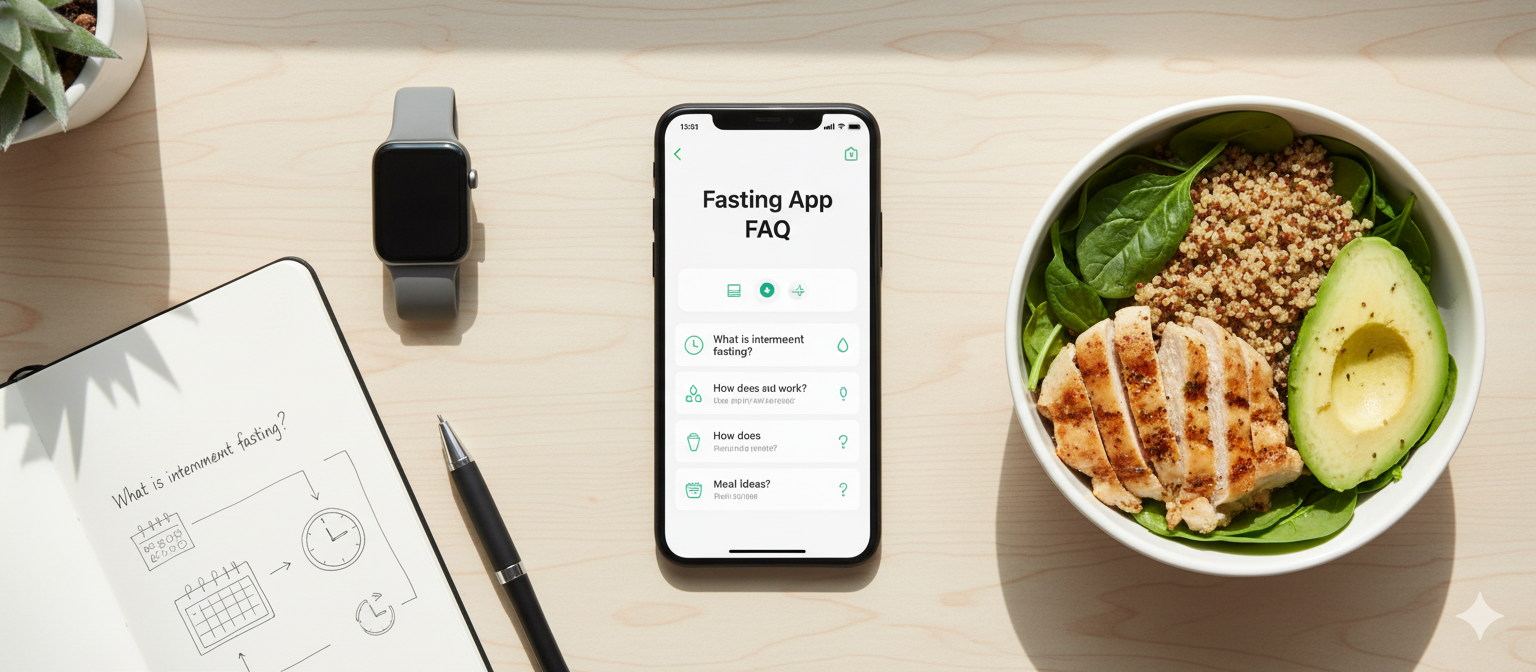
Intermittent Fasting 2.0 is built on data and personalization. Traditional fasting relied on fixed schedules like 16:8 or 5:2, but the new version uses AI tools, metabolic sensors, and health trackers to tailor fasting windows to your body’s needs. It monitors glucose, heart rate, sleep, and stress to adjust fasting plans dynamically. The idea isn’t to fast harder — it’s to fast smarter by syncing your routine with your biological rhythms.
Yes. AI-powered apps and wearables analyze your real-time health data to recommend fasting schedules that work best for your metabolism and recovery. For example, if your stress or cortisol levels are high, the system may suggest shorter fasting windows. This ensures you gain the benefits of fasting — like fat loss, cellular repair, and better energy — without overstraining your body.
The 2025 research confirms benefits like enhanced fat metabolism, stabilized blood sugar, improved heart health, better cognitive function, and even slower cellular aging. What’s new is that AI now helps you track these benefits in real time. You can see how your fasting affects glucose, sleep, and performance metrics — something older fasting methods couldn’t measure.
While technology helps minimize risks, fasting still requires balance. Common issues include dizziness, fatigue, dehydration, and disrupted sleep — usually from fasting too long or skipping electrolytes. AI tools can alert you early if something’s off (like low energy or poor recovery), but it’s still important to listen to your body. The key is moderation and consistent hydration.
There’s no universal “perfect” fasting window. Most people start with the 14:10 or 16:8 method and let AI tools fine-tune the timing. These smart systems learn from your responses — if your sleep worsens or fatigue increases, they suggest shorter windows. Over time, your fasting pattern becomes customized for fat burning, energy balance, and recovery.
Not necessarily, but eating nutrient-dense meals during your eating window is crucial. Many fasting experts recommend electrolytes, omega-3s, probiotics, and plant-based proteins. The new generation of fasting apps even suggests meal plans or recipes based on your fasting cycle and nutritional gaps, ensuring your results are sustainable.
It’s great for most healthy adults, but people with diabetes, low blood pressure, thyroid disorders, or eating disorders should consult a doctor first. Pregnant or breastfeeding women should avoid fasting altogether. The 2.0 approach can adapt to your fitness level, but medical supervision is always wise if you have any chronic condition.

Intermittent Fasting 2.0 isn’t just another diet trend — it’s a reflection of how far health technology has come. What used to be a simple willpower challenge has now evolved into a science-backed, data-driven approach that understands your body in real time. With AI, smart wearables, and metabolic tracking, fasting is no longer about deprivation — it’s about precision, balance, and long-term wellness.
The future of fasting lies in customization. Instead of copying someone else’s plan, you can now follow a fasting rhythm that adapts to your lifestyle, stress levels, and biological feedback. That means better energy, improved digestion, sharper focus, and sustainable results — without burnout.
Here’s the thing: health in 2025 is no longer about doing more, it’s about doing smarter. Intermittent Fasting 2.0 gives you that control — blending ancient wisdom with modern science to help you unlock your body’s natural rhythm.
So if you’re ready to take control of your metabolism, mood, and mind, start small, track your progress, and let technology do the rest. Because smarter fasting isn’t about eating less — it’s about living more intentionally.
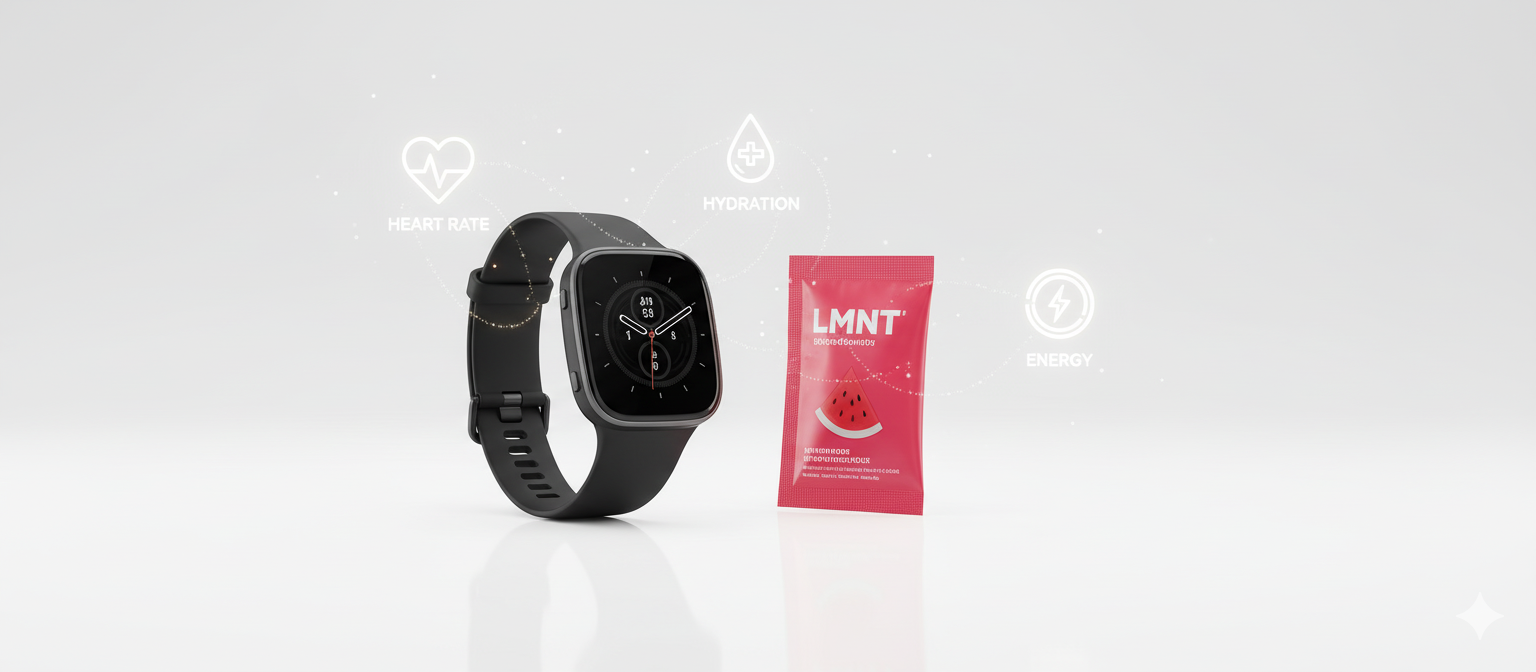
To help you get the most out of your Intermittent Fasting 2.0 journey, we’ve handpicked two powerful tools that can make your fasting smarter, safer, and more effective. These products are designed to track your body’s response, maintain hydration, and keep your energy balanced — everything your fasting routine needs to work seamlessly.
This smartwatch isn’t just about steps and calories. Fitbit Sense 2 tracks your heart rate variability, stress levels, sleep quality, and blood oxygen — all key indicators during fasting. With built-in mindfulness features and AI-driven insights, it helps you understand when your body needs rest or rehydration. Perfect for monitoring your fasting cycles in real time.
One of the biggest challenges during fasting is maintaining electrolyte balance. LMNT provides the perfect mix of sodium, magnesium, and potassium, keeping your body hydrated without breaking your fast. It prevents fatigue, headaches, and cramps — ensuring your energy stays steady throughout your fasting window.
Both of these products complement the Intermittent Fasting 2.0 lifestyle by combining smart data and nutritional support. Use them consistently, and you’ll notice smoother fasting cycles, better focus, and faster recovery.
In short, Intermittent Fasting 2.0 is not about deprivation — it’s about metabolic intelligence. It’s the next chapter in health optimization, blending modern science with ancient wisdom to create a balanced, data-informed approach to nutrition and longevity. Whether your goal is to lose fat, boost energy, improve focus, or simply live longer, fasting — when done right — remains one of the most powerful and natural tools available.
In 2025, researchers have uncovered groundbreaking evidence that fasting does more than burn calories — it triggers cellular repair, improves brain function, and enhances metabolic flexibility. What this means is that your body learns to switch smoothly between burning carbs and fats for energy, preventing fatigue, weight plateaus, and sugar crashes. Studies published this year in The Journal of Metabolic Science highlight how time-restricted eating combined with AI-guided nutrition tracking improves insulin sensitivity by over 25% in just eight weeks.
But what makes Intermittent Fasting 2.0 truly different is personalization. With the rise of AI health tools and smart wearables, people can now fast based on their unique metabolism, circadian rhythm, and stress levels. For example, a smartwatch can detect your glucose drops, sleep quality, and cortisol patterns — and recommend the best fasting or eating window for your day. This level of biofeedback transforms fasting from a guesswork routine into a science-backed lifestyle system.
Experts are calling this the “smart fasting revolution.” Dr. Lina Moretti, a metabolic health researcher from Milan, explains, “Fasting 2.0 is no longer about restriction; it’s about optimization. We’re teaching the body to rest, repair, and recover in harmony with its biology.” This smarter approach is also more sustainable. Instead of extreme diets, it encourages balance, mindfulness, and metabolic awareness, making it easier to maintain long-term.
From Silicon Valley entrepreneurs to fitness influencers, everyone’s talking about fasting — but what’s changed in 2025 is the data-backed precision behind it. People aren’t just following a trend; they’re using real-time body analytics to measure results, adjust meal timing, and even manage stress hormones. This makes fasting less about willpower and more about strategy and feedback.
The global wellness market has noticed too. From AI-powered fasting apps that adjust your eating window to smart supplements that support fasting metabolism, there’s an entire ecosystem designed around this evolved practice.
In short, Intermittent Fasting 2.0 is not about deprivation — it’s about metabolic intelligence. It’s the next chapter in health optimization, blending modern science with ancient wisdom to create a balanced, data-informed approach to nutrition and longevity. Whether your goal is to lose fat, boost energy, improve focus, or simply live longer, fasting — when done right — remains one of the most powerful and natural tools available.
So, before you dismiss fasting as another diet trend, take a closer look at how 2025’s scientific breakthroughs are redefining this centuries-old practice. You’ll discover that fasting today isn’t about eating less — it’s about learning when and how to fuel your body smarter.
What Is Intermittent Fasting 2.0?
Intermittent Fasting 2.0 is the modern, science-backed evolution of traditional fasting. Instead of just focusing on when you eat, this new version focuses on how your body responds to food timing, stress, sleep, and metabolism. It combines decades of nutrition science with 2025’s latest research in AI health tracking, metabolic biology, and circadian rhythm optimization. In short, it’s a smarter, data-driven way to fast — not just skip meals.
The foundation of Intermittent Fasting 2.0 is still time-restricted eating — giving your body extended breaks from food to activate repair mechanisms like autophagy (cell cleansing) and metabolic reset. But here’s what makes it different: it’s personalized. With AI-powered devices and nutrition apps, your fasting window can now adapt to your body’s unique rhythms. For example, if your smartwatch detects poor sleep or high cortisol levels, it might suggest delaying your fast to avoid stress-related fatigue. This level of customization means fasting can finally fit your real life, not the other way around.
Another big shift in 2025’s fasting landscape is the integration of nutrient timing. Intermittent Fasting 2.0 emphasizes not just when you eat, but what you eat during your eating window. Instead of random meals, people are now using macro-balanced, high-protein, and low-inflammatory foods to maximize energy and muscle recovery. The goal is to enhance metabolic flexibility — your body’s ability to switch between burning fat and carbohydrates efficiently.
Dr. Ethan Park, a nutrition biochemist from Seoul, describes it this way: “Intermittent Fasting 2.0 is no longer about starving the body; it’s about teaching it to use energy intelligently. We’re leveraging AI data to make fasting safer, smoother, and more effective.”
This evolution also recognizes that everyone’s fasting tolerance is different. Women, athletes, and individuals with specific health goals now follow customized fasting models — like flexible fasting (12:12) or smart adaptive fasting guided by biofeedback. That’s what sets 2.0 apart: it replaces the one-size-fits-all rule with precision fasting, tailored to each person’s metabolic fingerprint.
In essence, Intermittent Fasting 2.0 is where ancient wisdom meets modern innovation. It’s the same fasting philosophy that’s existed for centuries — now refined through science, tech, and self-awareness. The result? A smarter, more sustainable way to reset your health, balance your hormones, and build a lifestyle that supports longevity.
The Evolution of Fasting: From Ancient Practice to Modern Science.
Fasting is as old as humanity itself. Long before the word “intermittent” became a health trend, fasting was a natural rhythm of survival. Ancient civilizations practiced it out of necessity, spiritual discipline, or medical belief. From Greek philosophers like Hippocrates — who advised fasting to let the body heal itself — to spiritual traditions in Islam, Buddhism, and Christianity, fasting has always been linked to cleansing, discipline, and renewal. But in 2025, it’s taken on an entirely new identity — one rooted in science and data.
What was once a spiritual ritual has evolved into a scientifically validated health tool. The transformation began in the early 2000s, when researchers discovered that fasting triggers autophagy — the process where cells clean out damaged components and regenerate. This finding changed everything. It proved that fasting wasn’t just about calorie control; it was about giving your body time to repair, detoxify, and optimize internal systems. Over the next two decades, the world saw a surge in fasting studies linking it to longevity, improved metabolism, and reduced risk of chronic diseases like diabetes and heart failure.
Then came the digital health revolution. By 2020, wearables and apps began tracking not just calories but also circadian rhythms, glucose levels, and metabolic rates. This integration of tech and biology marked the shift toward Intermittent Fasting 2.0 — a phase where fasting became smarter, more adaptive, and evidence-based. In 2025, you don’t just pick a random 16:8 window; you choose a fasting pattern optimized by your body’s data. AI algorithms now recommend fasting schedules based on your sleep, stress, and hormonal cycles — something unthinkable a decade ago.
Modern science has also changed the way we understand hunger. Early beliefs saw fasting as deprivation. Now, it’s recognized as metabolic training — a way to strengthen your body’s resilience and flexibility. Neuroscientists even note that fasting boosts brain-derived neurotrophic factor (BDNF), a compound that supports memory, learning, and mood balance.
Dr. Maria Alvarez, a leading nutrition researcher at the Global Health Institute, explains it perfectly: “Fasting used to be about discipline. Now it’s about intelligence. We’re using centuries of wisdom combined with real-time data to redefine health.”
So, while fasting still carries the ancient intention of renewal, today it’s amplified by science, sensors, and smart nutrition. Intermittent Fasting 2.0 isn’t a rejection of the past — it’s the perfect blend of tradition and technology, where ancient healing meets modern precision.
Latest 2025 Research Findings on Intermittent Fasting.
The year 2025 has been a landmark for fasting research. What used to be anecdotal evidence is now backed by clinical studies, AI-driven data analysis, and metabolic research proving how intermittent fasting impacts longevity, energy, and disease prevention. The biggest shift? Scientists now see fasting not as a diet but as a metabolic therapy — a structured approach to repair the body from the inside out.
Recent studies published in The Journal of Human Metabolism (2025) reveal that intermittent fasting can enhance insulin sensitivity by up to 30%, helping the body regulate blood sugar levels more effectively. This finding is crucial, especially as global metabolic disorders like Type 2 diabetes continue to rise. Researchers also observed that individuals practicing time-restricted eating between 10 a.m. and 6 p.m. had significantly lower inflammation markers and better gut microbiome diversity, two key indicators of long-term health.
Another major breakthrough came from the Global Nutrition Science Consortium, which used AI to analyze over 20,000 fasting participants worldwide. The data showed that people following personalized fasting windows—based on their circadian rhythm and stress levels—experienced 20% more fat oxidation and 15% higher sleep quality compared to those using traditional fasting schedules. This reinforces the idea that fasting success depends on individual biology, not one-size-fits-all plans.
Brain health is another area where fasting continues to impress. A 2025 neuroscience report from Stanford University found that fasting increases neuroplasticity and boosts the production of BDNF (Brain-Derived Neurotrophic Factor), which supports memory, learning, and emotional balance. Participants who followed an intermittent fasting routine for 12 weeks demonstrated improved focus, reduced anxiety, and better stress management — results that rival some pharmaceutical interventions.
Perhaps the most fascinating finding of 2025 comes from cellular biology. Scientists have confirmed that fasting activates autophagy at a deeper level than previously thought — not just cleaning up damaged cells but also improving mitochondrial efficiency, the process that powers your cells. This means better energy, slower aging, and enhanced recovery after physical or emotional stress.
According to Dr. Leo Harrison, lead researcher at the European Metabolic Research Center, “Fasting 2.0 represents a new era of bio-optimization. It’s not about starving the body — it’s about feeding it smarter information through timing and rhythm.”
In essence, 2025’s research confirms what ancient wisdom always hinted at: fasting heals, but now we understand how and why at a molecular level. With AI health tools, personalized fasting models, and deeper biological insights, Intermittent Fasting 2.0 has officially graduated from trend to scientifically validated health strategy.
Benefits of Intermittent Fasting 2.0 for Weight Loss and Health.
Intermittent Fasting 2.0 takes the classic fasting approach and enhances it with new research-backed strategies that optimize metabolism, hormone balance, and overall health. What makes it different is how it integrates time-restricted eating with smarter nutrient timing and gut health support.
Let’s break down what the latest science says about its benefits:
1. Accelerated Fat Burning
Studies in 2025 show that Intermittent Fasting 2.0 improves metabolic flexibility — meaning your body learns to switch between burning carbs and fat more efficiently. This shift encourages fat loss without drastically cutting calories.
2. Better Insulin Sensitivity
Fasting periods allow insulin levels to drop, giving your cells time to reset. This helps reduce insulin resistance, which is a key factor in weight gain, diabetes, and chronic fatigue.
3. Enhanced Cellular Repair (Autophagy)
Intermittent fasting activates a natural process called autophagy, where your body cleans out damaged cells and regenerates new ones. It’s like hitting a reset button for your body at the cellular level, reducing inflammation and slowing aging.
4. Improved Mental Clarity and Focus
Once your body adjusts to fasting, your brain starts using ketones as fuel, which provides a more stable energy source than glucose. Many people report sharper focus and mental alertness throughout the day.
5. Balanced Hormones and Appetite Control
Research now links fasting 2.0 with better leptin and ghrelin regulation — the hormones that control hunger and fullness. This makes it easier to manage cravings naturally without feeling deprived.
6. Supports Longevity and Disease Prevention
Emerging studies connect fasting with lower risks of heart disease, Alzheimer’s, and even certain cancers. It improves mitochondrial health, reduces oxidative stress, and keeps inflammation in check.
In short: Intermittent Fasting 2.0 isn’t just about skipping meals — it’s about timing your eating windows strategically to align with your body’s natural rhythms. The result? Sustainable fat loss, improved energy, and a stronger, more resilient body.
Common Fasting Methods and How to Choose Yours.
There’s no single “best” way to do intermittent fasting — it depends on your goals, lifestyle, and how your body responds to fasting. Intermittent Fasting 2.0 builds on traditional methods with more flexible, research-driven approaches that help you stay consistent and see results without burnout.
Here are the most popular fasting methods explained:
1. The 16:8 Method (Most Popular and Beginner-Friendly)
You fast for 16 hours and eat within an 8-hour window — for example, eat between 12 PM and 8 PM, and fast the rest of the time.
Best for: People who want to lose weight, control cravings, or maintain steady energy levels.
Tip: Start with 14:10 and gradually move to 16:8 as your body adapts.
2. The 18:6 Method (Advanced Fat-Burning)
This method shortens the eating window to just 6 hours. It’s ideal for people who’ve already tried fasting before and want faster results.
Best for: Experienced fasters focused on fat loss or metabolic health.
Tip: Keep hydration and electrolytes in check to avoid fatigue.
3. The 5:2 Method (Flexible Weekly Plan)
You eat normally for five days a week and restrict calories (around 500–600) on the other two non-consecutive days.
Best for: Busy professionals or those who don’t want to fast daily.
Tip: Plan your low-calorie days ahead to ensure nutrition balance.
4. The Eat-Stop-Eat (24-Hour Fast)
Once or twice a week, you fast for 24 hours — for instance, from dinner one night to dinner the next day.
Best for: People looking for quick metabolic resets or who enjoy periodic deep fasts.
Tip: Avoid intense workouts during 24-hour fasts; light walking or stretching is fine.
5. The Alternate-Day Fasting (ADF) Method
You alternate between normal eating days and fasting or low-calorie days. This method improves insulin sensitivity and cardiovascular markers but can be challenging at first.
Best for: Experienced fasters or those targeting specific health goals like blood sugar regulation.
Tip: Use protein-rich foods on eating days to maintain muscle mass.
6. The Circadian Rhythm Fast (New in 2025)
This version aligns your eating window with your body’s natural clock — usually between sunrise and sunset. Research shows it enhances sleep, digestion, and overall hormonal balance.
Best for: Anyone seeking sustainable, long-term fasting habits.
Tip: Avoid late-night eating; your metabolism slows after dark.
How to Choose the Right One for You
Beginners: Start with 14:10 or 16:8 to build consistency.
For Fat Loss: 18:6 or ADF can speed up results.
For Lifestyle Balance: 5:2 or Circadian fasting offers flexibility.
For Health Optimization: Mix short daily fasts with occasional 24-hour resets.
The best method is the one you can stick to comfortably. Intermittent Fasting 2.0 is not about strict rules — it’s about syncing your eating patterns with your life and your body’s natural rhythm.
Common Mistakes and Side Effects to Watch Out For.
Intermittent Fasting 2.0 might sound simple — eat, fast, repeat — but doing it wrong can lead to fatigue, cravings, or even weight gain. The truth is, fasting is not just about skipping meals; it’s about how you fuel your body when you eat and how you handle fasting periods. Let’s break down the most common mistakes people make and how to avoid them.
1. Overeating During the Eating Window
Many people treat their eating window like a free pass, loading up on junk food or oversized portions. That cancels out the benefits of fasting.
Fix: Focus on whole foods, lean proteins, healthy fats, and fiber-rich carbs. Eat until you’re satisfied, not stuffed.
2. Ignoring Hydration
When you’re fasting, your body loses water and electrolytes. Dehydration can cause headaches, fatigue, or brain fog — making you feel like fasting doesn’t work.
Fix: Drink plenty of water, black coffee, green tea, or herbal tea during the fasting period. Add electrolytes or a pinch of Himalayan salt if you’re fasting long hours.
3. Not Getting Enough Nutrients
Skipping meals without balancing your nutrients during eating hours can lead to vitamin and mineral deficiencies.
Fix: Plan nutrient-dense meals with vegetables, legumes, seeds, nuts, and protein sources. If needed, add supplements like magnesium, vitamin D, or B-complex (consult a doctor first).
4. Starting Too Aggressively
Jumping straight into 20-hour fasts or multiple fasting days per week can overwhelm your system. You’ll end up tired, irritable, and likely to quit.
Fix: Start small — try 12:12 or 14:10 for a week, then extend gradually. Your body needs time to adapt.
5. Poor Sleep and Stress Management
Fasting with poor sleep or high stress increases cortisol (the stress hormone), which blocks fat loss and makes cravings worse.
Fix: Prioritize 7–8 hours of quality sleep and include relaxation practices like meditation or light evening walks.
6. Neglecting Exercise or Overdoing It
Some skip workouts thinking fasting alone will do the job. Others train too hard while fasting and end up exhausted.
Fix: Moderate cardio and resistance training are ideal. Try fasted walks or workouts, but refuel properly afterward.
7. Expecting Instant Results
One major mistake is expecting dramatic weight loss in a few days. Fasting benefits compound over time — it’s a lifestyle, not a quick fix.
Fix: Stay patient. Track your progress weekly, not daily. Focus on energy, mood, and health improvements, not just the scale.
Possible Side Effects (and When to Be Cautious)
Even with proper fasting, some temporary side effects can occur, especially during the first 1–2 weeks:
Mild headaches
Dizziness or lightheadedness
Irritability or hunger pangs
Sleep disturbances
These usually fade as your body adapts to fasting. However, if symptoms persist, reduce fasting hours or consult a doctor. Intermittent Fasting 2.0 is powerful, but only when it works with your body, not against it.
How AI and Smart Tools Are Transforming Fasting Routines.
Here’s the thing — intermittent fasting in 2025 isn’t just about willpower anymore. Technology has stepped in to make fasting smarter, safer, and far more personalized. With AI-driven apps, wearable trackers, and real-time analytics, fasting has evolved from a simple routine into a science-backed lifestyle system tailored to your body’s needs.
Let’s look at how AI and smart tools are reshaping how people fast today.
1. AI-Powered Fasting Coaches
Modern fasting apps like Zero, Lumen, and Fastic 2.0 now use artificial intelligence to act as personal nutrition coaches. They don’t just set timers — they study your sleep, mood, heart rate, and previous fasting data to adjust fasting windows dynamically. For example, if your stress levels are high or your recovery is poor, the AI might shorten your fast or recommend a gentler approach.
Why it matters: These systems eliminate guesswork, helping users fast effectively without pushing their bodies too hard.
2. Wearable Health Trackers
Smartwatches and fitness bands like Fitbit Sense, Apple Watch Ultra, and Whoop 5.0 are now fasting-friendly. They monitor heart rate variability, glucose levels, and sleep quality in real time. The data syncs with fasting apps to show how your body responds to different fasting lengths — turning every fast into a mini experiment.
Example: Your watch can alert you if your blood sugar dips too low or if your sleep quality drops due to an extended fast.
3. Smart Nutrition and Fasting Analytics
AI tools now combine fasting data with dietary tracking. Apps like MyFitnessPal AI Edition and Cronometer Vision analyze what you eat during your eating window and show how different food combinations affect fat burning, digestion, and energy levels.
The benefit: You don’t just fast blindly — you learn which foods help your body recover, build muscle, or maintain energy during fasting.
4. Metabolic Breath Analyzers
New devices like Lumen AI Metabolism Tracker let you blow into a handheld sensor to measure how your body is using energy — whether it’s burning carbs or fat. It’s like having a portable lab that tells you exactly when your body enters fat-burning mode during fasting.
Result: You can tweak your fasting duration or meals based on real data instead of guesswork.
5. Sleep and Recovery Optimization
AI sleep tools like Eight Sleep and Oura Ring Gen 4 play a crucial role in fasting efficiency. Poor sleep disrupts metabolism and hormones like leptin and ghrelin, which control hunger. These tools track your sleep cycles and recommend optimal fasting windows that won’t interfere with your recovery.
6. Voice-Activated Fasting Assistants
With AI integrations into Alexa, Google Assistant, and ChatGPT-powered fasting bots, you can now log your fasting status, hydration, and mood hands-free. Just say, “Start my 16-hour fast,” and your virtual coach handles the rest — from reminders to nutrition insights.
7. Personalized Data Dashboards
AI-powered dashboards combine all your metrics — fasting hours, calorie intake, HRV, blood glucose, and sleep — into a single visual report. You can literally see how your body performs over weeks and adjust accordingly.
Bottom line:
Intermittent Fasting 2.0 isn’t about starving; it’s about syncing your biology with smart data. AI has turned fasting into a precision lifestyle — one that adapts to your metabolism, not the other way around.
FAQs About Intermittent Fasting 2.0 (2025 Edition).
1. What makes Intermittent Fasting 2.0 different from traditional fasting?
Intermittent Fasting 2.0 is built on data and personalization. Traditional fasting relied on fixed schedules like 16:8 or 5:2, but the new version uses AI tools, metabolic sensors, and health trackers to tailor fasting windows to your body’s needs. It monitors glucose, heart rate, sleep, and stress to adjust fasting plans dynamically. The idea isn’t to fast harder — it’s to fast smarter by syncing your routine with your biological rhythms.
2. Can AI really help me fast more effectively?
Yes. AI-powered apps and wearables analyze your real-time health data to recommend fasting schedules that work best for your metabolism and recovery. For example, if your stress or cortisol levels are high, the system may suggest shorter fasting windows. This ensures you gain the benefits of fasting — like fat loss, cellular repair, and better energy — without overstraining your body.
3. What are the main health benefits of Intermittent Fasting 2.0?
The 2025 research confirms benefits like enhanced fat metabolism, stabilized blood sugar, improved heart health, better cognitive function, and even slower cellular aging. What’s new is that AI now helps you track these benefits in real time. You can see how your fasting affects glucose, sleep, and performance metrics — something older fasting methods couldn’t measure.
4. Are there any risks or side effects of fasting with smart tools?
While technology helps minimize risks, fasting still requires balance. Common issues include dizziness, fatigue, dehydration, and disrupted sleep — usually from fasting too long or skipping electrolytes. AI tools can alert you early if something’s off (like low energy or poor recovery), but it’s still important to listen to your body. The key is moderation and consistent hydration.
5. How long should I fast using Intermittent Fasting 2.0?
There’s no universal “perfect” fasting window. Most people start with the 14:10 or 16:8 method and let AI tools fine-tune the timing. These smart systems learn from your responses — if your sleep worsens or fatigue increases, they suggest shorter windows. Over time, your fasting pattern becomes customized for fat burning, energy balance, and recovery.
6. Do I need supplements or specific foods for better results?
Not necessarily, but eating nutrient-dense meals during your eating window is crucial. Many fasting experts recommend electrolytes, omega-3s, probiotics, and plant-based proteins. The new generation of fasting apps even suggests meal plans or recipes based on your fasting cycle and nutritional gaps, ensuring your results are sustainable.
7. Is Intermittent Fasting 2.0 suitable for everyone?
It’s great for most healthy adults, but people with diabetes, low blood pressure, thyroid disorders, or eating disorders should consult a doctor first. Pregnant or breastfeeding women should avoid fasting altogether. The 2.0 approach can adapt to your fitness level, but medical supervision is always wise if you have any chronic condition.
Final Thoughts: Smarter Fasting for a Smarter Future.
Intermittent Fasting 2.0 isn’t just another diet trend — it’s a reflection of how far health technology has come. What used to be a simple willpower challenge has now evolved into a science-backed, data-driven approach that understands your body in real time. With AI, smart wearables, and metabolic tracking, fasting is no longer about deprivation — it’s about precision, balance, and long-term wellness.
The future of fasting lies in customization. Instead of copying someone else’s plan, you can now follow a fasting rhythm that adapts to your lifestyle, stress levels, and biological feedback. That means better energy, improved digestion, sharper focus, and sustainable results — without burnout.
Here’s the thing: health in 2025 is no longer about doing more, it’s about doing smarter. Intermittent Fasting 2.0 gives you that control — blending ancient wisdom with modern science to help you unlock your body’s natural rhythm.
So if you’re ready to take control of your metabolism, mood, and mind, start small, track your progress, and let technology do the rest. Because smarter fasting isn’t about eating less — it’s about living more intentionally.
Our Recommended Products for Smarter Fasting.
To help you get the most out of your Intermittent Fasting 2.0 journey, we’ve handpicked two powerful tools that can make your fasting smarter, safer, and more effective. These products are designed to track your body’s response, maintain hydration, and keep your energy balanced — everything your fasting routine needs to work seamlessly.
1. Fitbit Sense 2 – Advanced Health & Fasting Tracker
This smartwatch isn’t just about steps and calories. Fitbit Sense 2 tracks your heart rate variability, stress levels, sleep quality, and blood oxygen — all key indicators during fasting. With built-in mindfulness features and AI-driven insights, it helps you understand when your body needs rest or rehydration. Perfect for monitoring your fasting cycles in real time.
2. LMNT Electrolyte Drink Mix – Hydration Support for Fasters
One of the biggest challenges during fasting is maintaining electrolyte balance. LMNT provides the perfect mix of sodium, magnesium, and potassium, keeping your body hydrated without breaking your fast. It prevents fatigue, headaches, and cramps — ensuring your energy stays steady throughout your fasting window.
Both of these products complement the Intermittent Fasting 2.0 lifestyle by combining smart data and nutritional support. Use them consistently, and you’ll notice smoother fasting cycles, better focus, and faster recovery.
In short, Intermittent Fasting 2.0 is not about deprivation — it’s about metabolic intelligence. It’s the next chapter in health optimization, blending modern science with ancient wisdom to create a balanced, data-informed approach to nutrition and longevity. Whether your goal is to lose fat, boost energy, improve focus, or simply live longer, fasting — when done right — remains one of the most powerful and natural tools available.
About the Author
SM
Salman Marwari
Leading expert in health with over 15 years of experience in research and practice.