Health
3.7K reads
By Salman Marwari2025-02-2015 min read
Top 10 Immune-Boosting Foods for a Stronger Lifestyle.
Immune SystemHealthy EatingNutritionVitaminsAntioxidantsGut HealthWellness2025
The immune system is your body’s first line of defense, composed of specialized cells, tissues, and organs that identify and fight harmful pathogens. When functioning optimally, it not only protects against viruses and bacteria but also supports recovery and overall wellness. However, environmental factors like air pollution, exposure to chemicals, and even excessive screen time can compromise immune efficiency over time.
In today’s fast-paced world, maintaining a strong immune system is more critical than ever. Our bodies are constantly exposed to environmental stressors, pollution, processed foods, and irregular routines, all of which can compromise immune function. The immune system is our body’s natural defense mechanism, responsible for identifying and fighting harmful pathogens such as bacteria, viruses, and fungi. When functioning optimally, it not only protects against infections but also supports recovery, enhances energy levels, and improves overall health. However, poor nutrition, lack of sleep, chronic stress, and sedentary lifestyles can weaken this vital system, leaving the body vulnerable to illness and prolonged recovery periods.
One of the most effective ways to strengthen immunity is through diet. Nutrition plays a central role in immune function, supplying the essential vitamins, minerals, and antioxidants required to maintain a resilient defense system. Certain nutrients like vitamin C, vitamin D, zinc, selenium, and probiotics are particularly crucial because they enhance the production and activity of immune cells. Meanwhile, antioxidants found in colorful fruits and vegetables help combat oxidative stress, a significant factor in immune decline. By incorporating immune-supporting foods into daily meals, individuals can give their body the fuel it needs to defend against infections while supporting overall wellness.
In 2025, the concept of preventive healthcare has gained unprecedented importance. People are increasingly seeking natural ways to boost immunity rather than relying solely on medications or supplements. Immune-boosting foods are not just a short-term solution; they contribute to long-term health benefits by reducing inflammation, supporting cardiovascular health, promoting healthy gut bacteria, and improving mental clarity. A diet rich in these foods strengthens the body’s response to illness, shortens recovery times, and even enhances energy and stamina.
The modern lifestyle also demands foods that are convenient yet highly nutritious. Busy schedules, work-from-home routines, and the rise of processed meals have led to nutrient deficiencies, which directly affect immune efficiency. Integrating nutrient-dense foods like citrus fruits, berries, garlic, ginger, leafy greens, nuts, seeds, yogurt, turmeric, and green tea ensures that the body receives the essential compounds it needs daily. These foods are rich in immune-boosting compounds such as flavonoids, polyphenols, and bioactive peptides, which enhance immune signaling and support overall wellness.
Moreover, immunity is closely linked to gut health. The gut houses a significant portion of the immune system, and maintaining a healthy gut microbiome is critical for optimal immune function. Foods like yogurt, fermented vegetables, and fiber-rich produce nourish beneficial gut bacteria, improving digestion and strengthening the body’s natural defense mechanisms. By consuming a variety of these immune-boosting foods, you can create a balanced diet that supports both the gut and the immune system simultaneously.
Beyond physical health, a well-nourished immune system positively impacts mental and emotional well-being. Proper nutrition helps regulate stress hormones, improves sleep quality, and reduces inflammation — all factors that contribute to stronger immunity. In 2025, holistic health approaches emphasize the connection between mind, body, and immunity, making nutrient-rich foods indispensable for a balanced and resilient lifestyle.
In summary, building a strong immune system is not a one-time effort; it is a lifestyle choice grounded in consistent dietary habits. By prioritizing immune-boosting foods, individuals can support their body’s natural defenses, reduce susceptibility to illnesses, improve energy levels, and enhance overall health. The following sections will explore the top 10 immune-boosting foods, their scientific benefits, practical ways to incorporate them into your daily diet, and expert tips to ensure optimal results.
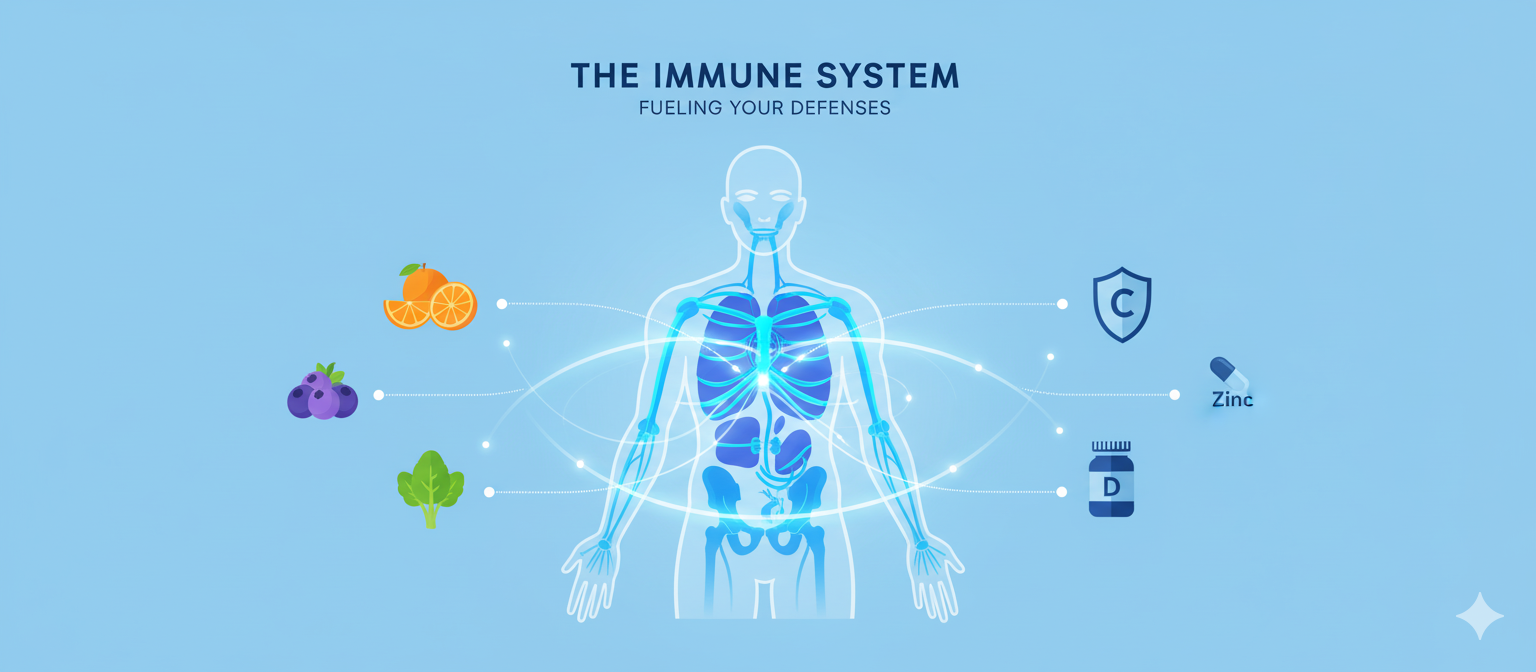
Nutrition plays a central role in maintaining a strong and effective immune system. Every nutrient you consume contributes to the proper functioning of immune cells, the production of antibodies, and the body’s ability to fight off pathogens. When the diet lacks essential vitamins, minerals, or antioxidants, the immune system can weaken, leaving the body more susceptible to infections and illnesses.
Vitamins and minerals are the building blocks of immunity. Vitamin C, found in citrus fruits, berries, and bell peppers, stimulates the production of white blood cells, which are essential for combating infections. Vitamin D, obtained through sunlight exposure and fortified foods, regulates immune responses and enhances the pathogen-fighting ability of certain white blood cells. Zinc, found in nuts, seeds, and legumes, is critical for immune cell development and communication, while selenium helps protect cells from oxidative damage.
Antioxidants are another vital component. They neutralize free radicals, which can damage immune cells and tissues. Foods rich in antioxidants, such as berries, leafy greens, and colorful vegetables, reduce inflammation and support immune resilience. Regular consumption of these foods ensures the immune system remains responsive and efficient, particularly in stressful or high-risk environments.
Protein intake also directly impacts immunity. Proteins are made of amino acids, which are necessary for the production of antibodies, cytokines, and immune system enzymes. Lean proteins like legumes, tofu, and quinoa help maintain these crucial functions, supporting overall defense mechanisms.
Additionally, gut health is closely linked to immunity. A large portion of the immune system resides in the gut, where beneficial bacteria help modulate immune responses. Probiotic-rich foods like yogurt, kefir, and fermented vegetables nourish these bacteria, improving digestion and enhancing the body’s natural defenses.
In 2025, research highlights that combining nutrient-dense foods with a balanced diet significantly strengthens immunity. By focusing on vitamins, minerals, antioxidants, protein, and gut-friendly foods, individuals can proactively reduce illness risk, enhance recovery, and maintain energy levels. Proper nutrition is not just about preventing sickness; it’s about optimizing the immune system for long-term health and resilience.
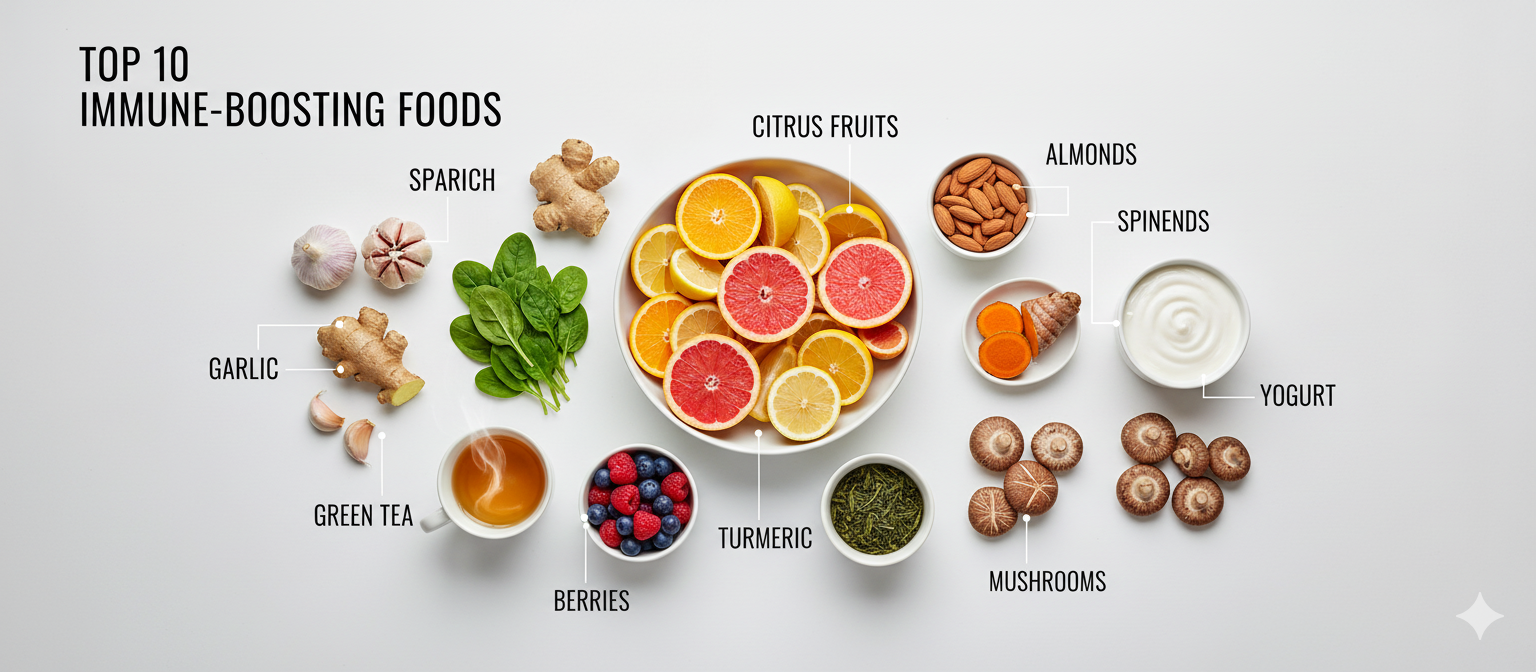
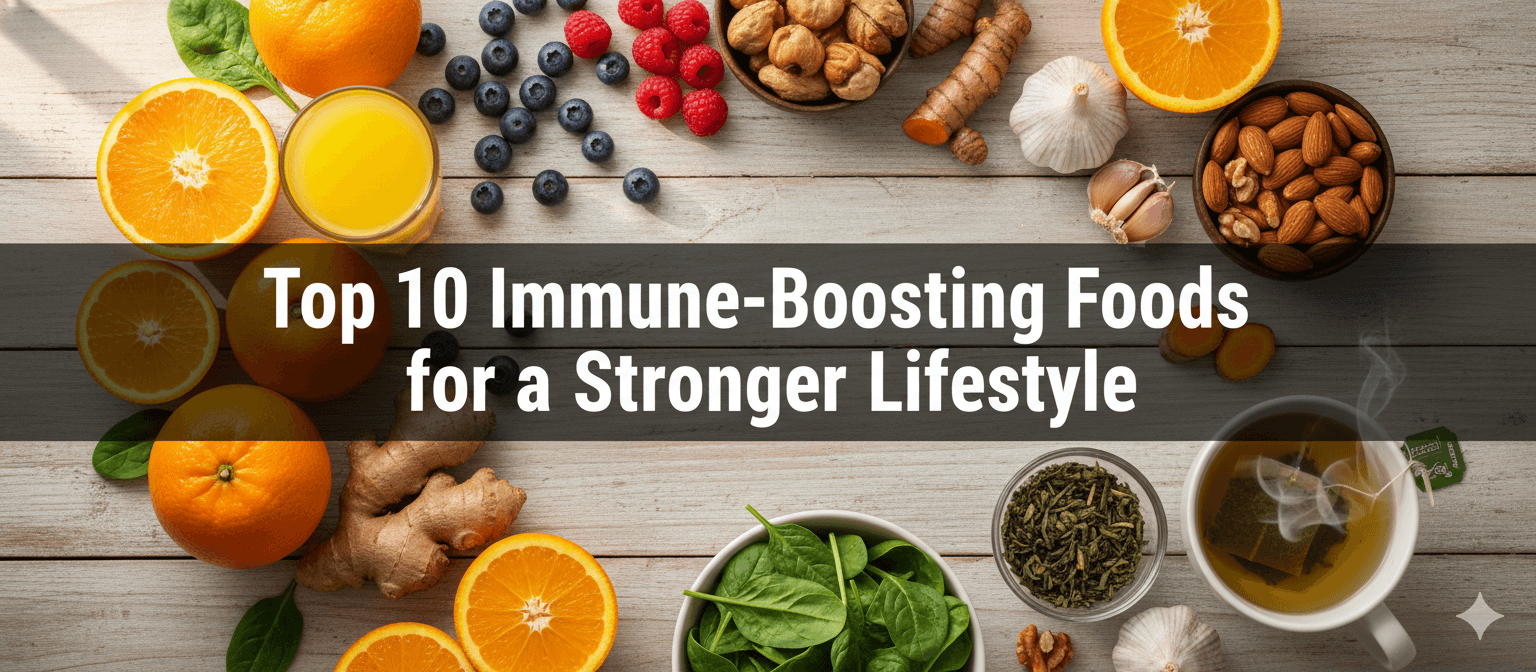
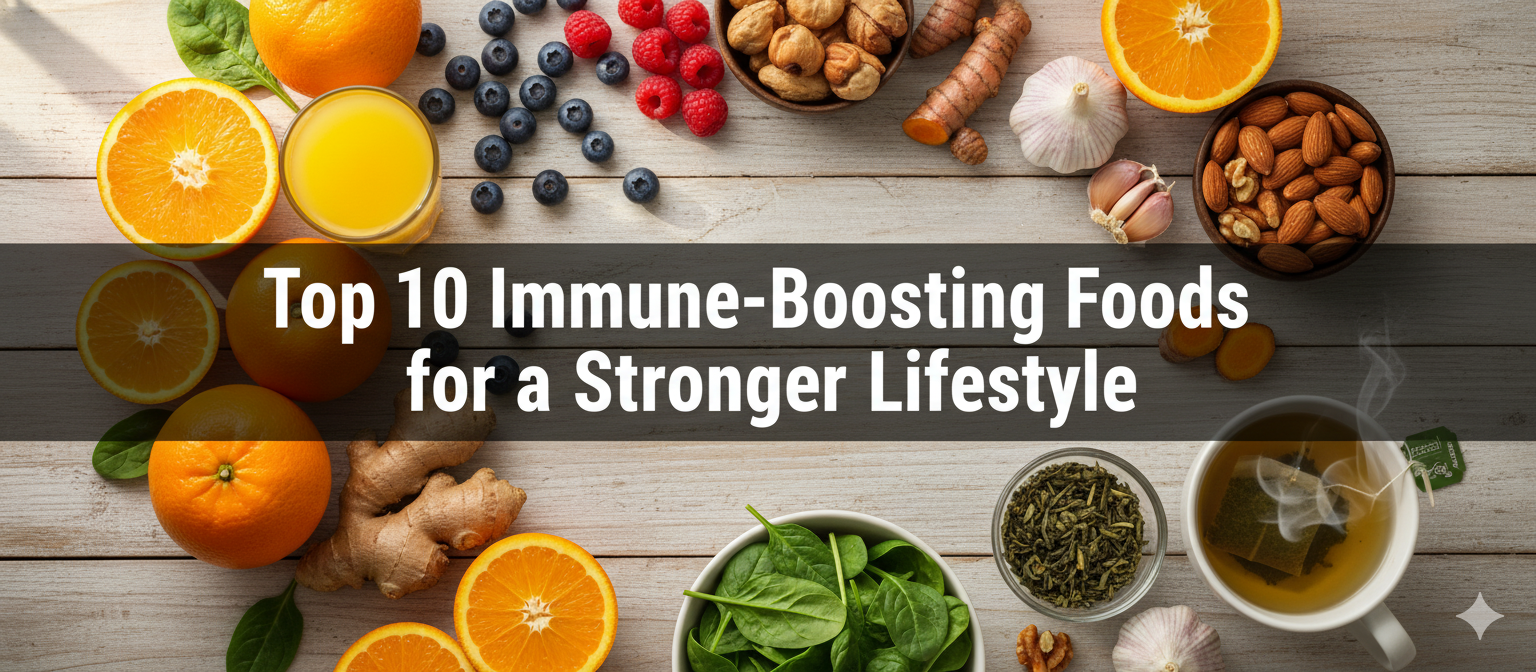
A strong immune system relies on nutrient-dense foods that provide vitamins, minerals, antioxidants, and other bioactive compounds. Here are the top 10 immune-boosting foods you should include in your 2025 diet for a healthier, more resilient body:
1. Citrus Fruits – Oranges, lemons, limes, and grapefruits are packed with vitamin C, which stimulates white blood cell production and enhances pathogen defense. Daily citrus intake supports faster recovery and strengthens immunity against common infections.
2. Berries – Blueberries, strawberries, and raspberries are rich in antioxidants and flavonoids, which reduce oxidative stress and inflammation while supporting immune cell function.
3. Garlic – Known for its allicin content, garlic has natural antimicrobial and antiviral properties that help the body fight infections and strengthen immune defenses.
4. Ginger – Ginger contains gingerol, a bioactive compound with anti-inflammatory and antioxidant effects that support immune health and aid digestion.
5. Leafy Greens – Spinach, kale, and Swiss chard are packed with vitamins A, C, and E, iron, and folate, which are critical for healthy immune responses and overall wellness.
6. Nuts and Seeds – Almonds, walnuts, sunflower seeds, and pumpkin seeds provide vitamin E, zinc, and healthy fats that enhance immune cell function and reduce inflammation.
7. Yogurt and Fermented Foods – Probiotic-rich foods like yogurt, kefir, and sauerkraut support gut health, which directly influences immunity by maintaining beneficial gut bacteria and improving digestion.
8. Turmeric – This golden spice contains curcumin, a powerful anti-inflammatory compound that boosts immunity, fights oxidative stress, and promotes cellular health.
9. Green Tea – Rich in catechins, green tea has antioxidant and antimicrobial properties that enhance immune function and support overall health.
10. Red Bell Peppers – High in vitamin C and beta-carotene, red bell peppers strengthen the immune system, improve skin health, and reduce inflammation.
Incorporating these foods consistently into your meals ensures your immune system receives the essential nutrients it needs to fight infections, recover faster, and stay resilient. Combining them in balanced portions maximizes their effectiveness, whether through fresh salads, smoothies, teas, or main dishes.

Integrating immune-boosting foods into your daily routine doesn’t have to be complicated. With a few simple strategies, you can enjoy the full benefits of these nutrient-rich foods while keeping your meals tasty and convenient.
Start Your Day with a Nutrient-Packed Breakfast: Begin with citrus fruits, berries, or a smoothie combining spinach, ginger, and turmeric. Add a scoop of yogurt or a handful of nuts for extra protein and healthy fats. This combination ensures your body gets vitamins, antioxidants, and probiotics first thing in the morning.
Snacks That Support Immunity: Keep sliced red bell peppers, carrot sticks, or citrus wedges ready for quick snacking. Nuts and seeds like almonds, walnuts, and pumpkin seeds are perfect on-the-go options that provide essential nutrients without added sugar. A small portion of mixed nuts or a fruit bowl can prevent cravings while nourishing your immune system.
Incorporate Immune Foods in Lunch and Dinner: Add leafy greens like spinach, kale, or Swiss chard to salads, sandwiches, or stir-fries. Garlic and ginger can be included in sauces, marinades, and roasted vegetables. Turmeric can be sprinkled on rice, soups, or curries to add flavor and anti-inflammatory benefits. Red bell peppers can be roasted, sautéed, or added to salads for a vitamin C boost.
Probiotic Boosters: Include yogurt, kefir, or fermented vegetables with meals to improve gut health. These foods not only enhance digestion but also support a strong immune response.
Tea Time Immunity: Replace sugary drinks with green tea or herbal teas infused with ginger and turmeric. These drinks provide antioxidants and bioactive compounds that strengthen immunity while keeping you hydrated.
Meal Prep for Consistency: Preparing immune-boosting foods in advance ensures they’re available when needed. Wash and chop vegetables, pre-portion nuts and seeds, and blend smoothie packs that can be frozen for a quick morning boost.
Mix and Match: Variety is key. Rotate between different fruits, vegetables, spices, and nuts to ensure a wide range of nutrients. This not only keeps meals interesting but also maximizes immune support.
By incorporating these foods into breakfast, snacks, lunches, and dinners, you can effortlessly strengthen your immune system while enjoying delicious, nutrient-rich meals. Consistency is the key — small, daily adjustments in your diet have a cumulative impact on long-term health and immunity.

Understanding the science behind immune-boosting foods helps highlight why certain nutrients are essential for a resilient immune system. The human immune system is a complex network of cells, tissues, and organs that work together to defend the body against infections and maintain overall health. Proper nutrition provides the building blocks necessary for optimal immune function.
Vitamins and Minerals: Vitamins such as C, D, and E, along with minerals like zinc and selenium, are crucial for immune cell production and function. Vitamin C, found in citrus fruits and red bell peppers, enhances the production of white blood cells and supports antibody response. Vitamin D regulates immune responses and reduces the risk of chronic inflammation, while vitamin E acts as an antioxidant, protecting immune cells from oxidative stress. Zinc and selenium are essential for cell-mediated immunity and help the body respond efficiently to pathogens.
Antioxidants: Oxidative stress can damage immune cells and impair their function. Foods rich in antioxidants, including berries, leafy greens, and nuts, neutralize free radicals and reduce inflammation. Polyphenols and flavonoids, found in fruits and vegetables, enhance immune signaling pathways and strengthen the body’s defense mechanisms.
Protein and Amino Acids: Proteins from plant and animal sources provide amino acids, which are critical for the production of antibodies, cytokines, and other immune molecules. Adequate protein intake supports the repair and regeneration of immune tissues, ensuring the body can respond effectively to infections.
Gut Health and Probiotics: Approximately 70% of the immune system resides in the gut. Probiotic-rich foods like yogurt, kefir, and fermented vegetables maintain a healthy gut microbiome, which helps regulate immune responses, improves nutrient absorption, and prevents harmful bacteria from proliferating. A balanced gut flora strengthens both innate and adaptive immunity.
Bioactive Compounds: Compounds such as curcumin in turmeric and gingerol in ginger possess anti-inflammatory and antimicrobial properties. These compounds enhance the immune system by modulating signaling pathways and reducing chronic inflammation, which is critical for long-term immune resilience.
Scientific research in 2025 continues to confirm that a diet rich in these nutrients and compounds not only strengthens the immune system but also supports recovery, energy, and overall health. Regularly consuming a variety of immune-boosting foods ensures the body receives a broad spectrum of nutrients that work synergistically to enhance immunity naturally.

Even with a healthy diet, certain lifestyle habits and misconceptions can undermine your immune system. Being aware of these common mistakes can help you make better choices and ensure that your immune-boosting efforts are effective.
1. Poor Sleep Habits: Sleep is a critical component of immune health. Lack of sufficient, high-quality sleep reduces the production of immune cells and antibodies, making your body more susceptible to infections. Adults should aim for 7–9 hours of sleep per night to maintain optimal immune function.
2. Excessive Sugar Intake: Diets high in sugar and processed foods can suppress immune cell activity and increase inflammation. Over time, this weakens the body’s ability to fight pathogens. Limiting sugary beverages, snacks, and desserts is key to preserving immunity.
3. Chronic Stress: Prolonged stress releases cortisol, a hormone that can suppress immune responses. High-stress levels impair white blood cell function and increase susceptibility to illness. Stress management techniques like meditation, deep breathing, and mindfulness exercises are essential.
4. Inconsistent Diet: Eating immune-boosting foods sporadically is less effective than a consistent, balanced diet. Your body requires regular intake of vitamins, minerals, antioxidants, and protein to maintain immune readiness. Skipping meals or relying solely on supplements without whole foods can compromise immunity.
5. Ignoring Gut Health: A large portion of the immune system is linked to the gut microbiome. Overuse of antibiotics, poor dietary fiber intake, and a lack of probiotics can disrupt gut bacteria, negatively affecting immune function. Incorporating fermented foods, fiber-rich fruits, and vegetables is crucial.
6. Over-Reliance on Supplements: While supplements can help fill nutrient gaps, they cannot replace the benefits of whole foods. Relying solely on pills without eating a balanced diet may lead to deficiencies in other essential compounds and reduce overall immune efficiency.
7. Sedentary Lifestyle: Lack of physical activity impairs circulation, slows metabolism, and reduces immune cell efficiency. Regular moderate exercise improves immune surveillance and overall health.
Avoiding these mistakes ensures that your immune system remains strong and responsive. By combining a nutrient-rich diet with adequate sleep, stress management, consistent healthy eating, gut health, and physical activity, you can maximize the benefits of immune-boosting foods and maintain a resilient, healthy lifestyle in 2025.
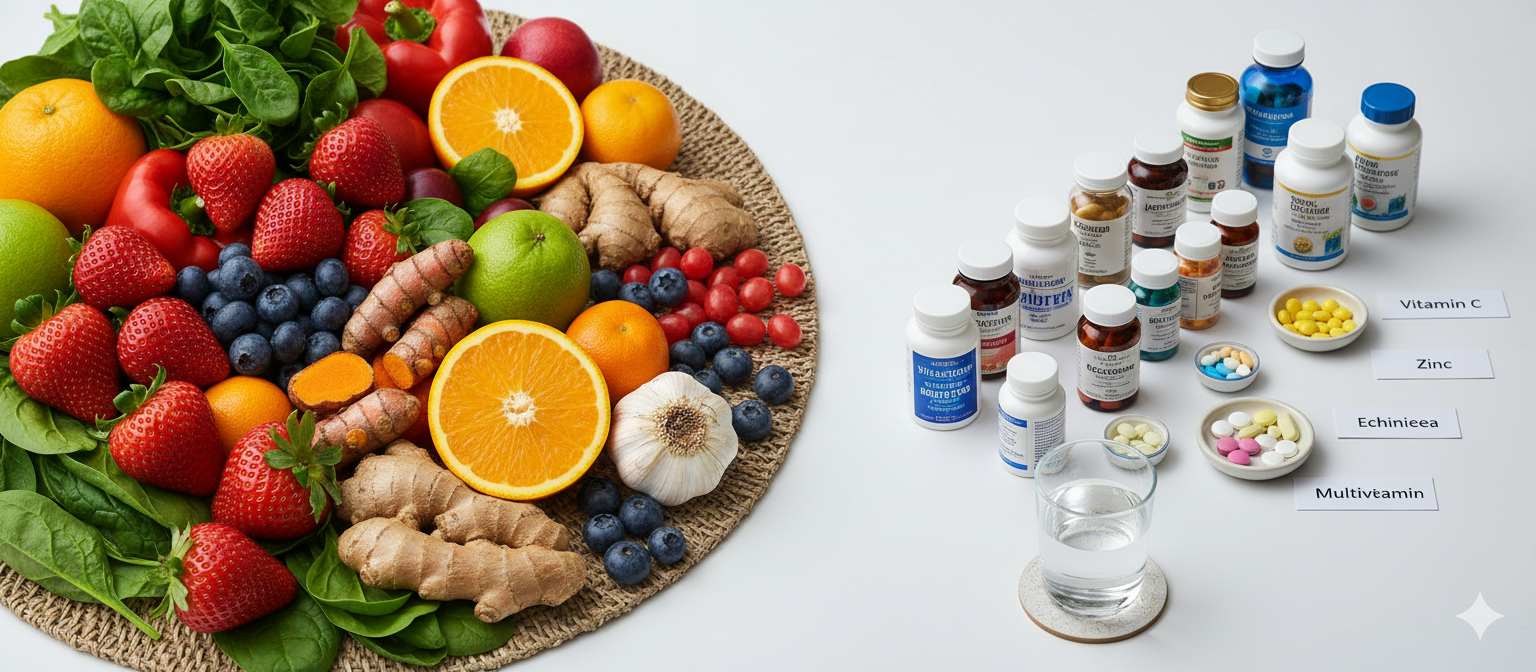
When it comes to supporting a strong immune system, both whole foods and supplements have their roles, but understanding their differences is key to making the best choice.
Whole Foods First: Whole foods provide a complex mix of vitamins, minerals, antioxidants, fiber, and bioactive compounds that work together to support immunity. For example, citrus fruits offer vitamin C, flavonoids, and fiber, while leafy greens supply vitamins A, C, E, and minerals like iron and magnesium. This synergy of nutrients is difficult to replicate in a supplement. Whole foods also promote gut health, as many are naturally rich in prebiotics and compounds that nourish beneficial gut bacteria, which is crucial for immune function.
Supplements as a Complement: Supplements can help fill nutrient gaps, especially for individuals with dietary restrictions, allergies, or specific deficiencies. Vitamin D, zinc, and probiotics are commonly supplemented to boost immunity. However, relying solely on supplements is not ideal because isolated nutrients may not be absorbed or utilized by the body as effectively as they are in whole foods. Additionally, excessive supplementation can lead to imbalances or toxicity, particularly with fat-soluble vitamins like A, D, and E.
Balanced Approach: The most effective strategy combines whole foods with targeted supplementation when necessary. For instance, someone with limited sun exposure may require a vitamin D supplement, while the rest of their nutrients come from a diverse diet rich in fruits, vegetables, nuts, seeds, and fermented foods. Supplements should be chosen carefully, prioritizing quality, bioavailability, and recommended dosages.
Practical Tips: Incorporate immune-boosting foods into daily meals and use supplements as an insurance policy rather than a primary source of nutrients. This approach ensures consistent nutrient intake, supports gut health, and provides the full spectrum of compounds needed for optimal immune function.
In 2025, experts continue to emphasize that whole foods are irreplaceable, while supplements serve as supportive tools to strengthen the immune system when dietary intake is insufficient. A combination of both, guided by individual needs and professional advice, ensures a resilient, well-functioning immune system and a stronger, healthier lifestyle.

Consistent consumption of immune-supporting foods generally shows benefits in a few weeks. Your body gradually strengthens its defenses, improves gut health, and reduces inflammation. Results may vary based on age, lifestyle, and overall diet, but including a variety of fruits, vegetables, nuts, seeds, and probiotic-rich foods daily accelerates positive changes in immunity and overall energy levels.
Absolutely. A balanced diet with nutrient-rich foods supports the development of a child’s immune system. Foods like citrus fruits, berries, yogurt, and vegetables provide essential vitamins, minerals, and probiotics. It is important to introduce these foods gradually and in kid-friendly forms such as smoothies, snacks, or colorful meals to ensure proper intake without forcing dietary restrictions.
Supplements are not always required if your diet is nutrient-dense and diverse. Whole foods provide the best combination of vitamins, minerals, antioxidants, and bioactive compounds that support immunity. Supplements can be useful to fill specific gaps, like vitamin D for low sun exposure or zinc during illness, but they should complement, not replace, a healthy diet.
Probiotics support the gut microbiome, which houses a significant portion of the immune system. They help regulate immune responses, improve digestion, and prevent harmful bacteria from proliferating. Regular intake of probiotic-rich foods like yogurt, kefir, and fermented vegetables can enhance immune resilience and reduce susceptibility to infections.
Yes, immunity is influenced by more than just diet. Sleep, stress management, regular physical activity, and hydration are equally important. Poor sleep and chronic stress weaken immune responses, while regular exercise and mindfulness practices enhance immune function. Combining nutrient-rich foods with healthy lifestyle habits maximizes overall immunity.
Generally, these foods are safe for most people. However, individuals with allergies, chronic conditions, or medication interactions should consult a healthcare professional before making significant dietary changes. Moderation and variety are key to ensuring safe and effective immune support.

A strong immune system is the foundation of overall health, energy, and resilience. In 2025, the focus on preventive healthcare has made it clear that diet plays a pivotal role in strengthening immunity. By consistently incorporating immune-boosting foods such as citrus fruits, berries, garlic, ginger, leafy greens, nuts, seeds, yogurt, turmeric, and green tea, you provide your body with the vitamins, minerals, antioxidants, and bioactive compounds necessary for optimal immune function.
Nutrition alone, however, is not enough. A holistic approach that includes adequate sleep, stress management, regular exercise, and gut-friendly habits amplifies the benefits of a nutrient-rich diet. Small, consistent daily choices can have a cumulative impact, helping reduce inflammation, enhance energy, improve recovery, and prevent illness.
For those seeking additional support, combining whole foods with carefully chosen supplements can help fill nutrient gaps and provide extra immunity reinforcement. The key is balance, variety, and consistency. By prioritizing immune-boosting foods and supportive lifestyle habits, you can build a stronger, healthier lifestyle that keeps your body resilient against infections, promotes long-term wellness, and improves overall quality of life.
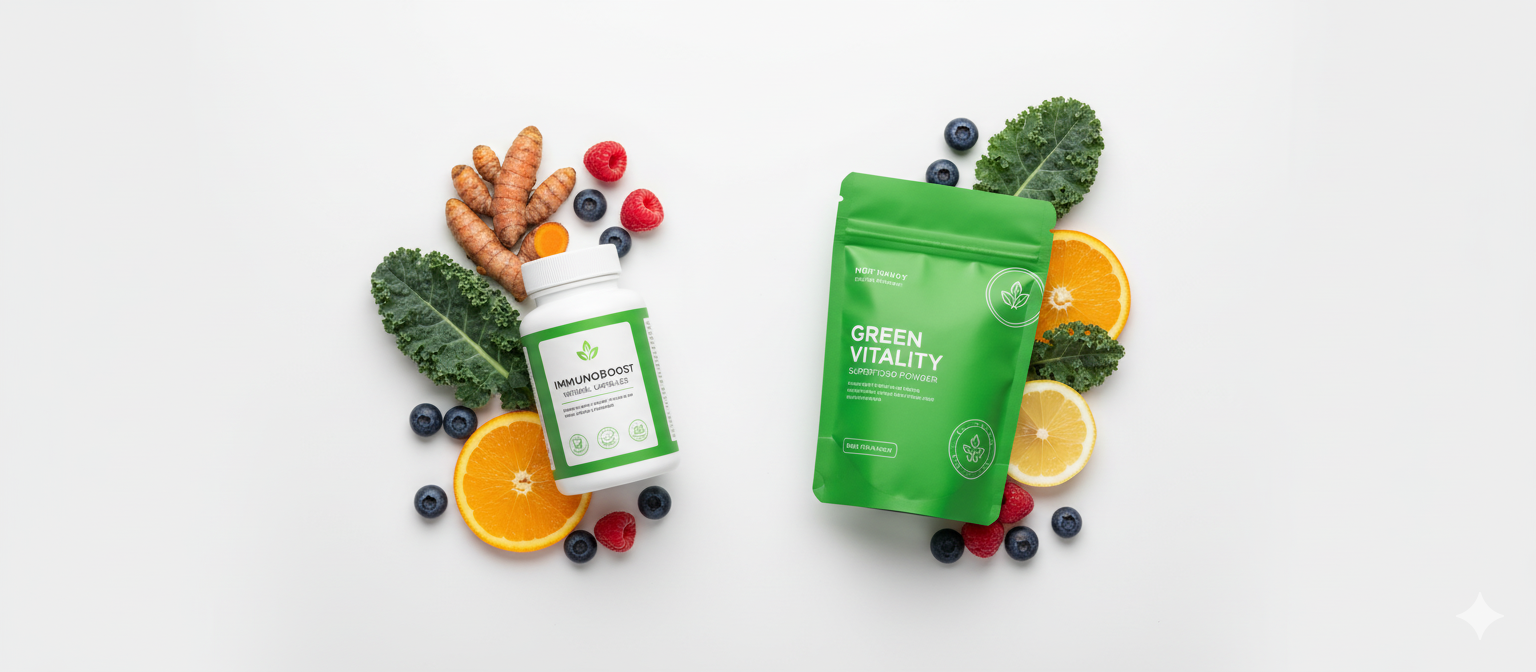
To help you achieve maximum immune support, we recommend the following two products:
ImmunoBoost Natural Capsules – A carefully formulated blend of vitamins, minerals, and antioxidants.
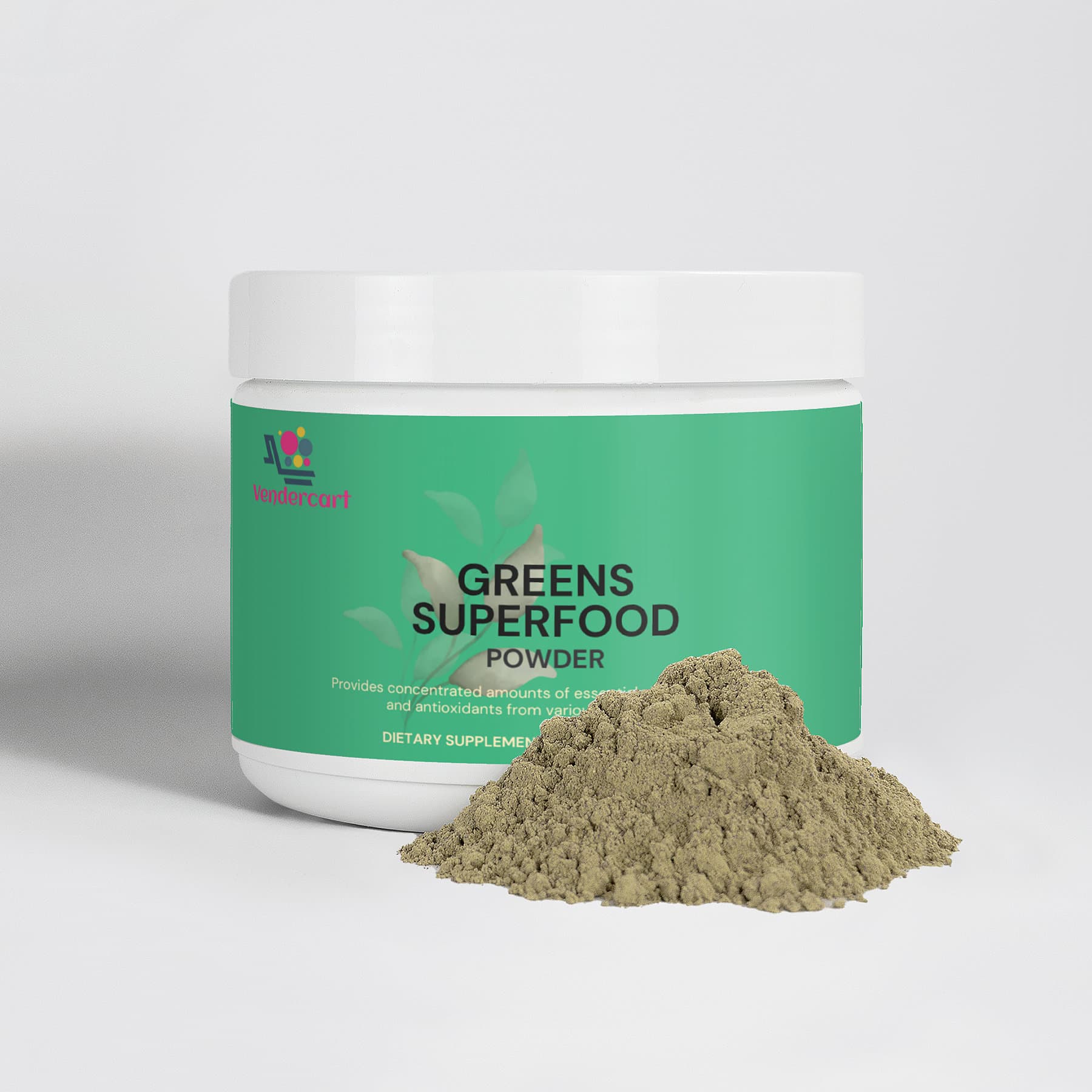
Green Vitality Superfood Powder – Packed with immune-boosting greens, turmeric, and probiotics for daily support.
Ultimately, boosting immunity in 2025 isn’t a one-time effort; it’s a lifestyle. Making small, consistent changes — especially in diet — can dramatically improve your body’s defense system, keeping you stronger, healthier, and more resilient in a rapidly changing world.
Top 10 Immune-Boosting Foods for a Stronger Lifestyle.
In today’s fast-paced world, maintaining a strong immune system is more critical than ever. Our bodies are constantly exposed to environmental stressors, pollution, processed foods, and irregular routines, all of which can compromise immune function. The immune system is our body’s natural defense mechanism, responsible for identifying and fighting harmful pathogens such as bacteria, viruses, and fungi. When functioning optimally, it not only protects against infections but also supports recovery, enhances energy levels, and improves overall health. However, poor nutrition, lack of sleep, chronic stress, and sedentary lifestyles can weaken this vital system, leaving the body vulnerable to illness and prolonged recovery periods.
One of the most effective ways to strengthen immunity is through diet. Nutrition plays a central role in immune function, supplying the essential vitamins, minerals, and antioxidants required to maintain a resilient defense system. Certain nutrients like vitamin C, vitamin D, zinc, selenium, and probiotics are particularly crucial because they enhance the production and activity of immune cells. Meanwhile, antioxidants found in colorful fruits and vegetables help combat oxidative stress, a significant factor in immune decline. By incorporating immune-supporting foods into daily meals, individuals can give their body the fuel it needs to defend against infections while supporting overall wellness.
In 2025, the concept of preventive healthcare has gained unprecedented importance. People are increasingly seeking natural ways to boost immunity rather than relying solely on medications or supplements. Immune-boosting foods are not just a short-term solution; they contribute to long-term health benefits by reducing inflammation, supporting cardiovascular health, promoting healthy gut bacteria, and improving mental clarity. A diet rich in these foods strengthens the body’s response to illness, shortens recovery times, and even enhances energy and stamina.
The modern lifestyle also demands foods that are convenient yet highly nutritious. Busy schedules, work-from-home routines, and the rise of processed meals have led to nutrient deficiencies, which directly affect immune efficiency. Integrating nutrient-dense foods like citrus fruits, berries, garlic, ginger, leafy greens, nuts, seeds, yogurt, turmeric, and green tea ensures that the body receives the essential compounds it needs daily. These foods are rich in immune-boosting compounds such as flavonoids, polyphenols, and bioactive peptides, which enhance immune signaling and support overall wellness.
Moreover, immunity is closely linked to gut health. The gut houses a significant portion of the immune system, and maintaining a healthy gut microbiome is critical for optimal immune function. Foods like yogurt, fermented vegetables, and fiber-rich produce nourish beneficial gut bacteria, improving digestion and strengthening the body’s natural defense mechanisms. By consuming a variety of these immune-boosting foods, you can create a balanced diet that supports both the gut and the immune system simultaneously.
Beyond physical health, a well-nourished immune system positively impacts mental and emotional well-being. Proper nutrition helps regulate stress hormones, improves sleep quality, and reduces inflammation — all factors that contribute to stronger immunity. In 2025, holistic health approaches emphasize the connection between mind, body, and immunity, making nutrient-rich foods indispensable for a balanced and resilient lifestyle.
In summary, building a strong immune system is not a one-time effort; it is a lifestyle choice grounded in consistent dietary habits. By prioritizing immune-boosting foods, individuals can support their body’s natural defenses, reduce susceptibility to illnesses, improve energy levels, and enhance overall health. The following sections will explore the top 10 immune-boosting foods, their scientific benefits, practical ways to incorporate them into your daily diet, and expert tips to ensure optimal results.
How Nutrition Directly Impacts Immunity.
Nutrition plays a central role in maintaining a strong and effective immune system. Every nutrient you consume contributes to the proper functioning of immune cells, the production of antibodies, and the body’s ability to fight off pathogens. When the diet lacks essential vitamins, minerals, or antioxidants, the immune system can weaken, leaving the body more susceptible to infections and illnesses.
Vitamins and minerals are the building blocks of immunity. Vitamin C, found in citrus fruits, berries, and bell peppers, stimulates the production of white blood cells, which are essential for combating infections. Vitamin D, obtained through sunlight exposure and fortified foods, regulates immune responses and enhances the pathogen-fighting ability of certain white blood cells. Zinc, found in nuts, seeds, and legumes, is critical for immune cell development and communication, while selenium helps protect cells from oxidative damage.
Antioxidants are another vital component. They neutralize free radicals, which can damage immune cells and tissues. Foods rich in antioxidants, such as berries, leafy greens, and colorful vegetables, reduce inflammation and support immune resilience. Regular consumption of these foods ensures the immune system remains responsive and efficient, particularly in stressful or high-risk environments.
Protein intake also directly impacts immunity. Proteins are made of amino acids, which are necessary for the production of antibodies, cytokines, and immune system enzymes. Lean proteins like legumes, tofu, and quinoa help maintain these crucial functions, supporting overall defense mechanisms.
Additionally, gut health is closely linked to immunity. A large portion of the immune system resides in the gut, where beneficial bacteria help modulate immune responses. Probiotic-rich foods like yogurt, kefir, and fermented vegetables nourish these bacteria, improving digestion and enhancing the body’s natural defenses.
In 2025, research highlights that combining nutrient-dense foods with a balanced diet significantly strengthens immunity. By focusing on vitamins, minerals, antioxidants, protein, and gut-friendly foods, individuals can proactively reduce illness risk, enhance recovery, and maintain energy levels. Proper nutrition is not just about preventing sickness; it’s about optimizing the immune system for long-term health and resilience.
Top 10 Immune-Boosting Foods You Must Include.
A strong immune system relies on nutrient-dense foods that provide vitamins, minerals, antioxidants, and other bioactive compounds. Here are the top 10 immune-boosting foods you should include in your 2025 diet for a healthier, more resilient body:
1. Citrus Fruits – Oranges, lemons, limes, and grapefruits are packed with vitamin C, which stimulates white blood cell production and enhances pathogen defense. Daily citrus intake supports faster recovery and strengthens immunity against common infections.
2. Berries – Blueberries, strawberries, and raspberries are rich in antioxidants and flavonoids, which reduce oxidative stress and inflammation while supporting immune cell function.
3. Garlic – Known for its allicin content, garlic has natural antimicrobial and antiviral properties that help the body fight infections and strengthen immune defenses.
4. Ginger – Ginger contains gingerol, a bioactive compound with anti-inflammatory and antioxidant effects that support immune health and aid digestion.
5. Leafy Greens – Spinach, kale, and Swiss chard are packed with vitamins A, C, and E, iron, and folate, which are critical for healthy immune responses and overall wellness.
6. Nuts and Seeds – Almonds, walnuts, sunflower seeds, and pumpkin seeds provide vitamin E, zinc, and healthy fats that enhance immune cell function and reduce inflammation.
7. Yogurt and Fermented Foods – Probiotic-rich foods like yogurt, kefir, and sauerkraut support gut health, which directly influences immunity by maintaining beneficial gut bacteria and improving digestion.
8. Turmeric – This golden spice contains curcumin, a powerful anti-inflammatory compound that boosts immunity, fights oxidative stress, and promotes cellular health.
9. Green Tea – Rich in catechins, green tea has antioxidant and antimicrobial properties that enhance immune function and support overall health.
10. Red Bell Peppers – High in vitamin C and beta-carotene, red bell peppers strengthen the immune system, improve skin health, and reduce inflammation.
Incorporating these foods consistently into your meals ensures your immune system receives the essential nutrients it needs to fight infections, recover faster, and stay resilient. Combining them in balanced portions maximizes their effectiveness, whether through fresh salads, smoothies, teas, or main dishes.
Easy Ways to Incorporate These Foods into Your Daily Diet.
Integrating immune-boosting foods into your daily routine doesn’t have to be complicated. With a few simple strategies, you can enjoy the full benefits of these nutrient-rich foods while keeping your meals tasty and convenient.
Start Your Day with a Nutrient-Packed Breakfast: Begin with citrus fruits, berries, or a smoothie combining spinach, ginger, and turmeric. Add a scoop of yogurt or a handful of nuts for extra protein and healthy fats. This combination ensures your body gets vitamins, antioxidants, and probiotics first thing in the morning.
Snacks That Support Immunity: Keep sliced red bell peppers, carrot sticks, or citrus wedges ready for quick snacking. Nuts and seeds like almonds, walnuts, and pumpkin seeds are perfect on-the-go options that provide essential nutrients without added sugar. A small portion of mixed nuts or a fruit bowl can prevent cravings while nourishing your immune system.
Incorporate Immune Foods in Lunch and Dinner: Add leafy greens like spinach, kale, or Swiss chard to salads, sandwiches, or stir-fries. Garlic and ginger can be included in sauces, marinades, and roasted vegetables. Turmeric can be sprinkled on rice, soups, or curries to add flavor and anti-inflammatory benefits. Red bell peppers can be roasted, sautéed, or added to salads for a vitamin C boost.
Probiotic Boosters: Include yogurt, kefir, or fermented vegetables with meals to improve gut health. These foods not only enhance digestion but also support a strong immune response.
Tea Time Immunity: Replace sugary drinks with green tea or herbal teas infused with ginger and turmeric. These drinks provide antioxidants and bioactive compounds that strengthen immunity while keeping you hydrated.
Meal Prep for Consistency: Preparing immune-boosting foods in advance ensures they’re available when needed. Wash and chop vegetables, pre-portion nuts and seeds, and blend smoothie packs that can be frozen for a quick morning boost.
Mix and Match: Variety is key. Rotate between different fruits, vegetables, spices, and nuts to ensure a wide range of nutrients. This not only keeps meals interesting but also maximizes immune support.
By incorporating these foods into breakfast, snacks, lunches, and dinners, you can effortlessly strengthen your immune system while enjoying delicious, nutrient-rich meals. Consistency is the key — small, daily adjustments in your diet have a cumulative impact on long-term health and immunity.
The Science Behind Immune-Boosting Foods.
Understanding the science behind immune-boosting foods helps highlight why certain nutrients are essential for a resilient immune system. The human immune system is a complex network of cells, tissues, and organs that work together to defend the body against infections and maintain overall health. Proper nutrition provides the building blocks necessary for optimal immune function.
Vitamins and Minerals: Vitamins such as C, D, and E, along with minerals like zinc and selenium, are crucial for immune cell production and function. Vitamin C, found in citrus fruits and red bell peppers, enhances the production of white blood cells and supports antibody response. Vitamin D regulates immune responses and reduces the risk of chronic inflammation, while vitamin E acts as an antioxidant, protecting immune cells from oxidative stress. Zinc and selenium are essential for cell-mediated immunity and help the body respond efficiently to pathogens.
Antioxidants: Oxidative stress can damage immune cells and impair their function. Foods rich in antioxidants, including berries, leafy greens, and nuts, neutralize free radicals and reduce inflammation. Polyphenols and flavonoids, found in fruits and vegetables, enhance immune signaling pathways and strengthen the body’s defense mechanisms.
Protein and Amino Acids: Proteins from plant and animal sources provide amino acids, which are critical for the production of antibodies, cytokines, and other immune molecules. Adequate protein intake supports the repair and regeneration of immune tissues, ensuring the body can respond effectively to infections.
Gut Health and Probiotics: Approximately 70% of the immune system resides in the gut. Probiotic-rich foods like yogurt, kefir, and fermented vegetables maintain a healthy gut microbiome, which helps regulate immune responses, improves nutrient absorption, and prevents harmful bacteria from proliferating. A balanced gut flora strengthens both innate and adaptive immunity.
Bioactive Compounds: Compounds such as curcumin in turmeric and gingerol in ginger possess anti-inflammatory and antimicrobial properties. These compounds enhance the immune system by modulating signaling pathways and reducing chronic inflammation, which is critical for long-term immune resilience.
Scientific research in 2025 continues to confirm that a diet rich in these nutrients and compounds not only strengthens the immune system but also supports recovery, energy, and overall health. Regularly consuming a variety of immune-boosting foods ensures the body receives a broad spectrum of nutrients that work synergistically to enhance immunity naturally.
Common Mistakes That Weaken Your Immune System.
Even with a healthy diet, certain lifestyle habits and misconceptions can undermine your immune system. Being aware of these common mistakes can help you make better choices and ensure that your immune-boosting efforts are effective.
1. Poor Sleep Habits: Sleep is a critical component of immune health. Lack of sufficient, high-quality sleep reduces the production of immune cells and antibodies, making your body more susceptible to infections. Adults should aim for 7–9 hours of sleep per night to maintain optimal immune function.
2. Excessive Sugar Intake: Diets high in sugar and processed foods can suppress immune cell activity and increase inflammation. Over time, this weakens the body’s ability to fight pathogens. Limiting sugary beverages, snacks, and desserts is key to preserving immunity.
3. Chronic Stress: Prolonged stress releases cortisol, a hormone that can suppress immune responses. High-stress levels impair white blood cell function and increase susceptibility to illness. Stress management techniques like meditation, deep breathing, and mindfulness exercises are essential.
4. Inconsistent Diet: Eating immune-boosting foods sporadically is less effective than a consistent, balanced diet. Your body requires regular intake of vitamins, minerals, antioxidants, and protein to maintain immune readiness. Skipping meals or relying solely on supplements without whole foods can compromise immunity.
5. Ignoring Gut Health: A large portion of the immune system is linked to the gut microbiome. Overuse of antibiotics, poor dietary fiber intake, and a lack of probiotics can disrupt gut bacteria, negatively affecting immune function. Incorporating fermented foods, fiber-rich fruits, and vegetables is crucial.
6. Over-Reliance on Supplements: While supplements can help fill nutrient gaps, they cannot replace the benefits of whole foods. Relying solely on pills without eating a balanced diet may lead to deficiencies in other essential compounds and reduce overall immune efficiency.
7. Sedentary Lifestyle: Lack of physical activity impairs circulation, slows metabolism, and reduces immune cell efficiency. Regular moderate exercise improves immune surveillance and overall health.
Avoiding these mistakes ensures that your immune system remains strong and responsive. By combining a nutrient-rich diet with adequate sleep, stress management, consistent healthy eating, gut health, and physical activity, you can maximize the benefits of immune-boosting foods and maintain a resilient, healthy lifestyle in 2025.
Supplements vs. Whole Foods: What Works Best?
When it comes to supporting a strong immune system, both whole foods and supplements have their roles, but understanding their differences is key to making the best choice.
Whole Foods First: Whole foods provide a complex mix of vitamins, minerals, antioxidants, fiber, and bioactive compounds that work together to support immunity. For example, citrus fruits offer vitamin C, flavonoids, and fiber, while leafy greens supply vitamins A, C, E, and minerals like iron and magnesium. This synergy of nutrients is difficult to replicate in a supplement. Whole foods also promote gut health, as many are naturally rich in prebiotics and compounds that nourish beneficial gut bacteria, which is crucial for immune function.
Supplements as a Complement: Supplements can help fill nutrient gaps, especially for individuals with dietary restrictions, allergies, or specific deficiencies. Vitamin D, zinc, and probiotics are commonly supplemented to boost immunity. However, relying solely on supplements is not ideal because isolated nutrients may not be absorbed or utilized by the body as effectively as they are in whole foods. Additionally, excessive supplementation can lead to imbalances or toxicity, particularly with fat-soluble vitamins like A, D, and E.
Balanced Approach: The most effective strategy combines whole foods with targeted supplementation when necessary. For instance, someone with limited sun exposure may require a vitamin D supplement, while the rest of their nutrients come from a diverse diet rich in fruits, vegetables, nuts, seeds, and fermented foods. Supplements should be chosen carefully, prioritizing quality, bioavailability, and recommended dosages.
Practical Tips: Incorporate immune-boosting foods into daily meals and use supplements as an insurance policy rather than a primary source of nutrients. This approach ensures consistent nutrient intake, supports gut health, and provides the full spectrum of compounds needed for optimal immune function.
In 2025, experts continue to emphasize that whole foods are irreplaceable, while supplements serve as supportive tools to strengthen the immune system when dietary intake is insufficient. A combination of both, guided by individual needs and professional advice, ensures a resilient, well-functioning immune system and a stronger, healthier lifestyle.
FAQs About Immune-Boosting Foods and Lifestyle.
1. How long does it take to see results from eating immune-boosting foods?
Consistent consumption of immune-supporting foods generally shows benefits in a few weeks. Your body gradually strengthens its defenses, improves gut health, and reduces inflammation. Results may vary based on age, lifestyle, and overall diet, but including a variety of fruits, vegetables, nuts, seeds, and probiotic-rich foods daily accelerates positive changes in immunity and overall energy levels.
2. Can children benefit from immune-boosting foods?
Absolutely. A balanced diet with nutrient-rich foods supports the development of a child’s immune system. Foods like citrus fruits, berries, yogurt, and vegetables provide essential vitamins, minerals, and probiotics. It is important to introduce these foods gradually and in kid-friendly forms such as smoothies, snacks, or colorful meals to ensure proper intake without forcing dietary restrictions.
3. Are supplements necessary if I eat a balanced diet?
Supplements are not always required if your diet is nutrient-dense and diverse. Whole foods provide the best combination of vitamins, minerals, antioxidants, and bioactive compounds that support immunity. Supplements can be useful to fill specific gaps, like vitamin D for low sun exposure or zinc during illness, but they should complement, not replace, a healthy diet.
4. How do probiotics improve immunity?
Probiotics support the gut microbiome, which houses a significant portion of the immune system. They help regulate immune responses, improve digestion, and prevent harmful bacteria from proliferating. Regular intake of probiotic-rich foods like yogurt, kefir, and fermented vegetables can enhance immune resilience and reduce susceptibility to infections.
5. Can lifestyle factors affect immunity alongside diet?
Yes, immunity is influenced by more than just diet. Sleep, stress management, regular physical activity, and hydration are equally important. Poor sleep and chronic stress weaken immune responses, while regular exercise and mindfulness practices enhance immune function. Combining nutrient-rich foods with healthy lifestyle habits maximizes overall immunity.
6. Are these immune-boosting foods safe for everyone?
Generally, these foods are safe for most people. However, individuals with allergies, chronic conditions, or medication interactions should consult a healthcare professional before making significant dietary changes. Moderation and variety are key to ensuring safe and effective immune support.
Final Thoughts: Building a Stronger Lifestyle Through Nutrition.
A strong immune system is the foundation of overall health, energy, and resilience. In 2025, the focus on preventive healthcare has made it clear that diet plays a pivotal role in strengthening immunity. By consistently incorporating immune-boosting foods such as citrus fruits, berries, garlic, ginger, leafy greens, nuts, seeds, yogurt, turmeric, and green tea, you provide your body with the vitamins, minerals, antioxidants, and bioactive compounds necessary for optimal immune function.
Nutrition alone, however, is not enough. A holistic approach that includes adequate sleep, stress management, regular exercise, and gut-friendly habits amplifies the benefits of a nutrient-rich diet. Small, consistent daily choices can have a cumulative impact, helping reduce inflammation, enhance energy, improve recovery, and prevent illness.
For those seeking additional support, combining whole foods with carefully chosen supplements can help fill nutrient gaps and provide extra immunity reinforcement. The key is balance, variety, and consistency. By prioritizing immune-boosting foods and supportive lifestyle habits, you can build a stronger, healthier lifestyle that keeps your body resilient against infections, promotes long-term wellness, and improves overall quality of life.
Recommended Products:
To help you achieve maximum immune support, we recommend the following two products:
ImmunoBoost Natural Capsules – A carefully formulated blend of vitamins, minerals, and antioxidants.
Green Vitality Superfood Powder – Packed with immune-boosting greens, turmeric, and probiotics for daily support.
Ultimately, boosting immunity in 2025 isn’t a one-time effort; it’s a lifestyle. Making small, consistent changes — especially in diet — can dramatically improve your body’s defense system, keeping you stronger, healthier, and more resilient in a rapidly changing world.
About the Author
SM
Salman Marwari
Leading expert in health with over 15 years of experience in research and practice.