Health
2.5K reads
By Salman Marwari2025-02-1015 min read
Heart Health 2025: Smart Gadgets to Track Your Cardiovascular Fitness.
Heart HealthCardiovascular FitnessSmart GadgetsWearablesECGAI HealthFitness Tracking2025
Explain how technology has revolutionized heart monitoring, why cardiovascular fitness matters more than ever, and what trends are driving this shift in 2025.
Heart health is no longer something people think about only after a doctor’s visit. In 2025, it’s something millions of people monitor daily — right from their wrists, phones, or even beds. Technology has made it possible to understand your heart’s condition in real time, detect irregularities early, and even adjust your lifestyle before problems arise. What was once considered “medical data” is now part of everyday wellness.
Let’s face it — cardiovascular disease is still one of the top causes of death worldwide. But the difference today is awareness. People now realize that prevention starts with tracking, and tracking starts with smart gadgets. From wearable ECG sensors to AI-driven fitness trackers, 2025 is witnessing a revolution in personal heart health monitoring.
The shift began with simple step counters and calorie trackers years ago. But now, things have evolved. Today’s devices go far beyond counting steps — they read heart rate variability, blood oxygen saturation (SpO2), recovery time, stress levels, and even sleep quality. With this data, people can predict when their heart is under pressure and act before it’s too late.
Here’s the thing: AI has changed everything. Older devices only showed numbers — now they interpret those numbers for you. Modern watches like Apple Watch Ultra 2 or Fitbit Sense 2 don’t just tell you your heart rate; they analyze trends, detect irregular heart rhythms, and send alerts if something’s off. This predictive insight is what makes 2025 a milestone year for heart health technology.
The global market for smart health wearables is also booming. According to 2025 research from the World Health Data Index, over 45% of adults in developed countries use at least one health-tracking device. And this trend isn’t limited to fitness enthusiasts. Doctors, athletes, and even older adults rely on these gadgets for personalized health insights.
Beyond prevention, these tools are empowering people to take control of their cardiovascular fitness goals. You can now track recovery after workouts, monitor stress impact on heart rate, and even understand how caffeine or poor sleep affects your heart rhythm. It’s like having a digital health coach that never sleeps.
Another major reason for this surge is accessibility. You don’t need to spend thousands to monitor your health anymore. Affordable gadgets with medical-grade accuracy are now available to almost everyone. Plus, the integration of AI algorithms in health apps helps translate raw data into meaningful insights — no medical degree required.
The self-care movement has also played a big role. People now value recovery and longevity as much as performance. The modern approach to fitness isn’t just about pushing limits; it’s about balance, awareness, and sustainability. Smart heart devices perfectly align with that mindset by providing real-time feedback that helps maintain this balance.
In short, Heart Health 2025 isn’t just a topic — it’s a lifestyle shift. We’re entering an era where every heartbeat counts, literally. These new gadgets are teaching us that the heart isn’t just a muscle — it’s a data source, a guide, and a mirror of our overall well-being.
So if you’ve ever thought heart monitoring was only for hospitals, it’s time to think again. The future of cardiovascular fitness is personal, portable, and powered by artificial intelligence. What this really means is simple: the smarter our tech gets, the healthier our hearts can be.
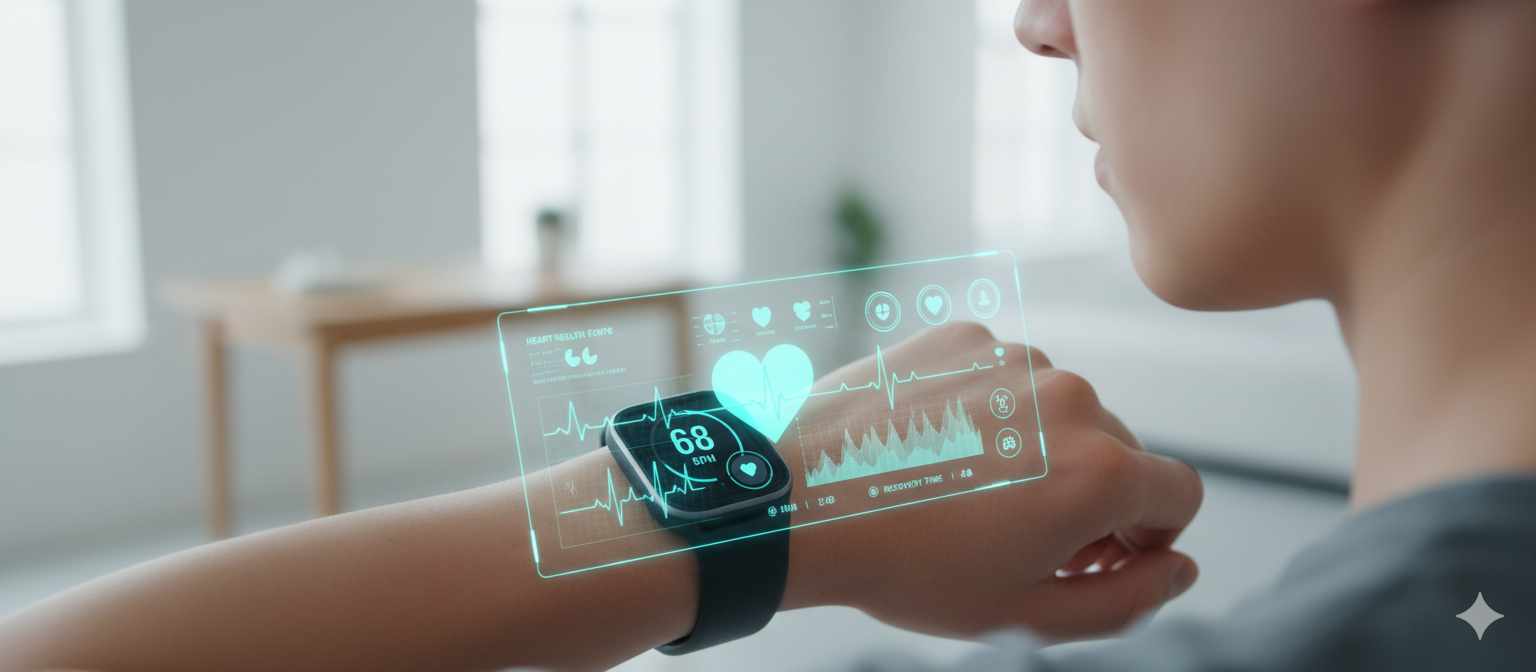
In 2025, heart health isn’t just about avoiding disease — it’s about optimizing your body’s performance, mental balance, and longevity. With the global rise in stress, processed food consumption, and sedentary lifestyles, heart monitoring has become a daily essential rather than a medical precaution. People are finally realizing that tracking their cardiovascular activity early can prevent serious issues later.
Here’s what’s changed: awareness. Decades ago, people only visited a doctor when symptoms appeared. Now, thanks to technology, we can catch red flags long before they become emergencies. Devices like the Apple Watch Ultra 2 or Fitbit Sense 2 can detect irregular heart rhythms, low oxygen levels, or elevated pulse rates even while you sleep. These tiny alerts can literally save lives.
What makes 2025 so different is that heart monitoring has gone beyond “medical necessity” — it’s now part of self-care and fitness culture. Just like people track calories and workouts, they now track stress levels, sleep patterns, and heart rate variability (HRV). This data paints a full picture of how your heart responds to daily life, helping you manage not just your health, but your habits.
Doctors are also embracing this shift. Many cardiologists now recommend smart health wearables to patients recovering from surgery or managing chronic conditions. Real-time tracking allows healthcare professionals to get continuous data instead of relying on occasional clinic visits. This remote insight helps tailor treatment plans and detect risks before they escalate.
The other major factor driving this trend is personalization. Everyone’s heart responds differently to stress, caffeine, exercise, and even emotions. By tracking your heart’s response, you can fine-tune your diet, workouts, and recovery for better results. It’s a scientific, data-driven approach to well-being.
In essence, monitoring heart health in 2025 isn’t just about preventing heart attacks — it’s about living smarter. Whether you’re an athlete pushing performance limits or someone managing blood pressure, heart data helps you make informed decisions.
The truth is, when you understand your heart, you understand your health. And the more insight technology gives us, the more control we have over our future.
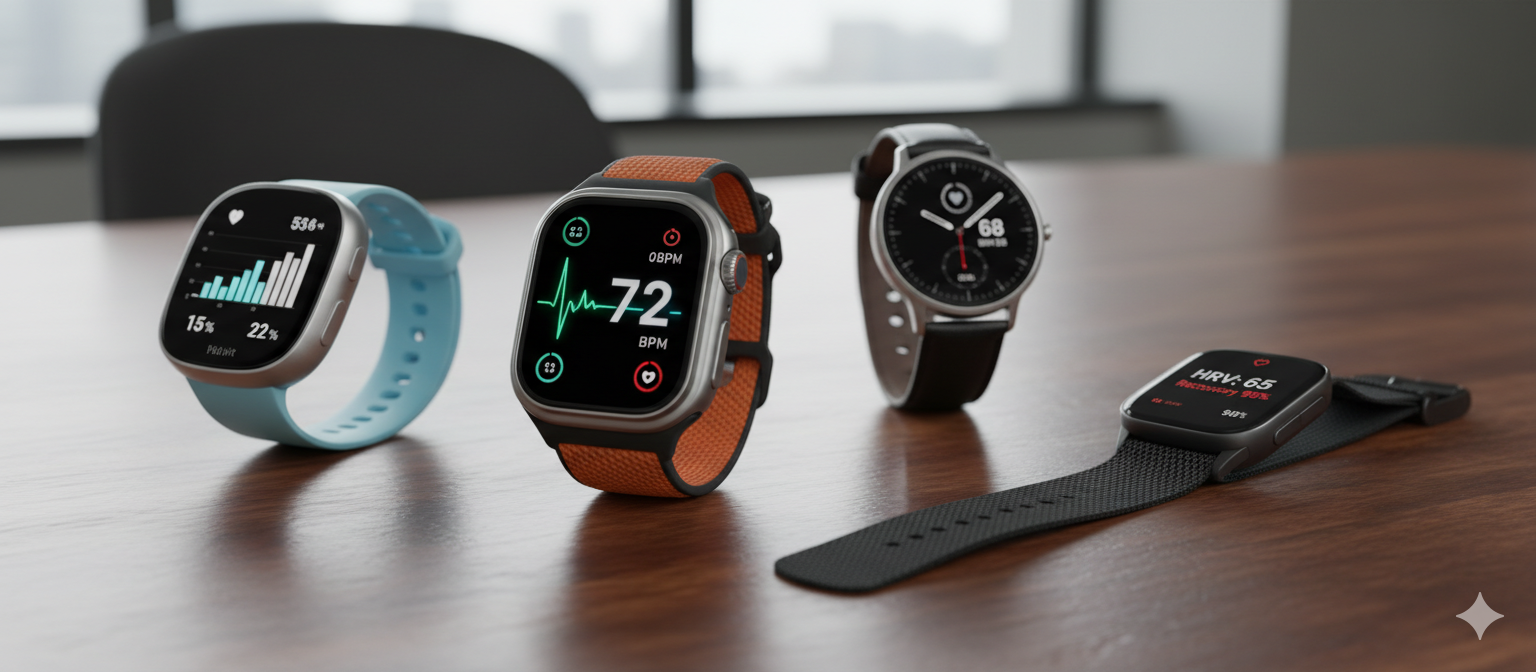
The year 2025 has brought a wave of innovation in heart health technology. What used to be exclusive to hospitals is now available on your wrist or bedside table. These smart gadgets not only track your cardiovascular activity but also use AI to interpret patterns, detect risks, and recommend improvements — all in real time. Let’s look at the standout devices that are redefining how we monitor our hearts.
The Apple Watch remains the gold standard for heart tracking. The Ultra 2 version offers ECG monitoring, blood oxygen analysis, and continuous heart rate alerts. What sets it apart in 2025 is its advanced AI health assistant that interprets your heart rhythm trends and warns you of irregularities like atrial fibrillation.
Fitbit has mastered the art of balancing wellness and performance. The Sense 2 provides real-time stress tracking, skin temperature sensors, and detailed HRV insights. Its AI-driven dashboard shows how your lifestyle — sleep, diet, and stress — impacts your cardiovascular system over time.
Built for athletes and health-conscious users, WHOOP 5.0 offers unmatched recovery analytics. It continuously tracks strain, sleep quality, and heart rate variability to guide your rest and training cycles. It’s a favorite among professionals for its accuracy and data depth.
This hybrid smartwatch combines style with medical-grade health tracking. It provides ECG, SpO2, and breathing disturbance detection. It also syncs with your smartphone to generate weekly cardiovascular health summaries — ideal for long-term wellness monitoring.
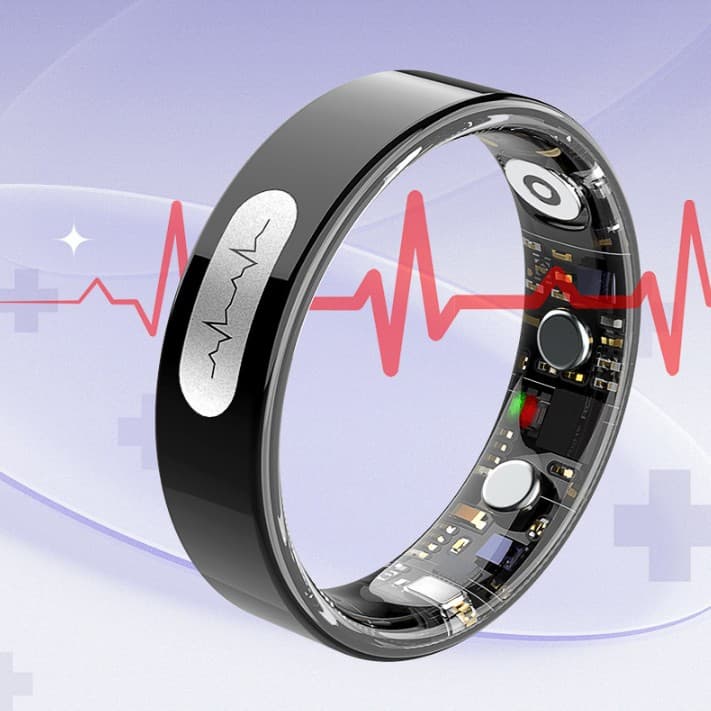
For those who prefer minimalism, the Oura Ring Gen 4 packs impressive heart health technology into a sleek ring. It monitors resting heart rate, HRV, body temperature, and sleep phases, offering valuable insights into your cardiovascular recovery.
Perfect for active users, Garmin Venu 3 combines GPS accuracy with deep heart analytics. It tracks pulse rate, oxygen saturation, and stress responses during workouts, making it a great fitness and heart health companion.
These tools aren’t just gadgets — they’re personal health partners. Whether you’re tracking post-workout recovery or daily stress responses, each device helps you stay one step ahead of cardiovascular issues.
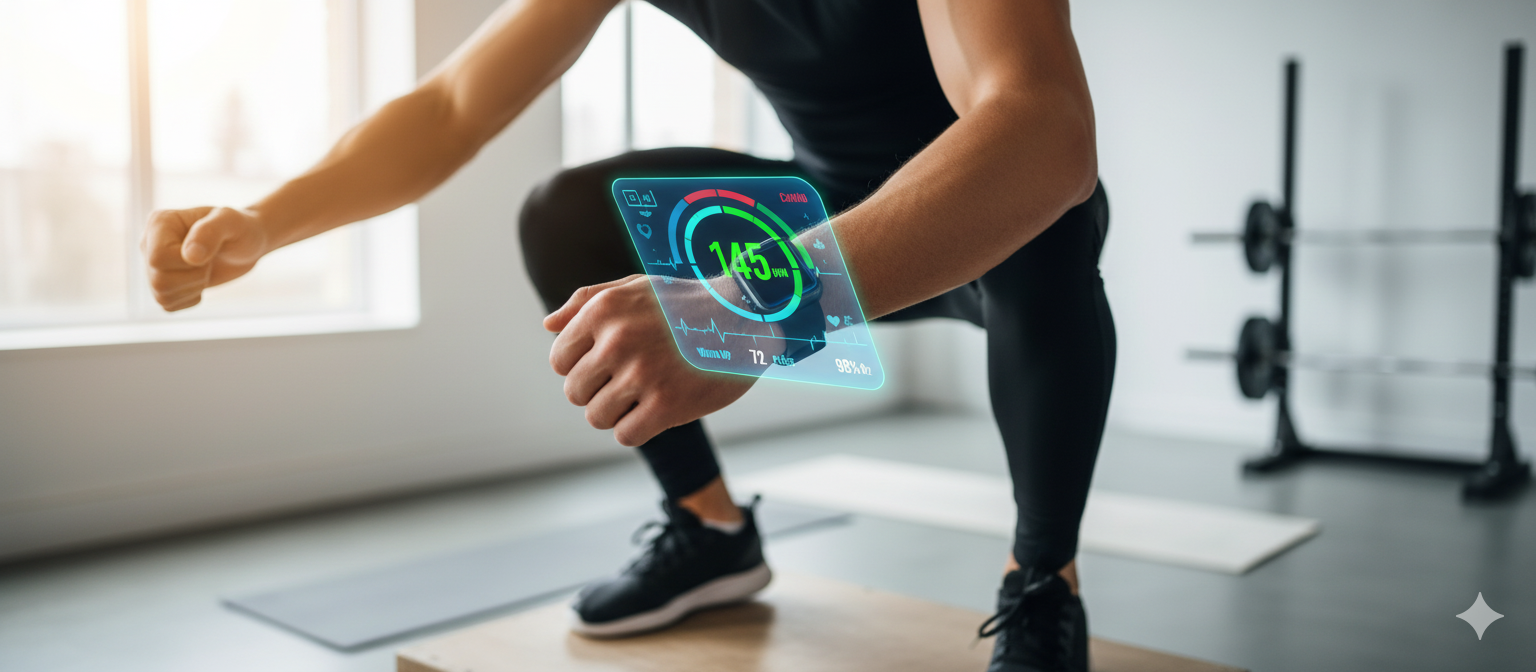
Smart heart health gadgets are transforming how people train, recover, and maintain cardiovascular strength in 2025. These tools don’t just collect data — they use it to help you understand and improve your heart’s performance in real time. Whether you’re walking, running, or simply resting, these devices ensure your heart stays within a healthy and effective range.
Modern wearables like Fitbit Sense 2, WHOOP 5.0, and Apple Watch Ultra 2 analyze metrics such as heart rate variability (HRV), blood oxygen saturation (SpO2), and resting heart rate to measure how well your cardiovascular system is functioning. When your HRV is stable, it means your heart is handling stress well. When it drops, your device notifies you to rest, hydrate, or recover properly. This type of feedback helps users make smart adjustments to their fitness routines.
These gadgets also track training zones — from fat-burning to cardio intensity — so you can exercise at the right effort level for your goals. For example, a smartwatch can tell you if you’re overtraining, underperforming, or hitting the optimal heart rate range for endurance and fat loss. That level of personalized insight was almost impossible without professional testing just a few years ago.
Another key advantage is recovery guidance. Devices like WHOOP 5.0 focus heavily on how your body rebounds after workouts. They use sleep data, HRV, and strain scores to calculate when your heart needs rest versus when it’s ready for peak performance. Over time, this helps users build consistent habits that improve both heart efficiency and stamina.
Moreover, AI-powered analytics now connect cardiovascular health with lifestyle choices. Your watch can tell when late-night stress or poor sleep impacts your morning heart rate — teaching you how daily routines affect your fitness. This integration of real-time data with lifestyle tracking encourages sustainable, long-term improvement.
Ultimately, these gadgets are doing more than tracking fitness — they’re helping people train smarter, recover better, and live longer. By turning heart data into actionable insight, they make cardiovascular fitness more measurable, predictable, and personalized than ever before.
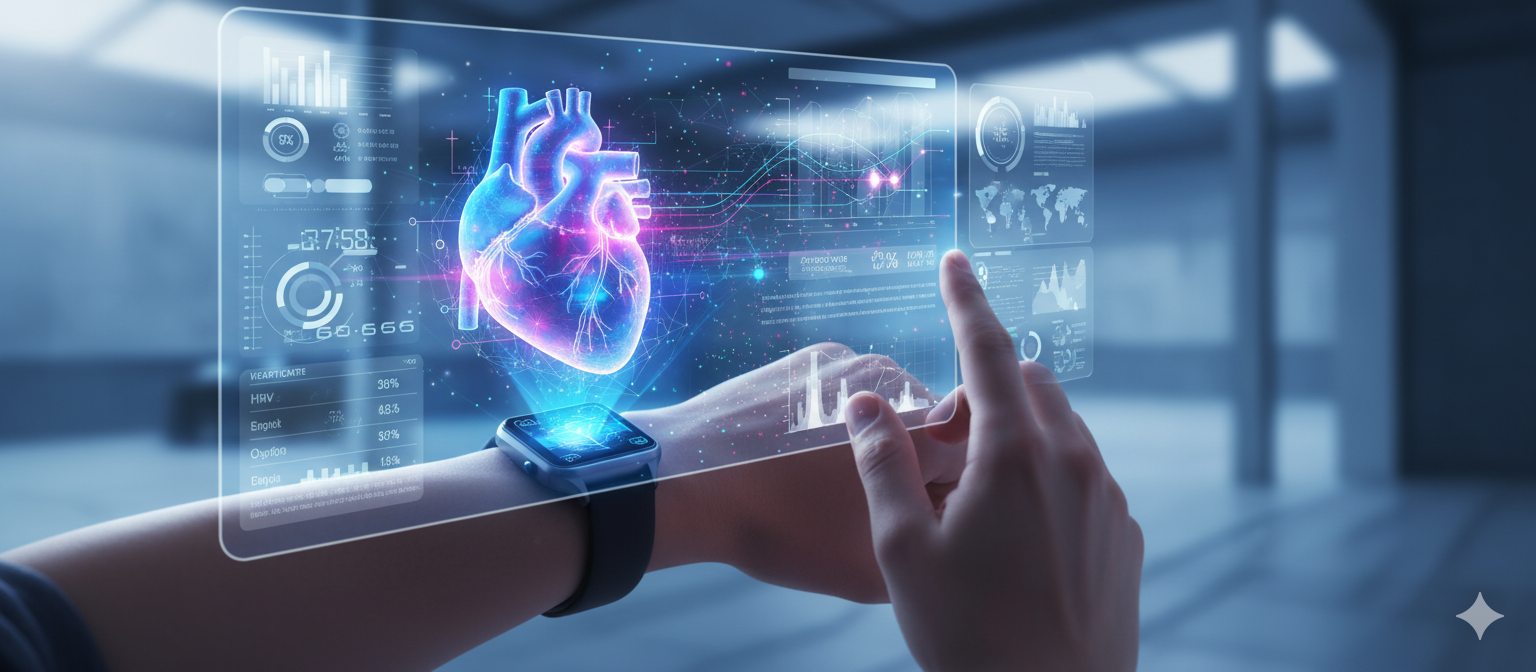
AI-powered heart health devices have completely changed how people understand and manage cardiovascular fitness in 2025. These tools don’t just track data — they analyze, predict, and guide you toward better heart health. The integration of artificial intelligence allows your device to learn from your habits, detect unusual patterns, and offer real-time feedback that used to require a professional check-up.
One of the biggest benefits is early detection of heart irregularities. Devices like the Apple Watch Ultra 2 and Fitbit Sense 2 can detect irregular heart rhythms or stress spikes before symptoms appear. The built-in AI identifies potential issues such as arrhythmia, fatigue, or low oxygen levels and sends an alert, helping users act before a serious problem develops.
Another major benefit is personalized health tracking. Unlike old devices that just showed numbers, modern AI wearables understand your unique body data. They adjust your recommendations based on your activity, stress, and recovery levels. This ensures your fitness and health plans are tailored specifically to your needs, not based on generic averages.
AI also plays a key role in stress and recovery management. Your device doesn’t just record your heart rate; it understands how it reacts to emotions, sleep, and exertion. By analyzing these trends, it helps you optimize rest, improve emotional balance, and maintain steady cardiovascular performance.
Then there’s data integration — AI-powered gadgets sync with health apps, diet trackers, and even sleep monitors to create a full wellness profile. This helps users and even doctors see the complete picture of heart performance and overall body balance.
In addition, these devices promote accountability and motivation. The AI features track progress, suggest goals, and even send reminders when you skip routines. This consistent feedback loop keeps users engaged and committed to maintaining a healthy heart.
Finally, the predictive insights offered by AI are transforming preventive care. Instead of reacting to problems, you can now predict them. The AI can highlight trends that indicate rising stress, dehydration, or potential cardiovascular strain — allowing lifestyle changes before damage occurs.
In short, AI-powered heart health devices have made smart prevention possible. They bring medical-level monitoring into everyday life, helping people stay proactive, informed, and in control of their heart health.
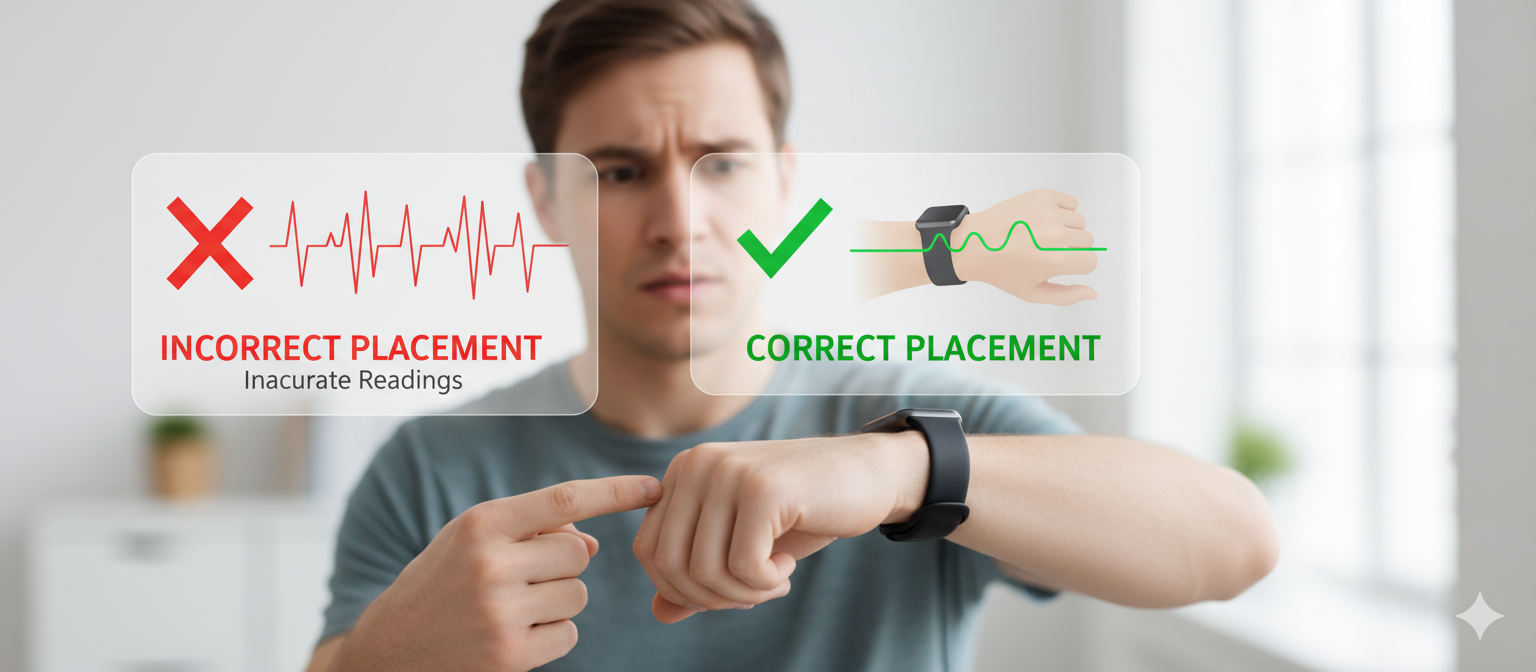
Smart heart gadgets are powerful tools, but their effectiveness depends on how you use them. Many people buy advanced devices like the Apple Watch Ultra 2, Fitbit Sense 2, or WHOOP 5.0, yet fail to get accurate insights because of a few simple mistakes. Understanding these errors can help you make better use of your heart health technology and avoid misleading results.
The first and most common mistake is relying completely on the device for diagnosis. These gadgets are great for tracking and alerts, but they are not replacements for professional medical evaluations. If your watch shows irregular readings, don’t panic — confirm the data with a doctor before assuming the worst. AI tools are helpful, but human judgment remains essential for heart health decisions.
Another issue is improper wearing or setup. Many users wear their smartwatches too loose or too tight, which affects the sensors’ accuracy. Skipping calibration or not updating the firmware can also cause false readings. Always ensure your device is fitted correctly and kept updated for precise tracking.
A major mistake is ignoring lifestyle balance. People often think wearing a smart device automatically improves health. But tracking alone doesn’t help unless you act on the data. If your gadget shows poor sleep or high stress, use that information to make changes — not just to collect numbers.
Neglecting manual checkups is another problem. Many users stop visiting doctors because they think the device tracks everything. However, smart gadgets are meant to support, not replace, professional care. Regular checkups are still necessary for accurate long-term heart assessments.
Some users also make the mistake of overchecking or obsessing over readings. Constantly monitoring heart rate can increase anxiety, especially when small fluctuations are normal. Instead, focus on trends over time, not single moments.
Lastly, ignoring data synchronization limits progress. If your device isn’t synced with health apps or cloud storage, you lose valuable long-term insights. Make sure to back up your data and review weekly reports for meaningful analysis.
Avoiding these mistakes ensures your gadget delivers real value. When used correctly, smart heart devices can guide you toward a healthier, more informed lifestyle — one where technology and awareness work hand in hand.
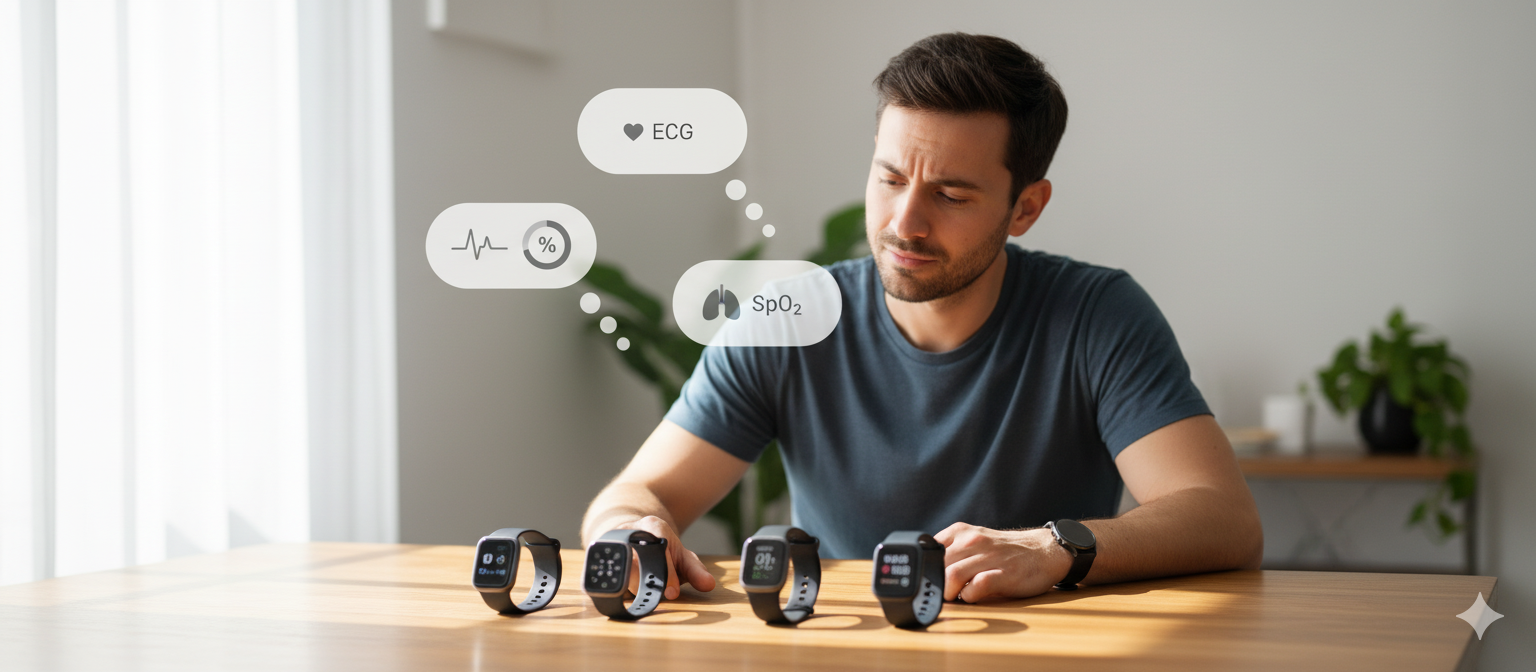
Choosing the right smart heart device in 2025 requires careful consideration of your health goals, lifestyle, and the features that matter most. With a growing number of gadgets like Apple Watch Ultra 2, Fitbit Sense 2, WHOOP 5.0, and Withings ScanWatch 2, it can be overwhelming to decide which device fits your needs best.
The first step is to define your purpose. Are you monitoring general fitness, tracking recovery after workouts, or managing a specific heart condition? Fitness-focused users may prioritize features like heart rate zones, calorie tracking, and activity monitoring. Users with medical concerns should look for devices with ECG monitoring, blood oxygen (SpO2) measurement, and irregular heart rhythm alerts.
Next, consider accuracy and reliability. Devices with FDA clearance or CE certification offer higher confidence in their readings. Even the best device is only as good as its sensor quality, so read reviews and check independent tests to ensure accurate measurements.
Comfort and wearability are also crucial. Since heart devices are worn for extended periods, select a gadget that is lightweight, adjustable, and comfortable on your wrist or finger. Poor fit can lead to inaccurate readings and reduce your consistency in wearing it.
Another important factor is app integration and data visualization. Your device should sync seamlessly with smartphone apps or cloud platforms, offering easy-to-read dashboards, trend analysis, and alerts. Some gadgets even allow sharing data with your doctor, making long-term monitoring more effective.
Battery life is a practical consideration. Devices with longer battery life reduce interruptions and ensure consistent tracking. Look for options that suit your routine — whether daily charging is acceptable or multi-day endurance is needed.
Finally, consider budget and long-term support. Smart heart devices range from affordable to premium, but investing in a reliable, durable device with proper warranty and customer support ensures peace of mind and consistent performance.
By weighing these factors — purpose, accuracy, comfort, app integration, battery, and support — you can choose a heart device that not only tracks your cardiovascular fitness effectively but also fits seamlessly into your lifestyle. The right choice empowers you to make informed decisions, prevent health issues, and optimize your heart health in 2025.
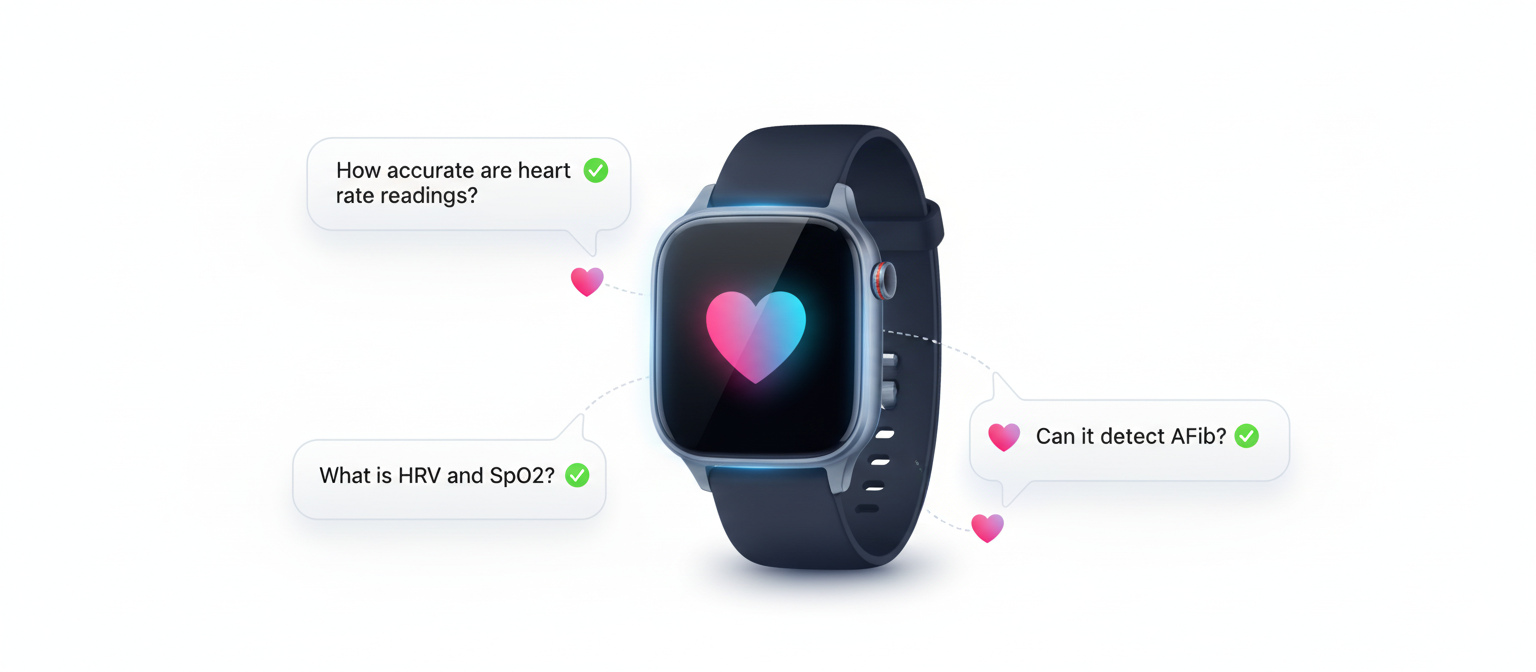
Smart heart devices like Apple Watch Ultra 2 and Fitbit Sense 2 provide reliable monitoring for daily tracking, but they are not a replacement for professional medical evaluation. They can detect irregularities, heart rate trends, and oxygen levels, which help you take preventive measures. However, any abnormal readings should be confirmed with a doctor for proper diagnosis and treatment. These gadgets are tools for early detection and lifestyle improvement, not substitutes for clinical care.
For optimal monitoring, it’s recommended to wear your device consistently throughout the day and night, especially during sleep, workouts, and periods of stress. Continuous tracking provides comprehensive heart health data like resting heart rate, heart rate variability, and recovery patterns. Occasional use may give limited insights and could miss crucial trends that indicate potential cardiovascular issues.
Yes, many modern smart devices feature ECG sensors and AI-driven algorithms that can detect irregular heart rhythms such as atrial fibrillation (AFib). While the detection is generally accurate, it is not a substitute for medical testing. If your device flags abnormal activity, consult a healthcare professional promptly to ensure proper evaluation.
Absolutely. Devices like Withings ScanWatch 2 and Oura Ring Gen 4 are designed for all age groups. They offer easy-to-read data, alerts for abnormal heart readings, and sleep tracking. Older adults benefit from continuous monitoring, which can help in early detection of potential heart issues and provide peace of mind.
AI features track heart rate, oxygen levels, and HRV to customize workout intensity and suggest recovery periods. For instance, WHOOP 5.0 analyzes strain and recovery data to optimize training schedules. This helps users avoid overtraining, reduce injury risk, and improve cardiovascular fitness efficiently.
Yes, most devices allow secure data syncing to apps that can generate detailed reports. These reports can be shared with healthcare providers for better-informed decisions about your heart health. This feature enhances preventive care and long-term monitoring.

In 2025, maintaining heart health has become more accessible and precise than ever before. AI-powered smart gadgets have shifted cardiovascular fitness from reactive care to proactive management, allowing users to track, analyze, and improve their heart health every day. From Apple Watch Ultra 2 to Fitbit Sense 2 and WHOOP 5.0, these devices provide actionable insights that were once only available in clinical settings.
The real power lies in real-time data and predictive analytics. Users can detect early warning signs, understand how lifestyle choices affect heart function, and adjust their habits accordingly. Monitoring trends over time empowers better decisions — whether it’s adjusting your workout, managing stress, or improving sleep quality.
What this demonstrates is clear: smarter technology leads to stronger hearts. By integrating these tools into daily life, you not only enhance fitness but also improve longevity, reduce risks, and gain peace of mind. Heart health is no longer a vague goal; it’s measurable, trackable, and manageable with the right devices.
Incorporating AI-powered heart health tools into your routine is a step toward a healthier, informed, and empowered future, where every beat counts.
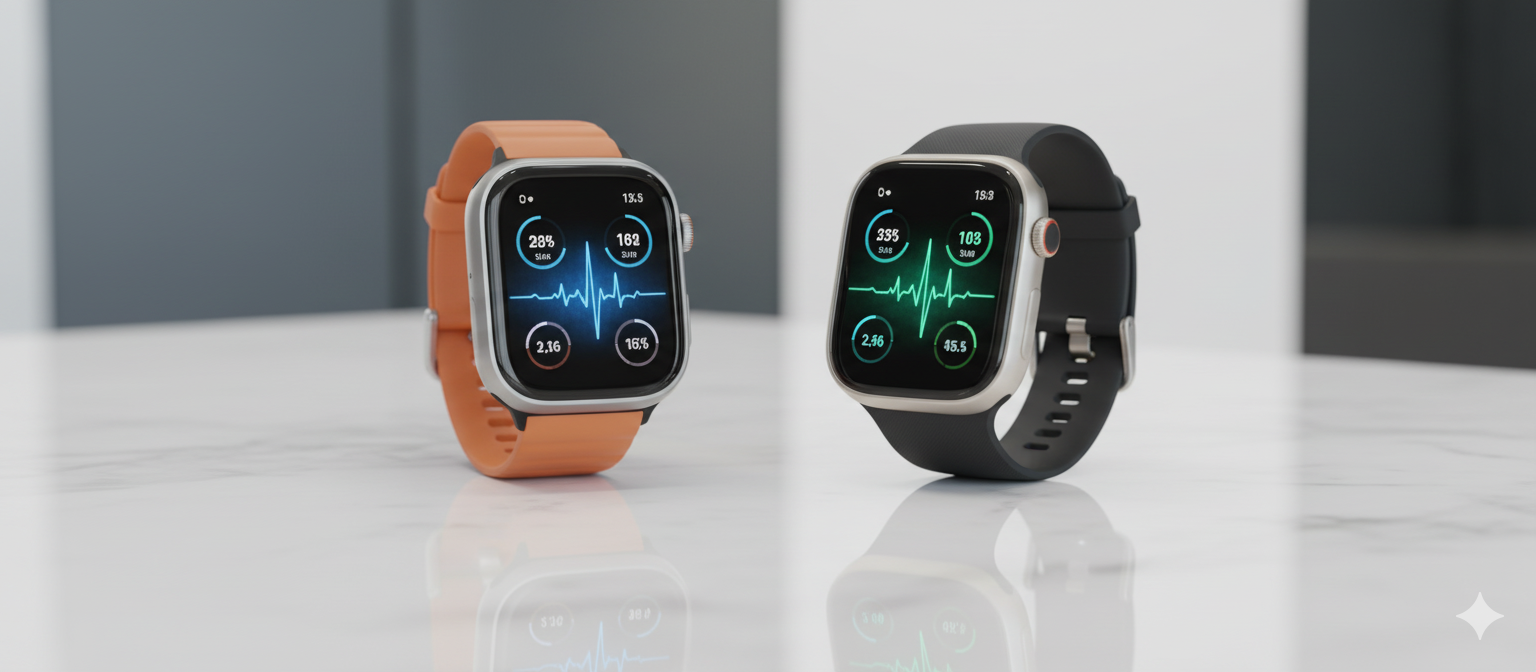
To help you take actionable steps toward improving your cardiovascular fitness, we recommend two of the top smart heart health devices currently available:
This advanced smartwatch offers ECG monitoring, blood oxygen tracking, sleep analysis, and AI-powered insights. It alerts you to irregular heart rhythms, provides personalized activity recommendations, and helps you monitor recovery for better overall heart performance.
Known for its comprehensive health tracking, Fitbit Sense 2 includes stress management, heart rate variability monitoring, and skin temperature sensing. Its AI-driven dashboard provides insights into how lifestyle choices impact your heart, helping you optimize fitness and recovery.
Both products integrate seamlessly with smartphones and health apps, ensuring that your heart health data is always accessible and actionable. Using these devices consistently allows you to track your cardiovascular fitness, detect early warning signs, and make informed lifestyle adjustments, bringing smarter heart care into your everyday routine.
These recommended tools are ideal for anyone committed to proactive heart health, whether you’re a fitness enthusiast, an older adult, or someone recovering from a heart-related condition.
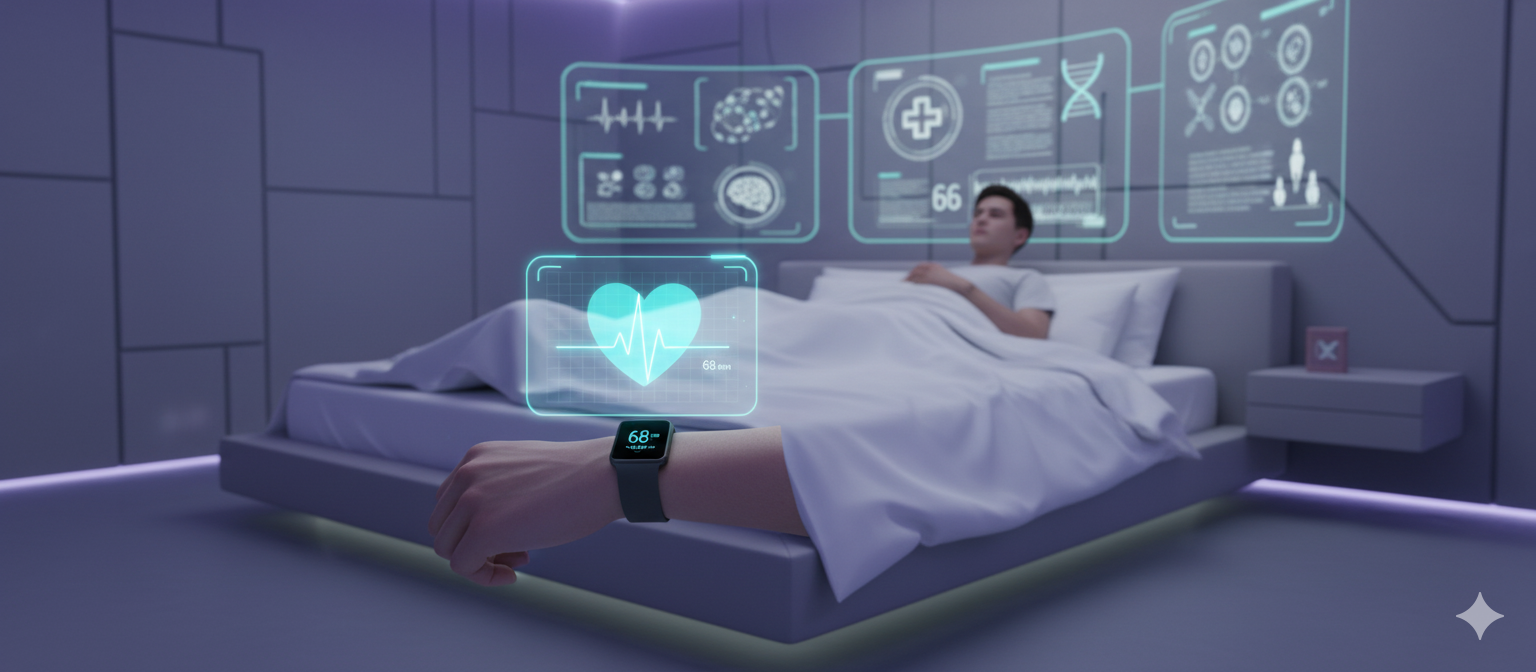
Discover the best heart-health gadgets of 2025 — from AI-powered smartwatches to ECG sensors — to monitor and improve your cardiovascular fitness.
Heart health is no longer something people think about only after a doctor’s visit. In 2025, it’s something millions of people monitor daily — right from their wrists, phones, or even beds. Technology has made it possible to understand your heart’s condition in real time, detect irregularities early, and even adjust your lifestyle before problems arise. What was once considered “medical data” is now part of everyday wellness.
Let’s face it — cardiovascular disease is still one of the top causes of death worldwide. But the difference today is awareness. People now realize that prevention starts with tracking, and tracking starts with smart gadgets. From wearable ECG sensors to AI-driven fitness trackers, 2025 is witnessing a revolution in personal heart health monitoring.
The shift began with simple step counters and calorie trackers years ago. But now, things have evolved. Today’s devices go far beyond counting steps — they read heart rate variability, blood oxygen saturation (SpO2), recovery time, stress levels, and even sleep quality. With this data, people can predict when their heart is under pressure and act before it’s too late.
Here’s the thing: AI has changed everything. Older devices only showed numbers — now they interpret those numbers for you. Modern watches like Apple Watch Ultra 2 or Fitbit Sense 2 don’t just tell you your heart rate; they analyze trends, detect irregular heart rhythms, and send alerts if something’s off. This predictive insight is what makes 2025 a milestone year for heart health technology.
The global market for smart health wearables is also booming. According to 2025 research from the World Health Data Index, over 45% of adults in developed countries use at least one health-tracking device. And this trend isn’t limited to fitness enthusiasts. Doctors, athletes, and even older adults rely on these gadgets for personalized health insights.
Beyond prevention, these tools are empowering people to take control of their cardiovascular fitness goals. You can now track recovery after workouts, monitor stress impact on heart rate, and even understand how caffeine or poor sleep affects your heart rhythm. It’s like having a digital health coach that never sleeps.
Another major reason for this surge is accessibility. You don’t need to spend thousands to monitor your health anymore. Affordable gadgets with medical-grade accuracy are now available to almost everyone. Plus, the integration of AI algorithms in health apps helps translate raw data into meaningful insights — no medical degree required.
The self-care movement has also played a big role. People now value recovery and longevity as much as performance. The modern approach to fitness isn’t just about pushing limits; it’s about balance, awareness, and sustainability. Smart heart devices perfectly align with that mindset by providing real-time feedback that helps maintain this balance.
In short, Heart Health 2025 isn’t just a topic — it’s a lifestyle shift. We’re entering an era where every heartbeat counts, literally. These new gadgets are teaching us that the heart isn’t just a muscle — it’s a data source, a guide, and a mirror of our overall well-being.
So if you’ve ever thought heart monitoring was only for hospitals, it’s time to think again. The future of cardiovascular fitness is personal, portable, and powered by artificial intelligence. What this really means is simple: the smarter our tech gets, the healthier our hearts can be.
Why Monitoring Heart Health Matters in 2025?
In 2025, heart health isn’t just about avoiding disease — it’s about optimizing your body’s performance, mental balance, and longevity. With the global rise in stress, processed food consumption, and sedentary lifestyles, heart monitoring has become a daily essential rather than a medical precaution. People are finally realizing that tracking their cardiovascular activity early can prevent serious issues later.
Here’s what’s changed: awareness. Decades ago, people only visited a doctor when symptoms appeared. Now, thanks to technology, we can catch red flags long before they become emergencies. Devices like the Apple Watch Ultra 2 or Fitbit Sense 2 can detect irregular heart rhythms, low oxygen levels, or elevated pulse rates even while you sleep. These tiny alerts can literally save lives.
What makes 2025 so different is that heart monitoring has gone beyond “medical necessity” — it’s now part of self-care and fitness culture. Just like people track calories and workouts, they now track stress levels, sleep patterns, and heart rate variability (HRV). This data paints a full picture of how your heart responds to daily life, helping you manage not just your health, but your habits.
Doctors are also embracing this shift. Many cardiologists now recommend smart health wearables to patients recovering from surgery or managing chronic conditions. Real-time tracking allows healthcare professionals to get continuous data instead of relying on occasional clinic visits. This remote insight helps tailor treatment plans and detect risks before they escalate.
The other major factor driving this trend is personalization. Everyone’s heart responds differently to stress, caffeine, exercise, and even emotions. By tracking your heart’s response, you can fine-tune your diet, workouts, and recovery for better results. It’s a scientific, data-driven approach to well-being.
In essence, monitoring heart health in 2025 isn’t just about preventing heart attacks — it’s about living smarter. Whether you’re an athlete pushing performance limits or someone managing blood pressure, heart data helps you make informed decisions.
The truth is, when you understand your heart, you understand your health. And the more insight technology gives us, the more control we have over our future.
Top Smart Gadgets for Heart Health in 2025.
The year 2025 has brought a wave of innovation in heart health technology. What used to be exclusive to hospitals is now available on your wrist or bedside table. These smart gadgets not only track your cardiovascular activity but also use AI to interpret patterns, detect risks, and recommend improvements — all in real time. Let’s look at the standout devices that are redefining how we monitor our hearts.
1. Apple Watch Ultra 2
The Apple Watch remains the gold standard for heart tracking. The Ultra 2 version offers ECG monitoring, blood oxygen analysis, and continuous heart rate alerts. What sets it apart in 2025 is its advanced AI health assistant that interprets your heart rhythm trends and warns you of irregularities like atrial fibrillation.
2. Fitbit Sense 2
Fitbit has mastered the art of balancing wellness and performance. The Sense 2 provides real-time stress tracking, skin temperature sensors, and detailed HRV insights. Its AI-driven dashboard shows how your lifestyle — sleep, diet, and stress — impacts your cardiovascular system over time.
3. WHOOP 5.0
Built for athletes and health-conscious users, WHOOP 5.0 offers unmatched recovery analytics. It continuously tracks strain, sleep quality, and heart rate variability to guide your rest and training cycles. It’s a favorite among professionals for its accuracy and data depth.
4. Withings ScanWatch 2
This hybrid smartwatch combines style with medical-grade health tracking. It provides ECG, SpO2, and breathing disturbance detection. It also syncs with your smartphone to generate weekly cardiovascular health summaries — ideal for long-term wellness monitoring.
5. Oura Ring Gen 4
For those who prefer minimalism, the Oura Ring Gen 4 packs impressive heart health technology into a sleek ring. It monitors resting heart rate, HRV, body temperature, and sleep phases, offering valuable insights into your cardiovascular recovery.
6. Garmin Venu 3
Perfect for active users, Garmin Venu 3 combines GPS accuracy with deep heart analytics. It tracks pulse rate, oxygen saturation, and stress responses during workouts, making it a great fitness and heart health companion.
These tools aren’t just gadgets — they’re personal health partners. Whether you’re tracking post-workout recovery or daily stress responses, each device helps you stay one step ahead of cardiovascular issues.
How These Gadgets Improve Cardiovascular Fitness.
Smart heart health gadgets are transforming how people train, recover, and maintain cardiovascular strength in 2025. These tools don’t just collect data — they use it to help you understand and improve your heart’s performance in real time. Whether you’re walking, running, or simply resting, these devices ensure your heart stays within a healthy and effective range.
Modern wearables like Fitbit Sense 2, WHOOP 5.0, and Apple Watch Ultra 2 analyze metrics such as heart rate variability (HRV), blood oxygen saturation (SpO2), and resting heart rate to measure how well your cardiovascular system is functioning. When your HRV is stable, it means your heart is handling stress well. When it drops, your device notifies you to rest, hydrate, or recover properly. This type of feedback helps users make smart adjustments to their fitness routines.
These gadgets also track training zones — from fat-burning to cardio intensity — so you can exercise at the right effort level for your goals. For example, a smartwatch can tell you if you’re overtraining, underperforming, or hitting the optimal heart rate range for endurance and fat loss. That level of personalized insight was almost impossible without professional testing just a few years ago.
Another key advantage is recovery guidance. Devices like WHOOP 5.0 focus heavily on how your body rebounds after workouts. They use sleep data, HRV, and strain scores to calculate when your heart needs rest versus when it’s ready for peak performance. Over time, this helps users build consistent habits that improve both heart efficiency and stamina.
Moreover, AI-powered analytics now connect cardiovascular health with lifestyle choices. Your watch can tell when late-night stress or poor sleep impacts your morning heart rate — teaching you how daily routines affect your fitness. This integration of real-time data with lifestyle tracking encourages sustainable, long-term improvement.
Ultimately, these gadgets are doing more than tracking fitness — they’re helping people train smarter, recover better, and live longer. By turning heart data into actionable insight, they make cardiovascular fitness more measurable, predictable, and personalized than ever before.
Benefits of Using AI-Powered Heart Health Devices.
AI-powered heart health devices have completely changed how people understand and manage cardiovascular fitness in 2025. These tools don’t just track data — they analyze, predict, and guide you toward better heart health. The integration of artificial intelligence allows your device to learn from your habits, detect unusual patterns, and offer real-time feedback that used to require a professional check-up.
One of the biggest benefits is early detection of heart irregularities. Devices like the Apple Watch Ultra 2 and Fitbit Sense 2 can detect irregular heart rhythms or stress spikes before symptoms appear. The built-in AI identifies potential issues such as arrhythmia, fatigue, or low oxygen levels and sends an alert, helping users act before a serious problem develops.
Another major benefit is personalized health tracking. Unlike old devices that just showed numbers, modern AI wearables understand your unique body data. They adjust your recommendations based on your activity, stress, and recovery levels. This ensures your fitness and health plans are tailored specifically to your needs, not based on generic averages.
AI also plays a key role in stress and recovery management. Your device doesn’t just record your heart rate; it understands how it reacts to emotions, sleep, and exertion. By analyzing these trends, it helps you optimize rest, improve emotional balance, and maintain steady cardiovascular performance.
Then there’s data integration — AI-powered gadgets sync with health apps, diet trackers, and even sleep monitors to create a full wellness profile. This helps users and even doctors see the complete picture of heart performance and overall body balance.
In addition, these devices promote accountability and motivation. The AI features track progress, suggest goals, and even send reminders when you skip routines. This consistent feedback loop keeps users engaged and committed to maintaining a healthy heart.
Finally, the predictive insights offered by AI are transforming preventive care. Instead of reacting to problems, you can now predict them. The AI can highlight trends that indicate rising stress, dehydration, or potential cardiovascular strain — allowing lifestyle changes before damage occurs.
In short, AI-powered heart health devices have made smart prevention possible. They bring medical-level monitoring into everyday life, helping people stay proactive, informed, and in control of their heart health.
Common Mistakes to Avoid When Using Smart Heart Gadgets.
Smart heart gadgets are powerful tools, but their effectiveness depends on how you use them. Many people buy advanced devices like the Apple Watch Ultra 2, Fitbit Sense 2, or WHOOP 5.0, yet fail to get accurate insights because of a few simple mistakes. Understanding these errors can help you make better use of your heart health technology and avoid misleading results.
The first and most common mistake is relying completely on the device for diagnosis. These gadgets are great for tracking and alerts, but they are not replacements for professional medical evaluations. If your watch shows irregular readings, don’t panic — confirm the data with a doctor before assuming the worst. AI tools are helpful, but human judgment remains essential for heart health decisions.
Another issue is improper wearing or setup. Many users wear their smartwatches too loose or too tight, which affects the sensors’ accuracy. Skipping calibration or not updating the firmware can also cause false readings. Always ensure your device is fitted correctly and kept updated for precise tracking.
A major mistake is ignoring lifestyle balance. People often think wearing a smart device automatically improves health. But tracking alone doesn’t help unless you act on the data. If your gadget shows poor sleep or high stress, use that information to make changes — not just to collect numbers.
Neglecting manual checkups is another problem. Many users stop visiting doctors because they think the device tracks everything. However, smart gadgets are meant to support, not replace, professional care. Regular checkups are still necessary for accurate long-term heart assessments.
Some users also make the mistake of overchecking or obsessing over readings. Constantly monitoring heart rate can increase anxiety, especially when small fluctuations are normal. Instead, focus on trends over time, not single moments.
Lastly, ignoring data synchronization limits progress. If your device isn’t synced with health apps or cloud storage, you lose valuable long-term insights. Make sure to back up your data and review weekly reports for meaningful analysis.
Avoiding these mistakes ensures your gadget delivers real value. When used correctly, smart heart devices can guide you toward a healthier, more informed lifestyle — one where technology and awareness work hand in hand.
How to Choose the Right Smart Heart Device for Your Needs.
Choosing the right smart heart device in 2025 requires careful consideration of your health goals, lifestyle, and the features that matter most. With a growing number of gadgets like Apple Watch Ultra 2, Fitbit Sense 2, WHOOP 5.0, and Withings ScanWatch 2, it can be overwhelming to decide which device fits your needs best.
The first step is to define your purpose. Are you monitoring general fitness, tracking recovery after workouts, or managing a specific heart condition? Fitness-focused users may prioritize features like heart rate zones, calorie tracking, and activity monitoring. Users with medical concerns should look for devices with ECG monitoring, blood oxygen (SpO2) measurement, and irregular heart rhythm alerts.
Next, consider accuracy and reliability. Devices with FDA clearance or CE certification offer higher confidence in their readings. Even the best device is only as good as its sensor quality, so read reviews and check independent tests to ensure accurate measurements.
Comfort and wearability are also crucial. Since heart devices are worn for extended periods, select a gadget that is lightweight, adjustable, and comfortable on your wrist or finger. Poor fit can lead to inaccurate readings and reduce your consistency in wearing it.
Another important factor is app integration and data visualization. Your device should sync seamlessly with smartphone apps or cloud platforms, offering easy-to-read dashboards, trend analysis, and alerts. Some gadgets even allow sharing data with your doctor, making long-term monitoring more effective.
Battery life is a practical consideration. Devices with longer battery life reduce interruptions and ensure consistent tracking. Look for options that suit your routine — whether daily charging is acceptable or multi-day endurance is needed.
Finally, consider budget and long-term support. Smart heart devices range from affordable to premium, but investing in a reliable, durable device with proper warranty and customer support ensures peace of mind and consistent performance.
By weighing these factors — purpose, accuracy, comfort, app integration, battery, and support — you can choose a heart device that not only tracks your cardiovascular fitness effectively but also fits seamlessly into your lifestyle. The right choice empowers you to make informed decisions, prevent health issues, and optimize your heart health in 2025.
FAQs About Heart Health and Smart Devices.
Q1: Are smart heart devices accurate enough to replace doctor visits?
Smart heart devices like Apple Watch Ultra 2 and Fitbit Sense 2 provide reliable monitoring for daily tracking, but they are not a replacement for professional medical evaluation. They can detect irregularities, heart rate trends, and oxygen levels, which help you take preventive measures. However, any abnormal readings should be confirmed with a doctor for proper diagnosis and treatment. These gadgets are tools for early detection and lifestyle improvement, not substitutes for clinical care.
Q2: How often should I wear my smart heart device?
For optimal monitoring, it’s recommended to wear your device consistently throughout the day and night, especially during sleep, workouts, and periods of stress. Continuous tracking provides comprehensive heart health data like resting heart rate, heart rate variability, and recovery patterns. Occasional use may give limited insights and could miss crucial trends that indicate potential cardiovascular issues.
Q3: Can these devices detect heart conditions like arrhythmia or AFib?
Yes, many modern smart devices feature ECG sensors and AI-driven algorithms that can detect irregular heart rhythms such as atrial fibrillation (AFib). While the detection is generally accurate, it is not a substitute for medical testing. If your device flags abnormal activity, consult a healthcare professional promptly to ensure proper evaluation.
Q4: Are smart heart devices suitable for older adults?
Absolutely. Devices like Withings ScanWatch 2 and Oura Ring Gen 4 are designed for all age groups. They offer easy-to-read data, alerts for abnormal heart readings, and sleep tracking. Older adults benefit from continuous monitoring, which can help in early detection of potential heart issues and provide peace of mind.
Q5: How do AI-powered devices improve workouts and recovery?
AI features track heart rate, oxygen levels, and HRV to customize workout intensity and suggest recovery periods. For instance, WHOOP 5.0 analyzes strain and recovery data to optimize training schedules. This helps users avoid overtraining, reduce injury risk, and improve cardiovascular fitness efficiently.
Q6: Can I share data from my device with my doctor?
Yes, most devices allow secure data syncing to apps that can generate detailed reports. These reports can be shared with healthcare providers for better-informed decisions about your heart health. This feature enhances preventive care and long-term monitoring.
Final Thoughts: Smarter Tech, Stronger Hearts.
In 2025, maintaining heart health has become more accessible and precise than ever before. AI-powered smart gadgets have shifted cardiovascular fitness from reactive care to proactive management, allowing users to track, analyze, and improve their heart health every day. From Apple Watch Ultra 2 to Fitbit Sense 2 and WHOOP 5.0, these devices provide actionable insights that were once only available in clinical settings.
The real power lies in real-time data and predictive analytics. Users can detect early warning signs, understand how lifestyle choices affect heart function, and adjust their habits accordingly. Monitoring trends over time empowers better decisions — whether it’s adjusting your workout, managing stress, or improving sleep quality.
What this demonstrates is clear: smarter technology leads to stronger hearts. By integrating these tools into daily life, you not only enhance fitness but also improve longevity, reduce risks, and gain peace of mind. Heart health is no longer a vague goal; it’s measurable, trackable, and manageable with the right devices.
Incorporating AI-powered heart health tools into your routine is a step toward a healthier, informed, and empowered future, where every beat counts.
Recommended Products for Better Heart Health.
To help you take actionable steps toward improving your cardiovascular fitness, we recommend two of the top smart heart health devices currently available:
1. Apple Watch Ultra 2
This advanced smartwatch offers ECG monitoring, blood oxygen tracking, sleep analysis, and AI-powered insights. It alerts you to irregular heart rhythms, provides personalized activity recommendations, and helps you monitor recovery for better overall heart performance.
2. Fitbit Sense 2
Known for its comprehensive health tracking, Fitbit Sense 2 includes stress management, heart rate variability monitoring, and skin temperature sensing. Its AI-driven dashboard provides insights into how lifestyle choices impact your heart, helping you optimize fitness and recovery.
Both products integrate seamlessly with smartphones and health apps, ensuring that your heart health data is always accessible and actionable. Using these devices consistently allows you to track your cardiovascular fitness, detect early warning signs, and make informed lifestyle adjustments, bringing smarter heart care into your everyday routine.
These recommended tools are ideal for anyone committed to proactive heart health, whether you’re a fitness enthusiast, an older adult, or someone recovering from a heart-related condition.
Discover the best heart-health gadgets of 2025 — from AI-powered smartwatches to ECG sensors — to monitor and improve your cardiovascular fitness.
About the Author
SM
Salman Marwari
Leading expert in health with over 15 years of experience in research and practice.