Health
3.1K reads
By Salman Marwari2025-01-3014 min read
Plant-Based Protein: Best Alternatives to Meat in Modern Diets.
Plant-Based ProteinVeganMeat AlternativesHealthy EatingProtein SourcesVegetarianNutritionDiet
Plant-based diets are no longer a trend — they’re a lifestyle shift. As more people cut down on meat for health, environmental, or ethical reasons, the big question is: where do you get your protein?
Here’s the thing — plants can easily provide all the protein your body needs if you know what to eat. Let’s break down the best meat-free alternatives that keep your meals balanced, tasty, and full of energy.
For decades, meat has been considered the ultimate symbol of strength, energy, and good health. Most people grow up believing that without chicken, beef, or fish, their diet will always be incomplete. But here’s the truth — that mindset is changing fast. Around the world, millions of people are rethinking what “healthy eating” really means, and plant-based protein is leading that shift.
People are no longer turning vegetarian just for ethical reasons. Today, the move toward plant-based living is backed by science, environment, and even performance. Research after research proves that plant proteins can offer all the amino acids your body needs — without the cholesterol, saturated fat, or inflammation caused by excessive meat consumption. The result? You get clean energy, faster recovery, and better long-term health.
Let’s start with why this matters. Protein is not just about building muscle. It’s the raw material your body uses to repair cells, create hormones, strengthen your immune system, and maintain healthy skin and hair. Every movement, thought, and heartbeat depends on it. So when you switch from animal to plant protein, it’s not about losing anything — it’s about choosing smarter fuel for your body.
One of the biggest misconceptions people have is that plant-based diets lack protein. That’s not true at all. Nature provides an incredible variety of protein sources — from lentils and chickpeas to tofu, quinoa, and even green peas. These foods are not only protein-rich but also packed with fiber, antioxidants, vitamins, and minerals that animal products simply don’t have. Think of them as multi-benefit superfoods that work with your body, not against it.
Here’s the interesting part: when you eat plants, you’re not just feeding yourself — you’re also protecting the planet. Livestock farming is one of the biggest contributors to greenhouse gases, deforestation, and water pollution. By reducing meat consumption, even slightly, you help cut down environmental damage. Imagine millions of people making small plant-based choices every week. The combined impact on the planet would be massive.
But let’s keep it real — the transition isn’t always easy. Most people love the taste and texture of meat, and they’re afraid plant-based options won’t satisfy their cravings. The good news is that modern food science has changed that completely. Today, you can find meat alternatives that look, cook, and taste just like the real thing — from soy-based nuggets to pea protein burgers that even grill with a smoky flavor. These products are designed to make the switch simple without sacrificing taste or nutrition.
Another reason plant-based diets are getting popular is performance. Top athletes like Lewis Hamilton, Novak Djokovic, and Venus Williams all follow plant-based diets and openly talk about the benefits — faster recovery, better focus, and more endurance. Even fitness trainers now recommend plant proteins like tofu, tempeh, and edamame because they digest better, reduce inflammation, and help muscles recover more efficiently after workouts.
What this really means is that plant-based eating isn’t just a “trend.” It’s a smarter way to fuel your body in the long term. You don’t have to become a strict vegan overnight. Even replacing one or two meat-based meals per week with plant alternatives can make a visible difference in your energy levels, digestion, and skin health.
Let’s talk about taste for a second. People often assume that healthy food is boring. But plant-based cooking proves that wrong. From spicy lentil curries to creamy chickpea bowls, vibrant salads, or smoky seitan tacos — there’s a world of flavor waiting beyond meat. In fact, once you start experimenting with herbs, spices, and textures, you’ll realize plant-based meals can be far more exciting and diverse than the typical chicken-and-rice routine.
Still, balance is key. Going plant-based isn’t about cutting out everything you love — it’s about replacing wisely. For example, if you used to eat grilled chicken, try grilled tofu or tempeh with the same seasoning. If you love protein shakes, switch to a clean pea or hemp protein powder. It’s not a restriction, it’s an upgrade.
The modern diet is evolving. People want food that’s clean, sustainable, and energizing — not heavy and processed. Plant-based proteins check all those boxes. They’re light on the stomach, kind to the environment, and powerful enough to support your fitness goals. So whether you’re trying to lose weight, gain muscle, or simply feel healthier, this lifestyle offers a path that’s better for both your body and the planet.
In this guide, we’ll explore the best meat-free protein sources, how to balance your diet properly, and the top products experts recommend to help you start strong. By the end, you’ll see that going plant-based doesn’t mean missing out on anything — it means discovering a smarter, cleaner, and more sustainable way to eat.
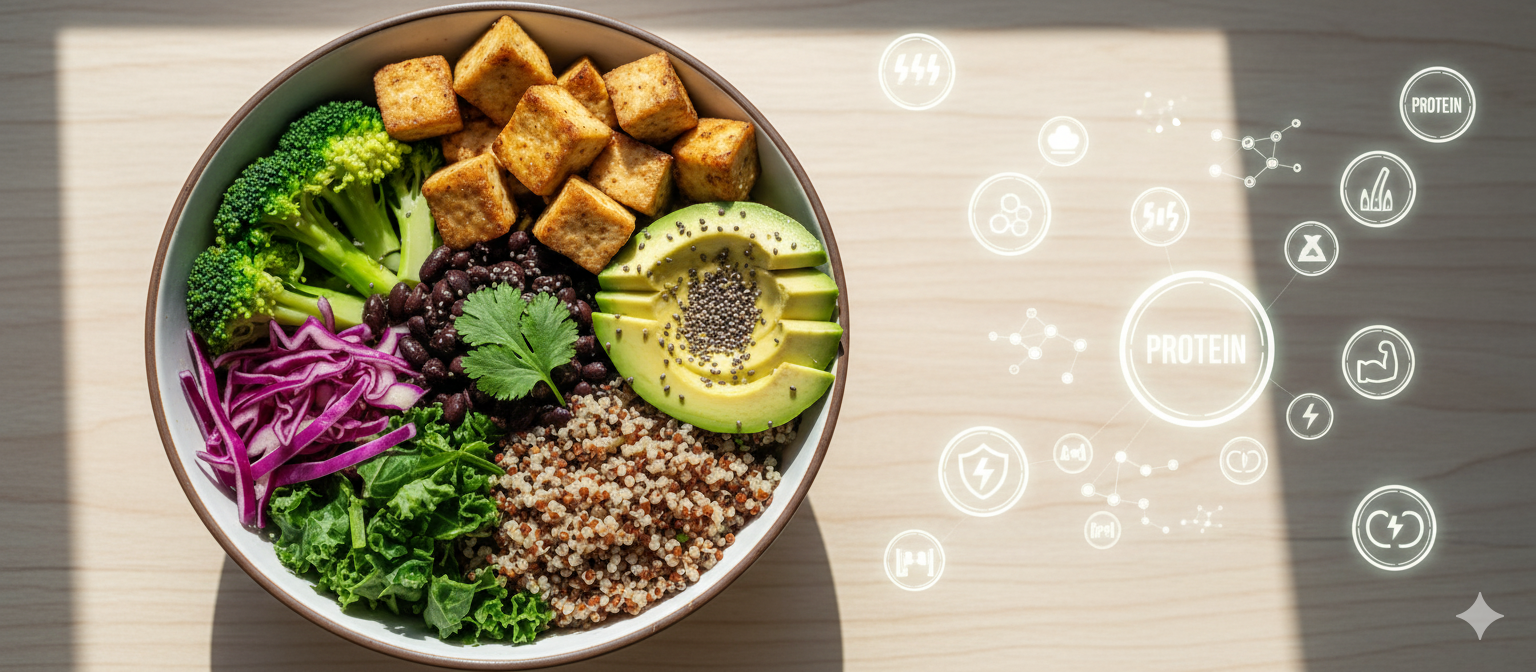
Before we talk about plant-based protein sources, let's first understand why protein itself is so essential. Every cell in your body — from muscles and skin to enzymes and hormones — is built using protein. Without it, your body simply can't grow, repair, or function properly. That's why nutrition experts often call protein the "foundation nutrient."
When you eat protein, your body breaks it down into amino acids — the tiny building blocks that keep everything running smoothly. Some amino acids can be produced naturally, but nine of them are considered essential, meaning you can only get them through food. That's where the quality of your protein source really matters.
Now, the big myth: "You can only get complete protein from meat." That used to be true decades ago, but not anymore. Modern research shows that when you combine certain plant foods — like rice and beans, or hummus and whole-grain pita — you can get all nine essential amino acids in perfect balance. Even single plant sources like quinoa, soy, buckwheat, and chia seeds are complete proteins by themselves.
Here's the thing: it's not just about quantity. Most people already eat enough protein. What matters more is quality — how clean and digestible it is. Animal-based proteins often come with cholesterol, saturated fat, and hormones that can cause inflammation or sluggish digestion. On the other hand, plant-based proteins are lighter, packed with fiber, and help your gut process nutrients more efficiently.
Another overlooked benefit of plant protein is how it affects energy. Animal protein takes longer to digest and often leaves you feeling heavy or tired afterward. In contrast, plant-based sources release energy more steadily, keeping you alert, focused, and active throughout the day. That's one reason many athletes and fitness enthusiasts are making the switch — it's not just ethical or environmental, it's physical performance.
Protein also plays a big role in metabolism. When you eat enough of it, your body burns more calories just to digest and absorb it. That means a protein-rich meal plan naturally supports fat loss and lean muscle maintenance. Add in the fact that plant-based proteins are lower in calories but high in nutrients, and you've got a formula for sustainable, long-term health.
Muscles need protein to grow and recover.
Hormones need protein to stay balanced.
Skin and hair need protein to stay healthy.
The brain needs protein for focus and neurotransmitter production.
Whether you're lifting weights, managing stress, or just trying to stay sharp at work, protein keeps you functioning at your best. And when that protein comes from clean, natural plant sources, your body — and the planet — both win.
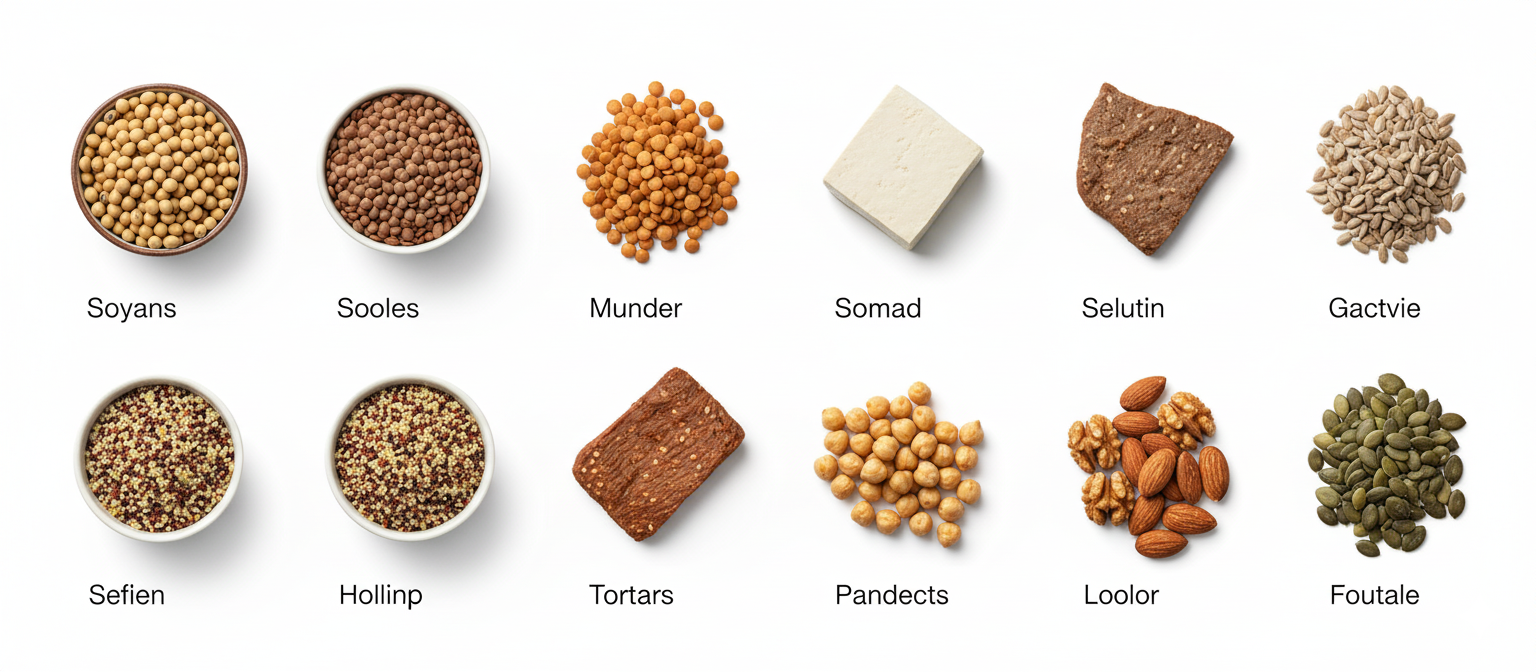
If you're trying to cut back on meat without losing out on protein, the good news is that 2025 has made plant-based eating easier than ever. Supermarkets, cafés, and even fast-food chains now carry high-protein, plant-powered options that actually taste great. But before you grab a random "vegan burger," let's break down the best natural sources of plant protein — the kind that truly nourishes your body.
Lentils are small but mighty. Just one cup contains about 18 grams of protein, plus a hefty dose of fiber that keeps your digestion smooth and steady. They also help regulate blood sugar and support heart health. Red, brown, or green — all types are great for soups, curries, and salads.
Chickpeas are a protein superstar, delivering around 15 grams per cup. They're also rich in iron, folate, and magnesium — essential for energy and recovery. Blend them into hummus, toss them on salads, or roast them as a crunchy snack.
Unlike most grains, quinoa is a complete protein, meaning it has all nine essential amino acids. With about 8 grams of protein per cup, it's ideal as a rice substitute or breakfast base. Plus, it's naturally gluten-free and packed with antioxidants.
Made from soybeans, these are two of the most protein-dense vegan foods. Tofu provides around 10 grams per 100 grams, while tempeh offers even more — nearly 19 grams. They absorb flavor beautifully, making them perfect for stir-fries, wraps, or grilled dishes.
Tiny but powerful, chia and hemp seeds pack a serious punch. Hemp seeds provide all essential amino acids and about 10 grams of protein per three tablespoons. Chia seeds, though slightly lower in protein, deliver fiber, omega-3s, and hydration benefits. Add them to smoothies, oats, or yogurt bowls.
These young soybeans are not only fun to eat but also rich in high-quality protein (17 grams per cup). They're an excellent snack, salad topping, or side dish, especially when lightly salted or steamed.
A favorite among vegetarians, seitan is made from wheat gluten and delivers a massive 25 grams of protein per 100 grams. It's chewy and savory — a great substitute for chicken or beef in stir-fries or sandwiches.
In short, the plant-based world has evolved far beyond salads and smoothies. Today's high-protein foods are smart, diverse, and delicious. Whether you're vegan, flexitarian, or just health-conscious, adding these power-packed ingredients to your daily meals is a simple way to build strength and stay energized — without relying on meat.
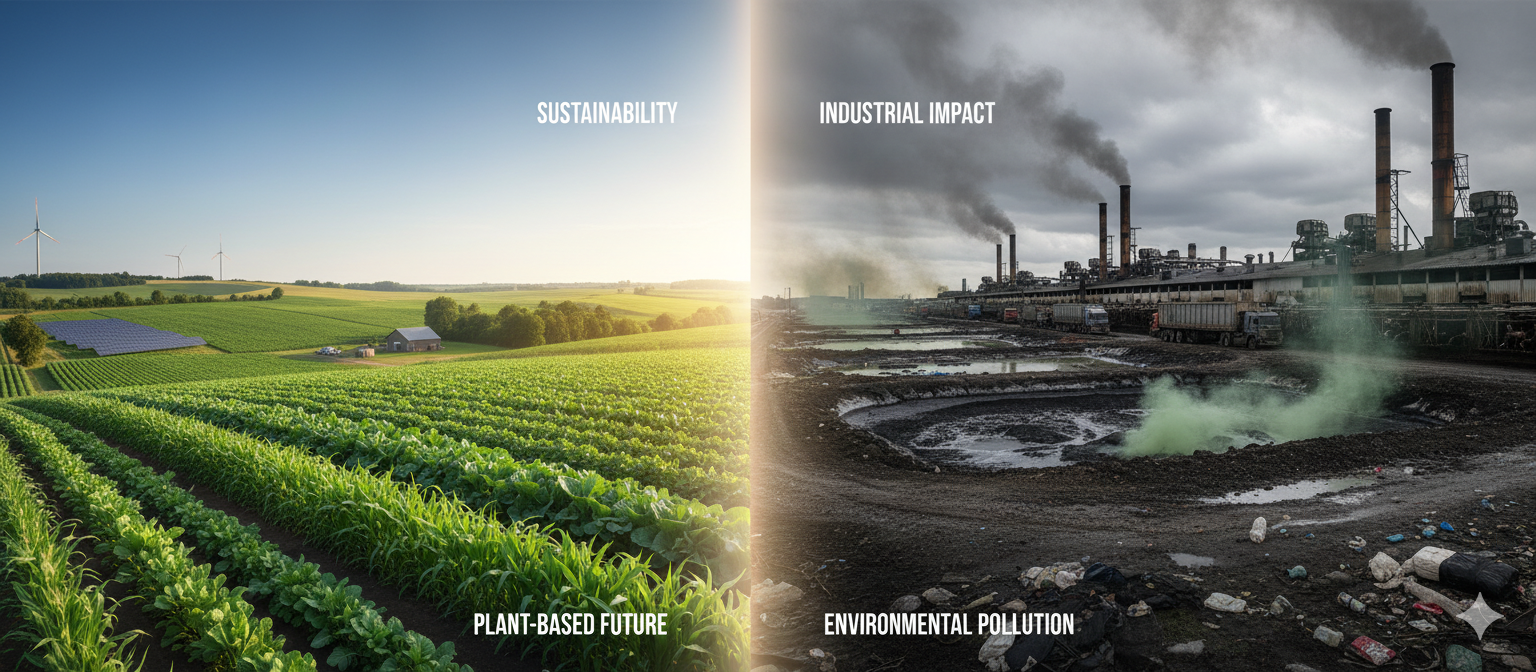
Here's the thing: eating isn't just a personal choice anymore — it's a global one. Every bite you take has an impact on the planet, and this is where plant-based protein really shines. In 2025, environmental awareness has shifted from being a trend to being a responsibility. Choosing plant protein over meat isn't just about your health; it's also about protecting the earth and the lives that share it.
Let's start with the numbers. According to recent studies, producing just 1 kilogram of beef requires nearly 15,000 liters of water and releases a massive amount of carbon dioxide. Compare that to lentils, which use less than 1,500 liters and generate 90% fewer emissions. The difference is staggering. By simply swapping one meat-based meal for a plant-based one each day, you can cut your food-related carbon footprint by nearly 40%.
But it's not just about emissions. Livestock farming also contributes to deforestation, water pollution, and loss of biodiversity. Rainforests — often called the lungs of our planet — are being cleared to create space for cattle ranches and animal feed crops. In contrast, plant-based farming is far more efficient. You can grow significantly more food using the same amount of land, feeding more people with fewer resources.
Ethically, plant-based proteins also address a growing concern about animal welfare. Millions of animals are raised in crowded, stressful environments solely for meat production. By choosing plant alternatives, consumers are voting for a more humane food system — one that values sustainability and compassion over convenience.
Interestingly, the shift toward plant protein has also fueled innovation. In 2025, the market for lab-grown meat, fermented protein, and mycoprotein (protein from fungi) has exploded. These technologies mimic the taste and texture of real meat but with a fraction of the environmental cost. While still in development, they represent a powerful step toward a cleaner, cruelty-free future.
What this really means is that your diet is a form of activism. When you choose quinoa over chicken or lentils over lamb, you're not just feeding yourself — you're shaping the future of food. You're helping reduce climate change, conserve water, and protect ecosystems.
So yes, going plant-based can transform your health. But it also does something bigger — it makes you part of the global solution. And that's the kind of self-care that goes far beyond your plate.

Switching to plant-based protein isn't just a lifestyle choice — it's one of the smartest health upgrades you can make in 2025. While animal protein has its place, research now clearly shows that diets centered on plants can boost your energy, protect your heart, and even help you live longer. Let's break down how that works.
Animal proteins often come with hidden baggage — cholesterol, saturated fat, and hormones. Over time, these can clog arteries and raise the risk of heart disease. Plant proteins, on the other hand, contain zero cholesterol and are naturally rich in fiber. Lentils, beans, soy, and nuts help lower LDL (bad) cholesterol while improving HDL (good) cholesterol, keeping your blood pressure and circulation healthy.
One of the biggest advantages of plant-based proteins is their fiber content. Unlike meat, which has none, plant foods support digestion and help your gut bacteria thrive. A balanced gut microbiome improves immunity, reduces bloating, and even enhances mood. Think of it as feeding your "second brain."
If you've struggled with stubborn weight, plant-based proteins can be a game-changer. They're lower in calories but more filling, meaning you eat less without feeling deprived. Studies show that people who switch to a plant-based diet often lose weight naturally — not because they eat less, but because their metabolism becomes more efficient.
Many people report feeling lighter and more energetic after switching from meat to plants. That's because plant proteins are easier to digest and rich in antioxidants that fight inflammation. Chronic inflammation can lead to fatigue, joint pain, and premature aging — all of which plant foods help combat.
Research continues to link plant-based diets with lower risks of diabetes, cancer, and hypertension. The antioxidants, vitamins, and minerals found in legumes, grains, nuts, and seeds protect your cells from oxidative stress — the root cause of many chronic illnesses.
What this really means is: you don't need to give up flavor or satisfaction to feel healthy. You just need to fuel your body with cleaner, smarter sources of protein. The transition doesn't have to be extreme — even replacing two or three meat-based meals a week with plant alternatives can lead to noticeable results in a few months.
In short, plant-based proteins don't just help you survive — they help you thrive.
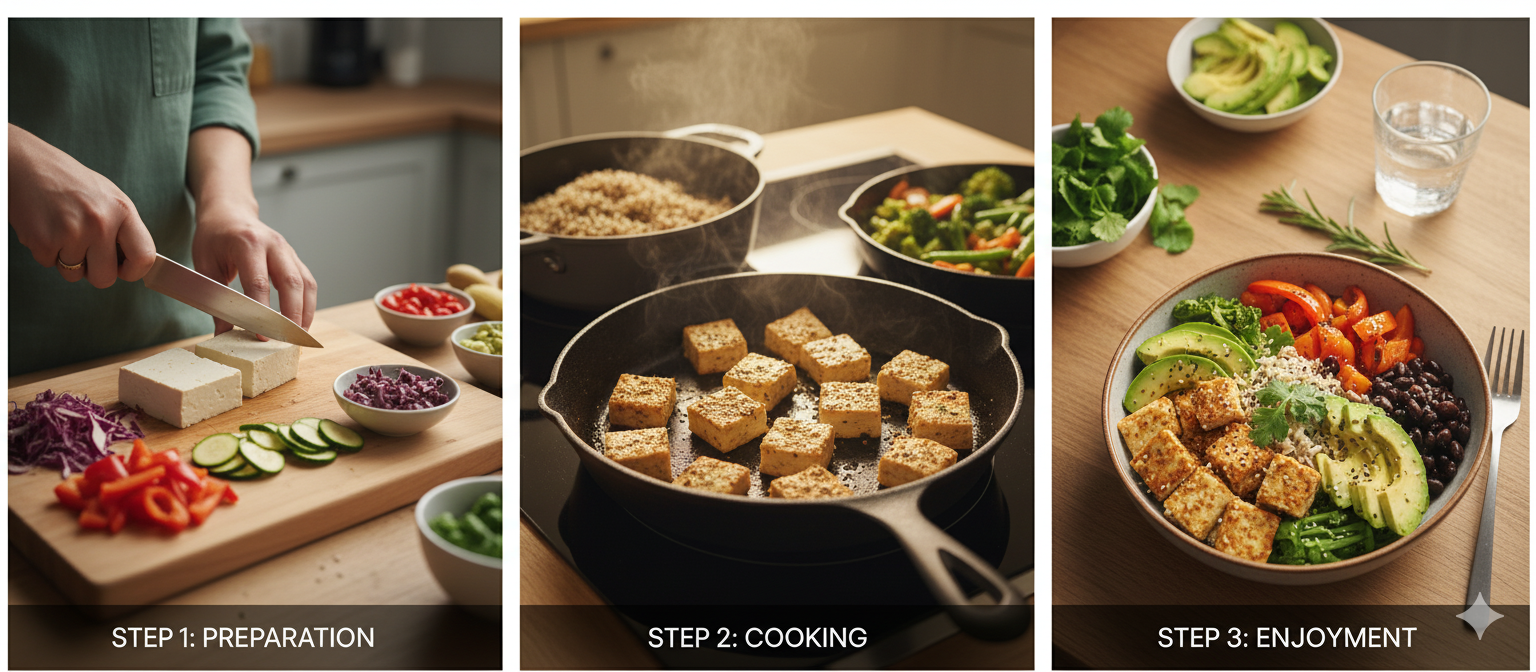
Switching to a plant-based protein diet doesn't have to be complicated. You don't need to throw away everything in your fridge overnight or suddenly become vegan. The goal is to make small, smart swaps that fit your lifestyle. Here's a step-by-step guide to help you ease into it smoothly — and actually enjoy the process.
Begin small. Replace just one meat-heavy meal with a plant-based option. For breakfast, swap scrambled eggs for a protein smoothie with soy milk, chia seeds, and oats. For lunch, try a quinoa and chickpea bowl. Once you're comfortable, add another plant-based meal to your routine.
Not all plants contain all essential amino acids, but you can easily combine foods to make complete proteins. For example, rice and beans, hummus with pita, or lentil soup with whole-grain bread are perfect pairs. The key is variety — mixing legumes, grains, nuts, and seeds ensures your body gets everything it needs.
A successful transition starts in the pantry. Keep lentils, quinoa, beans, tofu, tempeh, nuts, and seeds on hand. Replace animal products gradually — choose almond or oat milk instead of dairy, and use olive oil or avocado instead of butter.
Plant-based food isn't boring; it's diverse and full of global inspiration. Explore cuisines that naturally focus on plant proteins — like Indian dal, Thai tofu curry, or Mediterranean hummus wraps. The more flavors you try, the easier it becomes to stick with it.
If you're an athlete or someone who struggles to hit daily protein goals, consider supplementing with plant protein powders. Look for blends made from peas, brown rice, or hemp that offer complete amino acid profiles without artificial additives.
Your body might take a week or two to adapt to the increased fiber. Stay hydrated, and don't panic if digestion feels different at first — it's part of the process. Over time, your energy, skin, and overall wellness will noticeably improve.
Use apps or journals to track how your energy, mood, and digestion change. Seeing measurable improvements will keep you motivated.
Transitioning to plant-based eating is not about restriction; it's about evolution. Every small change counts. You're not just improving your health — you're taking part in a global shift toward smarter, more sustainable living.
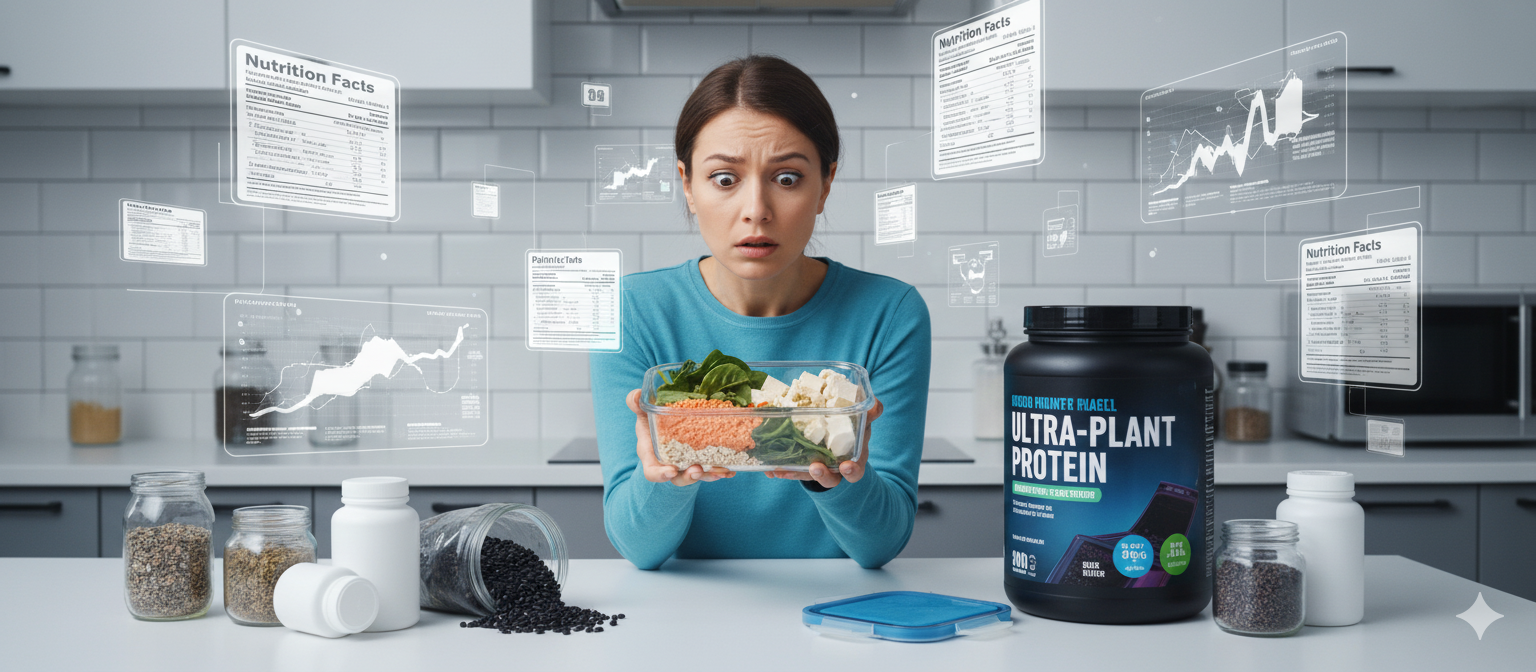
Going plant-based is one of the best choices you can make for your health — but like any change, it comes with a few learning curves. Many people dive in with excitement but end up feeling tired, bloated, or even unmotivated after a few weeks. The problem usually isn't the diet itself — it's how it's done. Here are the most common mistakes people make when switching to plant-based protein (and how to fix them).
A big misconception is that plants don't have enough protein. They do — but you have to eat the right portions and combinations. For instance, ½ cup of lentils gives about 9 grams of protein, while tofu and tempeh provide even more. Make sure each meal has a protein-rich source like beans, quinoa, or nuts to meet your daily needs.
Not all plant proteins contain all nine essential amino acids. If you only eat one type of food (like rice or lentils alone), your body might miss some building blocks. The solution? Pair different sources — rice with beans, hummus with pita, or peanut butter on whole-grain toast. Variety is key.
The market is full of "fake meats" that promise flavor and convenience. While they're fine occasionally, many are high in sodium, oils, and preservatives. Overeating them can defeat the purpose of going plant-based. Focus on whole foods first — the real nutrition comes from nature, not a factory.
Protein is just one piece of the puzzle. You still need enough iron, vitamin B12, omega-3 fatty acids, and calcium — nutrients often found in meat or dairy. Make sure to include fortified plant milks, leafy greens, nuts, seeds, and supplements if needed.
A plant-based diet is higher in fiber, which is great for digestion — but it also increases your need for hydration. Without enough water, fiber can cause bloating and constipation. Aim for at least 2–3 liters of water daily.
Many people quit too soon because they don't see quick results. Remember — your body is adjusting to a new way of eating. Give it at least a month to adapt before judging the outcome.
Plant-based doesn't mean plain. Use herbs, spices, and sauces to keep meals exciting. Food should still feel joyful, not restrictive.
Avoiding these mistakes will make your plant-based journey easier, more enjoyable, and more sustainable. The goal isn't perfection — it's progress. Focus on consistency, not comparison, and let your body thank you in the long run.
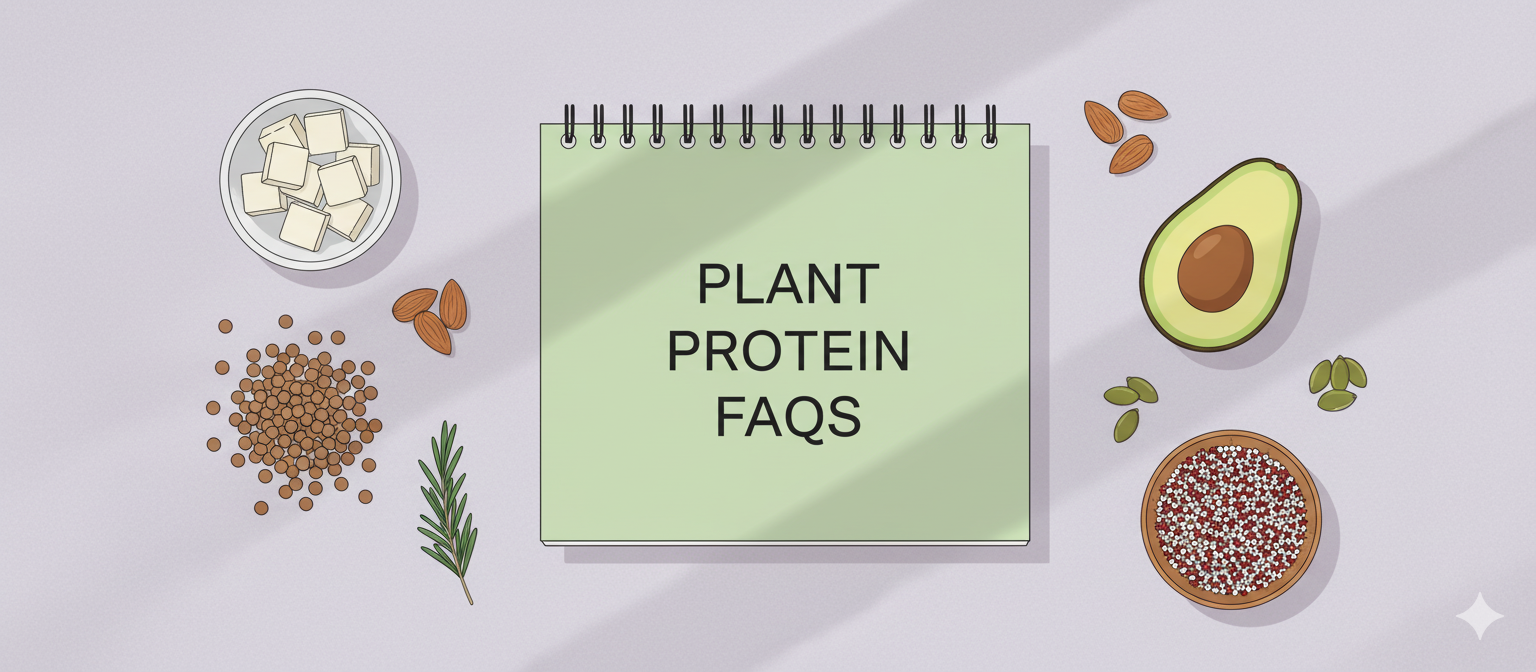
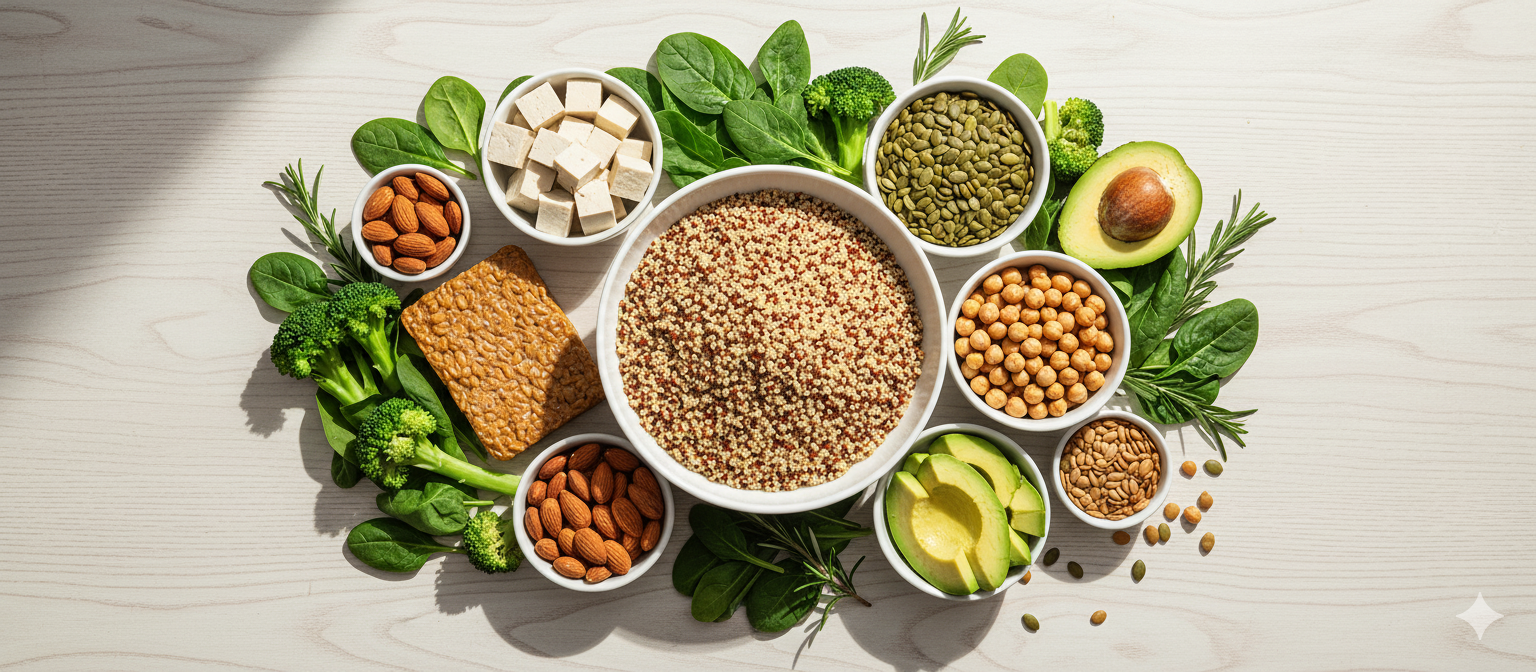
Some of the best plant-based protein sources include lentils, chickpeas, quinoa, tofu, tempeh, edamame, seitan, nuts, and seeds. These foods not only provide essential amino acids but also contain fiber, vitamins, and minerals that support overall health.
Yes. While most single plant proteins (except soy and quinoa) aren't "complete" on their own, combining different sources — like rice and beans or hummus and whole-grain bread — provides all essential amino acids your body needs.
Protein needs vary by age, gender, and activity level, but generally, adults should aim for 0.8–1 gram of protein per kilogram of body weight. If you're active or building muscle, you may need more — easily achievable with a balanced plant-based diet.
In many cases, yes. Studies show that diets rich in plant protein can reduce the risk of heart disease, obesity, and type 2 diabetes. Plant proteins come with fiber and antioxidants and are typically lower in saturated fat compared to animal sources.
Absolutely. Many athletes thrive on plant-based diets. The key is eating enough calories and including a variety of protein-rich foods like soy, legumes, and whole grains. You can also supplement with plant protein powders if needed.
Yes. Plant-based proteins are high in fiber and help you feel full longer, which supports weight control. Foods like lentils, beans, and tofu can be very effective in managing appetite and promoting fat loss when combined with a healthy lifestyle.
If you're new to plant-based eating, start with familiar options like tofu, tempeh, or veggie burgers. They're easy to cook, versatile, and can mimic the texture of meat in many dishes. Gradually try lentil stews, chickpea curries, or quinoa bowls.
Plant foods provide non-heme iron, which is less easily absorbed than the iron from meat — but you can improve absorption by eating vitamin C-rich foods (like citrus or tomatoes) alongside. For vitamin B12, it's best to take a supplement or consume fortified foods.
Not always. While they're convenient, some plant-based meats are high in sodium, oils, or additives. They're fine occasionally, but your main protein should come from whole-food sources like lentils, beans, and tofu for better long-term health.
Start small. Replace one meat meal per day with a plant-based option. For example, try lentil curry instead of chicken curry or tofu stir-fry instead of beef. Gradually increase your plant-based meals as you explore more recipes and flavors.
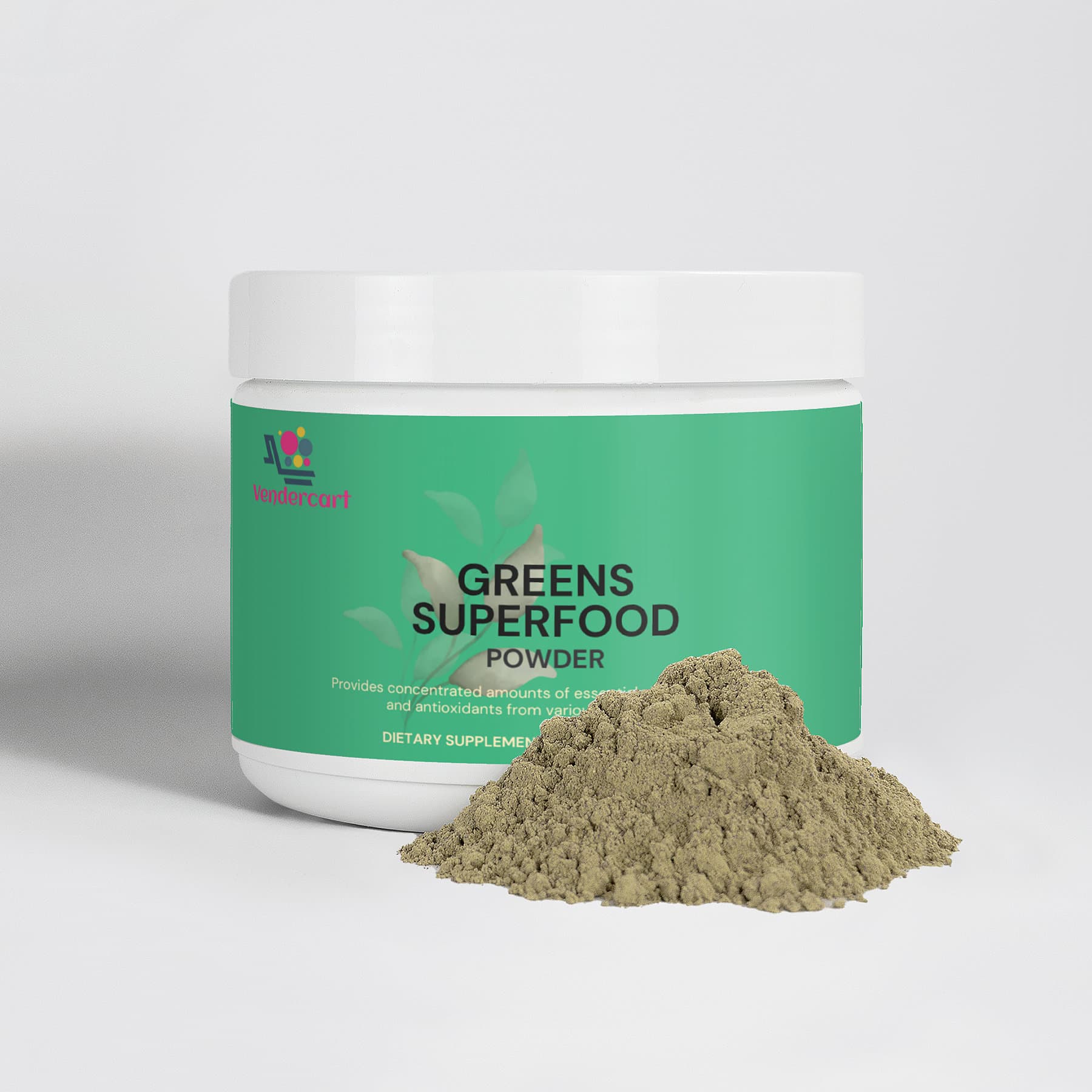
We’ve recommended two trusted plant-based protein products below to help you start strong. They’re perfect for beginners who want convenient, high-quality nutrition without sacrificing taste.
Discover why Sleep Therapy and the “bed-rotting” trend are redefining self-care in 2025. Learn how rest improves mental health, focus, and balance.
Here’s the thing — plants can easily provide all the protein your body needs if you know what to eat. Let’s break down the best meat-free alternatives that keep your meals balanced, tasty, and full of energy.
For decades, meat has been considered the ultimate symbol of strength, energy, and good health. Most people grow up believing that without chicken, beef, or fish, their diet will always be incomplete. But here’s the truth — that mindset is changing fast. Around the world, millions of people are rethinking what “healthy eating” really means, and plant-based protein is leading that shift.
People are no longer turning vegetarian just for ethical reasons. Today, the move toward plant-based living is backed by science, environment, and even performance. Research after research proves that plant proteins can offer all the amino acids your body needs — without the cholesterol, saturated fat, or inflammation caused by excessive meat consumption. The result? You get clean energy, faster recovery, and better long-term health.
Let’s start with why this matters. Protein is not just about building muscle. It’s the raw material your body uses to repair cells, create hormones, strengthen your immune system, and maintain healthy skin and hair. Every movement, thought, and heartbeat depends on it. So when you switch from animal to plant protein, it’s not about losing anything — it’s about choosing smarter fuel for your body.
One of the biggest misconceptions people have is that plant-based diets lack protein. That’s not true at all. Nature provides an incredible variety of protein sources — from lentils and chickpeas to tofu, quinoa, and even green peas. These foods are not only protein-rich but also packed with fiber, antioxidants, vitamins, and minerals that animal products simply don’t have. Think of them as multi-benefit superfoods that work with your body, not against it.
Here’s the interesting part: when you eat plants, you’re not just feeding yourself — you’re also protecting the planet. Livestock farming is one of the biggest contributors to greenhouse gases, deforestation, and water pollution. By reducing meat consumption, even slightly, you help cut down environmental damage. Imagine millions of people making small plant-based choices every week. The combined impact on the planet would be massive.
But let’s keep it real — the transition isn’t always easy. Most people love the taste and texture of meat, and they’re afraid plant-based options won’t satisfy their cravings. The good news is that modern food science has changed that completely. Today, you can find meat alternatives that look, cook, and taste just like the real thing — from soy-based nuggets to pea protein burgers that even grill with a smoky flavor. These products are designed to make the switch simple without sacrificing taste or nutrition.
Another reason plant-based diets are getting popular is performance. Top athletes like Lewis Hamilton, Novak Djokovic, and Venus Williams all follow plant-based diets and openly talk about the benefits — faster recovery, better focus, and more endurance. Even fitness trainers now recommend plant proteins like tofu, tempeh, and edamame because they digest better, reduce inflammation, and help muscles recover more efficiently after workouts.
What this really means is that plant-based eating isn’t just a “trend.” It’s a smarter way to fuel your body in the long term. You don’t have to become a strict vegan overnight. Even replacing one or two meat-based meals per week with plant alternatives can make a visible difference in your energy levels, digestion, and skin health.
Let’s talk about taste for a second. People often assume that healthy food is boring. But plant-based cooking proves that wrong. From spicy lentil curries to creamy chickpea bowls, vibrant salads, or smoky seitan tacos — there’s a world of flavor waiting beyond meat. In fact, once you start experimenting with herbs, spices, and textures, you’ll realize plant-based meals can be far more exciting and diverse than the typical chicken-and-rice routine.
Still, balance is key. Going plant-based isn’t about cutting out everything you love — it’s about replacing wisely. For example, if you used to eat grilled chicken, try grilled tofu or tempeh with the same seasoning. If you love protein shakes, switch to a clean pea or hemp protein powder. It’s not a restriction, it’s an upgrade.
The modern diet is evolving. People want food that’s clean, sustainable, and energizing — not heavy and processed. Plant-based proteins check all those boxes. They’re light on the stomach, kind to the environment, and powerful enough to support your fitness goals. So whether you’re trying to lose weight, gain muscle, or simply feel healthier, this lifestyle offers a path that’s better for both your body and the planet.
In this guide, we’ll explore the best meat-free protein sources, how to balance your diet properly, and the top products experts recommend to help you start strong. By the end, you’ll see that going plant-based doesn’t mean missing out on anything — it means discovering a smarter, cleaner, and more sustainable way to eat.
Why Protein Matters in Your Diet?
Before we talk about plant-based protein sources, let's first understand why protein itself is so essential. Every cell in your body — from muscles and skin to enzymes and hormones — is built using protein. Without it, your body simply can't grow, repair, or function properly. That's why nutrition experts often call protein the "foundation nutrient."
When you eat protein, your body breaks it down into amino acids — the tiny building blocks that keep everything running smoothly. Some amino acids can be produced naturally, but nine of them are considered essential, meaning you can only get them through food. That's where the quality of your protein source really matters.
Now, the big myth: "You can only get complete protein from meat." That used to be true decades ago, but not anymore. Modern research shows that when you combine certain plant foods — like rice and beans, or hummus and whole-grain pita — you can get all nine essential amino acids in perfect balance. Even single plant sources like quinoa, soy, buckwheat, and chia seeds are complete proteins by themselves.
Here's the thing: it's not just about quantity. Most people already eat enough protein. What matters more is quality — how clean and digestible it is. Animal-based proteins often come with cholesterol, saturated fat, and hormones that can cause inflammation or sluggish digestion. On the other hand, plant-based proteins are lighter, packed with fiber, and help your gut process nutrients more efficiently.
Another overlooked benefit of plant protein is how it affects energy. Animal protein takes longer to digest and often leaves you feeling heavy or tired afterward. In contrast, plant-based sources release energy more steadily, keeping you alert, focused, and active throughout the day. That's one reason many athletes and fitness enthusiasts are making the switch — it's not just ethical or environmental, it's physical performance.
Protein also plays a big role in metabolism. When you eat enough of it, your body burns more calories just to digest and absorb it. That means a protein-rich meal plan naturally supports fat loss and lean muscle maintenance. Add in the fact that plant-based proteins are lower in calories but high in nutrients, and you've got a formula for sustainable, long-term health.
Let's simplify it:
Muscles need protein to grow and recover.
Hormones need protein to stay balanced.
Skin and hair need protein to stay healthy.
The brain needs protein for focus and neurotransmitter production.
Whether you're lifting weights, managing stress, or just trying to stay sharp at work, protein keeps you functioning at your best. And when that protein comes from clean, natural plant sources, your body — and the planet — both win.
Top Plant-Based Protein Sources You Should Know (2025 Edition).
If you're trying to cut back on meat without losing out on protein, the good news is that 2025 has made plant-based eating easier than ever. Supermarkets, cafés, and even fast-food chains now carry high-protein, plant-powered options that actually taste great. But before you grab a random "vegan burger," let's break down the best natural sources of plant protein — the kind that truly nourishes your body.
1. Lentils
Lentils are small but mighty. Just one cup contains about 18 grams of protein, plus a hefty dose of fiber that keeps your digestion smooth and steady. They also help regulate blood sugar and support heart health. Red, brown, or green — all types are great for soups, curries, and salads.
2. Chickpeas (Garbanzo Beans)
Chickpeas are a protein superstar, delivering around 15 grams per cup. They're also rich in iron, folate, and magnesium — essential for energy and recovery. Blend them into hummus, toss them on salads, or roast them as a crunchy snack.
3. Quinoa
Unlike most grains, quinoa is a complete protein, meaning it has all nine essential amino acids. With about 8 grams of protein per cup, it's ideal as a rice substitute or breakfast base. Plus, it's naturally gluten-free and packed with antioxidants.
4. Tofu and Tempeh
Made from soybeans, these are two of the most protein-dense vegan foods. Tofu provides around 10 grams per 100 grams, while tempeh offers even more — nearly 19 grams. They absorb flavor beautifully, making them perfect for stir-fries, wraps, or grilled dishes.
5. Chia Seeds and Hemp Seeds
Tiny but powerful, chia and hemp seeds pack a serious punch. Hemp seeds provide all essential amino acids and about 10 grams of protein per three tablespoons. Chia seeds, though slightly lower in protein, deliver fiber, omega-3s, and hydration benefits. Add them to smoothies, oats, or yogurt bowls.
6. Edamame
These young soybeans are not only fun to eat but also rich in high-quality protein (17 grams per cup). They're an excellent snack, salad topping, or side dish, especially when lightly salted or steamed.
7. Seitan (Wheat Meat)
A favorite among vegetarians, seitan is made from wheat gluten and delivers a massive 25 grams of protein per 100 grams. It's chewy and savory — a great substitute for chicken or beef in stir-fries or sandwiches.
In short, the plant-based world has evolved far beyond salads and smoothies. Today's high-protein foods are smart, diverse, and delicious. Whether you're vegan, flexitarian, or just health-conscious, adding these power-packed ingredients to your daily meals is a simple way to build strength and stay energized — without relying on meat.
The Environmental and Ethical Impact of Plant-Based Proteins.
Here's the thing: eating isn't just a personal choice anymore — it's a global one. Every bite you take has an impact on the planet, and this is where plant-based protein really shines. In 2025, environmental awareness has shifted from being a trend to being a responsibility. Choosing plant protein over meat isn't just about your health; it's also about protecting the earth and the lives that share it.
Let's start with the numbers. According to recent studies, producing just 1 kilogram of beef requires nearly 15,000 liters of water and releases a massive amount of carbon dioxide. Compare that to lentils, which use less than 1,500 liters and generate 90% fewer emissions. The difference is staggering. By simply swapping one meat-based meal for a plant-based one each day, you can cut your food-related carbon footprint by nearly 40%.
But it's not just about emissions. Livestock farming also contributes to deforestation, water pollution, and loss of biodiversity. Rainforests — often called the lungs of our planet — are being cleared to create space for cattle ranches and animal feed crops. In contrast, plant-based farming is far more efficient. You can grow significantly more food using the same amount of land, feeding more people with fewer resources.
Ethically, plant-based proteins also address a growing concern about animal welfare. Millions of animals are raised in crowded, stressful environments solely for meat production. By choosing plant alternatives, consumers are voting for a more humane food system — one that values sustainability and compassion over convenience.
Interestingly, the shift toward plant protein has also fueled innovation. In 2025, the market for lab-grown meat, fermented protein, and mycoprotein (protein from fungi) has exploded. These technologies mimic the taste and texture of real meat but with a fraction of the environmental cost. While still in development, they represent a powerful step toward a cleaner, cruelty-free future.
What this really means is that your diet is a form of activism. When you choose quinoa over chicken or lentils over lamb, you're not just feeding yourself — you're shaping the future of food. You're helping reduce climate change, conserve water, and protect ecosystems.
So yes, going plant-based can transform your health. But it also does something bigger — it makes you part of the global solution. And that's the kind of self-care that goes far beyond your plate.
Health Benefits of Switching to Plant-Based Protein.
Switching to plant-based protein isn't just a lifestyle choice — it's one of the smartest health upgrades you can make in 2025. While animal protein has its place, research now clearly shows that diets centered on plants can boost your energy, protect your heart, and even help you live longer. Let's break down how that works.
1. Heart Health & Cholesterol Control
Animal proteins often come with hidden baggage — cholesterol, saturated fat, and hormones. Over time, these can clog arteries and raise the risk of heart disease. Plant proteins, on the other hand, contain zero cholesterol and are naturally rich in fiber. Lentils, beans, soy, and nuts help lower LDL (bad) cholesterol while improving HDL (good) cholesterol, keeping your blood pressure and circulation healthy.
2. Better Digestion & Gut Health
One of the biggest advantages of plant-based proteins is their fiber content. Unlike meat, which has none, plant foods support digestion and help your gut bacteria thrive. A balanced gut microbiome improves immunity, reduces bloating, and even enhances mood. Think of it as feeding your "second brain."
3. Weight Management & Fat Loss
If you've struggled with stubborn weight, plant-based proteins can be a game-changer. They're lower in calories but more filling, meaning you eat less without feeling deprived. Studies show that people who switch to a plant-based diet often lose weight naturally — not because they eat less, but because their metabolism becomes more efficient.
4. More Energy & Reduced Inflammation
Many people report feeling lighter and more energetic after switching from meat to plants. That's because plant proteins are easier to digest and rich in antioxidants that fight inflammation. Chronic inflammation can lead to fatigue, joint pain, and premature aging — all of which plant foods help combat.
5. Longevity & Disease Prevention
Research continues to link plant-based diets with lower risks of diabetes, cancer, and hypertension. The antioxidants, vitamins, and minerals found in legumes, grains, nuts, and seeds protect your cells from oxidative stress — the root cause of many chronic illnesses.
What this really means is: you don't need to give up flavor or satisfaction to feel healthy. You just need to fuel your body with cleaner, smarter sources of protein. The transition doesn't have to be extreme — even replacing two or three meat-based meals a week with plant alternatives can lead to noticeable results in a few months.
In short, plant-based proteins don't just help you survive — they help you thrive.
How to Transition to a Plant-Based Protein Diet (Step-by-Step Guide).
Switching to a plant-based protein diet doesn't have to be complicated. You don't need to throw away everything in your fridge overnight or suddenly become vegan. The goal is to make small, smart swaps that fit your lifestyle. Here's a step-by-step guide to help you ease into it smoothly — and actually enjoy the process.
1. Start with One Plant-Based Meal a Day
Begin small. Replace just one meat-heavy meal with a plant-based option. For breakfast, swap scrambled eggs for a protein smoothie with soy milk, chia seeds, and oats. For lunch, try a quinoa and chickpea bowl. Once you're comfortable, add another plant-based meal to your routine.
2. Learn the Basics of Protein Pairing
Not all plants contain all essential amino acids, but you can easily combine foods to make complete proteins. For example, rice and beans, hummus with pita, or lentil soup with whole-grain bread are perfect pairs. The key is variety — mixing legumes, grains, nuts, and seeds ensures your body gets everything it needs.
3. Stock Your Kitchen Smartly
A successful transition starts in the pantry. Keep lentils, quinoa, beans, tofu, tempeh, nuts, and seeds on hand. Replace animal products gradually — choose almond or oat milk instead of dairy, and use olive oil or avocado instead of butter.
4. Try New Recipes & Flavors
Plant-based food isn't boring; it's diverse and full of global inspiration. Explore cuisines that naturally focus on plant proteins — like Indian dal, Thai tofu curry, or Mediterranean hummus wraps. The more flavors you try, the easier it becomes to stick with it.
5. Use Plant-Based Protein Powders (If Needed)
If you're an athlete or someone who struggles to hit daily protein goals, consider supplementing with plant protein powders. Look for blends made from peas, brown rice, or hemp that offer complete amino acid profiles without artificial additives.
6. Be Patient with the Adjustment Period
Your body might take a week or two to adapt to the increased fiber. Stay hydrated, and don't panic if digestion feels different at first — it's part of the process. Over time, your energy, skin, and overall wellness will noticeably improve.
7. Track Your Progress
Use apps or journals to track how your energy, mood, and digestion change. Seeing measurable improvements will keep you motivated.
Transitioning to plant-based eating is not about restriction; it's about evolution. Every small change counts. You're not just improving your health — you're taking part in a global shift toward smarter, more sustainable living.
Common Mistakes People Make with Plant-Based Protein.
Going plant-based is one of the best choices you can make for your health — but like any change, it comes with a few learning curves. Many people dive in with excitement but end up feeling tired, bloated, or even unmotivated after a few weeks. The problem usually isn't the diet itself — it's how it's done. Here are the most common mistakes people make when switching to plant-based protein (and how to fix them).
1. Not Eating Enough Protein
A big misconception is that plants don't have enough protein. They do — but you have to eat the right portions and combinations. For instance, ½ cup of lentils gives about 9 grams of protein, while tofu and tempeh provide even more. Make sure each meal has a protein-rich source like beans, quinoa, or nuts to meet your daily needs.
2. Forgetting About Complete Proteins
Not all plant proteins contain all nine essential amino acids. If you only eat one type of food (like rice or lentils alone), your body might miss some building blocks. The solution? Pair different sources — rice with beans, hummus with pita, or peanut butter on whole-grain toast. Variety is key.
3. Relying Too Much on Processed Meat Alternatives
The market is full of "fake meats" that promise flavor and convenience. While they're fine occasionally, many are high in sodium, oils, and preservatives. Overeating them can defeat the purpose of going plant-based. Focus on whole foods first — the real nutrition comes from nature, not a factory.
4. Ignoring Nutrient Balance
Protein is just one piece of the puzzle. You still need enough iron, vitamin B12, omega-3 fatty acids, and calcium — nutrients often found in meat or dairy. Make sure to include fortified plant milks, leafy greens, nuts, seeds, and supplements if needed.
5. Not Drinking Enough Water
A plant-based diet is higher in fiber, which is great for digestion — but it also increases your need for hydration. Without enough water, fiber can cause bloating and constipation. Aim for at least 2–3 liters of water daily.
6. Expecting Instant Results
Many people quit too soon because they don't see quick results. Remember — your body is adjusting to a new way of eating. Give it at least a month to adapt before judging the outcome.
7. Forgetting to Enjoy the Food
Plant-based doesn't mean plain. Use herbs, spices, and sauces to keep meals exciting. Food should still feel joyful, not restrictive.
Avoiding these mistakes will make your plant-based journey easier, more enjoyable, and more sustainable. The goal isn't perfection — it's progress. Focus on consistency, not comparison, and let your body thank you in the long run.
FAQs About Plant-Based Protein and Meat Alternatives.
1. What are the best plant-based sources of protein?
Some of the best plant-based protein sources include lentils, chickpeas, quinoa, tofu, tempeh, edamame, seitan, nuts, and seeds. These foods not only provide essential amino acids but also contain fiber, vitamins, and minerals that support overall health.
2. Can plant-based proteins provide all essential amino acids?
Yes. While most single plant proteins (except soy and quinoa) aren't "complete" on their own, combining different sources — like rice and beans or hummus and whole-grain bread — provides all essential amino acids your body needs.
3. How much plant-based protein should I eat daily?
Protein needs vary by age, gender, and activity level, but generally, adults should aim for 0.8–1 gram of protein per kilogram of body weight. If you're active or building muscle, you may need more — easily achievable with a balanced plant-based diet.
4. Is plant protein better for health than animal protein?
In many cases, yes. Studies show that diets rich in plant protein can reduce the risk of heart disease, obesity, and type 2 diabetes. Plant proteins come with fiber and antioxidants and are typically lower in saturated fat compared to animal sources.
5. Can I build muscle with plant-based protein?
Absolutely. Many athletes thrive on plant-based diets. The key is eating enough calories and including a variety of protein-rich foods like soy, legumes, and whole grains. You can also supplement with plant protein powders if needed.
6. Are plant-based proteins suitable for weight loss?
Yes. Plant-based proteins are high in fiber and help you feel full longer, which supports weight control. Foods like lentils, beans, and tofu can be very effective in managing appetite and promoting fat loss when combined with a healthy lifestyle.
7. What's the best meat substitute for beginners?
If you're new to plant-based eating, start with familiar options like tofu, tempeh, or veggie burgers. They're easy to cook, versatile, and can mimic the texture of meat in many dishes. Gradually try lentil stews, chickpea curries, or quinoa bowls.
8. Do plant-based proteins contain enough iron and B12?
Plant foods provide non-heme iron, which is less easily absorbed than the iron from meat — but you can improve absorption by eating vitamin C-rich foods (like citrus or tomatoes) alongside. For vitamin B12, it's best to take a supplement or consume fortified foods.
9. Are processed plant-based meats healthy?
Not always. While they're convenient, some plant-based meats are high in sodium, oils, or additives. They're fine occasionally, but your main protein should come from whole-food sources like lentils, beans, and tofu for better long-term health.
10. How can I start switching from meat to plant-based protein?
Start small. Replace one meat meal per day with a plant-based option. For example, try lentil curry instead of chicken curry or tofu stir-fry instead of beef. Gradually increase your plant-based meals as you explore more recipes and flavors.
Expert-Recommended Products for Beginners.
We’ve recommended two trusted plant-based protein products below to help you start strong. They’re perfect for beginners who want convenient, high-quality nutrition without sacrificing taste.
Discover why Sleep Therapy and the “bed-rotting” trend are redefining self-care in 2025. Learn how rest improves mental health, focus, and balance.
About the Author
SM
Salman Marwari
Leading expert in health with over 15 years of experience in research and practice.