Health
2.8K reads
By Salman Marwari2025-01-2015 min read
Sleep Therapy 2025: How Bed-Rotting Became the New Self-Care.
Sleep TherapyBed-RottingSelf-CareMental HealthRestWellnessRecoveryBurnout
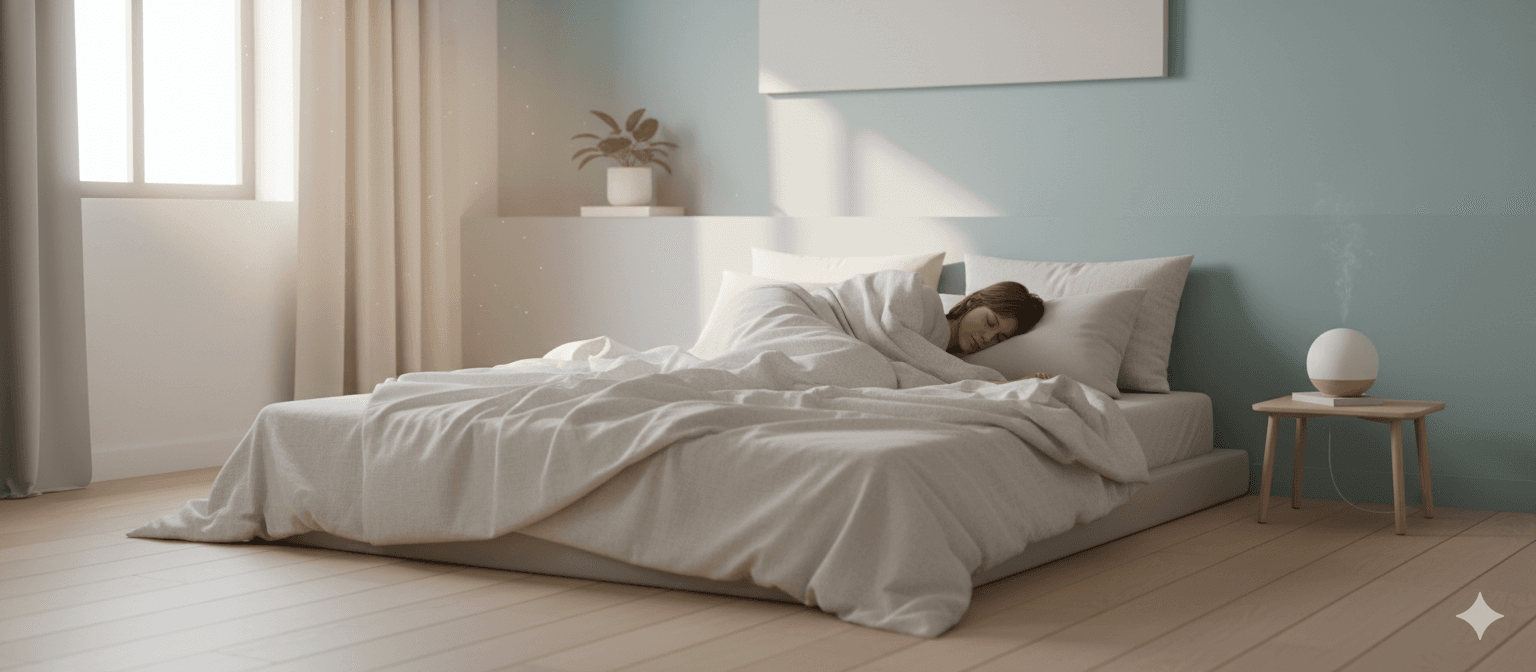
For years, the idea of lying in bed all day was labeled as lazy or unproductive. Fast-forward to 2025, and that same act is being celebrated as one of the most powerful forms of rest and mental reset. Welcome to Sleep Therapy 2025, where the once-criticized concept of bed-rotting has evolved into a globally recognized self-care ritual. It’s no longer about wasting time; it’s about reclaiming your energy, healing your mind, and allowing your body to recover from constant digital fatigue.
Let’s be honest — the past few years have been exhausting. Between endless screen time, work-from-home burnout, and the constant noise of social media, most people have forgotten what true rest feels like. That’s exactly why the bed-rotting trend went viral on TikTok and Instagram in 2024 — millions began posting clips of themselves simply lying in bed, doing nothing, unapologetically resting. What started as a funny internet moment turned into a wellness revolution. Now in 2025, sleep therapy has become one of the hottest health trends, supported by doctors, psychologists, and wellness influencers around the world.
But what is sleep therapy, really? In simple terms, it’s the intentional act of using rest — both physical and mental — as a form of recovery. It’s not just about getting 8 hours of sleep. It’s about creating a restful environment that lets your nervous system calm down, your brain process stress, and your emotions stabilize. Think of it as active rest — a deliberate pause that helps you reset your entire system. Studies in 2025 show that quality rest and controlled downtime can boost focus, creativity, and even immune health. In other words, doing nothing might actually be the most productive thing you can do.
The Fibremaxxing Diet may have taken over nutrition in 2025, but in the world of wellness, Sleep Therapy is redefining balance. We’re living in an era where people are realizing that hustle culture isn’t sustainable. Rest isn’t a reward anymore — it’s a basic human need that’s finally being respected. Whether it’s through better sleep hygiene, guided relaxation, or simply allowing yourself to “rot” in bed without guilt, people are finding freedom in slowing down.
What makes bed-rotting so unique is its psychological twist. It’s not about sleeping all day or ignoring responsibilities. It’s about listening to your body’s signals — the subtle signs of burnout, fatigue, and emotional exhaustion — and giving yourself permission to rest before your body forces you to. Sleep therapists and behavioral experts in 2025 emphasize that strategic rest helps prevent chronic stress, anxiety, and even decision fatigue. In essence, bed-rotting is the human way of pressing pause in a world that never stops spinning.
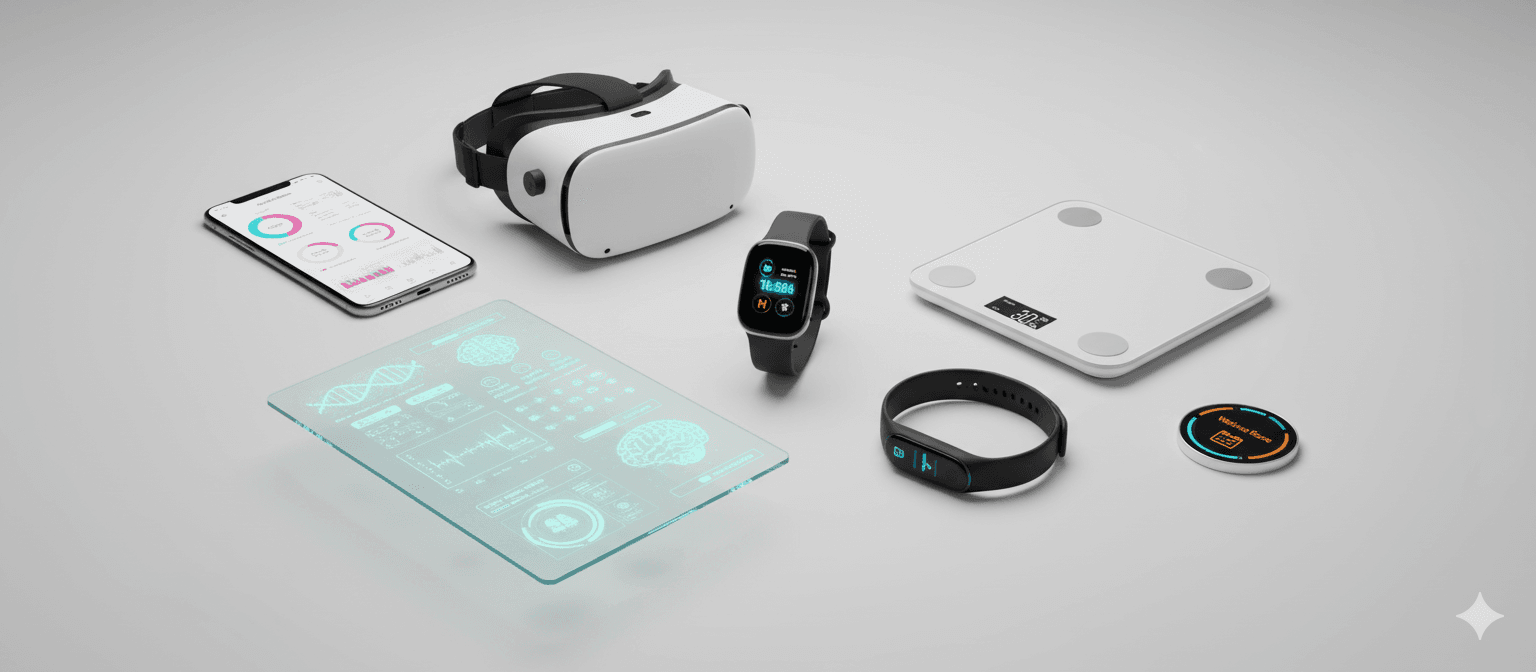
And here’s the thing: technology is catching up. From AI-powered sleep trackers that analyze your REM cycles to smart mattresses that adjust firmness based on your stress levels, the sleep tech market is booming. This trend is not just emotional — it’s scientific and data-driven. People are investing in quality pillows, blackout curtains, aromatherapy diffusers, and digital detox apps. The idea is simple — design your space and schedule in a way that prioritizes mental and physical restoration.
In 2025, “doing nothing” has become an act of self-respect. People are proudly setting boundaries, saying no to burnout, and yes to downtime. Social media may have birthed the bed-rotting trend, but psychology and science have given it meaning. Whether you’re scrolling through wellness content or building a night routine, the message is clear: sleep is no longer a luxury; it’s therapy.
So, the next time you feel guilty for lying in bed, remember — you’re not being lazy; you’re participating in one of the most powerful health trends of the decade. Sleep therapy is teaching the world that rest isn’t weakness — it’s wisdom. In 2025, the healthiest thing you can do might just be closing your eyes, taking a deep breath, and allowing yourself to stop for a while.
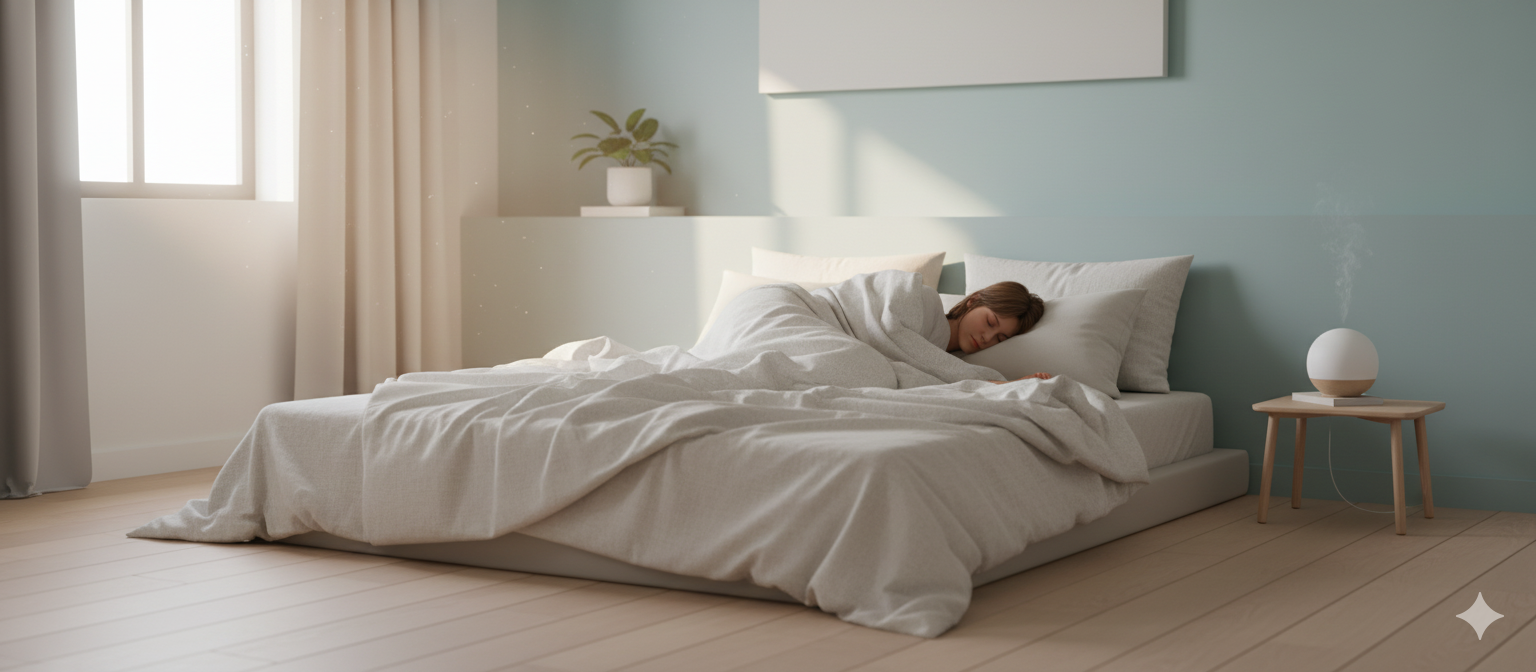
Sleep therapy isn’t just about getting more sleep — it’s about transforming the way we think about rest. In 2025, health experts define sleep therapy as a structured approach to healing through intentional rest, deep sleep cycles, and mental relaxation. It’s the science-backed method of using quality sleep to rebalance hormones, restore emotional stability, and strengthen the body’s natural recovery systems.
At its core, sleep therapy is built on one powerful idea: your body already knows how to heal — it just needs the right environment. Unlike traditional relaxation routines, sleep therapy focuses on improving sleep quality, not just duration. That means optimizing everything from your bedtime habits to your surroundings — the lighting, room temperature, digital exposure, and even your thoughts before sleeping.
In 2025, this concept has gained massive attention because people are finally realizing how sleep connects directly to mental health. Studies show that even minor sleep deprivation can trigger anxiety, depression, and poor focus. On the flip side, consistent deep sleep boosts creativity, emotional balance, and problem-solving ability. For that reason, psychologists now treat rest as a therapeutic tool, not a luxury.
The rise of bed-rotting — the act of consciously staying in bed to rest and recharge — fits perfectly into this movement. It’s no longer about being lazy; it’s about being self-aware. Sleep therapy turns what used to be guilt-driven rest into an act of healing. Many therapists now recommend scheduled downtime, digital detox periods, and structured “rest days” as part of holistic treatment plans.
What makes 2025 different is how technology supports this transformation. AI-powered sleep trackers, smart mattresses, and data-driven apps help people understand their sleep patterns like never before. You can now monitor stress levels, detect sleep interruptions, and even receive personalized rest recommendations. It’s no surprise that “sleep therapy” has become one of the most searched wellness keywords of the year.
Simply put, sleep therapy matters because it reconnects us with something deeply human — the need to pause. In a time when constant activity is glorified, choosing rest has become an act of resistance and self-love. 2025 is the year we stop treating sleep as optional and start honoring it as medicine for the mind, body, and soul.
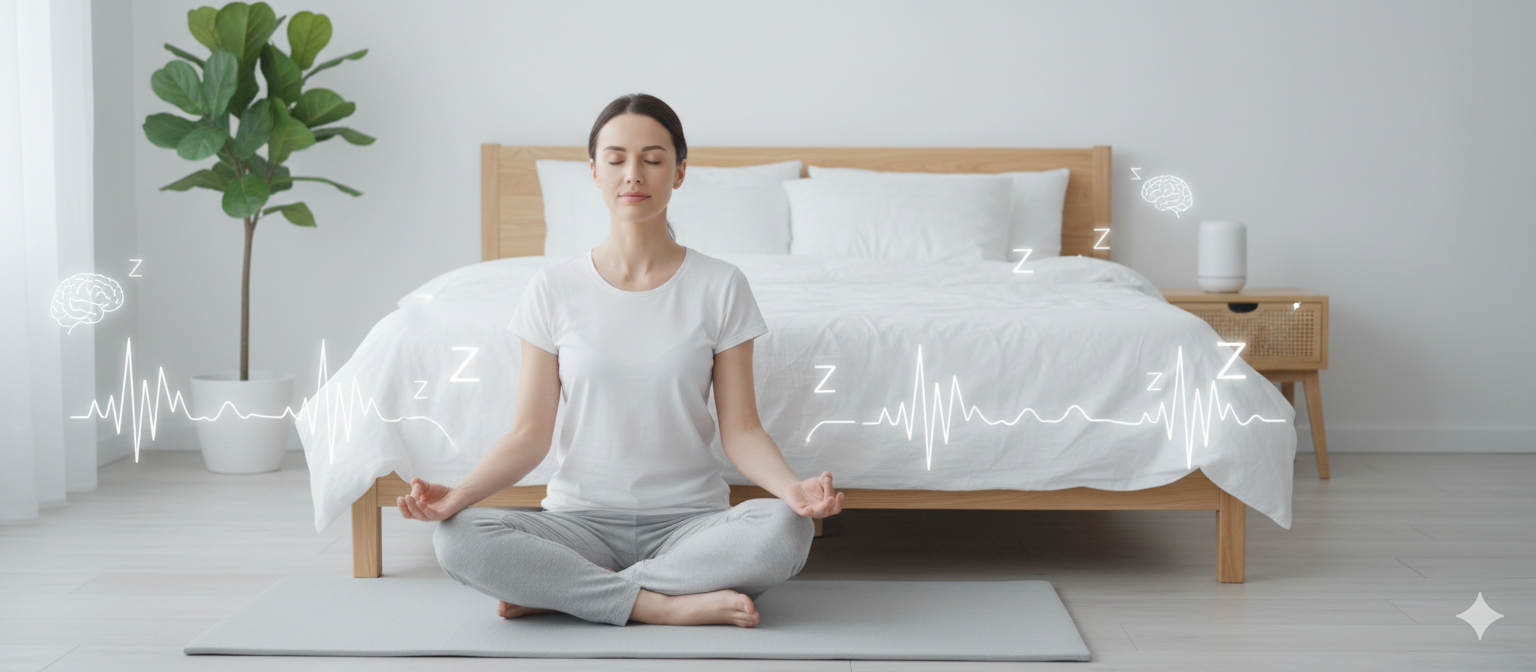
In 2024, “bed-rotting” exploded across TikTok and Instagram — videos of people lying in bed all day, watching shows, scrolling aimlessly, or simply staring at the ceiling. What started as a joke soon turned into a viral confession of collective burnout. By 2025, this so-called lazy habit evolved into something deeper — a quiet protest against hustle culture and a recognition that the body sometimes needs stillness more than stimulation.
Bed-rotting is more than doing nothing; it’s a deliberate act of self-preservation. For many, it became the first time they allowed themselves to rest without guilt. In a world that celebrates overworking, resting is often mistaken for weakness. But the truth is, our nervous systems aren’t built for constant pressure. Psychologists now describe bed-rotting as a form of “unstructured rest,” where the absence of productivity actually promotes emotional healing and mental clarity.
The trend resonated especially with Gen Z and millennials, who grew up online and faced chronic exhaustion from juggling digital overload, work stress, and social comparison. Through bed-rotting, they found a way to pause and reclaim control over their time. What’s fascinating is how social media — the very thing that contributes to burnout — also became the platform that normalized recovery. Videos tagged with #bedrotting have now turned into discussions about sleep therapy, anxiety recovery, and mental reset routines.
Experts in 2025 are embracing this shift. According to sleep behavior researchers, spending intentional time in bed can help regulate cortisol levels, lower heart rate, and restore cognitive function — as long as it’s balanced with mindful awareness. The goal isn’t to stay inactive forever, but to allow the body to reset enough to re-engage with life from a calmer place.
This rebranding of laziness into self-care marks a major turning point in modern wellness. People are realizing that burnout isn’t a badge of honor — it’s a warning sign. Bed-rotting, when practiced mindfully, is less about escaping life and more about recharging for it. In 2025, it’s no longer a meme; it’s a movement — one that teaches us that healing sometimes looks like simply lying still and letting your mind breathe.
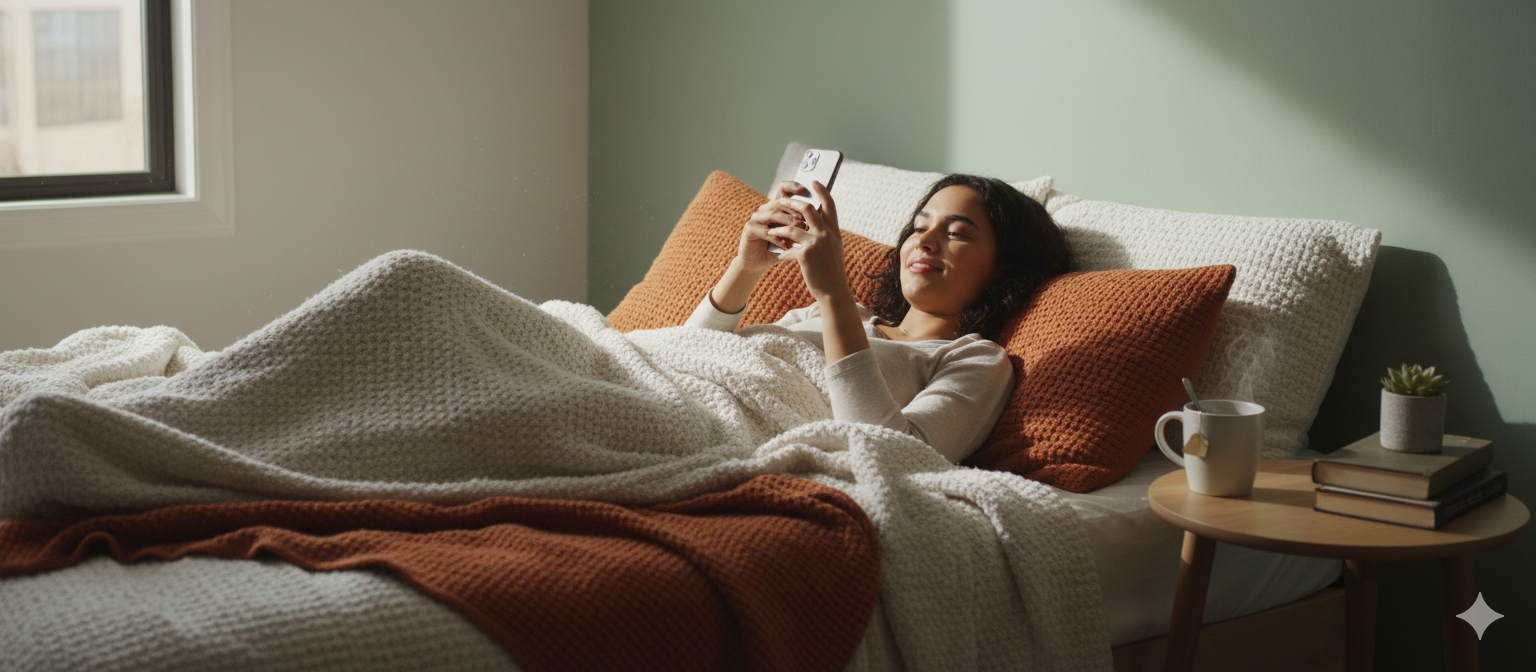
Good sleep is more than just closing your eyes — it’s a biological reset button. Every night, your body runs a complex repair system that affects everything from your brain chemistry to your immune defense. In 2025, researchers continue to uncover just how powerful restorative sleep really is. It’s not just rest; it’s therapy.
During deep sleep, the brain goes through a process called glymphatic clearance — a built-in cleaning system that flushes out toxins and metabolic waste. Think of it as your brain’s nightly detox. Without this, you wake up foggy, anxious, and mentally drained. That’s why sleep therapy emphasizes deep, uninterrupted rest instead of short naps or irregular schedules. When you reach full REM and slow-wave cycles, your brain recharges, and your emotional balance resets.
Hormones play a huge role too. Lack of sleep triggers excess cortisol, the stress hormone that keeps your body on high alert. Over time, this causes irritability, poor focus, and even weight gain. But when you sleep properly, cortisol drops and melatonin and serotonin — your natural mood stabilizers — rise. This is why quality rest instantly lifts your mood and boosts creativity the next day.
Mental health experts are calling sleep the “invisible therapist.” It’s one of the few treatments that’s free, available to everyone, and scientifically proven to work. In 2025, new wearable tech and AI tools are helping people track these processes in real-time. You can now see your sleep stages, heart rate variability, and oxygen levels through simple wrist devices, giving you the kind of data once limited to clinics.
But here’s what most people miss: sleep doesn’t just heal the body; it reorganizes your thoughts. During REM sleep, your brain sorts memories, processes emotions, and connects new information. That’s why you often wake up with fresh ideas or solutions to problems that seemed impossible the night before. It’s literally mental reset at work.
The science is clear — restorative sleep isn’t passive; it’s deeply active healing. Every cycle rebuilds your mind, your mood, and your motivation. Sleep therapy isn’t about doing less; it’s about allowing your body to do what it does best — restore, repair, and renew.
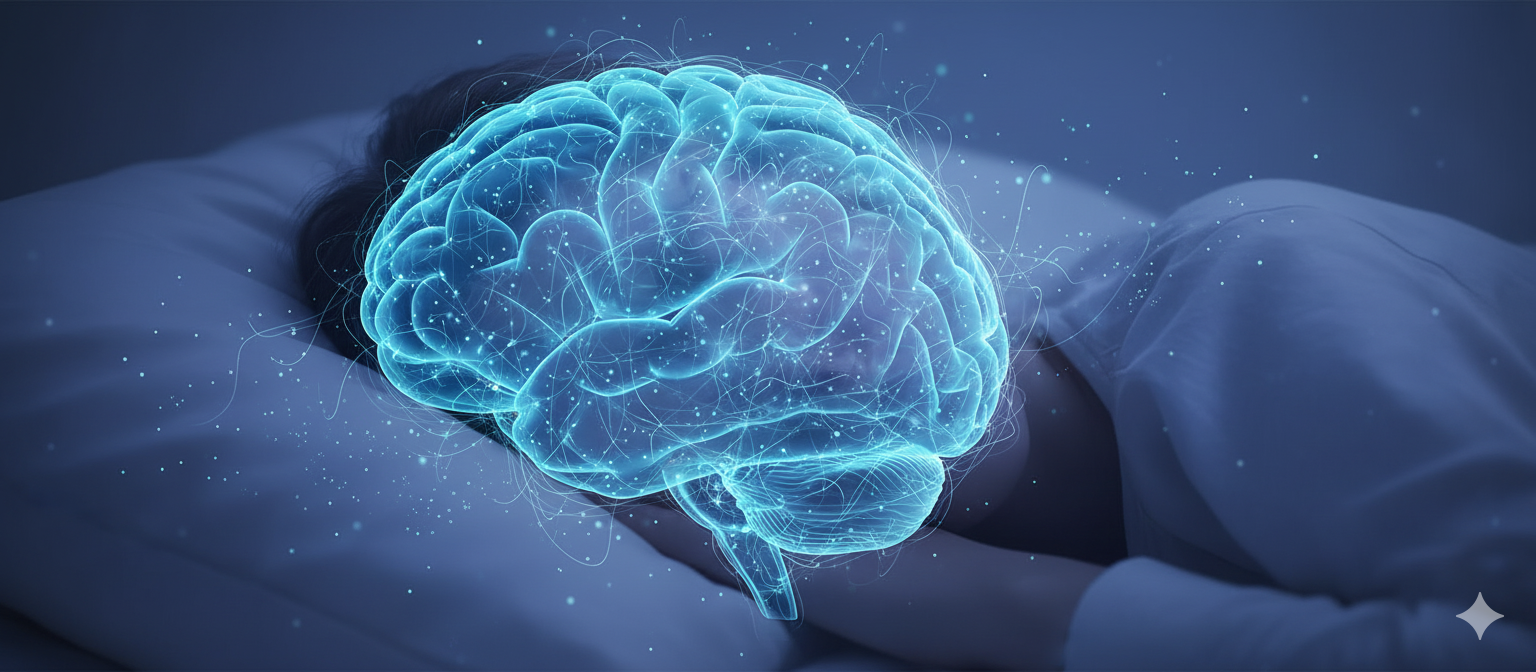
The more scientists learn about rest, the clearer it becomes that sleep therapy and mindful bed-rotting can improve nearly every aspect of your health. What seems like a simple act of lying still is, in reality, a full-body restoration process. Practicing intentional rest regularly can sharpen your mind, balance your hormones, and even extend your lifespan.
Let’s start with the most obvious benefit — mental clarity. When you allow your brain to rest deeply, it performs better. Regular sleep therapy sessions can reduce anxiety, calm overthinking, and help you make clearer decisions. Many therapists now recommend this method as part of treatment for burnout, depression, and emotional exhaustion. In 2025, when life feels faster than ever, this kind of mental slowdown isn’t optional — it’s essential.
Then there’s the physical recovery factor. During quality sleep, your body produces growth hormones that repair muscles, strengthen immunity, and regulate blood sugar. Athletes who practice guided sleep therapy often notice better endurance, focus, and overall energy. Even non-athletes experience fewer headaches, improved digestion, and stable mood levels after consistent rest periods.
One of the most surprising discoveries is the link between sleep therapy and weight regulation. When you’re sleep-deprived, your body craves sugar and processed carbs due to imbalanced hunger hormones (ghrelin and leptin). By sleeping well, you naturally reduce those cravings — making it easier to maintain a healthy diet without strict control.
On an emotional level, bed-rotting allows you to release pressure. It’s a safe space where you disconnect from external demands and reconnect with yourself. People who practice it regularly report improved emotional stability and a stronger sense of self-awareness. This mental reset directly supports creativity and problem-solving, helping you return to work or study with renewed energy.
Finally, consistent sleep therapy can slow down aging — literally. Deep rest reduces inflammation, boosts cell repair, and maintains collagen production. Your skin glows, your mood lifts, and your body functions more efficiently.
In short, regular rest isn’t laziness — it’s longevity. What once seemed like wasted time is now proven to be one of the most valuable investments you can make in yourself. Sleep therapy gives your body permission to heal, and your mind permission to breathe.
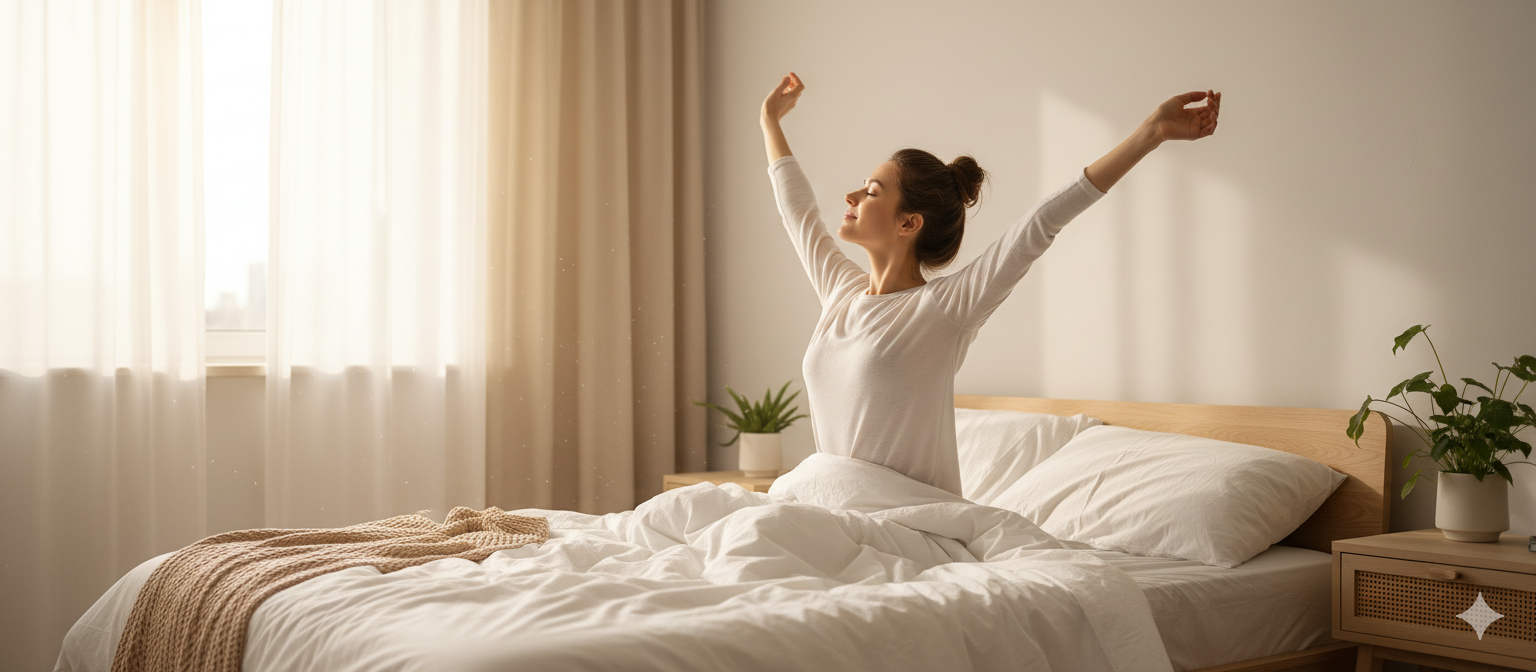
Here’s the thing — practicing sleep therapy isn’t about oversleeping or spending your day doing nothing. It’s about creating a calm, structured environment where your body and mind can truly rest. The goal is to help your nervous system reset, improve your mood, and restore your energy levels naturally. You don’t need a fancy setup or medical supervision to start. You can do it right at home with a few mindful habits.
Start by training your body clock. Go to bed and wake up at the same time every day — yes, even on weekends. This consistency helps regulate your circadian rhythm, making it easier to fall asleep and wake up refreshed. Avoid caffeine, heavy meals, or alcohol close to bedtime.
Your phone is your biggest enemy when it comes to deep sleep. Blue light from screens tricks your brain into staying awake. Try switching to airplane mode an hour before bed. Instead, read a light book, listen to soft music, or practice breathing exercises.
Your bedroom should feel like a sanctuary. Keep it dark, cool, and quiet. Use blackout curtains, turn off bright lights, and maintain a room temperature around 18–20°C (65–68°F). Invest in comfortable bedding — your mattress, pillows, and sheets can make or break your sleep quality.
A racing mind keeps you awake. Slow it down by meditating for 10 minutes before bed. Try the 4-7-8 breathing method — inhale for 4 seconds, hold for 7, exhale for 8. This technique activates your parasympathetic nervous system, signaling your body to relax.
This might sound funny, but giving yourself one “bed-rotting” morning a week can be surprisingly therapeutic. Stay in bed with no pressure to be productive. Just rest, stretch, journal, or listen to calming music. It’s not laziness — it’s strategic recovery.
The truth is, sleep therapy isn’t a luxury anymore; it’s a necessity. When practiced right, it helps you wake up with focus, better skin, improved digestion, and balanced emotions — all signs of a body finally at peace.
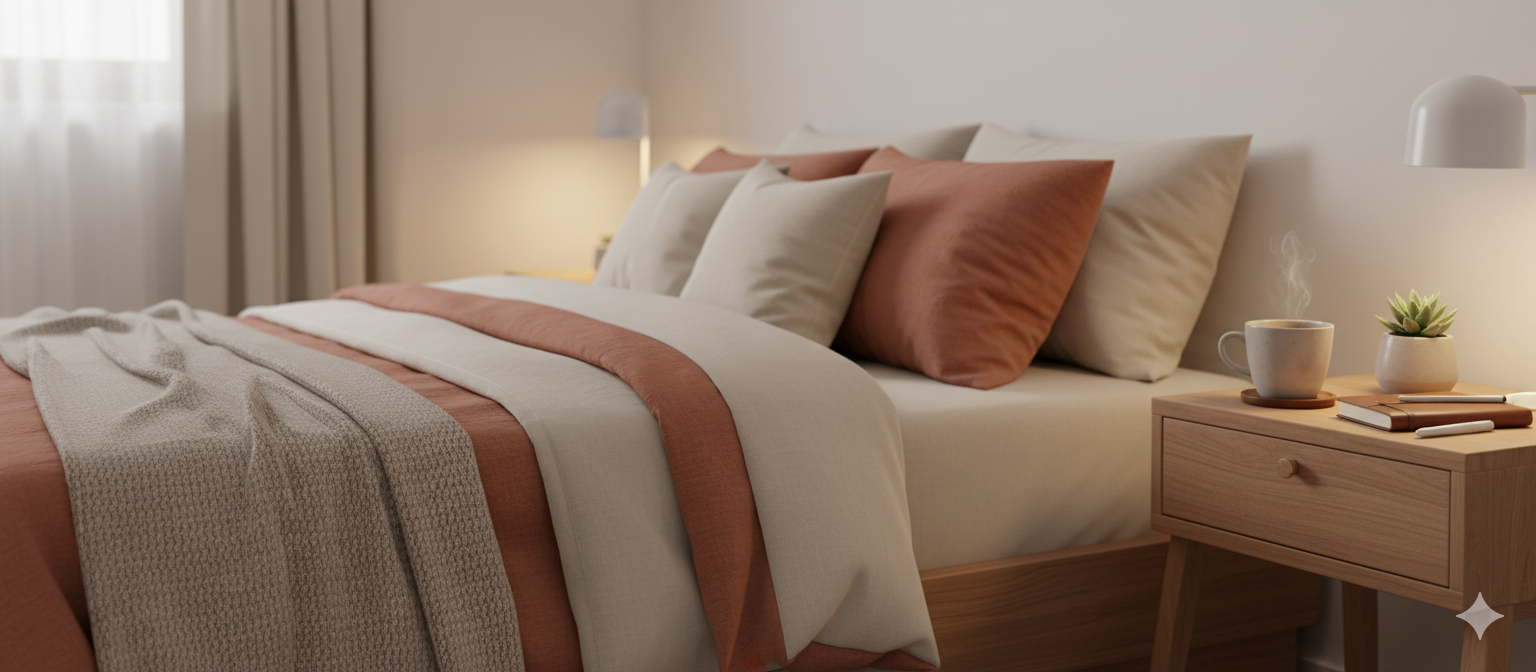
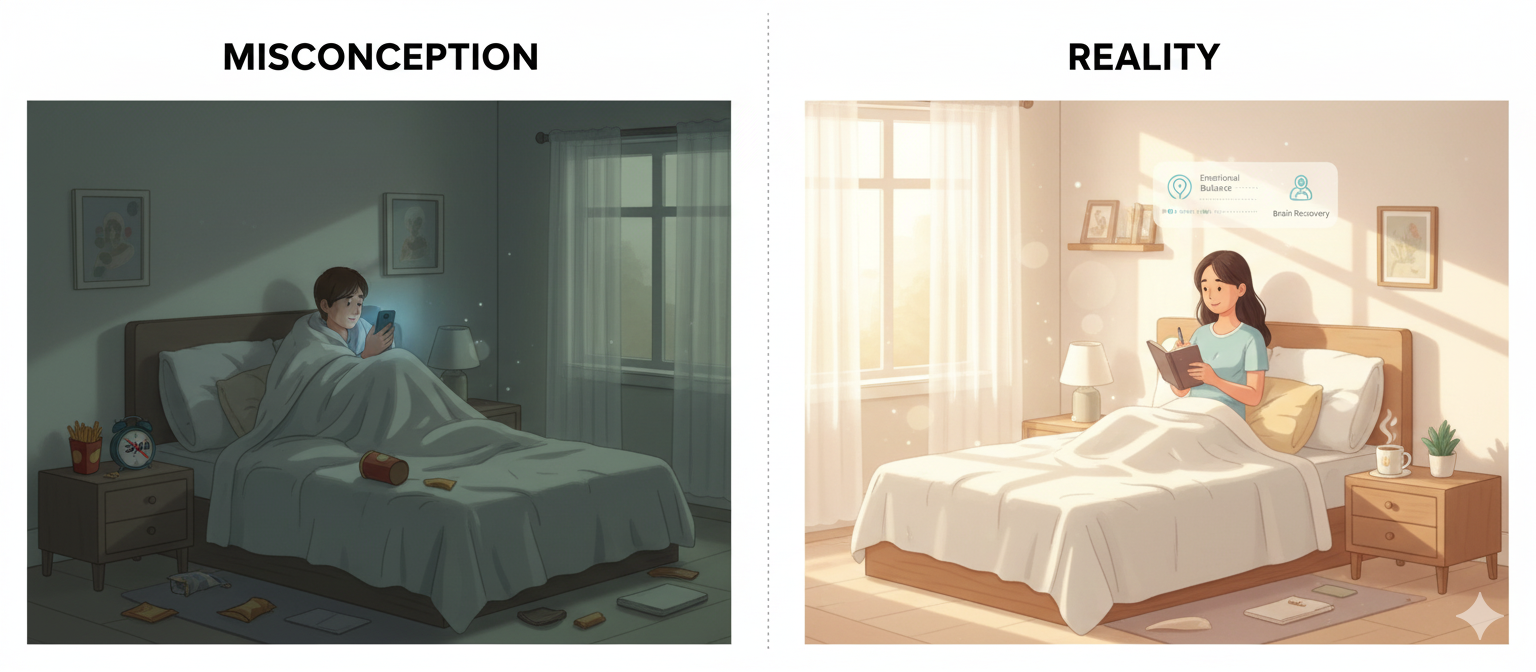
Let's clear the air — sleep therapy and bed-rotting are not about being lazy, escaping responsibilities, or wasting time. The truth is, most people misunderstand these practices because they've been taught to glorify constant productivity. But real self-care means knowing when to stop. To help you avoid the most common misconceptions, let's break down what's true and what's not.
No, it doesn't. Bed-rotting is not about sleeping endlessly. It's about intentional rest — taking time to stay in bed without guilt, allowing your mind and body to recover from burnout or overstimulation. True sleep therapy actually promotes balance between wakefulness and rest, not excessive sleeping.
This stereotype couldn't be more wrong. While people with anxiety or depression might find comfort in rest, bed-rotting has become a widely accepted self-care method among healthy, high-performing individuals too. It's about mental reset, not avoidance.
Yes, it's trending on social media — but that doesn't make it a fad. Medical professionals now recognize the importance of structured rest. Studies show that quality sleep improves brain detoxification, hormone balance, and emotional stability. That's not a trend; it's biology.
Quantity doesn't equal quality. Oversleeping can actually make you feel groggy and disrupt your natural rhythm. Effective sleep therapy focuses on restorative sleep, where you enter deep, uninterrupted cycles that repair tissues and balance your hormones.
One of the biggest mistakes people make is scrolling social media before sleeping — it overstimulates your brain and suppresses melatonin (your sleep hormone). The fix? Replace screens with calming rituals: journaling, dim lights, or a guided meditation.
The bottom line — bed-rotting and sleep therapy are not about quitting life. They're about pressing pause so you can come back stronger. When done correctly, they help you build resilience, improve focus, and protect your mental health in ways that endless hustle never can.
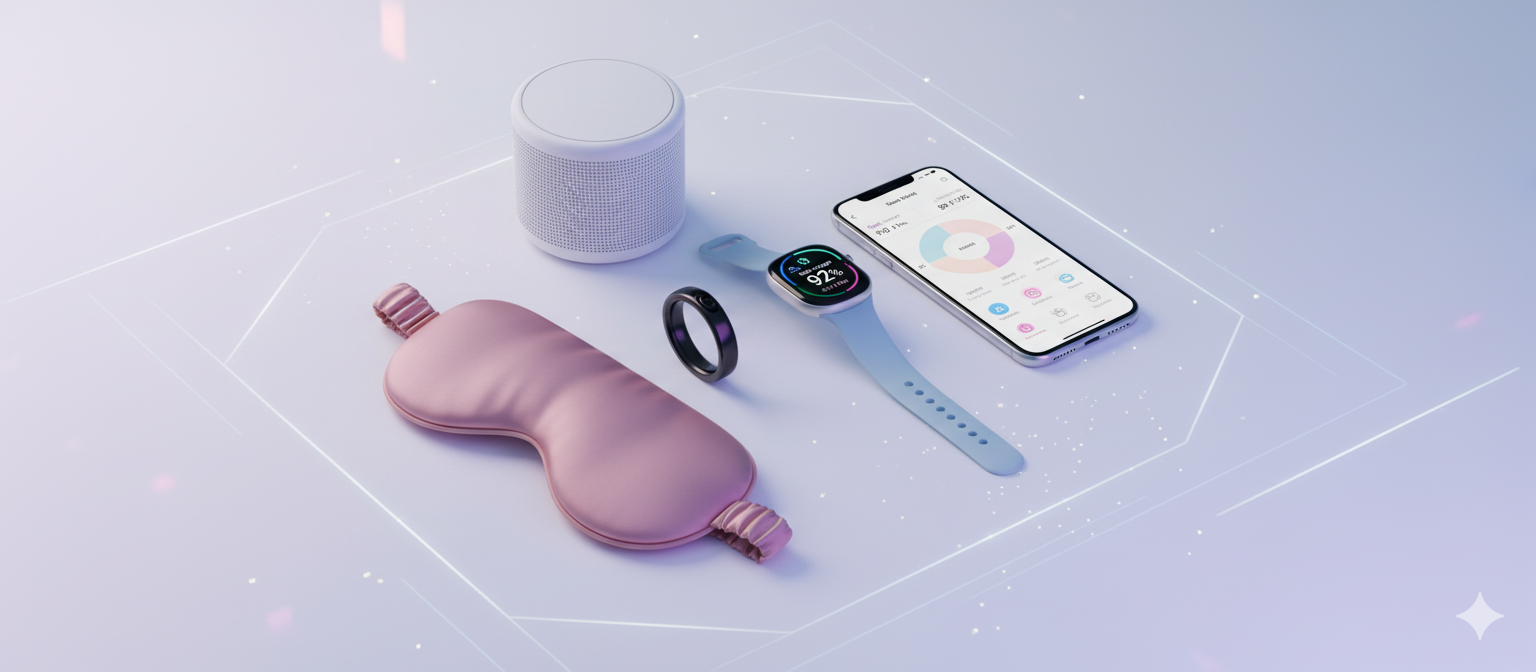
Technology isn't just for productivity anymore — in 2025, it's becoming a tool for peace. With the rise of AI-powered sleep devices and smart relaxation tools, sleep therapy has entered a new era. These innovations don't replace natural rest; they enhance it. Here are some of the best tools and gadgets that make practicing sleep therapy easier and more effective right from home.
This lightweight ring uses AI to track your sleep cycles, heart rate, and body temperature. It gives you a detailed recovery score each morning, helping you understand exactly how well you've rested. The 2025 update even recommends personalized bedtime routines based on your stress levels.
Waking up to harsh alarms shocks your nervous system. Hatch Restore 2 uses gentle sunrise simulation and soothing soundscapes to wake you naturally. It's one of the best gadgets for creating a peaceful sleep-wake transition.
Calm has evolved — its 2025 version includes AI-guided sleep coaching that adapts to your stress and energy patterns. It recommends bedtime meditations, breathing sessions, and relaxing audio tailored to your mood.
Think of this as the Tesla of mattresses. The Eight Sleep Pod automatically adjusts temperature throughout the night, cooling or warming each side of the bed independently. This helps prevent night sweats and promotes uninterrupted deep sleep.
Lighting affects your circadian rhythm more than you think. The Lumos system automatically adjusts brightness and color temperature in your room, mimicking natural sunlight during the day and soft amber hues at night to signal your brain it's time to rest.
Muse tracks your brain activity during meditation and sleep, offering real-time feedback to help you relax faster. It's perfect for those who struggle to calm racing thoughts before bed.
In short, sleep therapy in 2025 blends ancient wisdom with modern innovation. The right tools can help you build consistency, reduce stress, and train your body to rest deeply — turning bedtime into a healing ritual instead of a daily struggle.
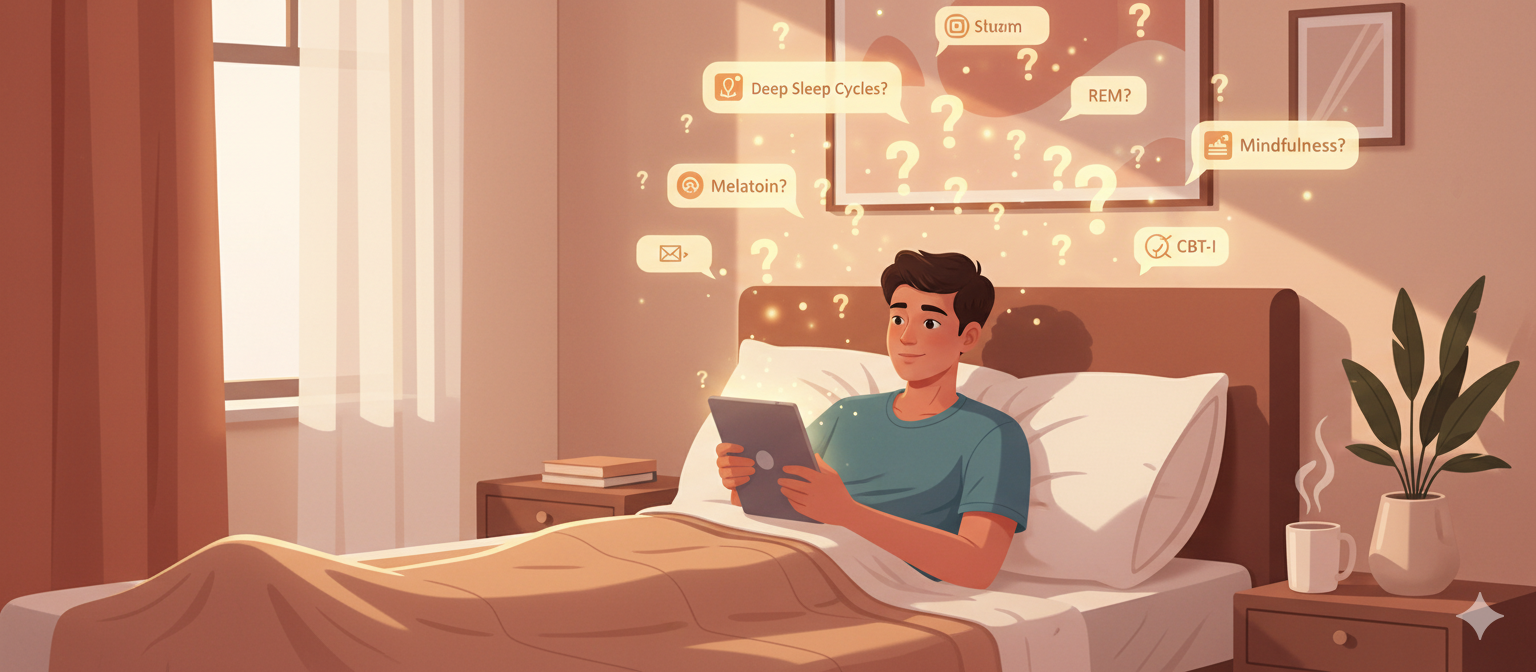
Yes — when practiced intentionally. Bed-rotting gives your body and brain a break from constant stimulation. It helps regulate stress hormones like cortisol, lowers anxiety, and supports emotional healing. The key is moderation; it's not about avoiding life but giving yourself time to recharge mentally and physically.
Experts suggest dedicating one or two mornings a week for slow, restorative rest. This could mean staying in bed a bit longer, journaling, or simply lying still without guilt. Practicing daily sleep hygiene — consistent bedtime, limited screen time, and dark environments — supports long-term results.
Yes, if it turns into excessive isolation or oversleeping. Long hours of inactivity can reduce energy levels and disrupt your circadian rhythm. That's why sleep therapy should always include balance — restful periods followed by light activity or mindfulness once you feel recharged.
Sleep therapy is a structured wellness practice designed to improve sleep quality, restore mental clarity, and heal stress. Bed-rotting, on the other hand, started as a casual social media trend but now represents intentional rest — taking a mental break without shame or guilt.
Not necessarily. While tools like smart mattresses or sleep trackers can enhance your experience, they're not required. The core of sleep therapy lies in good habits — a calm environment, routine, and emotional stillness. Technology is a bonus, not a replacement.
Absolutely. Studies in 2025 show that deep, consistent sleep lowers cortisol levels, enhances mood, and restores cognitive function. Sleep therapy creates mental space for healing — something traditional "hustle culture" rarely allows.
Most people notice improvements within one to two weeks of consistent practice. Better focus, lighter moods, and improved energy are early signs that your body's rest systems are recovering. Over time, these small shifts lead to stronger immunity and mental stability.
Here's what it really comes down to — in a world obsessed with doing more, the smartest people are learning to rest better. Sleep therapy and bed-rotting aren't about laziness; they're about self-preservation. When your body rests deeply, your mind performs better, your creativity sharpens, and your emotions stabilize. It's not slowing down — it's strategic recovery.
2025 is redefining what productivity means. The new version of success isn't built on sleepless nights or endless grind — it's built on balance. People who prioritize rest are showing higher focus, stronger immunity, and longer-lasting motivation. That's why rest has become the next big health investment, not a luxury.
If you've ever felt guilty for taking a nap or lying in bed longer than usual, it's time to let that go. Your body isn't lazy; it's asking for maintenance. Just like charging your phone, you need to recharge your brain.
So, the next time someone tells you to "get up and do something," remember this: rest is doing something — it's giving your body what it needs to keep going. True productivity doesn't start with action. It starts with restoration.
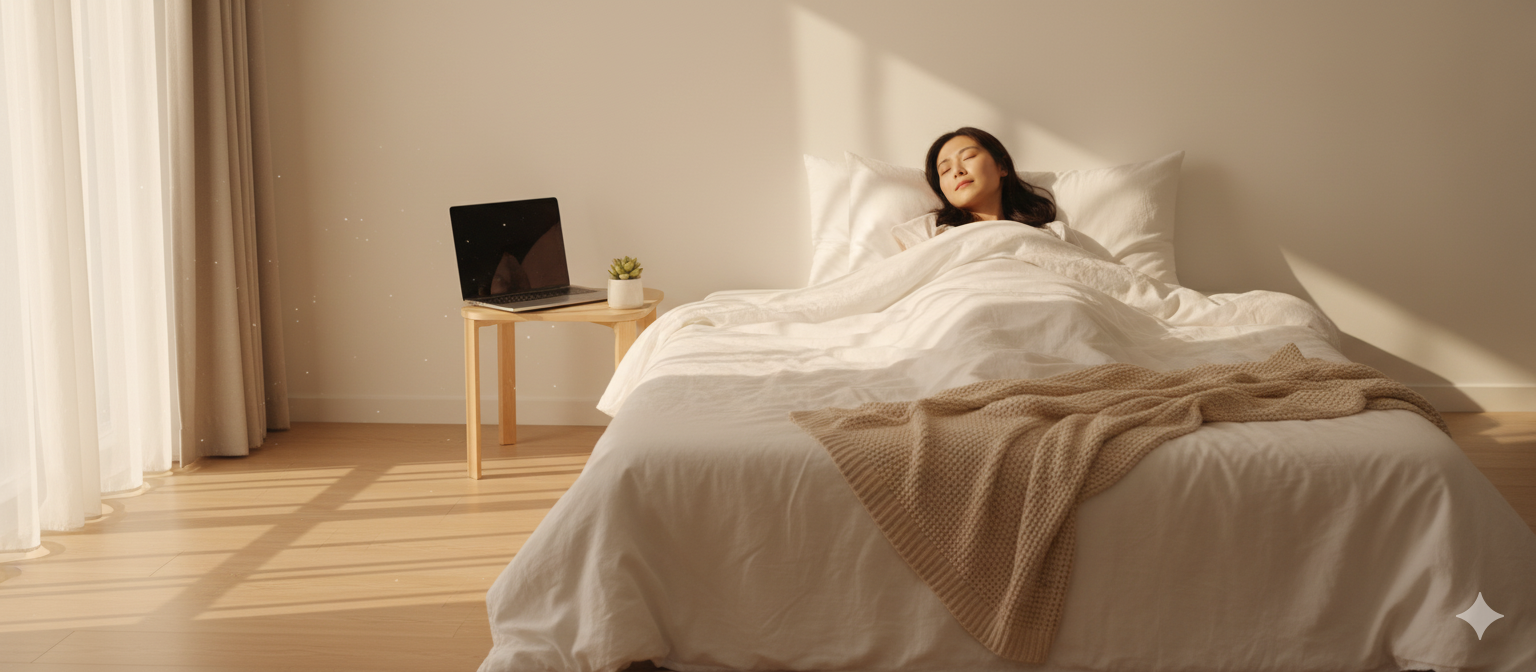
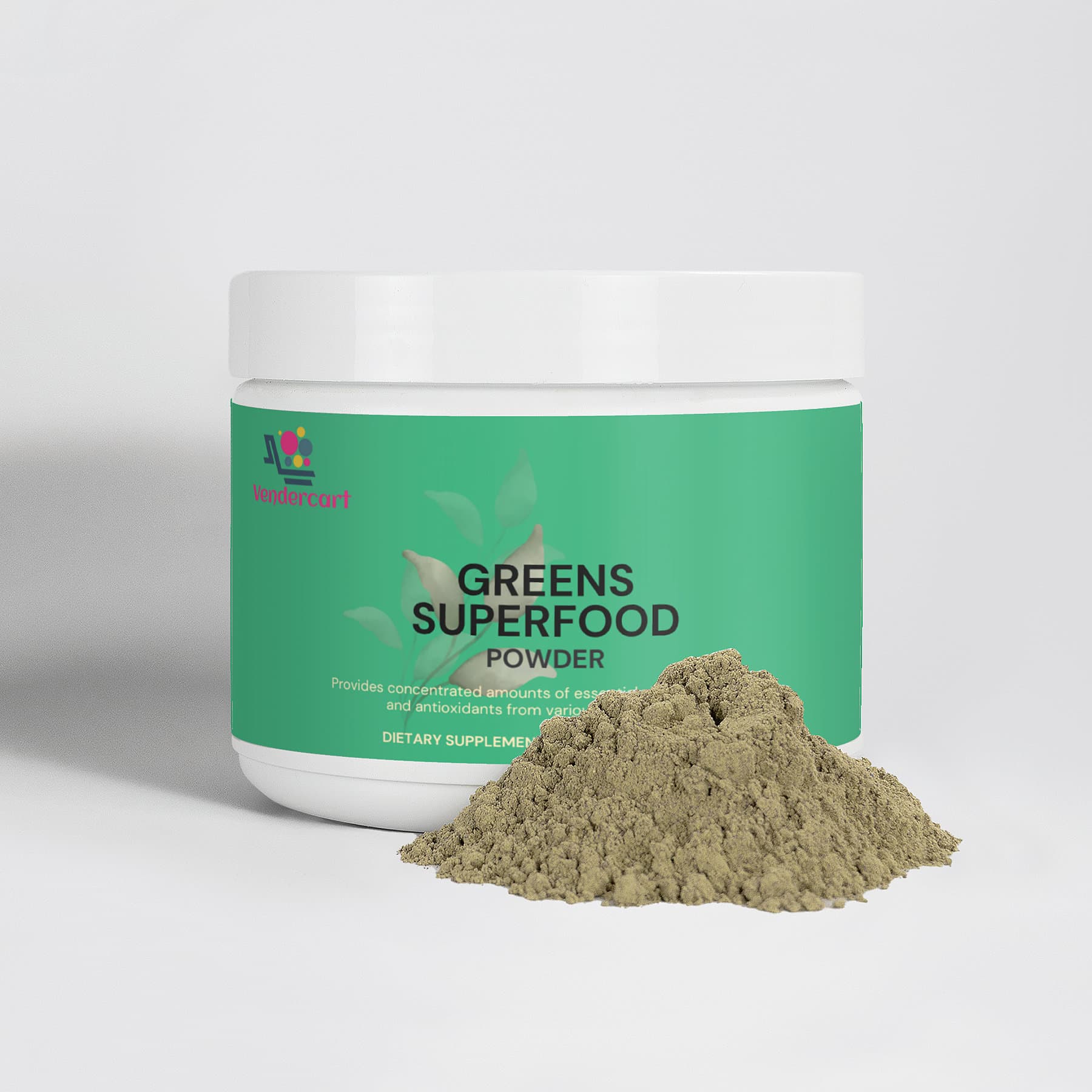
If you're ready to turn your sleep therapy routine into a real transformation, we've handpicked two powerful products that can help you get started the right way. These tools are designed to support deep rest, better sleep quality, and mental relaxation — the core elements of true bed-rotting wellness. Whether you're struggling with stress, burnout, or poor sleep habits, these products will make your self-care practice more effective and effortless.
Below, we've recommended two trusted tools that align perfectly with the Sleep Therapy 2025 lifestyle. Each one is chosen to help you rest deeper, recover faster, and wake up feeling like yourself again.
Discover why Sleep Therapy and the “bed-rotting” trend are redefining self-care in 2025. Learn how rest improves mental health, focus, and balance.
Let’s be honest — the past few years have been exhausting. Between endless screen time, work-from-home burnout, and the constant noise of social media, most people have forgotten what true rest feels like. That’s exactly why the bed-rotting trend went viral on TikTok and Instagram in 2024 — millions began posting clips of themselves simply lying in bed, doing nothing, unapologetically resting. What started as a funny internet moment turned into a wellness revolution. Now in 2025, sleep therapy has become one of the hottest health trends, supported by doctors, psychologists, and wellness influencers around the world.
But what is sleep therapy, really? In simple terms, it’s the intentional act of using rest — both physical and mental — as a form of recovery. It’s not just about getting 8 hours of sleep. It’s about creating a restful environment that lets your nervous system calm down, your brain process stress, and your emotions stabilize. Think of it as active rest — a deliberate pause that helps you reset your entire system. Studies in 2025 show that quality rest and controlled downtime can boost focus, creativity, and even immune health. In other words, doing nothing might actually be the most productive thing you can do.
The Fibremaxxing Diet may have taken over nutrition in 2025, but in the world of wellness, Sleep Therapy is redefining balance. We’re living in an era where people are realizing that hustle culture isn’t sustainable. Rest isn’t a reward anymore — it’s a basic human need that’s finally being respected. Whether it’s through better sleep hygiene, guided relaxation, or simply allowing yourself to “rot” in bed without guilt, people are finding freedom in slowing down.
What makes bed-rotting so unique is its psychological twist. It’s not about sleeping all day or ignoring responsibilities. It’s about listening to your body’s signals — the subtle signs of burnout, fatigue, and emotional exhaustion — and giving yourself permission to rest before your body forces you to. Sleep therapists and behavioral experts in 2025 emphasize that strategic rest helps prevent chronic stress, anxiety, and even decision fatigue. In essence, bed-rotting is the human way of pressing pause in a world that never stops spinning.
And here’s the thing: technology is catching up. From AI-powered sleep trackers that analyze your REM cycles to smart mattresses that adjust firmness based on your stress levels, the sleep tech market is booming. This trend is not just emotional — it’s scientific and data-driven. People are investing in quality pillows, blackout curtains, aromatherapy diffusers, and digital detox apps. The idea is simple — design your space and schedule in a way that prioritizes mental and physical restoration.
In 2025, “doing nothing” has become an act of self-respect. People are proudly setting boundaries, saying no to burnout, and yes to downtime. Social media may have birthed the bed-rotting trend, but psychology and science have given it meaning. Whether you’re scrolling through wellness content or building a night routine, the message is clear: sleep is no longer a luxury; it’s therapy.
So, the next time you feel guilty for lying in bed, remember — you’re not being lazy; you’re participating in one of the most powerful health trends of the decade. Sleep therapy is teaching the world that rest isn’t weakness — it’s wisdom. In 2025, the healthiest thing you can do might just be closing your eyes, taking a deep breath, and allowing yourself to stop for a while.
What Is Sleep Therapy and Why It Matters in 2025?
Sleep therapy isn’t just about getting more sleep — it’s about transforming the way we think about rest. In 2025, health experts define sleep therapy as a structured approach to healing through intentional rest, deep sleep cycles, and mental relaxation. It’s the science-backed method of using quality sleep to rebalance hormones, restore emotional stability, and strengthen the body’s natural recovery systems.
At its core, sleep therapy is built on one powerful idea: your body already knows how to heal — it just needs the right environment. Unlike traditional relaxation routines, sleep therapy focuses on improving sleep quality, not just duration. That means optimizing everything from your bedtime habits to your surroundings — the lighting, room temperature, digital exposure, and even your thoughts before sleeping.
In 2025, this concept has gained massive attention because people are finally realizing how sleep connects directly to mental health. Studies show that even minor sleep deprivation can trigger anxiety, depression, and poor focus. On the flip side, consistent deep sleep boosts creativity, emotional balance, and problem-solving ability. For that reason, psychologists now treat rest as a therapeutic tool, not a luxury.
The rise of bed-rotting — the act of consciously staying in bed to rest and recharge — fits perfectly into this movement. It’s no longer about being lazy; it’s about being self-aware. Sleep therapy turns what used to be guilt-driven rest into an act of healing. Many therapists now recommend scheduled downtime, digital detox periods, and structured “rest days” as part of holistic treatment plans.
What makes 2025 different is how technology supports this transformation. AI-powered sleep trackers, smart mattresses, and data-driven apps help people understand their sleep patterns like never before. You can now monitor stress levels, detect sleep interruptions, and even receive personalized rest recommendations. It’s no surprise that “sleep therapy” has become one of the most searched wellness keywords of the year.
Simply put, sleep therapy matters because it reconnects us with something deeply human — the need to pause. In a time when constant activity is glorified, choosing rest has become an act of resistance and self-love. 2025 is the year we stop treating sleep as optional and start honoring it as medicine for the mind, body, and soul.
The Rise of ‘Bed-Rotting’: From Lazy Trend to Healing Habit.
In 2024, “bed-rotting” exploded across TikTok and Instagram — videos of people lying in bed all day, watching shows, scrolling aimlessly, or simply staring at the ceiling. What started as a joke soon turned into a viral confession of collective burnout. By 2025, this so-called lazy habit evolved into something deeper — a quiet protest against hustle culture and a recognition that the body sometimes needs stillness more than stimulation.
Bed-rotting is more than doing nothing; it’s a deliberate act of self-preservation. For many, it became the first time they allowed themselves to rest without guilt. In a world that celebrates overworking, resting is often mistaken for weakness. But the truth is, our nervous systems aren’t built for constant pressure. Psychologists now describe bed-rotting as a form of “unstructured rest,” where the absence of productivity actually promotes emotional healing and mental clarity.
The trend resonated especially with Gen Z and millennials, who grew up online and faced chronic exhaustion from juggling digital overload, work stress, and social comparison. Through bed-rotting, they found a way to pause and reclaim control over their time. What’s fascinating is how social media — the very thing that contributes to burnout — also became the platform that normalized recovery. Videos tagged with #bedrotting have now turned into discussions about sleep therapy, anxiety recovery, and mental reset routines.
Experts in 2025 are embracing this shift. According to sleep behavior researchers, spending intentional time in bed can help regulate cortisol levels, lower heart rate, and restore cognitive function — as long as it’s balanced with mindful awareness. The goal isn’t to stay inactive forever, but to allow the body to reset enough to re-engage with life from a calmer place.
This rebranding of laziness into self-care marks a major turning point in modern wellness. People are realizing that burnout isn’t a badge of honor — it’s a warning sign. Bed-rotting, when practiced mindfully, is less about escaping life and more about recharging for it. In 2025, it’s no longer a meme; it’s a movement — one that teaches us that healing sometimes looks like simply lying still and letting your mind breathe.
Science Behind Restorative Sleep and Mental Reset
Good sleep is more than just closing your eyes — it’s a biological reset button. Every night, your body runs a complex repair system that affects everything from your brain chemistry to your immune defense. In 2025, researchers continue to uncover just how powerful restorative sleep really is. It’s not just rest; it’s therapy.
During deep sleep, the brain goes through a process called glymphatic clearance — a built-in cleaning system that flushes out toxins and metabolic waste. Think of it as your brain’s nightly detox. Without this, you wake up foggy, anxious, and mentally drained. That’s why sleep therapy emphasizes deep, uninterrupted rest instead of short naps or irregular schedules. When you reach full REM and slow-wave cycles, your brain recharges, and your emotional balance resets.
Hormones play a huge role too. Lack of sleep triggers excess cortisol, the stress hormone that keeps your body on high alert. Over time, this causes irritability, poor focus, and even weight gain. But when you sleep properly, cortisol drops and melatonin and serotonin — your natural mood stabilizers — rise. This is why quality rest instantly lifts your mood and boosts creativity the next day.
Mental health experts are calling sleep the “invisible therapist.” It’s one of the few treatments that’s free, available to everyone, and scientifically proven to work. In 2025, new wearable tech and AI tools are helping people track these processes in real-time. You can now see your sleep stages, heart rate variability, and oxygen levels through simple wrist devices, giving you the kind of data once limited to clinics.
But here’s what most people miss: sleep doesn’t just heal the body; it reorganizes your thoughts. During REM sleep, your brain sorts memories, processes emotions, and connects new information. That’s why you often wake up with fresh ideas or solutions to problems that seemed impossible the night before. It’s literally mental reset at work.
The science is clear — restorative sleep isn’t passive; it’s deeply active healing. Every cycle rebuilds your mind, your mood, and your motivation. Sleep therapy isn’t about doing less; it’s about allowing your body to do what it does best — restore, repair, and renew.
Benefits of Practicing Sleep Therapy or Bed-Rotting Regularly
The more scientists learn about rest, the clearer it becomes that sleep therapy and mindful bed-rotting can improve nearly every aspect of your health. What seems like a simple act of lying still is, in reality, a full-body restoration process. Practicing intentional rest regularly can sharpen your mind, balance your hormones, and even extend your lifespan.
Let’s start with the most obvious benefit — mental clarity. When you allow your brain to rest deeply, it performs better. Regular sleep therapy sessions can reduce anxiety, calm overthinking, and help you make clearer decisions. Many therapists now recommend this method as part of treatment for burnout, depression, and emotional exhaustion. In 2025, when life feels faster than ever, this kind of mental slowdown isn’t optional — it’s essential.
Then there’s the physical recovery factor. During quality sleep, your body produces growth hormones that repair muscles, strengthen immunity, and regulate blood sugar. Athletes who practice guided sleep therapy often notice better endurance, focus, and overall energy. Even non-athletes experience fewer headaches, improved digestion, and stable mood levels after consistent rest periods.
One of the most surprising discoveries is the link between sleep therapy and weight regulation. When you’re sleep-deprived, your body craves sugar and processed carbs due to imbalanced hunger hormones (ghrelin and leptin). By sleeping well, you naturally reduce those cravings — making it easier to maintain a healthy diet without strict control.
On an emotional level, bed-rotting allows you to release pressure. It’s a safe space where you disconnect from external demands and reconnect with yourself. People who practice it regularly report improved emotional stability and a stronger sense of self-awareness. This mental reset directly supports creativity and problem-solving, helping you return to work or study with renewed energy.
Finally, consistent sleep therapy can slow down aging — literally. Deep rest reduces inflammation, boosts cell repair, and maintains collagen production. Your skin glows, your mood lifts, and your body functions more efficiently.
In short, regular rest isn’t laziness — it’s longevity. What once seemed like wasted time is now proven to be one of the most valuable investments you can make in yourself. Sleep therapy gives your body permission to heal, and your mind permission to breathe.
How to Practice Sleep Therapy at Home (Without Feeling Lazy).
Here’s the thing — practicing sleep therapy isn’t about oversleeping or spending your day doing nothing. It’s about creating a calm, structured environment where your body and mind can truly rest. The goal is to help your nervous system reset, improve your mood, and restore your energy levels naturally. You don’t need a fancy setup or medical supervision to start. You can do it right at home with a few mindful habits.
1. Build a Consistent Sleep Routine
Start by training your body clock. Go to bed and wake up at the same time every day — yes, even on weekends. This consistency helps regulate your circadian rhythm, making it easier to fall asleep and wake up refreshed. Avoid caffeine, heavy meals, or alcohol close to bedtime.
2. Create a Digital Detox Zone
Your phone is your biggest enemy when it comes to deep sleep. Blue light from screens tricks your brain into staying awake. Try switching to airplane mode an hour before bed. Instead, read a light book, listen to soft music, or practice breathing exercises.
3. Adjust Your Sleep Environment
Your bedroom should feel like a sanctuary. Keep it dark, cool, and quiet. Use blackout curtains, turn off bright lights, and maintain a room temperature around 18–20°C (65–68°F). Invest in comfortable bedding — your mattress, pillows, and sheets can make or break your sleep quality.
4. Practice Mindfulness Before Sleep
A racing mind keeps you awake. Slow it down by meditating for 10 minutes before bed. Try the 4-7-8 breathing method — inhale for 4 seconds, hold for 7, exhale for 8. This technique activates your parasympathetic nervous system, signaling your body to relax.
5. Introduce Gentle Bed-Rotting Days
This might sound funny, but giving yourself one “bed-rotting” morning a week can be surprisingly therapeutic. Stay in bed with no pressure to be productive. Just rest, stretch, journal, or listen to calming music. It’s not laziness — it’s strategic recovery.
The truth is, sleep therapy isn’t a luxury anymore; it’s a necessity. When practiced right, it helps you wake up with focus, better skin, improved digestion, and balanced emotions — all signs of a body finally at peace.
Common Myths and Mistakes About Bed-Rotting & Sleep Therapy.
Let's clear the air — sleep therapy and bed-rotting are not about being lazy, escaping responsibilities, or wasting time. The truth is, most people misunderstand these practices because they've been taught to glorify constant productivity. But real self-care means knowing when to stop. To help you avoid the most common misconceptions, let's break down what's true and what's not.
Myth 1: Bed-Rotting Means Sleeping All Day
No, it doesn't. Bed-rotting is not about sleeping endlessly. It's about intentional rest — taking time to stay in bed without guilt, allowing your mind and body to recover from burnout or overstimulation. True sleep therapy actually promotes balance between wakefulness and rest, not excessive sleeping.
Myth 2: Only Depressed or Lazy People Do It
This stereotype couldn't be more wrong. While people with anxiety or depression might find comfort in rest, bed-rotting has become a widely accepted self-care method among healthy, high-performing individuals too. It's about mental reset, not avoidance.
Myth 3: Sleep Therapy Is Just a Trend
Yes, it's trending on social media — but that doesn't make it a fad. Medical professionals now recognize the importance of structured rest. Studies show that quality sleep improves brain detoxification, hormone balance, and emotional stability. That's not a trend; it's biology.
Myth 4: More Sleep Automatically Means Better Health
Quantity doesn't equal quality. Oversleeping can actually make you feel groggy and disrupt your natural rhythm. Effective sleep therapy focuses on restorative sleep, where you enter deep, uninterrupted cycles that repair tissues and balance your hormones.
Common Mistake: Using Screens Right Before Bed
One of the biggest mistakes people make is scrolling social media before sleeping — it overstimulates your brain and suppresses melatonin (your sleep hormone). The fix? Replace screens with calming rituals: journaling, dim lights, or a guided meditation.
The bottom line — bed-rotting and sleep therapy are not about quitting life. They're about pressing pause so you can come back stronger. When done correctly, they help you build resilience, improve focus, and protect your mental health in ways that endless hustle never can.
Best Tools, Apps, and Gadgets for Sleep Therapy 2025.
Technology isn't just for productivity anymore — in 2025, it's becoming a tool for peace. With the rise of AI-powered sleep devices and smart relaxation tools, sleep therapy has entered a new era. These innovations don't replace natural rest; they enhance it. Here are some of the best tools and gadgets that make practicing sleep therapy easier and more effective right from home.
1. Oura Ring Gen 4 – Smart Sleep Tracker
This lightweight ring uses AI to track your sleep cycles, heart rate, and body temperature. It gives you a detailed recovery score each morning, helping you understand exactly how well you've rested. The 2025 update even recommends personalized bedtime routines based on your stress levels.
2. Hatch Restore 2 – Sunrise Alarm & Sleep Sound Machine
Waking up to harsh alarms shocks your nervous system. Hatch Restore 2 uses gentle sunrise simulation and soothing soundscapes to wake you naturally. It's one of the best gadgets for creating a peaceful sleep-wake transition.
3. Calm App with AI Sleep Coaching
Calm has evolved — its 2025 version includes AI-guided sleep coaching that adapts to your stress and energy patterns. It recommends bedtime meditations, breathing sessions, and relaxing audio tailored to your mood.
4. Eight Sleep Pod 4 – Smart Mattress for Deep Sleep
Think of this as the Tesla of mattresses. The Eight Sleep Pod automatically adjusts temperature throughout the night, cooling or warming each side of the bed independently. This helps prevent night sweats and promotes uninterrupted deep sleep.
5. Lumos Smart Lighting System
Lighting affects your circadian rhythm more than you think. The Lumos system automatically adjusts brightness and color temperature in your room, mimicking natural sunlight during the day and soft amber hues at night to signal your brain it's time to rest.
6. Muse 3 Headband – Mindfulness for Sleep
Muse tracks your brain activity during meditation and sleep, offering real-time feedback to help you relax faster. It's perfect for those who struggle to calm racing thoughts before bed.
In short, sleep therapy in 2025 blends ancient wisdom with modern innovation. The right tools can help you build consistency, reduce stress, and train your body to rest deeply — turning bedtime into a healing ritual instead of a daily struggle.
FAQs About Sleep Therapy & Bed-Rotting (2025 Edition)
1. Is bed-rotting actually good for your mental health?
Yes — when practiced intentionally. Bed-rotting gives your body and brain a break from constant stimulation. It helps regulate stress hormones like cortisol, lowers anxiety, and supports emotional healing. The key is moderation; it's not about avoiding life but giving yourself time to recharge mentally and physically.
2. How often should I practice sleep therapy or bed-rotting?
Experts suggest dedicating one or two mornings a week for slow, restorative rest. This could mean staying in bed a bit longer, journaling, or simply lying still without guilt. Practicing daily sleep hygiene — consistent bedtime, limited screen time, and dark environments — supports long-term results.
3. Can too much bed-rotting make you feel worse?
Yes, if it turns into excessive isolation or oversleeping. Long hours of inactivity can reduce energy levels and disrupt your circadian rhythm. That's why sleep therapy should always include balance — restful periods followed by light activity or mindfulness once you feel recharged.
4. What's the difference between sleep therapy and bed-rotting?
Sleep therapy is a structured wellness practice designed to improve sleep quality, restore mental clarity, and heal stress. Bed-rotting, on the other hand, started as a casual social media trend but now represents intentional rest — taking a mental break without shame or guilt.
5. Do I need gadgets or apps for sleep therapy?
Not necessarily. While tools like smart mattresses or sleep trackers can enhance your experience, they're not required. The core of sleep therapy lies in good habits — a calm environment, routine, and emotional stillness. Technology is a bonus, not a replacement.
6. Can sleep therapy help with anxiety or burnout?
Absolutely. Studies in 2025 show that deep, consistent sleep lowers cortisol levels, enhances mood, and restores cognitive function. Sleep therapy creates mental space for healing — something traditional "hustle culture" rarely allows.
7. How long does it take to see results?
Most people notice improvements within one to two weeks of consistent practice. Better focus, lighter moods, and improved energy are early signs that your body's rest systems are recovering. Over time, these small shifts lead to stronger immunity and mental stability.
Final Thoughts: Rest Is the New Productivity.
Here's what it really comes down to — in a world obsessed with doing more, the smartest people are learning to rest better. Sleep therapy and bed-rotting aren't about laziness; they're about self-preservation. When your body rests deeply, your mind performs better, your creativity sharpens, and your emotions stabilize. It's not slowing down — it's strategic recovery.
2025 is redefining what productivity means. The new version of success isn't built on sleepless nights or endless grind — it's built on balance. People who prioritize rest are showing higher focus, stronger immunity, and longer-lasting motivation. That's why rest has become the next big health investment, not a luxury.
If you've ever felt guilty for taking a nap or lying in bed longer than usual, it's time to let that go. Your body isn't lazy; it's asking for maintenance. Just like charging your phone, you need to recharge your brain.
So, the next time someone tells you to "get up and do something," remember this: rest is doing something — it's giving your body what it needs to keep going. True productivity doesn't start with action. It starts with restoration.
Recommended Products for Better Sleep Therapy at Home (2025 Edition).
If you're ready to turn your sleep therapy routine into a real transformation, we've handpicked two powerful products that can help you get started the right way. These tools are designed to support deep rest, better sleep quality, and mental relaxation — the core elements of true bed-rotting wellness. Whether you're struggling with stress, burnout, or poor sleep habits, these products will make your self-care practice more effective and effortless.
Below, we've recommended two trusted tools that align perfectly with the Sleep Therapy 2025 lifestyle. Each one is chosen to help you rest deeper, recover faster, and wake up feeling like yourself again.
Discover why Sleep Therapy and the “bed-rotting” trend are redefining self-care in 2025. Learn how rest improves mental health, focus, and balance.
About the Author
SM
Salman Marwari
Leading expert in health with over 15 years of experience in research and practice.