
Health
2.8K reads
By Salman Marwari2025-07-3010 min read
Ashwagandha Benefits: Ancient Ayurvedic Herb for Modern Health & Stress Relief.
AshwagandhaAdaptogenStress ReliefSleep AidHormonal BalanceEnergy BoostAyurvedaAnxiety ReliefNatural WellnessHerbal Medicine
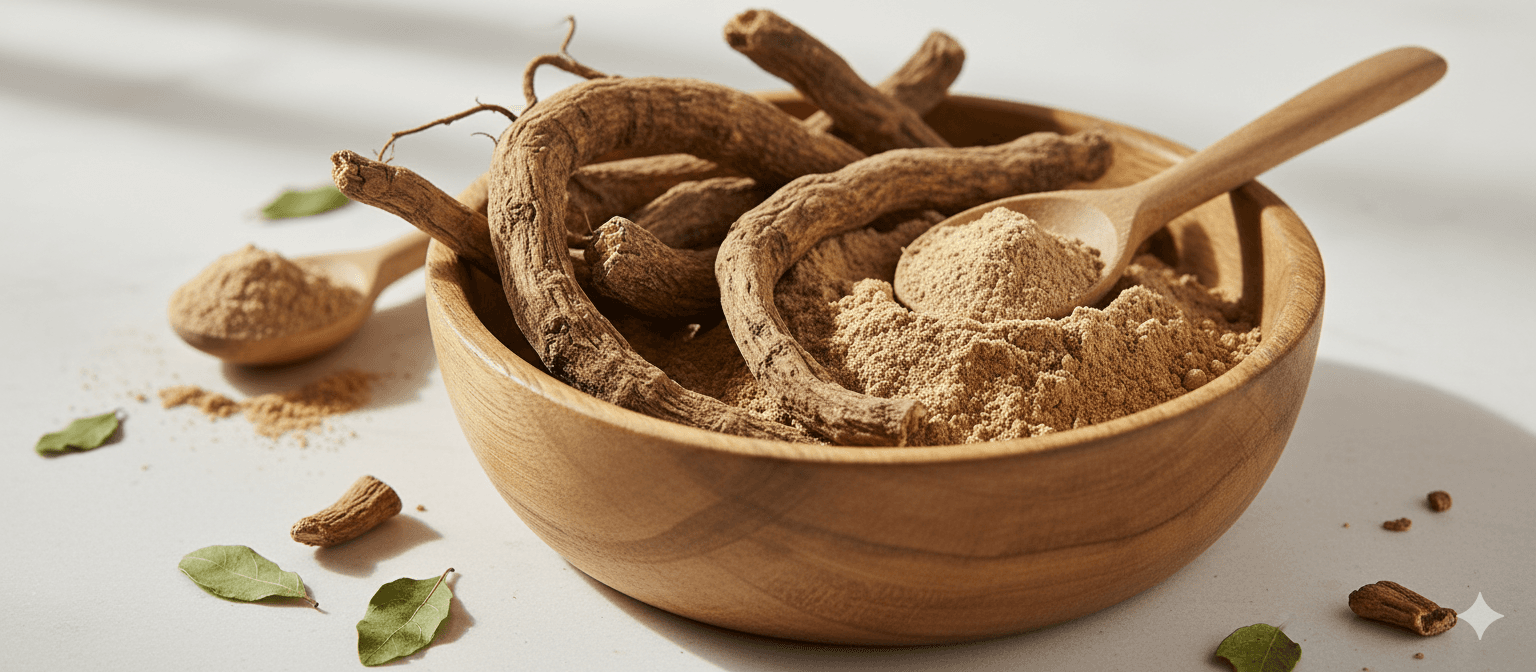
Ashwagandha has become one of the most searched herbal remedies in the world, especially for stress, anxiety, sleep, immunity, and hormonal balance. Today, people are tired of chemical-based solutions and want natural healing that actually works. This is why Ashwagandha, an ancient Ayurvedic herb with scientifically proven benefits, is making a comeback in modern wellness routines across the USA, UK, Canada, and beyond.
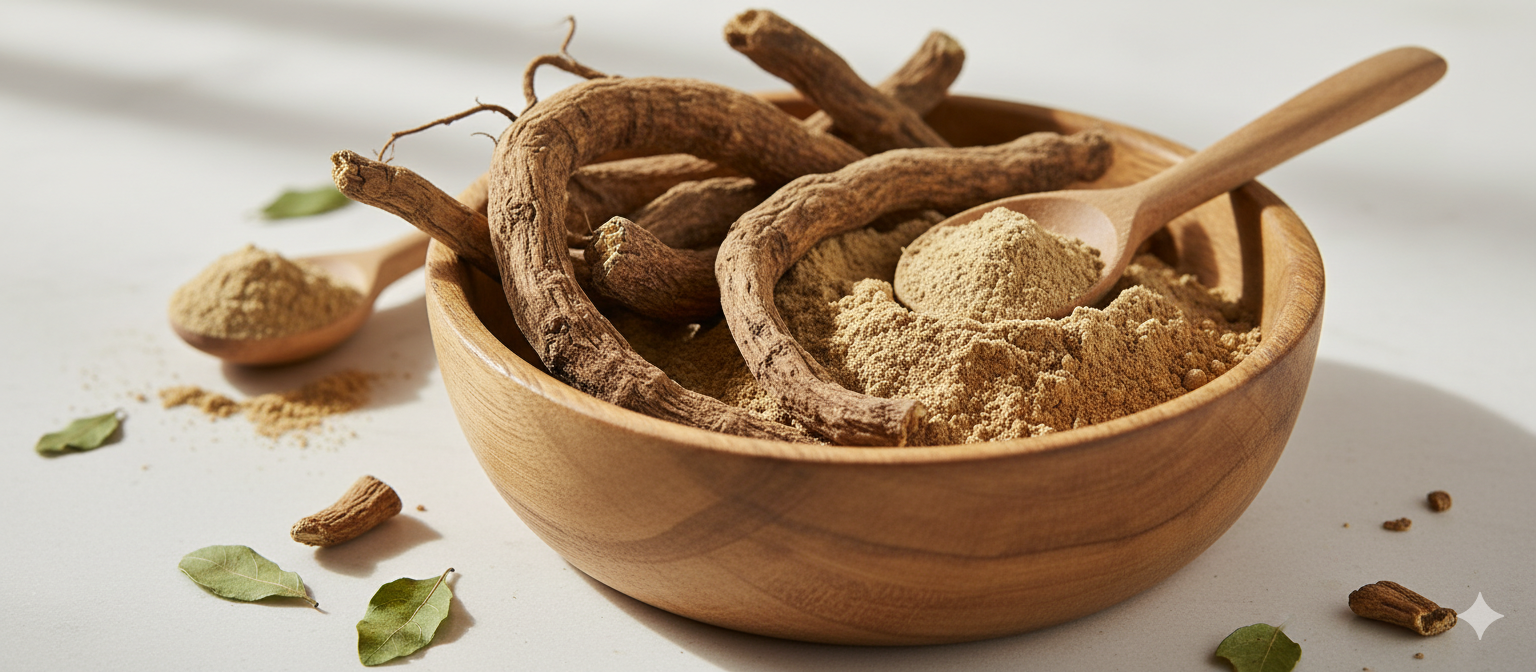
Stress, low energy, poor sleep, and anxiety are some of the biggest health struggles people face today. If you relate, you’re not alone. Millions are searching for safe, natural ways to calm the mind, balance the body, and improve daily life. Here’s the good news: Ashwagandha is one of the most effective adaptogenic herbs, known for reducing cortisol levels, supporting emotional health, boosting immunity, and improving sleep quality—without harmful side effects.
Now that we agree natural healing matters, here’s what you can expect from this guide. You’ll learn what Ashwagandha is, how it works in your body, its science-backed benefits, the best ways to use it, and how it can transform your stress, energy, and overall health.
Ashwagandha, also known as Withania Somnifera, is a powerful Ayurvedic herb used for thousands of years to promote strength, calmness, vitality, and longevity. In modern science, it is classified as an “adaptogen,” meaning it helps your body adapt to stress and maintain balance.
Today, you’ll find Ashwagandha in capsules, powders, teas, and gummies because it supports stress relief, better sleep, stronger immunity, and improved mental clarity. People prefer it over synthetic pills because it works with the body, not against it.
In Ayurveda, Ashwagandha is called **“Rasayana”**, meaning a rejuvenator and life-expanding herb. Ancient healers relied on it to strengthen the nervous system, balance hormones, slow aging, and boost energy and resilience.
Ashwagandha lowers cortisol (the stress hormone), supports the adrenal system, relaxes the nervous system, and stabilizes mood. It also contains powerful antioxidants that protect cells, improve immunity, and support better sleep and brain function.
Research shows that Ashwagandha supports **stress relief, anxiety reduction, better sleep, improved energy, hormonal balance, enhanced muscle strength, sharper focus, and stronger immunity**. This makes it one of the most versatile natural remedies for modern health problems.
If you’re tired of feeling drained, stressed, or restless at bedtime, Ashwagandha can offer a natural path to emotional balance, deep sleep, mental clarity, and steady energy—without dependency. You’ll soon see why this herb is becoming a daily wellness essential worldwide.
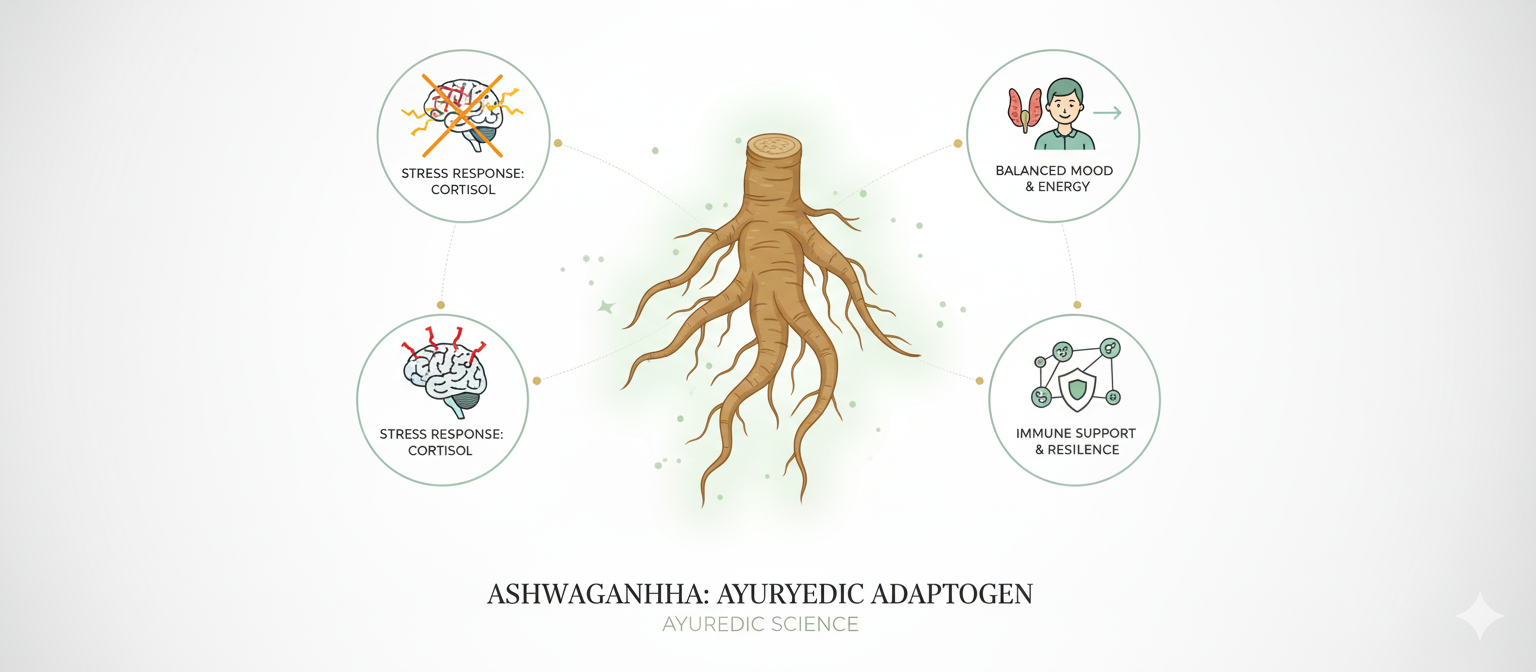
Ashwagandha, also known as Withania somnifera, is one of the most powerful herbs in Ayurvedic medicine. It is widely used to support stress relief, hormonal balance, brain health, and immunity. This ancient root is classified as an adaptogen, which means it helps your body adapt to stress and restore balance naturally.
When you consume Ashwagandha, it interacts with your nervous system, endocrine system, and immune system. Its active compounds, especially Withanolides, play a major role in reducing stress, improving mood, and supporting overall wellness. That’s why it is becoming popular worldwide for mental clarity, better sleep, and emotional balance.
Now, let’s understand how it works inside your body through three important pathways.
Ashwagandha is known for its ability to lower cortisol, the hormone responsible for stress and anxiety. When cortisol stays high for long periods, it can lead to poor sleep, weight gain, hormonal imbalance, and fatigue. By calming the adrenal glands, Ashwagandha promotes a relaxed state, helping your mind and body feel balanced and energized.
This herb enhances communication between nerve cells and supports healthy brain function. Studies show that Ashwagandha may improve memory, focus, cognitive performance, and even protect the brain from aging and oxidative stress. It supports the nervous system by reducing inflammation and promoting a calm, sharper mind.
Ashwagandha also supports your immune system, helping the body defend itself against illness and weakness. It stabilizes hormones, supports thyroid health, and improves energy levels. That’s why it is often recommended for stress-related fatigue, low immunity, and hormonal imbalance, especially in people who feel burned out or mentally exhausted.

Ashwagandha is one of the most researched Ayurvedic herbs, especially for stress relief, anxiety reduction, better sleep, and emotional balance. Modern studies confirm what ancient healers already knew — this herb nourishes both the mind and nervous system, helping you feel calmer, clearer, and more in control of your daily life.
Its adaptogenic properties allow the body to handle physical and emotional stress more efficiently, while promoting deeper rest and sharper focus. Below are the key science-backed benefits that explain why Ashwagandha is becoming a powerful natural alternative for mental wellness in today’s world.
Research shows that Ashwagandha can significantly reduce cortisol, the hormone responsible for stress and anxiety. High cortisol levels can trigger panic, restlessness, mood swings, fatigue, and brain fog. By calming the stress response, Ashwagandha promotes a relaxed and stable emotional state, helping you feel mentally lighter and more balanced throughout the day.
Ashwagandha supports deeper sleep by relaxing the nervous system and reducing nighttime anxiety. It increases GABA activity, a calming neurotransmitter that helps you fall asleep faster and stay asleep longer. This makes it beneficial for people dealing with insomnia, racing thoughts, and restless nights, allowing you to wake up refreshed and energized.
Studies suggest that Ashwagandha may improve memory, attention span, and cognitive performance, especially during stressful situations. It supports the brain by reducing oxidative stress and inflammation, which protects neurons and improves overall mental clarity. As a result, it helps enhance focus, productivity, and emotional stability, making it ideal for students, professionals, and anyone facing mental pressure.

Ashwagandha is not just about calming your mind — it’s also about restoring your body’s balance from the inside out. Known as a natural rejuvenator and hormone stabilizer, it strengthens energy reserves, improves stamina, and enhances vitality in both men and women. Ancient Ayurvedic texts often describe it as a tonic for longevity, fertility, and physical strength.
What makes Ashwagandha truly special is its ability to nourish multiple systems — hormonal, reproductive, and muscular — all at once. Modern science now confirms many of these traditional claims, showing how this herb optimizes the body’s stress response and restores natural energy cycles.
Ashwagandha helps maintain hormonal balance, especially for those struggling with thyroid issues, adrenal fatigue, or stress-related imbalances. It supports the thyroid gland by improving the conversion of T4 to T3 hormones, which are essential for metabolism and energy production. For women, it also helps regulate menstrual cycles and reduce mood fluctuations caused by hormonal stress.
One of the most noticeable effects of Ashwagandha is a steady boost in energy and stamina. It reduces fatigue without overstimulation, making it ideal for people who feel drained from daily life or heavy workloads. Research shows that athletes and active individuals experience improved muscle recovery, oxygen efficiency, and endurance with regular Ashwagandha use.
In both men and women, Ashwagandha acts as a natural aphrodisiac by balancing hormones and improving blood flow. It supports male fertility by increasing testosterone and sperm quality, while helping women manage stress-induced fertility issues. These benefits make it a trusted herb for those seeking holistic solutions to low libido, fatigue, or reproductive imbalance.
When used consistently, Ashwagandha brings your body back to its natural rhythm — calmer mind, balanced hormones, and stronger physical vitality. It’s a gentle yet powerful way to restore total wellness in a fast-paced, modern lifestyle.

Taking Ashwagandha the right way matters if you want faster, noticeable, and long-lasting results. Whether your goal is stress relief, better sleep, hormonal balance, or improved energy, timing and dosage play a major role in how well your body absorbs it. When used correctly, this ancient Ayurvedic herb supports your nervous system, stabilizes cortisol, boosts vitality, and promotes deep recovery for your mind and body.
Most people make the mistake of taking Ashwagandha randomly during the day, which reduces its effectiveness. The key is consistency, proper dosage, and pairing it with the right foods or drinks. With the correct routine, this ancient Ayurvedic herb supports your nervous system, stabilizes cortisol, boosts vitality, and promotes deep recovery for your mind and body.
The best time depends on your goal. For stress and anxiety, take Ashwagandha in the morning on an empty stomach to help regulate cortisol throughout the day. For sleep, relaxation, and recovery, take it at night before bed, as it naturally calms the nervous system and improves sleep quality. Many people also split their dose — half in the morning and half at night — for round-the-clock benefits and better hormonal balance.
The right dosage can vary, but most studies suggest 300–600 mg per day of high-quality Ashwagandha extract. For stress, anxiety, and sleep, 300 mg daily is usually enough. For energy, stamina, or muscle recovery, 500–600 mg works best. Always start with a smaller dose for 7–10 days to allow your body to adjust, then increase slowly if needed. Consistency is more important than quantity — daily use for 6–12 weeks brings the strongest results.
For better absorption, take Ashwagandha with warm water, milk, or healthy fats like ghee or coconut oil, as Ayurvedic tradition recommends. However, avoid taking it with caffeine, as it can counter its calming effects. Ashwagandha is generally safe, but people who are pregnant, breastfeeding, or on thyroid or anxiety medications should consult a doctor before using it. If you experience mild bloating or drowsiness, reduce the dosage and increase gradually.
Used with the right timing, dosage, and consistency, Ashwagandha becomes a powerful daily wellness companion. A mindful routine allows your body to absorb its full benefits, helping you feel calmer, stronger, healthier, and more in control of your physical and emotional well-being.

Ashwagandha is widely considered a safe and natural herb, especially when used in recommended amounts, but it’s still important to understand its limitations. While most people experience only positive effects such as reduced stress, better sleep, and improved vitality, a small number of users may face mild side effects — especially if they take high doses or have certain medical conditions. Knowing who should avoid it and how to use it responsibly can help you stay safe while enjoying its full benefits.
In Ayurveda, Ashwagandha is classified as a Rasayana, meaning a rejuvenator for the mind and body. But even the most powerful herbs require mindful use. Listening to your body and being aware of possible reactions will help you avoid discomfort and ensure long-term wellness.
Some individuals may experience minor side effects, especially when starting Ashwagandha or consuming more than their body needs. The most reported reactions include stomach upset, bloating, sleepiness, or mild headaches. In a few cases, users also experience changes in appetite or digestive discomfort. These usually fade once the dosage is reduced. Taking Ashwagandha after a meal or starting with a low dose often prevents these issues.
Certain individuals should not take Ashwagandha without medical supervision. This includes pregnant or breastfeeding women, as the herb may stimulate uterine activity. People with hyperthyroidism or those on thyroid medication should also avoid it, because Ashwagandha can increase thyroid hormone levels. Anyone with autoimmune diseases such as lupus, rheumatoid arthritis, or multiple sclerosis should use extreme caution, as it may activate the immune system further. If you have diabetes, hypertension, or anxiety disorders and are on medication, consult your physician before use.
To stay on the safe side, always follow recommended dosages, avoid combining Ashwagandha with sedatives or alcohol, and start small before increasing your intake. Taking the herb consistently (not randomly) is safer for your nervous system and hormones. If you notice persistent discomfort, stop immediately and evaluate your dose or seek professional advice. High doses taken without guidance are the main reason people experience negative reactions — moderation is key.
When used responsibly, Ashwagandha remains one of the safest and most effective adaptogenic herbs in natural wellness. Understanding its side effects and precautions ensures you gain all the benefits — calmness, strength, balance, and vitality — without unnecessary risks.

Modern stress supplements like melatonin, caffeine-based boosters, nootropics, and lab-designed anti-anxiety pills promise fast relief — but the results are often temporary. Ashwagandha, on the other hand, works on the root cause of stress instead of masking the symptoms. That’s exactly why Ayurveda has trusted this adaptogenic herb for thousands of years, and why it continues to outperform many modern options today.
Where synthetic supplements push your body in one direction — either forcing energy or forcing sleep — Ashwagandha restores balance, helping your system regulate itself naturally. It doesn’t “override” the body. It supports it.
Most modern stress supplements work like quick fixes. Melatonin forces sleep. Caffeine forces alertness. Anti-anxiety pills quickly mute stress signals. But as soon as their effect fades, the cycle begins again. Ashwagandha works deeper by regulating cortisol, improving sleep cycles, restoring emotional stability, and strengthening the nervous system. Instead of a shortcut, it provides a long-term reset.
Synthetic stress products often come with side effects like dependency, fatigue, mood swings, headaches, and hormonal disruption. Ashwagandha acts as a natural adaptogen — meaning it helps your body adapt to stress without creating dependency. Ayurveda teaches harmony, not force, and that’s exactly what this herb delivers: calm without sedation, energy without overstimulation.
Modern pills are like band-aids. Ashwagandha is like a repair mechanism. It supports the adrenal glands, nervous system, sleep cycle, and emotional health, leading to benefits that compound over time. With consistent use, you don’t need more to feel stable — you eventually need less, because your body learns to balance stress naturally.
While today’s supplements chase fast results, Ashwagandha remains unmatched for people who want stress relief, emotional balance, mental clarity, and deep sleep without harmful side effects. This is why Ayurveda — even in 2025 — continues to win against quick-fix modern solutions.

Ashwagandha is used to reduce stress, support sleep, balance hormones, boost energy, and improve overall wellness. It works as an adaptogen that helps the body handle physical and emotional stress more effectively.
Most people notice benefits within **2–6 weeks** of daily use. For stress and sleep, results can appear sooner, while hormone and energy support may take more time depending on the body.
Yes, Ashwagandha is considered safe for daily use when taken in recommended doses. However, anyone with medical conditions should consult their doctor before starting it.
For **stress and sleep**, take it at night. For **energy and stamina**, morning is ideal. Some people take it twice daily for balanced results.
Yes. Ashwagandha helps lower **cortisol**, the stress hormone. Studies show it can reduce anxiety levels, calm the nervous system, and improve emotional well-being naturally.
Mild side effects can include upset stomach or drowsiness in some people. Pregnant women, breastfeeding mothers, and those with thyroid or autoimmune conditions should avoid it unless advised by a doctor.
Yes. Ashwagandha supports deeper, calmer sleep by reducing nighttime stress, relaxing the mind, and improving natural sleep cycles without dependency.
Generally, yes — especially with magnesium, melatonin, zinc, or vitamin D for added nervous-system support. But avoid combining with strong sedatives unless a doctor approves.
**KSM-66 and Sensoril** extracts are the most potent and trusted. Capsules and tinctures work fastest, while powder is good for traditional use in warm milk or tea.
Yes. Research shows Ashwagandha supports reproductive health, boosts testosterone in men, and helps balance stress-related hormonal issues that affect fertility in both genders.

Ashwagandha has stood the test of time as one of Ayurveda’s greatest healing herbs. Today, modern science confirms what ancient healers knew all along — this adaptogenic root helps reduce stress, improve sleep quality, boost energy, and support mental and hormonal balance naturally. In a world overwhelmed by anxiety, insomnia, fatigue, and emotional burnout, Ashwagandha offers a gentle but powerful path back to balance and vitality.
By calming the nervous system, lowering cortisol, and restoring the body’s natural rhythms, it supports both mind and body wellness without harsh chemicals or harmful side effects. Whether your goal is better sleep, improved mood, stronger immunity, higher energy, or hormonal support, Ashwagandha is one of the most reliable natural remedies you can choose.
Consistency is the key. When taken daily in the right dosage, Ashwagandha helps reshape your stress response, strengthen emotional resilience, and elevate overall well-being. Pair it with good sleep, mindful habits, and a balanced lifestyle — and the herb works even better, helping you feel calmer, stronger, and more centered through everyday challenges.
Nature has always given us solutions for modern problems, and Ashwagandha is a perfect example. It’s a bridge between ancient wisdom and modern wellness — a natural, time-tested ally for those who want to heal, restore, and thrive in a fast-moving world.
Ashwagandha is a powerful Ayurvedic herb that reduces stress, boosts sleep, balances hormones, and improves energy. Discover science-backed benefits and safe usage.
Stress, low energy, poor sleep, and anxiety are some of the biggest health struggles people face today. If you relate, you’re not alone. Millions are searching for safe, natural ways to calm the mind, balance the body, and improve daily life. Here’s the good news: Ashwagandha is one of the most effective adaptogenic herbs, known for reducing cortisol levels, supporting emotional health, boosting immunity, and improving sleep quality—without harmful side effects.
Now that we agree natural healing matters, here’s what you can expect from this guide. You’ll learn what Ashwagandha is, how it works in your body, its science-backed benefits, the best ways to use it, and how it can transform your stress, energy, and overall health.
What Is Ashwagandha and Why Is It So Popular?
Ashwagandha, also known as Withania Somnifera, is a powerful Ayurvedic herb used for thousands of years to promote strength, calmness, vitality, and longevity. In modern science, it is classified as an “adaptogen,” meaning it helps your body adapt to stress and maintain balance.
Today, you’ll find Ashwagandha in capsules, powders, teas, and gummies because it supports stress relief, better sleep, stronger immunity, and improved mental clarity. People prefer it over synthetic pills because it works with the body, not against it.
The Ayurvedic Roots of Ashwagandha
In Ayurveda, Ashwagandha is called **“Rasayana”**, meaning a rejuvenator and life-expanding herb. Ancient healers relied on it to strengthen the nervous system, balance hormones, slow aging, and boost energy and resilience.
How Ashwagandha Works in the Body
Ashwagandha lowers cortisol (the stress hormone), supports the adrenal system, relaxes the nervous system, and stabilizes mood. It also contains powerful antioxidants that protect cells, improve immunity, and support better sleep and brain function.
Modern Health Benefits Backed by Science
Research shows that Ashwagandha supports **stress relief, anxiety reduction, better sleep, improved energy, hormonal balance, enhanced muscle strength, sharper focus, and stronger immunity**. This makes it one of the most versatile natural remedies for modern health problems.
A Natural Alternative for Stress, Sleep, and Energy
If you’re tired of feeling drained, stressed, or restless at bedtime, Ashwagandha can offer a natural path to emotional balance, deep sleep, mental clarity, and steady energy—without dependency. You’ll soon see why this herb is becoming a daily wellness essential worldwide.
What Is Ashwagandha and How Does It Work in the Body?
Ashwagandha, also known as Withania somnifera, is one of the most powerful herbs in Ayurvedic medicine. It is widely used to support stress relief, hormonal balance, brain health, and immunity. This ancient root is classified as an adaptogen, which means it helps your body adapt to stress and restore balance naturally.
When you consume Ashwagandha, it interacts with your nervous system, endocrine system, and immune system. Its active compounds, especially Withanolides, play a major role in reducing stress, improving mood, and supporting overall wellness. That’s why it is becoming popular worldwide for mental clarity, better sleep, and emotional balance.
Now, let’s understand how it works inside your body through three important pathways.
1. Regulates Cortisol and Supports Stress Response
Ashwagandha is known for its ability to lower cortisol, the hormone responsible for stress and anxiety. When cortisol stays high for long periods, it can lead to poor sleep, weight gain, hormonal imbalance, and fatigue. By calming the adrenal glands, Ashwagandha promotes a relaxed state, helping your mind and body feel balanced and energized.
2. Boosts Brain Function and Nervous System Health
This herb enhances communication between nerve cells and supports healthy brain function. Studies show that Ashwagandha may improve memory, focus, cognitive performance, and even protect the brain from aging and oxidative stress. It supports the nervous system by reducing inflammation and promoting a calm, sharper mind.
3. Strengthens Immunity and Supports Hormonal Balance
Ashwagandha also supports your immune system, helping the body defend itself against illness and weakness. It stabilizes hormones, supports thyroid health, and improves energy levels. That’s why it is often recommended for stress-related fatigue, low immunity, and hormonal imbalance, especially in people who feel burned out or mentally exhausted.
Science-Backed Benefits of Ashwagandha for Stress, Sleep, and Mental Health
Ashwagandha is one of the most researched Ayurvedic herbs, especially for stress relief, anxiety reduction, better sleep, and emotional balance. Modern studies confirm what ancient healers already knew — this herb nourishes both the mind and nervous system, helping you feel calmer, clearer, and more in control of your daily life.
Its adaptogenic properties allow the body to handle physical and emotional stress more efficiently, while promoting deeper rest and sharper focus. Below are the key science-backed benefits that explain why Ashwagandha is becoming a powerful natural alternative for mental wellness in today’s world.
1. Reduces Stress and Anxiety by Lowering Cortisol
Research shows that Ashwagandha can significantly reduce cortisol, the hormone responsible for stress and anxiety. High cortisol levels can trigger panic, restlessness, mood swings, fatigue, and brain fog. By calming the stress response, Ashwagandha promotes a relaxed and stable emotional state, helping you feel mentally lighter and more balanced throughout the day.
2. Improves Sleep Quality and Fights Insomnia Naturally
Ashwagandha supports deeper sleep by relaxing the nervous system and reducing nighttime anxiety. It increases GABA activity, a calming neurotransmitter that helps you fall asleep faster and stay asleep longer. This makes it beneficial for people dealing with insomnia, racing thoughts, and restless nights, allowing you to wake up refreshed and energized.
3. Enhances Cognitive Function, Focus, and Emotional Stability
Studies suggest that Ashwagandha may improve memory, attention span, and cognitive performance, especially during stressful situations. It supports the brain by reducing oxidative stress and inflammation, which protects neurons and improves overall mental clarity. As a result, it helps enhance focus, productivity, and emotional stability, making it ideal for students, professionals, and anyone facing mental pressure.
Ashwagandha for Hormones, Energy, and Overall Vitality
Ashwagandha is not just about calming your mind — it’s also about restoring your body’s balance from the inside out. Known as a natural rejuvenator and hormone stabilizer, it strengthens energy reserves, improves stamina, and enhances vitality in both men and women. Ancient Ayurvedic texts often describe it as a tonic for longevity, fertility, and physical strength.
What makes Ashwagandha truly special is its ability to nourish multiple systems — hormonal, reproductive, and muscular — all at once. Modern science now confirms many of these traditional claims, showing how this herb optimizes the body’s stress response and restores natural energy cycles.
1. Balances Hormones and Supports Thyroid Function
Ashwagandha helps maintain hormonal balance, especially for those struggling with thyroid issues, adrenal fatigue, or stress-related imbalances. It supports the thyroid gland by improving the conversion of T4 to T3 hormones, which are essential for metabolism and energy production. For women, it also helps regulate menstrual cycles and reduce mood fluctuations caused by hormonal stress.
2. Increases Energy, Endurance, and Physical Performance
One of the most noticeable effects of Ashwagandha is a steady boost in energy and stamina. It reduces fatigue without overstimulation, making it ideal for people who feel drained from daily life or heavy workloads. Research shows that athletes and active individuals experience improved muscle recovery, oxygen efficiency, and endurance with regular Ashwagandha use.
3. Boosts Libido and Reproductive Health Naturally
In both men and women, Ashwagandha acts as a natural aphrodisiac by balancing hormones and improving blood flow. It supports male fertility by increasing testosterone and sperm quality, while helping women manage stress-induced fertility issues. These benefits make it a trusted herb for those seeking holistic solutions to low libido, fatigue, or reproductive imbalance.
When used consistently, Ashwagandha brings your body back to its natural rhythm — calmer mind, balanced hormones, and stronger physical vitality. It’s a gentle yet powerful way to restore total wellness in a fast-paced, modern lifestyle.
Best Time, Proper Dosage, and How to Take Ashwagandha Safely
Taking Ashwagandha the right way matters if you want faster, noticeable, and long-lasting results. Whether your goal is stress relief, better sleep, hormonal balance, or improved energy, timing and dosage play a major role in how well your body absorbs it. When used correctly, this ancient Ayurvedic herb supports your nervous system, stabilizes cortisol, boosts vitality, and promotes deep recovery for your mind and body.
Most people make the mistake of taking Ashwagandha randomly during the day, which reduces its effectiveness. The key is consistency, proper dosage, and pairing it with the right foods or drinks. With the correct routine, this ancient Ayurvedic herb supports your nervous system, stabilizes cortisol, boosts vitality, and promotes deep recovery for your mind and body.
1. Best Time to Take Ashwagandha for Maximum Benefits
The best time depends on your goal. For stress and anxiety, take Ashwagandha in the morning on an empty stomach to help regulate cortisol throughout the day. For sleep, relaxation, and recovery, take it at night before bed, as it naturally calms the nervous system and improves sleep quality. Many people also split their dose — half in the morning and half at night — for round-the-clock benefits and better hormonal balance.
2. Ideal Dosage Based on Your Goals
The right dosage can vary, but most studies suggest 300–600 mg per day of high-quality Ashwagandha extract. For stress, anxiety, and sleep, 300 mg daily is usually enough. For energy, stamina, or muscle recovery, 500–600 mg works best. Always start with a smaller dose for 7–10 days to allow your body to adjust, then increase slowly if needed. Consistency is more important than quantity — daily use for 6–12 weeks brings the strongest results.
3. Safe Usage, Absorption Tips, and Precautions
For better absorption, take Ashwagandha with warm water, milk, or healthy fats like ghee or coconut oil, as Ayurvedic tradition recommends. However, avoid taking it with caffeine, as it can counter its calming effects. Ashwagandha is generally safe, but people who are pregnant, breastfeeding, or on thyroid or anxiety medications should consult a doctor before using it. If you experience mild bloating or drowsiness, reduce the dosage and increase gradually.
Used with the right timing, dosage, and consistency, Ashwagandha becomes a powerful daily wellness companion. A mindful routine allows your body to absorb its full benefits, helping you feel calmer, stronger, healthier, and more in control of your physical and emotional well-being.
Possible Side Effects and Who Should Avoid This Herb
Ashwagandha is widely considered a safe and natural herb, especially when used in recommended amounts, but it’s still important to understand its limitations. While most people experience only positive effects such as reduced stress, better sleep, and improved vitality, a small number of users may face mild side effects — especially if they take high doses or have certain medical conditions. Knowing who should avoid it and how to use it responsibly can help you stay safe while enjoying its full benefits.
In Ayurveda, Ashwagandha is classified as a Rasayana, meaning a rejuvenator for the mind and body. But even the most powerful herbs require mindful use. Listening to your body and being aware of possible reactions will help you avoid discomfort and ensure long-term wellness.
1. Common Mild Side Effects to Watch For
Some individuals may experience minor side effects, especially when starting Ashwagandha or consuming more than their body needs. The most reported reactions include stomach upset, bloating, sleepiness, or mild headaches. In a few cases, users also experience changes in appetite or digestive discomfort. These usually fade once the dosage is reduced. Taking Ashwagandha after a meal or starting with a low dose often prevents these issues.
2. Who Should Avoid Ashwagandha for Safety Reasons
Certain individuals should not take Ashwagandha without medical supervision. This includes pregnant or breastfeeding women, as the herb may stimulate uterine activity. People with hyperthyroidism or those on thyroid medication should also avoid it, because Ashwagandha can increase thyroid hormone levels. Anyone with autoimmune diseases such as lupus, rheumatoid arthritis, or multiple sclerosis should use extreme caution, as it may activate the immune system further. If you have diabetes, hypertension, or anxiety disorders and are on medication, consult your physician before use.
3. Safe Usage Guidelines to Minimize Risk
To stay on the safe side, always follow recommended dosages, avoid combining Ashwagandha with sedatives or alcohol, and start small before increasing your intake. Taking the herb consistently (not randomly) is safer for your nervous system and hormones. If you notice persistent discomfort, stop immediately and evaluate your dose or seek professional advice. High doses taken without guidance are the main reason people experience negative reactions — moderation is key.
When used responsibly, Ashwagandha remains one of the safest and most effective adaptogenic herbs in natural wellness. Understanding its side effects and precautions ensures you gain all the benefits — calmness, strength, balance, and vitality — without unnecessary risks.
Ashwagandha vs Modern Stress Supplements — Why Ayurveda Still Wins
Modern stress supplements like melatonin, caffeine-based boosters, nootropics, and lab-designed anti-anxiety pills promise fast relief — but the results are often temporary. Ashwagandha, on the other hand, works on the root cause of stress instead of masking the symptoms. That’s exactly why Ayurveda has trusted this adaptogenic herb for thousands of years, and why it continues to outperform many modern options today.
Where synthetic supplements push your body in one direction — either forcing energy or forcing sleep — Ashwagandha restores balance, helping your system regulate itself naturally. It doesn’t “override” the body. It supports it.
1. Modern Supplements Target Symptoms — Ashwagandha Heals the System
Most modern stress supplements work like quick fixes. Melatonin forces sleep. Caffeine forces alertness. Anti-anxiety pills quickly mute stress signals. But as soon as their effect fades, the cycle begins again. Ashwagandha works deeper by regulating cortisol, improving sleep cycles, restoring emotional stability, and strengthening the nervous system. Instead of a shortcut, it provides a long-term reset.
2. Natural Adaptogen vs. Synthetic Ingredients
Synthetic stress products often come with side effects like dependency, fatigue, mood swings, headaches, and hormonal disruption. Ashwagandha acts as a natural adaptogen — meaning it helps your body adapt to stress without creating dependency. Ayurveda teaches harmony, not force, and that’s exactly what this herb delivers: calm without sedation, energy without overstimulation.
3. Long-Term Wellness, Not Short-Term Relief
Modern pills are like band-aids. Ashwagandha is like a repair mechanism. It supports the adrenal glands, nervous system, sleep cycle, and emotional health, leading to benefits that compound over time. With consistent use, you don’t need more to feel stable — you eventually need less, because your body learns to balance stress naturally.
While today’s supplements chase fast results, Ashwagandha remains unmatched for people who want stress relief, emotional balance, mental clarity, and deep sleep without harmful side effects. This is why Ayurveda — even in 2025 — continues to win against quick-fix modern solutions.
10 Frequently Asked Questions About Ashwagandha
1. What is Ashwagandha used for?
Ashwagandha is used to reduce stress, support sleep, balance hormones, boost energy, and improve overall wellness. It works as an adaptogen that helps the body handle physical and emotional stress more effectively.
2. How long does Ashwagandha take to show results?
Most people notice benefits within **2–6 weeks** of daily use. For stress and sleep, results can appear sooner, while hormone and energy support may take more time depending on the body.
3. Is it safe to take Ashwagandha every day?
Yes, Ashwagandha is considered safe for daily use when taken in recommended doses. However, anyone with medical conditions should consult their doctor before starting it.
4. What is the best time to take Ashwagandha?
For **stress and sleep**, take it at night. For **energy and stamina**, morning is ideal. Some people take it twice daily for balanced results.
5. Can Ashwagandha help with anxiety and stress?
Yes. Ashwagandha helps lower **cortisol**, the stress hormone. Studies show it can reduce anxiety levels, calm the nervous system, and improve emotional well-being naturally.
6. Are there side effects of Ashwagandha?
Mild side effects can include upset stomach or drowsiness in some people. Pregnant women, breastfeeding mothers, and those with thyroid or autoimmune conditions should avoid it unless advised by a doctor.
7. Does Ashwagandha improve sleep?
Yes. Ashwagandha supports deeper, calmer sleep by reducing nighttime stress, relaxing the mind, and improving natural sleep cycles without dependency.
8. Can I take Ashwagandha with other supplements?
Generally, yes — especially with magnesium, melatonin, zinc, or vitamin D for added nervous-system support. But avoid combining with strong sedatives unless a doctor approves.
9. What form of Ashwagandha is most effective?
**KSM-66 and Sensoril** extracts are the most potent and trusted. Capsules and tinctures work fastest, while powder is good for traditional use in warm milk or tea.
10. Can Ashwagandha boost fertility or testosterone?
Yes. Research shows Ashwagandha supports reproductive health, boosts testosterone in men, and helps balance stress-related hormonal issues that affect fertility in both genders.
Final Conclusion: A Timeless Herb for Modern Stress and Strength
Ashwagandha has stood the test of time as one of Ayurveda’s greatest healing herbs. Today, modern science confirms what ancient healers knew all along — this adaptogenic root helps reduce stress, improve sleep quality, boost energy, and support mental and hormonal balance naturally. In a world overwhelmed by anxiety, insomnia, fatigue, and emotional burnout, Ashwagandha offers a gentle but powerful path back to balance and vitality.
By calming the nervous system, lowering cortisol, and restoring the body’s natural rhythms, it supports both mind and body wellness without harsh chemicals or harmful side effects. Whether your goal is better sleep, improved mood, stronger immunity, higher energy, or hormonal support, Ashwagandha is one of the most reliable natural remedies you can choose.
A Simple Habit for a Healthier Life
Consistency is the key. When taken daily in the right dosage, Ashwagandha helps reshape your stress response, strengthen emotional resilience, and elevate overall well-being. Pair it with good sleep, mindful habits, and a balanced lifestyle — and the herb works even better, helping you feel calmer, stronger, and more centered through everyday challenges.
Final Thought
Nature has always given us solutions for modern problems, and Ashwagandha is a perfect example. It’s a bridge between ancient wisdom and modern wellness — a natural, time-tested ally for those who want to heal, restore, and thrive in a fast-moving world.
Ashwagandha is a powerful Ayurvedic herb that reduces stress, boosts sleep, balances hormones, and improves energy. Discover science-backed benefits and safe usage.
About the Author
SM
Salman Marwari
Leading expert in health with over 15 years of experience in research and practice.