
Sleep Disorders – Insomnia & Restless Nights
Mastering Sleep: Understanding Insomnia and Sleep Disorders
Sleep is essential for physical recovery, mental clarity, and emotional well-being. When sleep is disrupted, it affects every aspect of your life. Understanding the root causes of sleep disorders is key to finding effective solutions.
Common Types of Sleep Disorders
Insomnia, sleep apnea, restless leg syndrome, and narcolepsy are among the most common sleep disorders. Each has unique symptoms and requires different approaches for treatment and management.
The Science of Sleep Cycles
Your sleep is divided into cycles of REM and non-REM sleep. Disruptions to these cycles can result in non-restorative sleep, leaving you feeling tired even after a full night's rest.
Creating the Perfect Sleep Environment
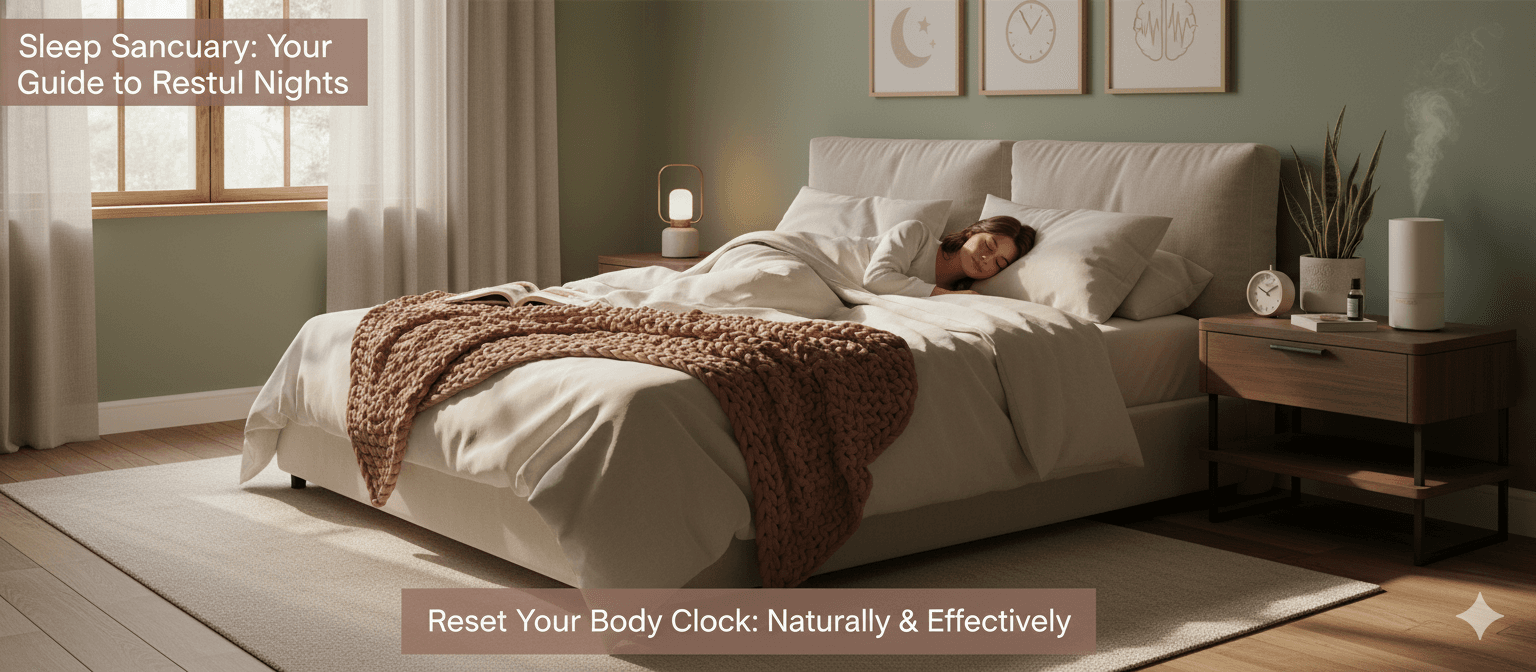
Your bedroom environment plays a crucial role in sleep quality. Temperature, lighting, noise levels, and comfort all contribute to how well you sleep and how rested you feel in the morning.
Diet and Sleep: What to Eat and Avoid
Certain foods and beverages can promote or disrupt sleep. Understanding the relationship between nutrition and sleep can help you make better choices for better rest.
Technology's Impact on Sleep Quality
Blue light from screens can interfere with melatonin production, making it harder to fall asleep. Establishing a technology curfew before bedtime can significantly improve sleep quality.
Relaxation Techniques for Better Sleep
Mindfulness, progressive muscle relaxation, and breathing exercises can help calm your mind and prepare your body for sleep. These techniques are particularly helpful for those with racing thoughts at bedtime.
When to Seek Professional Sleep Help
If sleep problems persist despite lifestyle changes, it may be time to consult a sleep specialist. Sleep studies and professional evaluation can identify underlying conditions and guide treatment.
About the Author
Salman Marwari
Leading expert in health with over 15 years of experience in research and practice.