Beauty
4.1K reads
By Salman Marwari2025-04-2010 min read
Vegan Collagen: Why It’s Replacing Animal-Based Beauty Products.
Vegan CollagenCruelty-Free SkincarePlant-Based BeautyAnti-Aging2025Sustainable Skincare
Let’s face it — the beauty industry is changing faster than ever. What used to be all about luxury ingredients and quick results is now shifting toward ethics, sustainability, and science-backed innovation. One of the biggest revolutions leading this change is vegan collagen, a cruelty-free alternative that’s quietly replacing animal-based collagen in skincare and wellness products across the USA, UK, and beyond.
Here’s the thing: collagen isn’t new. It’s the structural protein that keeps our skin plump, joints flexible, and hair strong. But until recently, collagen was mostly sourced from animal bones, fish scales, and connective tissues. That didn’t sit well with everyone — especially those who live by cruelty-free values or follow plant-based lifestyles. On top of that, environmental concerns, allergies, and dietary restrictions pushed people to look for better, more ethical solutions. Enter vegan collagen — a science-powered breakthrough that mimics natural collagen without using a single animal ingredient.
So, how does it actually work? Instead of extracting collagen directly, scientists use genetically engineered yeast and bacteria — like Pichia pastoris — to produce amino acid chains identical to human collagen. These lab-created proteins are then purified and used in skincare creams, serums, and supplements. The result? Skin-supporting collagen that’s 100% vegan, sustainable, and often more stable and consistent than traditional sources.
What makes this even more exciting is that vegan collagen is part of a bigger movement — one where skincare is no longer just about beauty but about conscious living. Today’s consumers don’t just want glowing skin; they want to know the ingredients in their products don’t harm animals or the planet. This mindset has pushed brands to innovate rapidly, and in 2025, vegan collagen is standing at the center of that innovation.
But this trend isn’t only about ethics. It’s backed by serious science. Research shows that vegan collagen formulas rich in amino acids, antioxidants, and peptides can help support the skin’s natural repair process. They encourage the body to produce more of its own collagen and protect existing fibers from breaking down due to sun exposure or stress. In short, you’re not just applying collagen — you’re teaching your body to regenerate it naturally.
Another reason vegan collagen is gaining popularity is its multi-functional appeal. It’s not limited to skincare; it’s now being used in haircare, nail treatments, and dietary supplements. From drinkable collagen boosters made with seaweed peptides to serums infused with plant-based molecules, every product is part of a new era where beauty meets biotechnology.
Still, there’s one question many people ask — can vegan collagen really compete with traditional collagen? The short answer is yes. Modern vegan formulations often combine collagen-like proteins with ingredients like vitamin C, silica, zinc, and plant peptides, which together create a stronger effect on skin elasticity and repair. Many dermatologists are even calling it the “future of clean anti-aging,” and early studies are already showing comparable or even superior performance in improving hydration and reducing fine lines.
There’s also the environmental angle. Animal-based collagen production involves high resource use, chemical treatments, and waste generation. In contrast, vegan collagen uses biotechnology fermentation, which requires fewer resources and produces minimal waste — making it a win for your skin and the planet.
What this really means is that beauty consumers are no longer stuck choosing between results and responsibility. Vegan collagen delivers both. It represents a smarter, more conscious approach to skincare — one that aligns with modern values without compromising performance.
In 2025, the question isn’t whether vegan collagen will replace traditional collagen — it’s how quickly it will become the new standard. With beauty giants, dermatologists, and eco-conscious consumers all moving in the same direction, the future of anti-aging skincare looks more ethical, innovative, and sustainable than ever before.
So if you’re ready to upgrade your skincare routine with something that’s good for your face and the world, vegan collagen might just be your new go-to ingredient. It’s science, sustainability, and self-care — all bottled up in one cruelty-free solution.
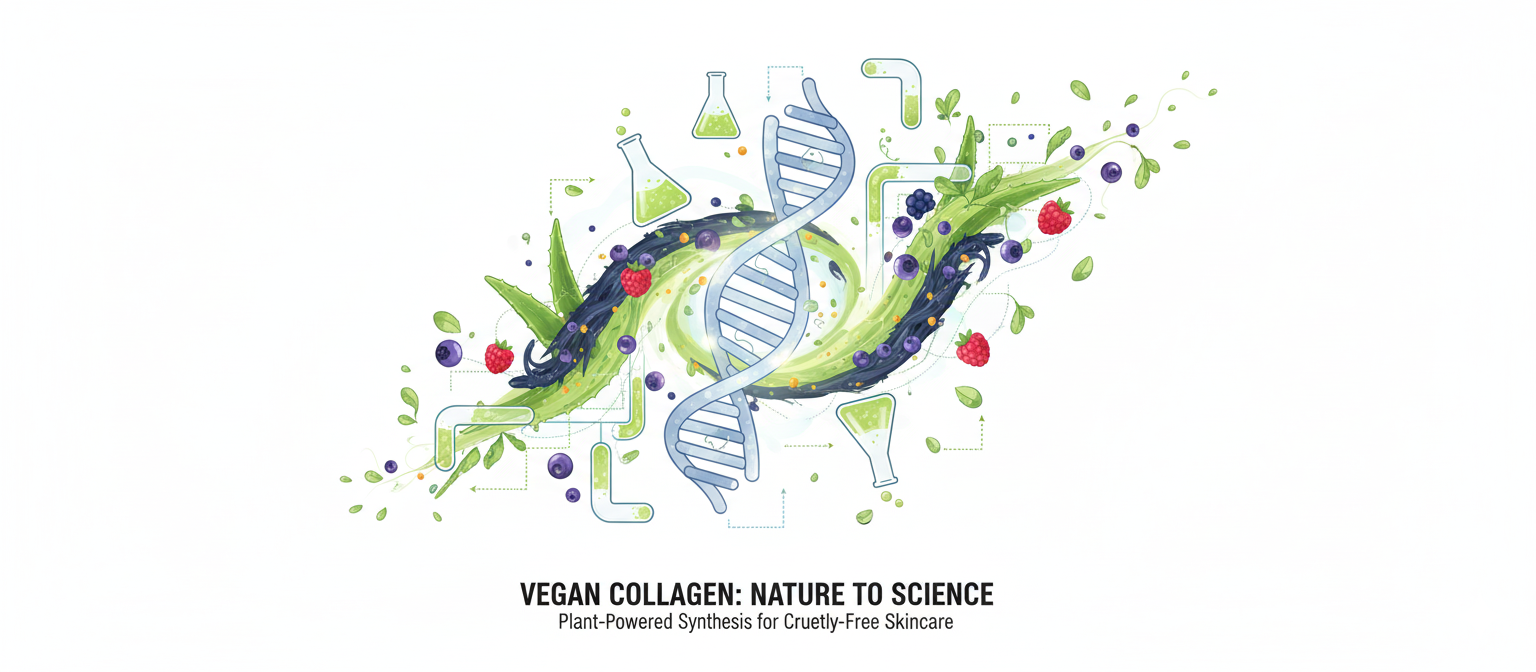
To understand why vegan collagen is such a game-changer, you first need to know what collagen actually is. Collagen is the body’s main structural protein — it’s what gives your skin firmness, elasticity, and that youthful “bounce.” But starting in your mid-20s, your body’s natural collagen production slows down. By the time you hit your 40s, you’re losing it faster than your body can replace it, which is why wrinkles, sagging, and dullness become more noticeable.
Traditionally, skincare brands have solved this by adding animal-derived collagen, often sourced from cows, pigs, or fish. The problem? These sources raise ethical, environmental, and allergy concerns — not to mention they don’t always blend well with vegan or plant-based lifestyles. That’s where vegan collagen steps in as the modern, science-driven alternative.
Here’s how it works. Scientists have discovered a way to bioengineer collagen without using any animal ingredients. Instead, they use microorganisms like yeast and bacteria (most commonly Pichia pastoris and Escherichia coli) and program them with human collagen genes. Once these microorganisms start growing, they produce amino acid chains that are identical to real collagen. The result is lab-created, cruelty-free collagen that mimics natural collagen’s structure and benefits — without harming animals or the planet.
But vegan collagen doesn’t stop there. Many brands enhance their formulas with plant-based peptides, vitamins, and antioxidants that help the skin naturally produce more collagen on its own. Ingredients like vitamin C, bamboo extract (rich in silica), and amino acids from soy and peas play a key role in supporting this regeneration process. So, instead of simply applying collagen on the skin, you’re activating your body’s own repair and renewal mechanisms.
The production process is also far more sustainable. Unlike animal collagen extraction, which involves heavy processing, waste generation, and high carbon emissions, vegan collagen is made through fermentation technology. It’s clean, efficient, and produces minimal environmental impact. For brands aiming to be eco-friendly and transparent, this process represents the perfect balance of ethics and effectiveness.
In short, vegan collagen isn’t just a substitute — it’s an upgrade. It’s engineered for purity, performance, and sustainability, giving your skin the same (or even better) anti-aging benefits as traditional collagen, without the moral or environmental baggage.
As the beauty industry moves toward conscious innovation, vegan collagen stands out as one of the biggest breakthroughs in 2025 skincare — a scientific evolution that redefines what “clean beauty” really means.
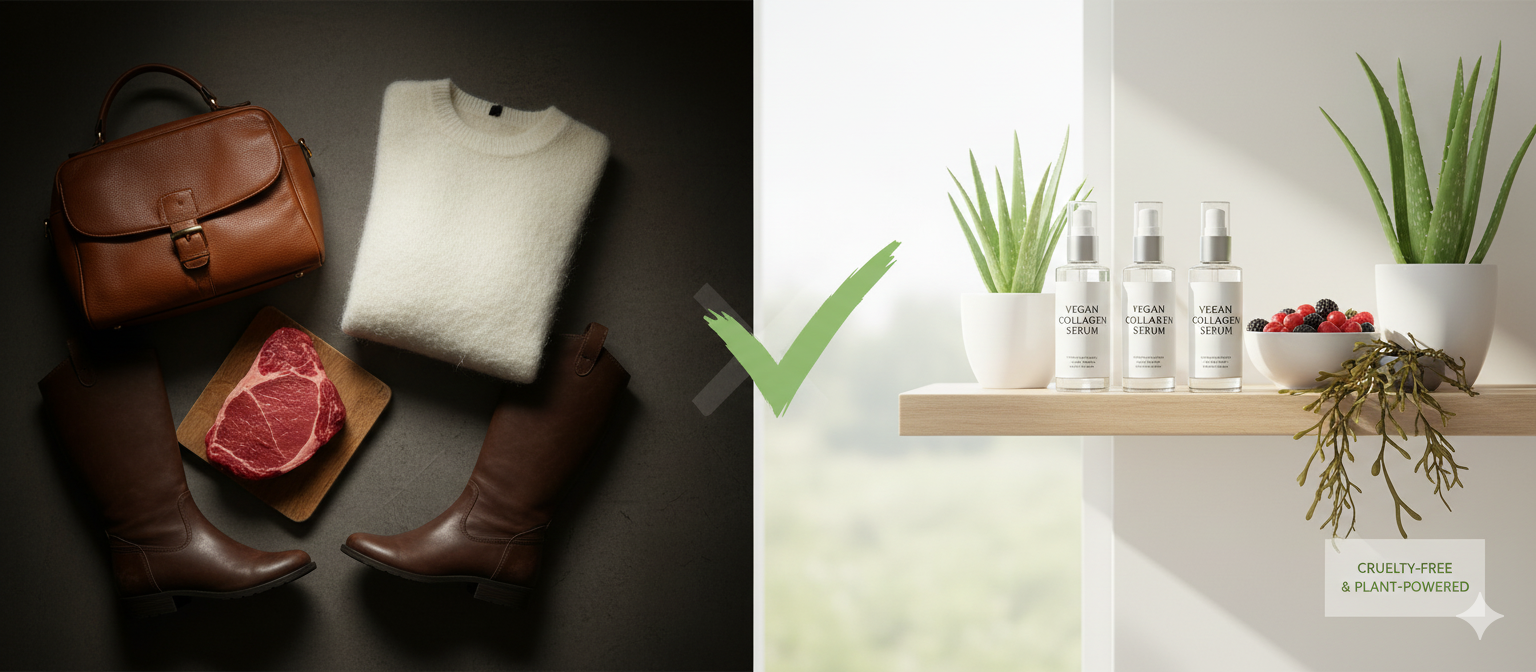
For decades, the beauty industry relied on animal-based collagen—mainly sourced from cow hides, fish scales, and pig skin—to deliver anti-aging benefits. It worked, to an extent, but came with baggage: ethical concerns, environmental damage, and compatibility issues with plant-based lifestyles. As consumer awareness grew, so did the demand for a cleaner, cruelty-free alternative. That’s how the shift to vegan collagen began—driven by science, sustainability, and self-awareness.
The first reason behind this shift is ethics. Today’s consumers want transparency. They want beauty products that align with their values, not just their skincare goals. Animal-derived collagen involves large-scale farming and extraction processes that contribute to animal suffering and massive environmental strain. Vegan collagen, on the other hand, is lab-engineered without harming a single animal, making it a win for cruelty-free advocates and eco-conscious buyers alike.
The second reason is sustainability. Traditional collagen production leaves a large carbon footprint—it relies on animal agriculture, which generates greenhouse gases and consumes vast natural resources. In contrast, vegan collagen is made through fermentation using yeast, bacteria, and plant ingredients. This process produces significantly less waste and uses fewer resources. The result: a collagen alternative that’s not just good for your skin, but good for the planet too.
Third, there’s innovation and purity. Animal-based collagen often carries the risk of contamination or inconsistent quality depending on the source. Vegan collagen is created under controlled lab conditions, ensuring purity, stability, and reproducibility. It’s also bioidentical—meaning it matches human collagen at the molecular level—making it more compatible with your skin’s natural structure.
Another major factor is the rise of veganism and plant-based lifestyles. As global diets shift toward sustainability and compassion, skincare is following the same path. Beauty brands have realized that the future lies in inclusive, ethical products—ones that work for everyone, regardless of dietary or ethical choices.
Finally, consumer trust plays a big role. Modern shoppers don’t just buy skincare—they research it. Social media, dermatologists, and wellness influencers have pushed the conversation around ingredients like never before. This pressure has led brands to drop outdated animal formulas in favor of scientifically advanced, vegan alternatives that deliver the same (if not better) results.
In short, the move from animal to vegan collagen isn’t just a passing trend—it’s a complete industry evolution. It represents the fusion of ethics, innovation, and performance in one formula. By choosing vegan collagen, consumers are saying yes to skincare that’s smart, sustainable, and guilt-free—the perfect formula for beauty in 2025 and beyond.

The beauty industry has always celebrated collagen as the holy grail of youthful skin, shiny hair, and strong nails. But in 2025, vegan collagen is taking the spotlight — not only for being cruelty-free but also for delivering scientifically backed beauty benefits that rival traditional collagen sources.
Here’s what makes vegan collagen so powerful for your skin, hair, and nails, and why it’s becoming a must-have in every skincare routine.
Collagen is the main structural protein that keeps your skin plump, smooth, and elastic. As we age, natural collagen production drops — leading to wrinkles and sagging. Vegan collagen helps stimulate your body’s own collagen synthesis through amino acids and peptides derived from plants and fermented microbes.
Reduces fine lines and wrinkles naturally
Improves skin hydration and elasticity
Brightens dull, tired-looking skin
Supports wound healing and skin barrier repair
Offers antioxidant protection against UV and pollution damage
What’s great is that vegan collagen often comes combined with vitamin C, biotin, and hyaluronic acid, which help your body absorb and use collagen more effectively — giving your skin a fresh, youthful glow.
Healthy hair starts from within. Vegan collagen provides plant-based amino acids that act as building blocks for keratin — the protein that forms hair strands. It also improves scalp circulation, which helps hair follicles get the nutrients they need to grow stronger.
Reduces breakage and thinning
Adds natural shine and smoothness
Strengthens roots and promotes hair density
Improves scalp hydration and reduces flakiness
Encourages faster, healthier growth over time
What this really means is — with consistent use, vegan collagen can help you achieve visibly thicker, more resilient hair without synthetic additives or animal-based proteins.
If you struggle with brittle or peeling nails, vegan collagen peptides can make a real difference. They provide essential amino acids that rebuild nail strength and reduce splitting.
Prevents chipping and brittleness
Promotes faster nail growth
Improves smoothness and reduces ridges
Supports long-term nail hydration and color
By enhancing keratin and collagen production at the cellular level, vegan collagen delivers noticeable nail health improvements within just a few weeks.
The biggest advantage of vegan collagen lies in its bioengineered precision. Instead of relying on inconsistent animal extracts, it’s built molecule by molecule to mirror human collagen — meaning your body recognizes and uses it more efficiently.
✅ 100% cruelty-free and sustainable
✅ Scientifically formulated for faster absorption
✅ Suitable for all skin types (even sensitive)
✅ Non-GMO and allergen-free
This combination of ethical innovation and performance makes vegan collagen the next-generation beauty supplement for anyone serious about long-term skin and hair wellness.
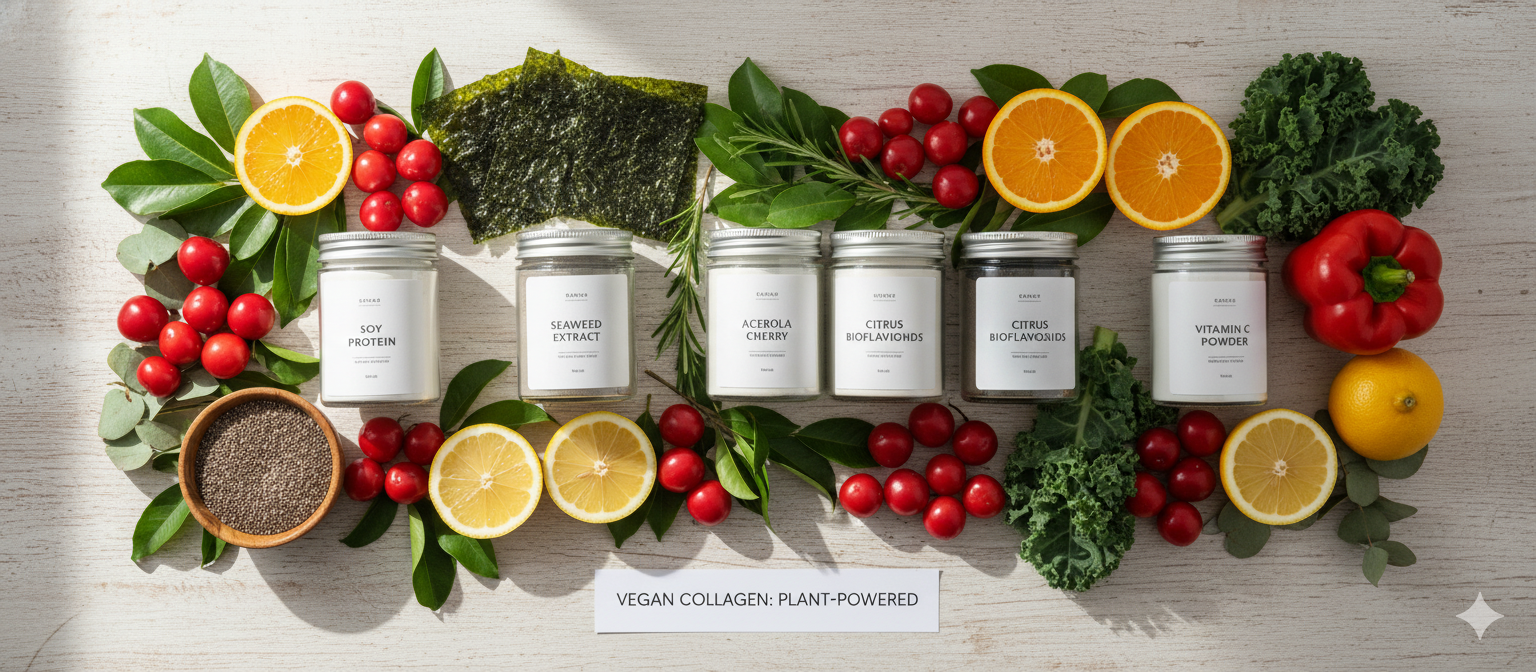
Here’s the thing — vegan collagen isn’t a single ingredient. It’s a mix of powerful plant-based sources that help your body naturally produce collagen. Let’s look at the best ones:
Collagen is made from amino acids like glycine, proline, and hydroxyproline. These can be found in:
Soy protein
Legumes (like lentils and chickpeas)
Quinoa
Spirulina
These sources fuel collagen synthesis at the cellular level — without relying on animal tissue.
Vitamin C is essential for collagen production. It stabilizes the structure of collagen fibers and boosts your skin’s natural glow.
Citrus fruits (oranges, lemons)
Kiwi
Strawberries
Guava
Papaya
Zinc and copper act as cofactors in collagen creation, ensuring your skin retains elasticity.
Pumpkin seeds
Cashews
Almonds
Whole grains
Algae-derived ingredients are a breakthrough in vegan collagen research. They provide marine-like benefits without harming marine life.
Red algae
Spirulina
Chlorella
Biotech innovations now use yeast fermentation to mimic human collagen peptides — fully vegan and cruelty-free. Brands like Geltor and Evonik are leading this revolution.
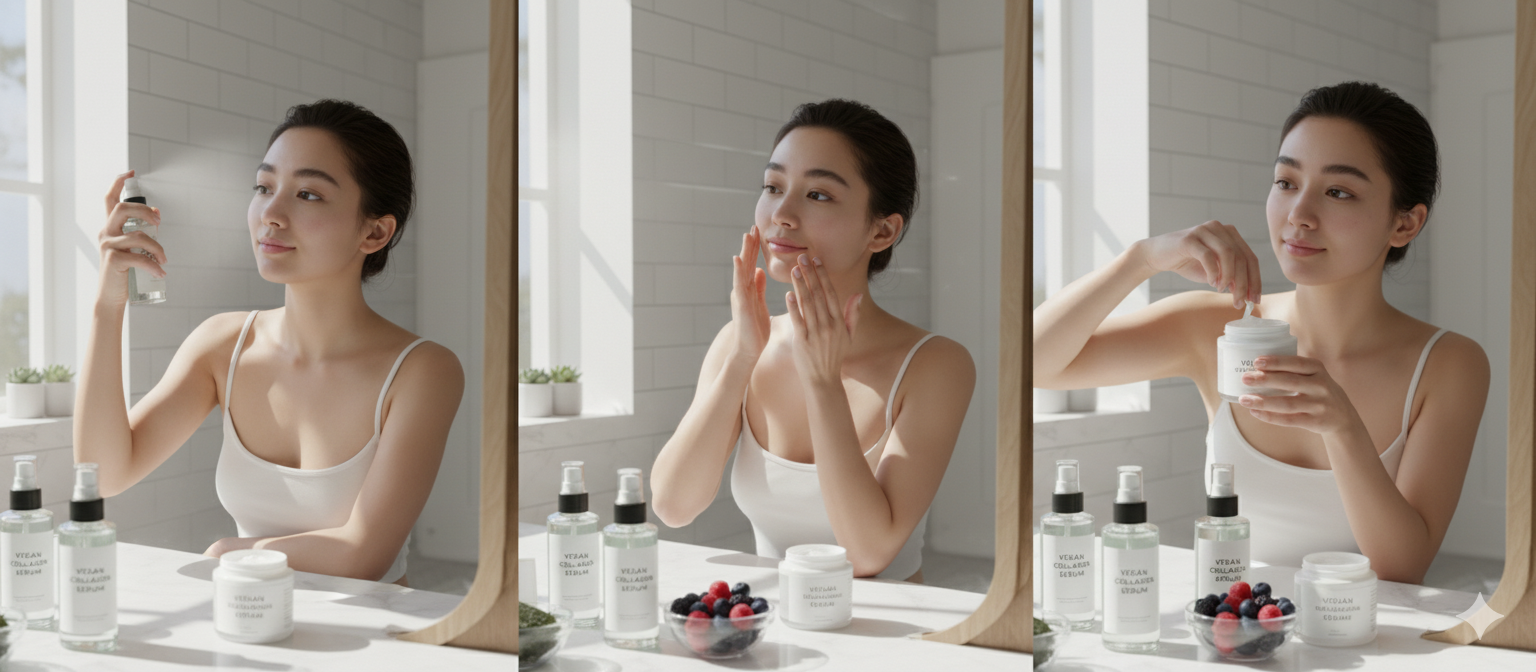
Here’s the thing — switching to vegan collagen isn’t about replacing your entire skincare shelf overnight. It’s about adding smart, science-backed products that support your skin’s natural repair and elasticity. Let’s break down how to do that step by step:
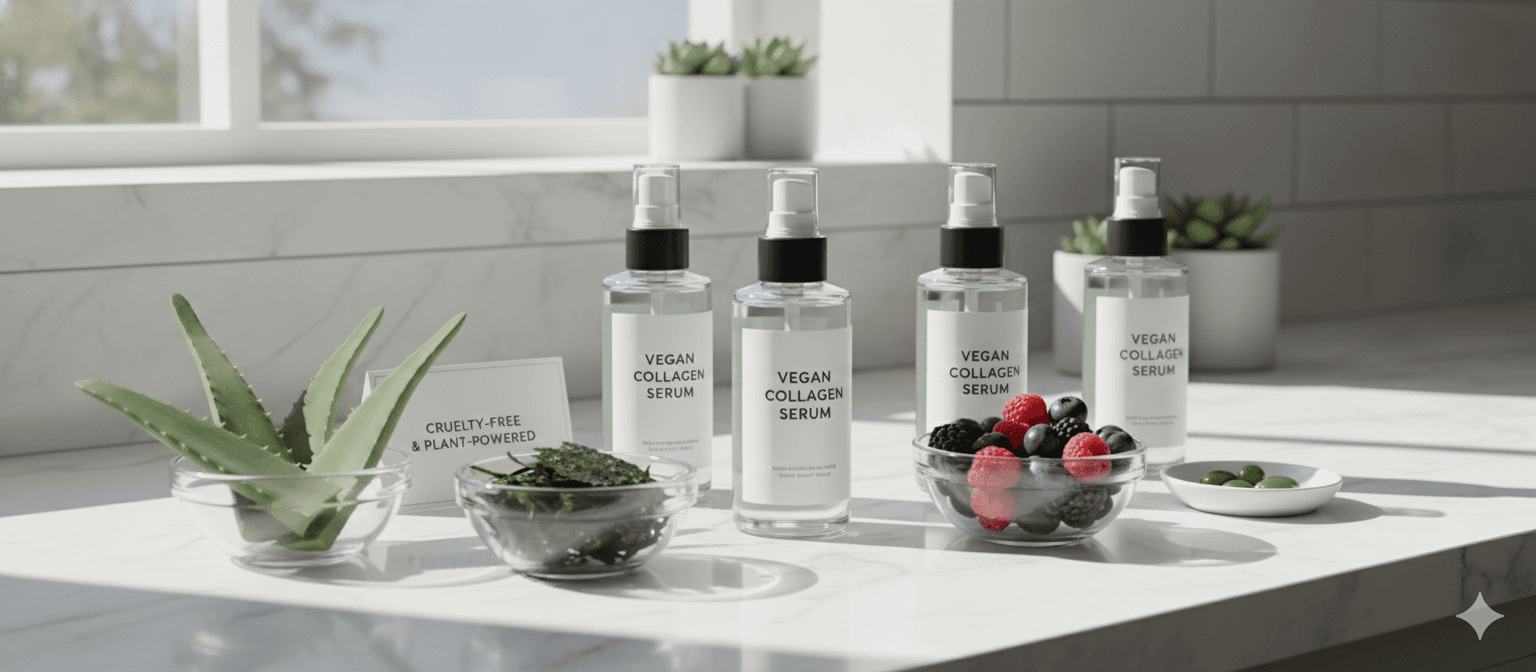
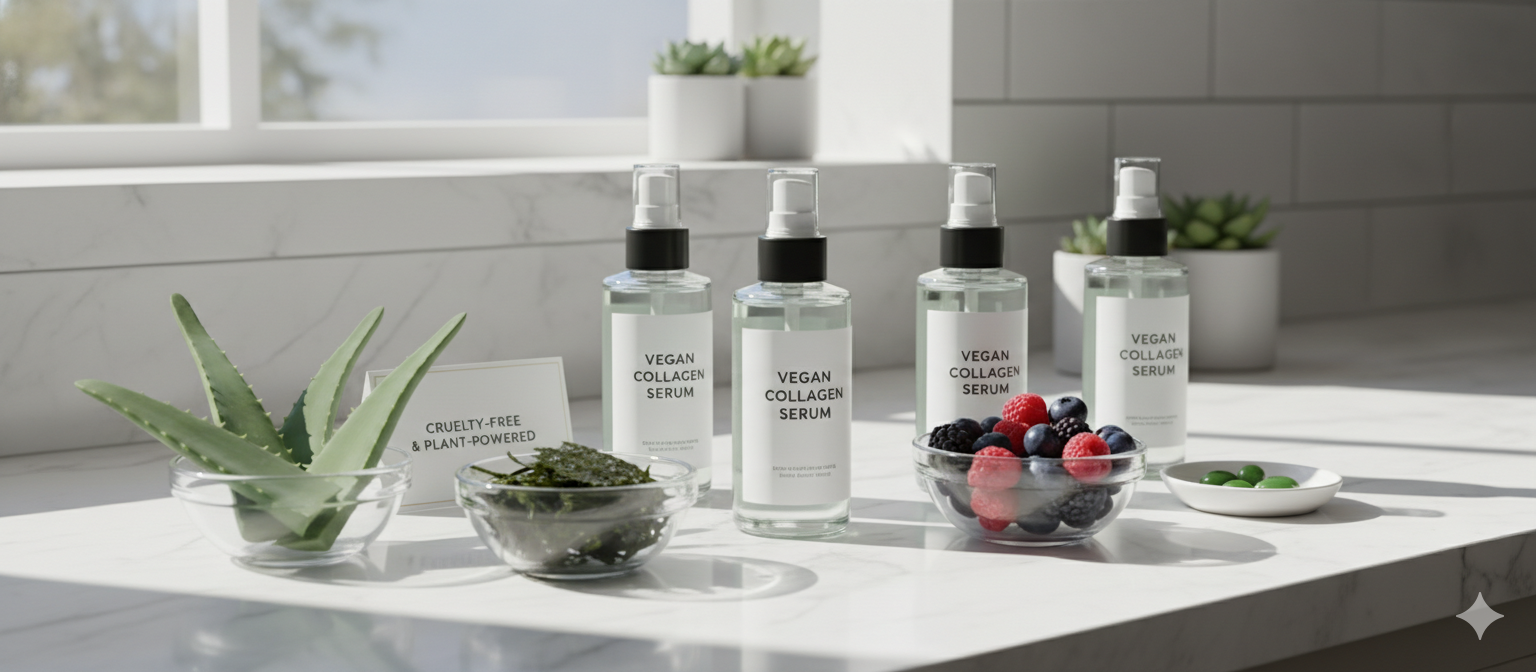
This is where the magic begins. Serums contain concentrated actives that penetrate deep into the skin. Look for:
Peptides + Vitamin C blends
Aloe vera or hyaluronic acid for hydration
Plant stem cells or fermented extracts for renewal
How to use: Apply 2–3 drops after cleansing, before moisturizer, twice a day.
A good vegan collagen cream locks in hydration while supporting elasticity. Ingredients to look for:
Bakuchiol (a natural retinol alternative)
Green tea extract
Niacinamide
Bamboo silica
This step strengthens your skin barrier and keeps your complexion firm and bouncy.
Once or twice a week, use a sheet mask or overnight mask with collagen-boosting plant peptides. These deliver a high dose of nutrients and improve overall skin tone.
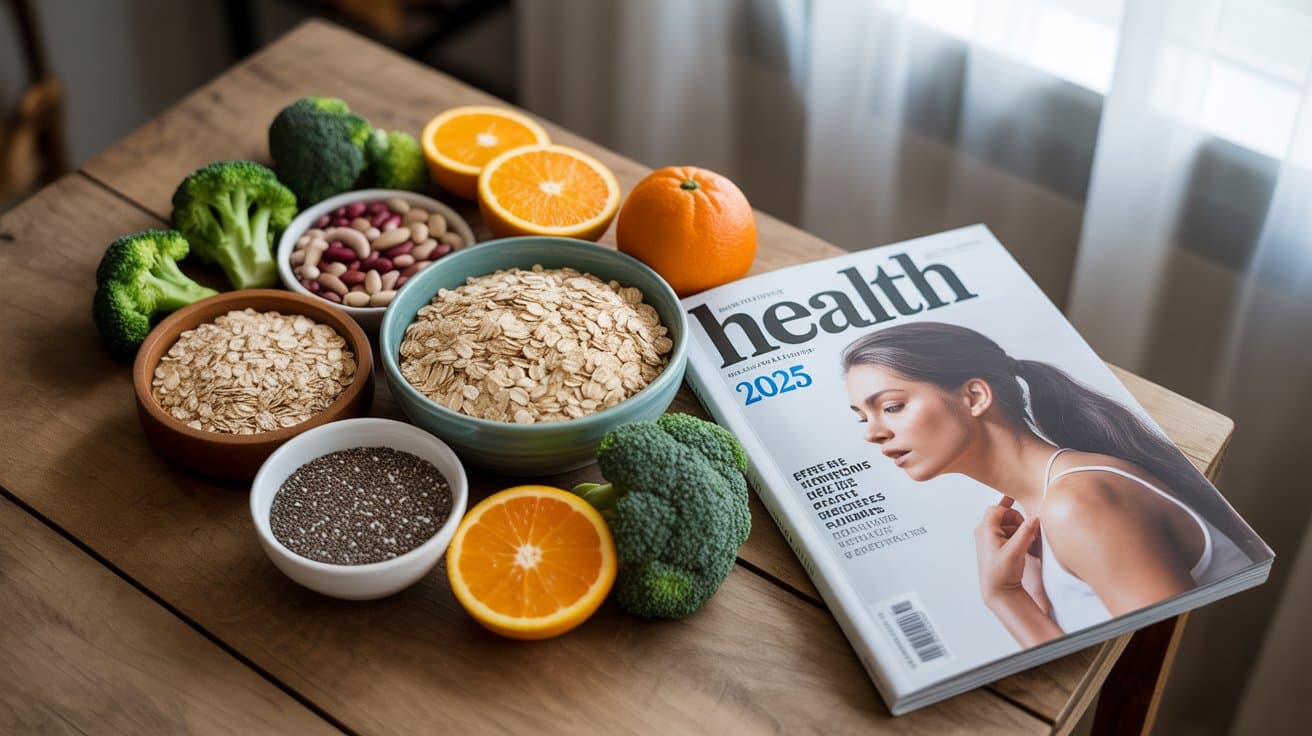
Collagen isn’t built from the outside alone. Support your skin internally by:
Eating vitamin C–rich fruits like oranges and kiwi
Adding plant protein sources like lentils and tofu
Drinking plenty of water daily
You can also take vegan collagen powders or gummies made from algae, amla, and biotin.
The key to visible results is consistency. Give your skin 6–8 weeks of regular use before expecting noticeable improvements. Track changes like firmness, smoothness, and glow in natural light.
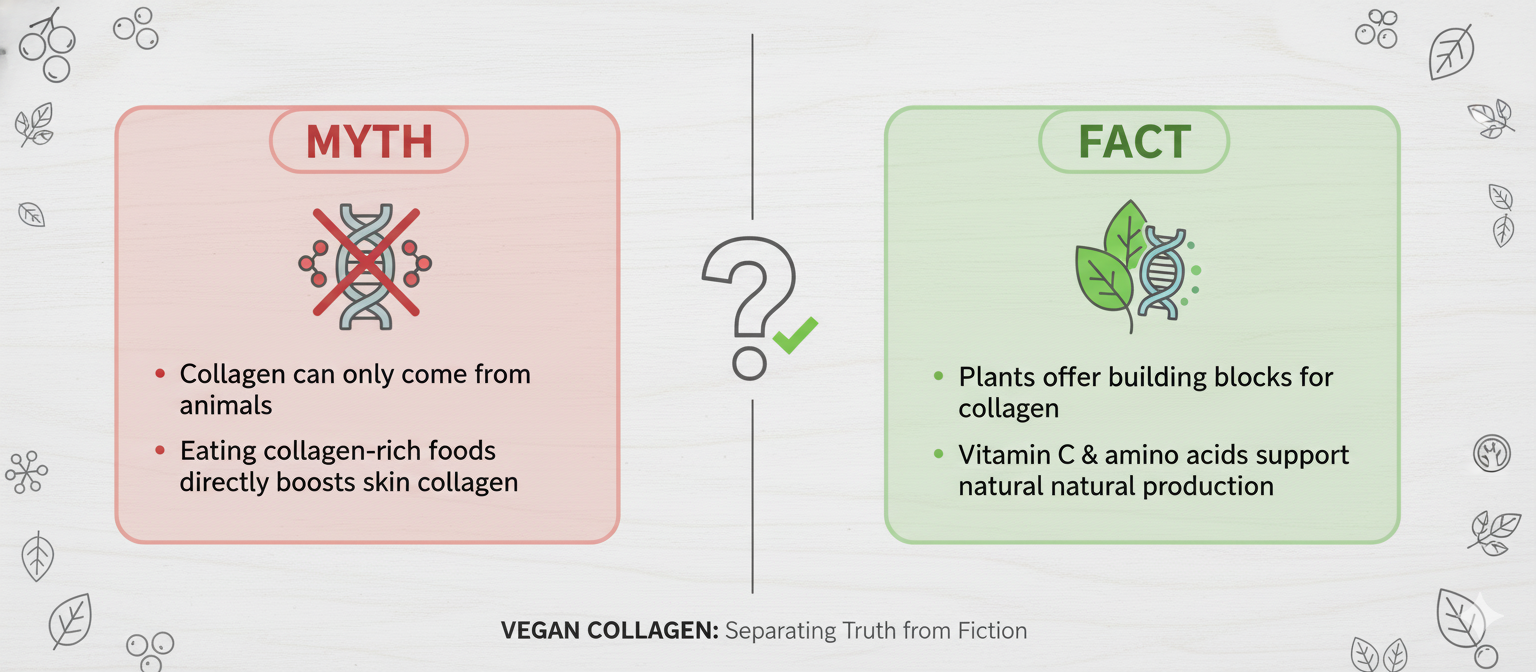
There’s a lot of confusion around vegan collagen. Some people think it’s less effective, others assume it’s just a marketing buzzword. The truth is—most of these beliefs are outdated or flat-out wrong. Let’s clear things up.
Busted: Vegan collagen is absolutely real—just made differently. Instead of coming from animal tissue, it’s produced using yeast or bacteria through fermentation, where scientists insert human collagen genes into these microorganisms. The result? A bio-identical collagen that performs just like the one your body naturally makes.
Busted: While plants don’t contain collagen, they provide powerful amino acids, antioxidants, and peptides that help your body create more collagen naturally. Think of ingredients like vitamin C, silica, and lysine—they’re the raw materials your body uses to build collagen on its own.
Busted: When combined with consistent skincare and a healthy diet, vegan collagen serums and supplements can improve elasticity, reduce fine lines, and enhance glow within a few weeks. Clinical studies in 2025 even show fermented plant peptides to be nearly as effective as marine collagen in supporting skin structure.
Busted: That’s old-school thinking. Today’s vegan formulas use lab-engineered collagen that’s molecularly identical to animal collagen—minus the ethical or allergy concerns. It’s cruelty-free, sustainable, and 100% compatible with all skin types.
Busted: Not at all. People are switching to vegan collagen because it’s cleaner, more sustainable, and free from contaminants often found in animal-based collagen (like hormones or heavy metals). It’s a smart skincare choice—vegan or not.
Vegan collagen = real, lab-grown or plant-powered collagen
Boosts natural collagen production with clean ingredients
Safe for all skin types and completely cruelty-free
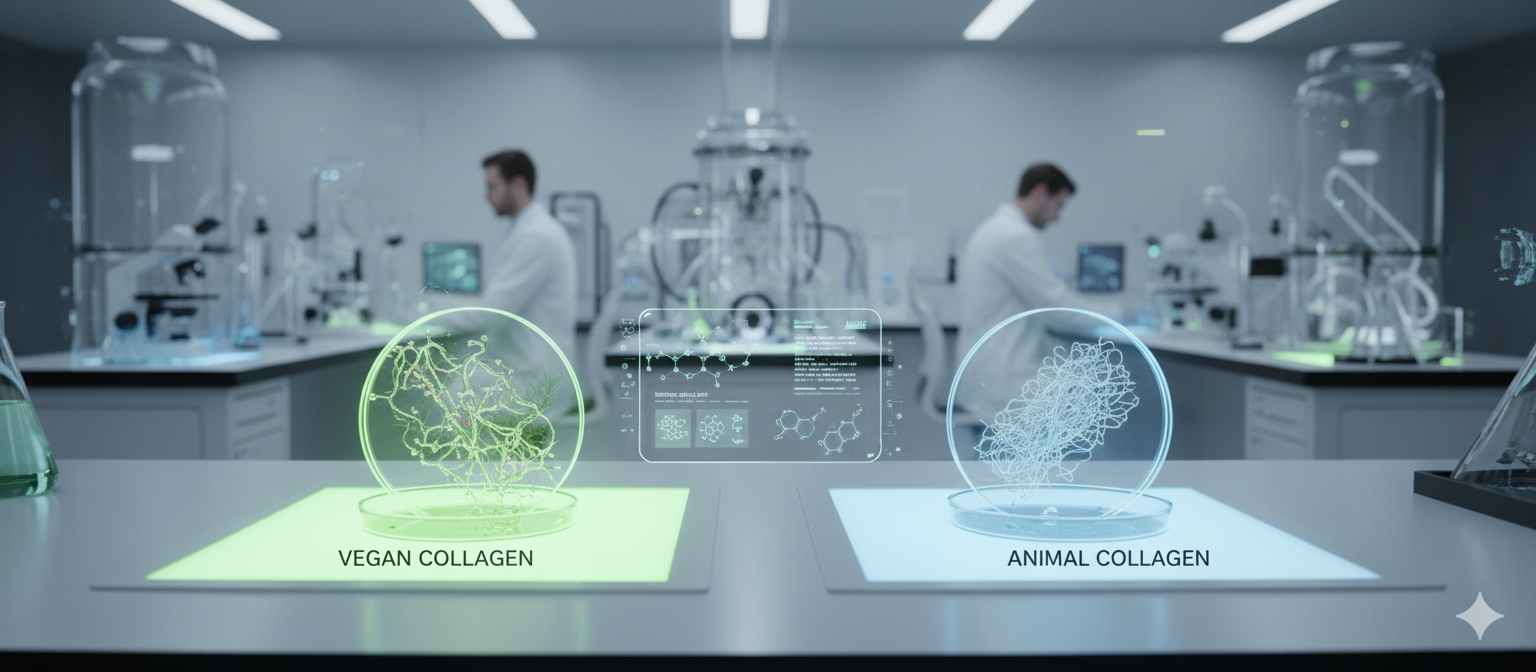
Here’s what the latest clinical research says about vegan collagen compared to traditional animal-based sources — especially in terms of anti-aging results, skin health, safety, and sustainability.
A double-blind, placebo-controlled study compared three groups: vegan biomimetic collagen (VeCollal®), fish collagen, and a placebo over 8 weeks. The vegan collagen group showed:
~4.7% increase in collagen density
(NutraIngredients.com)
~5.1% improvement in skin elasticity
(NutraIngredients.com)
Reduction in wrinkles, improved texture, minimized pores, and better hydration/lightness — all nearly matching the fish collagen group’s results.
(NutraIngredients.com)
In a 60-day clinical trial of Vegan Collagen Builder (VEGCOL™️) with 66 subjects (ages 30-50), significant improvements were seen in skin smoothness, crow’s feet wrinkles, hydration, elasticity, and hair density — with no reports of adverse effects.
(Wiley Online Library)
When you compare both types, vegan collagen holds its ground surprisingly well. In terms of results — skin firmness, wrinkle reduction, and hydration — both perform similarly in short-term trials. The big difference lies in how they’re made and what they represent.
While the progress is exciting, there are still a few points to consider. Many so-called “vegan collagen” products aren’t true collagen but collagen boosters — blends that stimulate your body to produce more collagen using vitamins, minerals, and plant extracts. The effectiveness depends heavily on formulation quality, peptide type, and supportive nutrients like vitamin C and antioxidants. Also, most trials are short-term; long-term (6–12 month) data is still limited but evolving.
Vegan collagen isn’t just a trend — it’s a serious alternative that combines ethical beauty with scientific credibility. With ongoing studies showing comparable skin improvements to animal collagen, it’s clear that plant-powered collagen is paving the way for the future of sustainable anti-aging. If you pick a well-formulated, clinically tested vegan collagen product, you can expect visible results in skin texture, elasticity, and hydration — all without compromising your values.
Many “vegan collagen” products are what researchers call collagen promoters rather than true bio-identical collagen. These rely heavily on vitamin C, certain plant peptides, or exotic botanicals to stimulate collagen synthesis.
(Live Science)
(Collagen Stewardship Alliance)
Some early trials are small and short-duration. Long-term data (6-12 months+) is still limited.
Differences in formulation matter a lot. Purity, peptide size, co-ingredients (vitamin C, antioxidants) all affect how well vegan collagen works.
What this means is that vegan collagen isn’t just catching up — it’s seriously competitive. If you get a well-formulated vegan collagen blend (good amino acid profile, clinically tested, combined with supportive ingredients), you can expect results similar to what animal-based collagen gives you—especially in texture, elasticity, hydration, and wrinkle reduction.
For consumers who care about ethics, sustainability, and avoiding animal sources, vegan collagen offers a viable and scientifically backed alternative. And as formulations improve, the gap in performance continues to narrow.
Let’s clear up some of the most common questions people have about vegan collagen, how it works, and why it’s becoming a top beauty trend in 2025.
Most vegan collagen products available today are collagen builders, not actual collagen. They contain plant-based amino acids, vitamin C, zinc, and antioxidants that help your body produce collagen naturally. However, new biotech-based vegan collagens (like VeCollal® and Geltor) are now creating lab-engineered collagen identical to human collagen — completely animal-free.
Yes, in recent studies, vegan collagen performed almost as well as fish or bovine collagen for improving skin elasticity, firmness, and hydration. The results depend on formulation quality, dosage, and consistency of use, but the gap between vegan and animal collagen is quickly closing.
Absolutely. Vegan collagen helps stimulate natural collagen production, improves skin structure, and enhances hydration — all of which reduce the appearance of fine lines and wrinkles. It also promotes cell repair and elasticity, making it a powerful anti-aging ally.
Yes. Since vegan collagen is plant-derived and free from animal proteins, it’s typically gentler and hypoallergenic. It’s also free from common irritants like parabens, sulfates, and artificial fragrances, making it safe for most skin types, including sensitive or acne-prone skin.
Most users report visible improvements in skin hydration and smoothness within 3–4 weeks, while firmness and wrinkle reduction become more noticeable after 6–8 weeks of consistent use. For best results, pair your collagen supplement or serum with a balanced diet rich in vitamin C, zinc, and omega fatty acids.
Yes — that’s one of its biggest advantages. Vegan collagen is 100% cruelty-free (no animals harmed or used in production) and environmentally sustainable, as it relies on plant or microbial fermentation processes instead of animal farming.
Of course. Collagen isn’t gender-specific. Men benefit just as much — it supports skin firmness, joint flexibility, and hair growth. Many new brands even make neutral or fragrance-free vegan collagen supplements designed for everyone.
Check the ingredient label for clinically tested components like VeCollal®, Geltor, or fermented amino acid peptides, plus vitamin C, zinc, and hyaluronic acid. Avoid vague “collagen blend” labels without transparent sourcing. Always choose a trusted, science-backed brand that provides clear dosage and safety data.
Yes. You can safely combine vegan collagen with retinol, vitamin C serums, and hyaluronic acid. In fact, using these together enhances collagen synthesis and maximizes results — just make sure to maintain consistent hydration and sun protection.
Most likely, yes — at least for the beauty industry. As biotech innovation advances, vegan collagen is expected to fully replace animal collagen by 2030, offering a cleaner, more ethical, and equally effective solution for skin, hair, and nail care.
✅ Bottom line: Vegan collagen is the future of beauty — cruelty-free, eco-conscious, and scientifically proven. If you’re looking for a skincare upgrade that aligns with both ethics and results, this is the product to watch in 2025 and beyond.

Here’s the thing — beauty is evolving, and it’s not just about looking good anymore. It’s about feeling good, doing good, and making choices that align with both health and ethics. That’s exactly what vegan collagen represents — a future where science and compassion work together to redefine skincare.
The rise of vegan collagen is more than a passing trend. It’s a shift in consciousness. Consumers today are informed, aware, and no longer willing to trade animal welfare or environmental integrity for temporary results. Modern biotech now allows us to enjoy the benefits of collagen — firm, youthful, radiant skin — without any compromise.
What this really means is: you can age gracefully while staying cruelty-free. Whether you use vegan collagen powders, serums, or supplements, each product choice you make contributes to a cleaner planet and a kinder beauty industry.
By 2025, vegan collagen isn’t just replacing traditional collagen — it’s outperforming it in quality, innovation, and ethics. From lab-grown peptides that mimic human collagen perfectly to plant-based formulas infused with antioxidants and adaptogens, the future of skincare is being rewritten.
So, as you build your beauty routine, remember this:
Healthy skin doesn’t have to cost the planet. Vegan is not just beautiful — it’s powerful, purposeful, and the future of beauty.
✨ Stay radiant, stay kind, and let your skincare reflect your values.
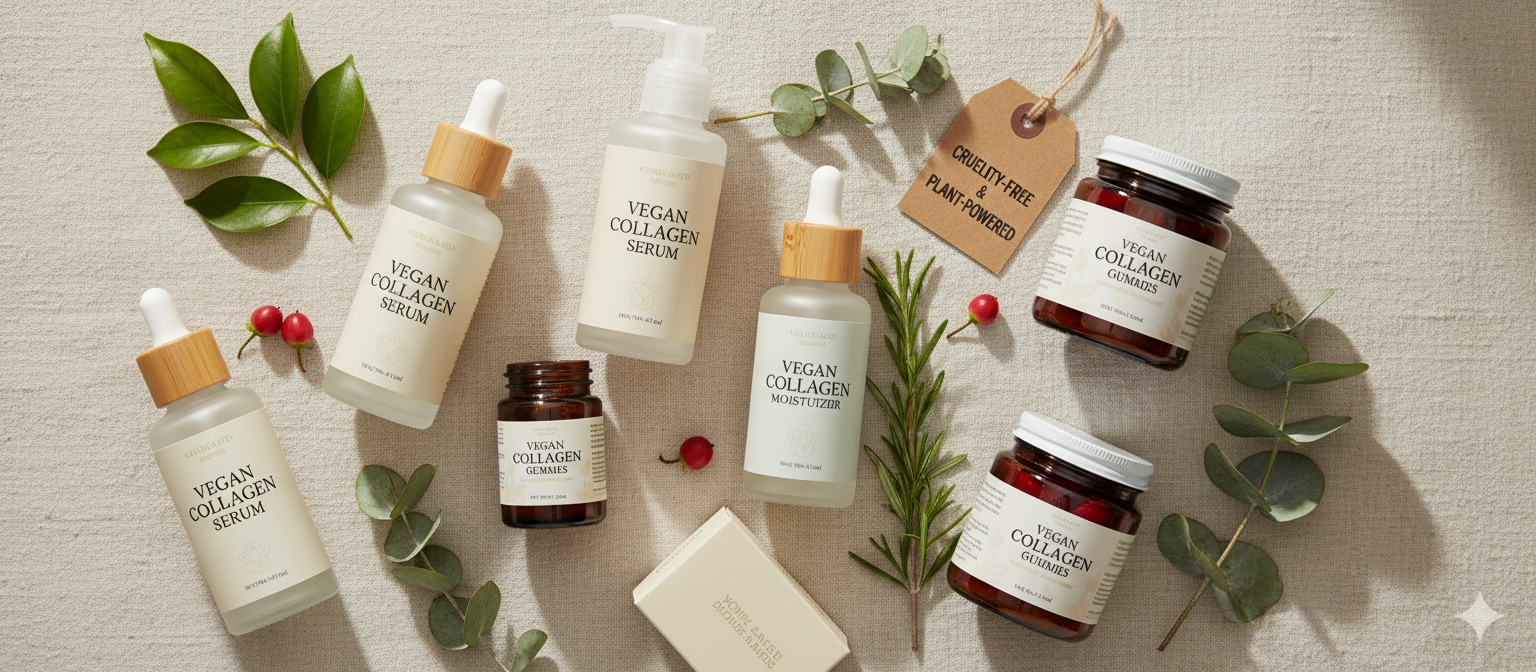
If you’re planning to start your vegan collagen journey, here are some trusted and effective products worth trying:
This serum is packed with plant peptides, hyaluronic acid, and vegan collagen boosters. It helps smooth fine lines and deeply hydrate your skin without any greasy feel.
A lightweight serum that stimulates your skin’s natural collagen production. It’s 100% cruelty-free, budget-friendly, and perfect for daily use.
A supplement made from organic plant-based ingredients like amla, bamboo silica, and vitamin C. It supports collagen formation from within and promotes stronger hair, nails, and glowing skin.
Known for its anti-aging properties, this cream helps improve skin elasticity and firmness with a vegan-friendly formula that’s rich in peptides and antioxidants.
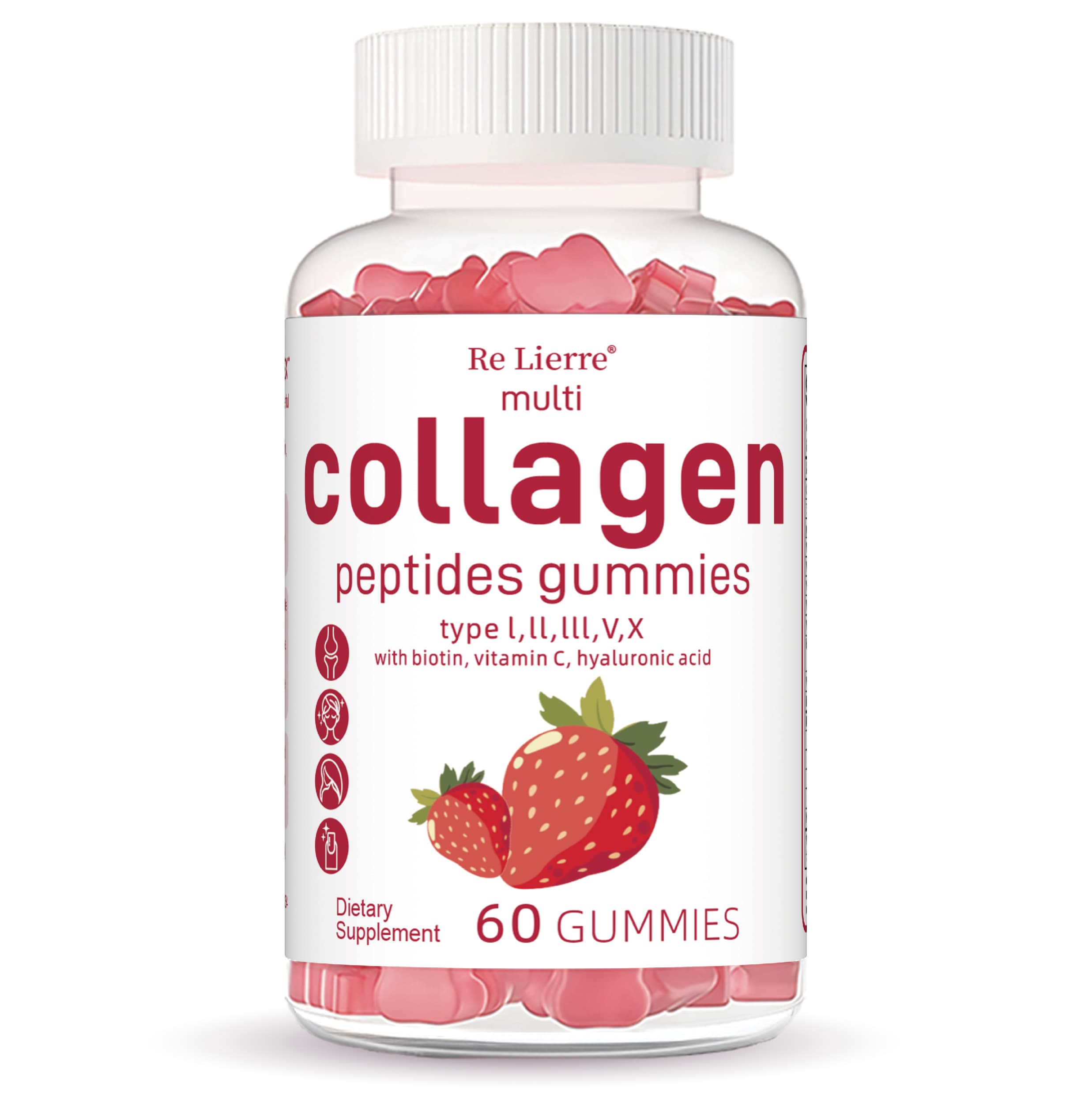
A tasty, easy-to-take gummy supplement that supports collagen synthesis and overall skin health. It’s a fun and effective way to nourish your beauty from the inside out.
vegan collagen, cruelty-free skincare, plant-based collagen, vegan beauty trend 2025, collagen alternatives, sustainable skincare, anti-aging vegan products, vegan collagen benefits
Here’s the thing: collagen isn’t new. It’s the structural protein that keeps our skin plump, joints flexible, and hair strong. But until recently, collagen was mostly sourced from animal bones, fish scales, and connective tissues. That didn’t sit well with everyone — especially those who live by cruelty-free values or follow plant-based lifestyles. On top of that, environmental concerns, allergies, and dietary restrictions pushed people to look for better, more ethical solutions. Enter vegan collagen — a science-powered breakthrough that mimics natural collagen without using a single animal ingredient.
So, how does it actually work? Instead of extracting collagen directly, scientists use genetically engineered yeast and bacteria — like Pichia pastoris — to produce amino acid chains identical to human collagen. These lab-created proteins are then purified and used in skincare creams, serums, and supplements. The result? Skin-supporting collagen that’s 100% vegan, sustainable, and often more stable and consistent than traditional sources.
What makes this even more exciting is that vegan collagen is part of a bigger movement — one where skincare is no longer just about beauty but about conscious living. Today’s consumers don’t just want glowing skin; they want to know the ingredients in their products don’t harm animals or the planet. This mindset has pushed brands to innovate rapidly, and in 2025, vegan collagen is standing at the center of that innovation.
But this trend isn’t only about ethics. It’s backed by serious science. Research shows that vegan collagen formulas rich in amino acids, antioxidants, and peptides can help support the skin’s natural repair process. They encourage the body to produce more of its own collagen and protect existing fibers from breaking down due to sun exposure or stress. In short, you’re not just applying collagen — you’re teaching your body to regenerate it naturally.
Another reason vegan collagen is gaining popularity is its multi-functional appeal. It’s not limited to skincare; it’s now being used in haircare, nail treatments, and dietary supplements. From drinkable collagen boosters made with seaweed peptides to serums infused with plant-based molecules, every product is part of a new era where beauty meets biotechnology.
Still, there’s one question many people ask — can vegan collagen really compete with traditional collagen? The short answer is yes. Modern vegan formulations often combine collagen-like proteins with ingredients like vitamin C, silica, zinc, and plant peptides, which together create a stronger effect on skin elasticity and repair. Many dermatologists are even calling it the “future of clean anti-aging,” and early studies are already showing comparable or even superior performance in improving hydration and reducing fine lines.
There’s also the environmental angle. Animal-based collagen production involves high resource use, chemical treatments, and waste generation. In contrast, vegan collagen uses biotechnology fermentation, which requires fewer resources and produces minimal waste — making it a win for your skin and the planet.
What this really means is that beauty consumers are no longer stuck choosing between results and responsibility. Vegan collagen delivers both. It represents a smarter, more conscious approach to skincare — one that aligns with modern values without compromising performance.
In 2025, the question isn’t whether vegan collagen will replace traditional collagen — it’s how quickly it will become the new standard. With beauty giants, dermatologists, and eco-conscious consumers all moving in the same direction, the future of anti-aging skincare looks more ethical, innovative, and sustainable than ever before.
So if you’re ready to upgrade your skincare routine with something that’s good for your face and the world, vegan collagen might just be your new go-to ingredient. It’s science, sustainability, and self-care — all bottled up in one cruelty-free solution.
What Is Vegan Collagen and How Is It Made?
To understand why vegan collagen is such a game-changer, you first need to know what collagen actually is. Collagen is the body’s main structural protein — it’s what gives your skin firmness, elasticity, and that youthful “bounce.” But starting in your mid-20s, your body’s natural collagen production slows down. By the time you hit your 40s, you’re losing it faster than your body can replace it, which is why wrinkles, sagging, and dullness become more noticeable.
Traditionally, skincare brands have solved this by adding animal-derived collagen, often sourced from cows, pigs, or fish. The problem? These sources raise ethical, environmental, and allergy concerns — not to mention they don’t always blend well with vegan or plant-based lifestyles. That’s where vegan collagen steps in as the modern, science-driven alternative.
Here’s how it works. Scientists have discovered a way to bioengineer collagen without using any animal ingredients. Instead, they use microorganisms like yeast and bacteria (most commonly Pichia pastoris and Escherichia coli) and program them with human collagen genes. Once these microorganisms start growing, they produce amino acid chains that are identical to real collagen. The result is lab-created, cruelty-free collagen that mimics natural collagen’s structure and benefits — without harming animals or the planet.
But vegan collagen doesn’t stop there. Many brands enhance their formulas with plant-based peptides, vitamins, and antioxidants that help the skin naturally produce more collagen on its own. Ingredients like vitamin C, bamboo extract (rich in silica), and amino acids from soy and peas play a key role in supporting this regeneration process. So, instead of simply applying collagen on the skin, you’re activating your body’s own repair and renewal mechanisms.
The production process is also far more sustainable. Unlike animal collagen extraction, which involves heavy processing, waste generation, and high carbon emissions, vegan collagen is made through fermentation technology. It’s clean, efficient, and produces minimal environmental impact. For brands aiming to be eco-friendly and transparent, this process represents the perfect balance of ethics and effectiveness.
In short, vegan collagen isn’t just a substitute — it’s an upgrade. It’s engineered for purity, performance, and sustainability, giving your skin the same (or even better) anti-aging benefits as traditional collagen, without the moral or environmental baggage.
As the beauty industry moves toward conscious innovation, vegan collagen stands out as one of the biggest breakthroughs in 2025 skincare — a scientific evolution that redefines what “clean beauty” really means.
H2.2 – Why the Shift from Animal-Based to Vegan Collagen.
For decades, the beauty industry relied on animal-based collagen—mainly sourced from cow hides, fish scales, and pig skin—to deliver anti-aging benefits. It worked, to an extent, but came with baggage: ethical concerns, environmental damage, and compatibility issues with plant-based lifestyles. As consumer awareness grew, so did the demand for a cleaner, cruelty-free alternative. That’s how the shift to vegan collagen began—driven by science, sustainability, and self-awareness.
The first reason behind this shift is ethics. Today’s consumers want transparency. They want beauty products that align with their values, not just their skincare goals. Animal-derived collagen involves large-scale farming and extraction processes that contribute to animal suffering and massive environmental strain. Vegan collagen, on the other hand, is lab-engineered without harming a single animal, making it a win for cruelty-free advocates and eco-conscious buyers alike.
The second reason is sustainability. Traditional collagen production leaves a large carbon footprint—it relies on animal agriculture, which generates greenhouse gases and consumes vast natural resources. In contrast, vegan collagen is made through fermentation using yeast, bacteria, and plant ingredients. This process produces significantly less waste and uses fewer resources. The result: a collagen alternative that’s not just good for your skin, but good for the planet too.
Third, there’s innovation and purity. Animal-based collagen often carries the risk of contamination or inconsistent quality depending on the source. Vegan collagen is created under controlled lab conditions, ensuring purity, stability, and reproducibility. It’s also bioidentical—meaning it matches human collagen at the molecular level—making it more compatible with your skin’s natural structure.
Another major factor is the rise of veganism and plant-based lifestyles. As global diets shift toward sustainability and compassion, skincare is following the same path. Beauty brands have realized that the future lies in inclusive, ethical products—ones that work for everyone, regardless of dietary or ethical choices.
Finally, consumer trust plays a big role. Modern shoppers don’t just buy skincare—they research it. Social media, dermatologists, and wellness influencers have pushed the conversation around ingredients like never before. This pressure has led brands to drop outdated animal formulas in favor of scientifically advanced, vegan alternatives that deliver the same (if not better) results.
In short, the move from animal to vegan collagen isn’t just a passing trend—it’s a complete industry evolution. It represents the fusion of ethics, innovation, and performance in one formula. By choosing vegan collagen, consumers are saying yes to skincare that’s smart, sustainable, and guilt-free—the perfect formula for beauty in 2025 and beyond.
H2.3 – Benefits of Vegan Collagen for Skin, Hair, and Nails.
The beauty industry has always celebrated collagen as the holy grail of youthful skin, shiny hair, and strong nails. But in 2025, vegan collagen is taking the spotlight — not only for being cruelty-free but also for delivering scientifically backed beauty benefits that rival traditional collagen sources.
Here’s what makes vegan collagen so powerful for your skin, hair, and nails, and why it’s becoming a must-have in every skincare routine.
1. Skin: Firmness, Hydration, and Elasticity
Collagen is the main structural protein that keeps your skin plump, smooth, and elastic. As we age, natural collagen production drops — leading to wrinkles and sagging. Vegan collagen helps stimulate your body’s own collagen synthesis through amino acids and peptides derived from plants and fermented microbes.
Key Benefits for Skin:
Reduces fine lines and wrinkles naturally
Improves skin hydration and elasticity
Brightens dull, tired-looking skin
Supports wound healing and skin barrier repair
Offers antioxidant protection against UV and pollution damage
What’s great is that vegan collagen often comes combined with vitamin C, biotin, and hyaluronic acid, which help your body absorb and use collagen more effectively — giving your skin a fresh, youthful glow.
2. Hair: Strength, Shine, and Growth Support
Healthy hair starts from within. Vegan collagen provides plant-based amino acids that act as building blocks for keratin — the protein that forms hair strands. It also improves scalp circulation, which helps hair follicles get the nutrients they need to grow stronger.
Hair Benefits Include:
Reduces breakage and thinning
Adds natural shine and smoothness
Strengthens roots and promotes hair density
Improves scalp hydration and reduces flakiness
Encourages faster, healthier growth over time
What this really means is — with consistent use, vegan collagen can help you achieve visibly thicker, more resilient hair without synthetic additives or animal-based proteins.
3. Nails: Growth, Strength, and Smooth Texture
If you struggle with brittle or peeling nails, vegan collagen peptides can make a real difference. They provide essential amino acids that rebuild nail strength and reduce splitting.
Nail Health Boosters:
Prevents chipping and brittleness
Promotes faster nail growth
Improves smoothness and reduces ridges
Supports long-term nail hydration and color
By enhancing keratin and collagen production at the cellular level, vegan collagen delivers noticeable nail health improvements within just a few weeks.
Summary: Why It Works Better Than Traditional Collagen
The biggest advantage of vegan collagen lies in its bioengineered precision. Instead of relying on inconsistent animal extracts, it’s built molecule by molecule to mirror human collagen — meaning your body recognizes and uses it more efficiently.
In short:
✅ 100% cruelty-free and sustainable
✅ Scientifically formulated for faster absorption
✅ Suitable for all skin types (even sensitive)
✅ Non-GMO and allergen-free
This combination of ethical innovation and performance makes vegan collagen the next-generation beauty supplement for anyone serious about long-term skin and hair wellness.
Top Vegan Collagen Sources and Ingredients.
Here’s the thing — vegan collagen isn’t a single ingredient. It’s a mix of powerful plant-based sources that help your body naturally produce collagen. Let’s look at the best ones:
1. Amino Acid–Rich Plants
Collagen is made from amino acids like glycine, proline, and hydroxyproline. These can be found in:
Soy protein
Legumes (like lentils and chickpeas)
Quinoa
Spirulina
These sources fuel collagen synthesis at the cellular level — without relying on animal tissue.
2. Vitamin C–Packed Fruits
Vitamin C is essential for collagen production. It stabilizes the structure of collagen fibers and boosts your skin’s natural glow.
Citrus fruits (oranges, lemons)
Kiwi
Strawberries
Guava
Papaya
3. Zinc and Copper Sources
Zinc and copper act as cofactors in collagen creation, ensuring your skin retains elasticity.
Pumpkin seeds
Cashews
Almonds
Whole grains
4. Algae and Seaweed Extracts
Algae-derived ingredients are a breakthrough in vegan collagen research. They provide marine-like benefits without harming marine life.
Red algae
Spirulina
Chlorella
5. Plant Peptides and Yeast Ferments
Biotech innovations now use yeast fermentation to mimic human collagen peptides — fully vegan and cruelty-free. Brands like Geltor and Evonik are leading this revolution.
How to Add Vegan Collagen to Your Skincare Routine.
Here’s the thing — switching to vegan collagen isn’t about replacing your entire skincare shelf overnight. It’s about adding smart, science-backed products that support your skin’s natural repair and elasticity. Let’s break down how to do that step by step:
1. Start with a Vegan Collagen Serum
This is where the magic begins. Serums contain concentrated actives that penetrate deep into the skin. Look for:
Peptides + Vitamin C blends
Aloe vera or hyaluronic acid for hydration
Plant stem cells or fermented extracts for renewal
How to use: Apply 2–3 drops after cleansing, before moisturizer, twice a day.
2. Use a Collagen-Boosting Moisturizer
A good vegan collagen cream locks in hydration while supporting elasticity. Ingredients to look for:
Bakuchiol (a natural retinol alternative)
Green tea extract
Niacinamide
Bamboo silica
This step strengthens your skin barrier and keeps your complexion firm and bouncy.
3. Incorporate Vegan Collagen Masks Weekly
Once or twice a week, use a sheet mask or overnight mask with collagen-boosting plant peptides. These deliver a high dose of nutrients and improve overall skin tone.
4. Don’t Forget Internal Support
Collagen isn’t built from the outside alone. Support your skin internally by:
Eating vitamin C–rich fruits like oranges and kiwi
Adding plant protein sources like lentils and tofu
Drinking plenty of water daily
You can also take vegan collagen powders or gummies made from algae, amla, and biotin.
5. Stick to a Consistent Routine
The key to visible results is consistency. Give your skin 6–8 weeks of regular use before expecting noticeable improvements. Track changes like firmness, smoothness, and glow in natural light.
Common Myths About Vegan Collagen (Busted)
There’s a lot of confusion around vegan collagen. Some people think it’s less effective, others assume it’s just a marketing buzzword. The truth is—most of these beliefs are outdated or flat-out wrong. Let’s clear things up.
Myth #1: Vegan Collagen Isn’t “Real” Collagen
Busted: Vegan collagen is absolutely real—just made differently. Instead of coming from animal tissue, it’s produced using yeast or bacteria through fermentation, where scientists insert human collagen genes into these microorganisms. The result? A bio-identical collagen that performs just like the one your body naturally makes.
Myth #2: Plant-Based Ingredients Can’t Boost Collagen
Busted: While plants don’t contain collagen, they provide powerful amino acids, antioxidants, and peptides that help your body create more collagen naturally. Think of ingredients like vitamin C, silica, and lysine—they’re the raw materials your body uses to build collagen on its own.
Myth #3: Vegan Collagen Products Don’t Show Visible Results
Busted: When combined with consistent skincare and a healthy diet, vegan collagen serums and supplements can improve elasticity, reduce fine lines, and enhance glow within a few weeks. Clinical studies in 2025 even show fermented plant peptides to be nearly as effective as marine collagen in supporting skin structure.
Myth #4: You Need Animal Collagen to Stay Young
Busted: That’s old-school thinking. Today’s vegan formulas use lab-engineered collagen that’s molecularly identical to animal collagen—minus the ethical or allergy concerns. It’s cruelty-free, sustainable, and 100% compatible with all skin types.
Myth #5: Vegan Collagen Is Just for Vegans
Busted: Not at all. People are switching to vegan collagen because it’s cleaner, more sustainable, and free from contaminants often found in animal-based collagen (like hormones or heavy metals). It’s a smart skincare choice—vegan or not.
Quick Recap:
Vegan collagen = real, lab-grown or plant-powered collagen
Boosts natural collagen production with clean ingredients
Safe for all skin types and completely cruelty-free
Research Insights: Vegan Collagen vs. Traditional Collagen.
Here’s what the latest clinical research says about vegan collagen compared to traditional animal-based sources — especially in terms of anti-aging results, skin health, safety, and sustainability.
🔬 Key Studies & Findings
VeCollal Study (8-Week Human Trial, Taiwan)
A double-blind, placebo-controlled study compared three groups: vegan biomimetic collagen (VeCollal®), fish collagen, and a placebo over 8 weeks. The vegan collagen group showed:
~4.7% increase in collagen density
(NutraIngredients.com)
~5.1% improvement in skin elasticity
(NutraIngredients.com)
Reduction in wrinkles, improved texture, minimized pores, and better hydration/lightness — all nearly matching the fish collagen group’s results.
(NutraIngredients.com)
Vegan Collagen Builder (Warma et al., 2024)
In a 60-day clinical trial of Vegan Collagen Builder (VEGCOL™️) with 66 subjects (ages 30-50), significant improvements were seen in skin smoothness, crow’s feet wrinkles, hydration, elasticity, and hair density — with no reports of adverse effects.
(Wiley Online Library)
Vegan vs. Animal Collagen: What’s the Real Difference?
When you compare both types, vegan collagen holds its ground surprisingly well. In terms of results — skin firmness, wrinkle reduction, and hydration — both perform similarly in short-term trials. The big difference lies in how they’re made and what they represent.
Effectiveness:
Vegan collagen, when made using biomimetic technology, delivers almost equal results to fish or bovine collagen.Safety:
Vegan formulas are generally safer for people with allergies and carry no risk of animal-borne contaminants.Sustainability: Plant-based or fermented collagen sources have a smaller environmental footprint and are 100% cruelty-free.
Ethics:
Vegan collagen aligns with modern beauty standards that prioritize clean, ethical, and sustainable skincare.Bioavailability:
New formulations closely mimic the amino acid sequence of human collagen, which means absorption and effectiveness are now comparable to traditional sources.Things to Keep in Mind
While the progress is exciting, there are still a few points to consider. Many so-called “vegan collagen” products aren’t true collagen but collagen boosters — blends that stimulate your body to produce more collagen using vitamins, minerals, and plant extracts. The effectiveness depends heavily on formulation quality, peptide type, and supportive nutrients like vitamin C and antioxidants. Also, most trials are short-term; long-term (6–12 month) data is still limited but evolving.
Bottom Line
Vegan collagen isn’t just a trend — it’s a serious alternative that combines ethical beauty with scientific credibility. With ongoing studies showing comparable skin improvements to animal collagen, it’s clear that plant-powered collagen is paving the way for the future of sustainable anti-aging. If you pick a well-formulated, clinically tested vegan collagen product, you can expect visible results in skin texture, elasticity, and hydration — all without compromising your values.
⚠️ Limitations and Things to Watch For
Many “vegan collagen” products are what researchers call collagen promoters rather than true bio-identical collagen. These rely heavily on vitamin C, certain plant peptides, or exotic botanicals to stimulate collagen synthesis.
(Live Science)
(Collagen Stewardship Alliance)
Some early trials are small and short-duration. Long-term data (6-12 months+) is still limited.
Differences in formulation matter a lot. Purity, peptide size, co-ingredients (vitamin C, antioxidants) all affect how well vegan collagen works.
💡 What the Research Really Means
What this means is that vegan collagen isn’t just catching up — it’s seriously competitive. If you get a well-formulated vegan collagen blend (good amino acid profile, clinically tested, combined with supportive ingredients), you can expect results similar to what animal-based collagen gives you—especially in texture, elasticity, hydration, and wrinkle reduction.
For consumers who care about ethics, sustainability, and avoiding animal sources, vegan collagen offers a viable and scientifically backed alternative. And as formulations improve, the gap in performance continues to narrow.
FAQs About Vegan Collagen and Cruelty-Free Skincare
Let’s clear up some of the most common questions people have about vegan collagen, how it works, and why it’s becoming a top beauty trend in 2025.
1. Is vegan collagen real collagen or just a collagen booster?
Most vegan collagen products available today are collagen builders, not actual collagen. They contain plant-based amino acids, vitamin C, zinc, and antioxidants that help your body produce collagen naturally. However, new biotech-based vegan collagens (like VeCollal® and Geltor) are now creating lab-engineered collagen identical to human collagen — completely animal-free.
2. Is vegan collagen as effective as animal-derived collagen?
Yes, in recent studies, vegan collagen performed almost as well as fish or bovine collagen for improving skin elasticity, firmness, and hydration. The results depend on formulation quality, dosage, and consistency of use, but the gap between vegan and animal collagen is quickly closing.
3. Can vegan collagen help with anti-aging and wrinkle reduction?
Absolutely. Vegan collagen helps stimulate natural collagen production, improves skin structure, and enhances hydration — all of which reduce the appearance of fine lines and wrinkles. It also promotes cell repair and elasticity, making it a powerful anti-aging ally.
4. Is vegan collagen safe for sensitive skin?
Yes. Since vegan collagen is plant-derived and free from animal proteins, it’s typically gentler and hypoallergenic. It’s also free from common irritants like parabens, sulfates, and artificial fragrances, making it safe for most skin types, including sensitive or acne-prone skin.
5. How long does it take to see results from vegan collagen?
Most users report visible improvements in skin hydration and smoothness within 3–4 weeks, while firmness and wrinkle reduction become more noticeable after 6–8 weeks of consistent use. For best results, pair your collagen supplement or serum with a balanced diet rich in vitamin C, zinc, and omega fatty acids.
6. Is vegan collagen cruelty-free and eco-friendly?
Yes — that’s one of its biggest advantages. Vegan collagen is 100% cruelty-free (no animals harmed or used in production) and environmentally sustainable, as it relies on plant or microbial fermentation processes instead of animal farming.
7. Can men also use vegan collagen products?
Of course. Collagen isn’t gender-specific. Men benefit just as much — it supports skin firmness, joint flexibility, and hair growth. Many new brands even make neutral or fragrance-free vegan collagen supplements designed for everyone.
8. What should I look for when buying vegan collagen?
Check the ingredient label for clinically tested components like VeCollal®, Geltor, or fermented amino acid peptides, plus vitamin C, zinc, and hyaluronic acid. Avoid vague “collagen blend” labels without transparent sourcing. Always choose a trusted, science-backed brand that provides clear dosage and safety data.
9. Can I combine vegan collagen with other skincare treatments?
Yes. You can safely combine vegan collagen with retinol, vitamin C serums, and hyaluronic acid. In fact, using these together enhances collagen synthesis and maximizes results — just make sure to maintain consistent hydration and sun protection.
10. Will vegan collagen replace animal-based collagen completely?
Most likely, yes — at least for the beauty industry. As biotech innovation advances, vegan collagen is expected to fully replace animal collagen by 2030, offering a cleaner, more ethical, and equally effective solution for skin, hair, and nail care.
✅ Bottom line: Vegan collagen is the future of beauty — cruelty-free, eco-conscious, and scientifically proven. If you’re looking for a skincare upgrade that aligns with both ethics and results, this is the product to watch in 2025 and beyond.
Final Thoughts: The Future Is Vegan and Beautiful
Here’s the thing — beauty is evolving, and it’s not just about looking good anymore. It’s about feeling good, doing good, and making choices that align with both health and ethics. That’s exactly what vegan collagen represents — a future where science and compassion work together to redefine skincare.
The rise of vegan collagen is more than a passing trend. It’s a shift in consciousness. Consumers today are informed, aware, and no longer willing to trade animal welfare or environmental integrity for temporary results. Modern biotech now allows us to enjoy the benefits of collagen — firm, youthful, radiant skin — without any compromise.
What this really means is: you can age gracefully while staying cruelty-free. Whether you use vegan collagen powders, serums, or supplements, each product choice you make contributes to a cleaner planet and a kinder beauty industry.
By 2025, vegan collagen isn’t just replacing traditional collagen — it’s outperforming it in quality, innovation, and ethics. From lab-grown peptides that mimic human collagen perfectly to plant-based formulas infused with antioxidants and adaptogens, the future of skincare is being rewritten.
So, as you build your beauty routine, remember this:
Healthy skin doesn’t have to cost the planet. Vegan is not just beautiful — it’s powerful, purposeful, and the future of beauty.
✨ Stay radiant, stay kind, and let your skincare reflect your values.
🧴 Our Recommended Vegan Collagen Products
If you’re planning to start your vegan collagen journey, here are some trusted and effective products worth trying:
1. Pacifica Beauty Vegan Collagen Serum
This serum is packed with plant peptides, hyaluronic acid, and vegan collagen boosters. It helps smooth fine lines and deeply hydrate your skin without any greasy feel.
2. The INKEY List Collagen Booster
A lightweight serum that stimulates your skin’s natural collagen production. It’s 100% cruelty-free, budget-friendly, and perfect for daily use.
3. Garden of Life Mykind Organics Plant Collagen Builder
A supplement made from organic plant-based ingredients like amla, bamboo silica, and vitamin C. It supports collagen formation from within and promotes stronger hair, nails, and glowing skin.
4. Derma E Advanced Peptides & Collagen Moisturizer (Vegan Formula)
Known for its anti-aging properties, this cream helps improve skin elasticity and firmness with a vegan-friendly formula that’s rich in peptides and antioxidants.
5. MaryRuth Organics Vegan Collagen Gummies
A tasty, easy-to-take gummy supplement that supports collagen synthesis and overall skin health. It’s a fun and effective way to nourish your beauty from the inside out.
vegan collagen, cruelty-free skincare, plant-based collagen, vegan beauty trend 2025, collagen alternatives, sustainable skincare, anti-aging vegan products, vegan collagen benefits
About the Author
SM
Salman Marwari
Leading expert in beauty with over 15 years of experience in research and practice.